Roof Systems in Medford, OR
Roof Systems
Commercial roof systems for Medford, OR heat and smoke: single-ply, modified bitumen, metal, foam and coatings compared on reflectance and service life.


Roof Systems in Medford, OR
Choosing a roof system in the Rogue Valley comes down to what 61 afternoons past 90 F do to a seam, and to what a smoke week leaves on a surface. Medford, OR gets only about 18.4 inches of precipitation, so the system that wins is the one that spends its UV budget slowly, holds its reflectance and keeps its remaining service life long enough to justify the reserve line.
Each system below ages differently under that sun, and each ties to a different set of lease and budget decisions.
Single-Ply Membranes
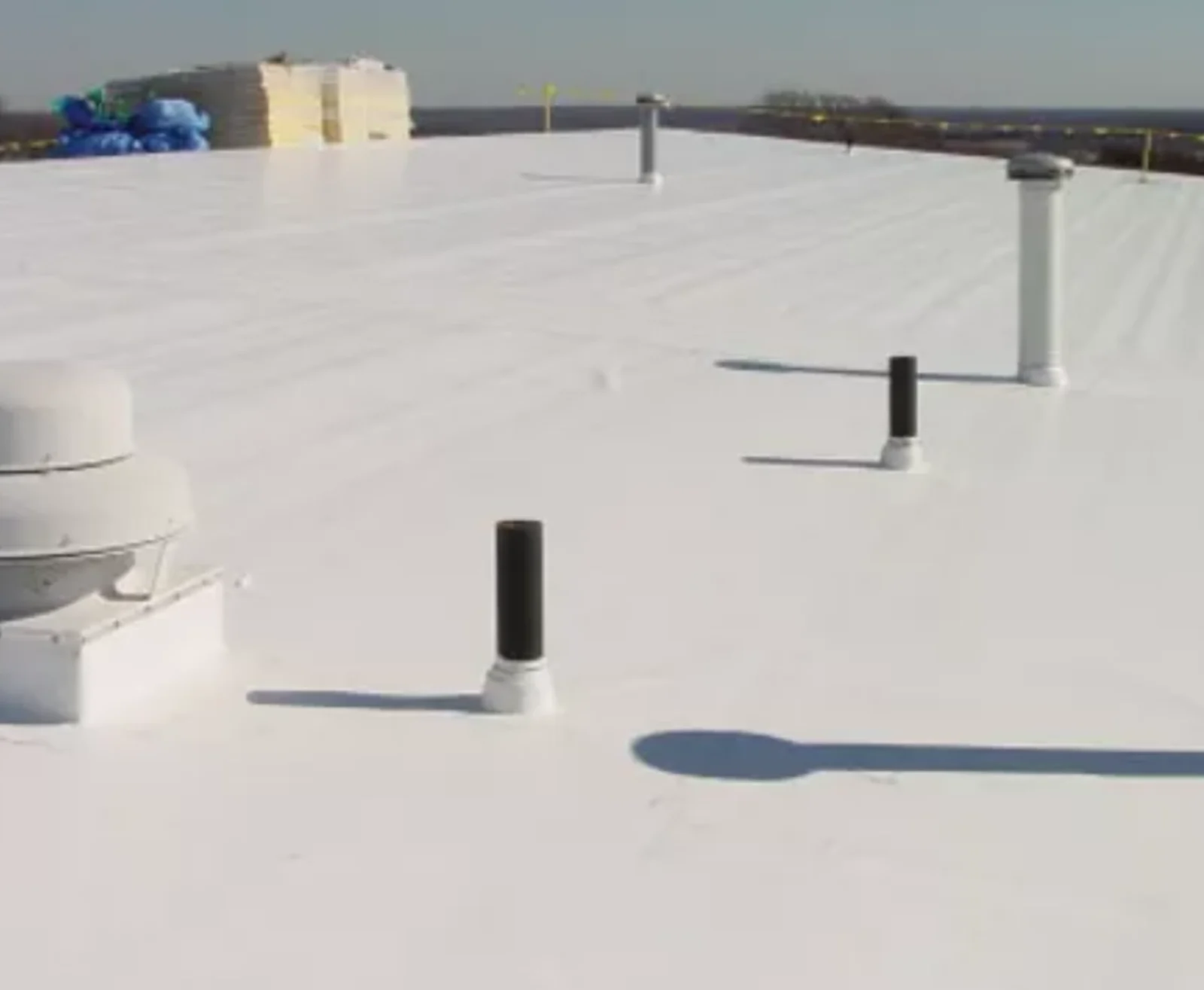
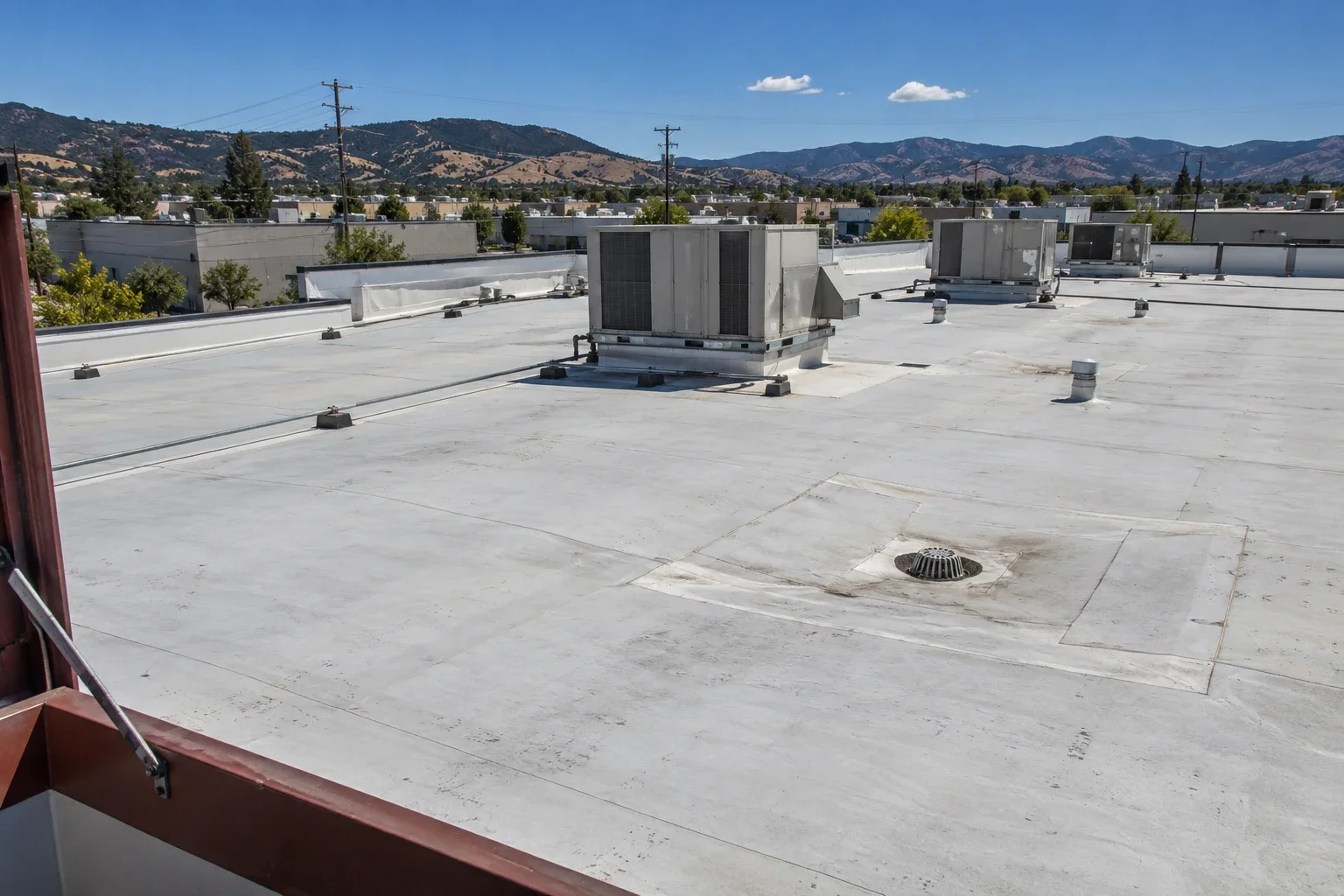
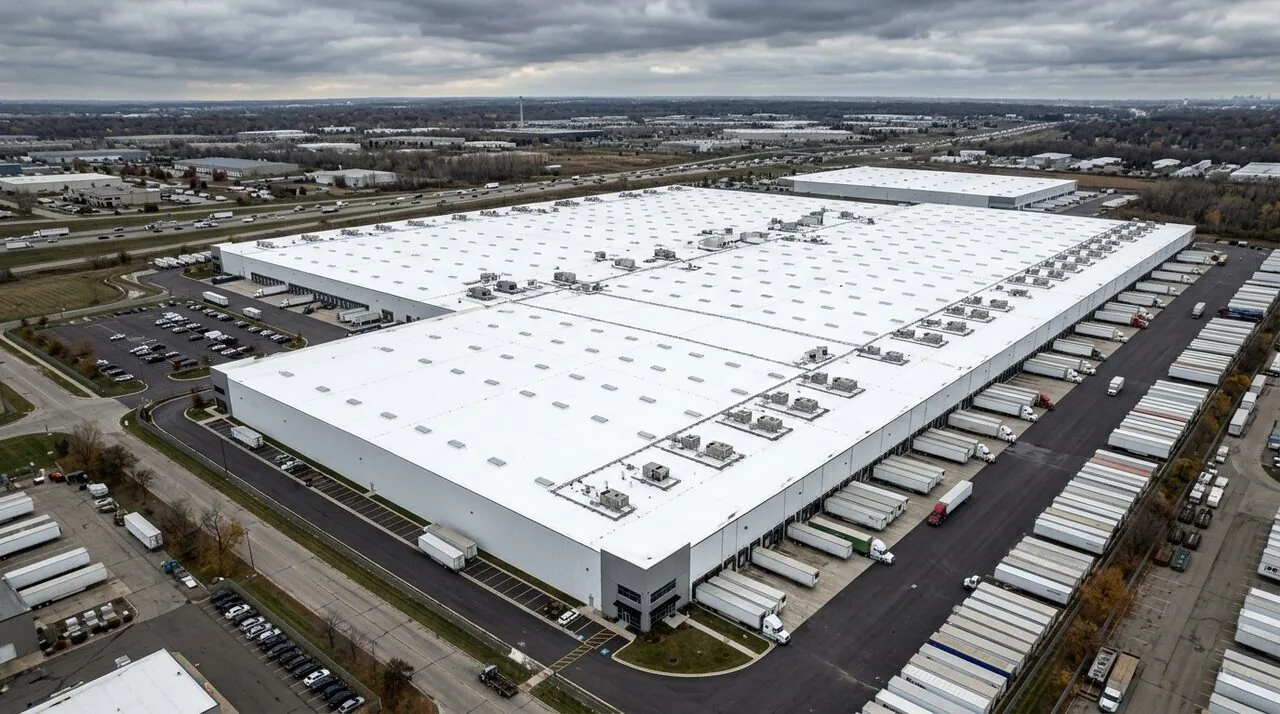
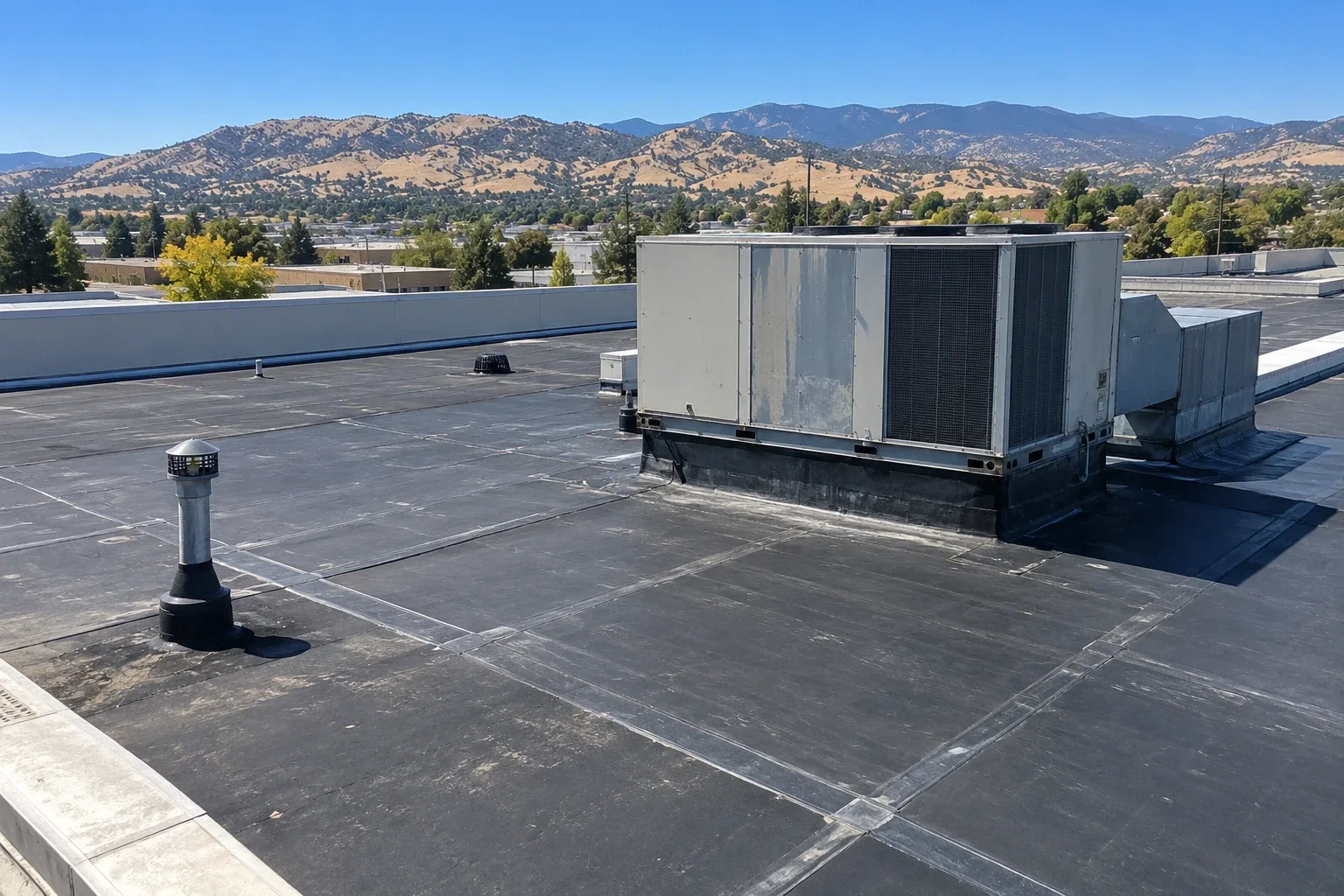
White TPO is the common reflective choice, with heat-welded seams. PVC suits roofs under kitchen exhaust or chemical vapor. EPDM is flexible and easy to repair but absorbs heat unless it is white. KEE-based membranes add plasticizer resistance for demanding rooftops. Reflectance loss from soot is the aging mechanism to watch on all of them.
Seam quality decides how any of them ages. Welded seams stay tight through heat cycles when they are made in good conditions, and glued seams depend on the adhesive holding. We check laps every spring, because a hairline gap at a lap is the first sign that remaining service life is running down faster than the schedule assumed.

Multi-Ply and Metal
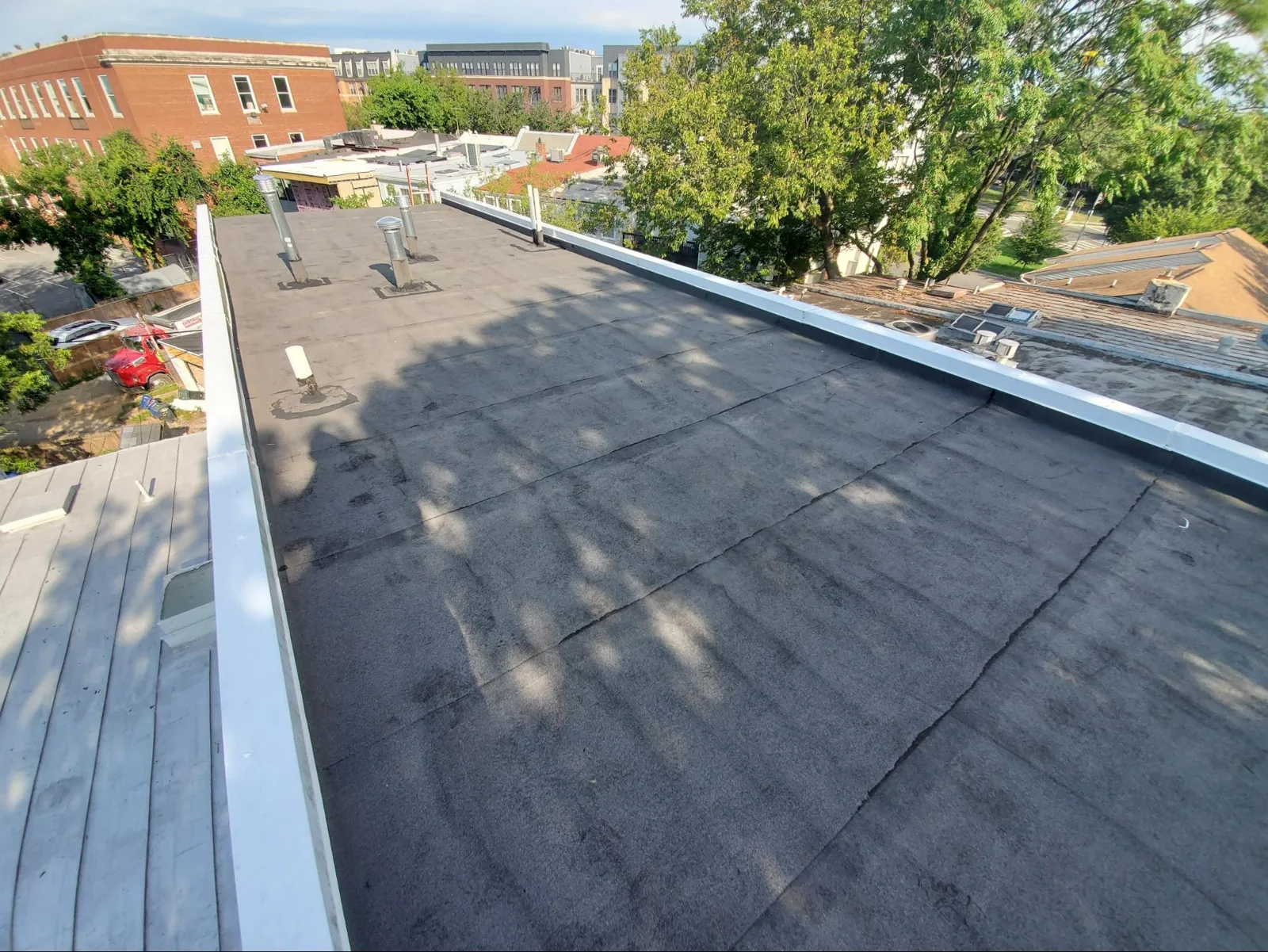
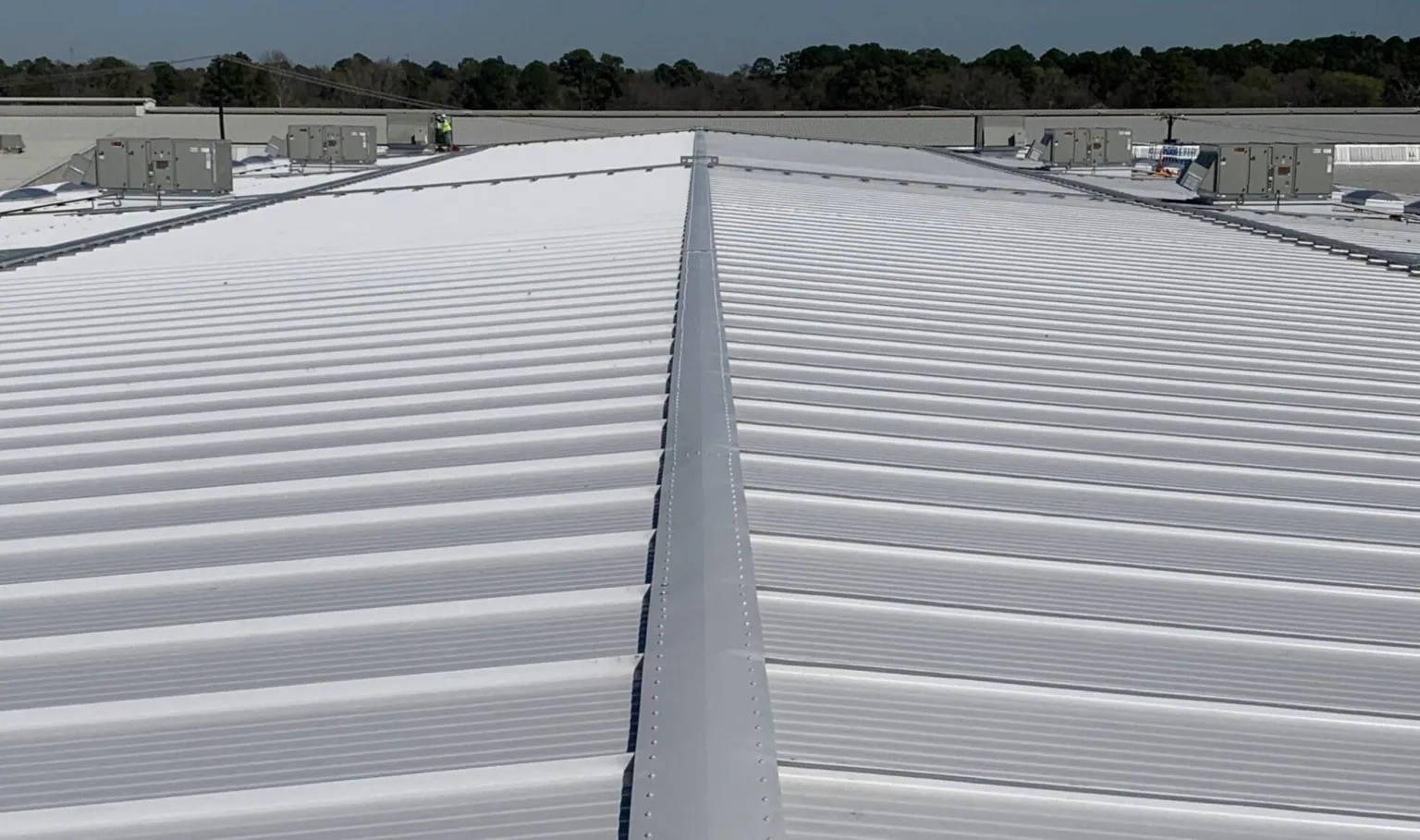
Modified bitumen and built-up roofing bring layers that tolerate foot traffic around equipment. Standing seam metal hides its fasteners and lasts, while a metal retrofit covers an aging low-slope or panel roof when the structure allows. Metal moves with heat, so clips and sealants earn their annual look.
Foam and Coatings
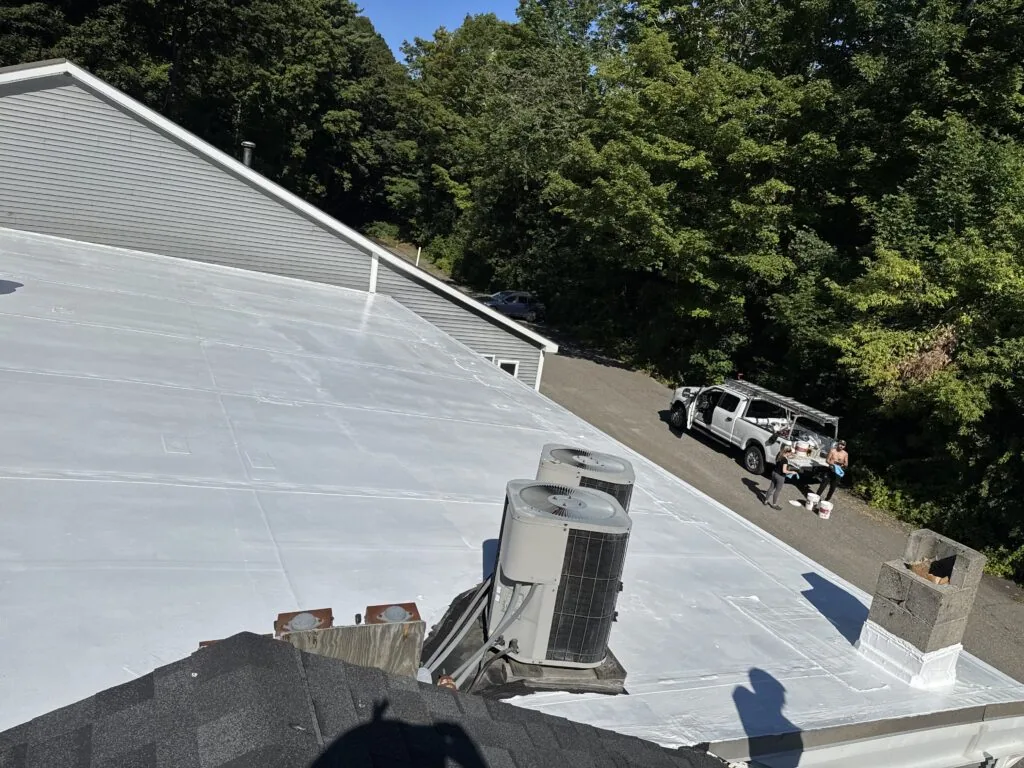
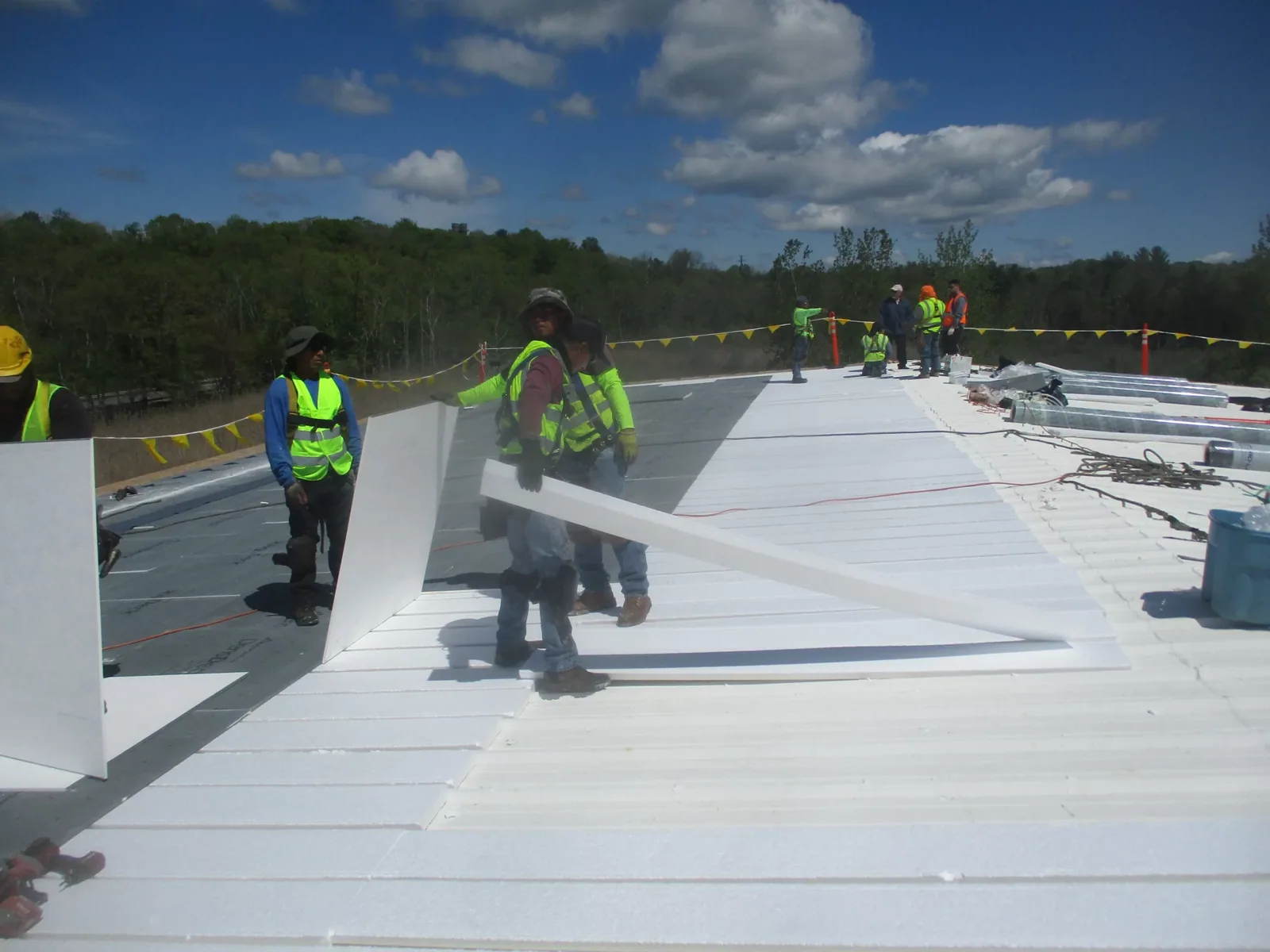
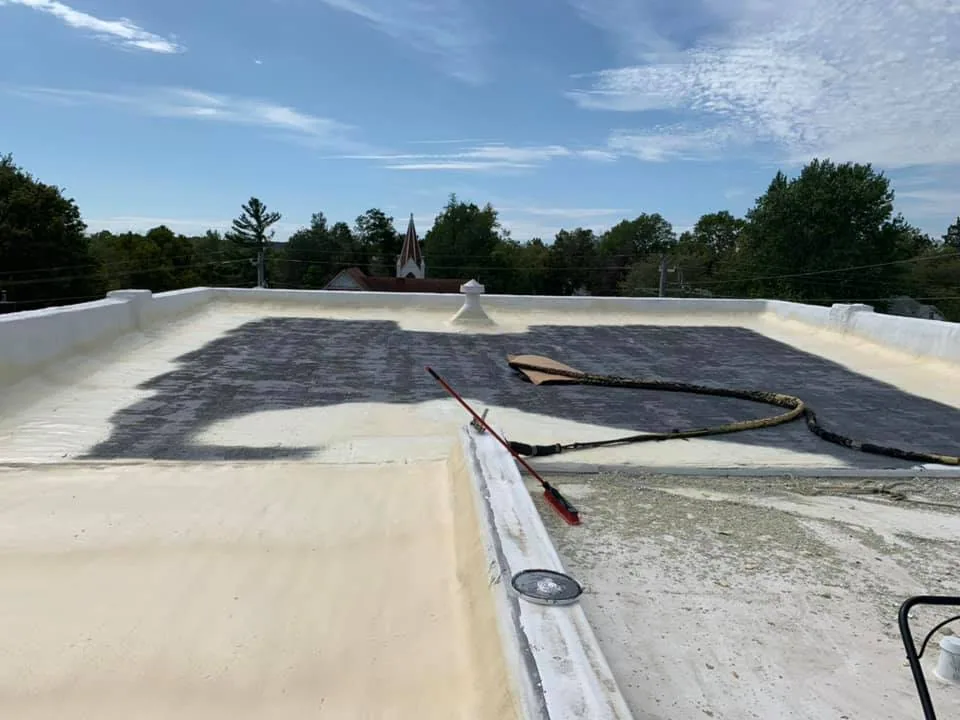
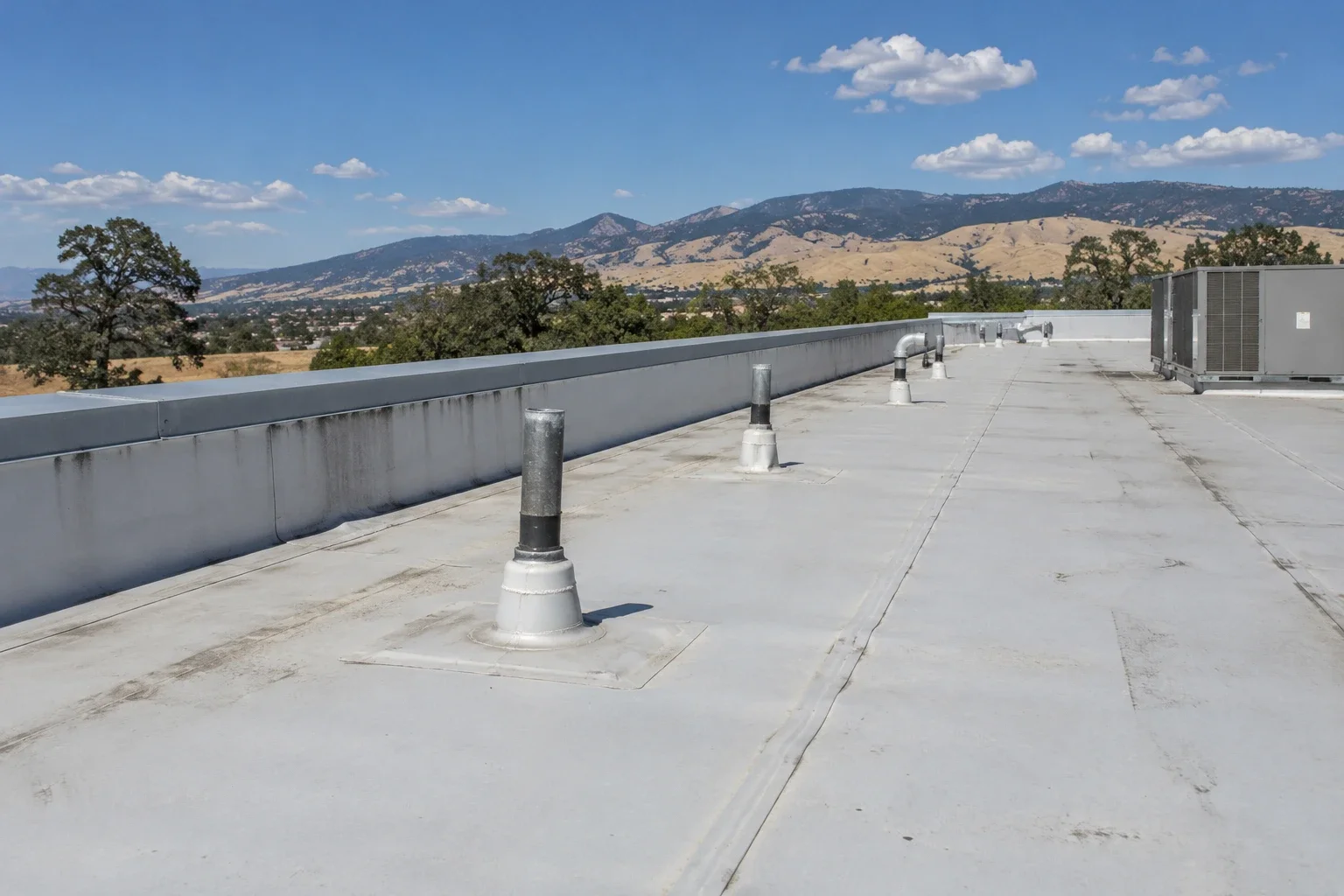
Spray foam adds insulation and a continuous surface that suits a summer-dominated climate. Silicone and acrylic coatings restore reflectance on roofs with dry insulation and sound seams, and acrylic is the dry-climate option the valley suits. Coatings fail when applied over moisture, so a scan comes first.
The choice among them is a ledger decision. A coating costs a fraction of replacement and resets the surface, but it only works on a roof that qualifies. Foam costs more up front and adds insulation value that shows up in the building's cooling load. The report sets the options side by side so the owner sees carrying cost over the next decade, not only the first invoice.
Smoke Season and Material Choice
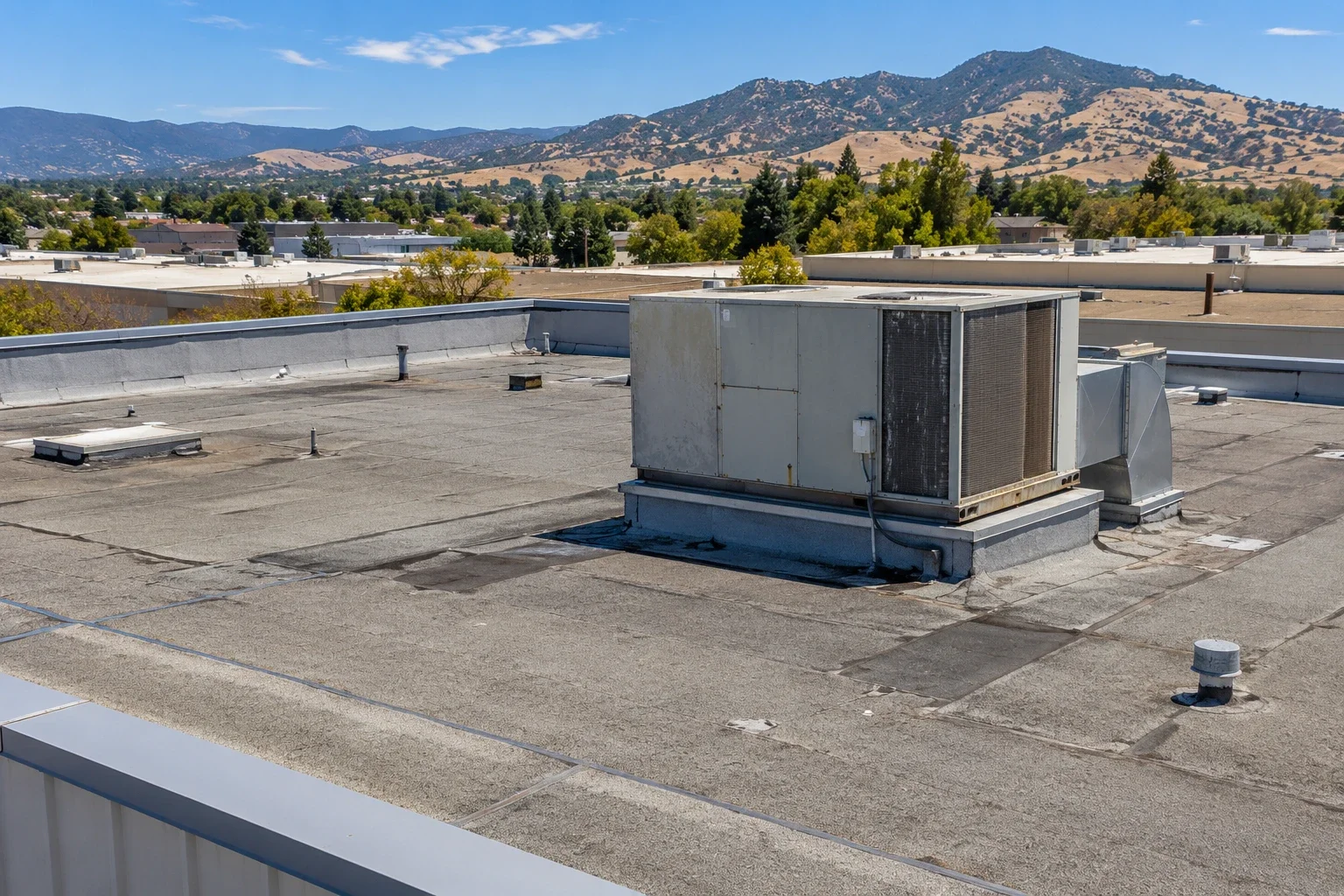
Smoke sat on the valley for 26 days in 2021, after about 2,600 Jackson County homes burned in the 2020 fires, so material choice has to allow for soot. A light surface carrying soot runs hotter, which puts the cleaning interval into the system choice. Edges and penetrations matter too, because embers enter through gaps, and tight edge metal serves a fire plan as well as a wind plan.
Reroofs at Phoenix Industrial Park and on hospital campuses are held to the code in force, Oregon's 2025 Structural Specialty Code.
Send Us the Building and We Will Walk the Roof