Acrylic Roof Coatings in Medford, OR
Acrylic roof coatings in Medford, OR: a water-based reflective layer for sound roofs that drain well, applied in the dry season and renewed on a schedule.

Overview
Acrylic coating is the dry-climate coating, and Medford, OR is a dry-climate market for most of the year. With only about 18.4 inches of precipitation, 61 afternoons above 90 F, roughly 11 above 100 F, an acrylic coat has the warm, low-humidity days it needs to cure and the clear sun it needs to earn its keep as a reflective layer. It costs less than silicone, goes on easily and renews with a simple wash and a fresh coat. The tradeoff is water: acrylic does not like to stand in it.
The condition grade tells a property manager whether the roof drains well enough for acrylic and how long the coat is likely to last.
What acrylic coating is and where it works
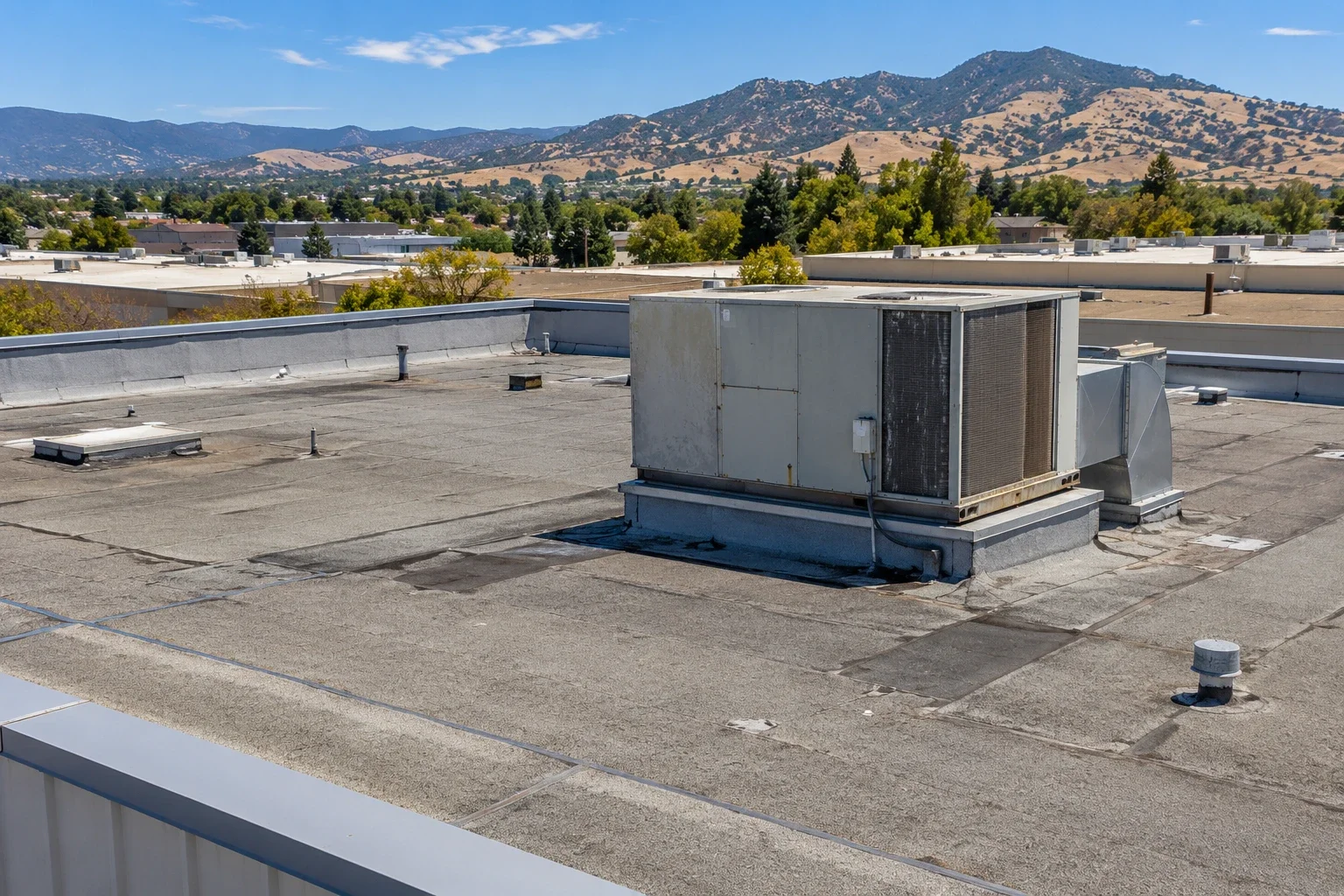
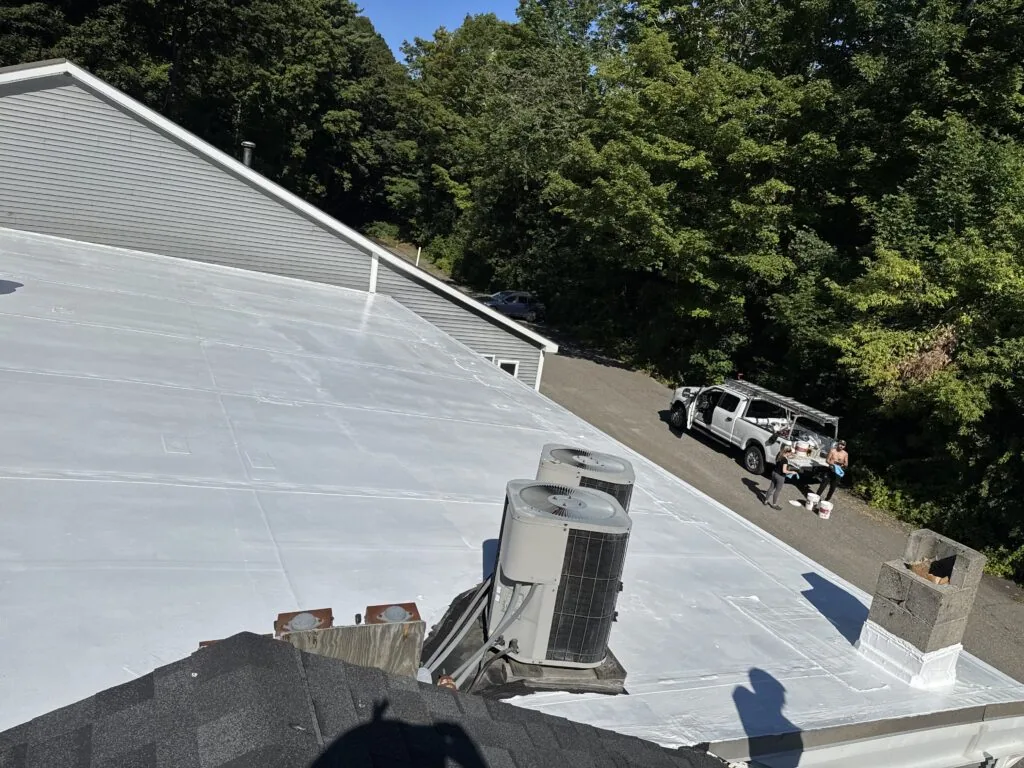
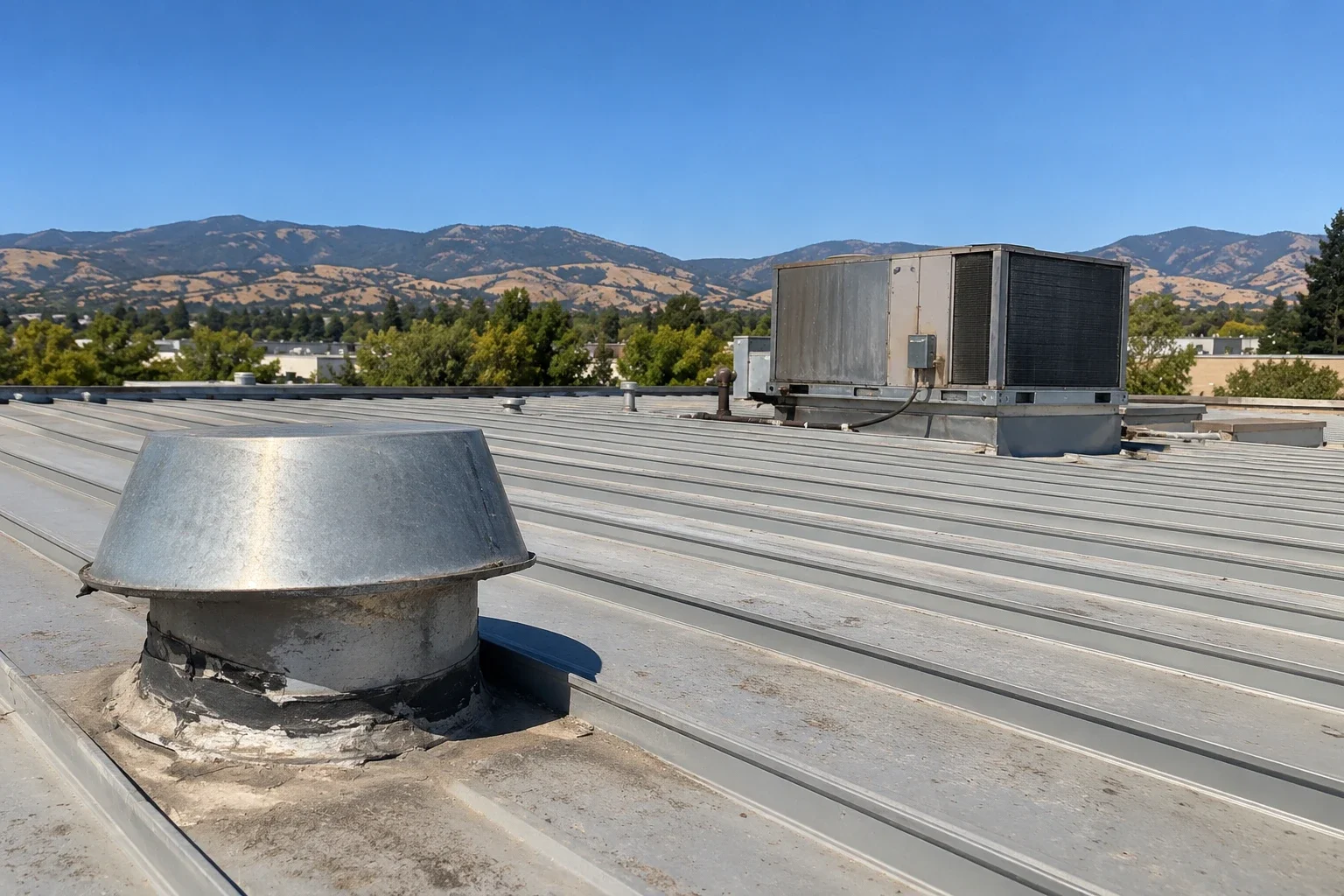
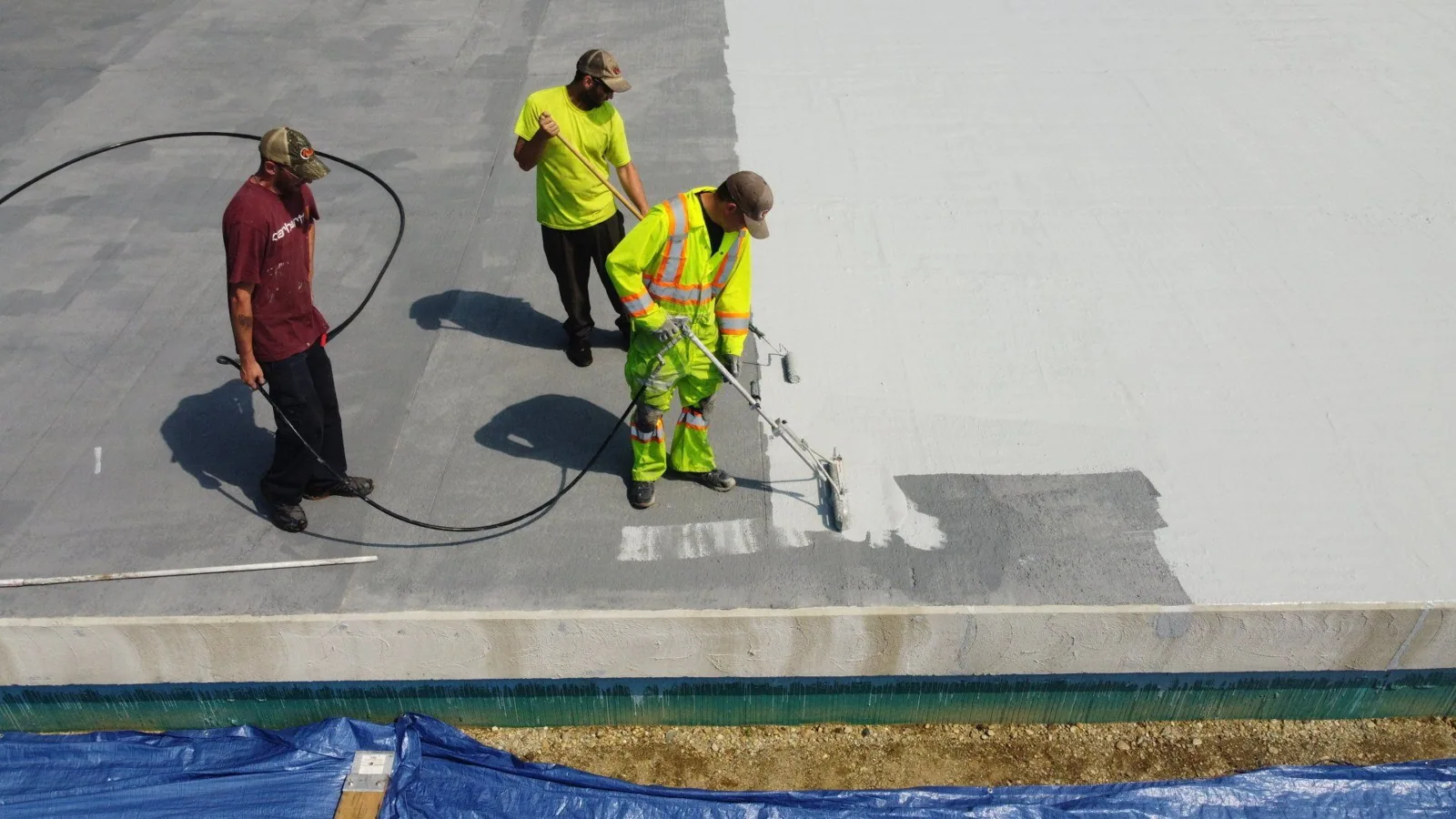
Acrylic coating is a water-based polymer rolled or sprayed over a cleaned and repaired roof, where it dries into a flexible, reflective film. It works on metal, single-ply membranes, modified bitumen and built-up roofs with the right primer, and it seals fasteners and seams while shielding the surface from ultraviolet light. Its main advantage is price and simplicity.
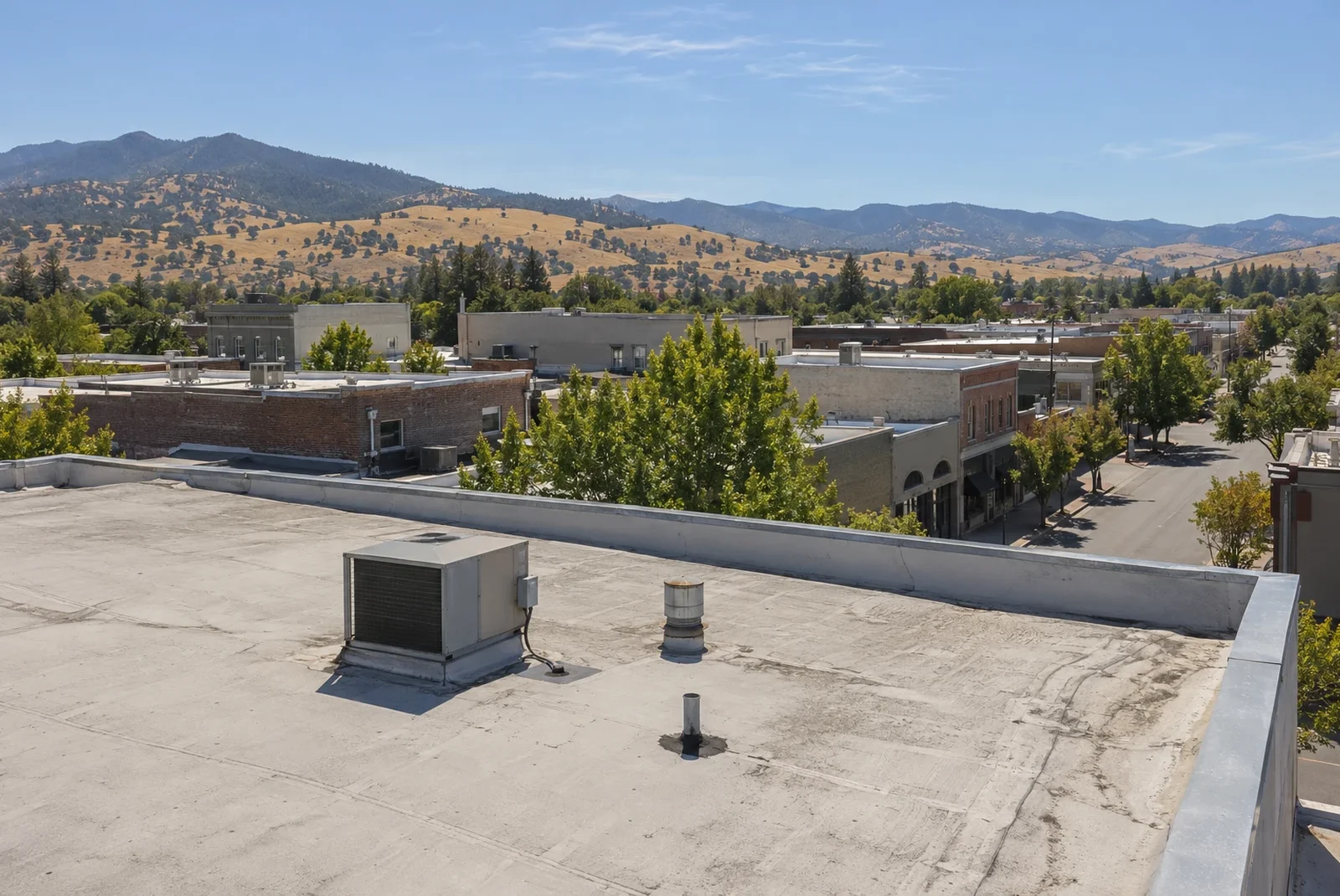
The limit is ponding. A roof that holds water for days softens an acrylic film, and the coat can blister or wash out at low spots. Silicone tolerates standing water, and we show it as an alternate where ponding is likely. In a rain shadow, ponding is less common, and acrylic covers more of the valley than it would on a wetter coast.
On a membrane such as EPDM or TPO that has weathered but kept its seams, a coat can restore the surface and defer replacement for years. On a metal roof, it seals fasteners and laps and slows rust. In every case the condition grade comes first, because a coating is a surface treatment, not a structural fix.
Heat, reflectance loss and the UV budget
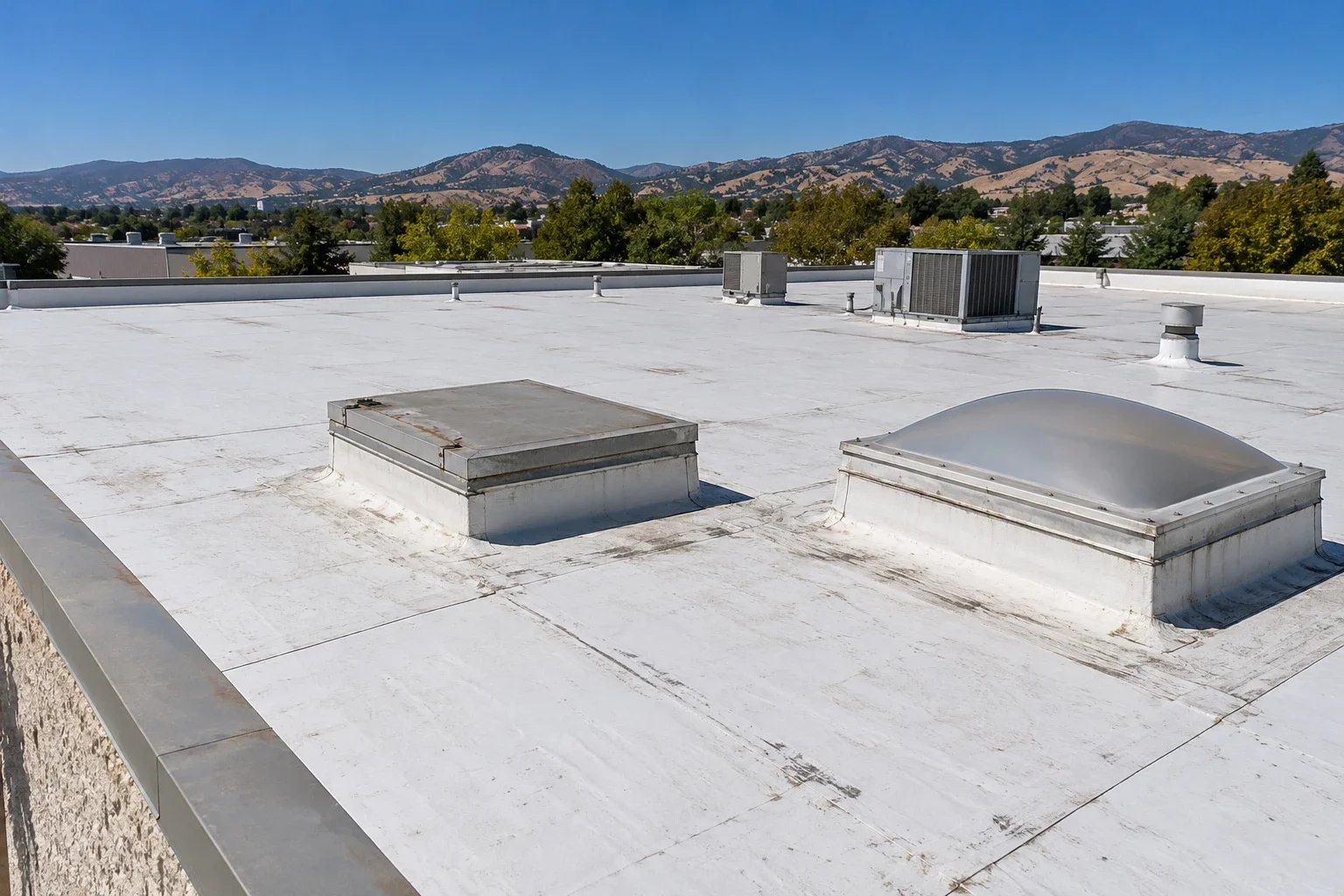
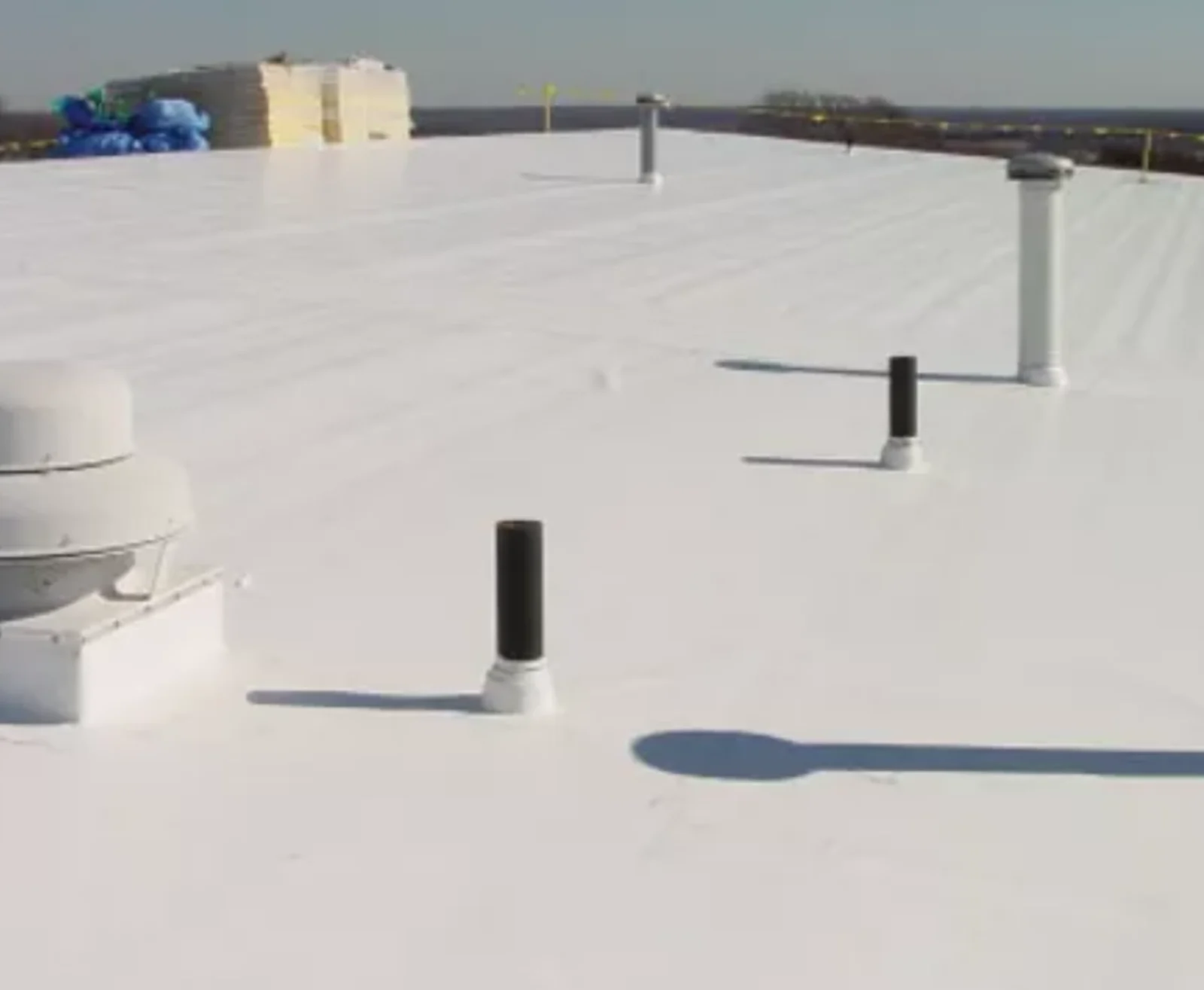
A fresh white acrylic surface reflects a large share of the valley's sunlight and lowers roof temperature on a hot afternoon, trimming the load on rooftop units. The benefit declines as dust, pollen and ash settle, and it declines faster on a coating with a lower solids content. The ultraviolet budget of a thin coat is spent quickly in a clear-sky summer.
We specify the coating thickness the maker requires and read it at marked spots on the finished roof. The yearly condition grade records chalking, reflectance, adhesion and drainage, and the remaining service life is estimated from them. Acrylic is the easiest coating to renew, because a new coat bonds to a clean old coat, and the reserve schedule can carry a regular recoat line instead of a replacement.
Substrate adhesion is tested on a small patch before the full job. If the test fails, the prep changes or the plan does, and the result is recorded. A coating that does not bond peels in the first winter, and the owner report should never have to explain.
Smoke season, soot and ember exposure
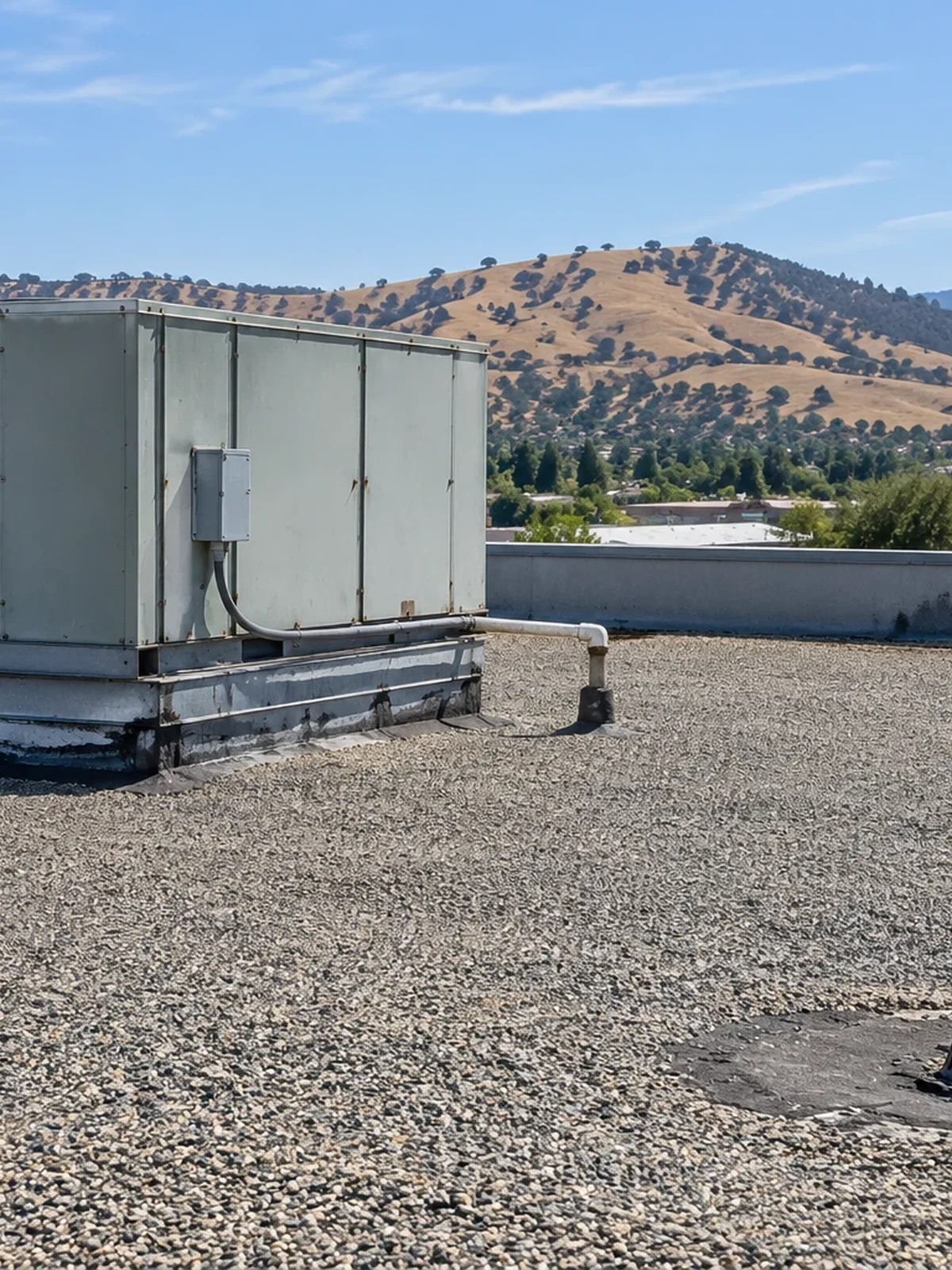
Smoke sat in the valley on 26 days in 2021, after about 2,600 Jackson County homes were lost to fire in 2020. Soot on a white acrylic roof darkens it, raises surface temperature and shortens remaining service life. After a smoke week we wash the roof, clear drains of ash and inspect for scorch marks at edges and equipment.
Acrylic is water-based and not itself a fire barrier. The assembly beneath it determines the fire classification, and a coating does not change that, though some are tested over specific roofs. We confirm the rating against the plans before specifying a coat, and we record the event and the cleaning in the owner report.
Where acrylic fits in the valley
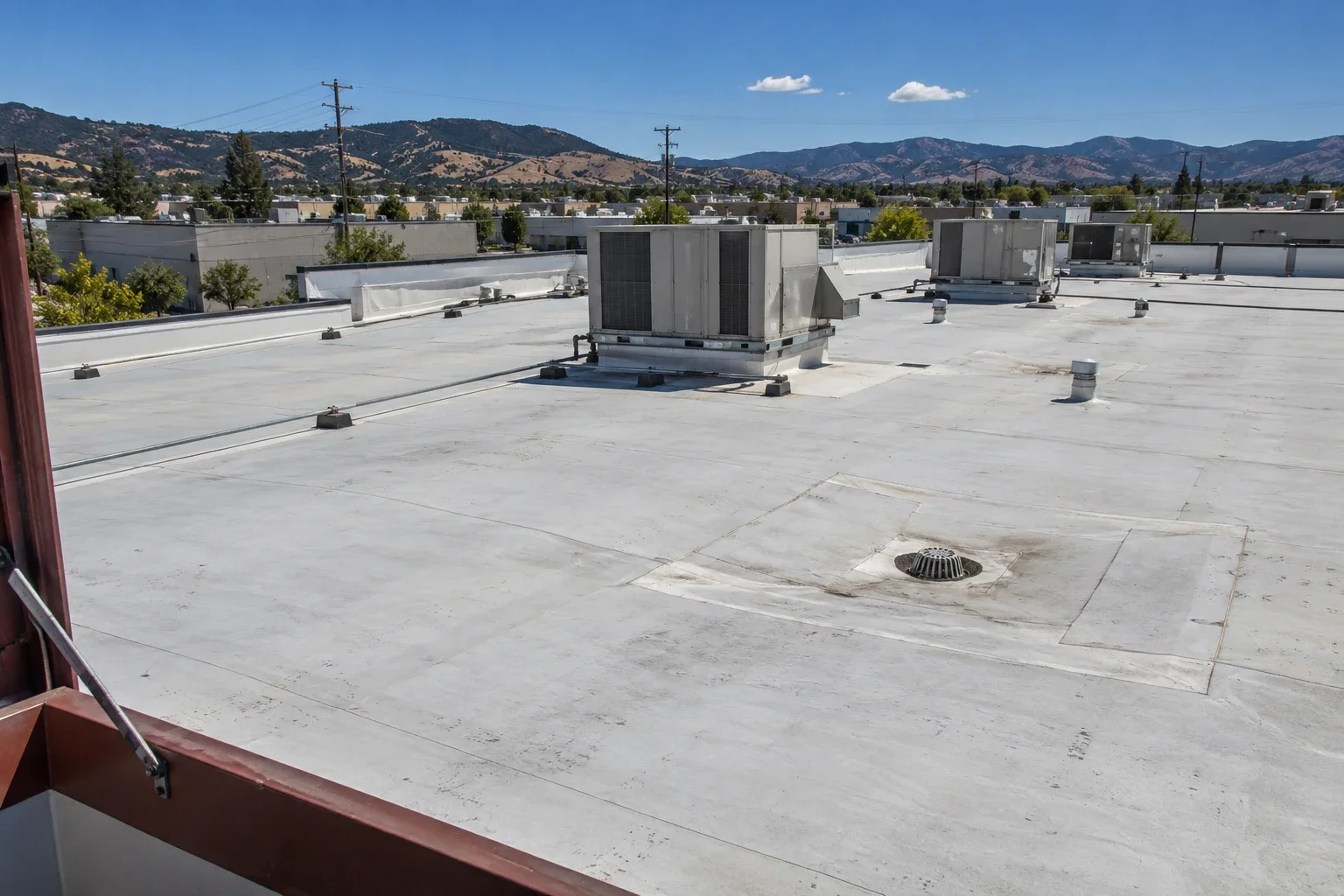
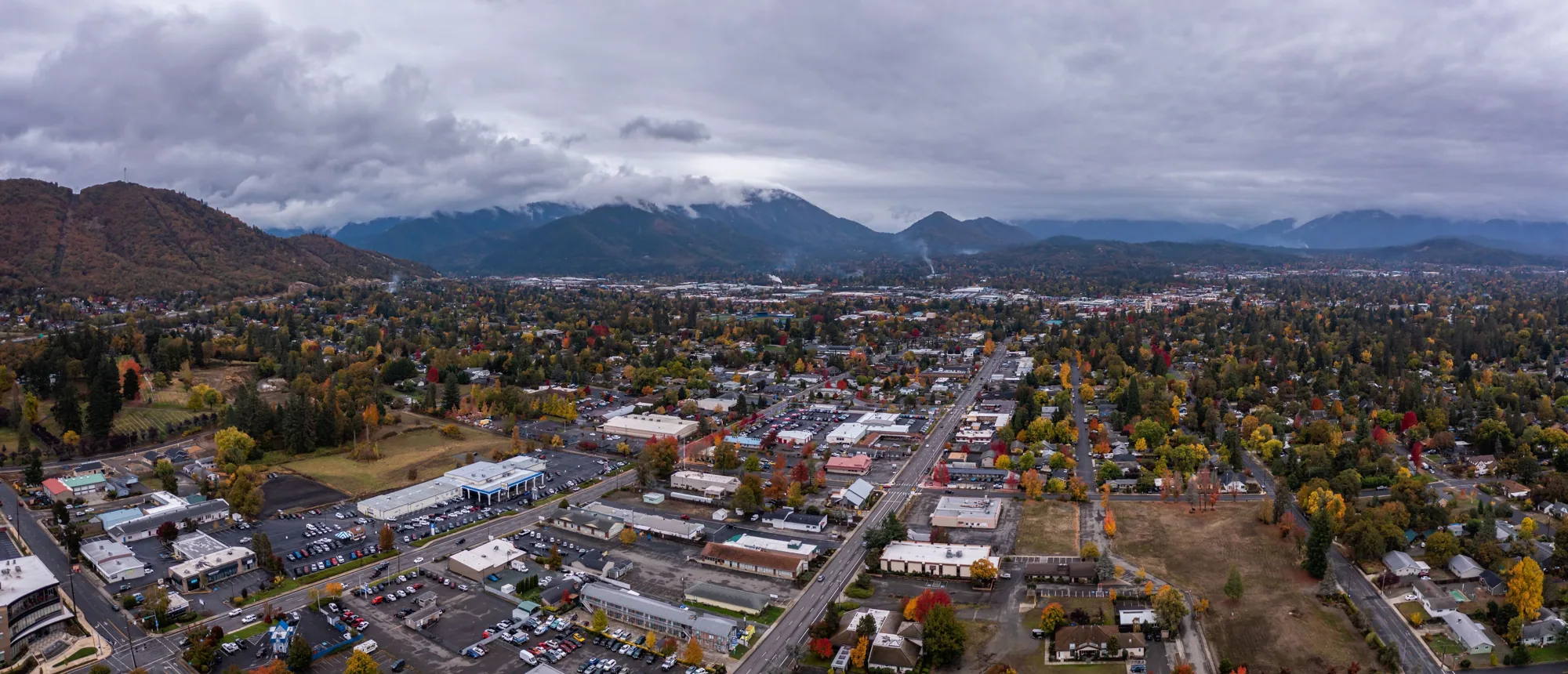
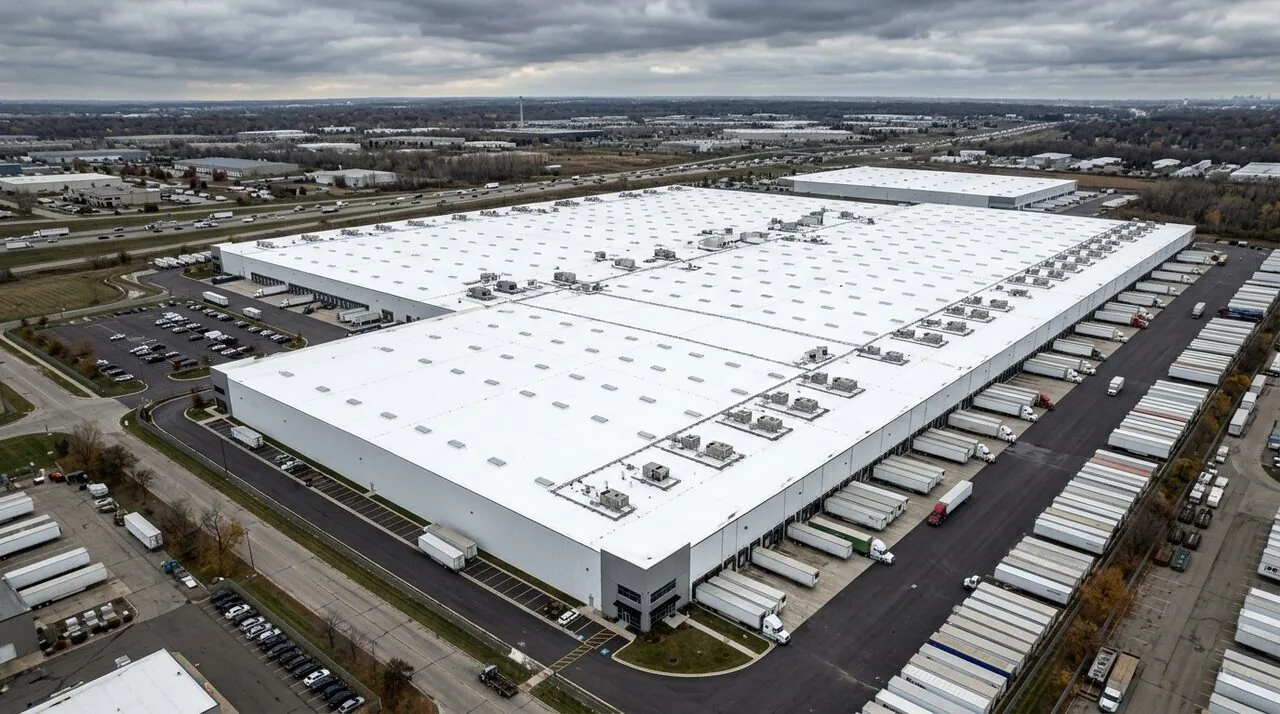
Large, flat, well-drained commercial roofs in sound condition suit it. Employers in Central Point, where Interstate 5 and Oregon Route 99 cross, run from Albertsons and Costco to USF Reddaway, Pilot Travel Center and Knife River Materials, with School District 6 among them. The Central Point commercial stock is the kind where a coating program can be priced across several buildings.
Industrial roofs at the White City Industrial Park, served by freight rail, and at Phoenix Industrial Park are another case, and so are school roofs where a district wants to extend life across a summer break. We walk each roof before recommending a coat, since age, drainage and substrate decide the answer.
Healthcare roofs are handled more carefully. At hospitals like Asante Rogue Regional Medical Center and Providence Medford Medical Center, exhaust and strict air-quality rules mean a coating job needs a plan for odor, intakes and scheduling. We coordinate with the facility before the first day.
Cost, reserve schedule and lease timing
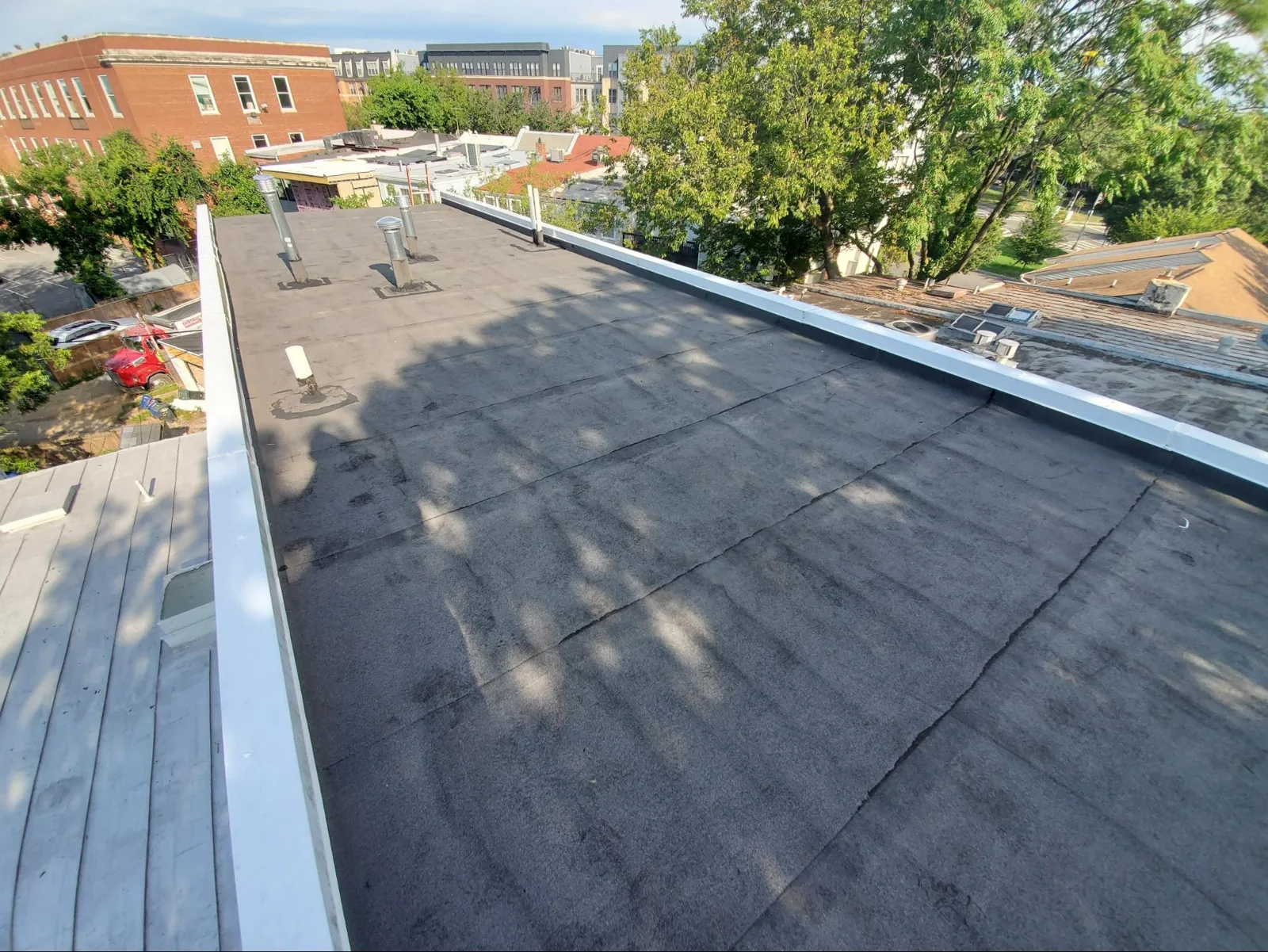
Preparation is the largest line: washing, repairing seams and flashings, priming and reinforcing seams with fabric. The coating is priced by coverage and thickness, and repair counts carry unit prices. A hold point after repairs gives the owner a chance to approve the actual condition. A coat applied over unrepaired seams does not last.
The coating belongs in the reserve schedule as a deferral, with a recoat date. Lease timing favors work in the spring work window, before the hottest afternoons, with entrances protected and intakes shielded from odor. Each scope notes the structural code edition that governs it, which since April 1, 2026 means Oregon's 2025 code.
Wash schedule and renewal
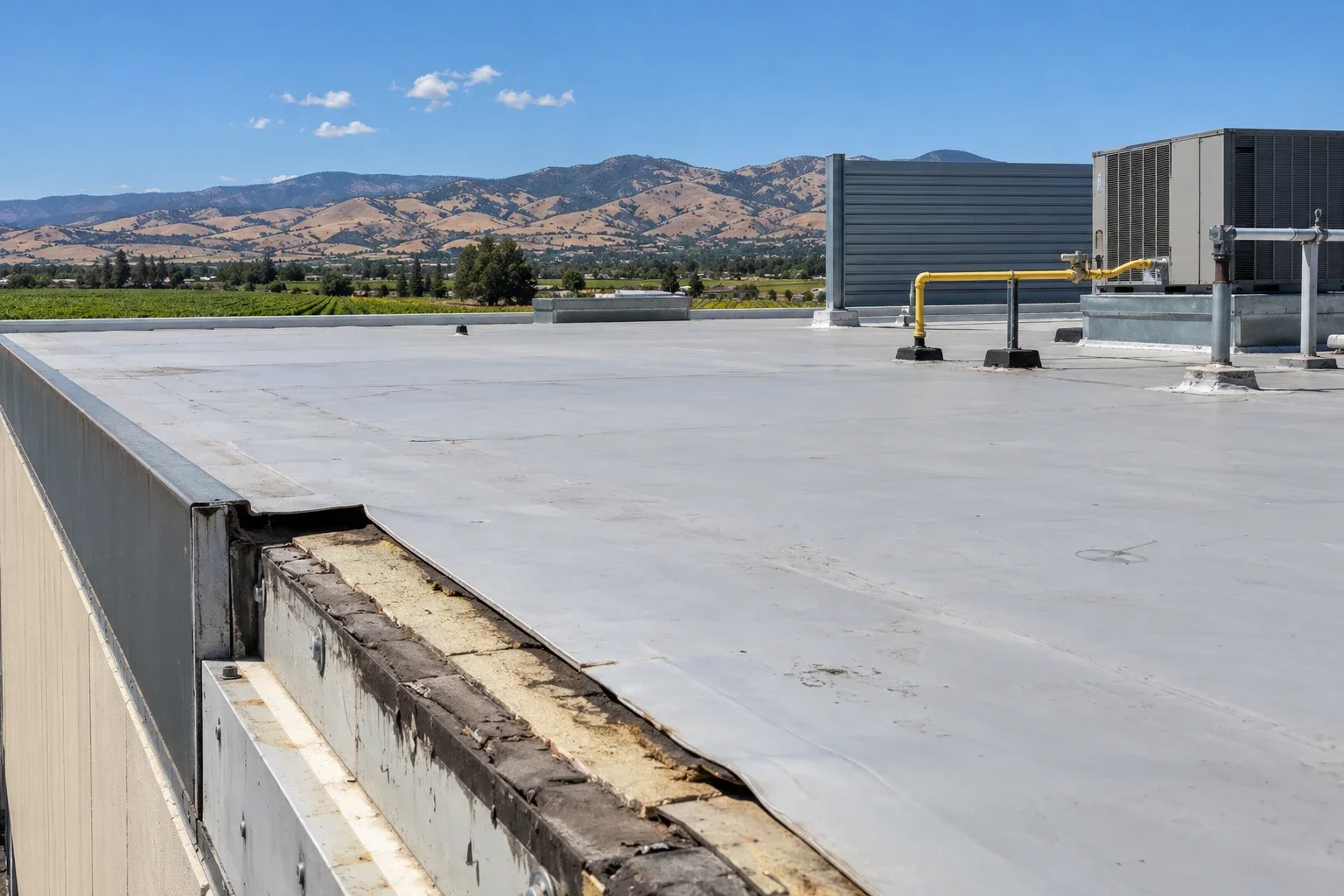
An acrylic roof stays useful through maintenance more than through chemistry. A spring wash removes the winter's dust and the previous summer's ash, a fall check clears drains before the first storms and a post-smoke wash restores reflectance after heavy events. Each visit is dated in the roof register, with photographs of any chalking, thin spots or blistering that appear.
Renewal follows the coating's condition. When thickness readings fall below the maker's minimum or adhesion tests weaken, the roof is due for a recoat, and the reserve schedule shows the date. A recoat on a clean, sound coating costs a fraction of replacement, which is the central economy of the system. When the coating has failed over a large area or the roof underneath has deteriorated, the recommendation moves to repair, recover or replacement, and the owner sees the comparison with prices.
Application conditions and cure
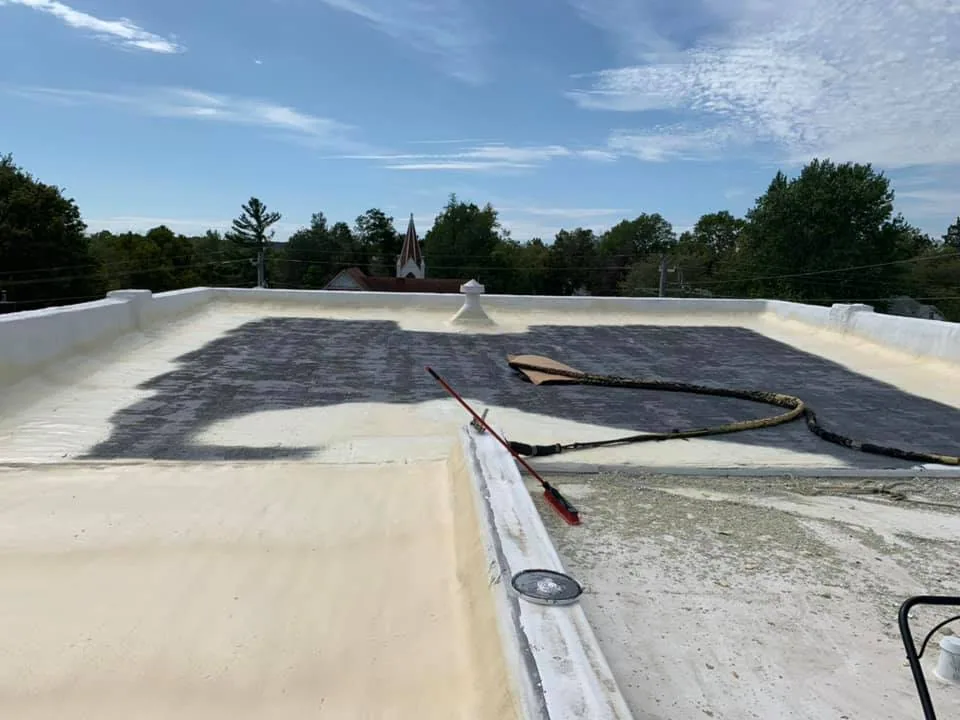
Acrylic cures by water leaving the film, so it needs warm, dry, low-humidity conditions and a dry surface. Morning dew delays the start, and a cold night after application can stall the cure. Fog and damp can sit over the valley for extended stretches in winter inversions, and about 64 freezing mornings a year rule out cold-season coating. The long dry summer is the working season.
We check surface moisture with a meter, apply in the cool hours and watch the forecast for the next day. If a storm threatens a half-cured coat, we stop. At closeout we read thickness, photograph seams and drains and file the coating warranty. A roof coating restoration record then carries the wash and recoat dates.

Send the roof ages and photos
Related Roofing Pages
Questions About Acrylic Roof Coatings
Acrylic or silicone for Medford?
Acrylic where the roof drains well, silicone where water can stand. We price both.
How long before rain can hit?
Several hours to a day, depending on conditions. Rain is rare in the dry season.
Can acrylic be recoated?
Yes. It is the easiest coating to renew, with a wash and a fresh coat.
Does a coating fix a leaking roof?
Only after the leaks are repaired. Saturated insulation must be fixed first.
Does smoke ruin the coating?
Soot dulls it. A wash restores most of the reflectance.