
EPDM Roofing in Medford, OR
EPDM roofing in Medford, OR: how a black or white rubber membrane handles triple-digit afternoons, soot and sun, and where it fits a campus reserve schedule.
Overview
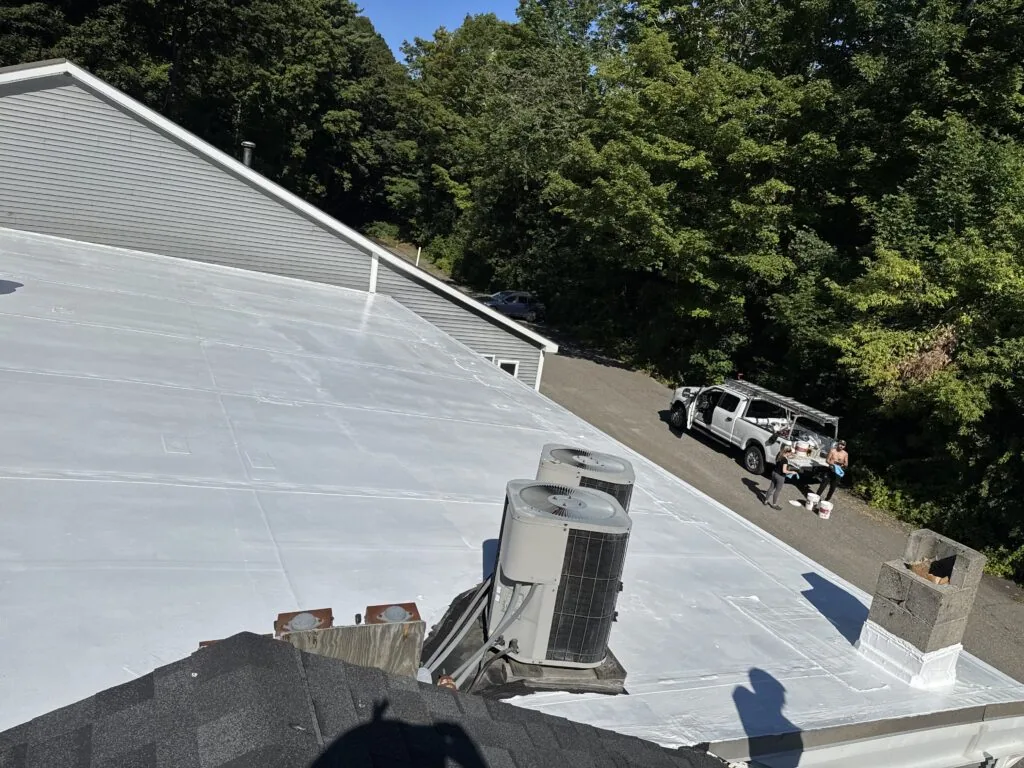
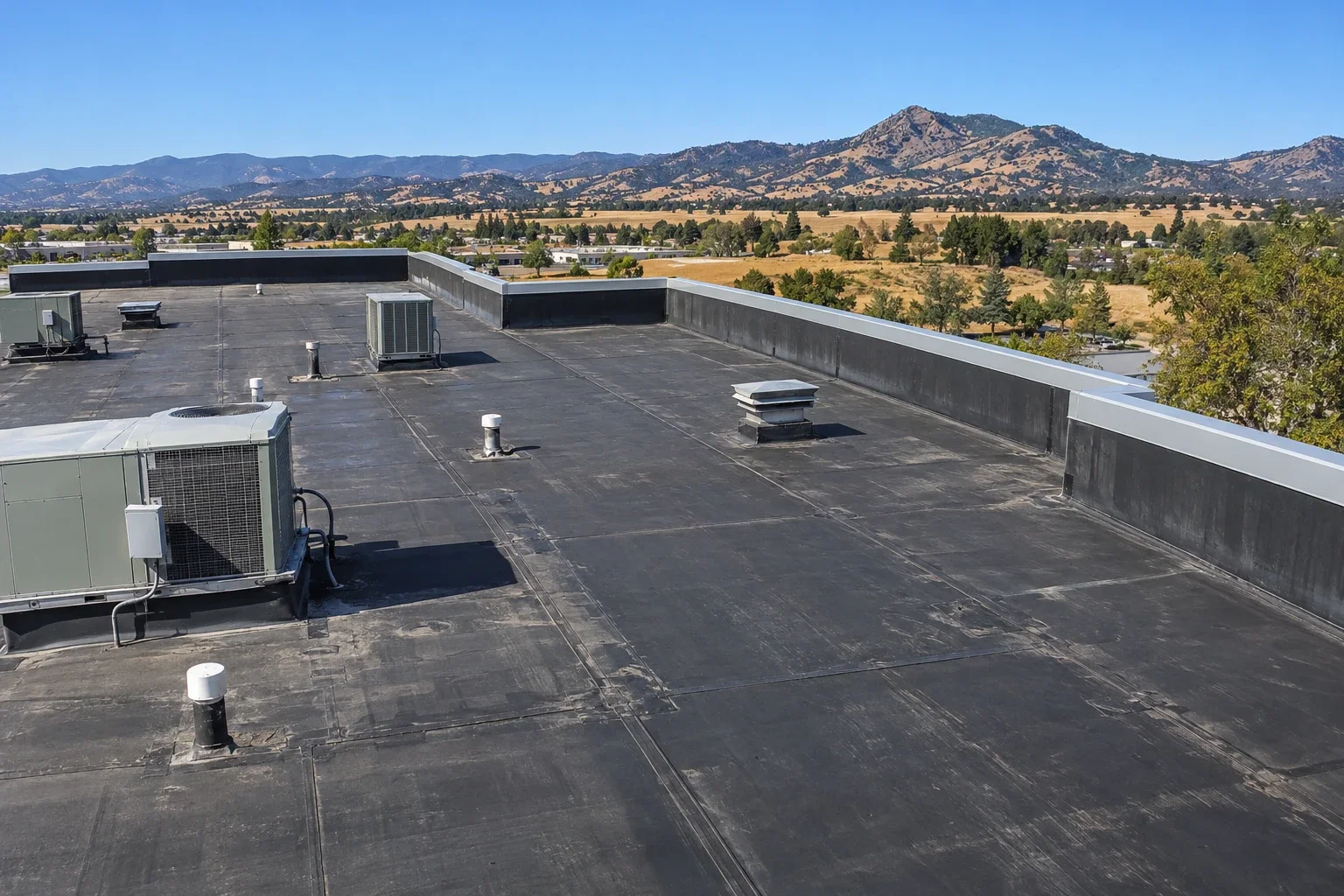
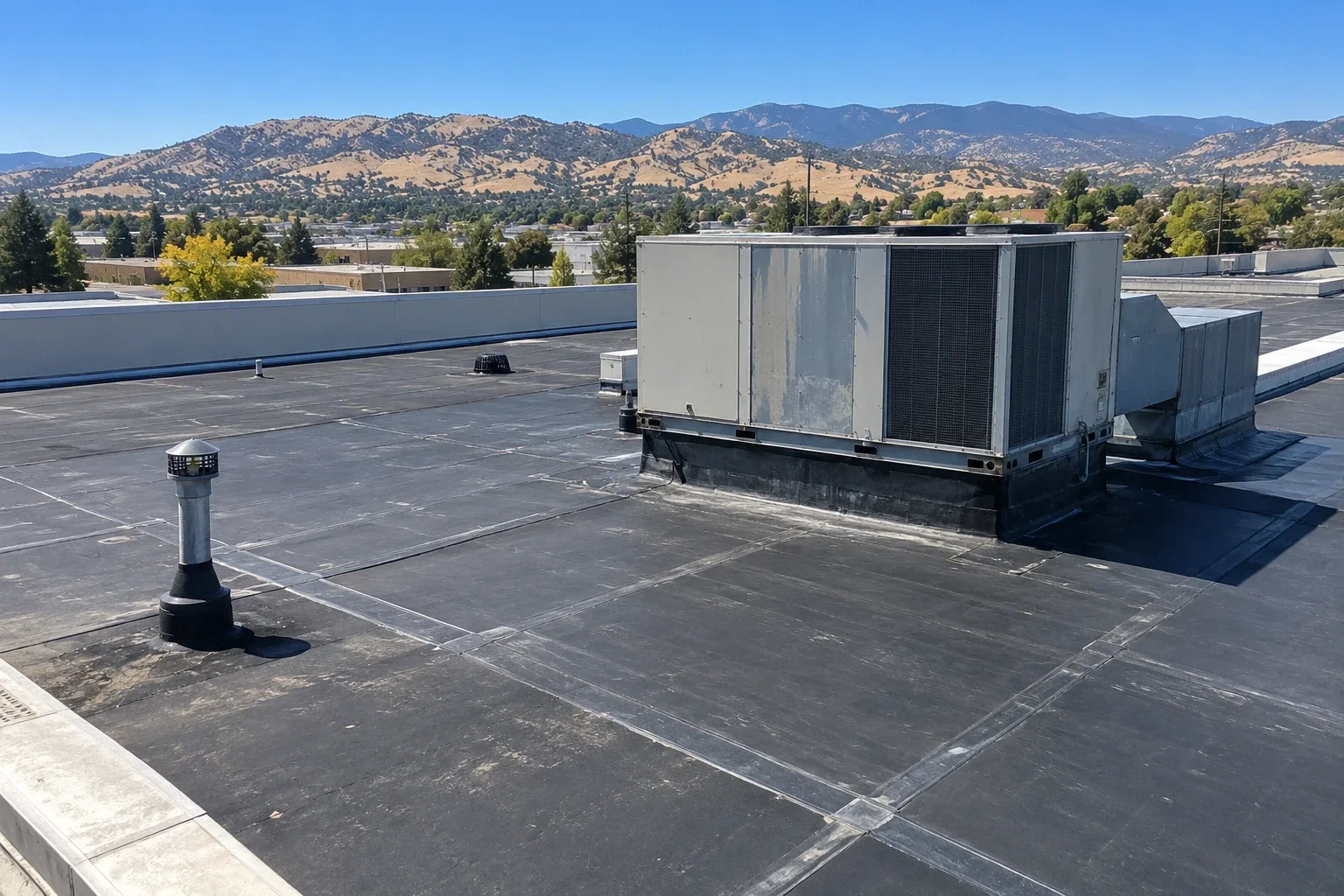
A black EPDM roof in Medford, OR does something no reflective sheet does: it absorbs the afternoon, and on a 100 F day the surface runs far above the air temperature. A rubber membrane takes the heat day after day for decades here, with 61 afternoons past 90 F, and 11 past 100 F, in a typical year and a 115 F record. That is the trade the owner makes, a low first cost and a long record against a higher cooling load, and the roof register should show it.
The question for a property manager is how much remaining service life the rubber still holds and which line in the reserve schedule it belongs to.
What EPDM is and why it lasts
EPDM is a synthetic rubber sheet, supplied in wide rolls, black or white, and installed fully adhered, mechanically attached or under ballast. Its seams are joined with splice tape or liquid adhesive, not welded, and its long track record on low-slope roofs comes from a chemistry that resists ultraviolet light, ozone and temperature swings without cracking easily.
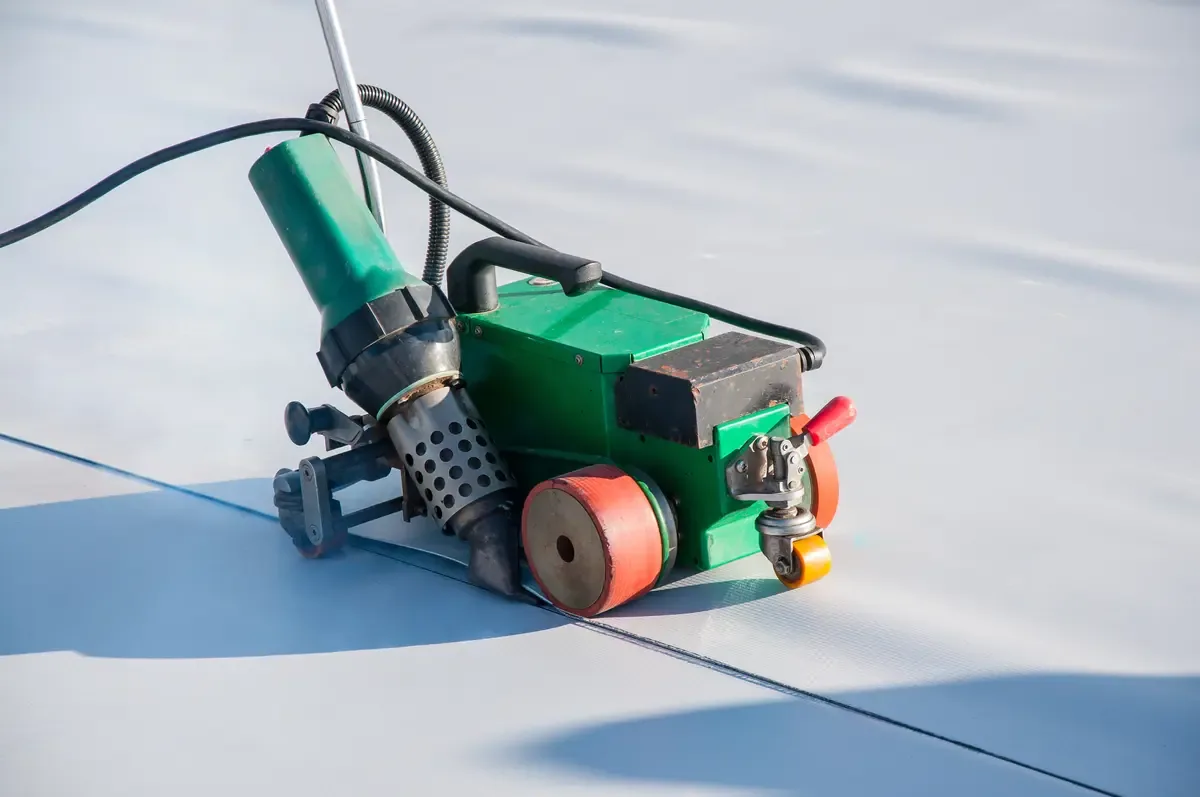
That durability costs less per square foot than the thermoplastic sheets. The tradeoffs are in the details: seams depend on clean, dry laps and good primer, flashings are formed by hand, and the black surface runs hot. For a roof with a simple shape and a long holding period, the arithmetic usually favors rubber. For a roof with a lot of penetrations, a welded sheet such as TPO may be quicker to detail.
Heat, UV budget and the black surface
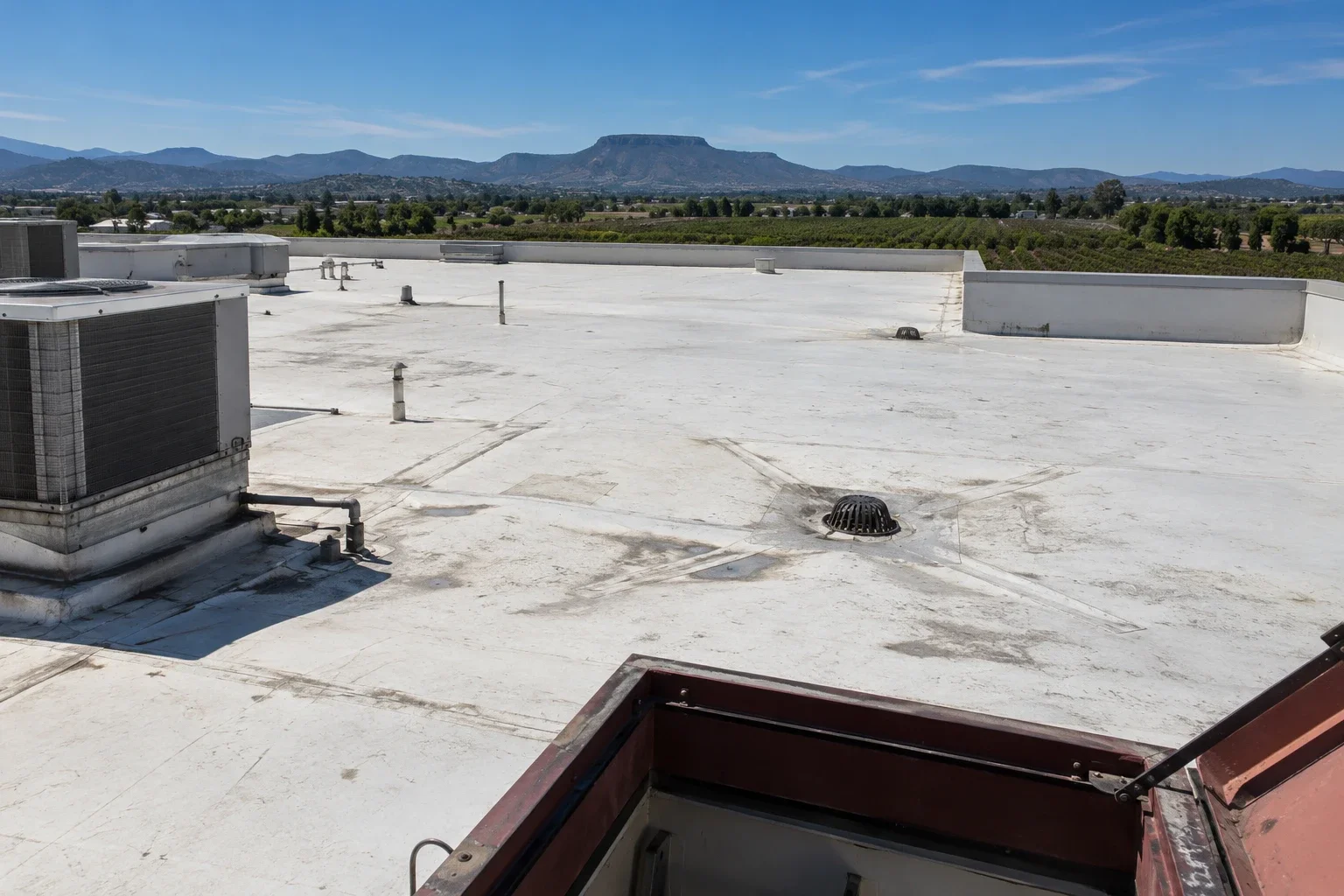
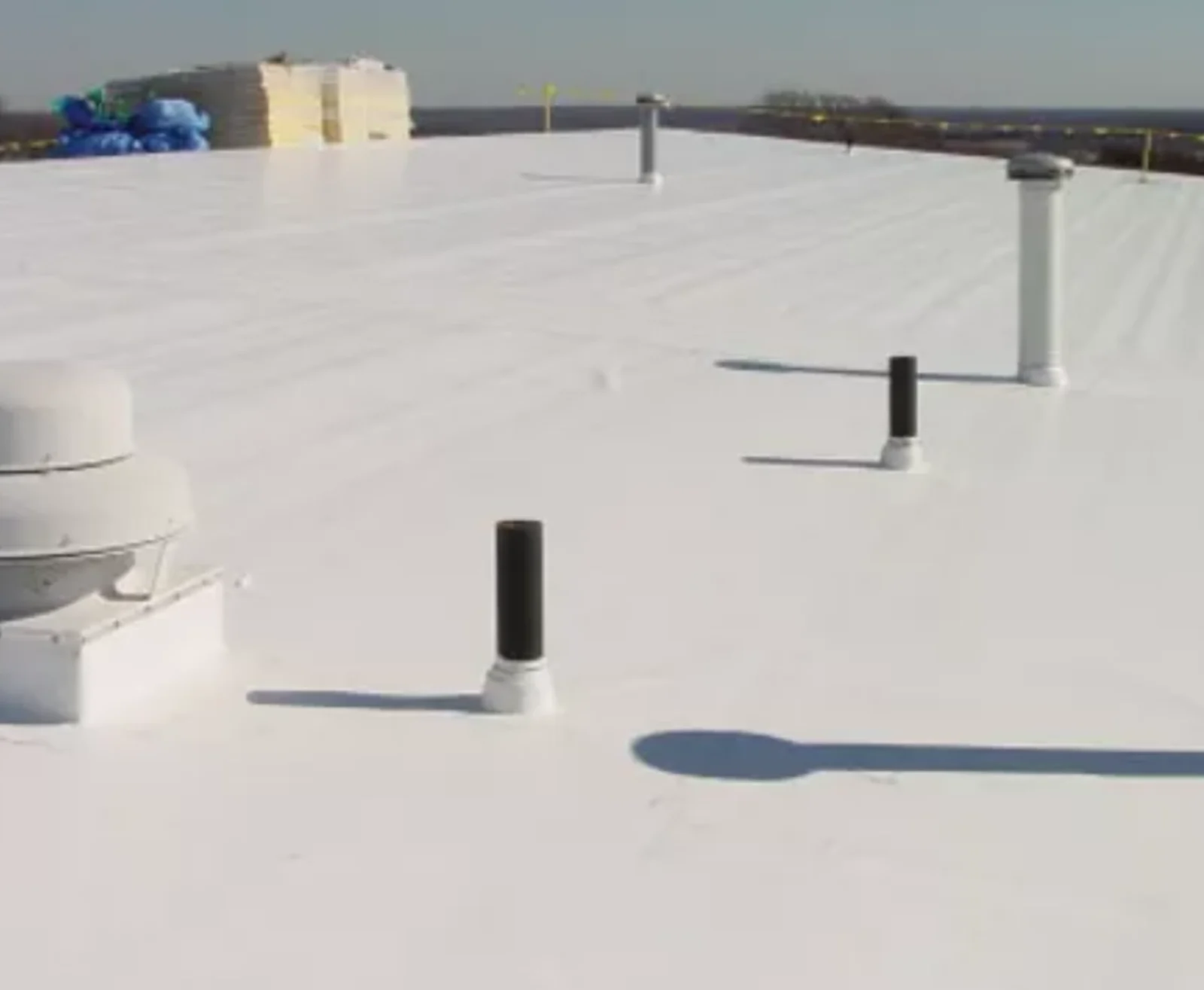
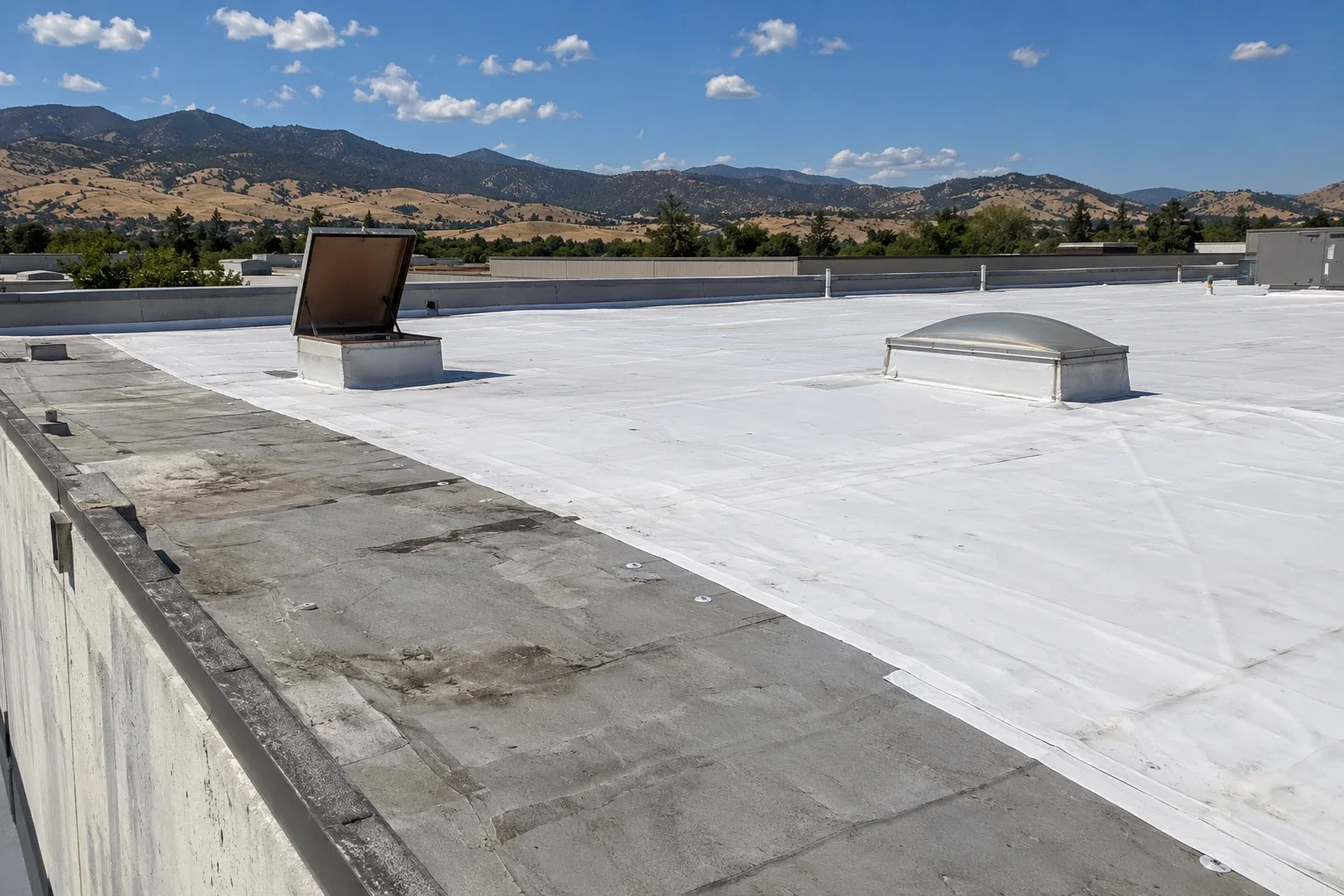
EPDM spends its UV budget slowly, which is why it is common on older roofs that have outlasted their warranties. Heat is the factor that ages it: sustained surface temperatures stiffen the rubber, dry out seam adhesives and shorten the life of tape splices. A white EPDM sheet runs cooler and reduces the load on rooftop units, at a higher price and with the same dirt problem as any reflective surface.
Soot is a smaller issue on black rubber because there is little reflectance to lose, but ash still gathers in drains and at seams. We grade EPDM roofs on seam condition, flashing adhesion, surface crazing and drain health, and the remaining service life follows. A roof that has crazed at the surface but kept its seams tight can run for years more; a roof whose seams have opened is a different conversation.
Surface temperature also shapes how repairs are made. Splice tape and adhesive that are fine on a cool morning flash off too quickly on a hot deck, so repair crews work early and stage material in shade. A patch made at noon in July is a patch that may peel by September.
Ballasted roofs and smoke-season debris
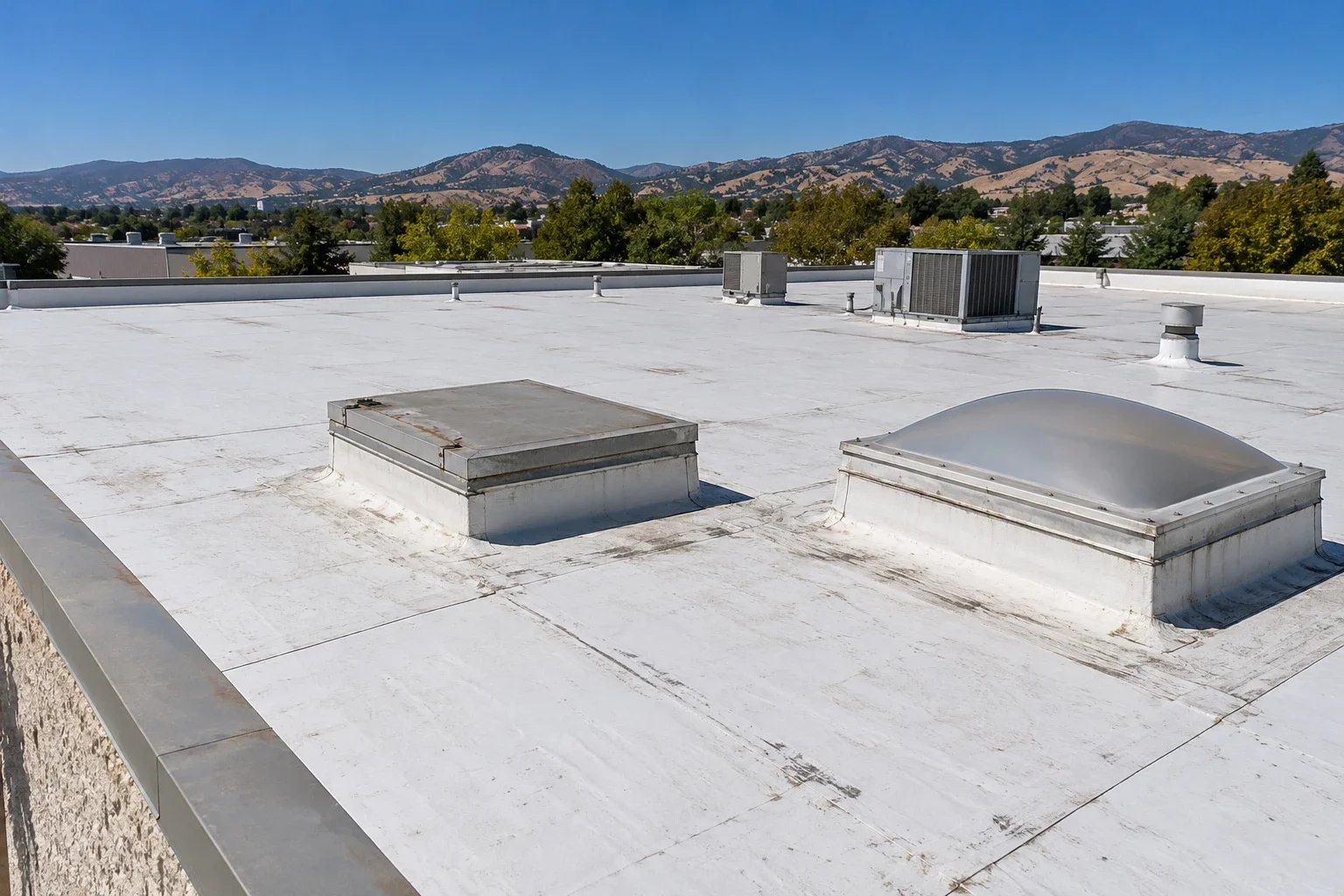
An EPDM roof is often ballasted, held down by river rock or pavers that also shield the sheet from sun. Ballast protects the rubber but hides it, and ash, needles and soot work down into the stone and into drains. After a smoke event the ballast needs to be raked back from drains, scuppers and edges, and the stone needs a look for movement.
Ballast adds structural weight that the building must carry, and the 2024-based Oregon Structural Specialty Code, effective October 1, 2025 and mandatory since April 1, 2026, governs new work. We confirm weight with the engineer before any recover or ballast change. Ember exposure is a separate point: loose, dry debris on a roof is fuel, and clearing it before fire season belongs in the maintenance plan.
Drains deserve the closest look on a ballasted roof. Stone that has moved against a drain strainer holds a pond over the sheet, and a pond is the first step toward seam stress and algae. We reset strainers, rake stone back and photograph each drain, so the owner report shows the condition before and after the clean-up.
Campuses, schools and older commercial buildings
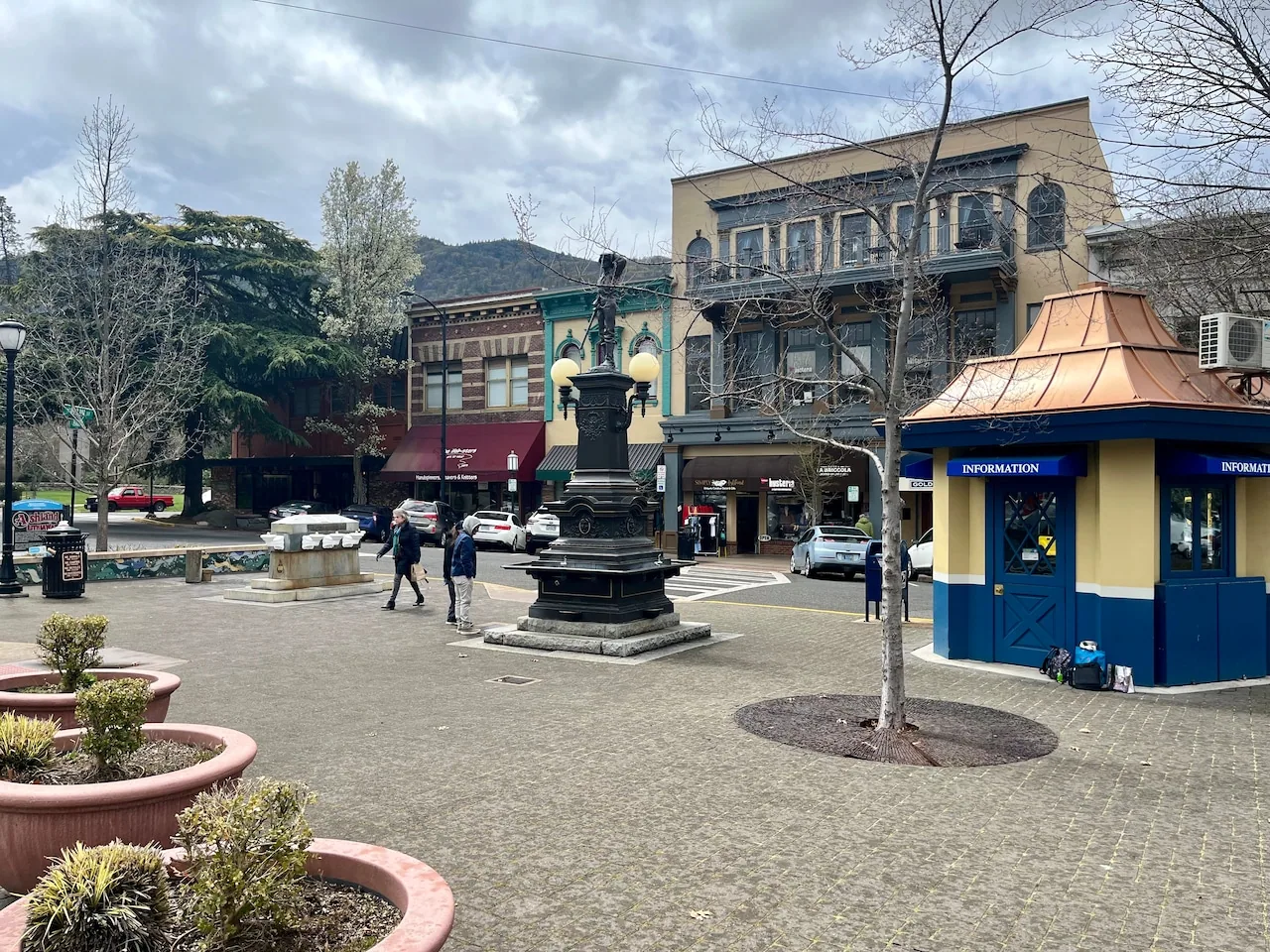
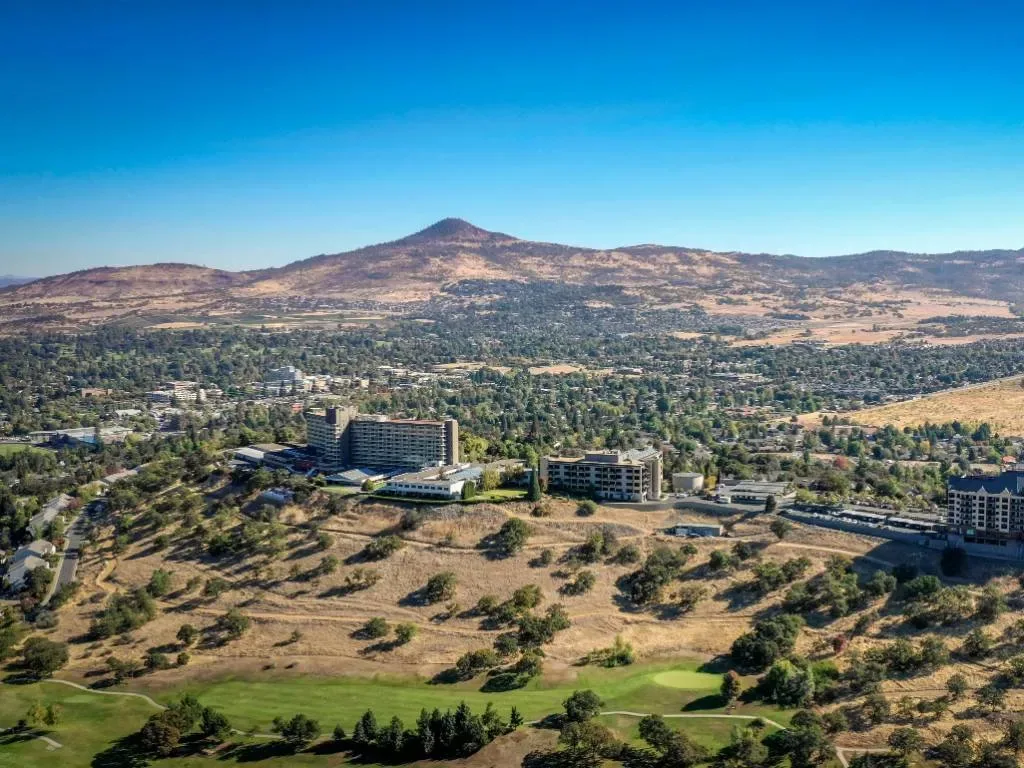
Rubber is a natural fit for large institutional roofs where the owner holds the building for decades. In Ashland, a town with 59 individually listed historic structures and four National Register districts, the 175-acre Southern Oregon University campus means historic-building rules often apply to roof work. Rogue Community College operates in the Rogue Valley and a joint RCC-Southern Oregon University center adds institutional buildings in Medford.
On campuses, summer break is the work window and the budget cycle sets the pace. We schedule early, hold a make-up week for weather and report completion to the facilities office in a form the owner report can use. For older masonry in downtown Medford, where the Carnegie library served the city for 92 years before closing in 2004, flat roofs behind parapets suit a fully adhered rubber sheet with careful flashing.
Cost, reserve schedule and lease timing
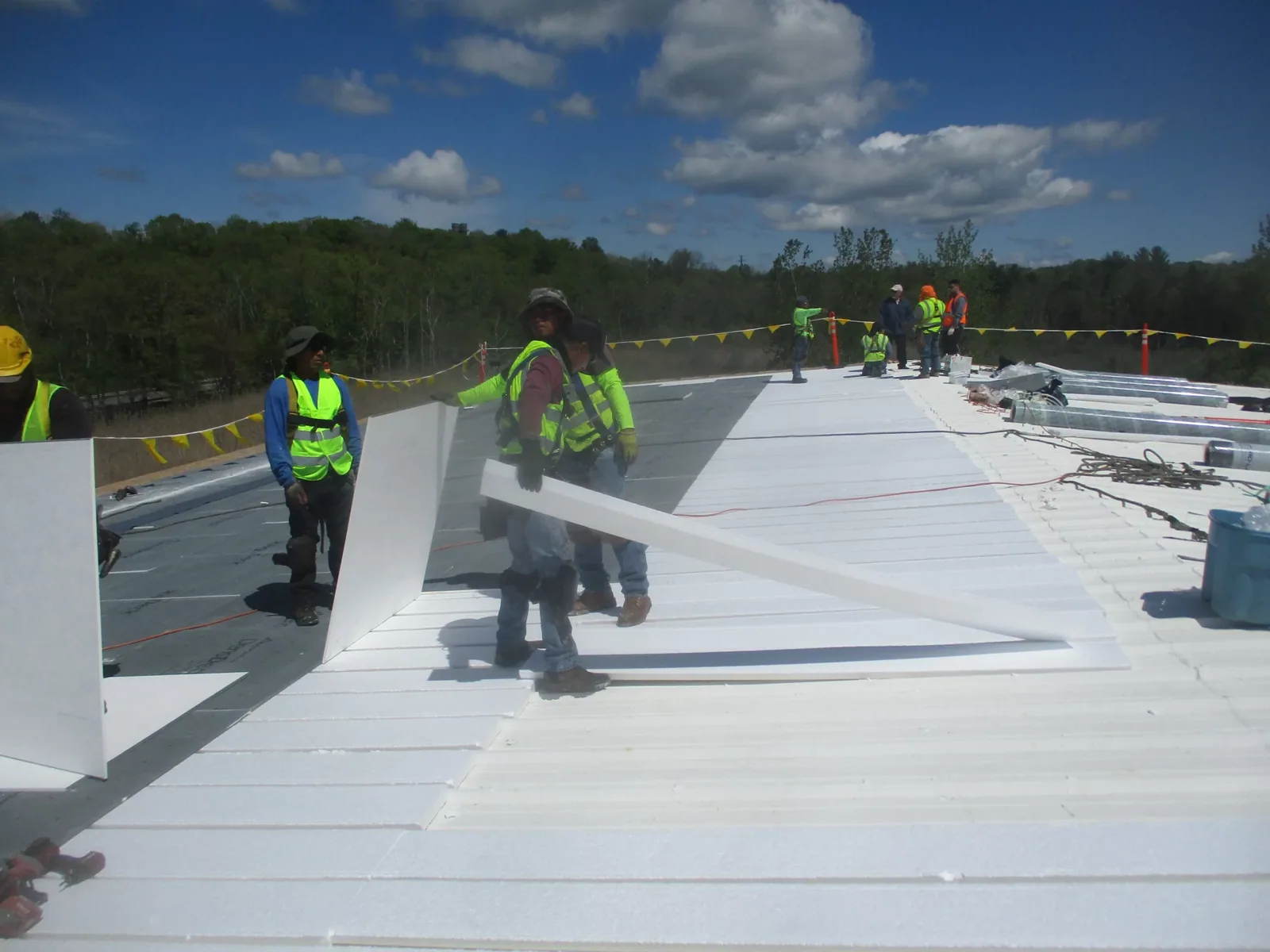
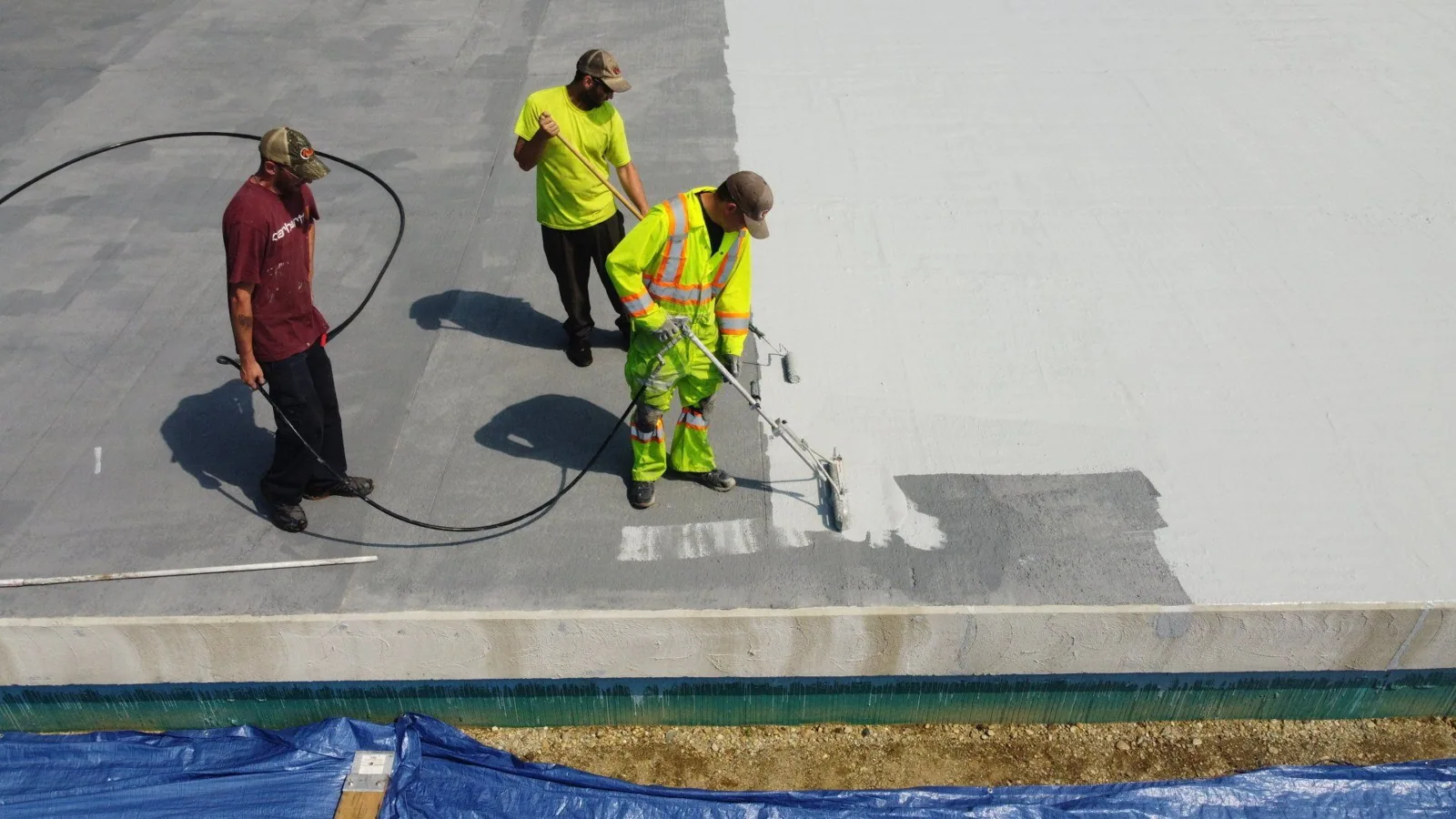
EPDM is the low-cost single-ply, and the line items beneath it decide the real number: insulation, cover board, attachment, edge metal, drains and tear-off. A recover over a dry, sound roof saves the tear-off, and a coating can extend a tired surface when the seams are tight. We show these options with prices and let the roof register carry the carrying cost of each.
Lease timing matters. A roof replaced during a tenant turnover has fewer constraints than one replaced under a full building. Each roof's reserve line carries a date, a cost range and a condition grade, and the property manager decides whether to spend now or defer. Spring work windows run best for adhesives, and summer jobs need early starts and shade for materials.
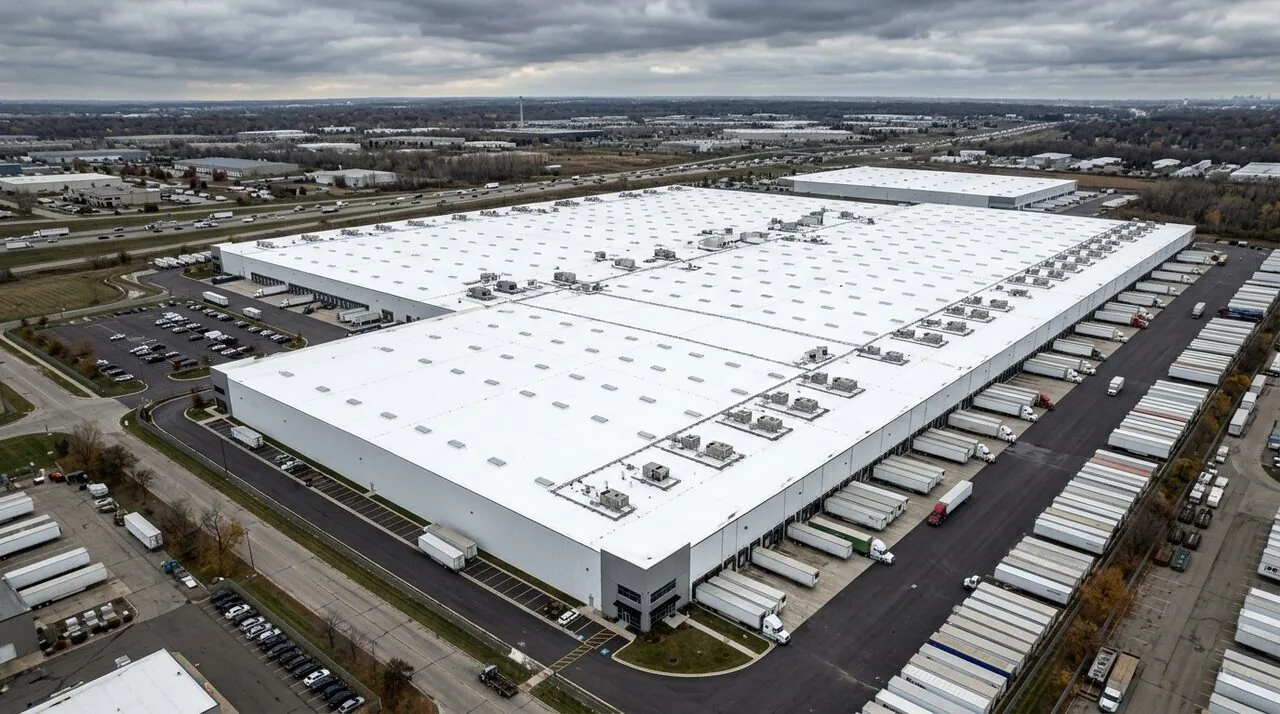
Industrial roofs follow the same arithmetic. The 26-acre Phoenix Industrial Park, zoned heavy industrial and served by rail, and the White City Industrial Park hold the kind of low-slope roofs where a ballasted or adhered rubber sheet gets priced beside a PVC alternative. The deciding facts are exhaust, traffic and the weight the structure can take.
Seams, flashing and installation quality
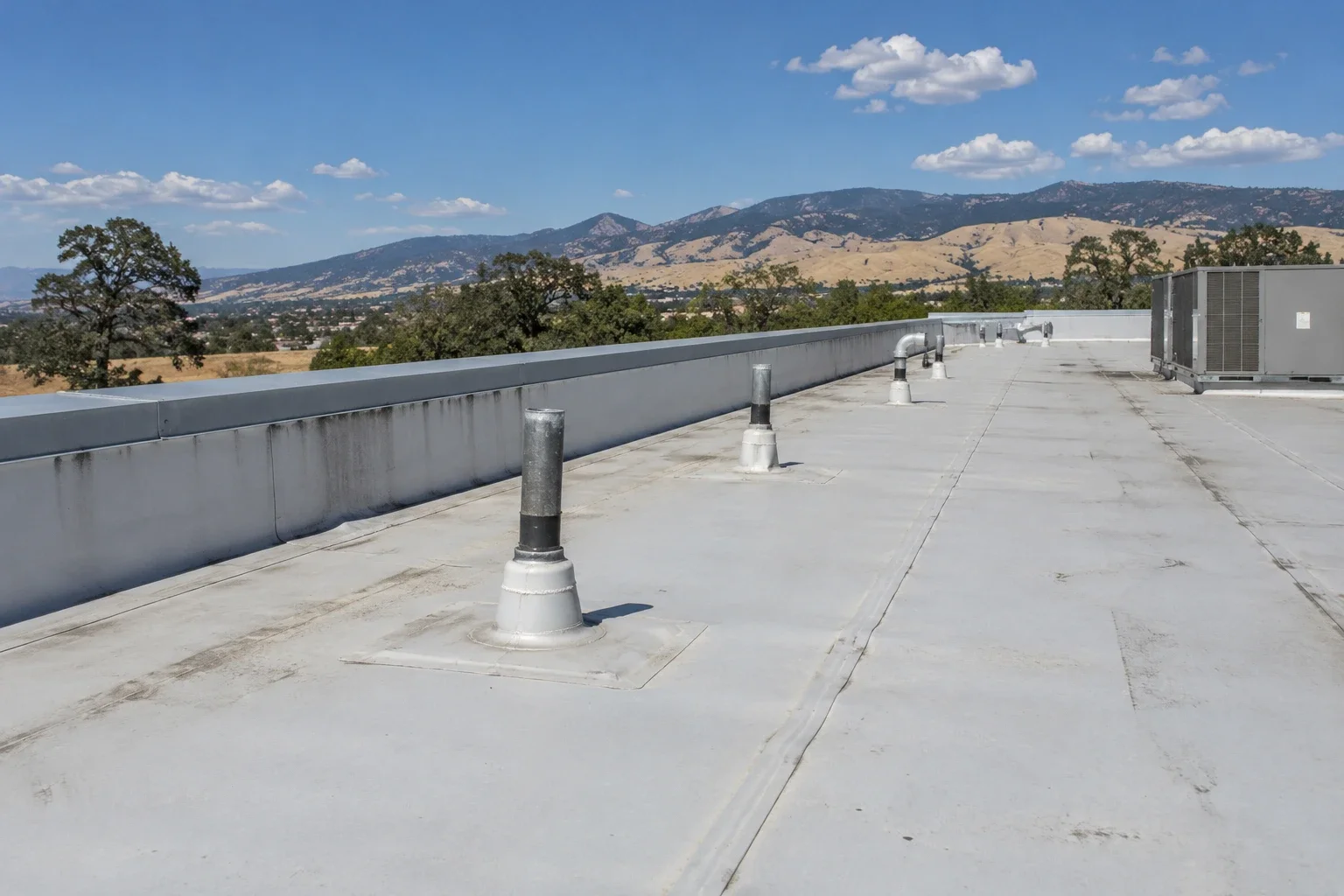
Rubber roofs live or die on their seams. Laps are cleaned, primed, mated and rolled with a hand roller, and each one is probed afterward. Flashings are formed from uncured material or preformed pieces, and corners and boots are where the quality of the crew shows. We assign experienced hands to details and inspect them before the crew moves on.
Adhesive and primer behave differently in heat. A can left in the sun thickens and flashes off too fast, so we stage material in shade and work in the cooler hours. Cure times follow the maker's published minimums. At closeout, every detail is photographed, the warranty application goes in and the roof register gets its first entry.
Occupied buildings get phasing: sections close each day, intakes are shielded from adhesive odor and noise follows tenant quiet hours. The work is described in occupied building reroofing terms, with each protection line priced apart from the membrane.
Send the building list and roof ages

Related Roofing Pages
Questions About EPDM Roofing
Is black EPDM a problem in Medford heat?
It raises cooling load. The sheet itself handles heat well. White EPDM or a coating can lower the surface temperature.
How long do EPDM seams last?
Well-made seams last for decades. Poor primer or damp laps show up in the first few years.
Can ballast stay if we recover the roof?
Usually it comes off or is moved. The engineer checks weight before any recover.
Does smoke damage rubber?
Soot is surface dirt. Ash in drains and at seams is the real concern, so we clear it after each event.
EPDM or TPO for a school?
EPDM for cost and a long record, TPO for reflectance. We price both with the same lines.