
Silicone Roof Coatings in Medford, OR
Silicone roof coatings in Medford, OR: a reflective, UV-stable layer that restores sound roofs worn by triple-digit heat, with soot and recoat timing.
Overview
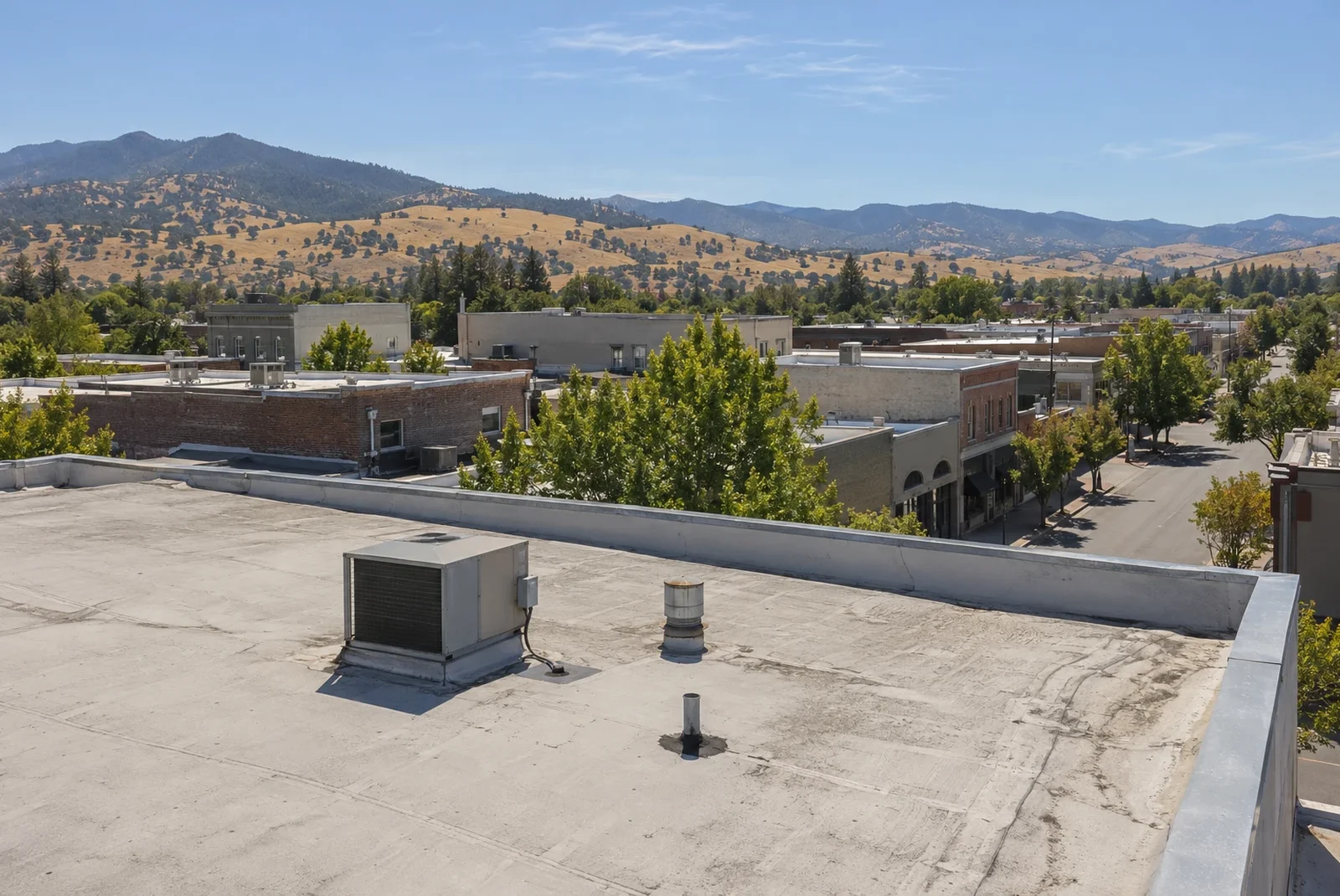
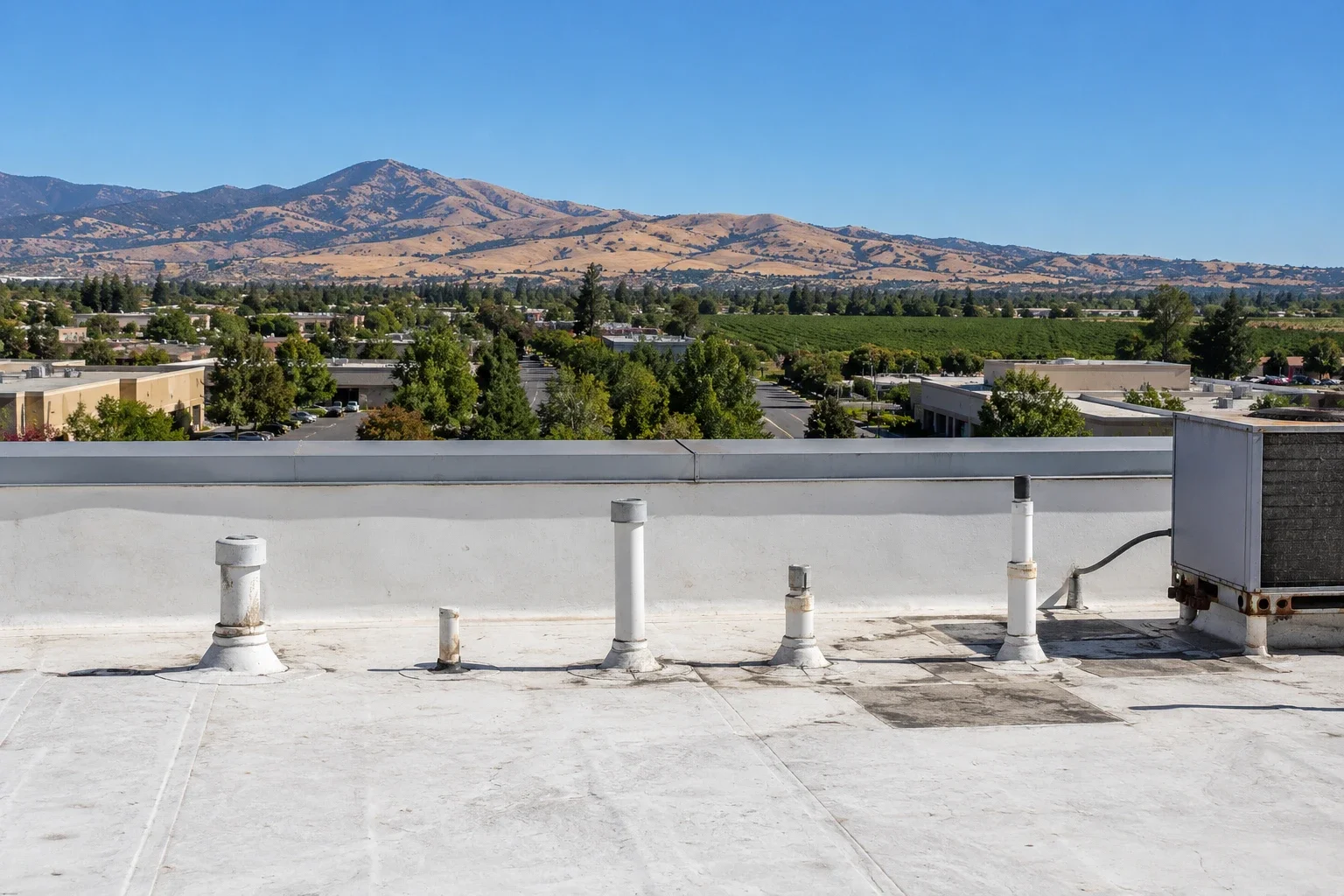
A silicone coating is the cheapest way to hand a tired Medford, OR roof a second UV budget. Sun at that level, 61 afternoons over 90 F in a typical year with 115 F on record, wears a membrane's reflectance, flexibility and waterproofing down a little each summer. If the insulation is dry and the seams are sound, a fluid-applied silicone layer reflects the heat, seals the surface and defers a replacement that the reserve schedule had pencilled in for next year.
The coating is not a cure for a failing roof, and the condition grade decides whether it is the right spend.
What silicone coating is and does
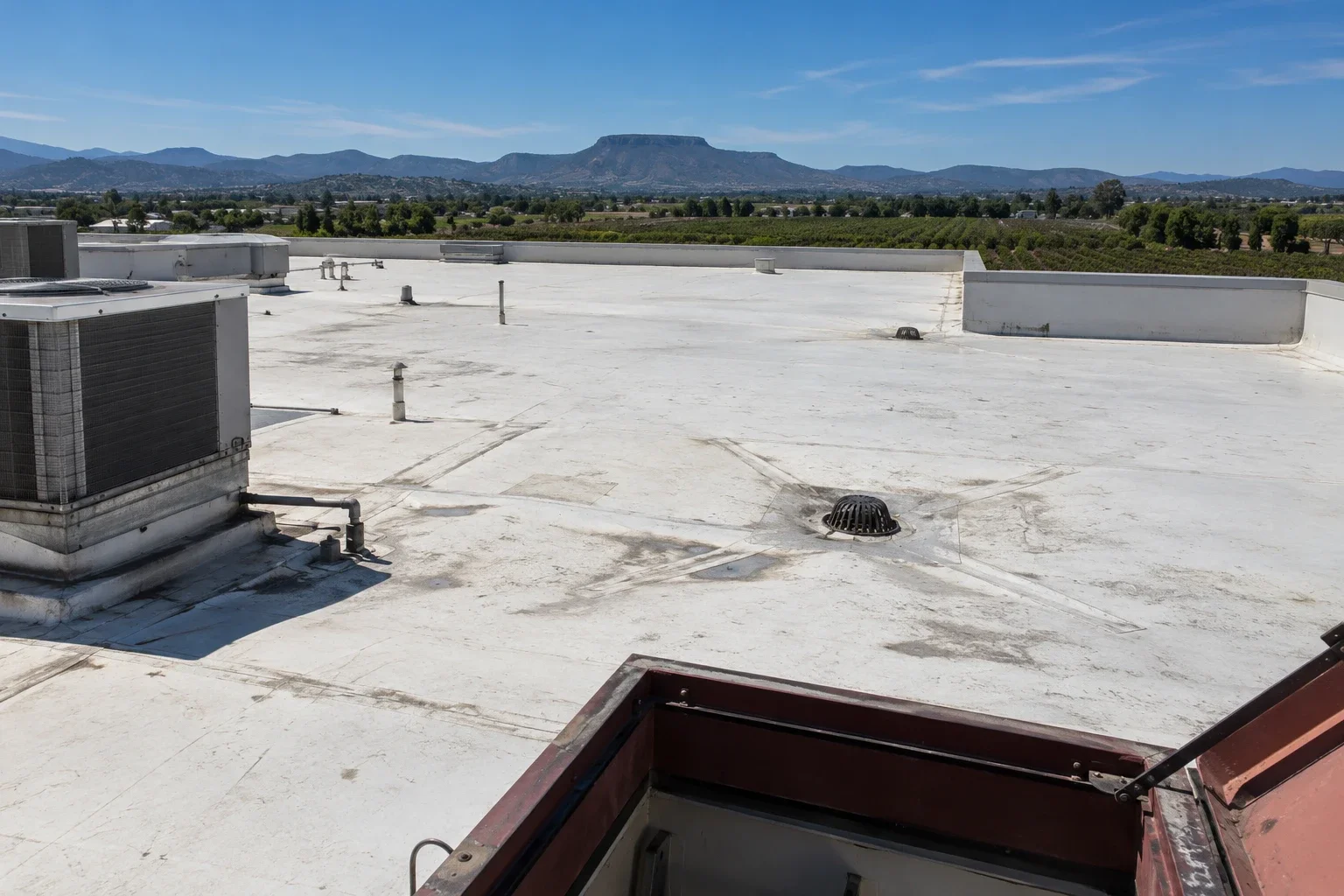
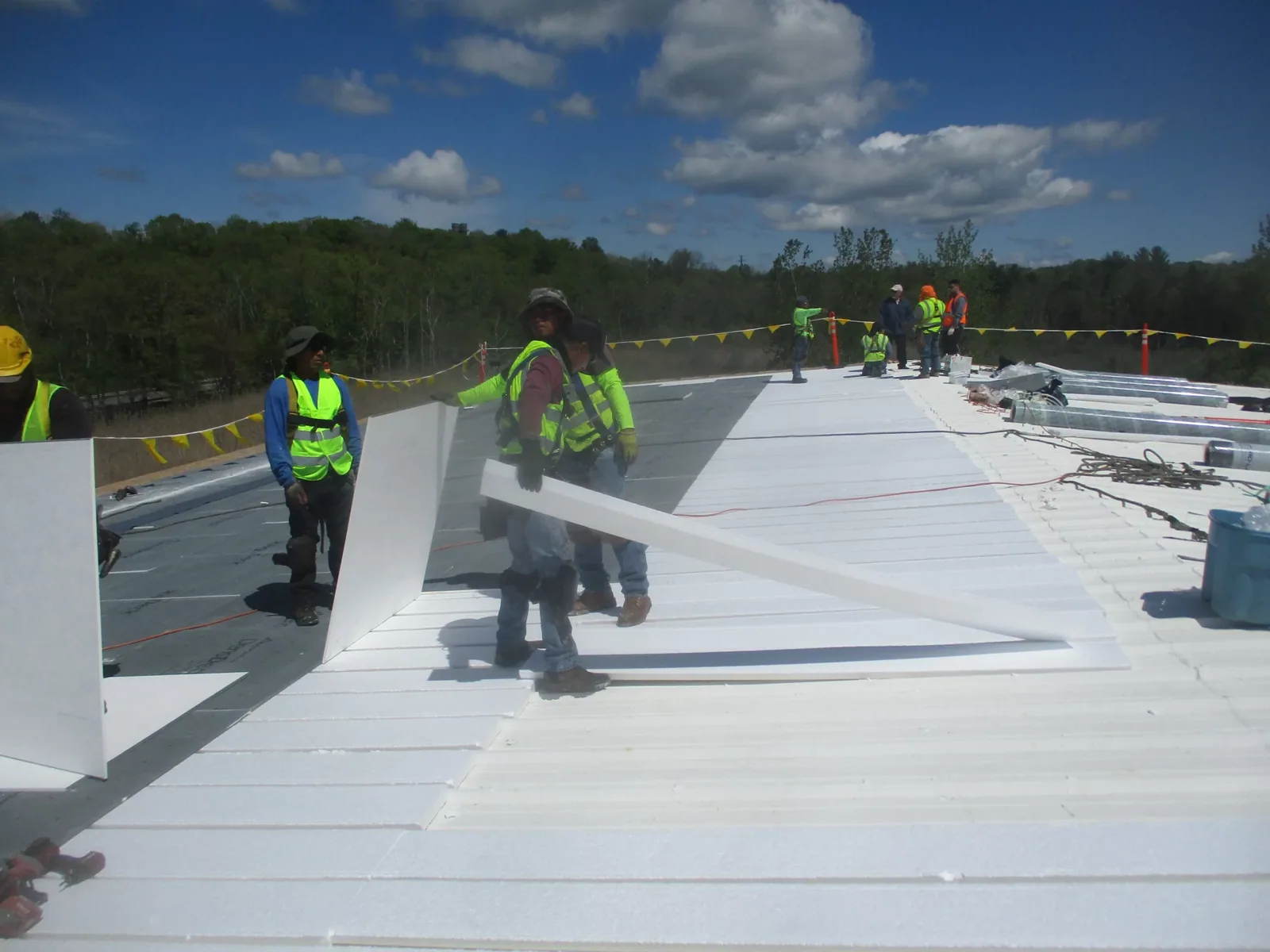
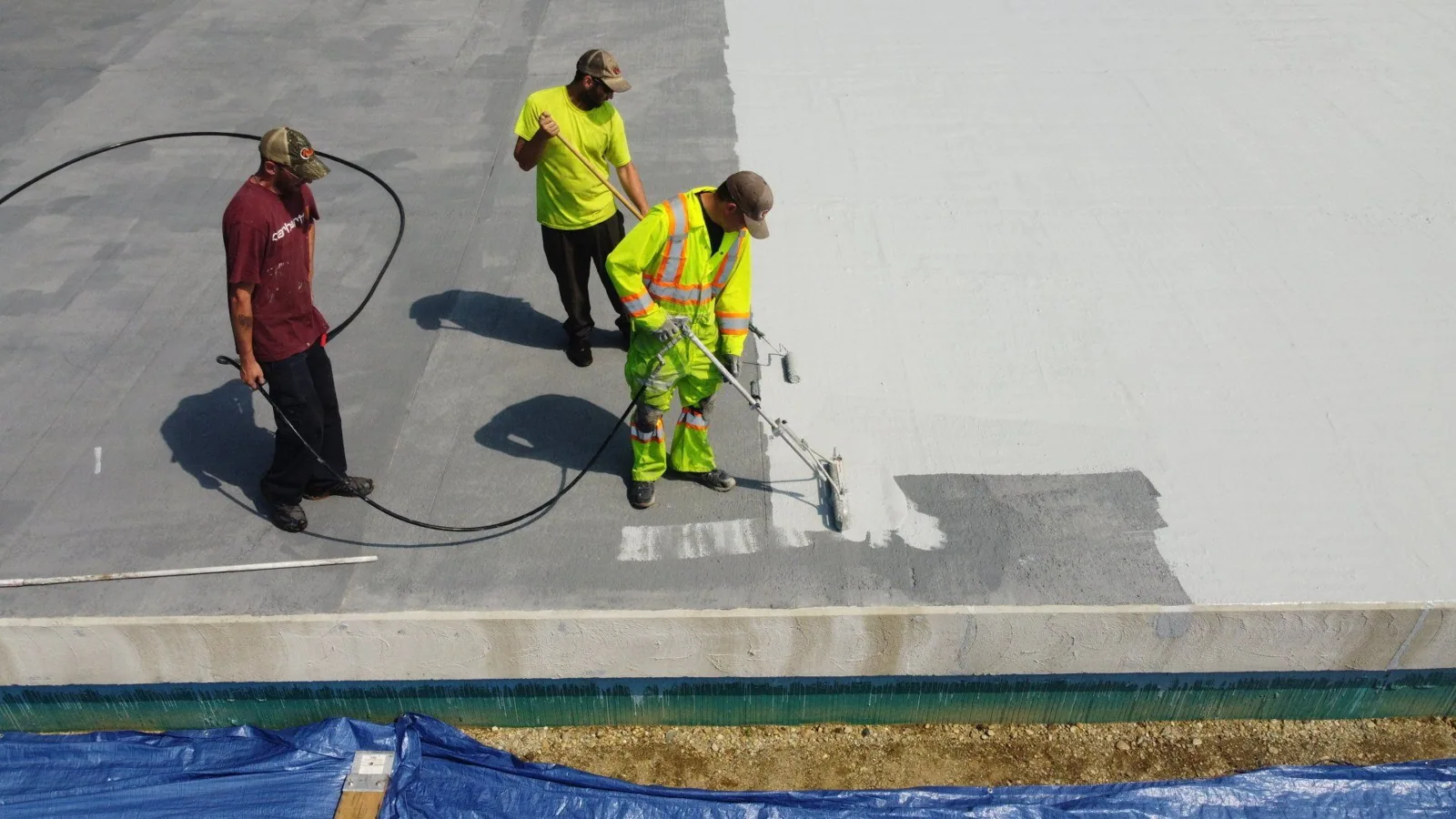
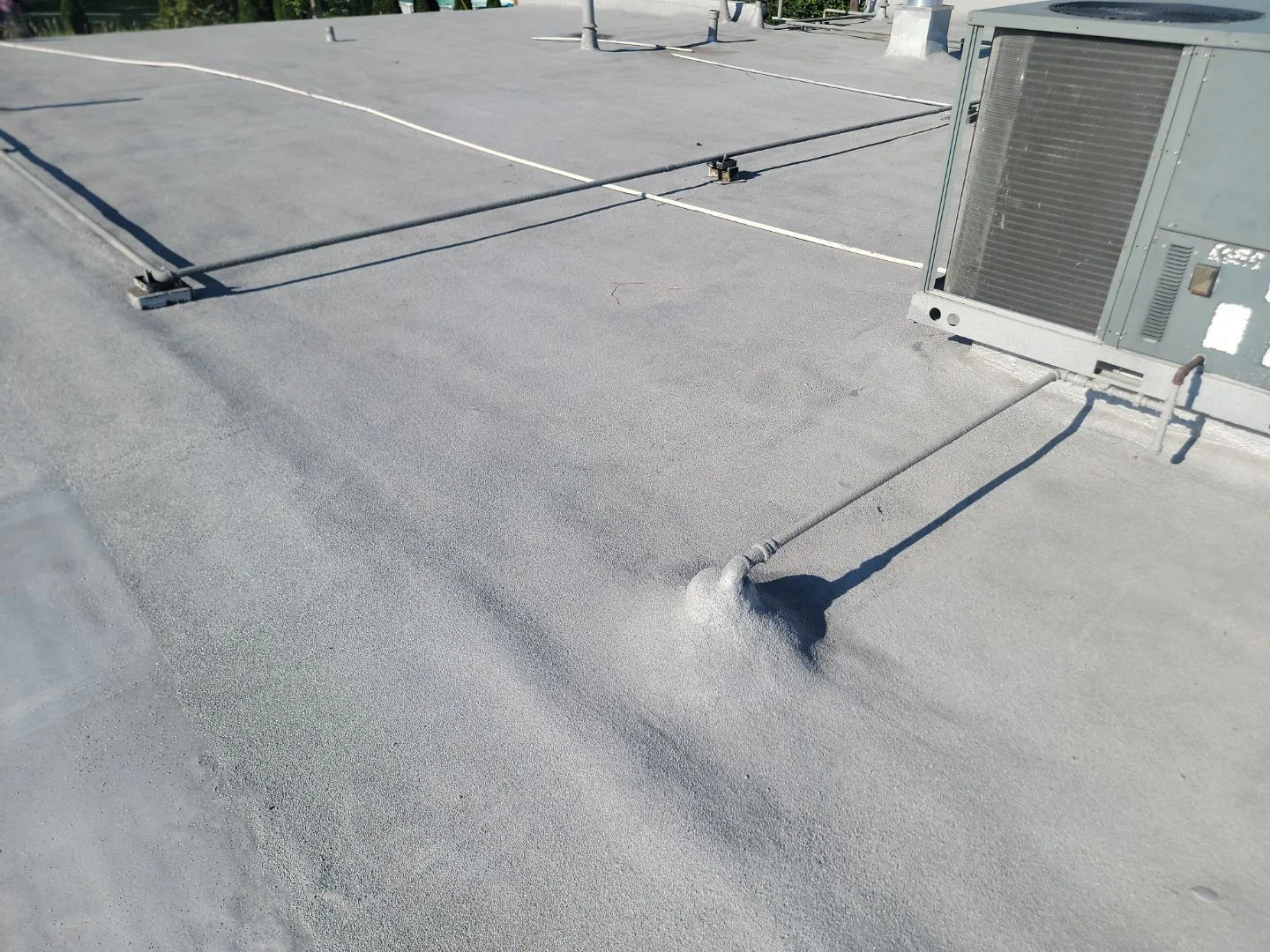
Silicone coating is a liquid polymer rolled or sprayed over a cleaned, repaired roof, where it cures into a continuous, flexible, waterproof film. It resists ultraviolet light better than most coatings, tolerates standing water and stays flexible across the valley's temperature range, which includes about 64 freezing mornings a year. It is applied over single-ply membranes such as TPO, modified bitumen, built-up roofs and metal, with the right primer for each.
Its limits are real. It attracts dirt, which dulls reflectance. It is slippery when wet. And once a roof is coated with silicone, other coatings do not bond to it, so the first choice shapes the next. We explain those limits before the owner decides, and the roof register records the product and the date.
Heat, reflectance loss and the UV budget
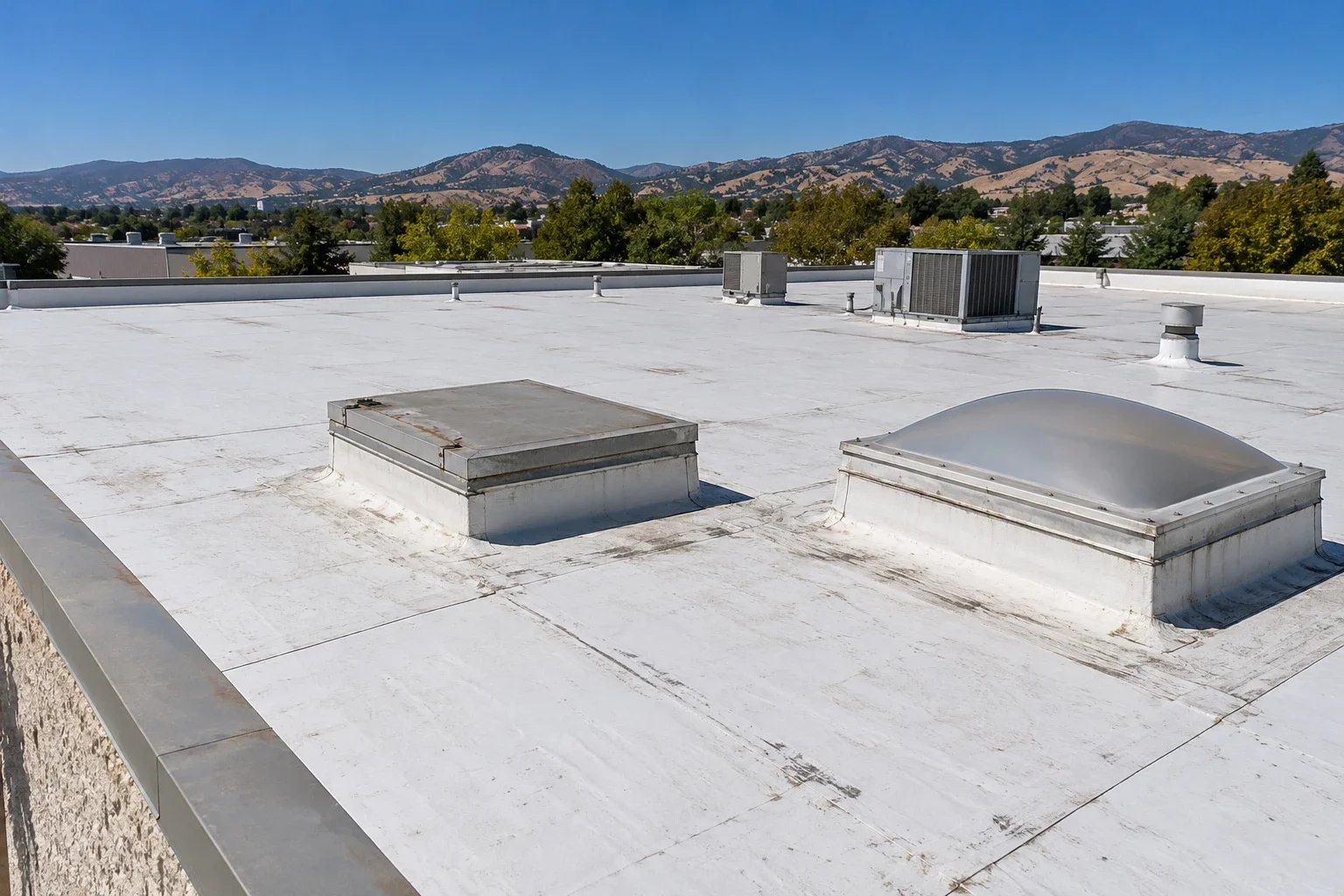
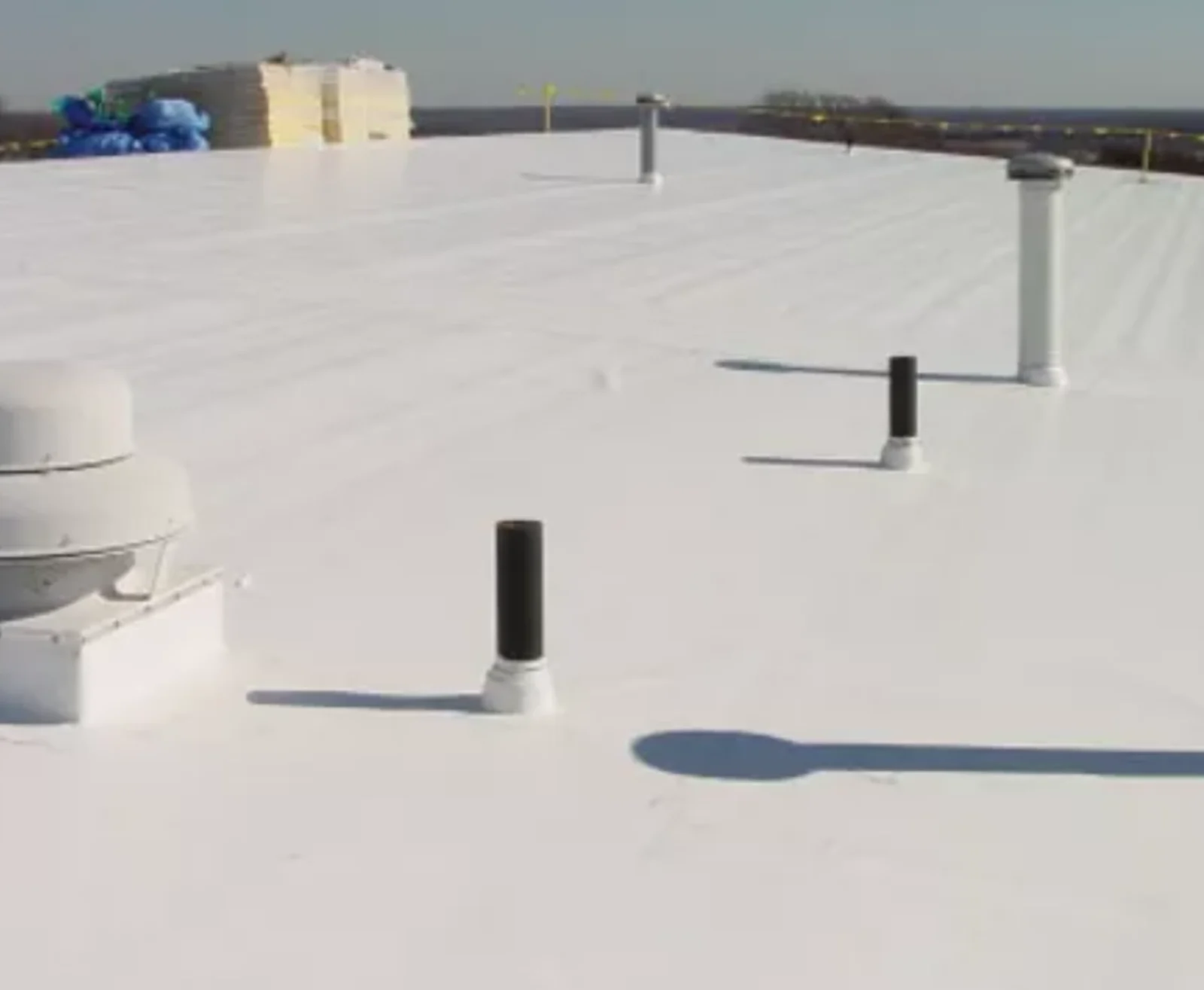
The coating's job is to reflect heat and shield the roof from UV. Fresh white silicone reflects a large share of sunlight and cools the surface on a 100 F afternoon, which cuts the load on rooftop units. Dust, pollen and ash settle and cut into that benefit, and the valley's dry summers leave the film in place for months.
A yearly wash restores much of the reflectance, and we record the condition each spring. Coating thickness matters, since a thin coat has less UV protection and ages faster. We read thickness at marked spots on the finished roof and record it, and the remaining service life of the coating is estimated from the thickness, the adhesion and the reflectance, not from calendar age.
Substrate matters. A coating bonds to what is under it, so each substrate gets its own primer and an adhesion test on a small patch. If the test fails, we change the prep or change the plan, and we record the result.
Smoke season, soot and cleaning
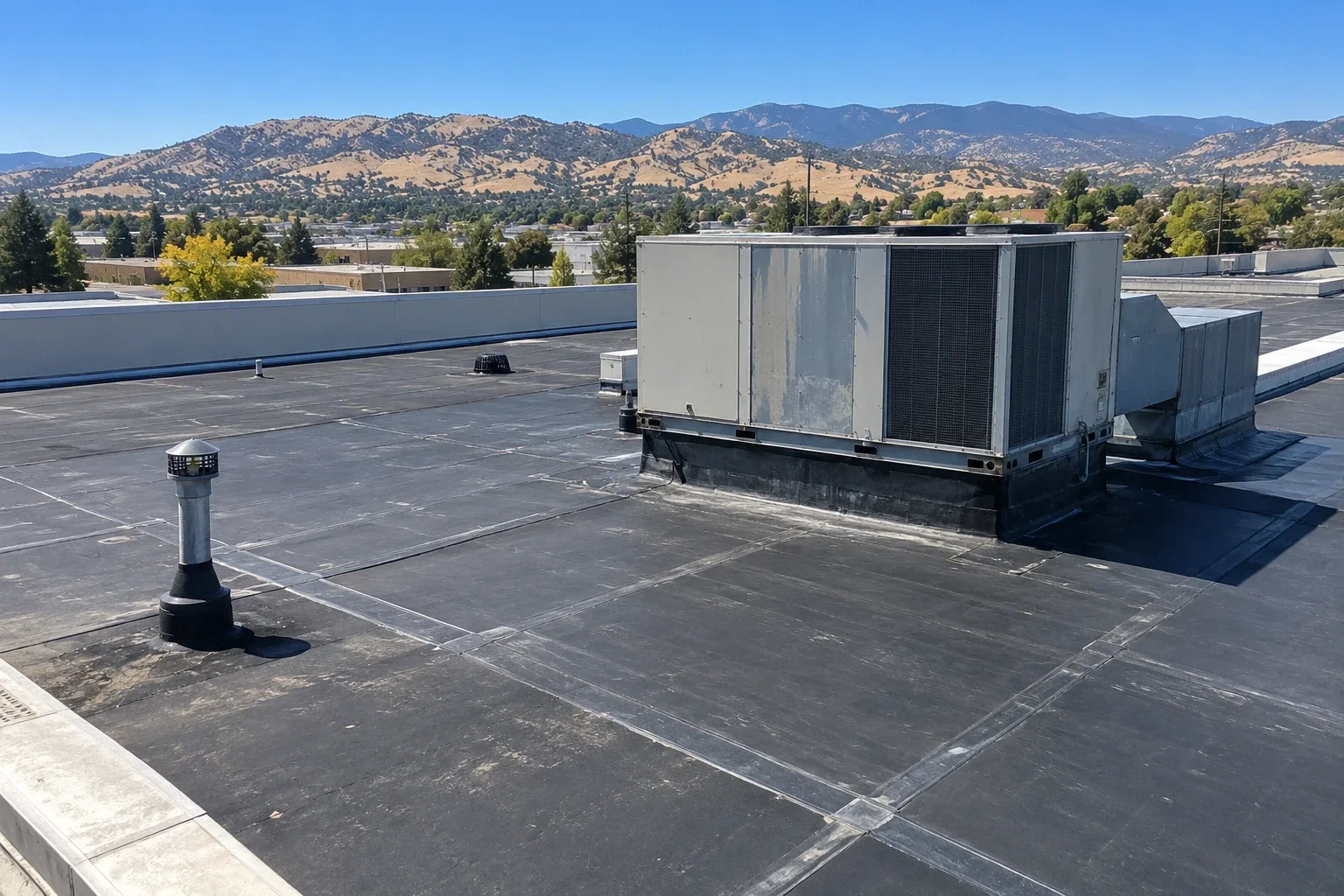
Smoke from the 2020 Almeda fire topped state air monitors, and the valley then counted 26 smoke days in 2021. Soot from a heavy smoke week sits on a white roof and darkens it, raising surface temperature and shortening remaining service life. A reflective coating loses part of its advantage under that film.
After a smoke event we wash the surface, clear drains of ash and look for scorch marks from embers at edges and equipment. Silicone washes well, and a clean roof can regain most of its reflectance. The owner report records the event and the cleaning date. Rooftop intake filters on the same roof are on the checklist as well, since soot reaches the units as it reaches the surface.
Drains need their own attention after ash. Ash is fine and wet-sticky once a morning dew settles on it, and it packs strainers faster than leaves do. After a smoke event each drain is cleared and photographed, and any standing water is noted, because a pond on a coated surface collects dirt and shortens the coating's life.
Where coatings fit across Rogue Valley
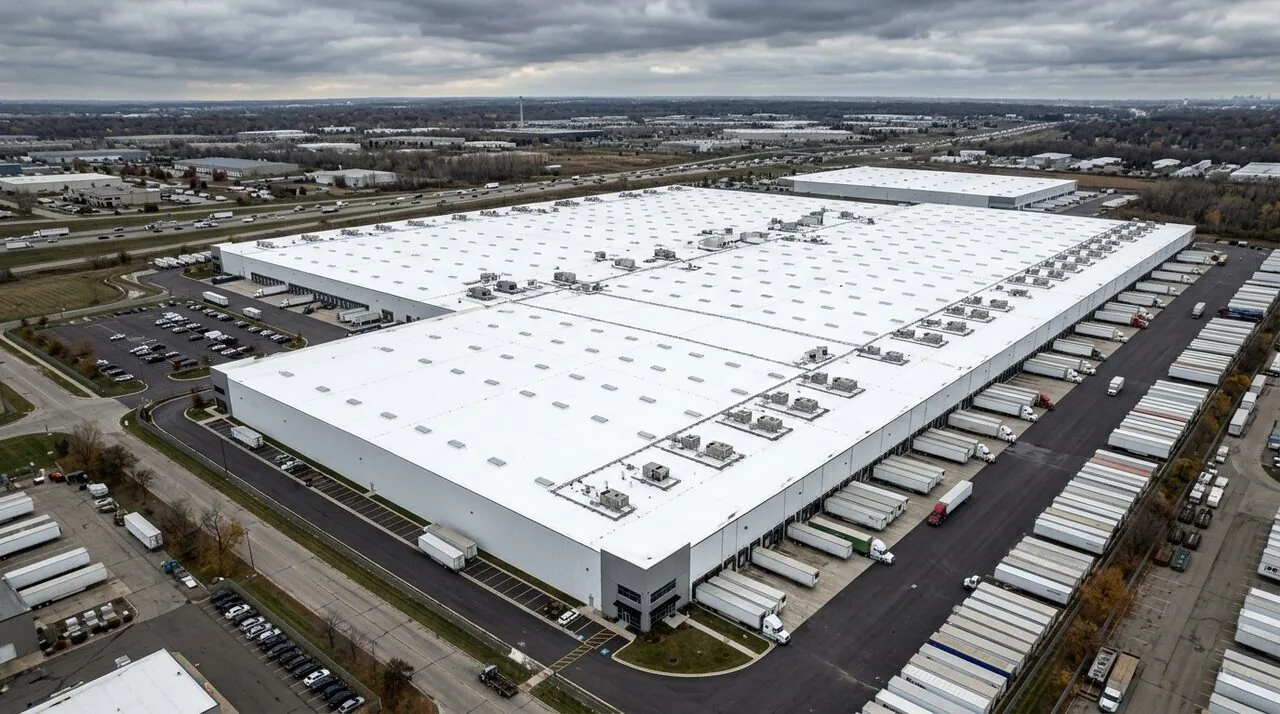
Large, flat commercial roofs in sound condition are the best candidates. Rogue Valley Mall is an enclosed retail complex of roughly 640,000 to 847,000 square feet, and the large flat-roof retail along the North Riverside and Crater Lake Highway corridor is the kind of space a coating program is priced for. Distribution roofs along Table Rock Road are another.
Rebuilding areas are a different story. After the September 2020 Almeda fire, which destroyed 561 Phoenix homes and roughly a third of Talent, rebuilding is under way, and Phoenix reports about 51% of its destroyed homes rebuilt and occupied. New roofs go into the register for a first condition grade, and a coating comes later, once the surface has aged.
Cost, reserve schedule and lease timing
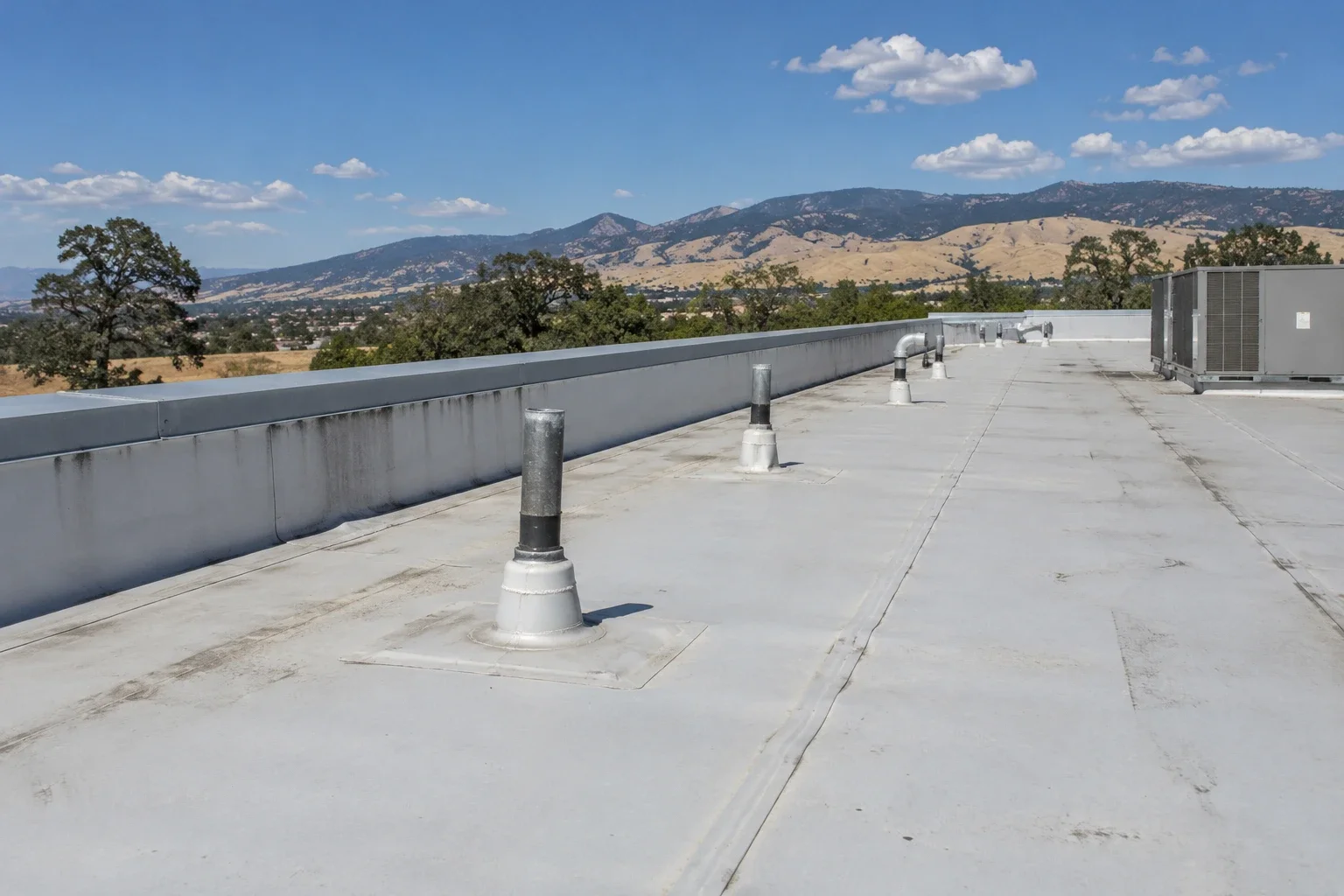
Most of the cost is preparation: washing, repairing seams and flashings, treating rust on metal and priming. The coating itself is priced by coverage and thickness. The repair count is a separate line with unit prices, because that is where the final number grows. Coating over unrepaired seams fails fast, so the job stops after repairs and before coating, which lets the owner approve the condition as found.
The coating belongs in the reserve schedule as a deferral. It converts a replacement date into a recoat date, with a lower cost and a shorter extension. Lease timing favors the spring work window, with moderate temperatures and low humidity. Recoat scopes note the governing edition of the structural code, currently the 2025 Oregon edition that became mandatory on April 1, 2026.
The alternative is acrylic, which costs less and suits roofs that drain well. Silicone earns its premium where water can stand and where the owner wants the film to stay waterproof through ponding. We price the two together on roofs where either could work, so the owner sees the difference over the holding period.
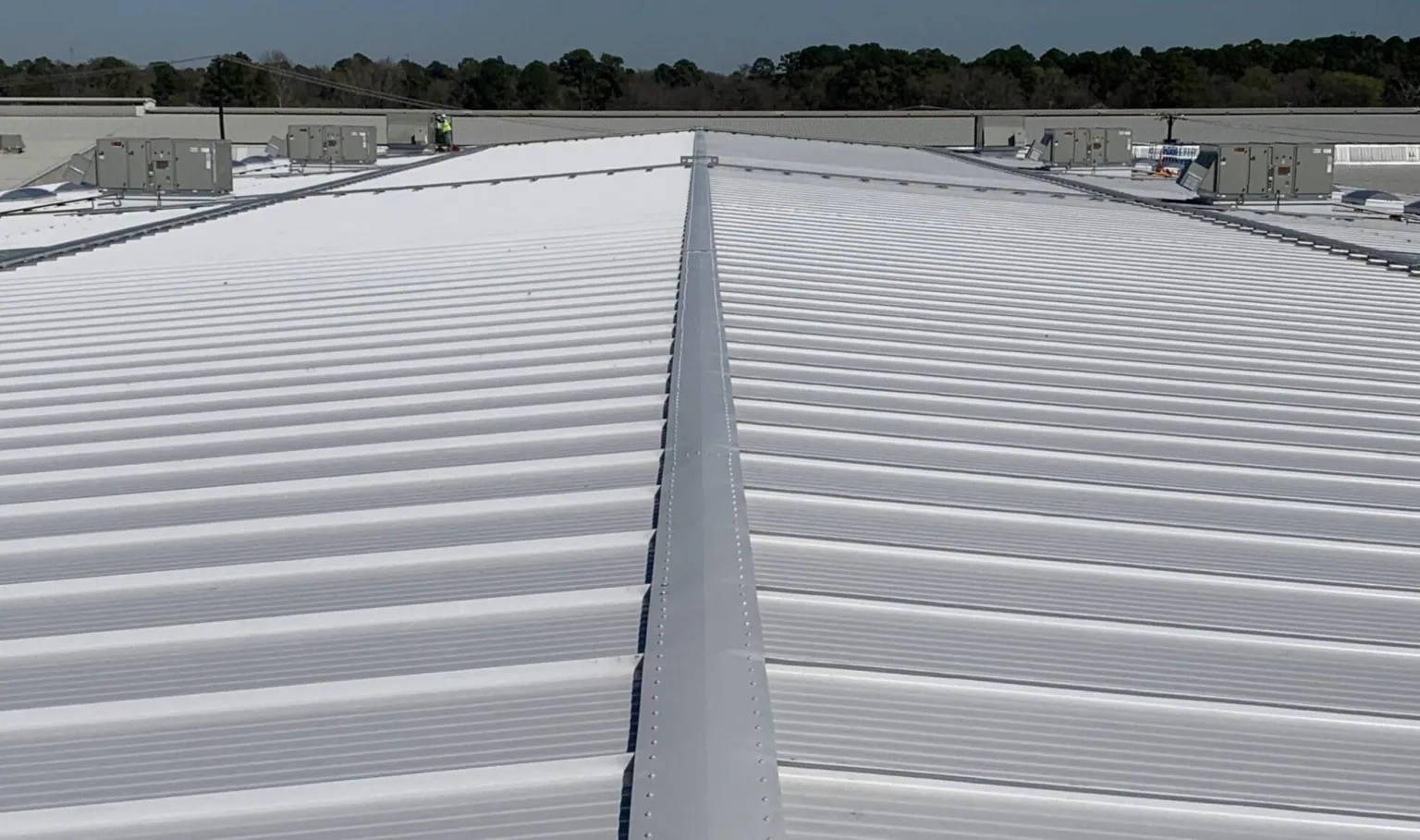
Rust treatment and fastener work add to the number on metal roofs, and seam reinforcement with fabric adds to it on membranes. We count linear feet and fastener lines before pricing, since those counts predict the final total better than square footage does.

Application conditions and tenant impact
Silicone cures by reacting with moisture in the air, and it needs a dry surface and a temperature above the maker's minimum. Rain is rare in the dry season, but morning dew can delay the start, and a hot deck can flash off the coating too quickly. We apply in the cool hours, check substrate temperature and measure thickness at the end.
Odor is mild, and air intakes near the work are shielded. Occupied buildings stay open, with sections closed each day and entrances protected. Closeout includes thickness readings, photographs of seams and drains, the coating warranty and a wash and inspection schedule. The roof coating restoration scope uses the same record.
Phasing on an occupied building follows the tenants' calendar. Sections are washed, repaired and coated in sequence, so a day's work is dry and cured before the next section opens. At the end, a one-page summary tells the property manager what was repaired, how thick the coating is, what the warranty covers and when the next wash and grade are due. The preventive maintenance visits then keep that file current.
Send the roof ages and photos

Related Roofing Pages

Questions About Silicone Roof Coatings
Does silicone coating work on any roof?
Only on a dry, sound one. Saturated insulation or failing seams must be fixed first.
How often does a silicone coat need renewing?
On the maker's schedule, tied to thickness and condition. We grade it each spring.
Why is the roof slippery?
Silicone is smooth, especially when wet or dewy. We add granules or walkway pads on service routes.
Can I switch to acrylic later?
Usually not. Other coatings do not bond to silicone. The first choice limits the next.
Does a coating cool the building?
A clean white one lowers roof surface temperature. The saving depends on the building and on cleaning.