
Commercial Roof Inspection in Medford, OR
Hands-on commercial roof inspections in Medford, OR that grade each roof, estimate remaining service life and give the owner report a clear reserve line.
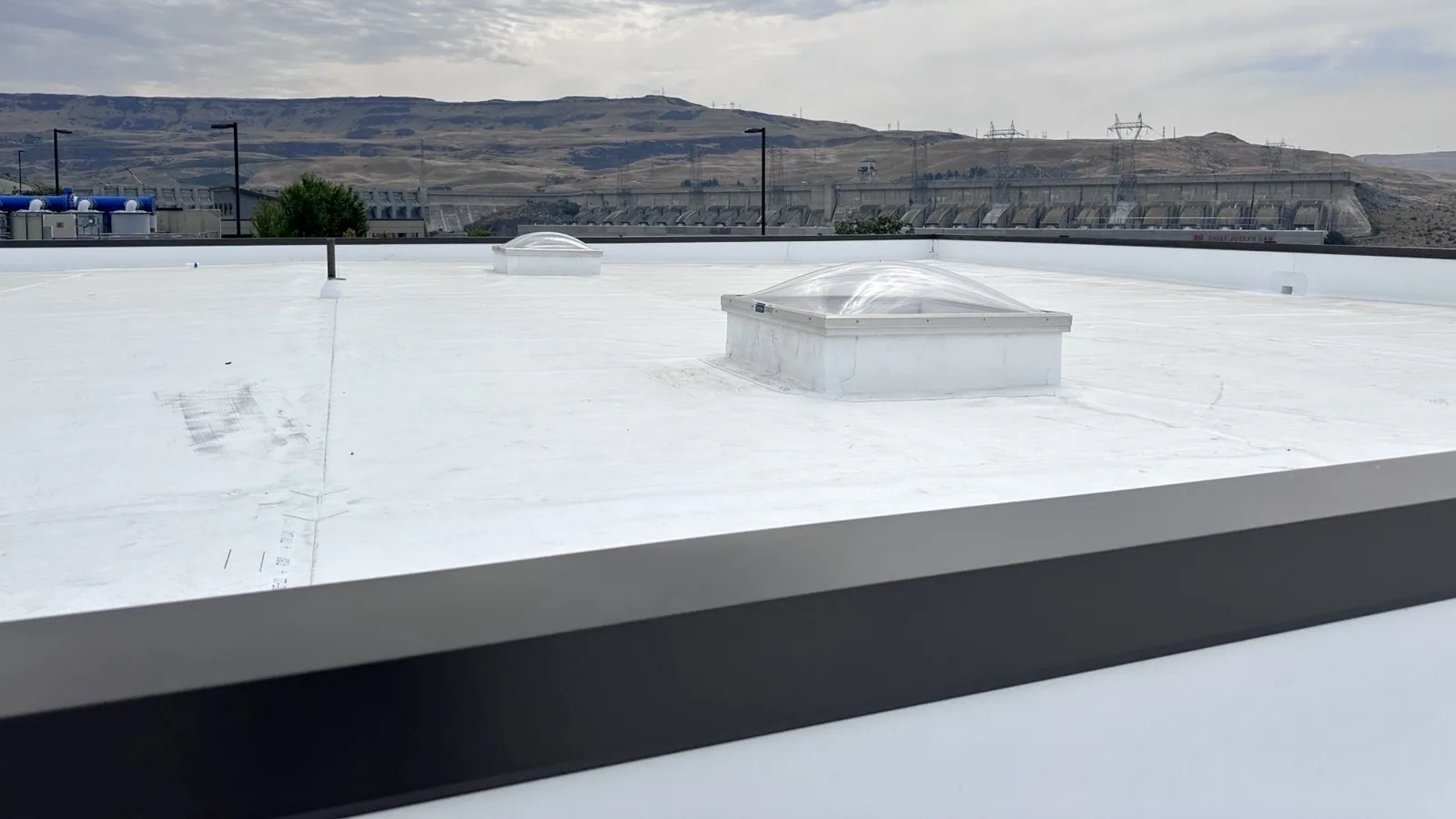
Overview
Each Medford, OR summer takes a measurable slice out of a membrane's remaining service life, and the slice is invisible from the parking lot. Afternoons above 90 F arrive about sixty times a year, eleven of them above 100 F, and weeks of smoke add soot to the surface. What the owner sees is a roof that looks about the same as last year, while the reserve schedule line for that roof has quietly moved. A hands-on inspection is how the movement gets measured.
We go up on the roof, look at every seam, flashing, drain and penetration, probe the soft spots, and photograph what we find. The output is a condition grade for each roof and an estimate of remaining service life, written so a property manager can drop it straight into the owner report and the next budget cycle.
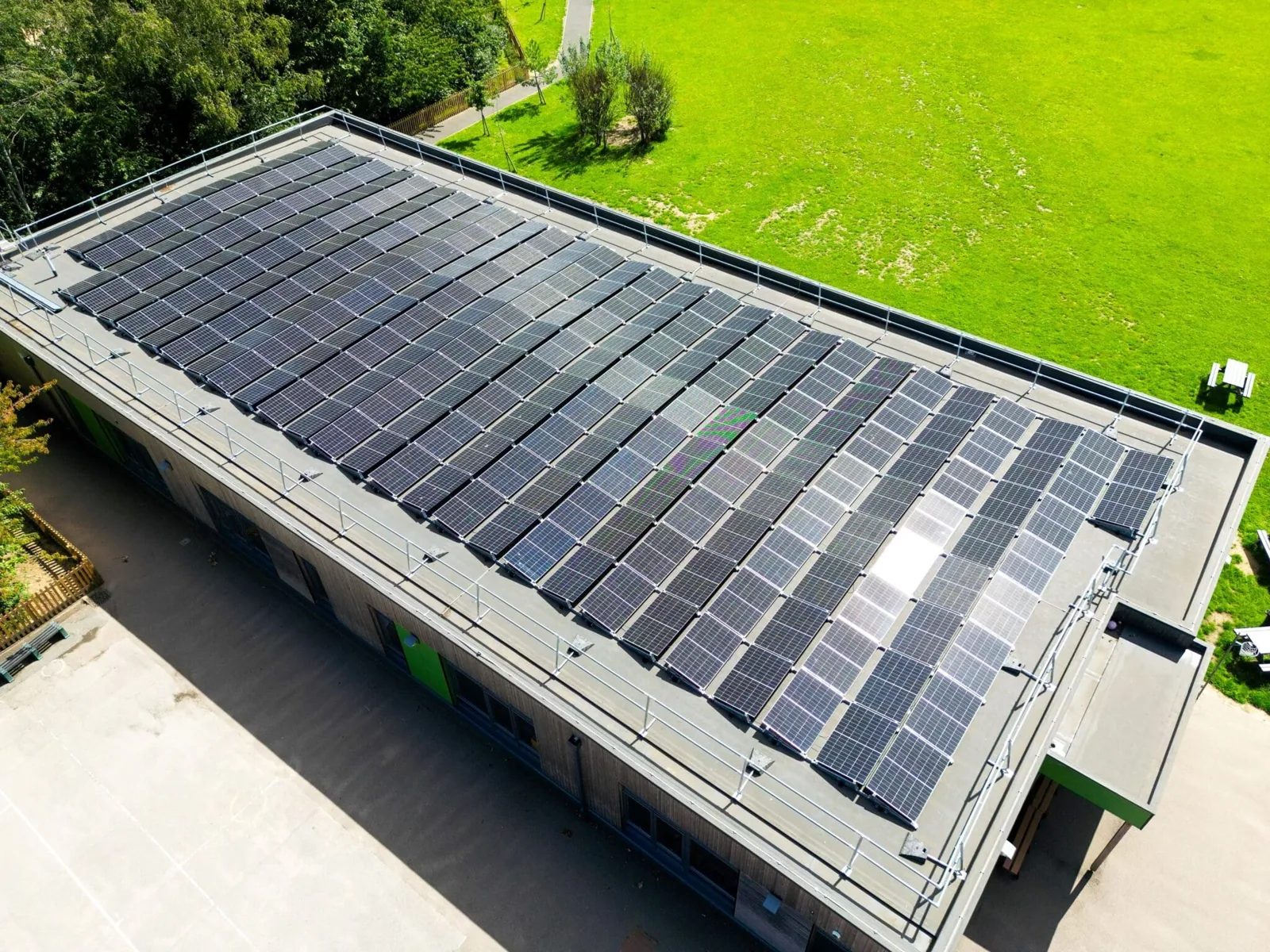
What a hands-on inspection covers
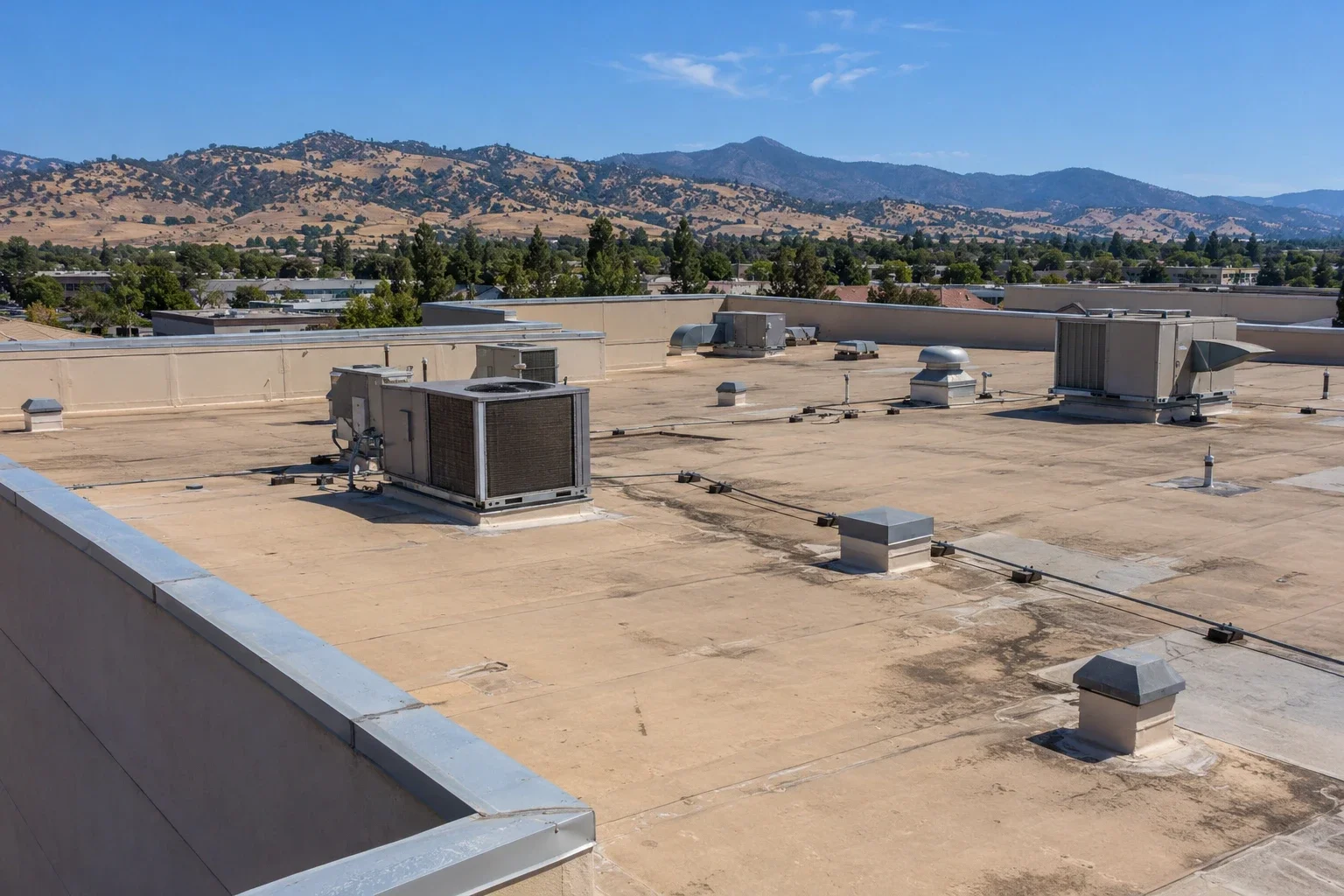
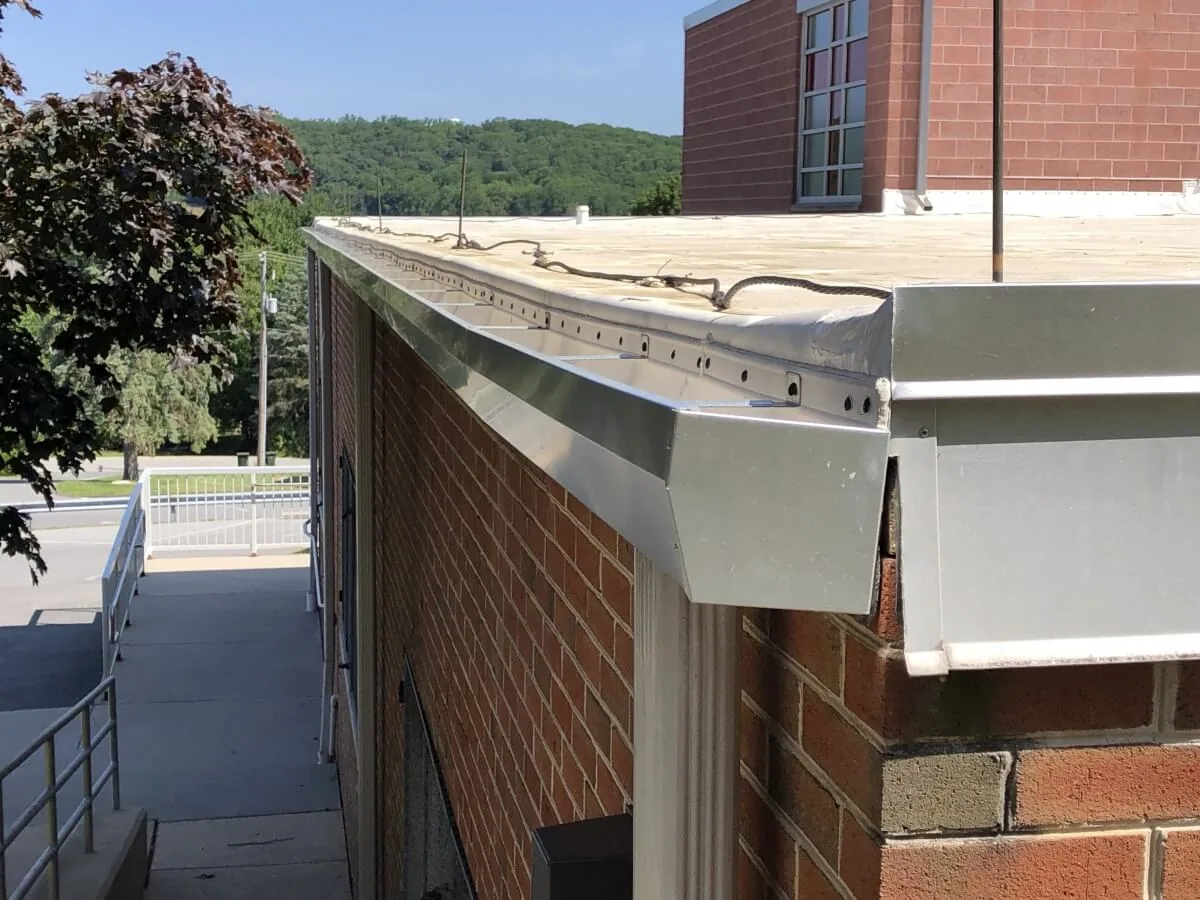
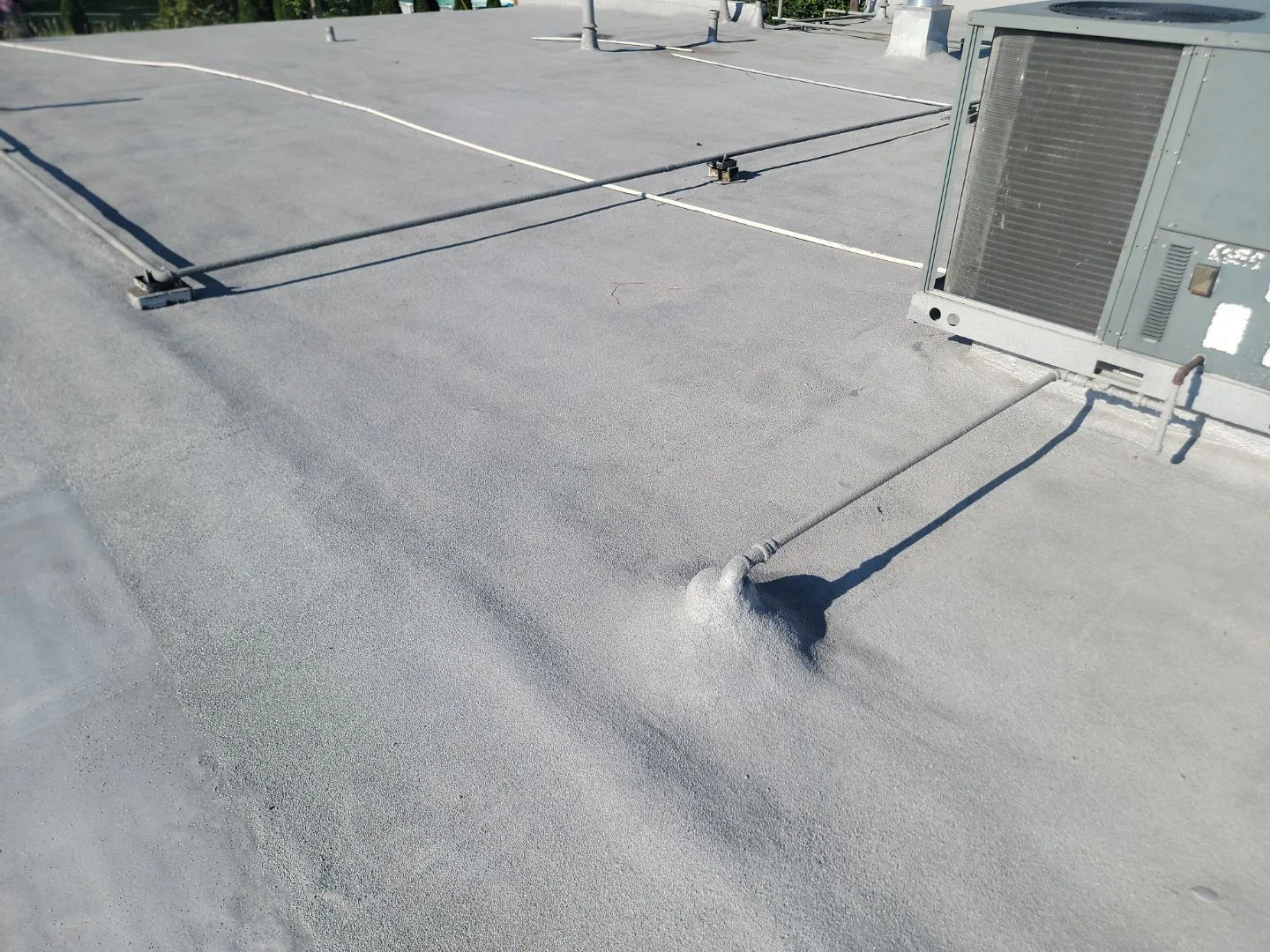
Access is arranged ahead of time, and inspections run in dry weather so we can see what is really there. The field of the roof comes first: surface wear, blistering, ridging, ponding, loss of granules or reflective coating, and any evidence of prior repairs. Then the details: seams and laps, flashing terminations at walls and curbs, pipe boots, drains and scuppers, expansion joints and edge metal. We also look at the rooftop equipment, because condensate lines, refrigerant lines and unit curbs are frequent sources of trouble.
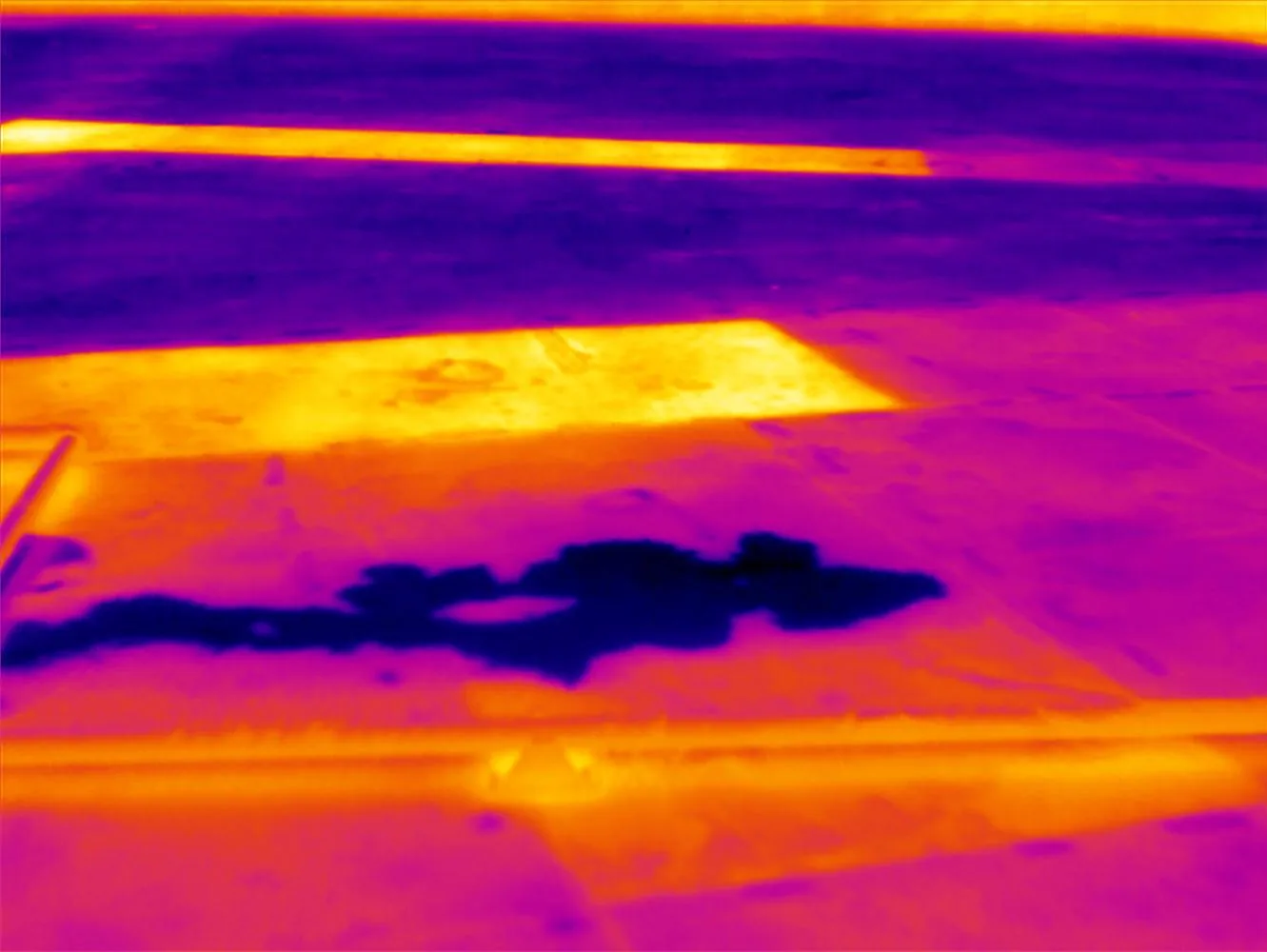
Interior signs matter too. Ceiling stains, damp insulation seen from a mechanical room, rust on deck undersides and mold odor all point to water entry that the roof surface might not show. Where the inspection suggests moisture inside the roof, we recommend an infrared moisture survey before any decision is made.
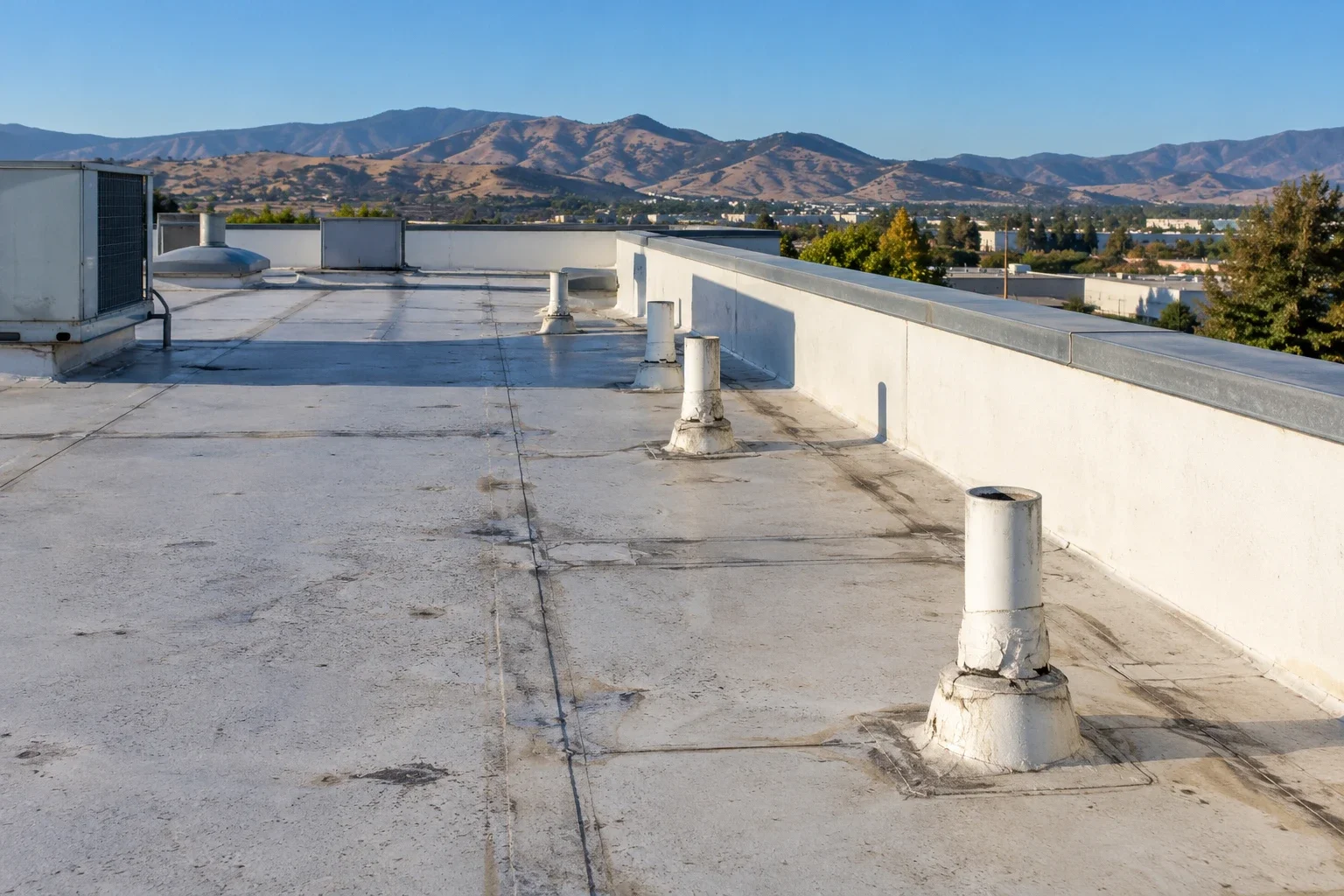
Reading heat and smoke damage
On a valley roof the signs of sun damage are specific. A white single-ply loses reflectance first, then the surface turns chalky, then small cracks open at seams and at changes in plane. Asphalt-based roofs lose granules or surfacing, and coatings fade, flake and alligator. Metal roofs show fastener back-out and sealant that has dried in place.
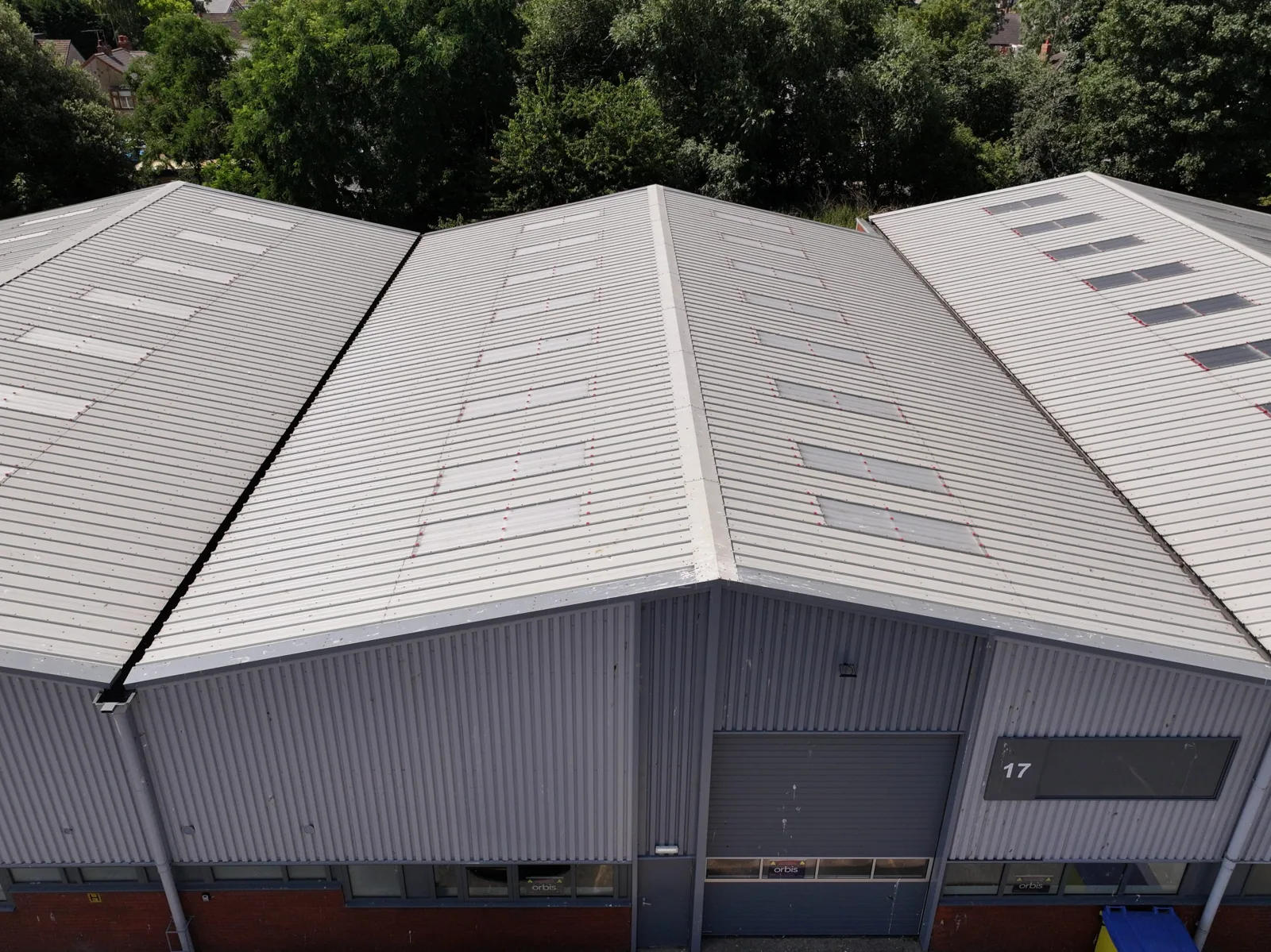
Smoke season adds a layer of soot that makes a white roof look gray and raises its temperature. Medford recorded 26 smoke days in 2021, and the Almeda fire smoke of 2020 topped state air monitors, so the inspection notes soot loading and whether cleaning is likely to recover reflectance. Edges and rooftop intakes are checked for ember exposure, since small scorch marks are easy to miss from the ground. On very large or steep roofs, drone imaging adds a second set of eyes before anyone steps out on the surface.
Heat also works on the parts of the roof that are not membrane. Rooftop units shed condensate onto the surface, sealant at equipment rails dries out, and walk pads wear through where maintenance crews cross every week. Those wear points are noted with photographs, because they explain failures that the field of the membrane does not.
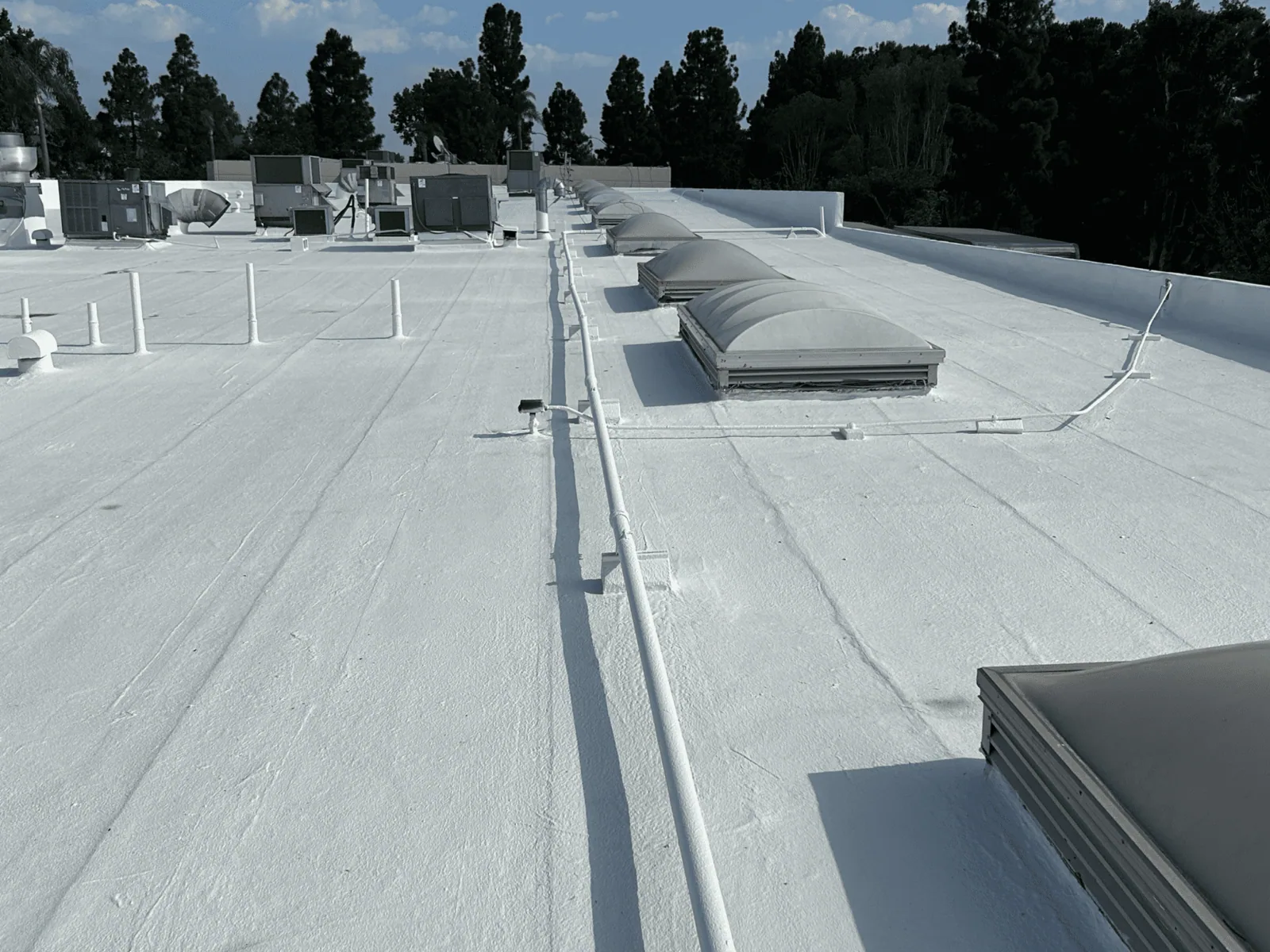
Condition grade and remaining service life
Findings become numbers the owner can use. Each roof gets a condition grade, a plain rating of how the roof is performing against its age and material, and an estimate of remaining service life in years. These are judgments drawn from what we see and measure, and the report says what each rests on: core samples, moisture readings, seam probing, age records or none.
Remaining life is stated as a range, because a roof in good condition at the moment can still lose years to one bad summer or one bad smoke season. Where the range is wide, the report says what would narrow it, such as a core sample or a moisture scan, so the owner can decide whether the extra detail is worth the cost.
The grade is only useful if it is comparable from roof to roof and year to year. So the same criteria are used every spring, and the roof register records both the grade and the evidence. A roof condition report built this way lets an owner see which buildings are aging on plan and which ones the heat has moved forward.
Feeding the reserve schedule
A grade by itself does not help a controller, so the report translates it into reserve language: repair now, monitor, coat, or replace within a stated window. The numbers fit alongside the owner's roof asset management records, and the grades from several buildings can be rolled into a single list ranked by urgency.
This matters for lease-cycle timing as well. An owner about to refinance, sell or renew a tenant needs a current picture of the roof, and a recent inspection helps a lender or buyer see the roof as a known cost. Skipped inspections tend to turn into surprises on the day of the transaction. A yearly cycle of inspection, small repairs and preventive maintenance keeps the grade current and the carrying cost predictable.

Inspection by building type
Different buildings call for different attention. Large retail roofs, such as the retail space at Rogue Valley Mall on North Riverside Avenue, benefit from a close look at drains, curbs and expansion joints. Hospitals and clinics, including those in White City and across Medford, add infection-control and noise rules for roof access. Distribution buildings along Table Rock Road, home to a Costco, a FedEx facility and an Amazon warehouse, get a drainage and penetration check matched to what is on each roof, since the equipment varies from one building to the next.
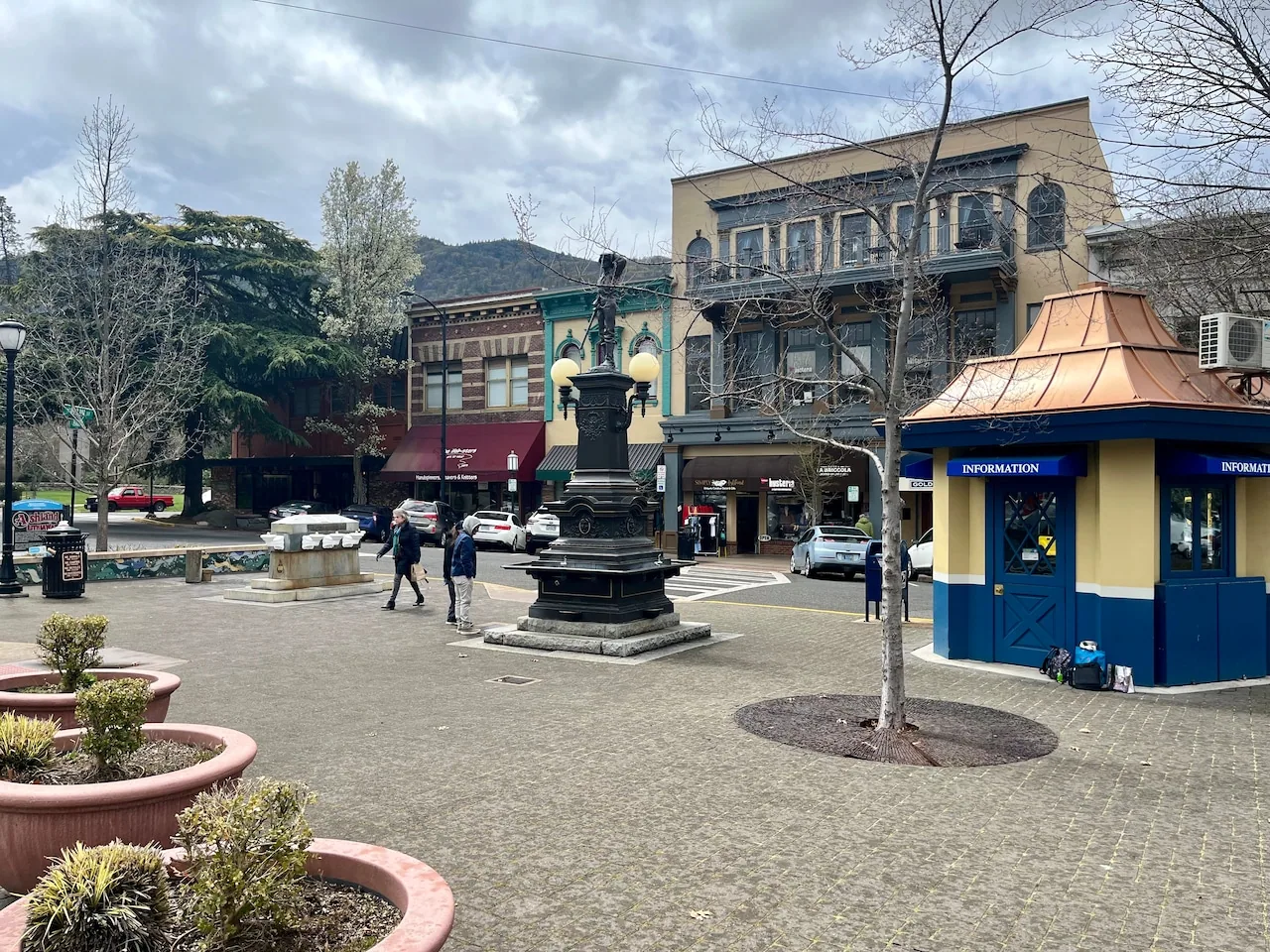
In Ashland, where Southern Oregon University occupies a 175-acre campus and 59 individually listed historic structures bring special roofing rules, an inspection also notes materials and details that may need review before any work. A school or campus roof inspection is best timed for summer break. That timing keeps foot traffic off occupied areas and leaves the autumn to complete any repairs before the first storms.
Send the building list for a spring grade

Related Roofing Pages


Questions About Commercial Roof Inspection
When in the year should Medford roofs be inspected?
Spring, after winter fog and before the heat. Winter inversion weeks bring fog and damp, which make surfaces slick and hide small defects. That gives the full summer to schedule any repair, and the grade is fresh for the owner report. A second look after smoke season is useful for roofs with known soot issues.
What do you need from the property manager to start?
The address list, roof ages if known, past repair invoices, warranty papers and any leak tickets. Roof access arrangements and a contact for each building also speed things up.
Will an inspection find every leak?
It finds most causes of leaks and many conditions that have not leaked yet. Hidden moisture in insulation may need a survey. The report says what the inspection could and could not see.
Does the inspection put the warranty at risk?
No. A careful inspection does not penetrate the membrane, except for planned core cuts that are patched. Warranties usually require periodic inspection, so records help when a claim is made. Core cuts are patched the same day with compatible material, and each location is marked on the roof plan.
How is the report delivered?
As a written document with a grade for each roof, photographs tied to a roof plan, a repair list with priority levels and a remaining-service-life estimate. Property managers can pass it to owners and lenders as it stands. Findings that need action are separated from items to watch, so the first page tells the reader what to approve this season.