Commercial Roofing in Phoenix Industrial Park, Phoenix, OR
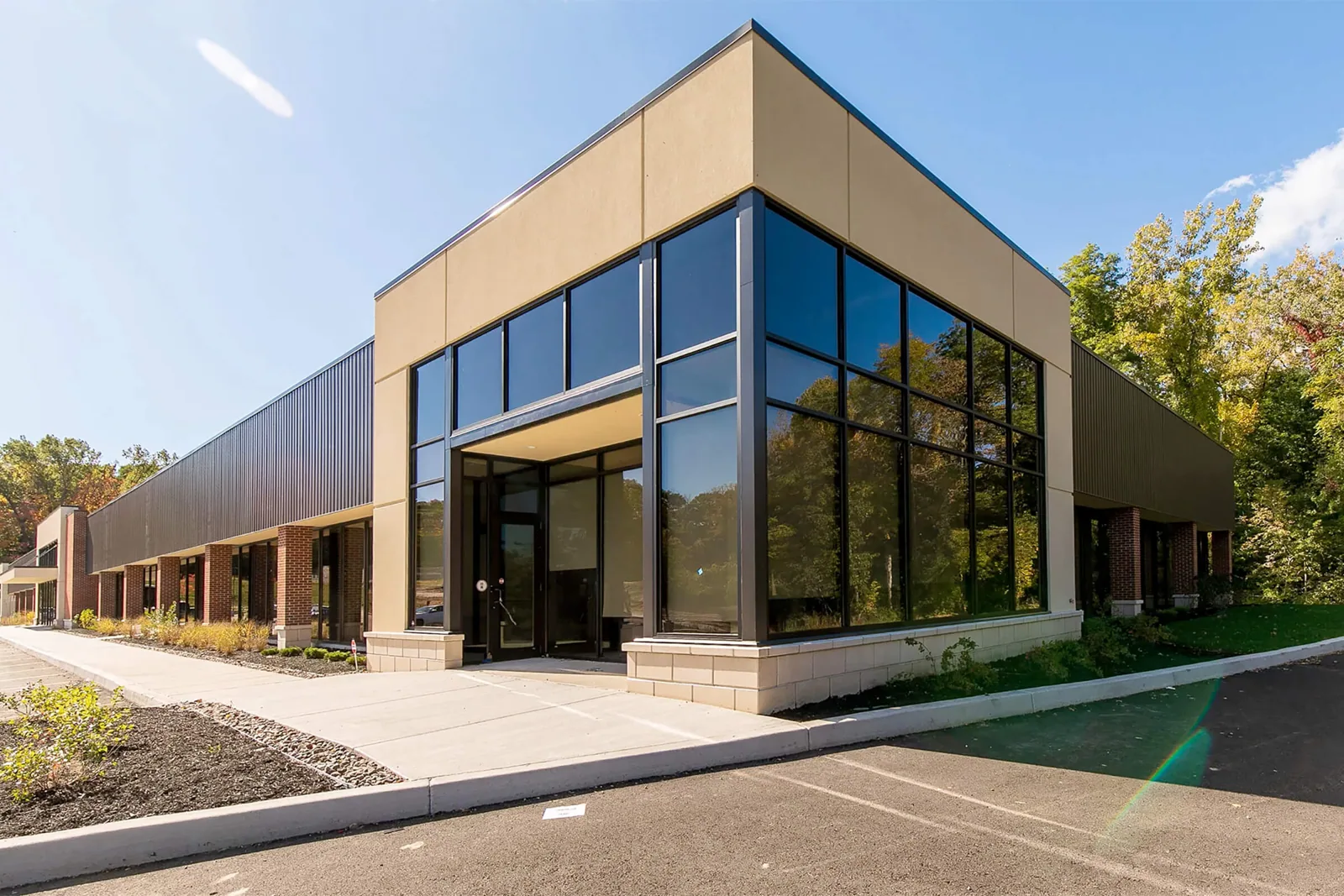
Warehouse and light-industrial roof grading in Phoenix Industrial Park, Phoenix, OR, with rail, heat and smoke-season maintenance tracked in an owner report.
Overview
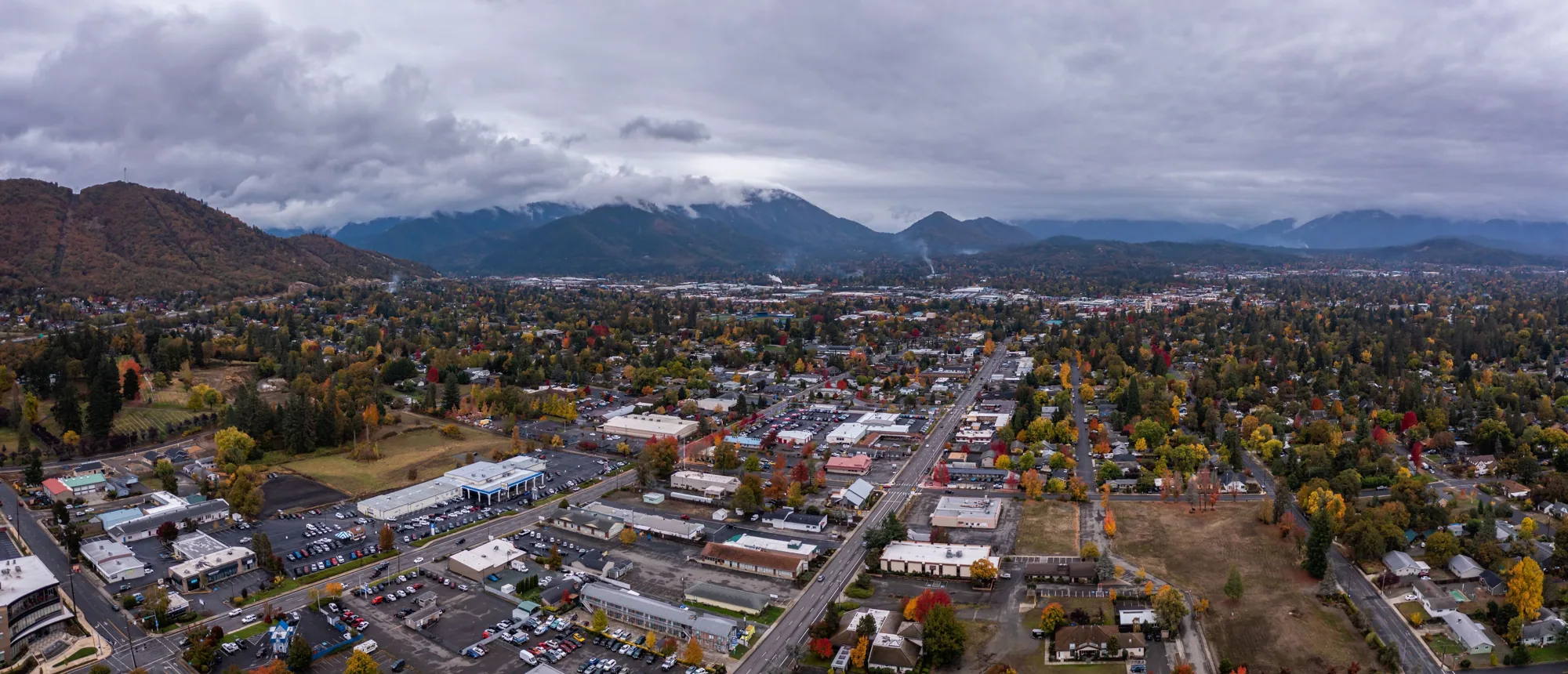
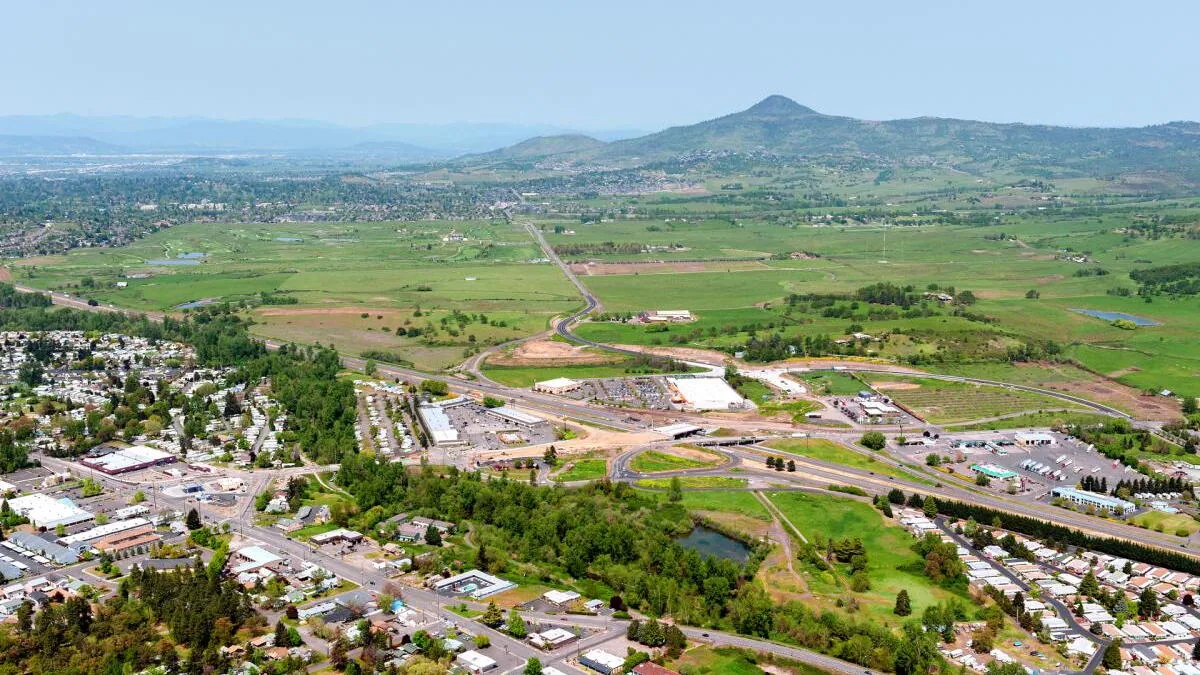
An industrial park is a place where the roofs are meant to be quiet, and in Phoenix, OR the sun is the reason they are not. The 26-acre Phoenix Industrial Park is zoned heavy industrial and offers rail-served buildings, and its location next to Highway 99 with Interstate 5 less than a mile away makes it a working district, not a showpiece. Warehouse and light-industrial roofs in a park like this spend their summers under 61 afternoons past 90 F in a typical year, with a 115 F record on the books, and what moves in the reserve schedule is remaining service life.
Industrial owners judge a roof by the cost of the interruption it can cause. A day of lost production costs more than the patch that would have prevented it, and a plant manager knows the number to the dollar. A leak over a pallet position is a claim, a leak over a production line is a shutdown, and the owner report is written to those consequences. Every building is given a condition grade, an estimate of years remaining and a recommended action, set down in a format that a plant manager and an asset manager can both use.
Triple-digit stretches over long industrial roofs
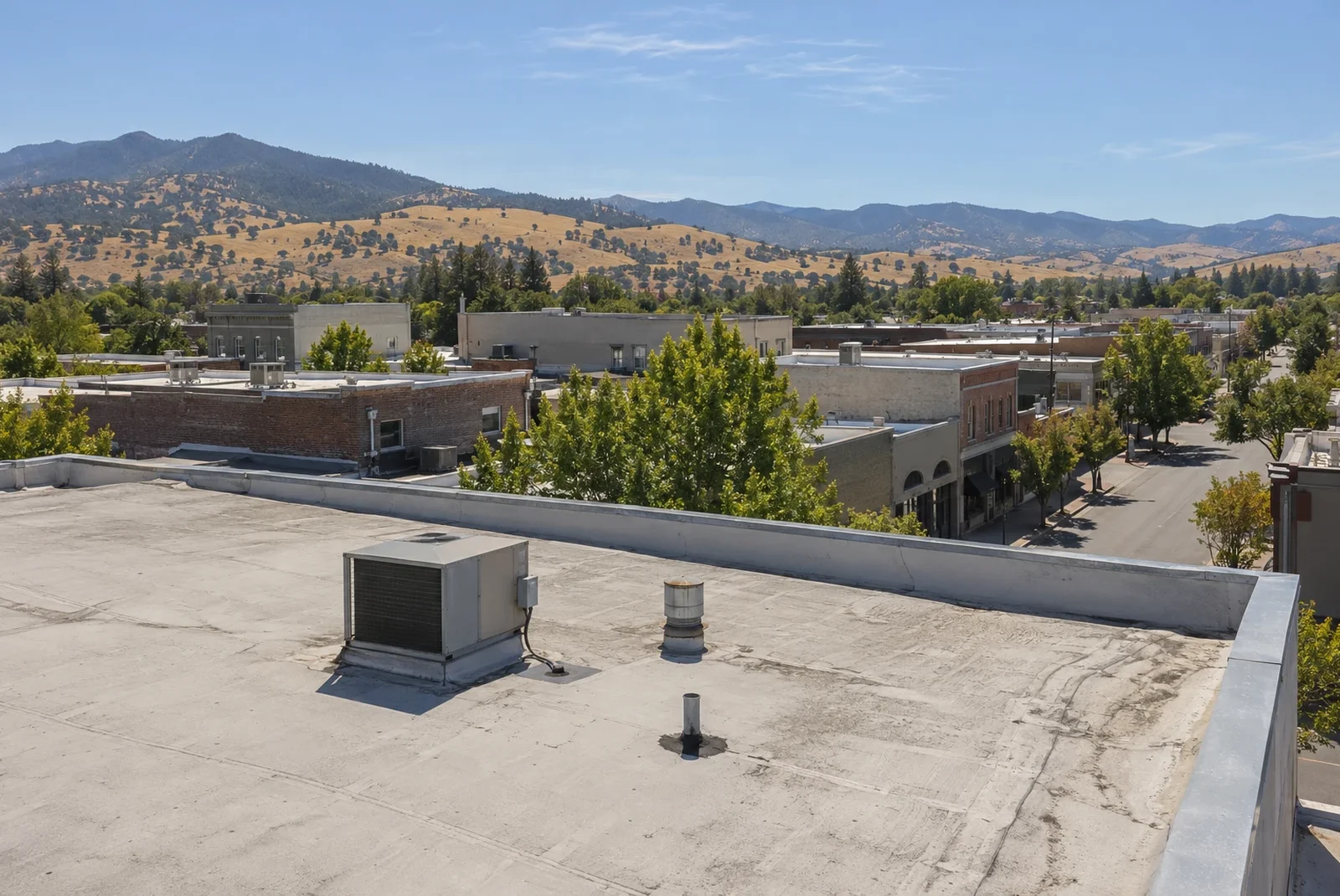
Warehouse and light-industrial roofs present a great deal of surface to the sun. Little rain rinses them, since the valley gets about 18.4 inches of precipitation a year, so dust, soot and rail grime settle on a white membrane and dim it. A dimmer roof is a hotter roof, the building below it works harder to cool, and the sealants and seams above age faster. The effect is gradual, and it is invisible from the ground.
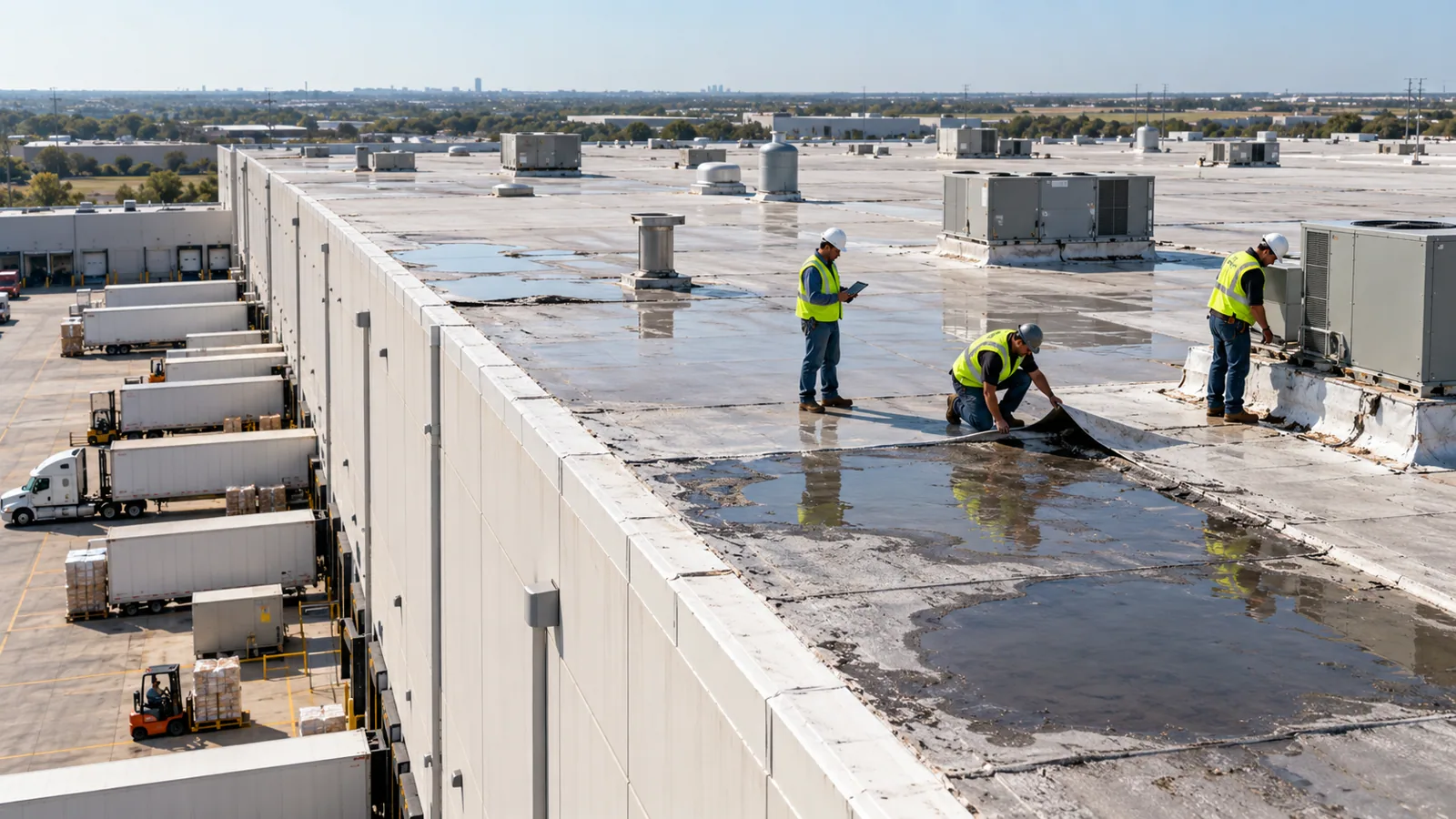
Details tell the story first. Curbs for exhaust fans and make-up air units, walkway pads, drains and edge metal each show the sun's work earlier than the field. An infrared scan reveals trapped moisture in the insulation that the surface hides. The survey records every one of these by location, so the grade is a map and not a feeling. The map shows the owner which curbs are failing, which seams are open and which drains hold water, and the repair crew can work from it without a second walk. A report that names the spot saves a day of searching.

Condition grade and remaining life, building by building
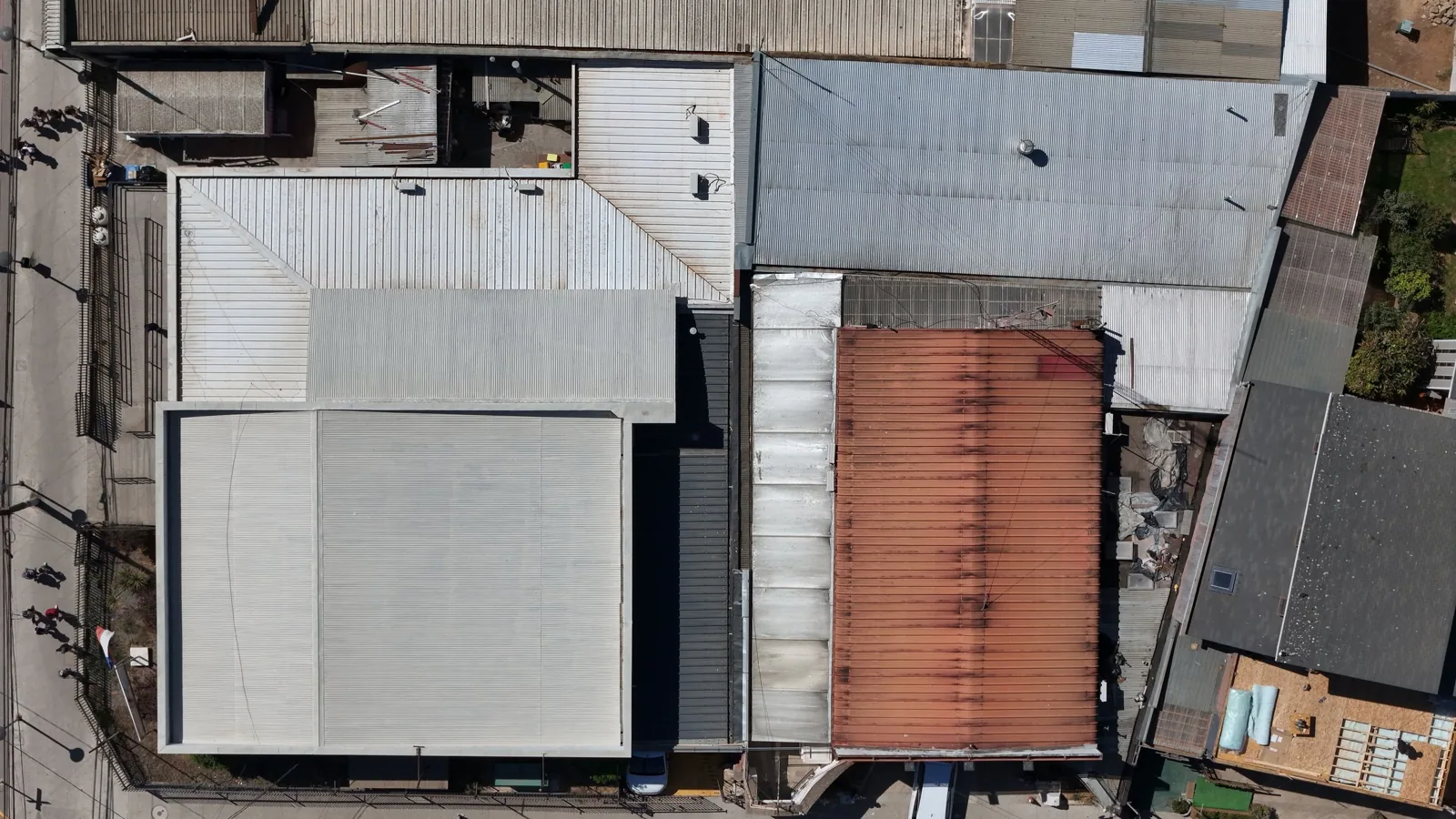
A park can hold buildings from different owners and different years, and when it does the roofs differ. We grade each on covering, seams or laps, flashings, drainage, penetrations and moisture, and we assign a remaining-life estimate with photos. A building with three patches at one curb is flagged, and the report gives the likely cause.
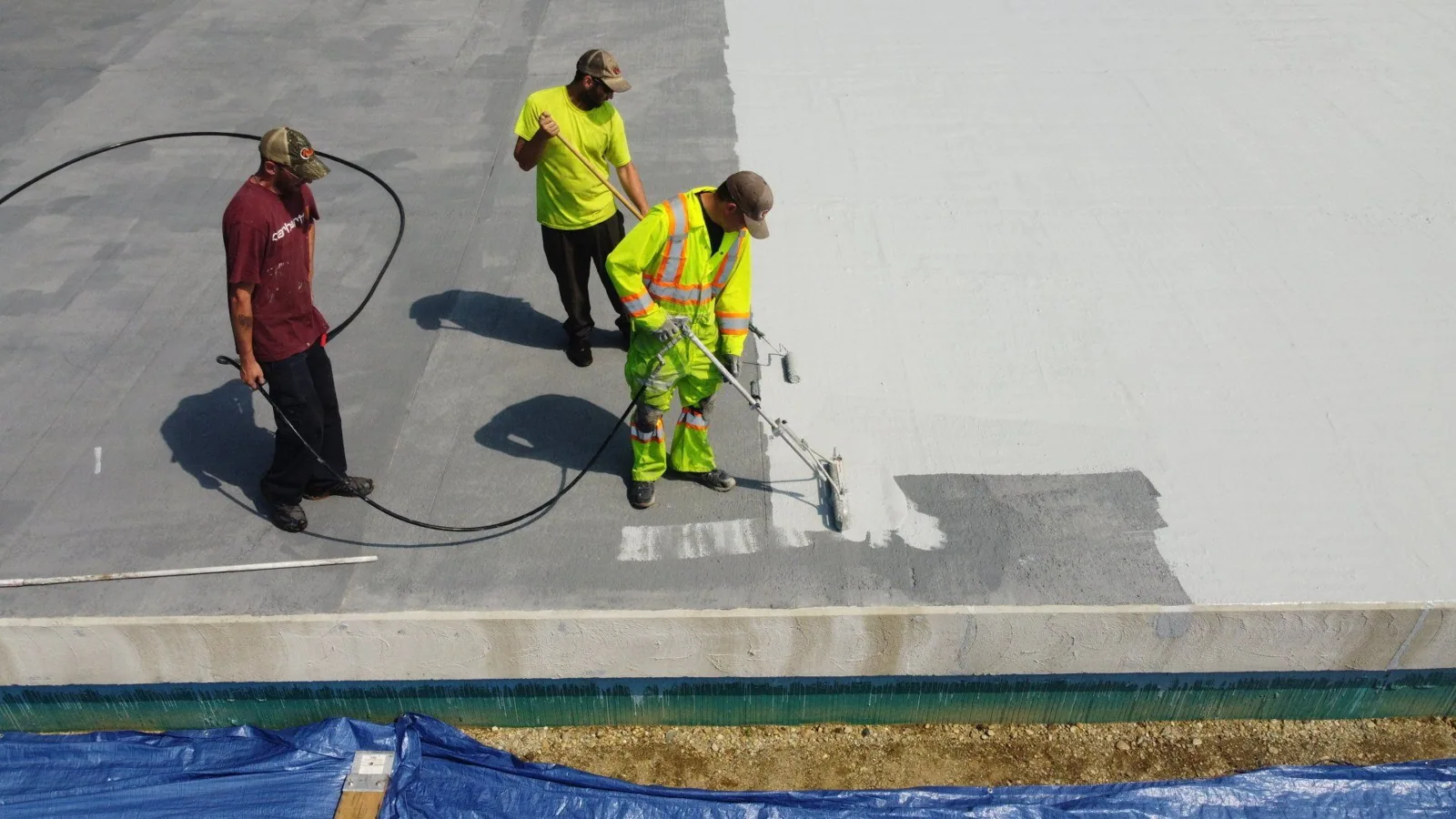
The grades turn into a plan. A roof over product or equipment that cannot get wet moves up the order, a roof over empty storage moves down it, and a roof with dry insulation and a sound surface becomes a candidate for a restoration coating that adds years at a fraction of a replacement's cost. Each building lands in a column, and the owner funds the columns in sequence. For a landlord with several buildings, the columns also show the shape of the next five years: how many roofs fall due in the same season, how many can wait, and how many can be carried forward with a coating. That shape is the budget conversation, and the report makes it concrete.
Reserve schedule, tenant improvements and lease-cycle timing
Industrial tenants change their buildings. A new process line brings a new exhaust fan, a new compressor brings a new vent, and each is a hole in the roof. The owner report tracks those penetrations by date, which matters when a tenant leaves and a landlord has to decide which ones to flash properly and which to remove. A reserve schedule that ignores them is incomplete.
Lease cycles set the timing. Replacing a roof mid-lease takes coordination with the tenant, while replacing one between tenants is the cleanest path. Carrying cost covers repair visits, interior damage and lost production or rent, and it is the figure that tips the decision, so the report puts it beside the replacement price. A heavy-industrial zoning classification means tenants may run noisy, hot or dusty processes, and the roof over them is asked to take it. The report notes the use under each section so the grade reads in context.
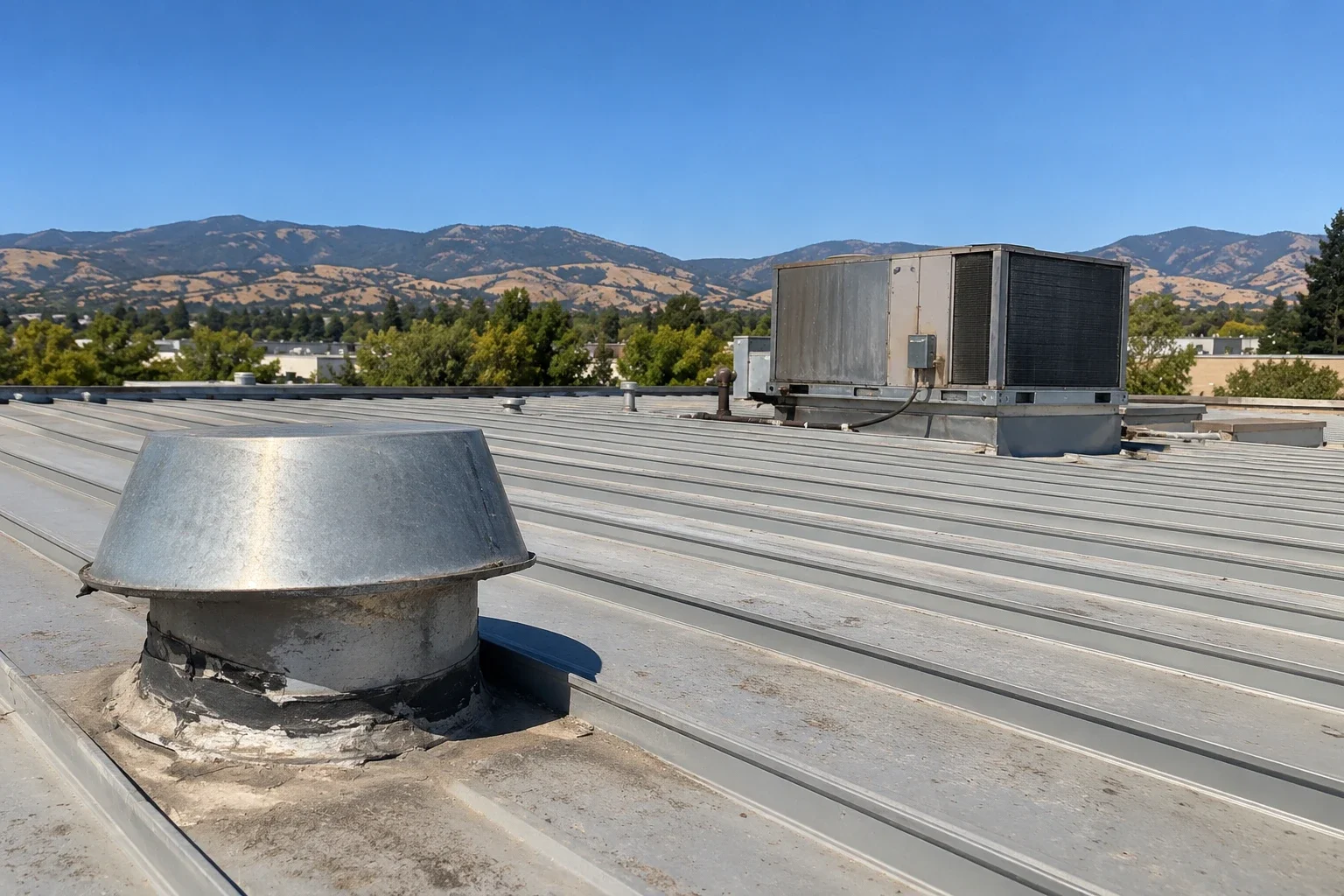
Rail, Highway 99 and the airport nearby
The Central Oregon & Pacific Railroad serves the park, and rail brings dust, vibration and schedules. We plan lifts and loud work around train movements and keep staging away from the spur. Highway 99 and Interstate 5 give trucks and cranes a direct approach, and Rogue Valley International-Medford Airport is a short drive away, so the park suits warehouse and light-industrial buildings with regional reach.
On triple-digit days the crew starts early and keeps membrane rolls in shade. Tenant docks stay open during work, and a flagger directs trucks where the park's drives are shared. Each section is dried in before the crew leaves, and the manager receives a one-page notice naming the day, the area and the phone number. Summer smoke can pause adhesive work, so the schedule carries a buffer, and the notice tells tenants what to expect if a day is lost. Tenants with temperature-sensitive goods get a call before their section opens.
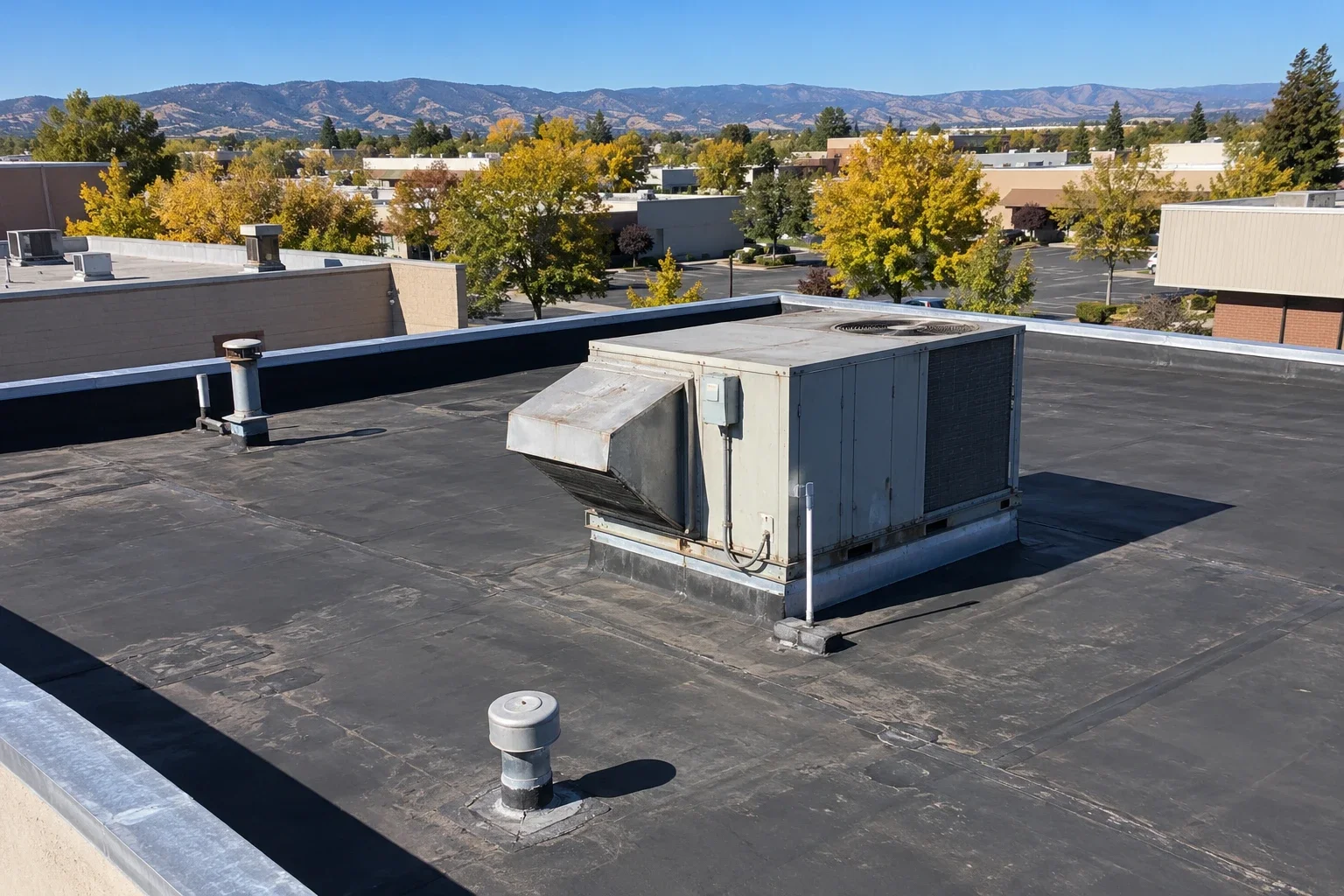
Smoke weeks, ember exposure and industrial fire planning
The September 2020 Almeda fire destroyed 561 homes in the city of Phoenix, and the Obenchain fire brought the county's loss to roughly 2,600 homes. Medford had 26 smoke days in 2021. Industrial roofs collect soot that raises their temperature, and gutters, vents and eaves hold debris that can ignite. Cleaning before the season takes the fuel away, and the visit after smoke washes the roof and changes filters.
Tenants who store pallets, packaging or fuel near a wall create a fire load next to the roof edge. Rail corridors add their own dry-season hazard, since dry grass along a right-of-way carries a spark, and a park beside one should keep the strip between track and building clear and the roof edge clean. Fire rating and the date of the most recent edge cleaning sit in the owner report for every covering, which the manager can use to ask a tenant for a clear zone.
Reporting for owners, brokers and lenders
The park file for each building gathers its grade, photos, curb list, drain map, warranty and the date of the next check. Each file reads quickly for a broker or lender. A roof capital plan sorts the grades into a schedule, while roof coating restoration can extend a sound roof. Related buildings include warehouse roofing and flex industrial roofing. Neighbors include Phoenix and White City Industrial Park, and a TPO roofing system suits many roofs in the park.
Send the building list, roof ages and leak tickets
Related Roofing Pages

Questions About Phoenix Industrial Park, Phoenix
Why does rail matter to a roof?
Dust and vibration affect the surface and the schedule. We plan lifts around train movements.
Can a coating extend an industrial roof?
When the membrane is sound and the insulation reads dry. A scan confirms it.
How do you track tenant penetrations?
Each one goes in the register with a date and a photo, so the landlord knows what to flash or remove.
Do docks stay open during work?
Yes. We stage away from active bays and keep a flagger at shared drives.
What does an edge clean involve?
Debris is cleared from gutters, vents and eaves ahead of summer, and the date goes in the register.