
Ponding Water Roof Repair in Medford, OR
Fix standing water damage on Medford, OR flat roofs: membrane wear, seam stress and structural load, with options from drain work to tapered slope.
Overview
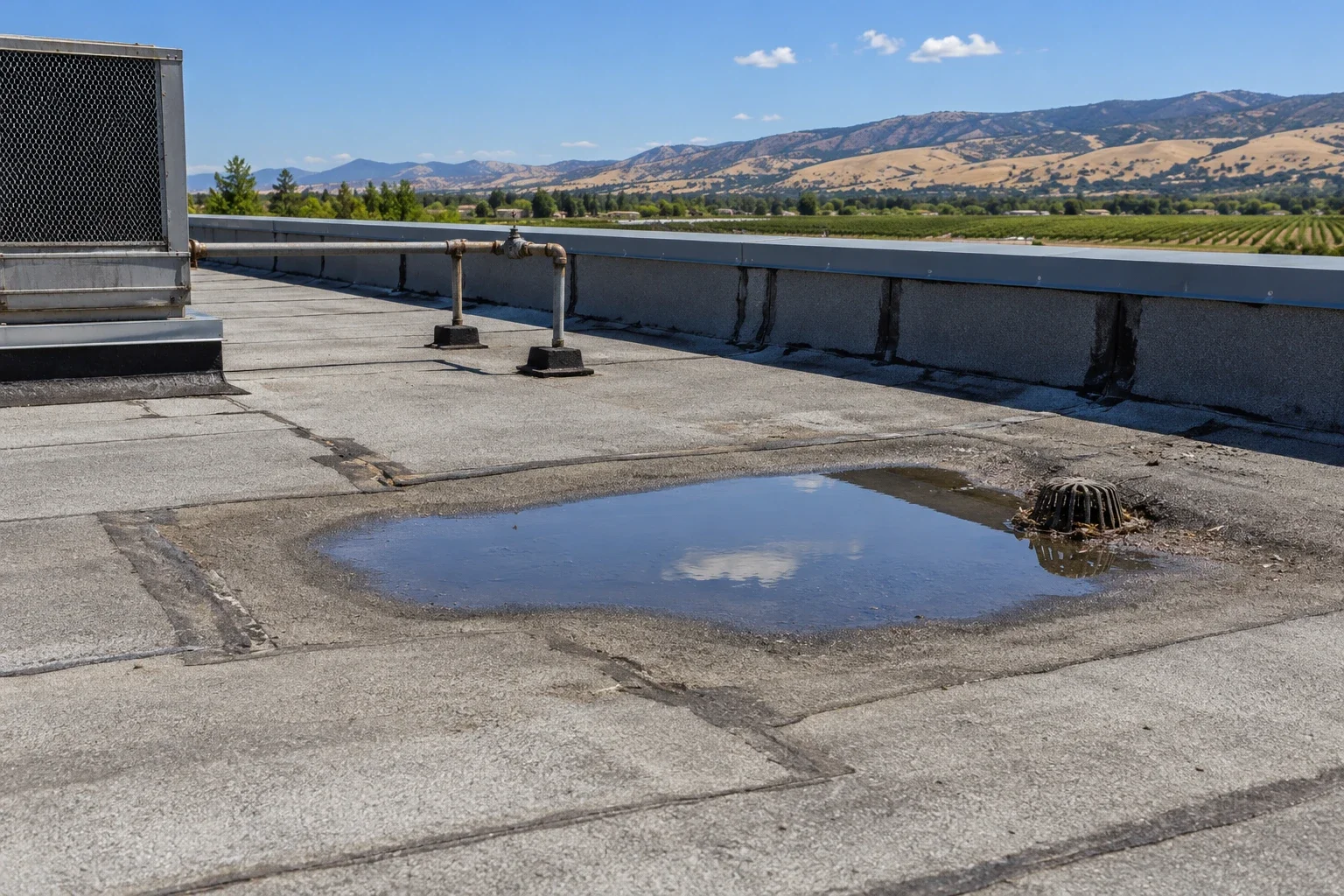
Standing water on a Medford, OR roof does its damage in a strange order: the sun heats the pond, the membrane under it ages faster than the dry field beside it, and the first symptom the owner sees is a pale ring on a roof that looks otherwise intact. With only about 18.4 inches of precipitation a year, ponds are not a daily sight in this valley, which is why they get ignored. Yet a puddle that sits for days after a rain is a sign that the roof does not shed water as designed, and every hot afternoon above 90 F cooks the sheet beneath it.
The reserve schedule takes the hit later. A ponded area can lose years of service life in a few seasons, and when it opens, it opens at a seam or a flashing that has been under water for months.
Sometimes a clear drain still leaves water behind, because the low spot sits too far from any outlet. Then the cure goes beyond drain and scupper work and into slope, build-up and repair of the membrane the water already harmed.
What standing water does to a roof
Water on a membrane works in several ways at once, and the seam failures that follow are often the first leak. It holds heat against the surface, which speeds chemical aging. It supports algae and sediment that stain and trap more moisture. It stresses seams by keeping them wet and, in cold mornings, by freezing and thawing in the same spot, which the valley sees on about 64 mornings a year. It also adds weight: an inch of water on a roof is a substantial load, and a pond several inches deep over an unreinforced bay can approach the limit the deck was designed to carry.
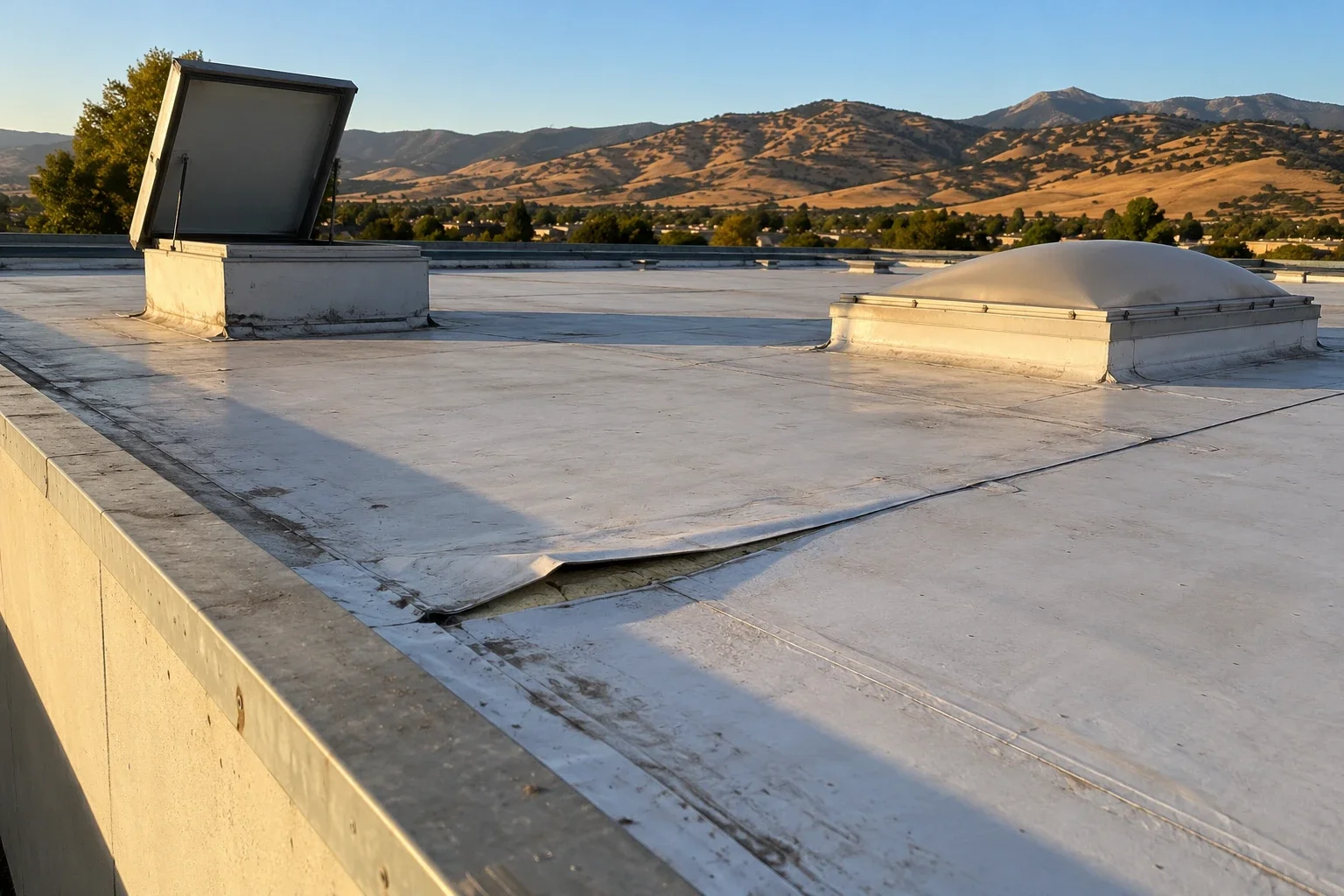
Insulation under a ponded area often tells the rest of the story. Small pinholes and weak seams let water in, and the board below becomes saturated. By the time a ceiling shows a stain, the damage in the roof is usually wider than the stain suggests.
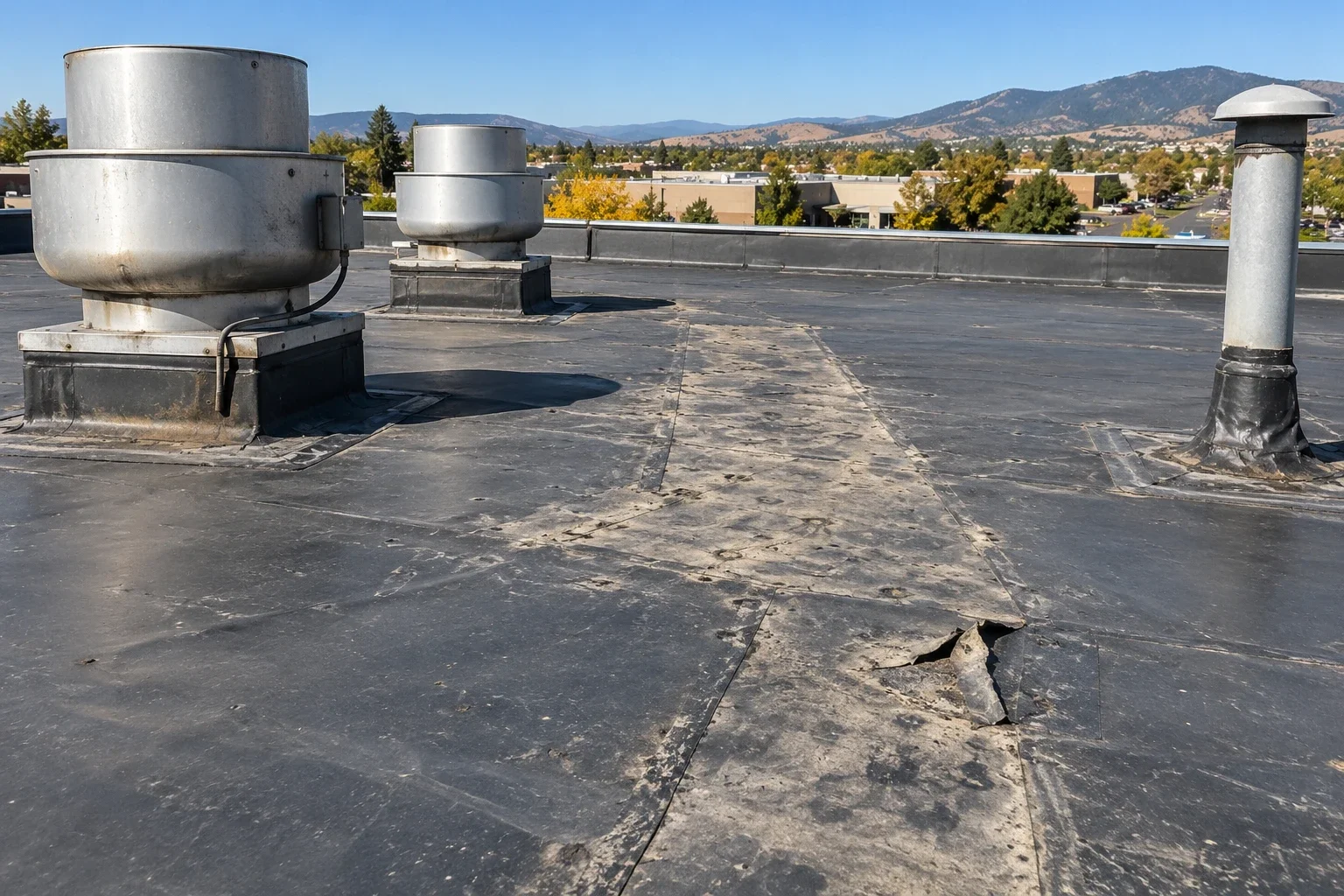
Punctures matter more under water. A small cut that would stay dry on a sloped roof lets water in continuously when it sits at the bottom of a pond, and membrane puncture repair in ponded zones is done with reinforced patches and an edge detail that resists wetting.
Chemical effects deserve a word as well. Standing water leaches plasticizers and dissolves surface protection on some membranes, leaving a chalky patch that sheds granules or powder. The patch looks cosmetic and is not; it marks a surface that has already lost part of its protection against UV.
Finding the cause before choosing the cure
Ponding has a short list of causes, and the repair depends on which one applies. Deck deflection between supports creates a bowl. Insulation that has compressed under traffic leaves a low spot. Drains installed above the deck level hold a ring of water around them. A roof built with too little slope never drained in the first place. Added equipment, patched layers and abandoned curbs can each create a dam.
We establish the cause with measurements: a water test, a laser level, a look at the roof from the underside if access exists, and a review of the drawings where they survive. The depth and duration of each pond are recorded, along with its position relative to drains and structure. A pond that clears within two days is a different case from one that lasts a week, and the repair reflects.
Photographs with a straightedge or level in the frame make the case quickly. Owners and carriers can see the depth, and the same photographs serve as the baseline for judging whether a repair worked after the next rain.
Repair options from small to broad
The smallest fix is drainage hardware: clear or replace a drain, lower a sump, add a scupper. The next is a localized build-up with tapered insulation or a cricket that turns the low spot toward an outlet. Wider problems call for a tapered insulation layer across the roof, installed during a recover or replacement, using tapered insulation and cover board.
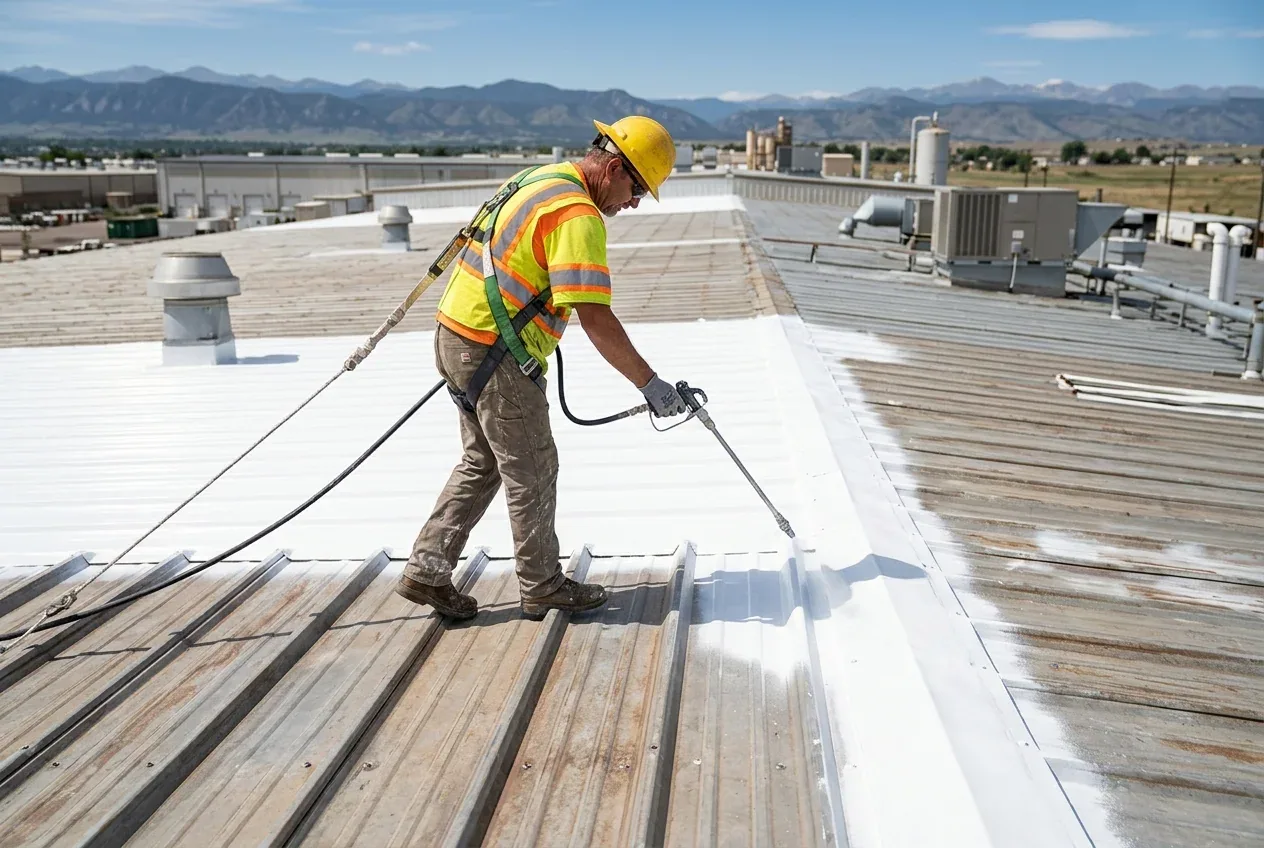
Where slope cannot be added, a membrane or coating that tolerates standing water becomes the practical answer. Silicone coatings shed ponding better than most alternatives, and a ponding-rated single-ply sheet is available for some assemblies. We also repair the damage the water caused: sealing weakened seams, replacing saturated insulation and reinforcing flashings at the pond's edge. The owner receives each option priced with an estimate of the years it returns.
Cost depends on the cause. Hardware repairs are modest; tapered systems are priced by area and slope; structural reinforcement sits outside the roofing budget altogether. We state which category each option falls into so the owner knows who needs to be at the table.
When ponding becomes a structural question
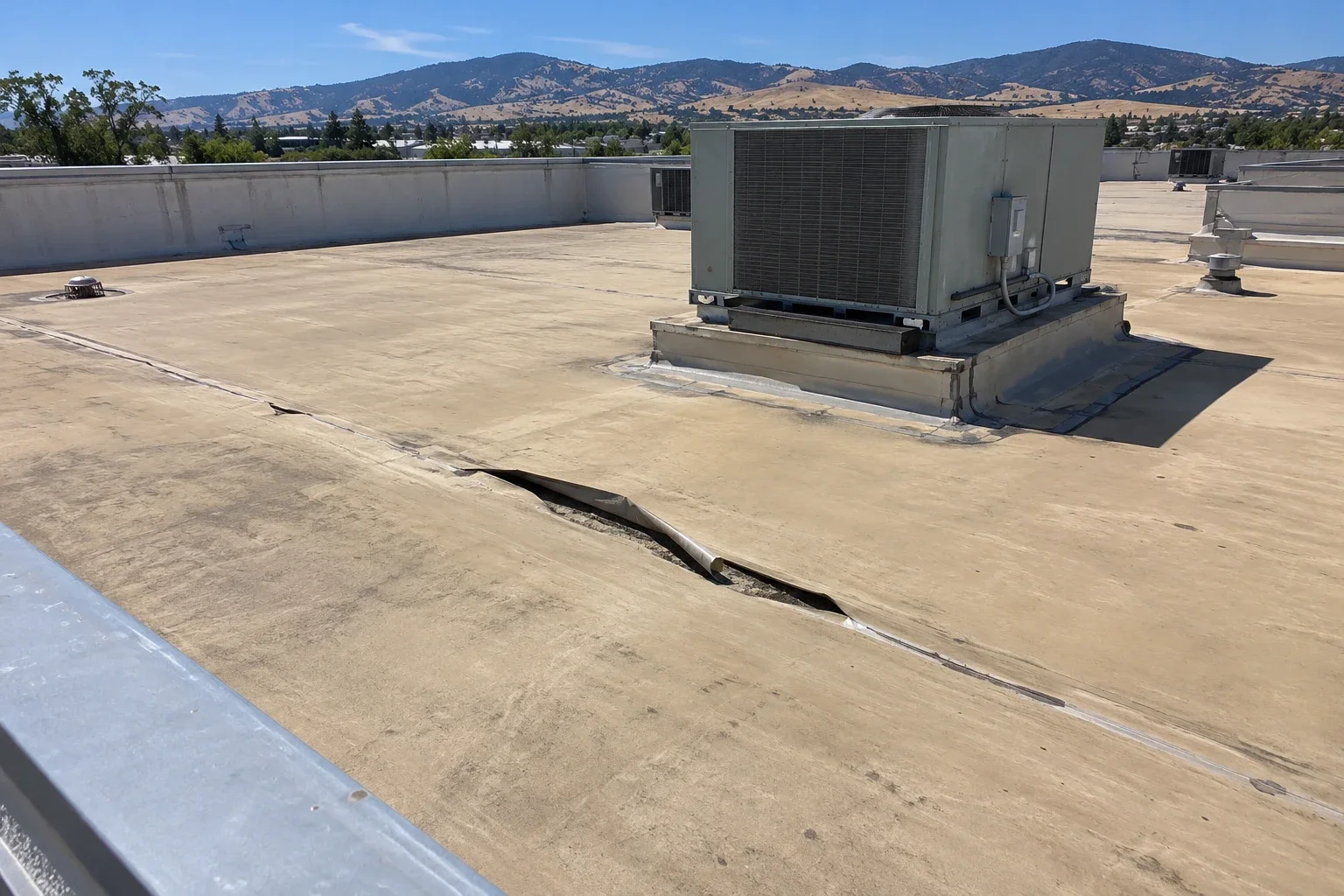
Water is heavy, and a pond that deepens as the deck deflects can feed itself: more water, more deflection, more water. We watch for signs of that cycle, such as steadily growing bowls, sagging ceiling grids and cracked interior finishes under the pond. When we see them, we recommend a structural engineer review before any new material goes on the roof, since adding insulation or ballast to a stressed deck makes the problem worse.
For most simple warehouse and retail roofs, the answer is drainage and slope, not structure. For older buildings, including the aged masonry stock downtown, we are more careful, and for any roof with a history of sagging, we recommend the review at the survey stage.
After any repair, we recheck. A follow-up visit after the next rain confirms that water leaves the corrected area within the expected time, and the result is entered in the roof register with a photograph. If a trace remains, the correction is adjusted before the warranty window or the budget year closes.
Where ponds tend to form in the valley
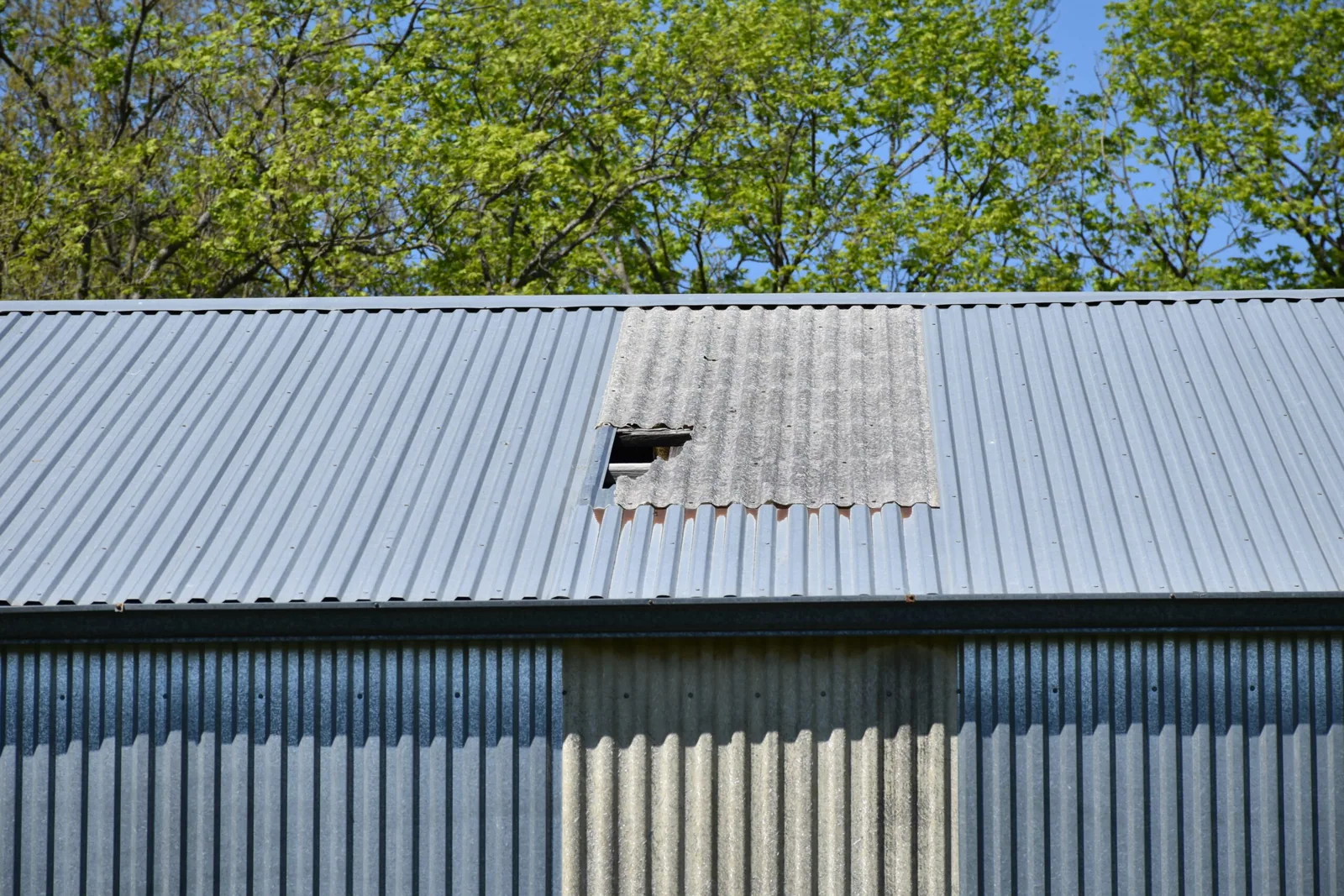
Large flat roofs with few drains are the usual candidates. Wide, flat big-box stores and distribution roofs, the types found along North Riverside Avenue, in Central Point and on Table Rock Road, depend on few outlets spread over a large area. Roofs that have been recovered once or twice can also hold ponds where old layers sag differently. Ash and soot after smoke seasons clog strainers and make it worse, so post-smoke cleaning is part of the cure.
Preventive visits, such as those in our maintenance program, catch ponds early by recording standing water after each rain and keeping drains clear.
Retail roofs add one more complication: shared tenant space means a pond over one bay can leak into another tenant's ceiling, so the first call goes to the property manager, who can open the right doors and warn the right occupants before the next rain arrives.
Send the roof plan and photographs of the ponds

Related Roofing Pages

Questions About Ponding Water Roof Repair
How long can water sit on a flat roof before it is a problem?
Roughly two days is the common threshold. Water that remains longer begins to shorten membrane life and invites algae, and many warranties set limits on it.
Will a coating fix a roof that ponds?
A silicone coating tolerates standing water better than most, and it can extend the roof's life, but it does not remove the pond. Slope or drainage corrections address the cause.
Why does the pond appear after summer storms but not in winter?
Summer traffic from service crews compresses board, and the dry months leave no rain to show the result. Low spots grow quietly through the dry months and show up with the first rain.
Is ponding covered by an insurance claim?
Usually it is treated as a maintenance or design condition rather than an event loss. We document its cause so the owner and carrier see the facts.
Can adding drains solve the problem?
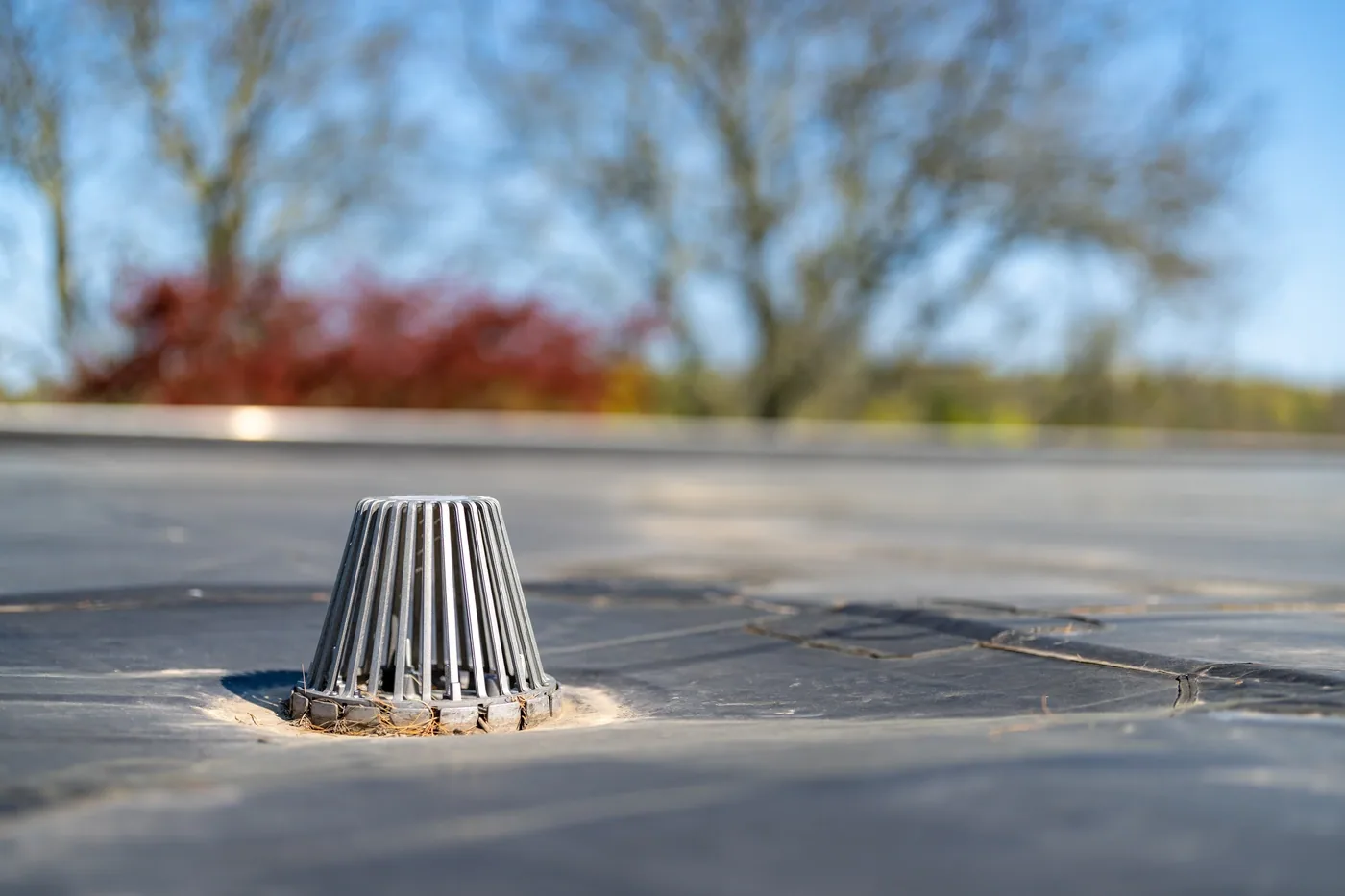
Often, if drains are placed at the low points and the deck allows the cut. We check the structure before adding any opening.