
Roof Insulation, Tapered Systems and Cover Board in Medford, OR
Roof insulation, tapered slope systems and cover board for Medford, OR commercial roofs, chosen for valley heat, cooling cost and long membrane life.
Overview
Under a Medford, OR summer sun the insulation beneath a membrane earns its keep twice: it keeps the building's cooling load down during the 61 afternoons above 90 F, and it gives the membrane a firm, flat substrate to live on. Owners usually think about insulation only at replacement, yet the board is the single largest hidden line item in a re-roof and the one that most affects how the roof performs for the next twenty years. A cheap choice shows up as a soft roof, a dented membrane or a utility bill that never fell, and the cost lands in the carrying budget long after the contractor has left.
The decisions are three: how much insulation, what type, and whether a cover board belongs on top of it. Tapering adds a fourth, which is how the roof sheds water.
Our roof condition reports record the board type, thickness and moisture state at every core cut, so the next owner inherits the facts rather than a guess.
Boards and what each one does
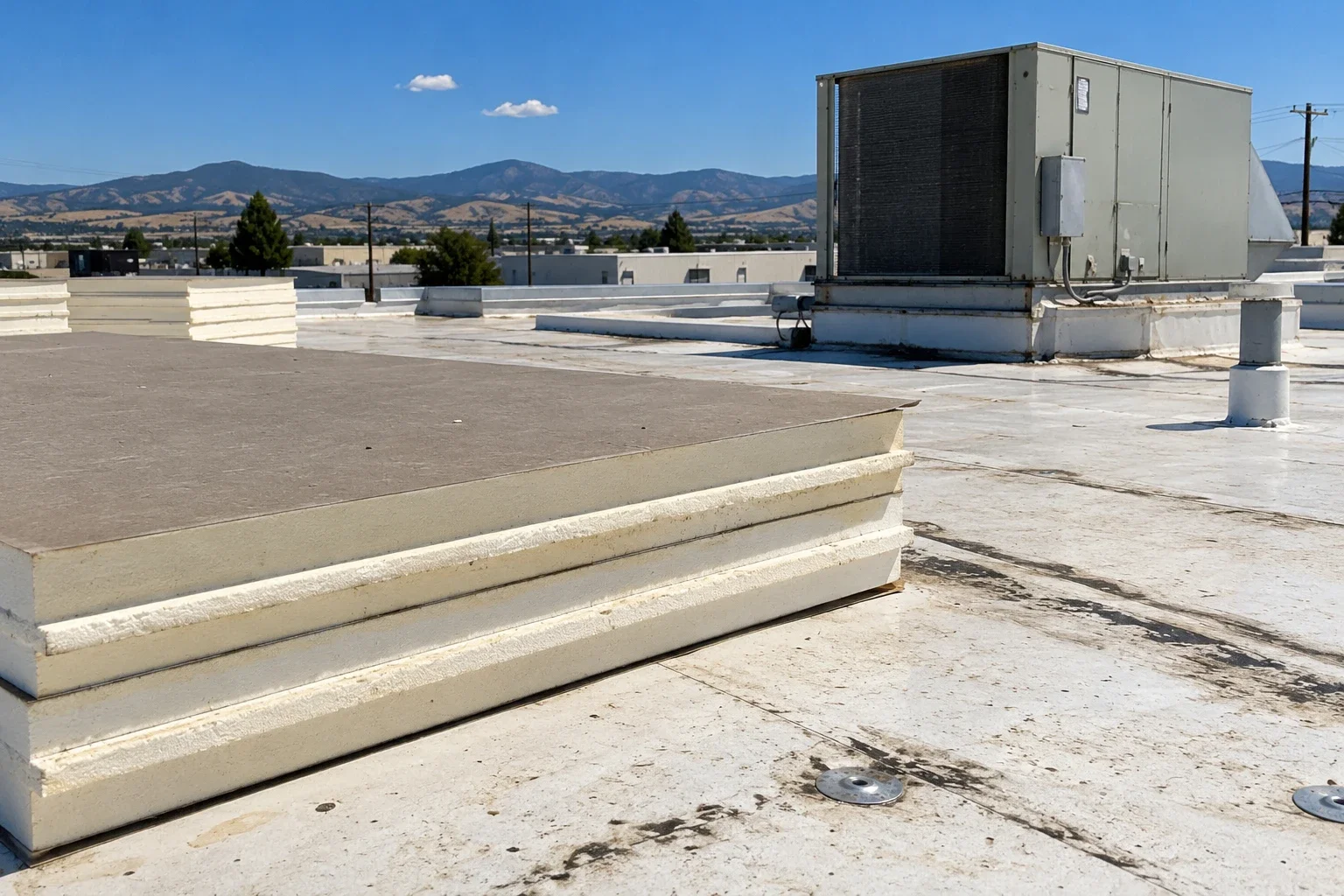
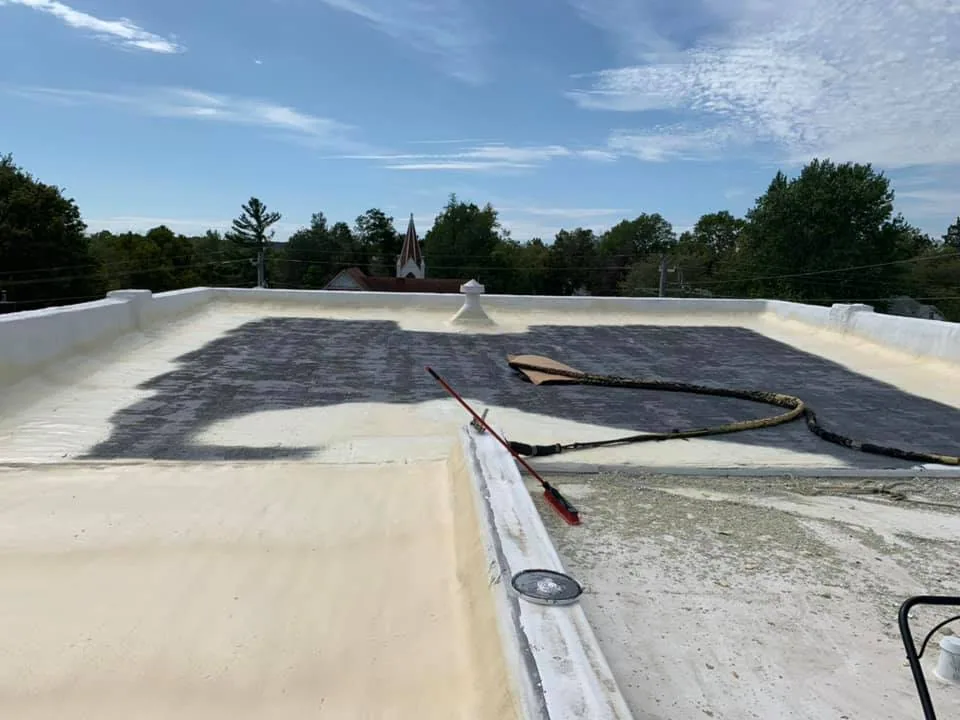
Polyisocyanurate is the common choice for low-slope commercial roofs because it delivers high thermal resistance for its thickness and is available in tapered pieces. Extruded and expanded polystyrene appear in protected membrane assemblies and some retrofit conditions. Mineral wool offers fire resistance and stability under hot-applied systems, while spray polyurethane foam combines insulation and membrane in one application, as seen with spray polyurethane foam roofing.
Each material responds differently to heat and moisture. Polyiso performs best at moderate temperatures and loses some of its rated resistance in cold conditions, which is a modest issue on a valley floor with about 64 freezing mornings a year but a larger one at higher elevations such as Prospect. Any insulation that takes on water loses value quickly, so keeping moisture out during installation is as important as picking the board.
Why a cover board belongs on many roofs
A cover board is a thin, dense layer between the insulation and the membrane. It protects the insulation from foot traffic and impact, gives adhered membranes a stable, bondable surface, and slows the spread of fire from below or above. Gypsum-based, fiber-reinforced and high-density polyiso boards are all used, each with different strengths against moisture and crushing loads.
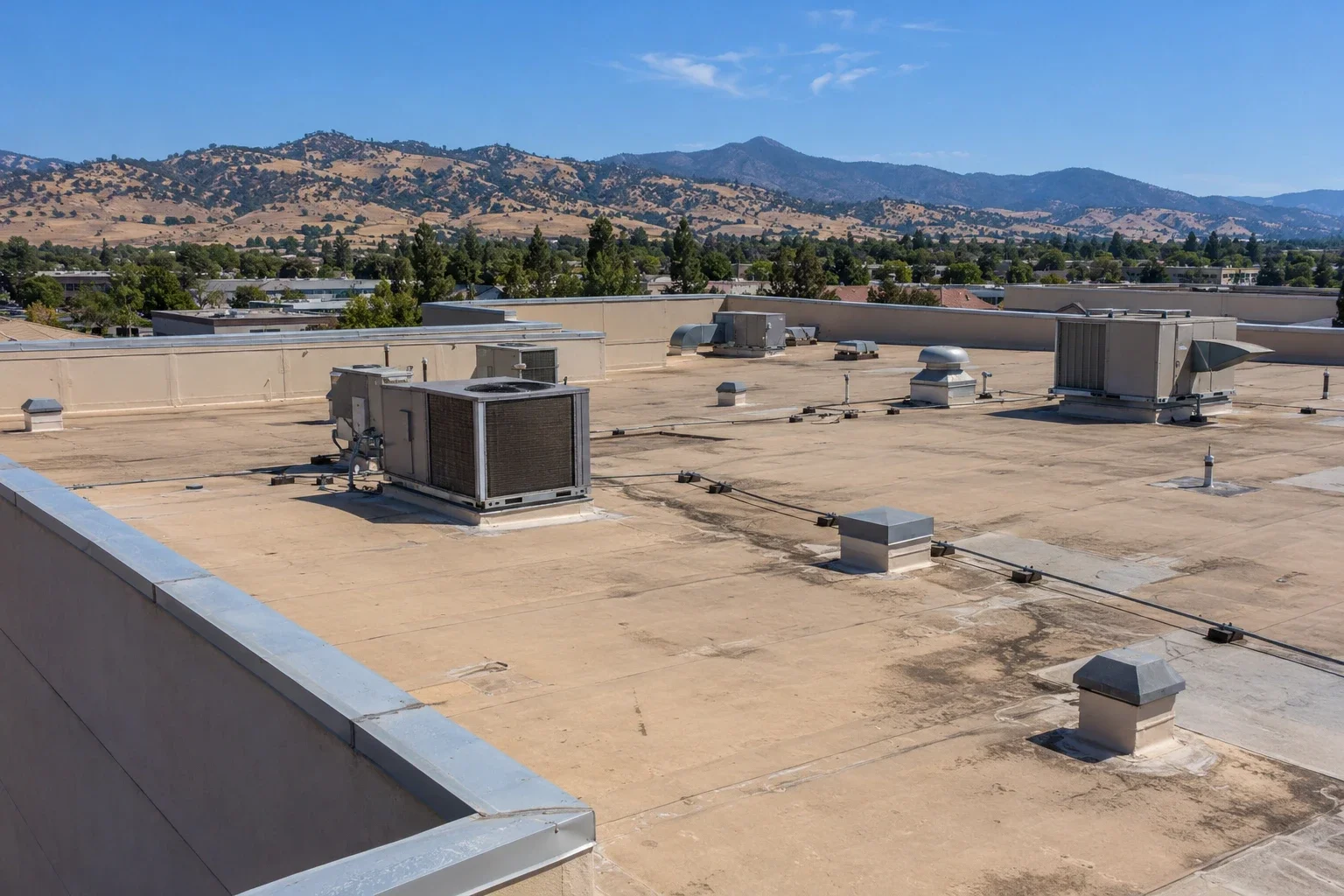
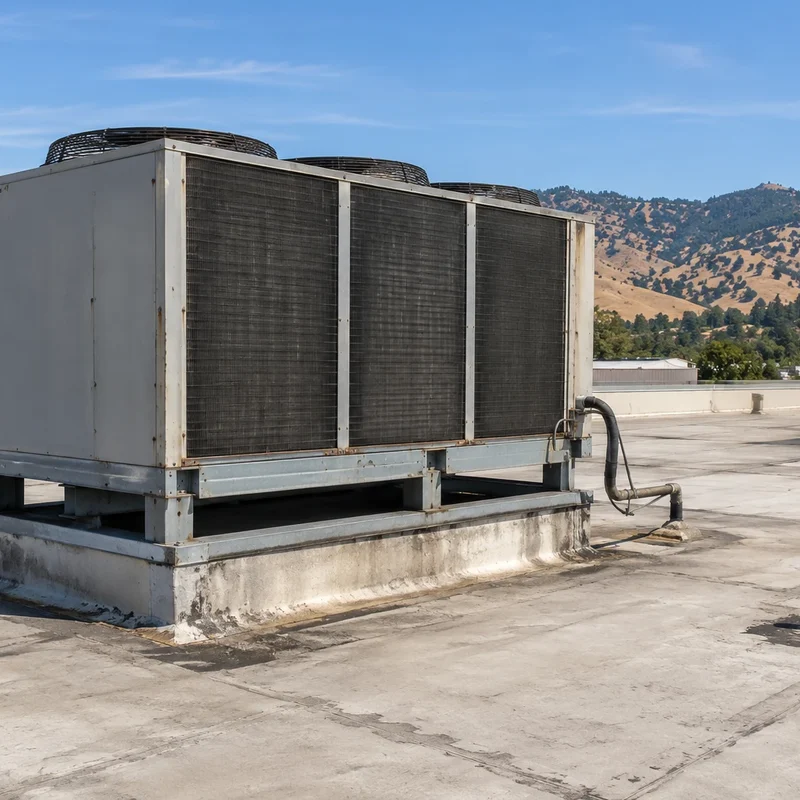
On roofs that carry heavy rooftop service traffic, such as hospital and clinic roofs with frequent mechanical visits, a cover board spreads the load and keeps technicians' boots from denting the membrane over soft foam. In a valley that now sees recurring ember and ash exposure, a noncombustible board under a PVC or similar sheet also adds a measure of fire resistance. Whether it is worth the added cost is a question of building use, traffic and the membrane system selected, and we price roofs with and without it.

Tapered systems and the slope that drains
Flat roofs are not flat. A tapered insulation system uses pieces cut to different thicknesses to create a slope toward drains and scuppers, often with crickets built at curbs and walls. Done well, it removes ponding without changing the structure. Done badly, it leaves hollows at the seams between panels, and those become the low spots we are called to correct.
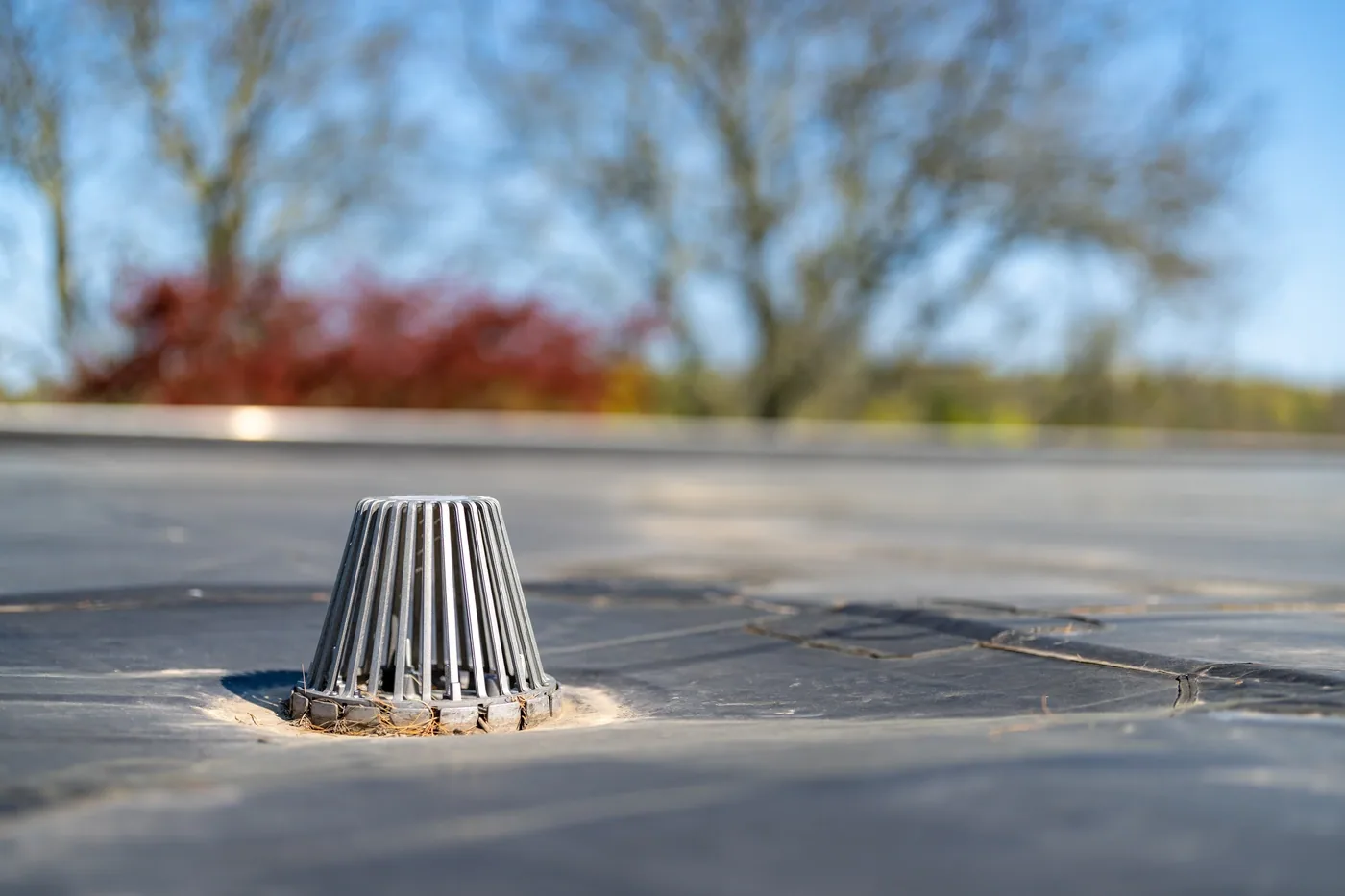
We lay the system out from a drainage plan: where each drain sits, how far water must travel, and what height the new slope adds at the parapet. Added thickness can raise flashing requirements and affect door thresholds, so those heights are measured early. The slope pairs directly with drain and scupper work, since a roof that slopes toward a blocked drain has only moved the pond.
Energy performance and code
The energy provisions that apply to a reroof can set minimum insulation levels wherever the roof assembly is replaced. We confirm requirements with the local building department before pricing, because an owner who budgets for a membrane only can be surprised by an insulation requirement that changes the thickness and the cost.
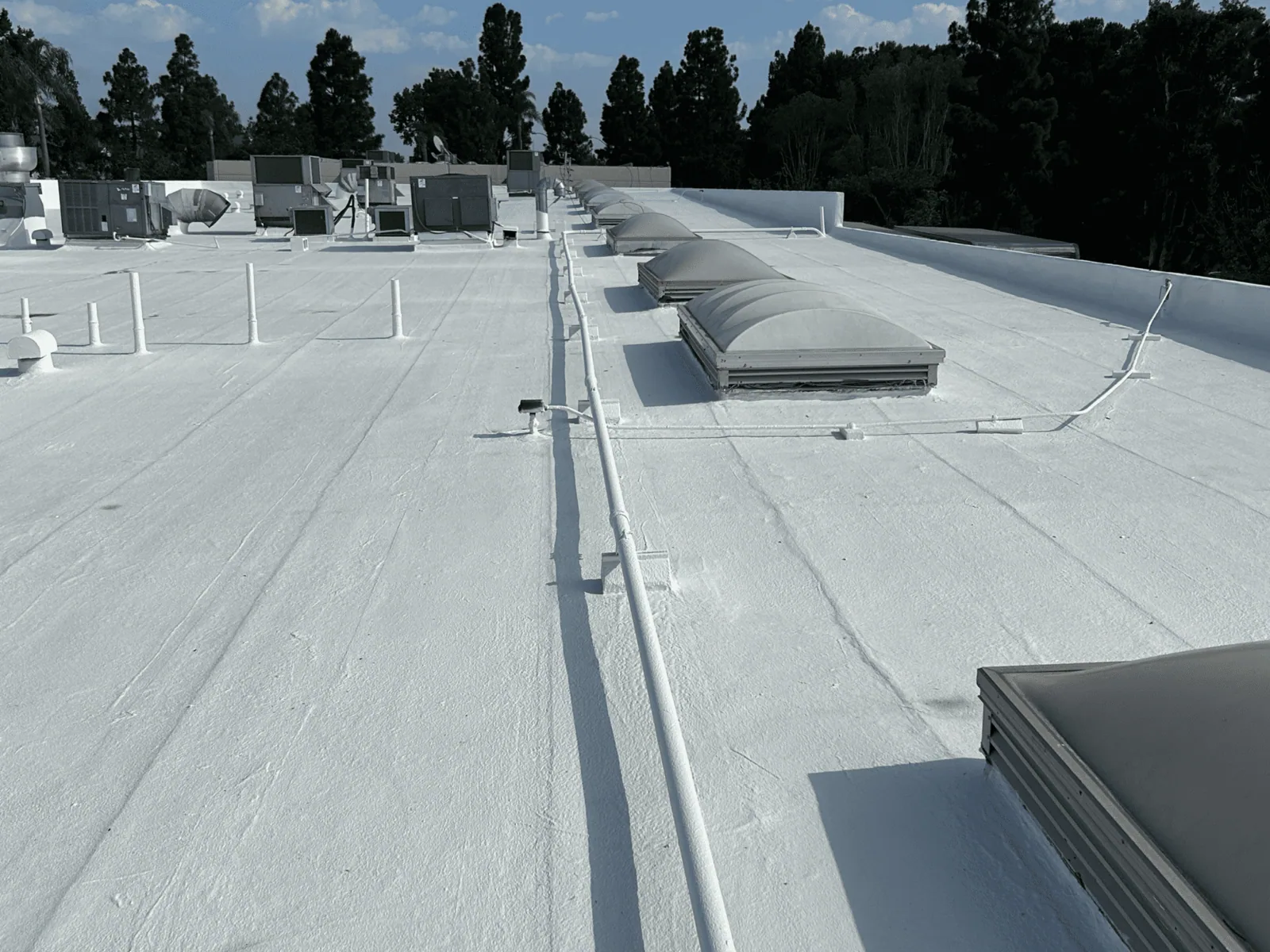
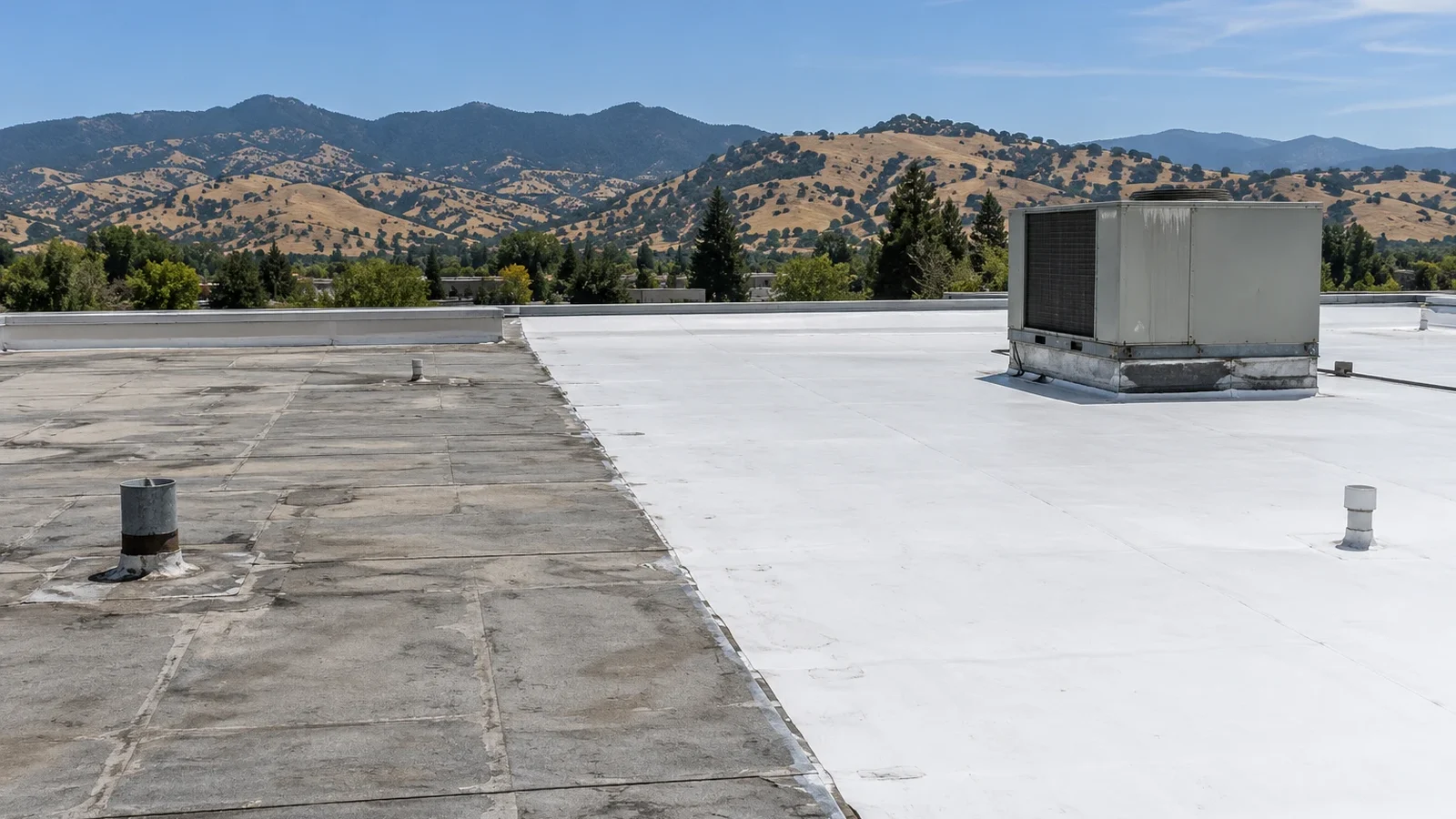
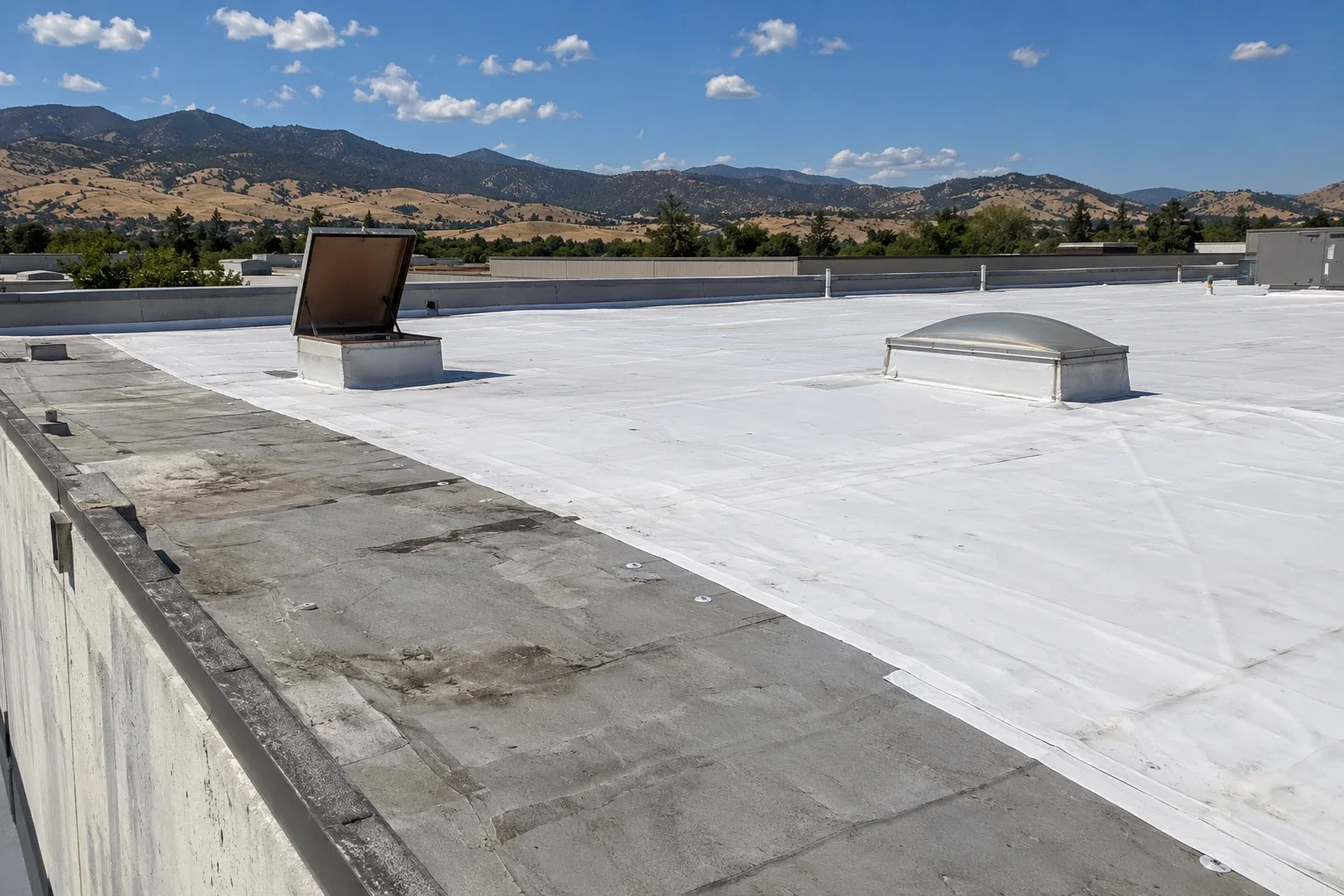
The valley's climate leans on cooling more than heating, so the greatest benefit comes from combining insulation with a reflective membrane that sends heat away before it enters. That pairing shrinks the temperature swing the membrane experiences, which slows aging and extends remaining service life. The owner sees the gain in two ledgers: a lower operating cost and a longer interval before the next capital spend.
Budget conversations go better when the numbers are separated. Insulation thickness drives material cost, tapering drives layout time, and the cover board adds a modest line that pays back in fewer dents and bond failures. We show each as its own entry so the owner can compare an energy gain against a durability gain and decide which one the reserve schedule should carry.
Moisture, recovers and reuse
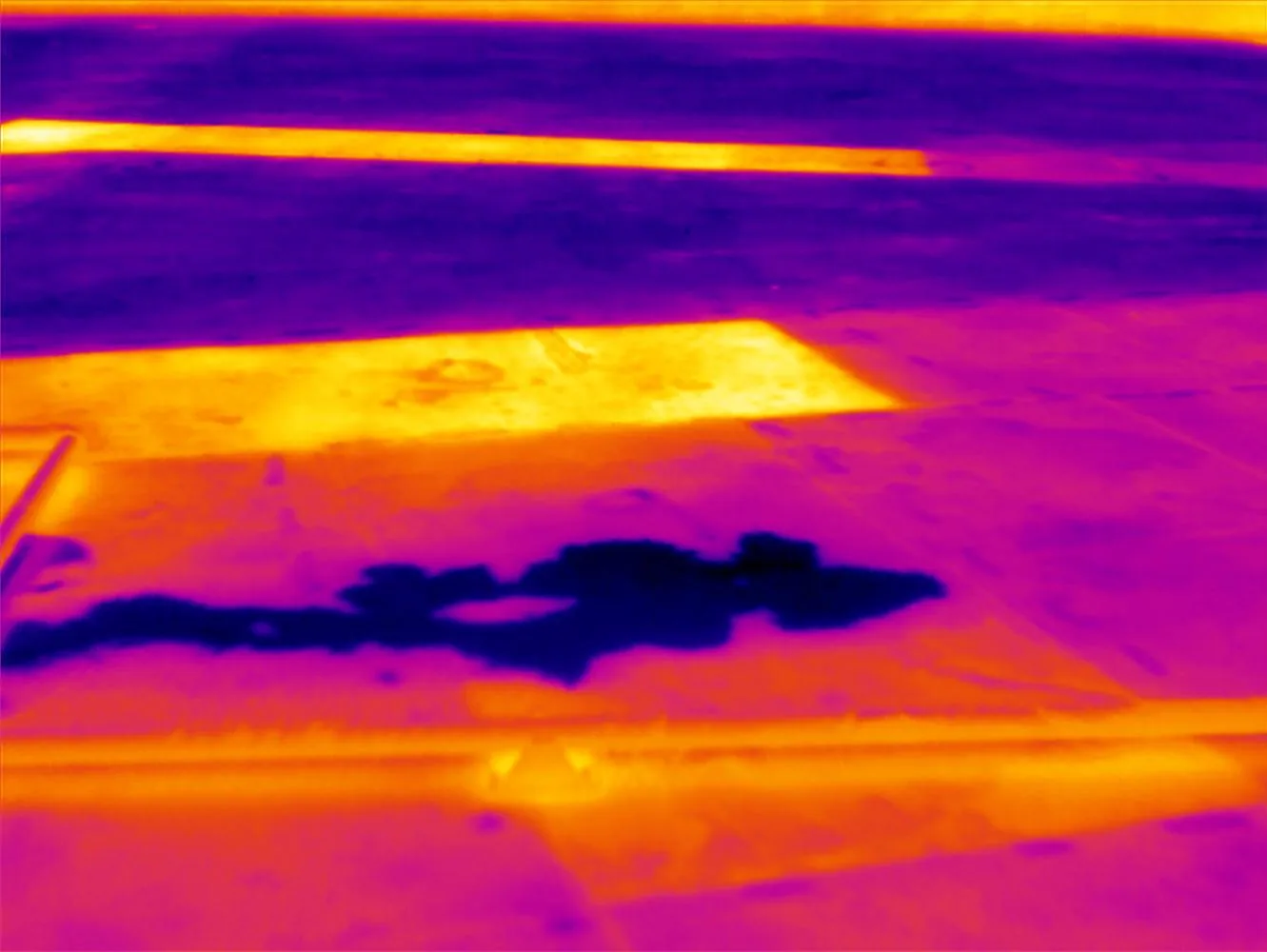
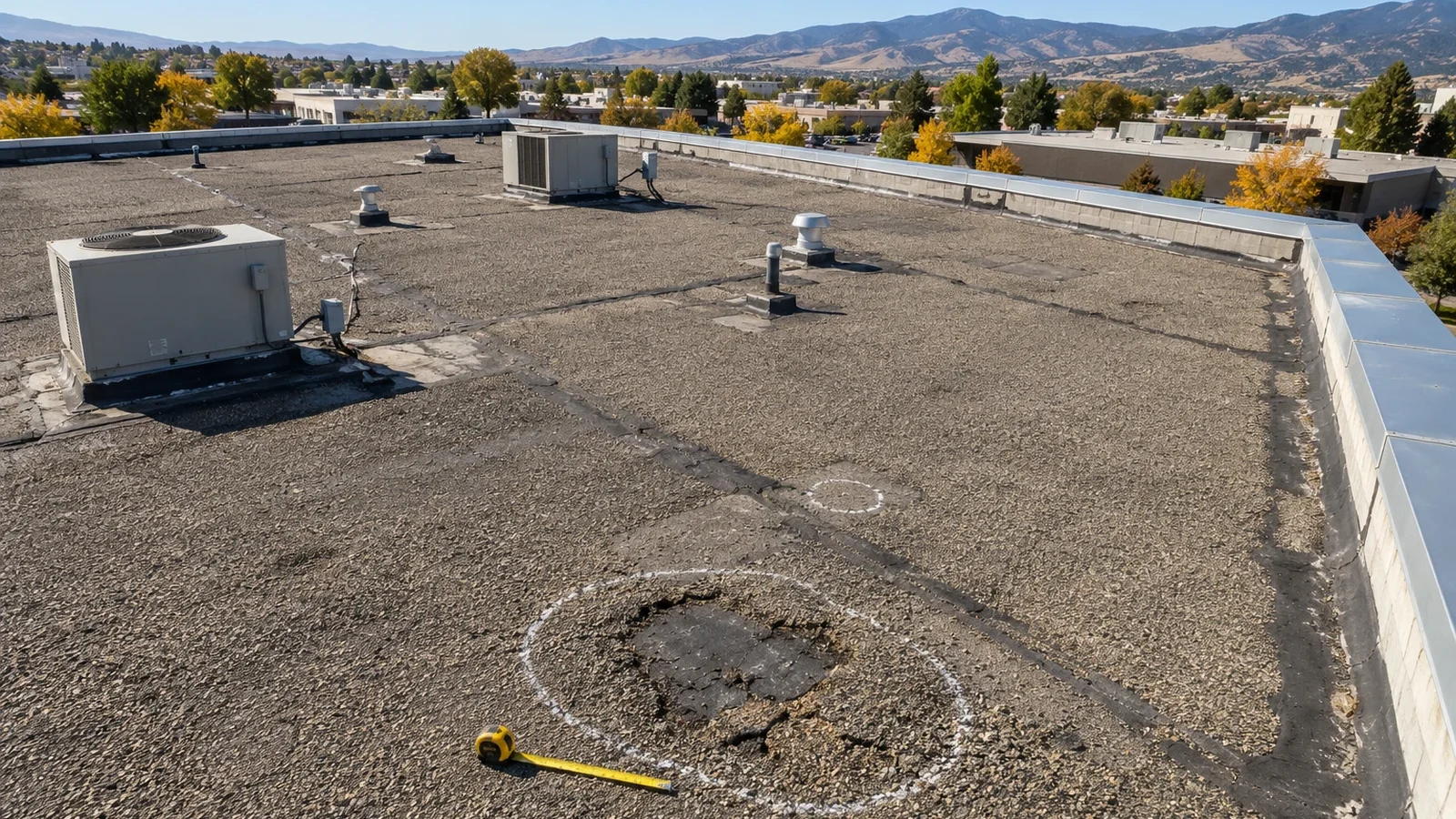
Existing insulation is not always worth keeping. A moisture survey and core cuts tell us whether it is dry enough to stay, and a roof recover adds a new membrane over dry insulation to avoid tear-off. When the board is wet, compressed or contaminated by an earlier leak, it comes out. Wet board is a cost driver not just for material but for disposal and for time on the roof.
We seal the work at the end of each day, covering exposed insulation so overnight dew or an unexpected shower does not wet it. In inversion weeks, when fog can sit on the valley for days, we hold work that would expose board to damp air until conditions clear.
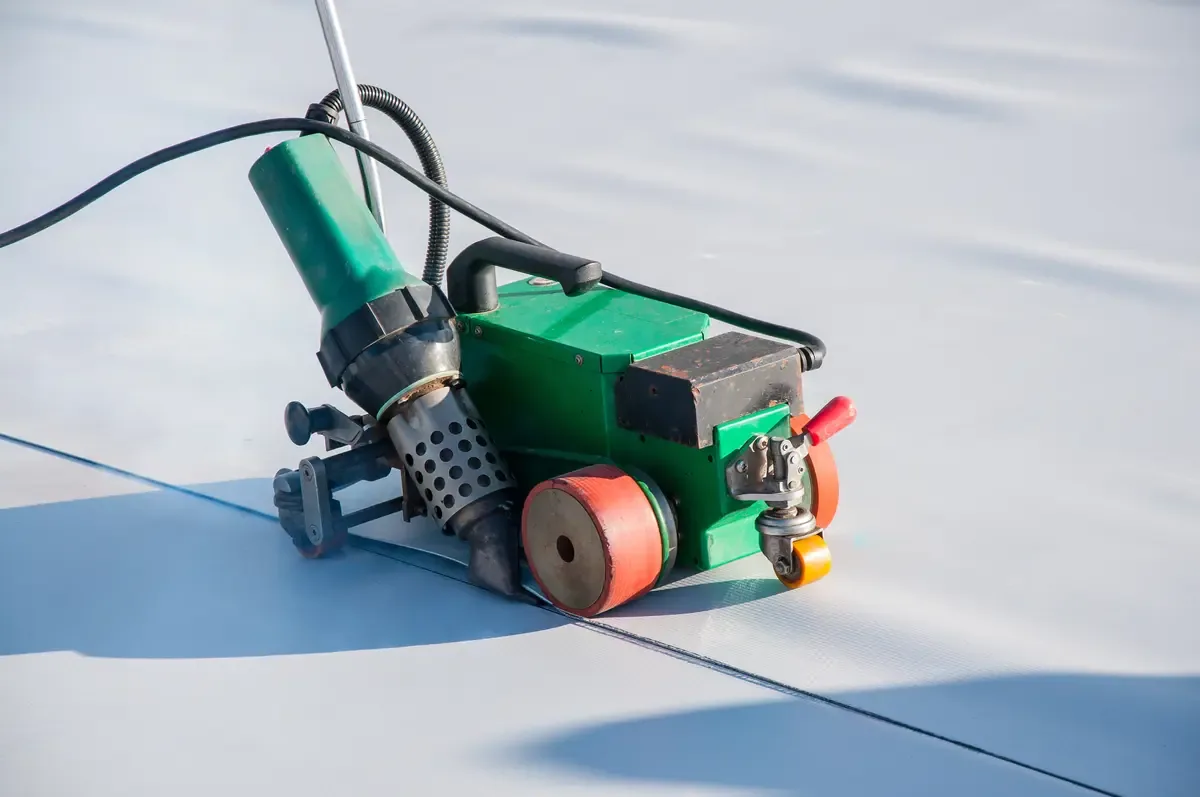
Fastening matters just as much as the board. Mechanically attached systems rely on fasteners reaching the deck through every layer, and plates have to sit flat on a stable face. Adhered systems depend on a clean, dry, compatible surface. We choose the attachment method with the insulation in mind and record fastener patterns so uplift performance can be verified later.
Where insulation choices matter most
Cold storage and food distribution buildings need insulation designed for vapor drive, and warehouse space at Phoenix Industrial Park, with its rail service and its short drive to the airport, rewards the same care, since any thermal gain repeats across every square foot of roof the building has. Medical offices and clinics value acoustic and fire performance as well as thermal. Each building has its own balance, and we set the board, thickness and cover on that building's needs rather than on a default.
Retail roofs in Phoenix and Medford that cover a row of tenant bays gain from a uniform insulation and cover plan, which keeps repairs consistent from one bay to the next and avoids a patchwork of materials that age differently under the same sun.
Share the roof section and the energy bill history

Related Roofing Pages

Questions About Roof Insulation, Tapered Systems and Cover Board
Do I need to replace insulation every time I replace the membrane?
No. Dry, firm board can stay under a new membrane, and a core cut plus a moisture scan confirms it. Board that is wet, crushed or delaminated comes out.
How thick should the insulation be?
Thickness follows the building department's energy requirement and the structure's ability to carry the added height at parapets and doors. We confirm both before the quote is final.
Is a cover board worth the added cost?
On roofs with heavy rooftop traffic, heavy service traffic or fully adhered membranes, usually yes. On a lightly trafficked mechanically attached roof, the answer may be no, and we say so.
Can tapered insulation fix a roof that ponds?
It can, when the deck allows the added height. A tapered layout also moves water to drains that are set at the right level, so we check those before the first panel goes down.
What happens to insulation during an interrupted job?
We seal the edges and cover the exposed board before leaving each day, and we do not open more roof than we can close the same evening.