
Seam Failure Repair in Medford, OR
Repair of split, open and lifting roof seams in Medford, OR, from welded single-ply laps to metal panel joints, with probing that finds the weak run.
Overview
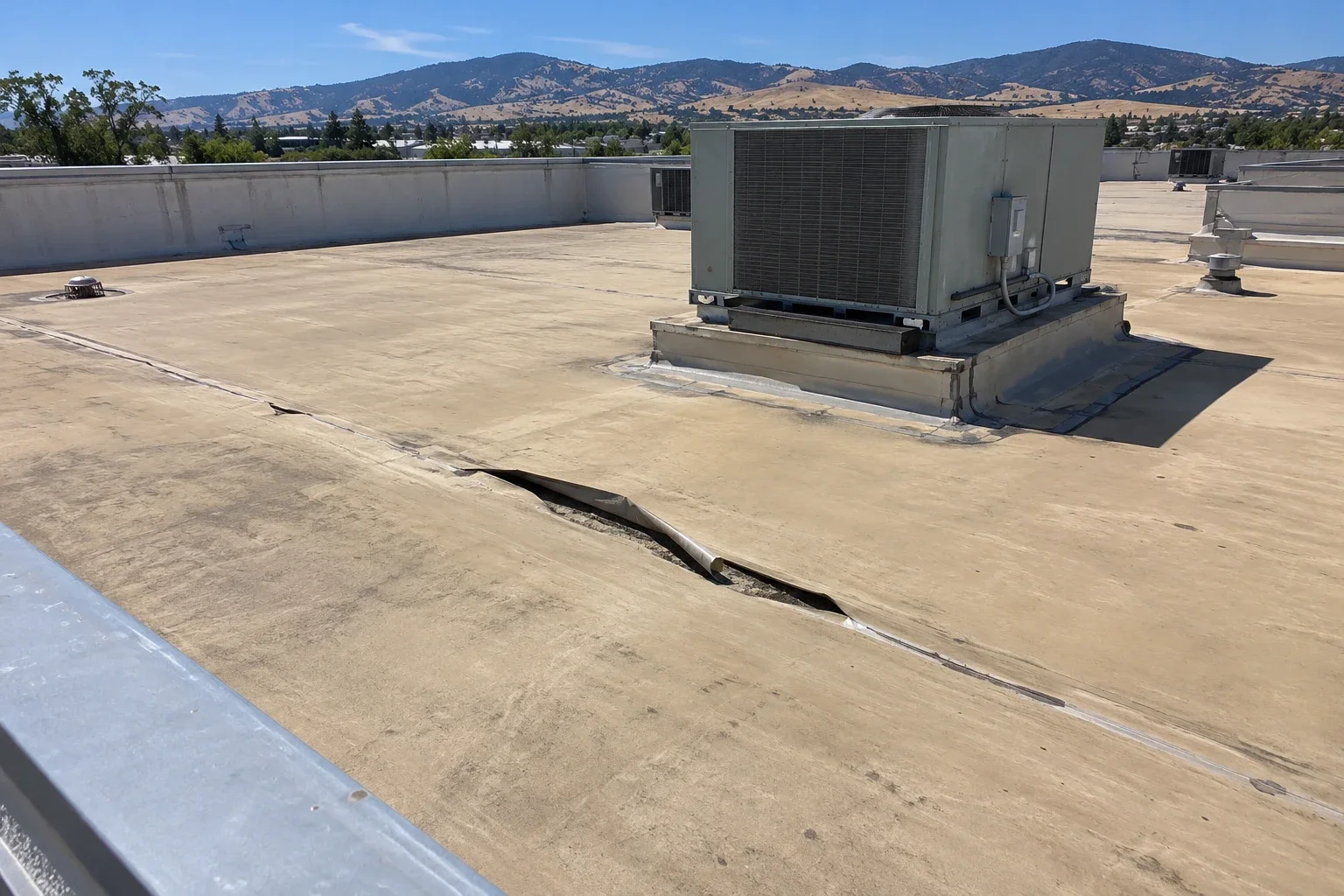
A seam is a promise that two pieces of roof will behave as one, and in Medford, OR the sun spends every summer testing it. The triple-digit stretch that arrives on about 11 afternoons a year, layered on 61 days above 90 F, pushes membranes through a daily expansion and contraction that concentrates stress along every lap. A weld that was sound at installation can develop a cold-joint fracture by year eight, and a tape seam on an older rubber sheet can creep open a quarter inch before anyone looks. The first evidence is rarely a leak; it is a faint line, a lifted edge or a ripple that runs along a joint.
In the reserve schedule, a seam failure is the point where a roof stops being a single asset and becomes a list of repairs. Catching it while the run is short keeps the roof in its planned year.
Reporting is straightforward: the repair list shows each open run by length and location, the cause we found, and the cost per run, so the owner can approve the urgent ones now and carry the rest into the next budget year with a photograph attached.
How different roofs make a seam
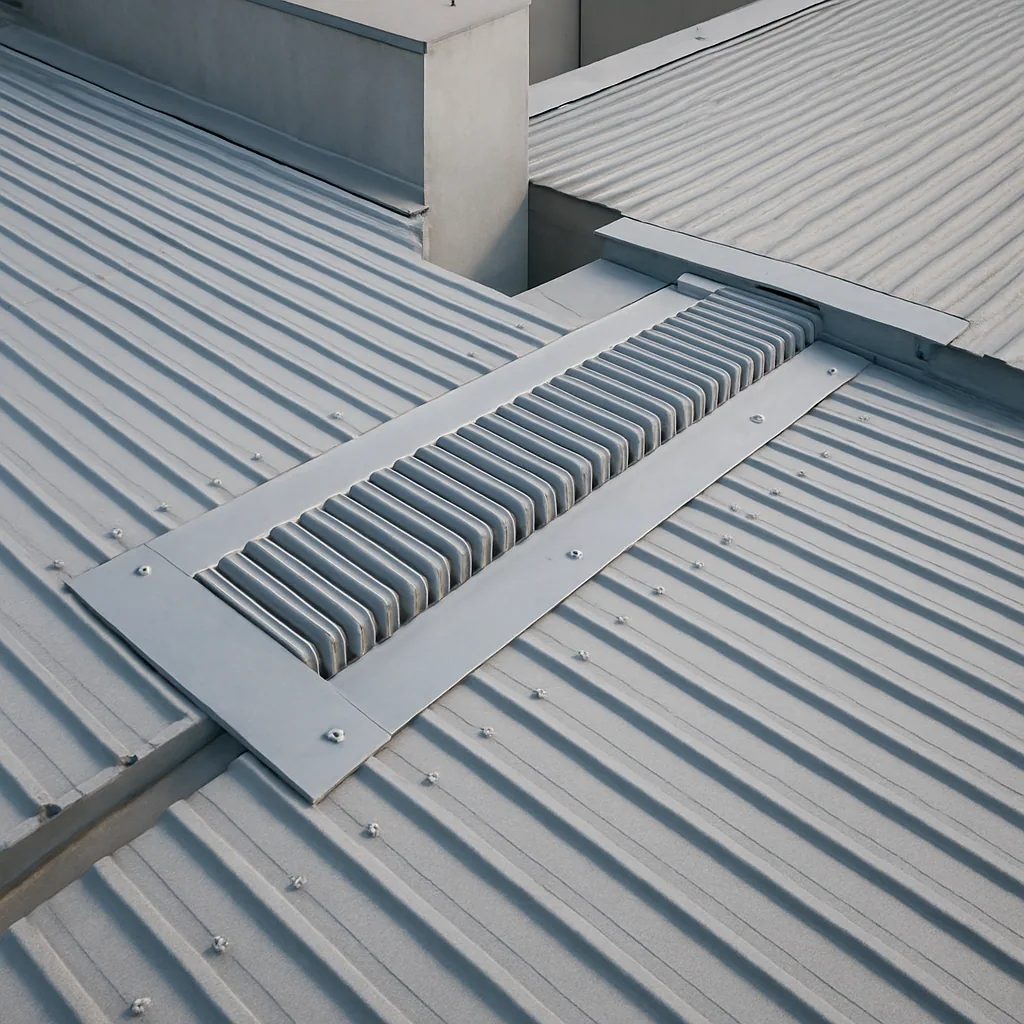
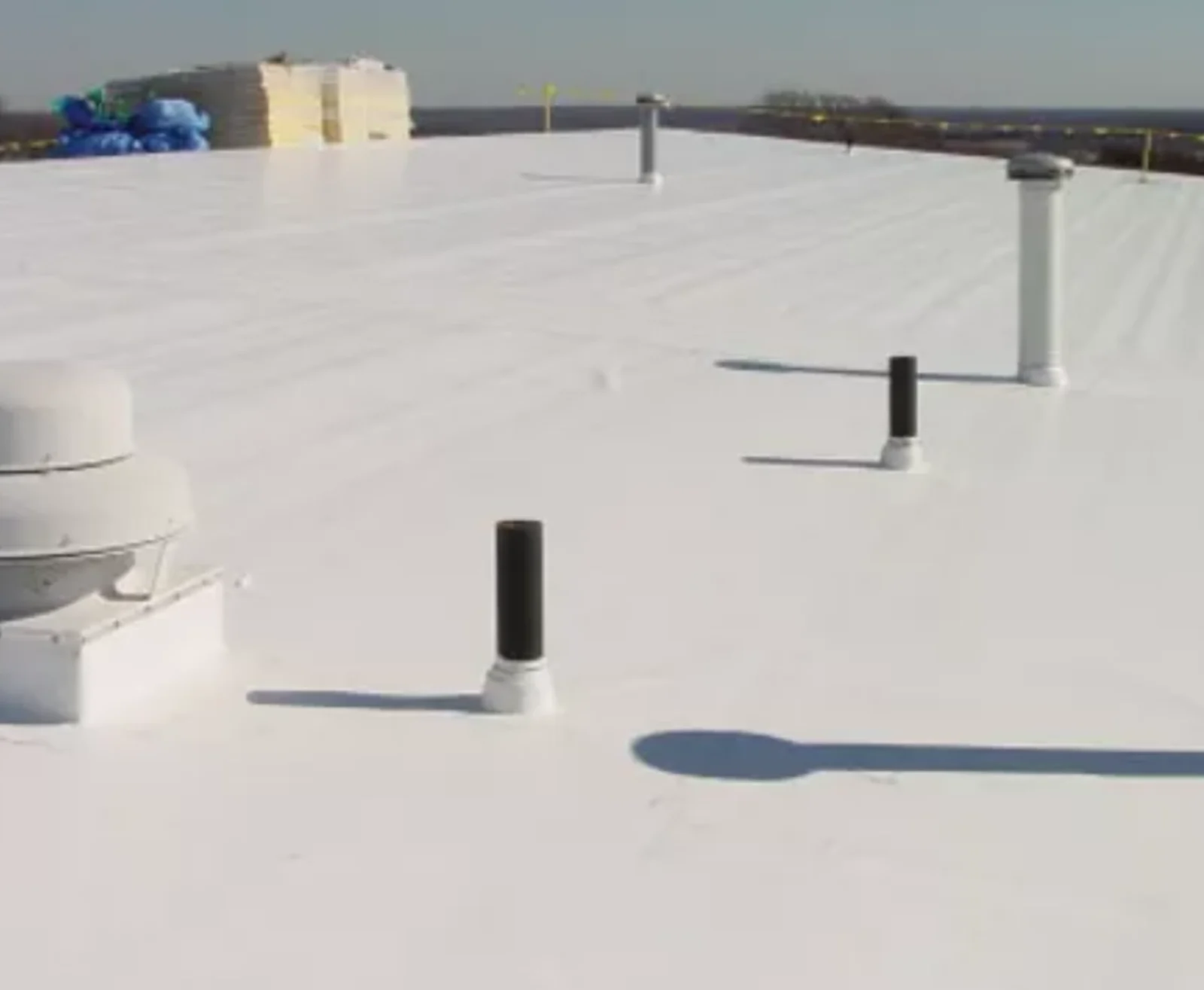
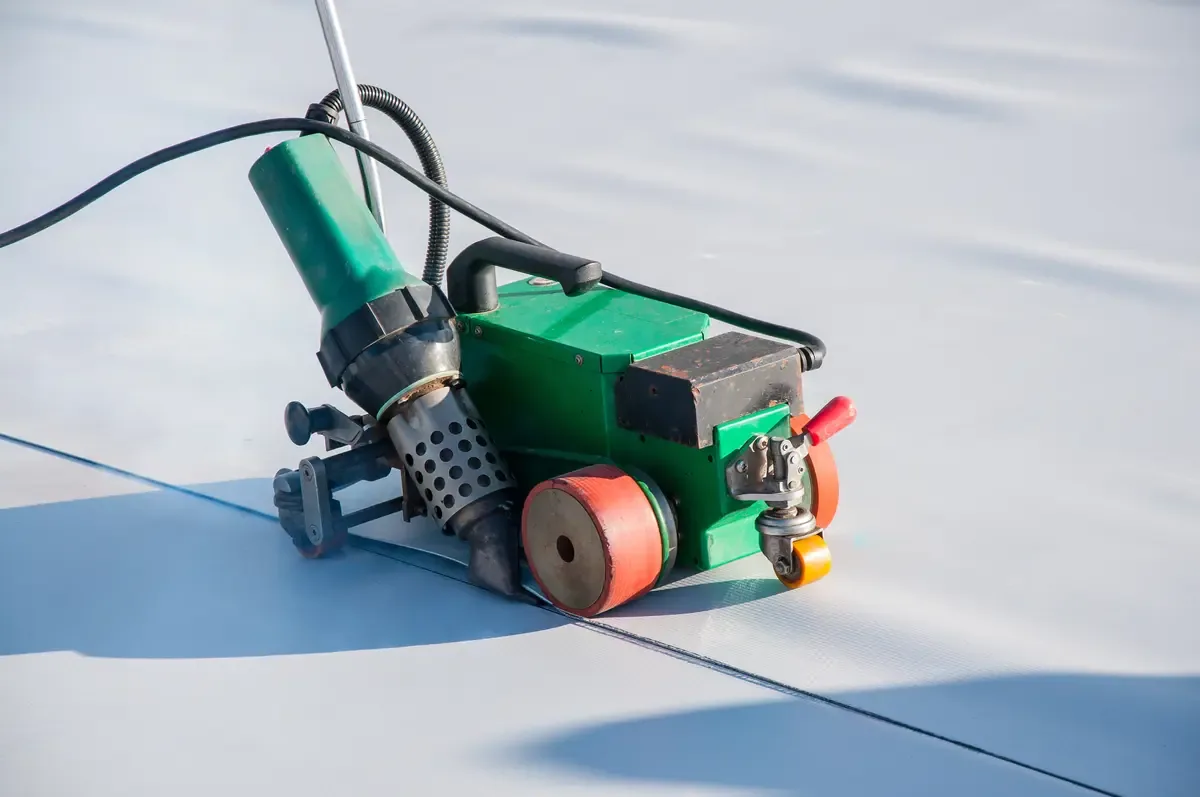
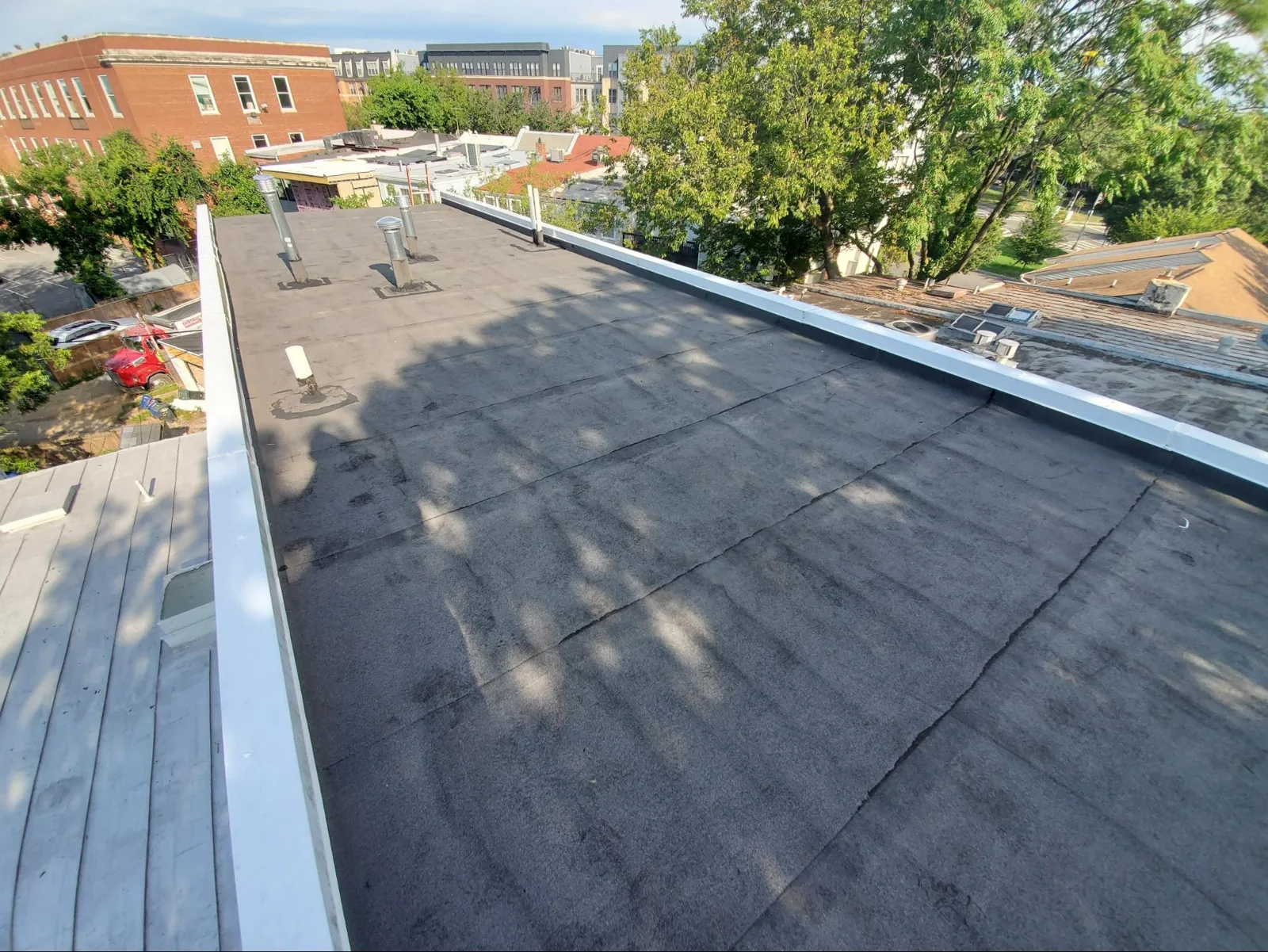
Every roof system joins its pieces differently, and the failure follows the method. TPO and PVC sheets are fused with hot air, so a good weld becomes one piece of material and a bad one shows an uneven bead or a cold edge. EPDM uses adhesive-backed tape or liquid splice adhesive, which can age and release. Modified bitumen laps are torched or cold-adhered and fail at the edges where granules and bitumen thin. Standing seam metal panels interlock mechanically and fail at clips, end laps and sealant.
Knowing which family we are reading tells us where to probe and which repair material will bond. A tape repair on a welded sheet or a hot-air weld on contaminated, aged membrane fails quickly, so identification comes before any work.
Age also changes the answer. A young welded sheet takes a hot-air repair easily because the plasticizers that make it weldable are still present. An older sheet loses them to heat and cannot be rewelded cleanly, which is why a repair strategy that worked in year five fails in year fifteen and why the register records membrane age beside every repair.
Probing the seams
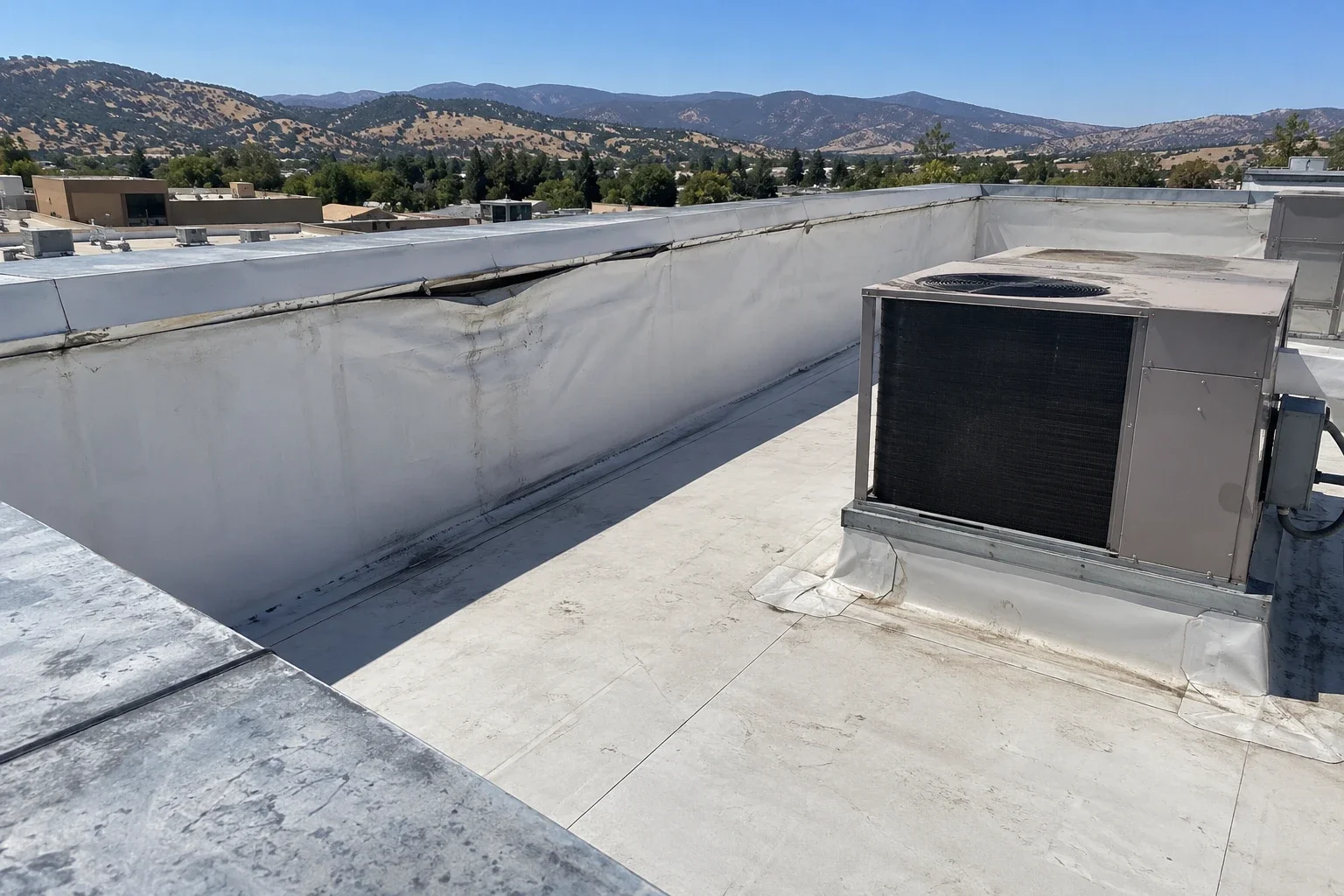
We test seams by hand and with tools. A blunt probe run along the lap edge catches any gap or unbonded area; a failed weld lets the probe slide under the membrane, and a tape seam lifts with light pressure. We mark every open section and measure its length, then photograph it with a scale reference.
The pattern matters as much as the count. Seams that fail on one side of a roof and not the other point to a sun-exposure issue. A line of failures down the length of a field suggests a fabrication fault or a shrinkage problem. Failures at crossings, where three or four sheets meet, usually mean the weld was cold or the contamination was never cleaned. We note the pattern in the report so the repair addresses the cause and not only the symptom.
We also check for shrinkage. A membrane that has pulled back from a wall or a curb has been under tension, and the seams in that zone are the most stressed. Gaps at the perimeter, bridging over inside corners and fasteners that have pulled through all signal that movement, not workmanship, is the source.
Repair that holds under heat
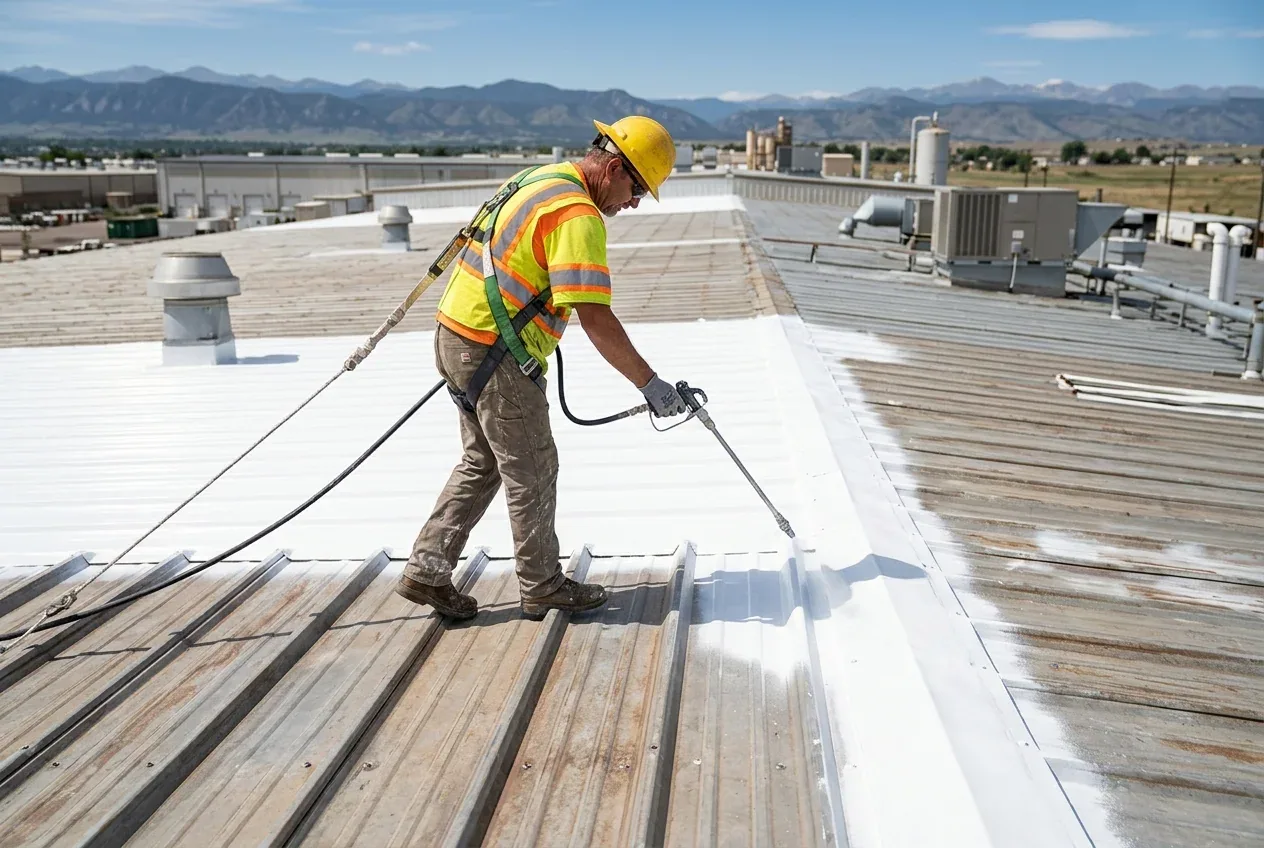
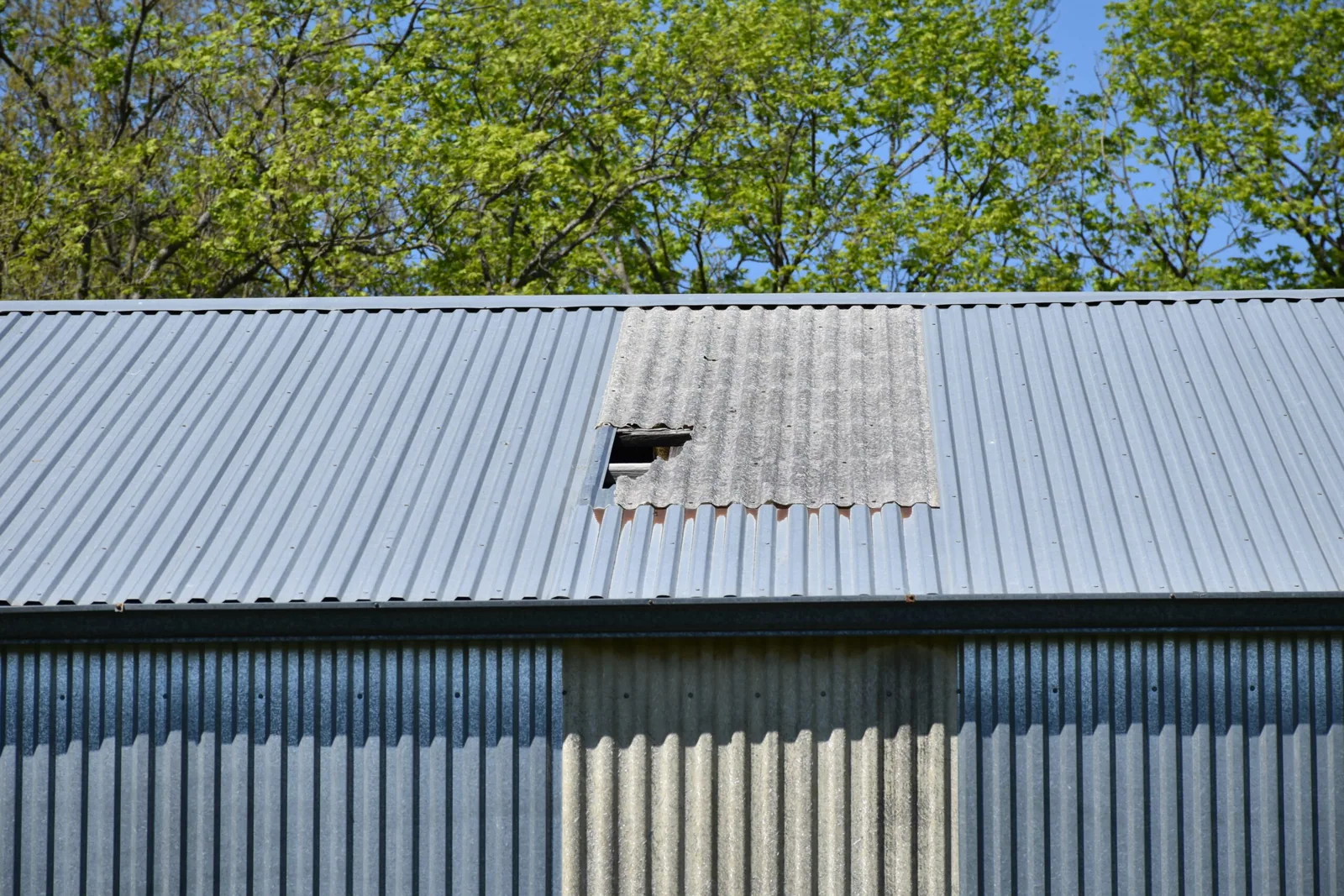
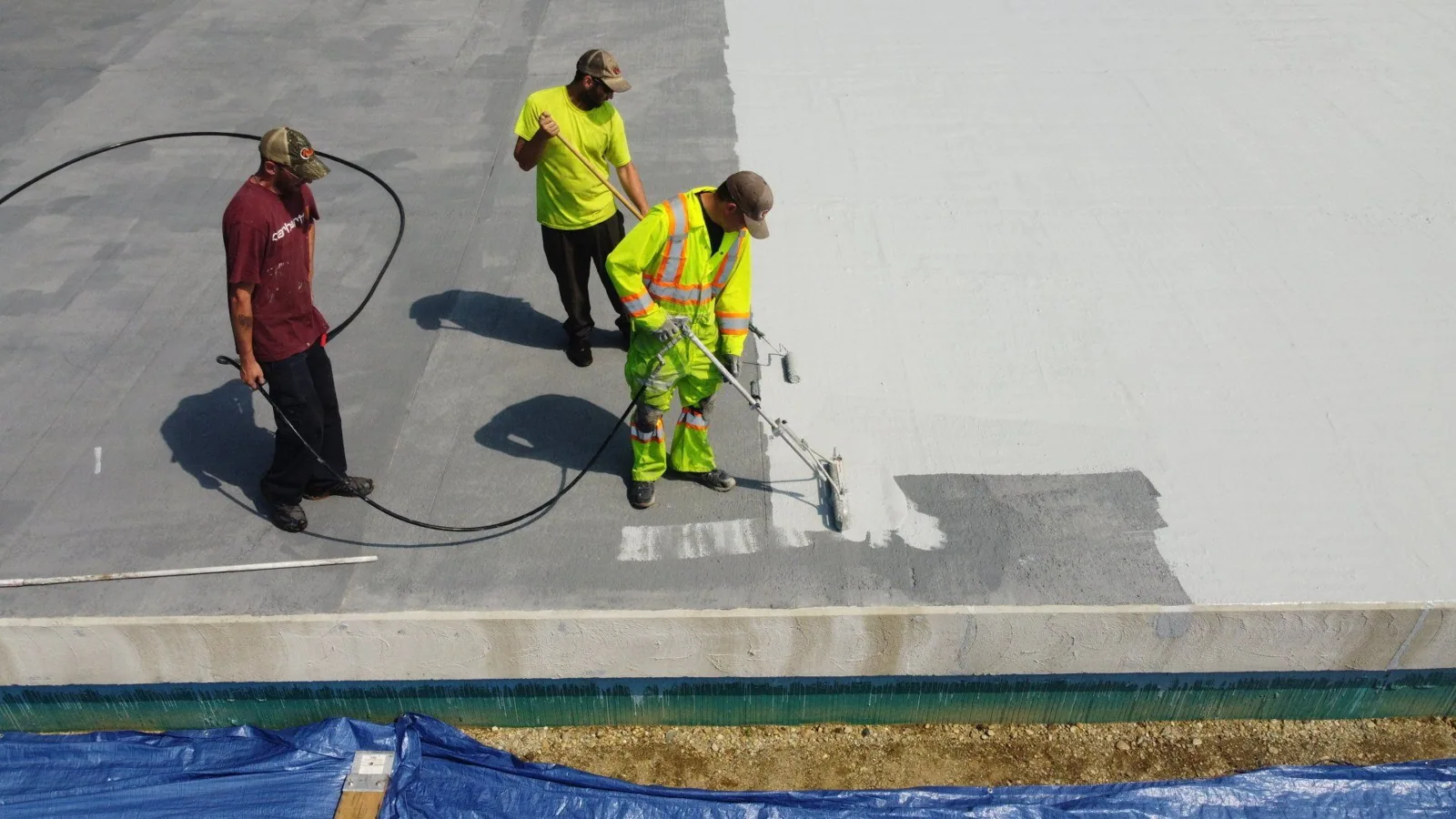
The standard repair cleans the surface, removes contamination, and reseals the joint with a compatible method: a hot-air weld on thermoplastics, a new splice or cover tape on rubber, and a reinforced cap strip over the joint where the membrane has aged beyond welding. Probe-tested edges are sealed, and the end of each run receives a termination detail so the seam does not unzip.
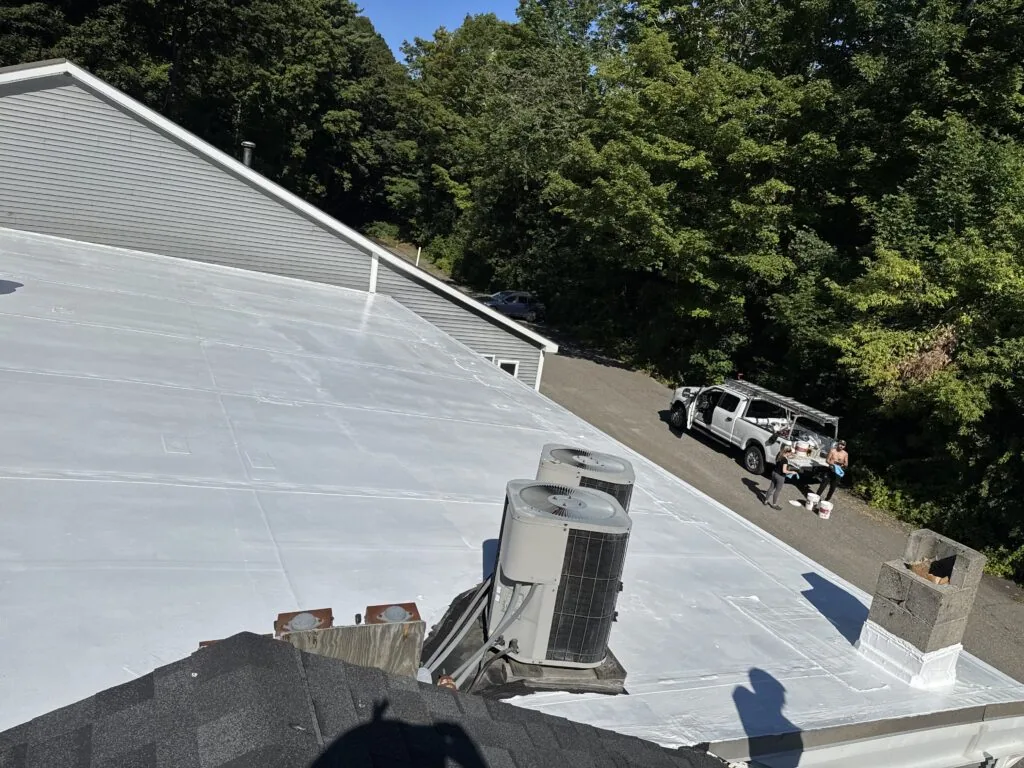
When the membrane is too weathered to accept a weld, a cap strip or a restoration coating is the better answer. A restoration coating can bridge hairline seams over a whole roof when the substrate is dry. If failures are widespread, repair is no longer the economical choice, and we discuss a recover or replacement. Where seams fail beside a wall, flashing failure repair is usually needed alongside.
Quality control is simple but strict. After each weld, we probe the full length, record the result on the roof plan and photograph representative sections. A repair that cannot be probed cleanly is redone, since a seam that looks closed but is not bonded fails in the first hard rain.
Where a run is long, we repair it in stages and test each stage before moving on, so one cold joint does not spoil the whole day's work.
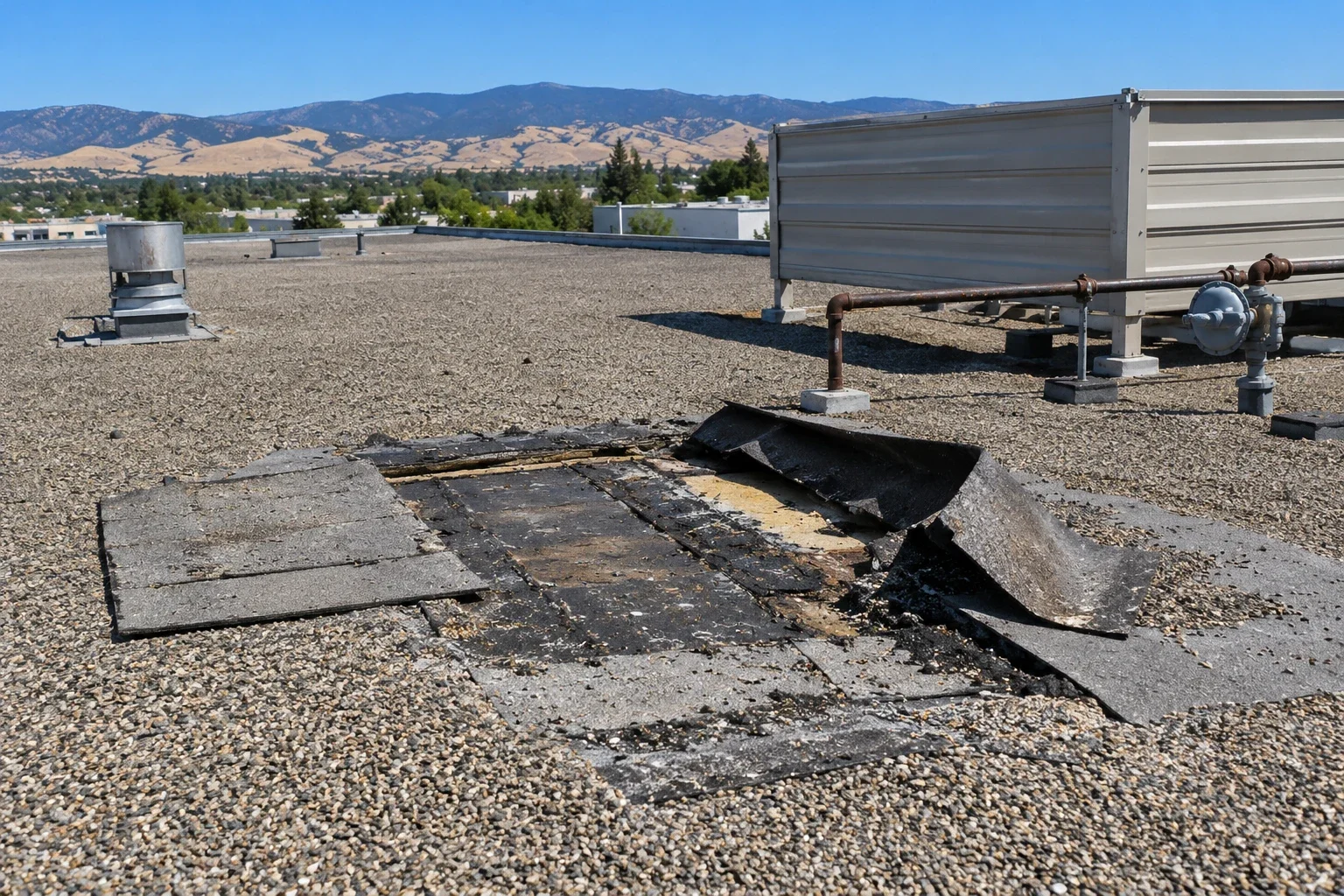
The water behind an open seam
An open seam lets water under the sheet, and it can travel far from the opening. Insulation below may be saturated across a bay while the seam that fed it looks small. We scan with infrared after the seam repair is planned, to determine whether the insulation has taken on water, and we cut cores in suspect areas. If it has, the wet board is replaced before the seam is closed, since closing it over saturated insulation seals the problem in.
Winter adds its own wrinkle. Fog from inversion weeks and about 64 freezing mornings a year keep moisture around, and repairs made in cold, damp conditions bond poorly. We schedule seam work for dry, mild days and use primers and welding temperatures suited to the membrane when the weather is marginal.
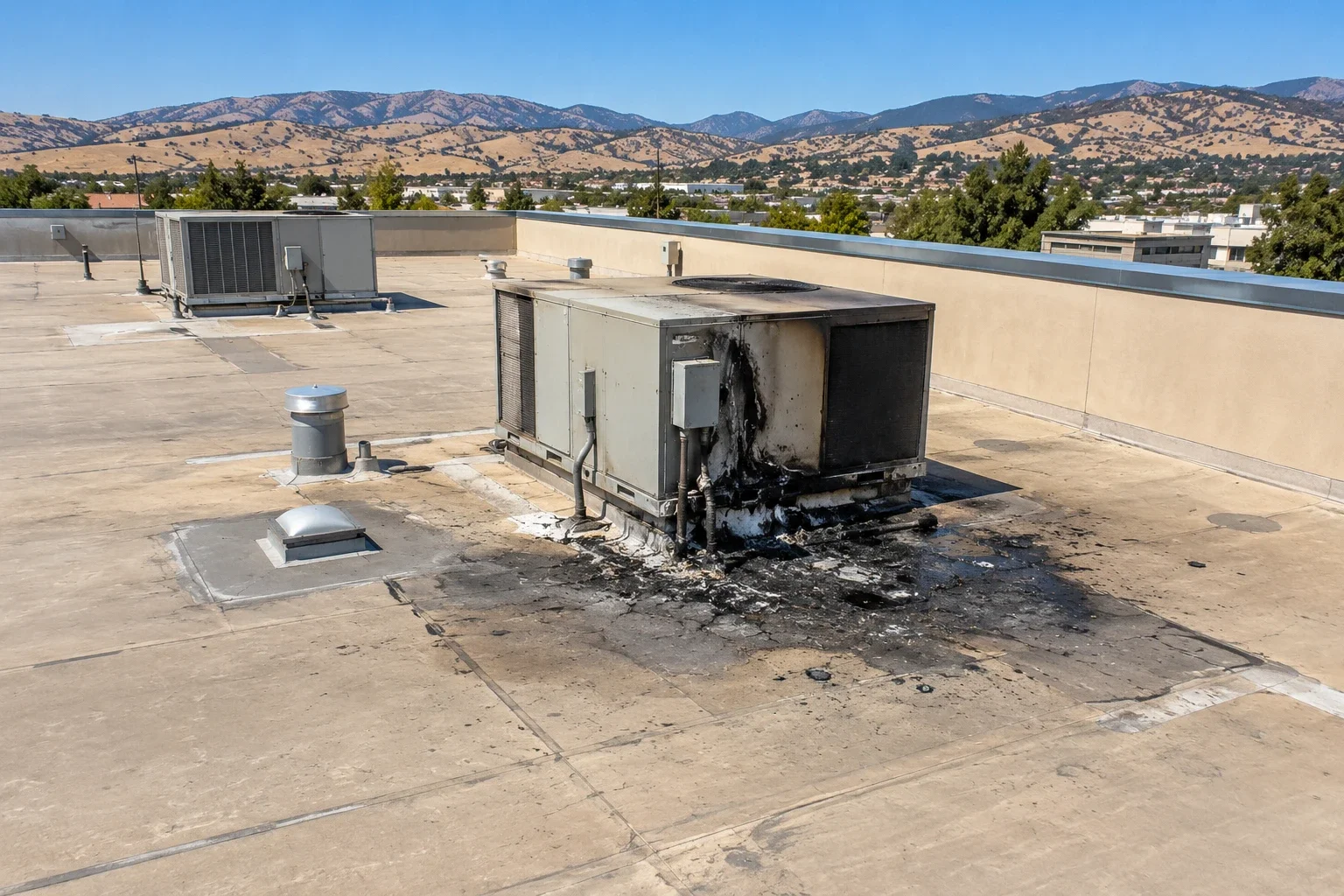
Where seams fail in valley roofs
Warehouse and distribution roofs, the type found at the White City Industrial Park and along Table Rock Road, carry the most seam footage because their field areas are large. Retail roofs along North Riverside Avenue carry rooftop units, and the routes technicians walk to them wear the seams underfoot. Older buildings with repeated repairs often have a patchwork of seams from different decades that age at different speeds.
Preventive checks pay off here. During maintenance visits we probe a sample of seams and resolve small openings before they become runs. Heat-related aging is the usual cause of seam trouble, and the surface around a failed lap often shows heat and UV roof damage as well.
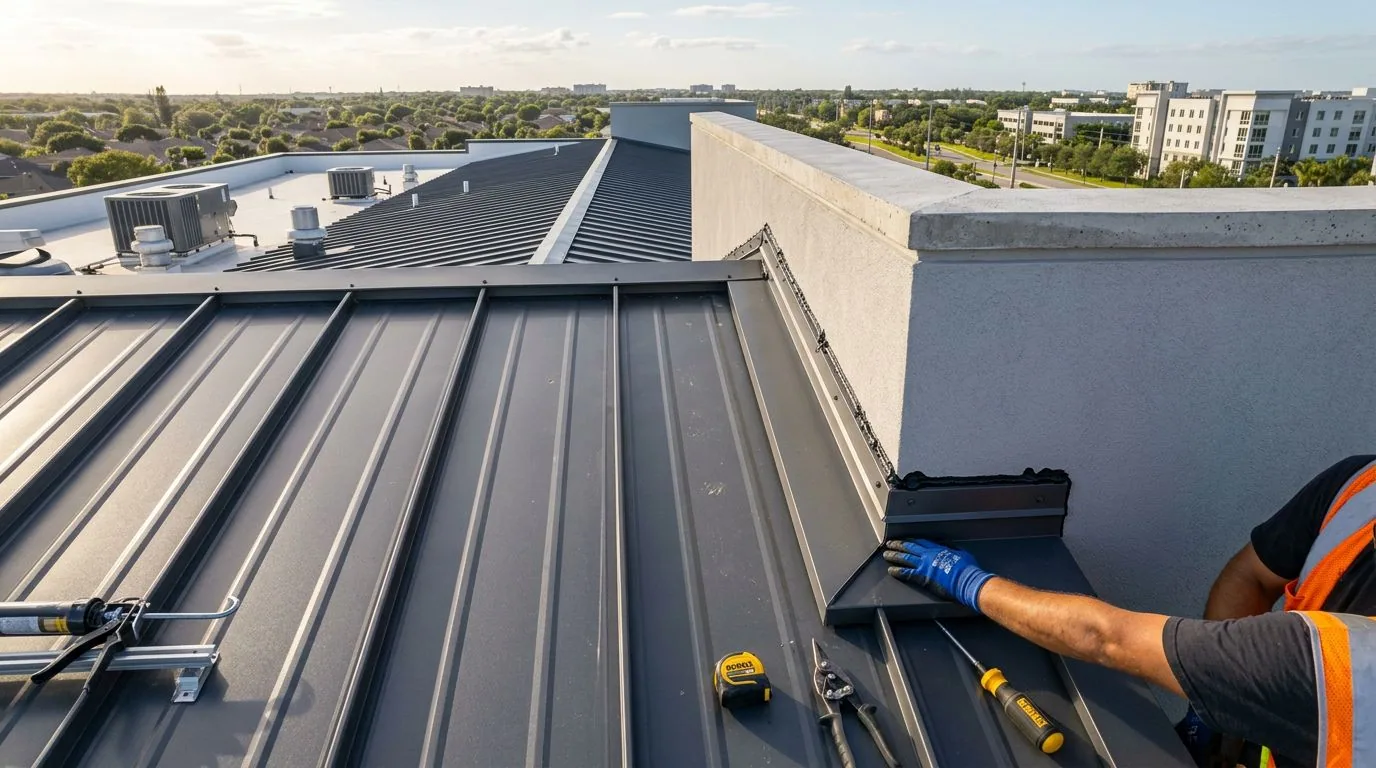
Metal roofs bring a different checklist. Standing seam panels move with heat, so clips must slide, end laps must stay sealed and trim must not pin the panel. A roof with a noisy, ticking panel in the afternoon sun is often a roof with a clip that has seized, and a prompt look keeps the seam from opening.
Send roof photographs and any leak dates
Related Roofing Pages
Questions About Seam Failure Repair
Can a seam be repaired without replacing the roof?
Usually, when failures are limited and the membrane around them is still flexible. Widespread splitting means the sheet itself is aged, and the choice becomes recover or replacement.
How can I see a failing seam from the ground?
You mostly cannot. A line of dark staining or a ripple along a joint seen from a nearby roof is a clue, but a probe survey is the dependable test.
Does a seam repair stay watertight through summer?
A correctly welded or tape-sealed repair on clean, flexible membrane lasts. One placed on dirty or brittle sheet may fail within a season, which is why preparation is most of the labor.
What causes seams to split at the T-joints?
Several layers meet there, so the weld is thinner, and shrinkage pulls on it from three directions. Covering each T-joint with a patch is standard practice.
Are metal roof seams a different problem?
They are. Standing seam fails at clips, end laps and sealant, not at welds, and the repair involves sealant, panel fasteners and sometimes panel replacement.