
Roof Drains, Scuppers and Ponding Correction in Medford, OR
Drain, scupper, cricket and ponding correction for Medford, OR flat roofs, where a dry summer hides the low spots until the first heavy rain.
Overview
Medford, OR receives only about 18.4 inches of precipitation a year, and that scarcity is why drainage faults can sit unnoticed for seasons. A flat roof that has stayed dry from May through October gives nobody a reason to check whether its drains are level with the deck, whether a scupper is blocked by ash or whether a tapered section was ever built to carry water away. Then the first heavy autumn rain arrives, and every low spot becomes a pond. Standing water adds weight, speeds membrane aging and floods seams, and what it takes out of the reserve schedule is the remaining service life of a roof that looked fine in September.
Drainage work is cheap compared with what a ponding failure costs, and it is one of the few roof repairs that pays back at the next rain.
Reading a roof for water that stays
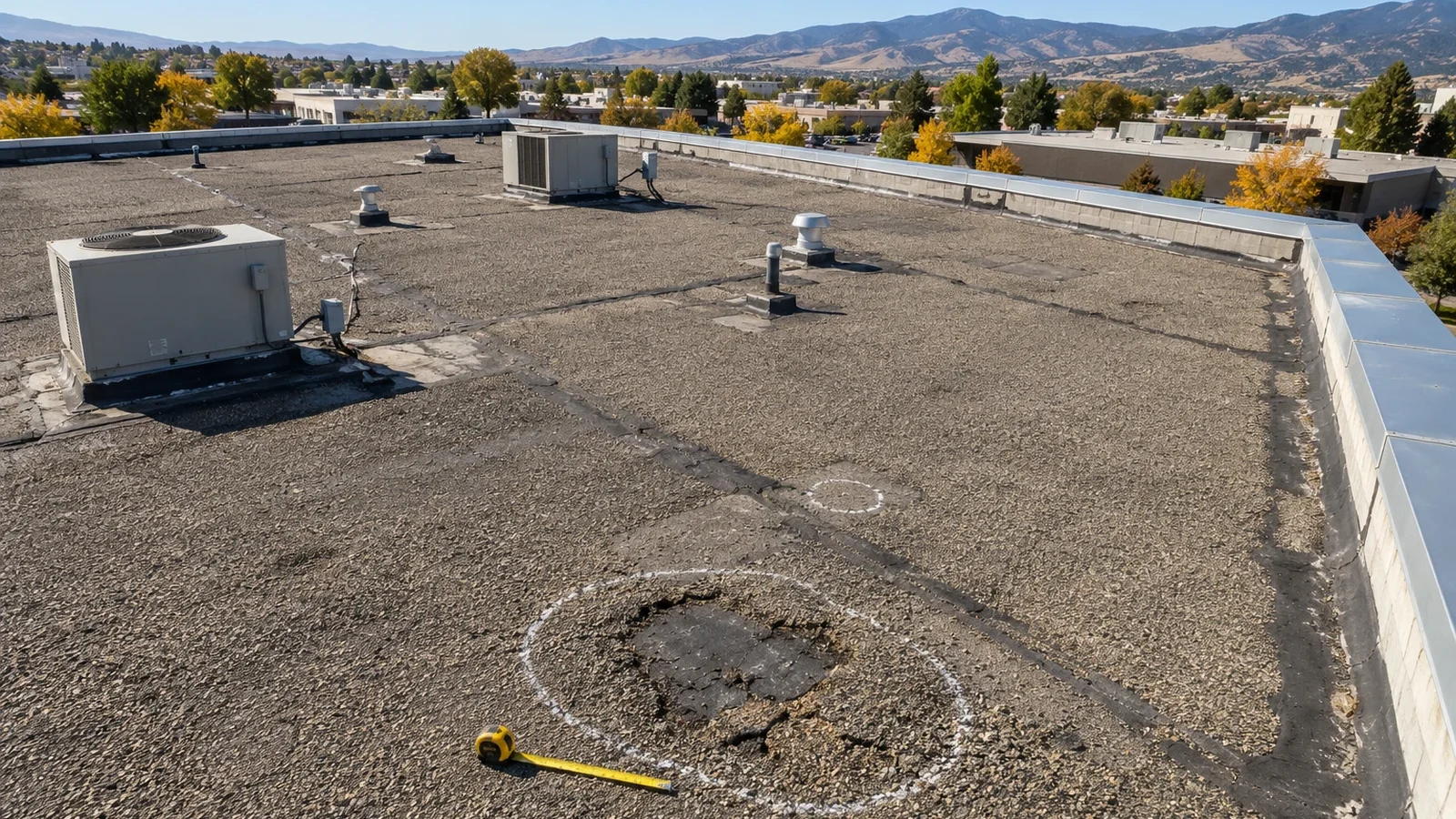
We begin by watching where water goes. After a rain or a controlled wash-down, we mark any area that still holds water forty-eight hours later, since that is the standard that separates a damp surface from a ponding problem. Dirt rings, algae streaks and a pale chalky tide line show where water has been standing even on a dry day, and a straightedge or laser level confirms whether the deck itself has deflected.
The causes sort into a few families. Drains set too high above the deck, a membrane that sags between supports, insulation that has compressed under traffic, and original slopes that were never adequate all create low spots. Each calls for a different correction, so the diagnosis matters more than the fix. Where roof pitch is the culprit, we measure it rather than assume it, and we record the findings on a roof plan the owner can keep.
We also look at what the membrane is telling us. A surface that has ponded for years often shows a crazed or dulled band, seams that have opened at the low edge, and fasteners that have rusted from long wetting. Photographs of those bands go into the owner report with a plain estimate of how much service life the ponded area has lost compared with the dry field around it, which is the number a manager needs when deciding whether a correction is worth funding this year.
Drains, strainers and scuppers
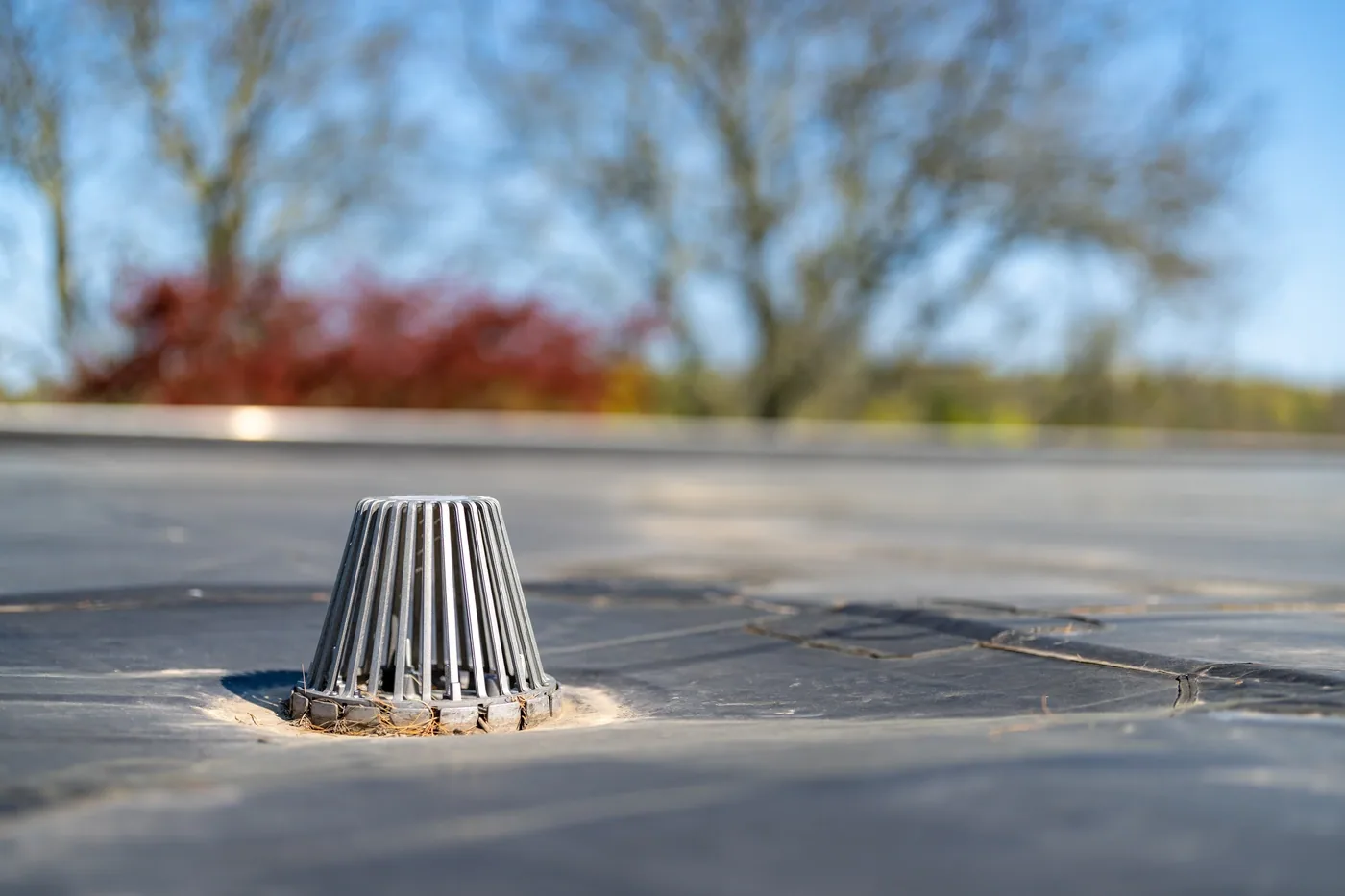
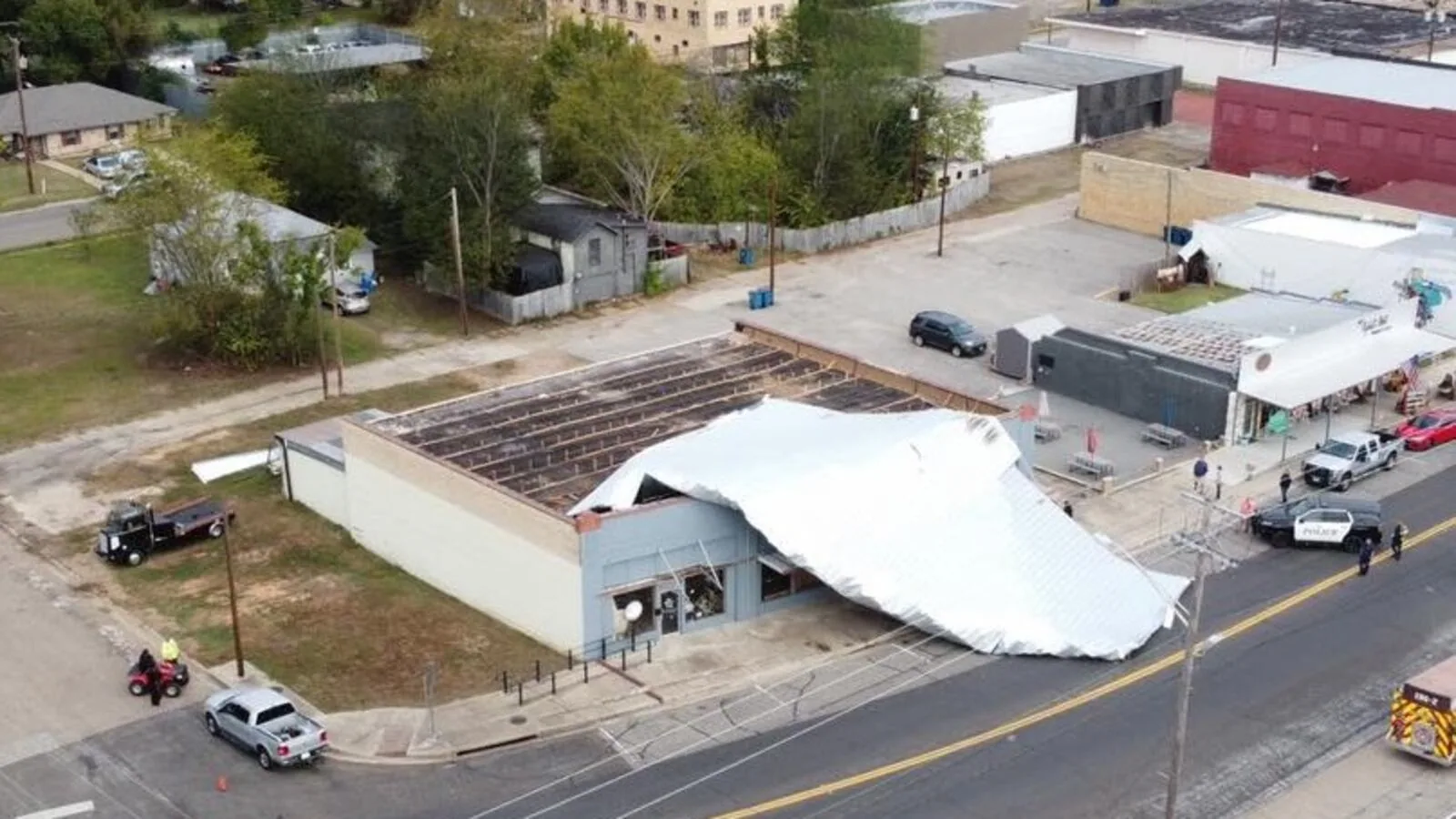
Interior drains rely on clamping rings, strainers and sumps. A cracked clamp ring, a missing strainer dome or a membrane that is not properly flashed into the sump all leak, and those leaks tend to appear at the ceiling directly below the drain. We reseal drain bodies, replace strainers, and extend flashing into the bowl so water cannot track under the sheet.
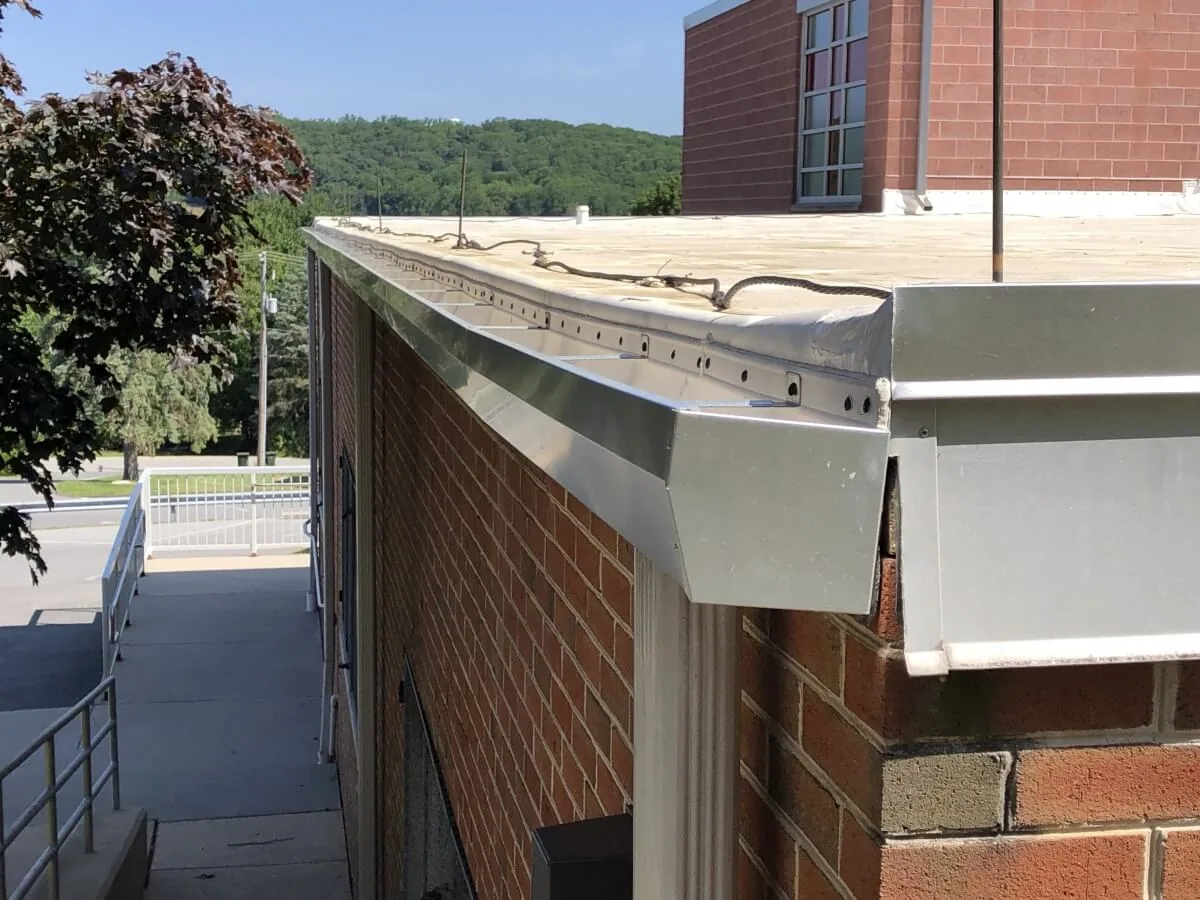
Scuppers move water through parapets, and they plug quickly with debris. After smoke seasons such as the 26 smoke days of 2021, a fine silt of ash and soot can settle on a roof, and that silt washes straight into scupper throats. We clear them, flash the throats with compatible material, and add conductor heads or downspout extensions where needed so water is carried away from walls and walkways. Gutters, coping and downspouts tie into the same system and are checked in the same visit.
Pipes below the roof matter too. A drain that is clear at the strainer can still be blocked in the leader, and a slow roof drain after a hard rain often means a restriction further down. We flush or camera the line when the symptoms suggest it, and we report the finding to the plumbing contractor or building engineer so the repair is made by the right trade.
Secondary drainage and overflow
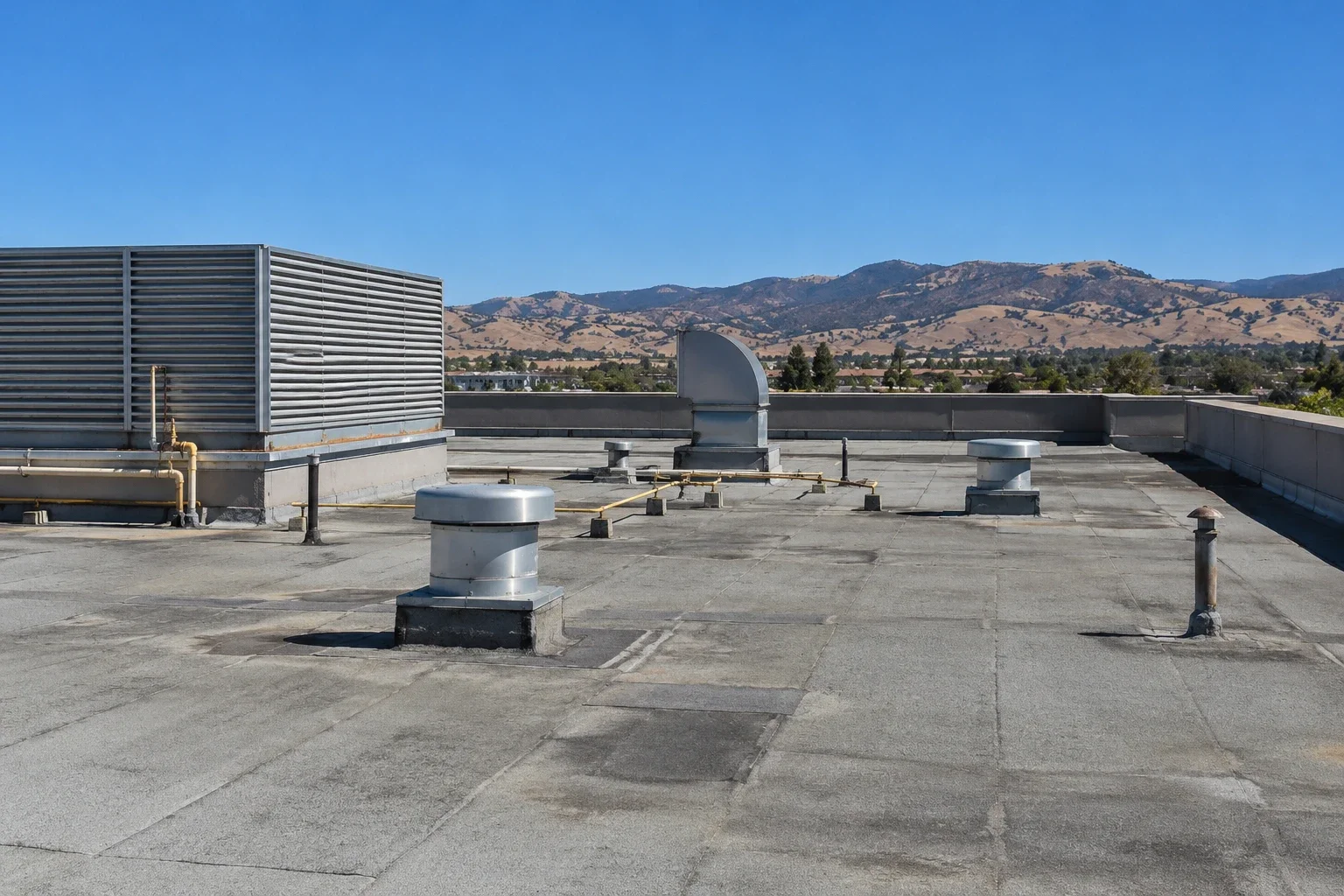
A flat roof with parapets on all sides needs a path for water if the primary drain clogs. Overflow scuppers or secondary drains provide it, set slightly above the primary level so they only activate in an emergency. Building and plumbing rules commonly expect a secondary path wherever water could otherwise pile up beyond what the structure can carry.
We check that overflow openings exist, sit at the proper height and are free of obstruction. Many older buildings lack them, or a later roof layer buried them. Adding them is one of the least expensive protections an owner can buy, because a blocked drain with no overflow loads the deck with more water than it was meant to hold.
Overflow height matters as much as overflow existence. A scupper set too high lets several inches of water stand on the deck before it relieves, and a scupper set too low drains the roof the primary system is supposed to handle. We measure from the drain bowl and the membrane surface, not from memory, and we list the dimension in the report. That record is the proof an inspector or a carrier asks for if a drain ever fails.
Crickets, tapered insulation and ponding repair
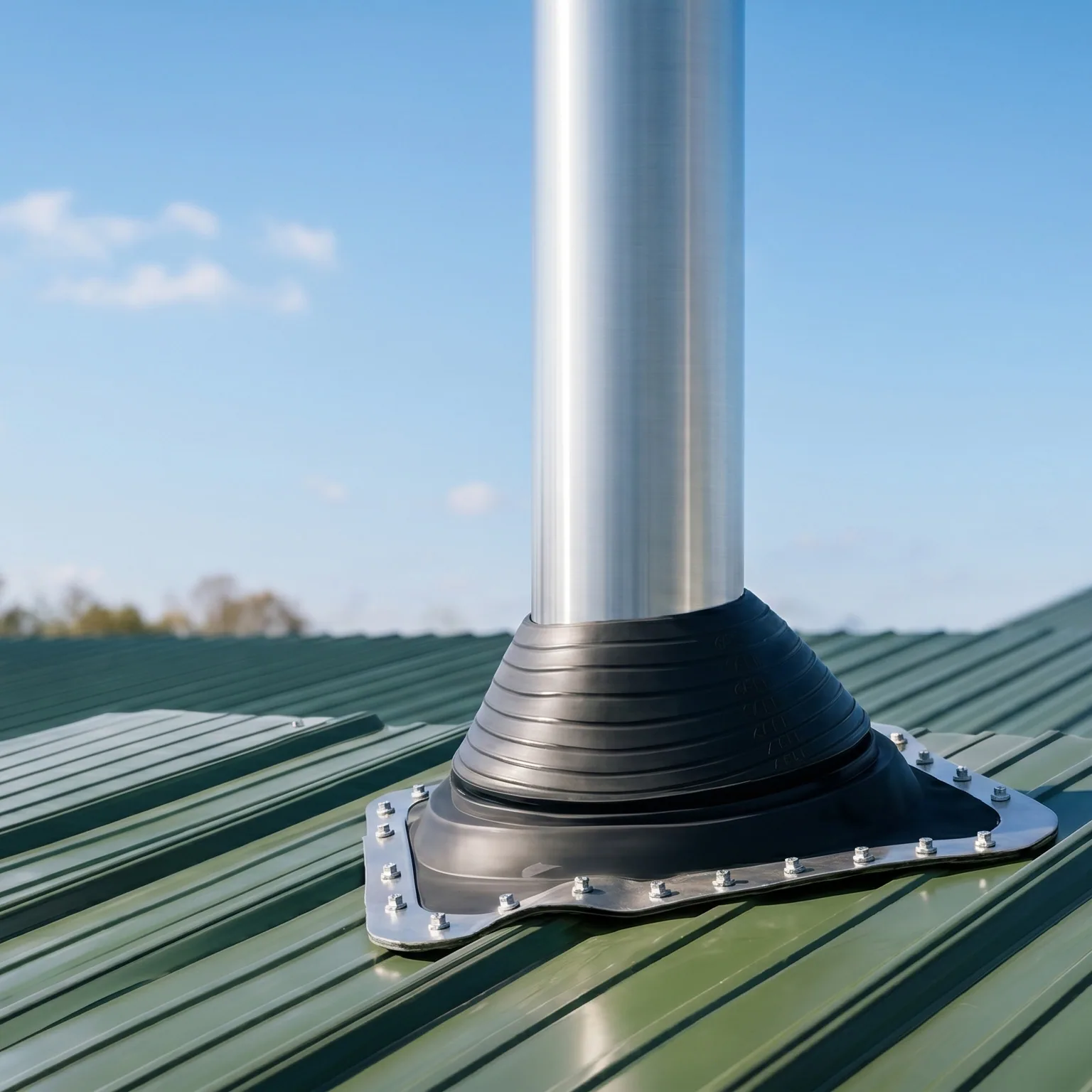
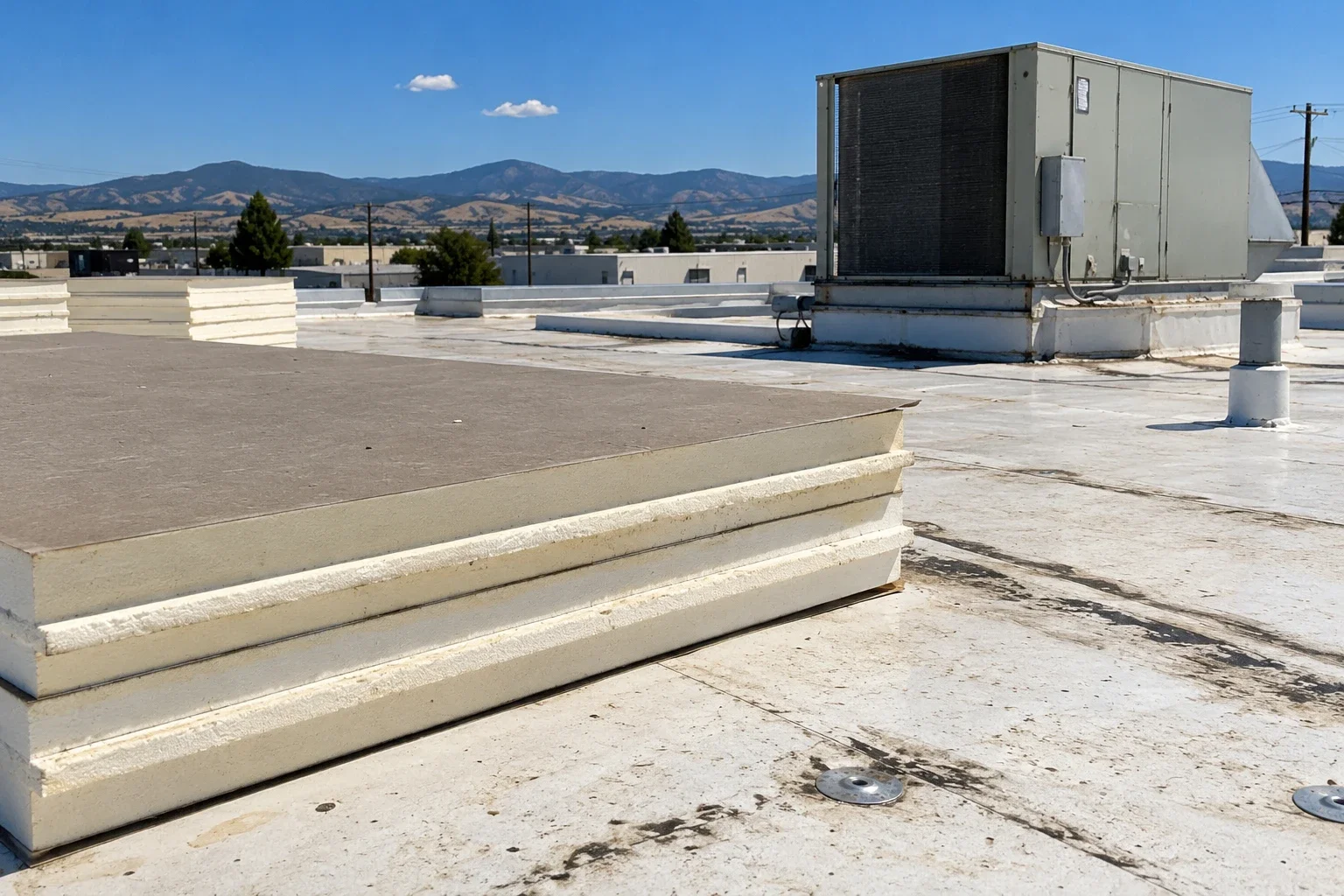
Where water collects behind rooftop units, in valleys between roof sections or at the uphill side of a curb, a cricket diverts it. A cricket is a small sloped saddle, framed or built from tapered insulation, that turns a dead-end into a path. For broader low areas, a tapered insulation system can be added during a recover or replacement to give the whole roof positive slope toward the drains. That slope is built from tapered insulation and cover board, and the damage it prevents is the kind addressed in ponding water repair.
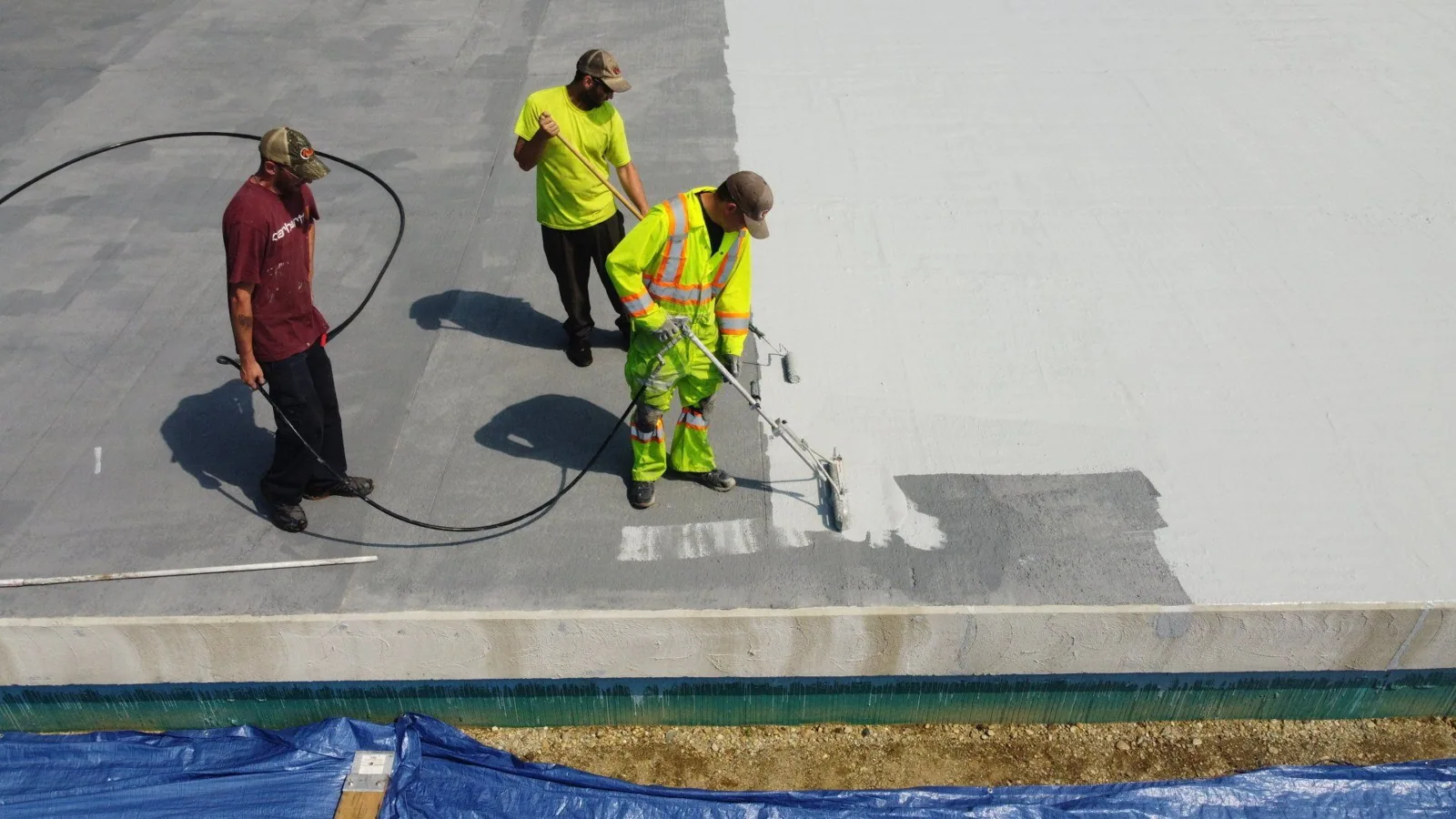
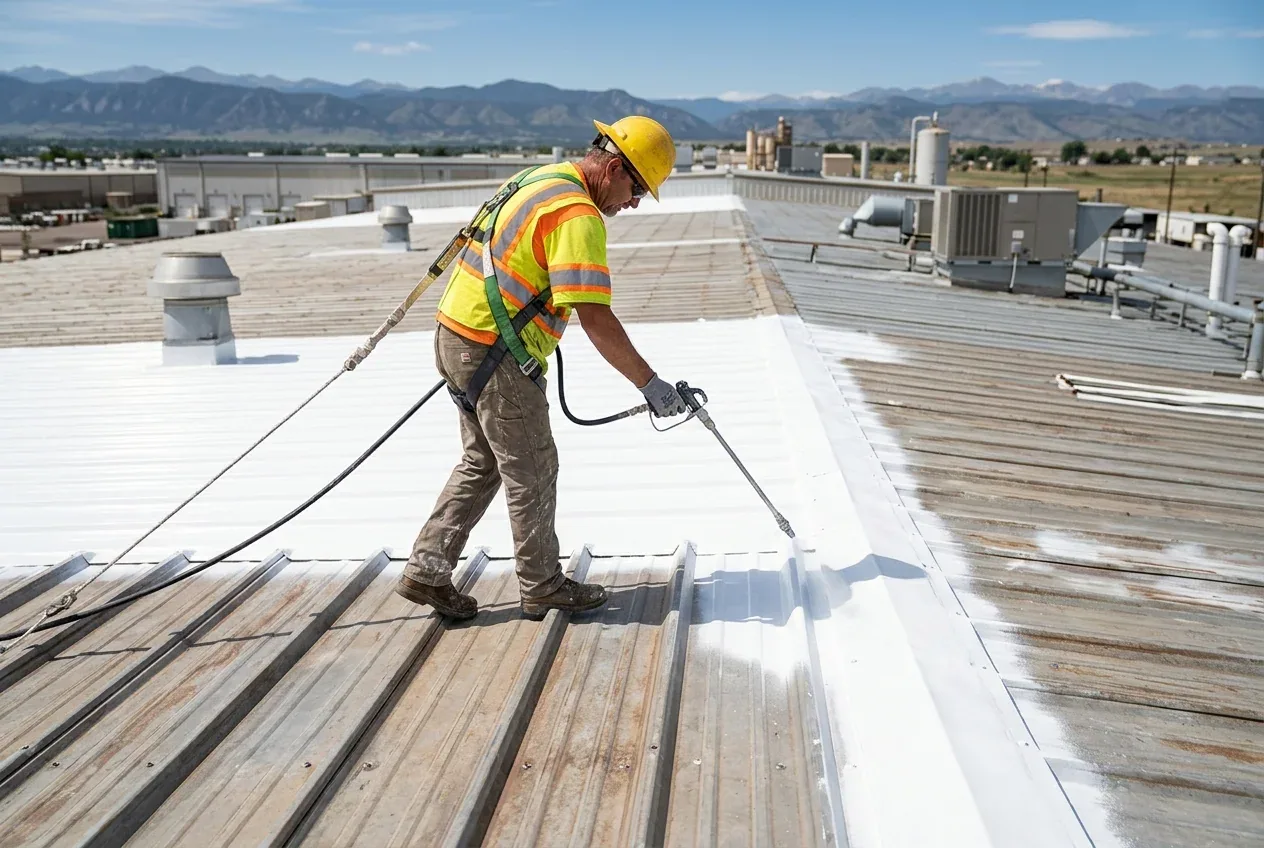
Where a full tapered system is not in the budget, localized fixes still help: raising a drain body, adding a sump, re-adhering a sagging area, or installing a compatible coating better able to handle ponding. The owner receives each option priced separately, along with a clear statement of what water will still stand afterward.
Cost drivers are straightforward. Hardware replacement is modest, cricket construction adds framing or insulation time, and tapered systems are priced by area and by the slope needed. Access matters too, since a crane or a lift may be needed where rooftop equipment crowds the deck. We quote the work in separate lines so an owner can approve the cheap protections first and schedule larger corrections into a TPO or other membrane project.
Where drainage trouble shows up in the valley
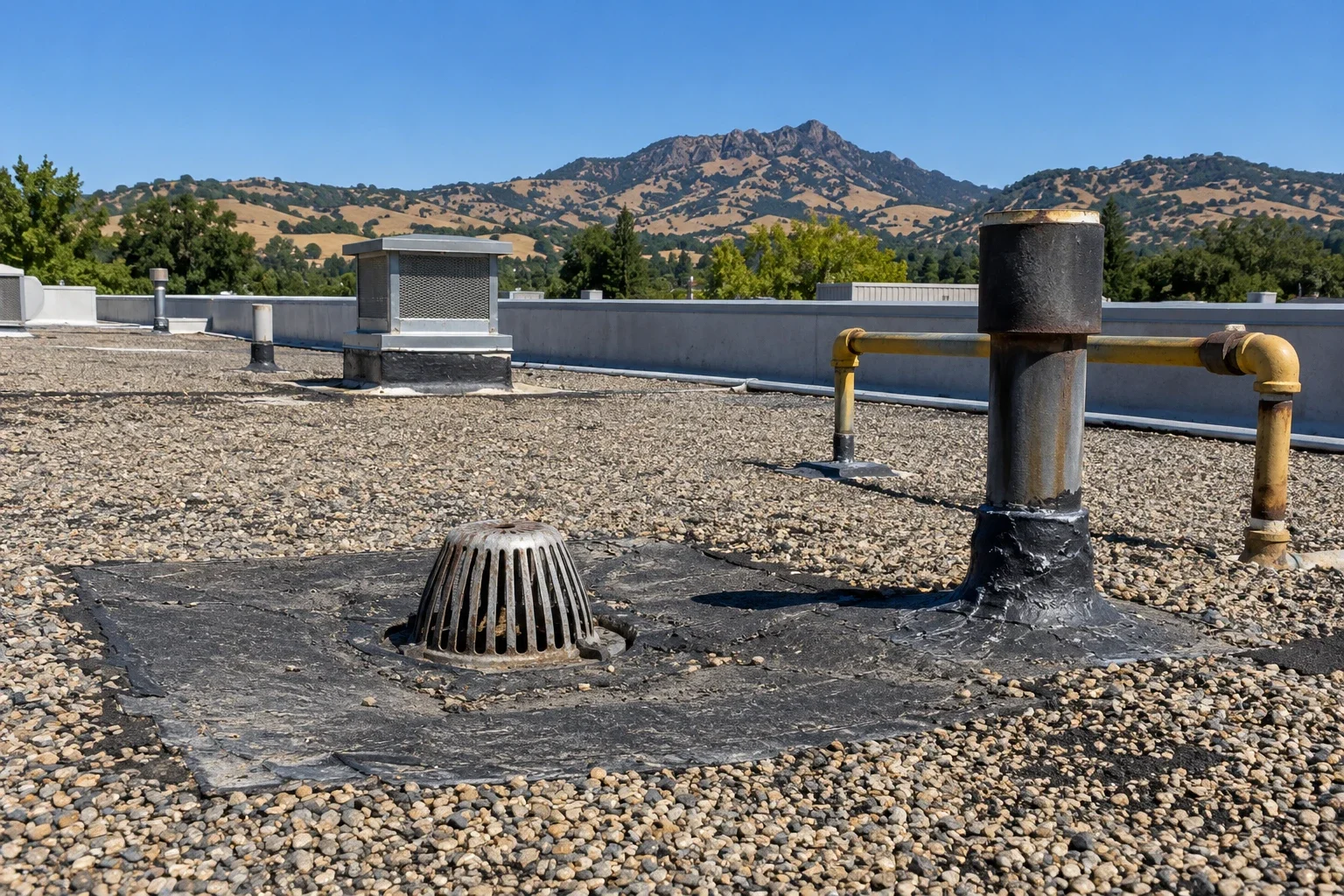
Wide flat roofs with few drains suffer most. Warehouse and distribution roofs of the kind along Table Rock Road, rail-served buildings of the kind at White City Industrial Park, and big retail roofs in the North Riverside corridor commonly depend on a handful of drains to serve a very large surface. A single blocked outlet can pond an entire bay.
Where orchard ground sits beside distribution buildings, leaves and dust ride the wind onto the roof, and soot from a smoke season settles into the same debris to form a mat over the drains. Our maintenance visits clear it on a schedule, which is far cheaper than repairing a membrane that has been standing in water for months.
Walk the roof before the first fall rain
Related Roofing Pages
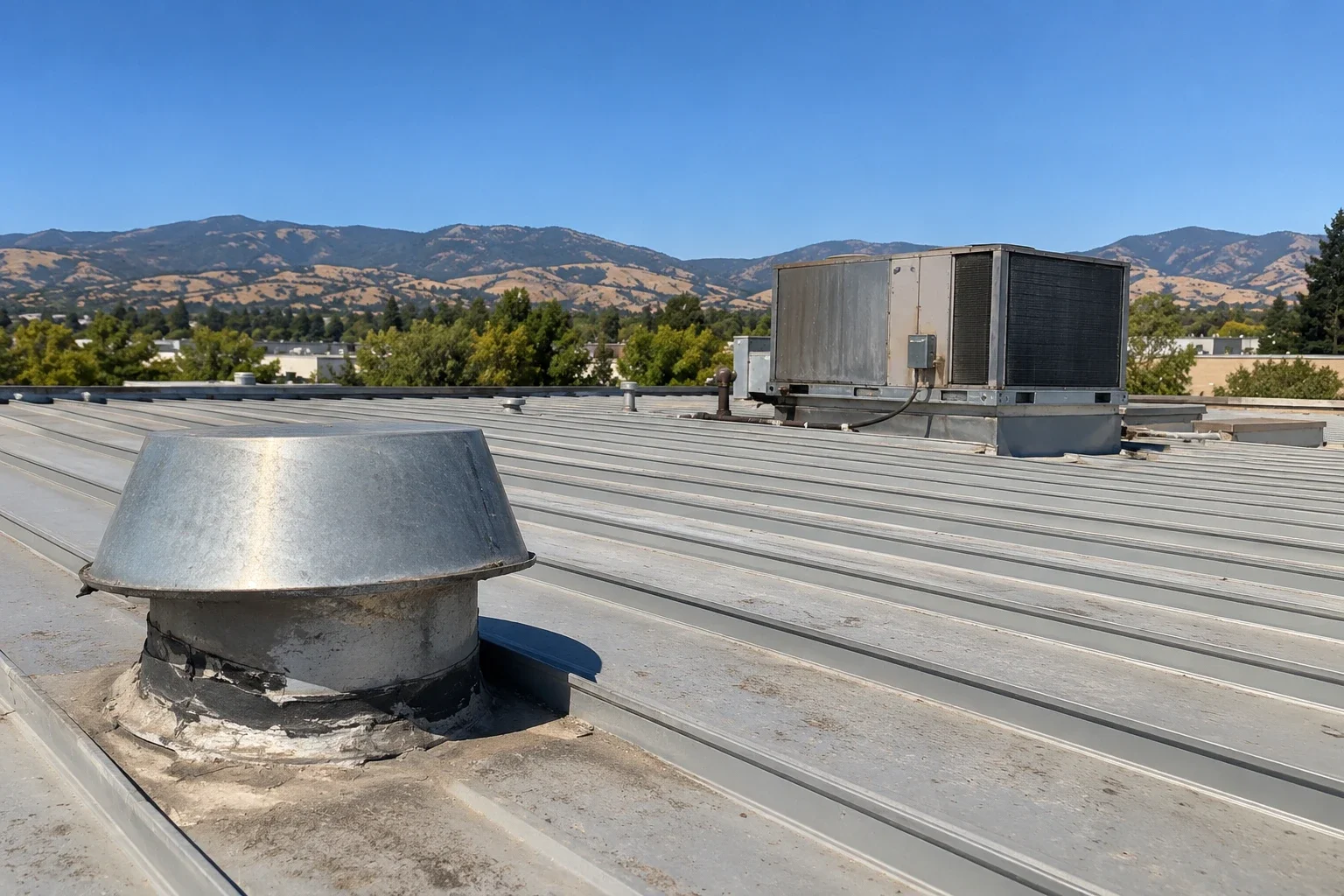
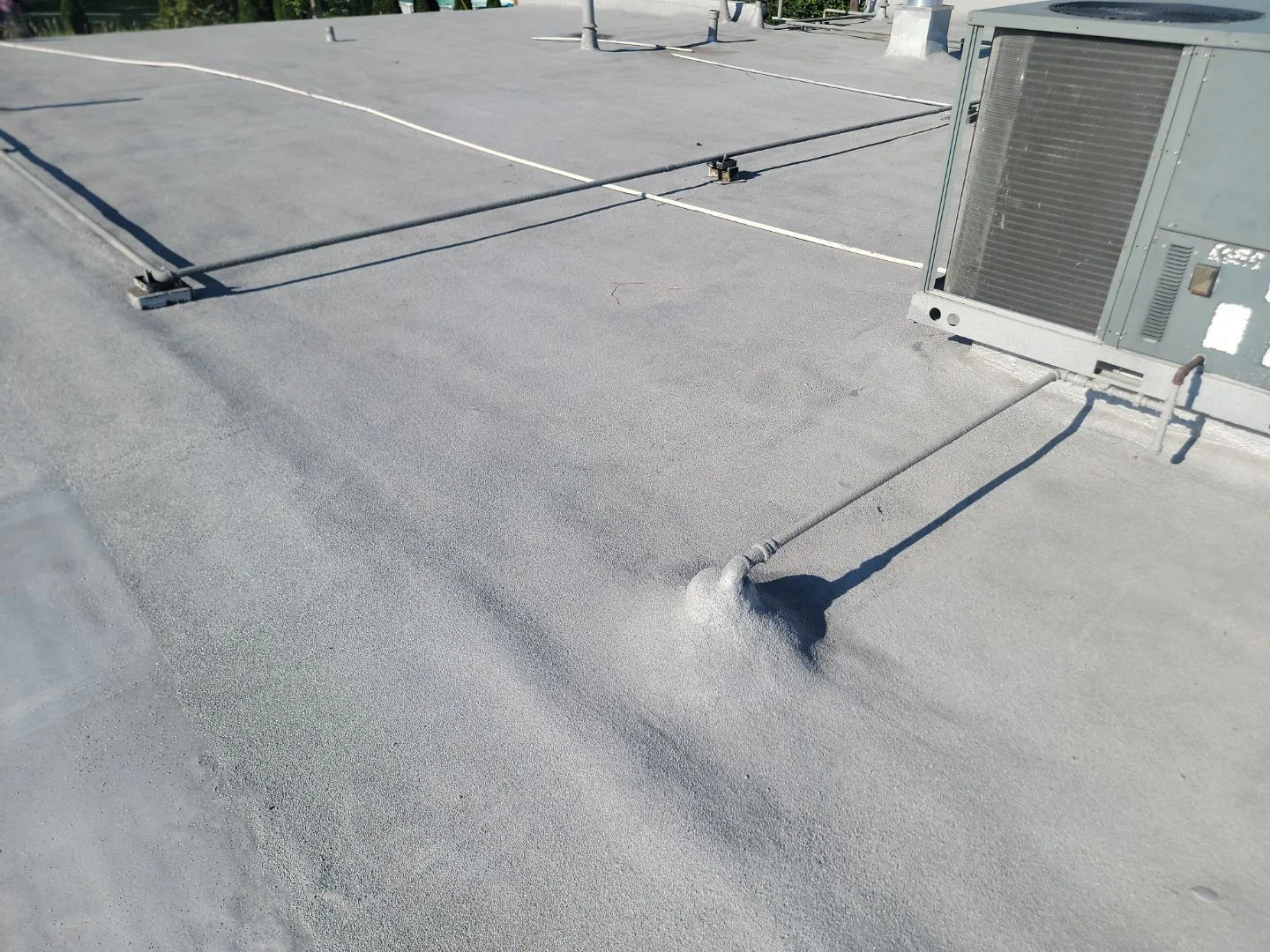
Questions About Roof Drains, Scuppers and Ponding Correction
How much standing water is acceptable on a flat roof?
Some membranes tolerate brief puddles, but water that lingers beyond two days shortens membrane life and can conflict with manufacturer warranty terms. We measure depth and duration and report them separately.
Can ponding be fixed without a new roof?
Often, yes. A raised drain, a sump, a cricket or localized tapered insulation corrects most trouble spots. A roof with widespread deck deflection usually needs a broader answer.
Why did my roof leak at the drain right after the first fall rain?
Months of heat and shrinkage open gaps around clamp rings and sump flashing. The first volume of water finds them. A reseal and a new strainer typically close the leak.
Do scuppers need screens or strainers?
Basket-type guards help in leafy settings, but they must be cleaned often or they become the blockage. We recommend them only where debris loads are heavy and visits are regular.
Will adding drains or overflows change the look of my building?
Interior drains are hidden. Overflow scuppers appear in parapet walls, and we match color and profile to the existing wall finish. For historic buildings, we discuss placement before cutting anything.