
Commercial Roofing in Phoenix, OR
Commercial roofing in Phoenix, OR: new-roof baselines, I-5 corridor retail and light industrial, graded for sun, heat and smoke with a reserve plan.
Overview
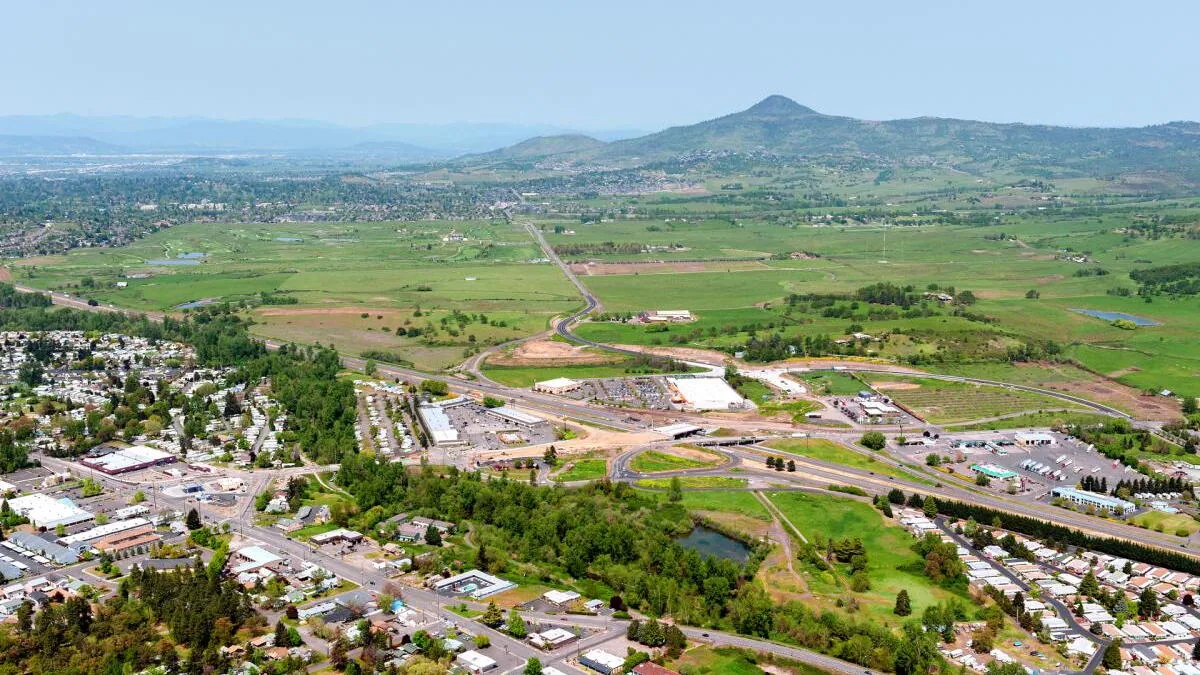
Phoenix, OR is a city rebuilding under the same sun that tested it, and its commercial roofs are being graded as they go in. The city had 4,475 residents in 2020 and lies on Interstate 5 and Oregon Route 99 about 3 miles southeast of Medford. The September 2020 Almeda fire destroyed 561 homes in Phoenix, and the city reported about 51 percent of them rebuilt and occupied, and a city rebuilding that many homes is also a city where new construction, and new roofs, are going in. Remaining service life is the reserve schedule line that moves, and in a rebuilding city it moves from the first summer.
Phoenix has a hot-summer Mediterranean climate and a record high of 115 F set on June 27, 2021. A roof installed this year is spending its ultraviolet budget from the first afternoon, and the condition grade we assign it is the starting point for every grade after. We work for owners who want that starting point on paper, with photos, so the next owner report shows how the roof is aging against plan.

New roofs in a rebuilding city: the baseline survey
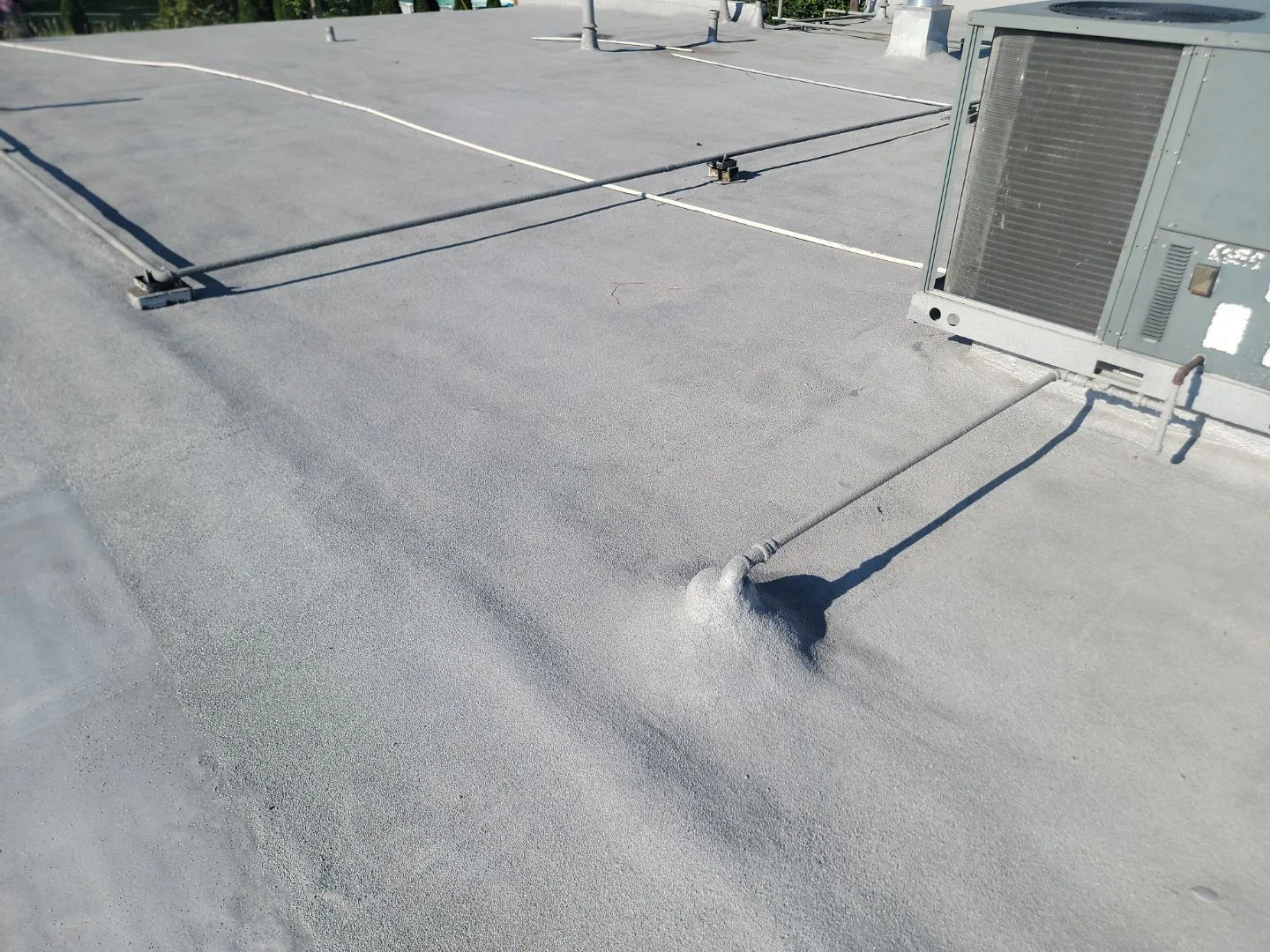
A new roof is not a roof without a record. A baseline survey in the first spring after installation documents the membrane or covering, the seams or laps, the flashings, the drains and every penetration, with photos and a short grade. It takes little time and costs little compared with what it can later prove: that a defect was present from the start, that a warranty obligation applies, or that a later leak began with a tenant's added unit and not with the installation.
For an owner who built or rebuilt after the fire, the baseline also answers an insurer. The fire rating of the covering, the date of installation and the condition at the first inspection all go in the file. A property manager who holds that file can answer a renewal question in an afternoon. We keep the survey format the same from one building to the next so a manager with several parcels can compare them directly. A manager who sees that three of five buildings graded identically and two graded a step lower knows to ask what differs about those two, which may be a shaded slope, a tenant's added unit or an installation detail.
Heat on a roof in its first summers
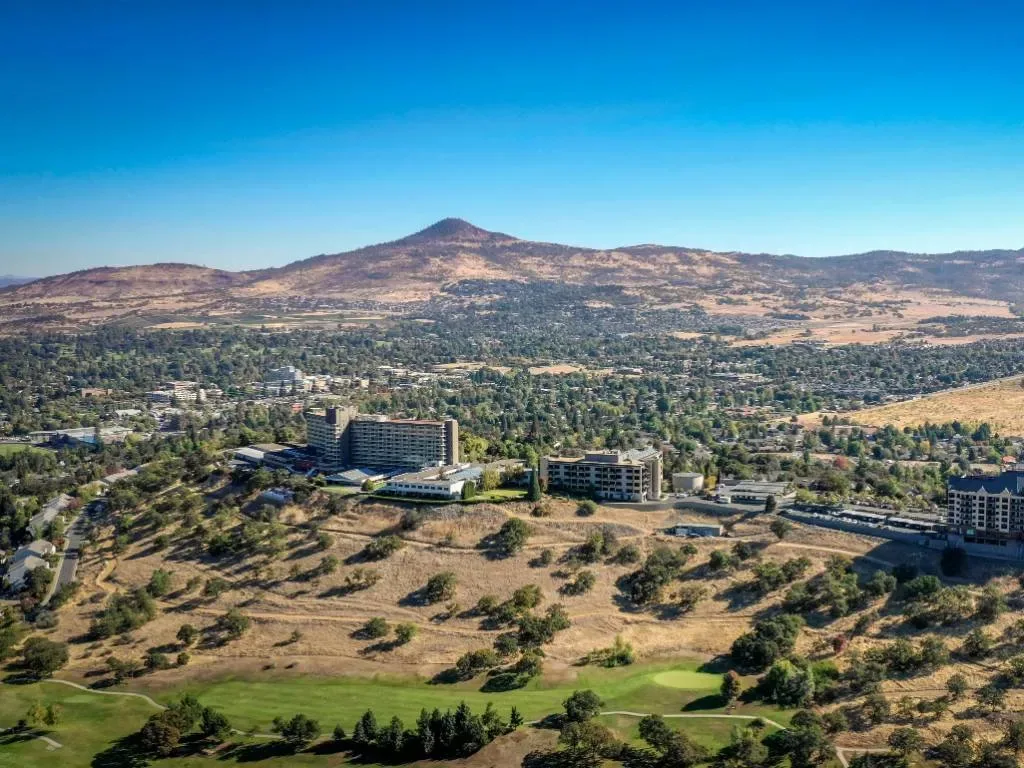
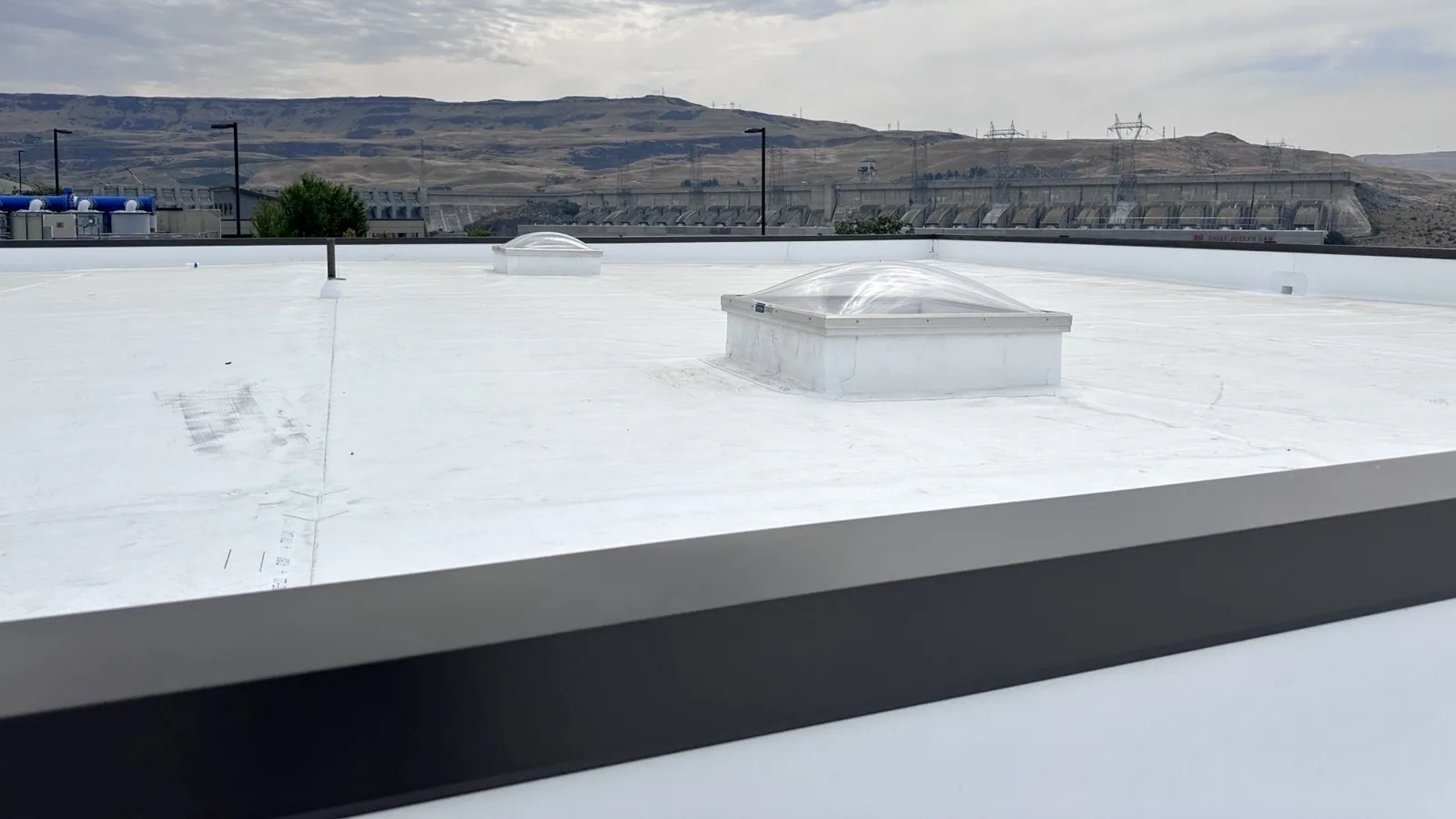
Young roofs are not immune to heat. A thermoplastic membrane in its first summers is fresh and bright, and it also receives its first dose of dust and soot with no rain to wash it, since annual precipitation across the valley averages only about 18.4 inches. Reflectance loss begins at once. Sealants at curbs and walls cure and then harden, edge metal works through its first triple-digit stretch, and a fastener that was snug at installation starts its slow cycle.
On a rebuilt commercial block the details matter more than the field. Early defects appear at roof hatches, vent stacks, rooftop units and parapet caps, and a check each spring catches them while the warranty is still easy to invoke. We grade those details separately from the field, so the owner sees where a young roof is already working harder than the rest.

The I-5 corridor: retail pads, service buildings and light industrial
Phoenix sits where Interstate 5 and Route 99 run together, and the commercial buildings along that stretch include retail, service and light-industrial uses. A Home Depot sits beside I-5 in Phoenix, which shows the kind of larger-format retail the corridor draws. We do not assume the roof type or the age of any building from its use; the first survey answers both. What we can say is that the corridor mixes pad sites, small strips and larger boxes, and each has a different reserve problem.
Pad sites and strips depend on tenants who pass the roof through as a common-area charge. Larger boxes carry long-term leases with roof obligations written in. The owner report follows the lease, giving the party who pays the grade, the years left, a cost range and the date by which a decision is due. For a pad site with a single tenant, the report is two pages. For a strip with six, it is a grid by bay, so each tenant's share of the roof is visible and the common-area statement can cite it.

Smoke weeks, ember exposure and the rebuild
The September 2020 Almeda fire reached Phoenix, and with the Obenchain fire it destroyed about 2,600 homes across the county. Medford had 26 smoke days in 2021. Embers find fuel at roof edges, where leaf-filled gutters, vents with open screens and wood eave trim collect it. A pre-season clean removes the fuel, and it is cheap compared with what it protects. For a building near a hillside or a drainage with dry grass, the clean is repeated after the first hot spell of summer, and the register records each date.
Smoke also loads rooftop filters and dims reflective surfaces. A post-smoke visit cleans the roof, changes the filters and logs the work. We record the fire rating of the covering for each building in the owner report, so an insurer, a lender or a tenant can read it without a site visit.

Reserve schedule and lease-cycle timing for new owners
An owner of a building that went up new after the fire is new to the roof too. A reserve built for a new roof should still assume the sun will take its share, and the first-year grade is the number that sets the reserve line. We project remaining life from the baseline and update it each spring, so the line follows the roof and not the calendar.
Lease cycles matter for rebuilt retail. A tenant who signed a long lease on a new building expects a sound roof, and the manager who can show a clean record has an easy conversation at renewal. Carrying cost, meaning repairs, interior damage and lost rent from an unusable bay, appears beside any recommended action. Work on a young roof is usually a repair or a coating decision long before it is a replacement, and the report says so, so the owner spends on the right thing in the right year.
The owner report and the roof register
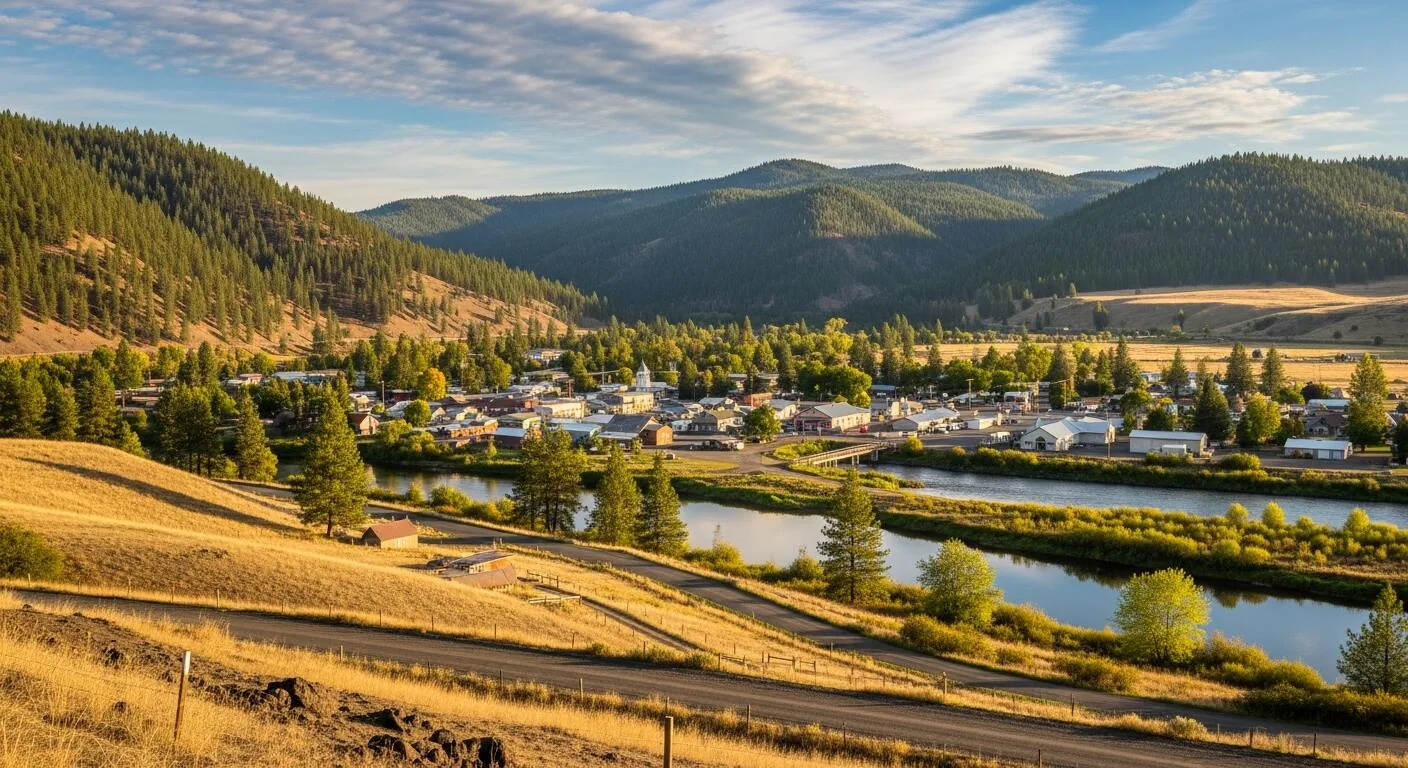
Every building ends the project with a register entry of grades, photos, penetrations, drains, warranty terms and a check date. A commercial roof inspection sets the baseline, and a preventive roof maintenance visit keeps it current. A roof warranty management file protects new-roof coverage. Related buildings include shopping center roofing and big-box retail roofing. Neighbors on the corridor include Talent and Phoenix Industrial Park, and Medford is 3 miles northwest. A manager with several parcels can read every entry on one scale, which makes the order of spending easy to defend to an owner or a lender.

Send the building list, roof ages and leak tickets

Related Roofing Pages


Questions About Phoenix
Should a new roof get a survey?
Yes, in the first spring. The baseline records its condition and supports any warranty claim.
How does the fire rating get documented?
We record the rating of the covering and the installation date in the owner report.
What changes first on a young roof?
Reflectance goes first, then the sealants at curbs and walls, then edge fasteners.
Do you grade pad sites and strips?
Yes, by bay, so the grade matches the tenant lease and the leak ticket.
How often should the grade be updated?
Yearly in spring, plus a visit after any heavy smoke month.