Flex and Light Industrial Roofing in Medford, OR
Flex and light-industrial roof grading and replacement in Medford, OR, with multi-tenant lease timing, heat and smoke-season maintenance in the owner report.
Overview
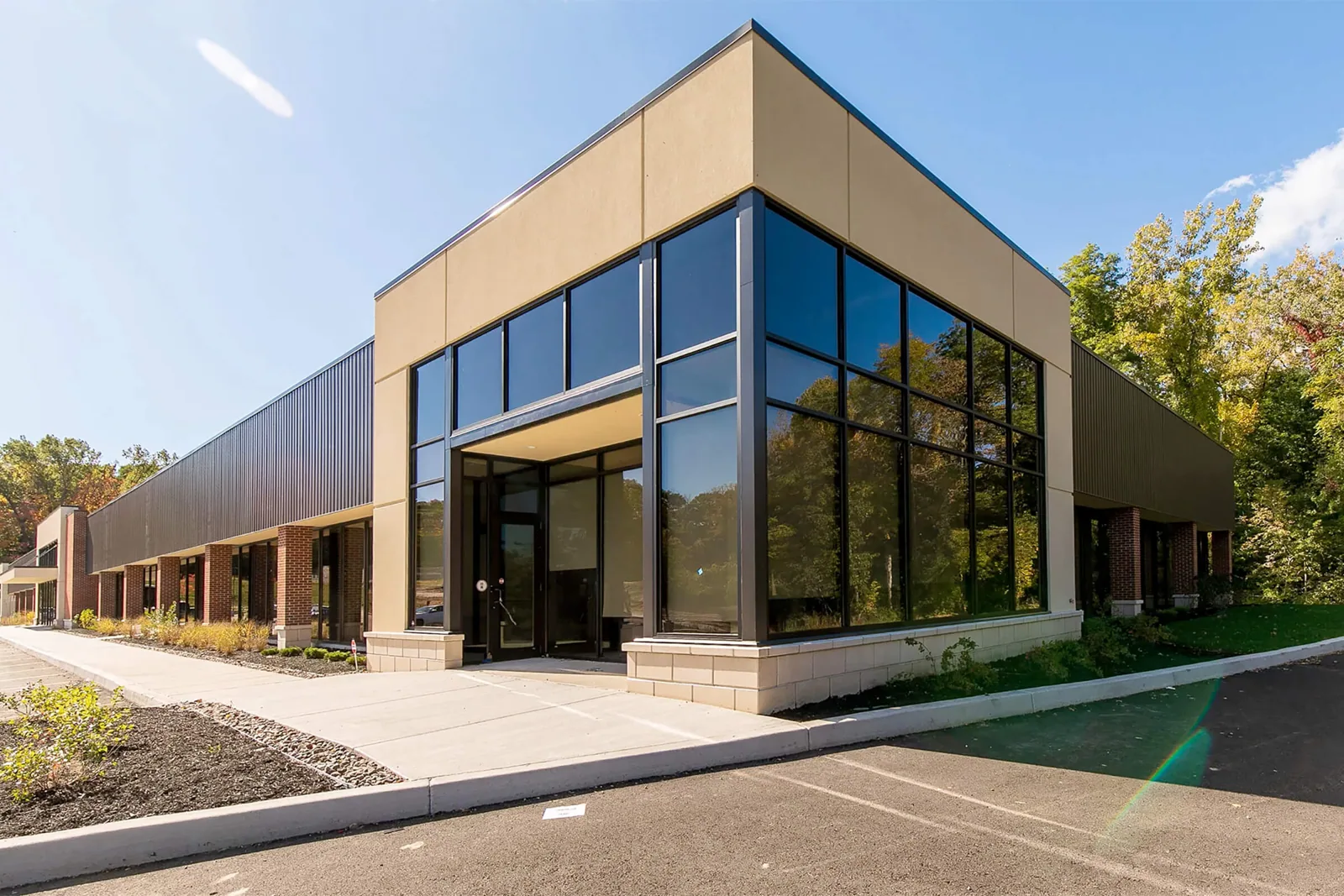
Flex buildings carry several tenants under one roof, and the roof reserve has to carry all of them through a lease cycle that never lines up. In Medford, OR the sun adds a second clock, ticking through 61 afternoons past 90 F and 11 past 100 F a year, so a membrane over a row of office-and-warehouse bays loses reflectance and remaining service life on a schedule the leases do not respect. Remaining service life shifts first in the reserve schedule, and the lease-cycle timing that hangs on it shifts right behind.
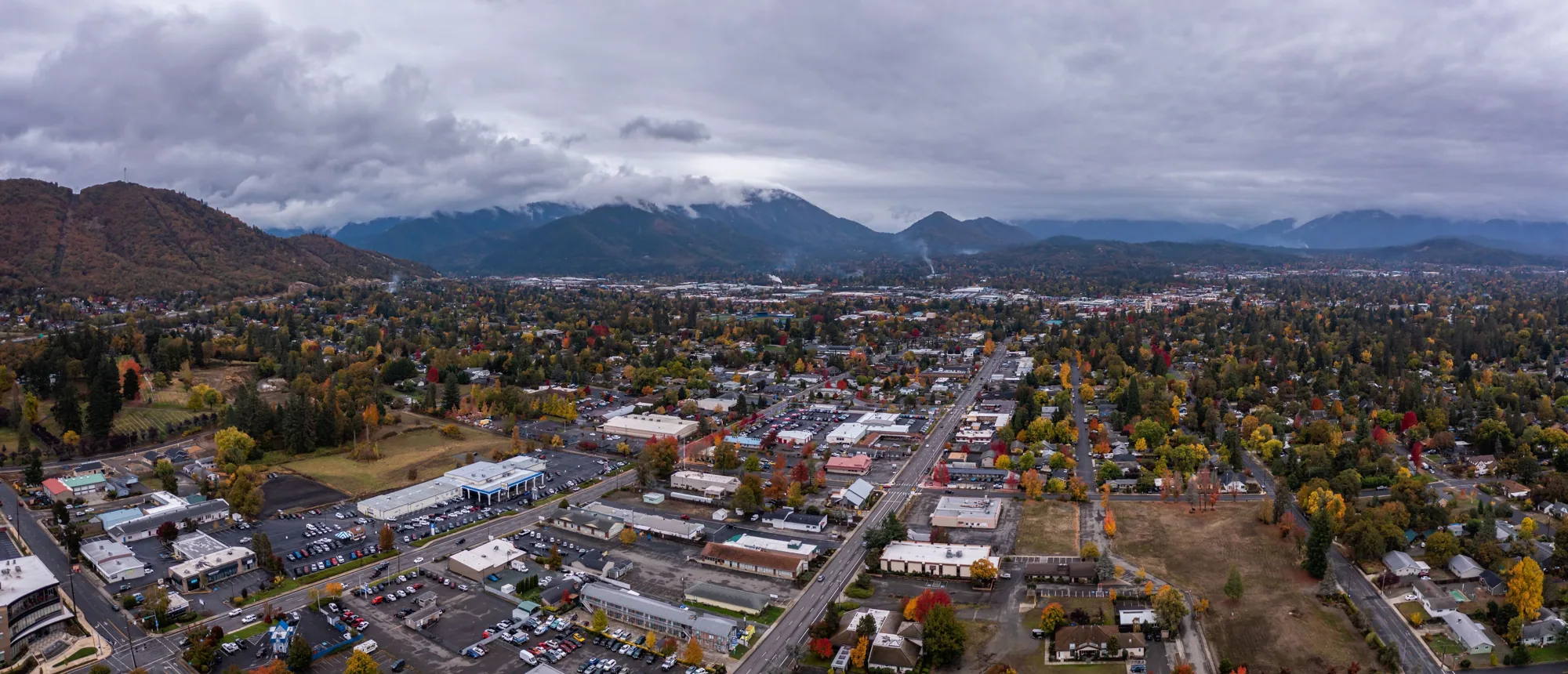
The Rogue Valley has industrial ground in several forms. Phoenix Industrial Park covers 26 acres of heavy-industrial zoning with rail-served buildings, the 87,750 square foot Amazon ground-distribution warehouse stands on Table Rock Road in Central Point, and Harry and David, the largest employer in Southern Oregon, runs orchards, manufacturing and distribution at its Medford site. A flex building in that setting is a smaller version of the same problem: a roof that every tenant shares and no tenant owns.
Heat on the bay roof and the cooling bill beneath it
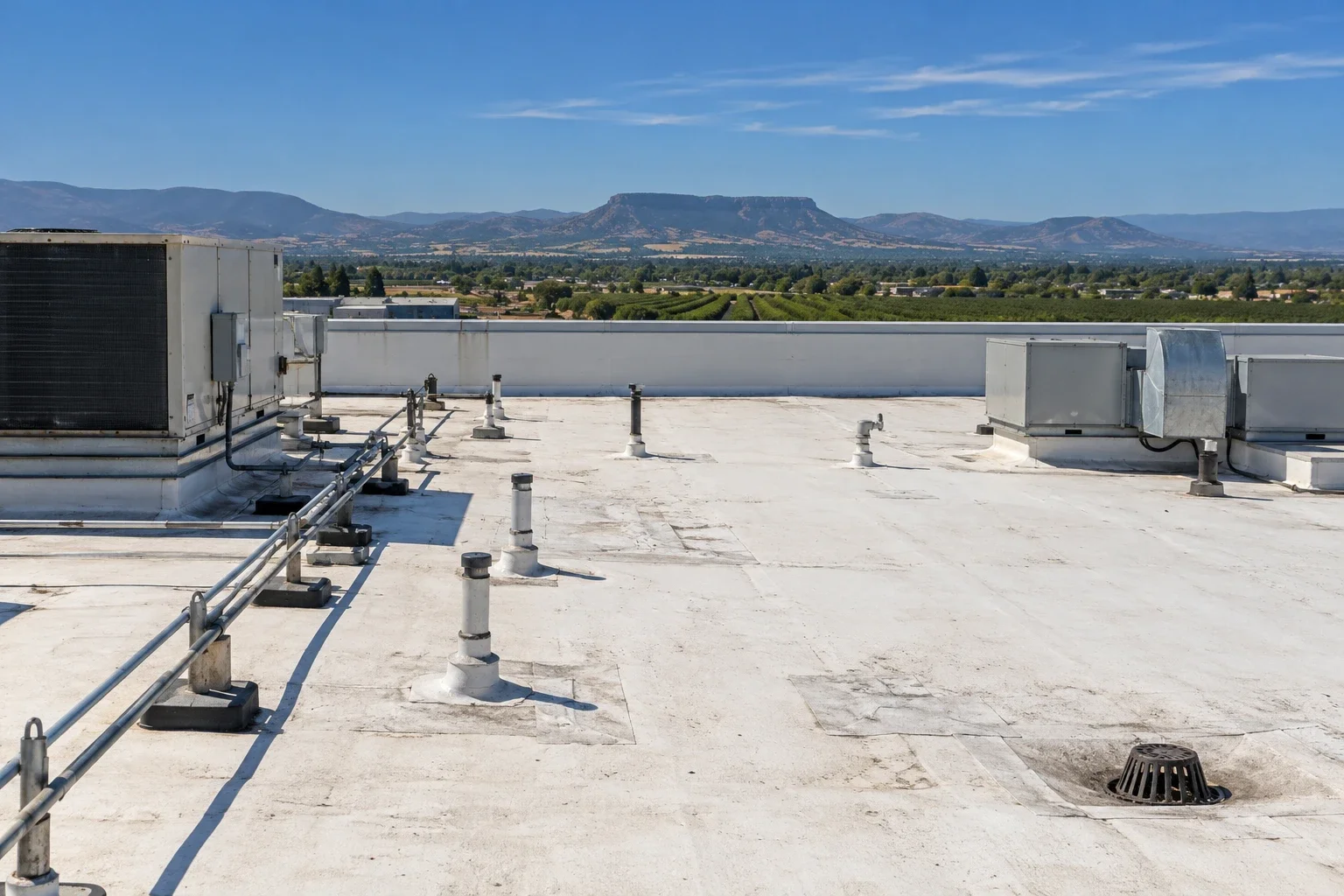
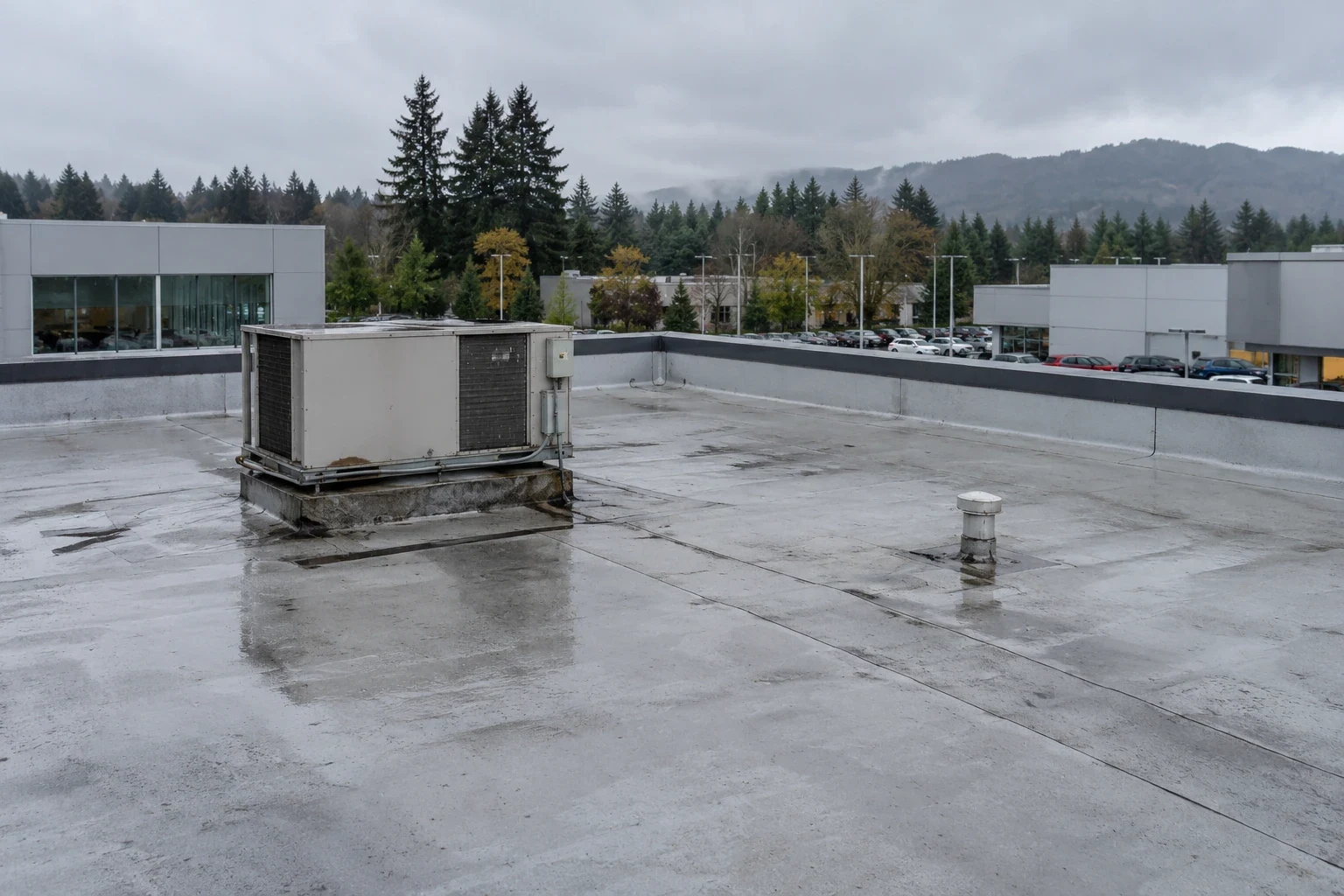
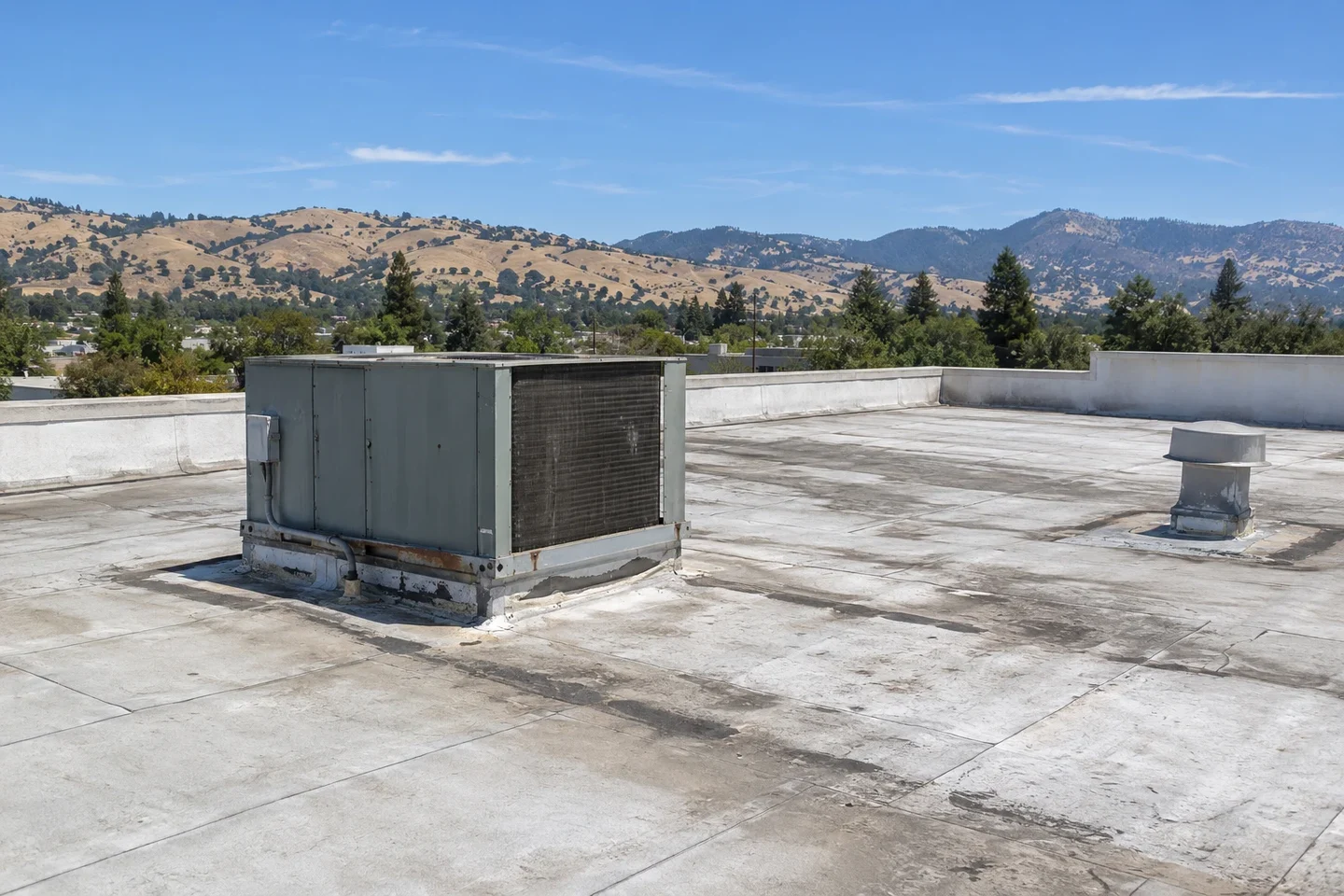
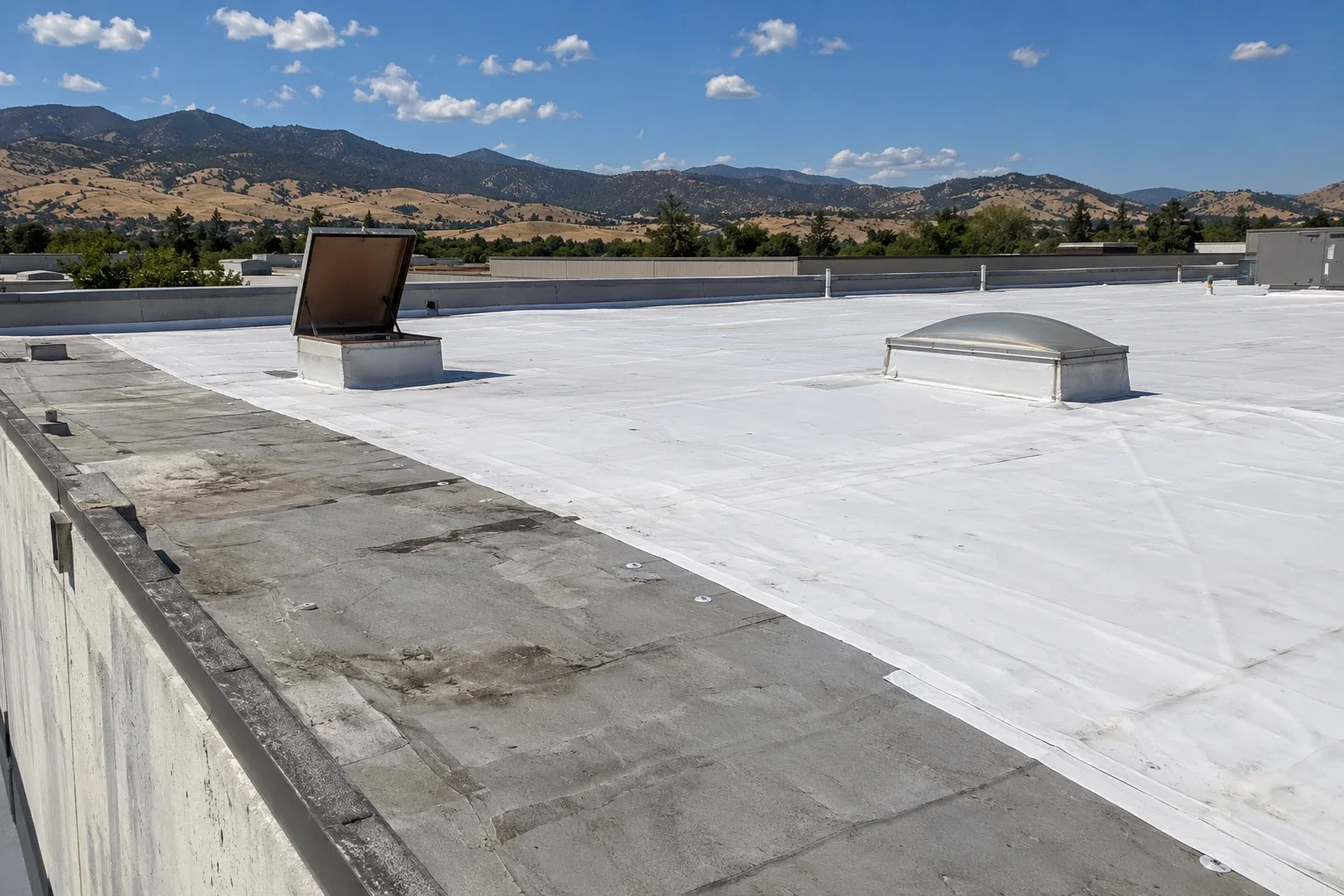
A flex building has an office front and a shop or warehouse rear, and the roof covers both. Only about 18.4 inches of precipitation falls in a year, so little rain washes the membrane, and dust, pollen and soot settle on it. A white sheet dims, a dark one runs hot, and the tenants below pay for it in cooling and in comfort. The front offices feel it first, and the rear bays feel it in the afternoon.
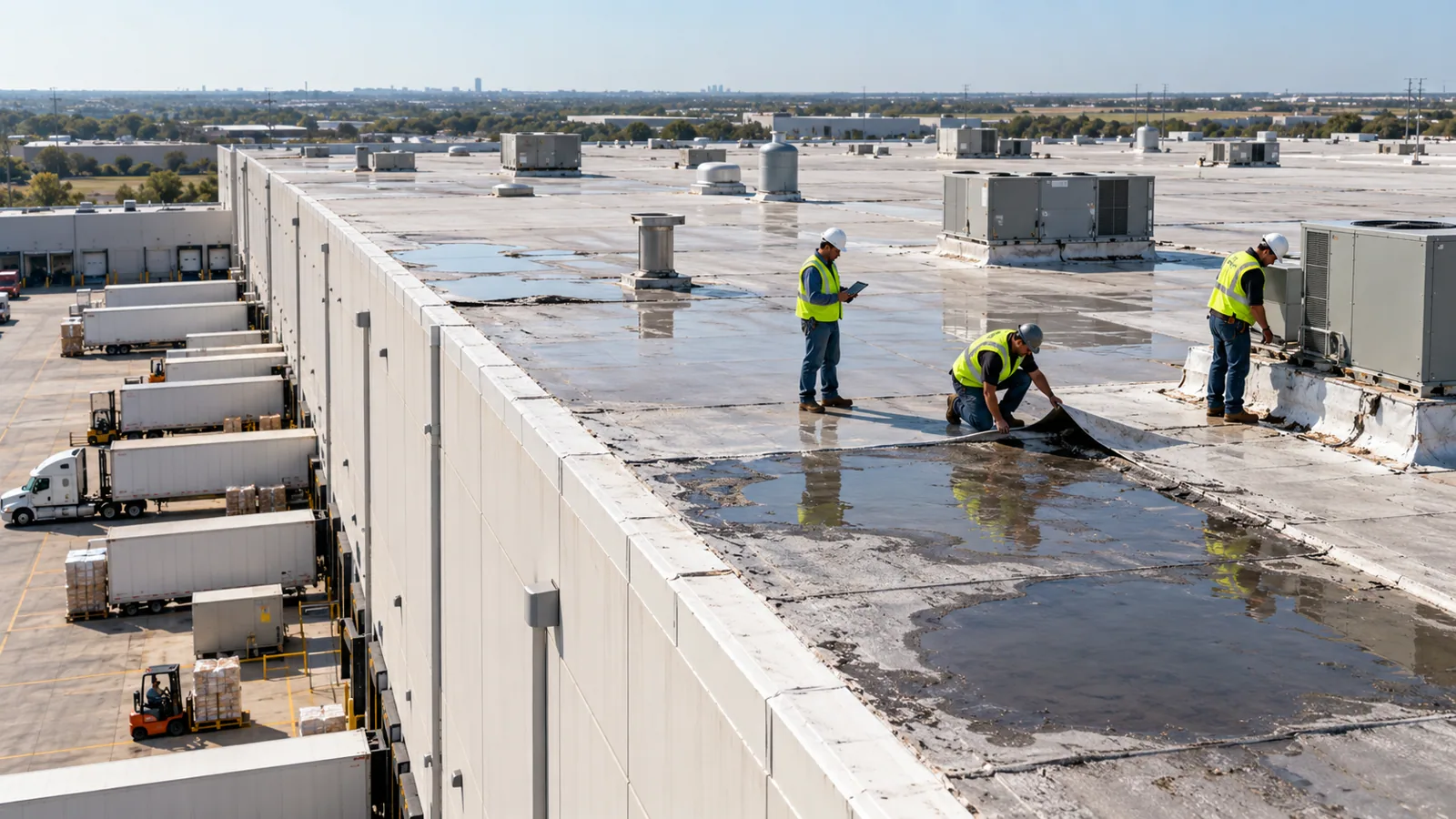
Details age with the heat. Sealants at rooftop unit curbs harden, edge metal moves, and seams stiffen over a few summers. Roof hatches, skylights and vent stacks that tenants added over the years become new penetrations, each with its own flashing. A survey that logs each of them hands the owner a map of where the leak risk gathers.
Condition grade by bay and remaining service life
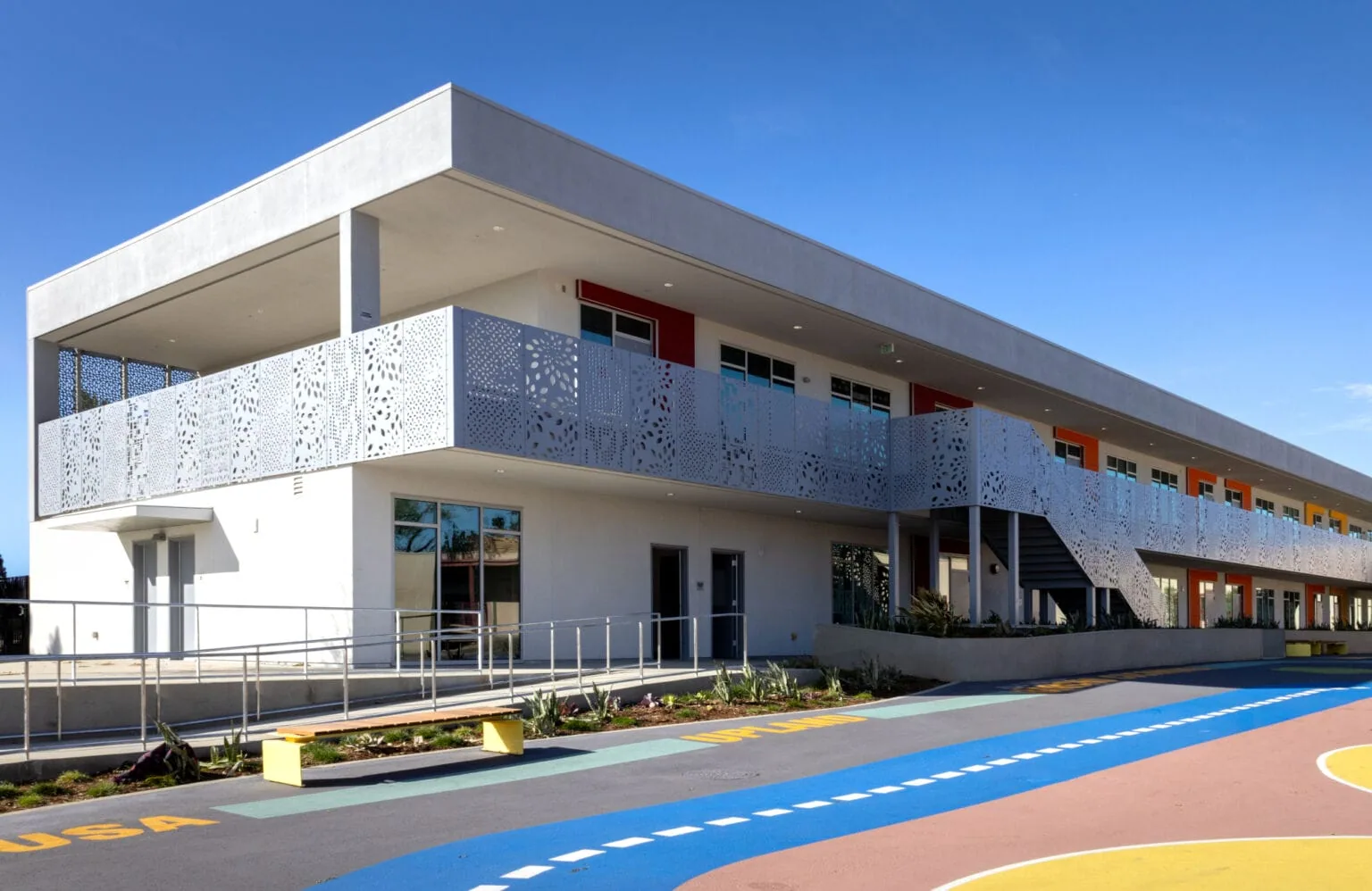
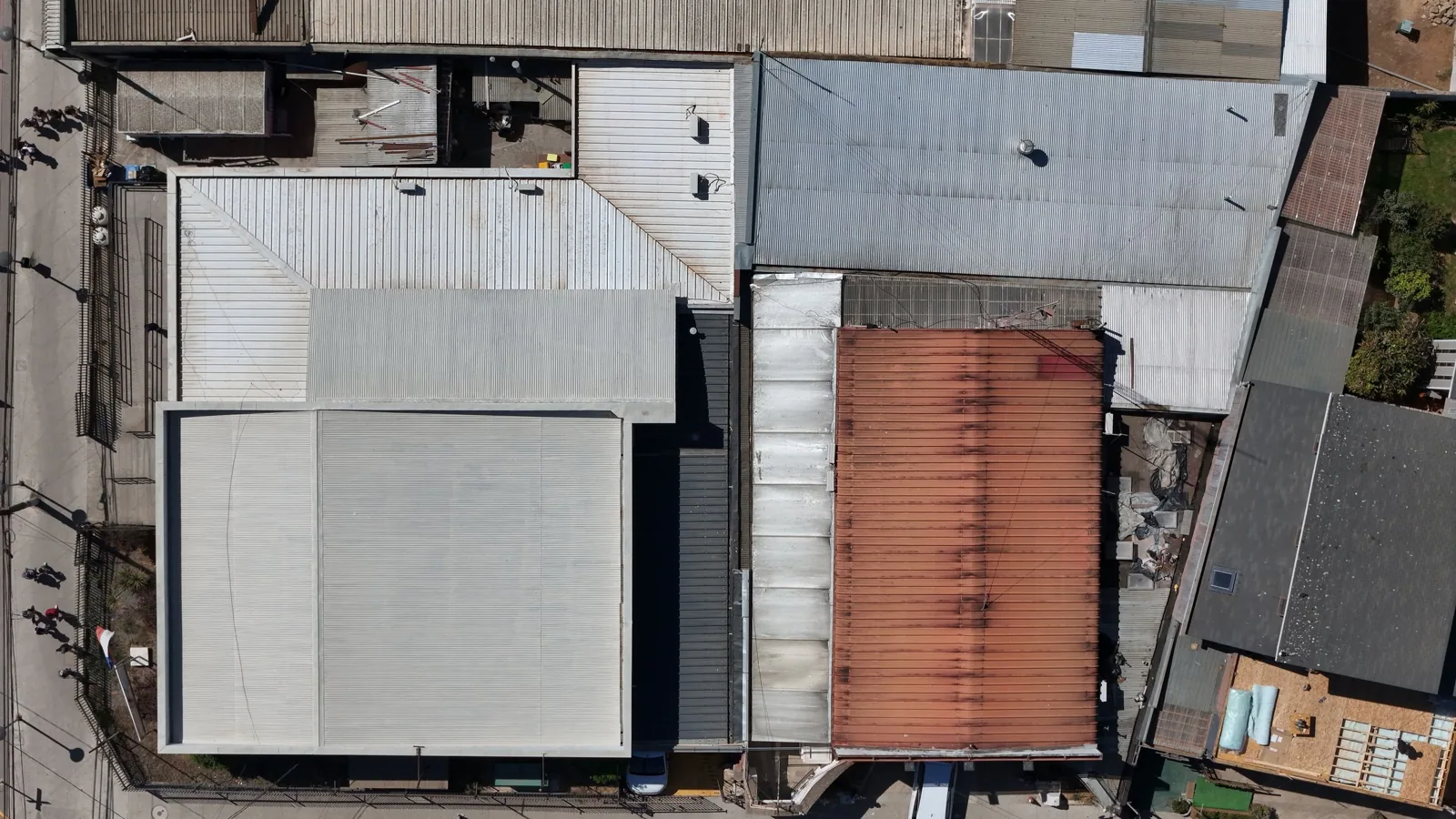
We divide a flex roof by tenant bay, because the lease and the leak ticket are tied to a bay. Each section gets a grade for membrane, seams, flashings, drainage and moisture, with an infrared scan showing damp insulation, and a remaining-life estimate. A bay with a history of three repairs at the same curb is flagged, and the report gives the cause.
The bay-level grade also helps with tenant relations. When a tenant calls about a stain, the manager can open the register and read that section's history of repairs and grades. When a tenant asks to add a rooftop unit, the manager can see what the roof can take and what the flashing requires. The register becomes the shared record that prevents disputes and speeds approvals. A tenant who wants to add an exhaust fan for a new process gets a yes or a no with a flashing detail in days, not weeks, and the landlord keeps control of what goes through the membrane.

Reserve schedule, lease-cycle timing and pass-through
Most flex owners recover roof cost through common-area charges or a lease clause, and the schedule must match what the leases allow. A roof replaced when the tenants are in the middle of long leases is easier to pass through than one replaced at a turnover, when a vacant bay carries its own share. The owner report shows the grade, years remaining and cost range for each section, so the manager can match the work to the lease calendar.
Carrying cost is the figure that frames the decision. A leak into a tenant's bay means a claim, a rent concession or a lost renewal, and the cost of a bad winter exceeds the cost of a planned replacement. The report puts both on one page, and the owner can see why a spring replacement on a stated date beats a season of repairs. Vacant bays are the best time to work: with no tenant overhead, noise and dust are not an issue, and the crew can open the roof over the empty bay and close it again in a day. The report flags any vacancy so the work can use it.

Phoenix, Table Rock Road and the rail-served parks
Industrial roofing in the valley follows the roads and the rails. The Central Oregon & Pacific Railroad serves Phoenix Industrial Park, freight rail on the Rogue Valley Terminal Railroad passes White City at the junction of Oregon Routes 62 and 140, and Interstate 5 runs through central Medford. Buildings near rail lines can see vibration and a layer of dust that settles on the roof.
Access for materials is straightforward on these corridors, and the schedule problem is truck traffic at tenant docks. We stage materials away from active bays, schedule lifts around the shipping peaks and keep a flagger at shared drives. Membrane rolls wait in shade and the crew starts at dawn when the forecast passes 100 F. A sheet laid in midday heat on a dark deck can wrinkle or slide, so the crew sequences laying and welding for the cooler hours and uses the heat of the day for cutting, detailing and flashing, which tolerate it better.
Smoke weeks, soot loading and ember exposure
Smoke now returns to the valley most summers. Smoke returned in 2021 for 26 days in Medford, following fires in 2020 that took about 2,600 Jackson County homes. Soot on a flex roof raises its temperature and loads the filters on rooftop units, and debris at eaves and in gutters is fuel for an ember. After smoke, a visit cleans the surface, changes filters and logs the work, and a clean of the edges before the dry season takes the fuel away.
Industrial tenants sometimes store materials near the building, and the roof edge is a place where embers land. The fire rating of the covering and the date of the last edge clean go into the owner report, which gives the owner's insurer and the tenants' insurers the same facts. Where a tenant stores pallets, fuel or packaging close to a wall, the manager can use the report to ask for a clear zone, and the roof edge is a good reason to put it in writing. Each date goes into the register.
Reporting for owners, brokers and lenders
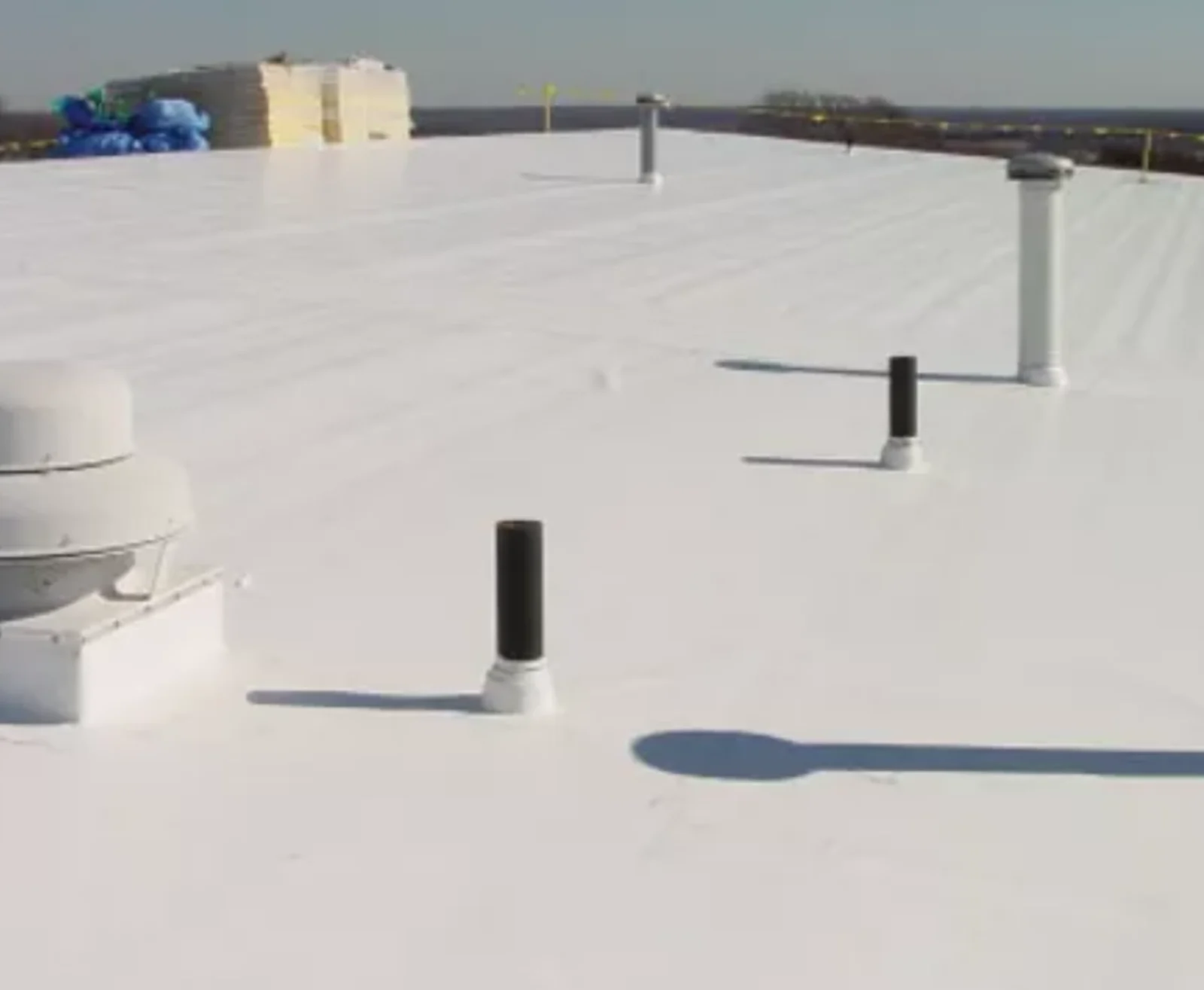
Each building leaves with a roof register entry: bay grades, photos, curb list, drain map, warranty and next check date. A broker or lender can read it in minutes. A roof capital plan converts the grades into a schedule, and real estate investors carry the register into diligence. Roof recover options suit bays with dry insulation, and TPO roofing is a common system. Related buildings include warehouse roofing and self-storage roofing, and parks in Phoenix Industrial Park and White City Industrial Park follow the same plan.
Send the rent roll, roof ages and leak tickets
Related Roofing Pages

Questions About Flex and Light Industrial Roofing
Why grade a flex roof by bay?
Leases and leak tickets are tied to bays, so the register works best when the grades are too.
Can a tenant add a rooftop unit?
Yes, with a curb and flashing detail the manager approves. The register shows what the roof can take.
How does lease timing affect replacement?
A roof replaced mid-lease is easier to pass through than one done at turnover. The report helps match the work to the calendar.
Do rail lines affect a roof?
Dust and vibration are the main effects. We note both in the grade and in the maintenance plan.
What does a post-smoke visit include?
Cleaning soot, changing rooftop filters and logging the work.