Roof Coating and Restoration in Medford, OR
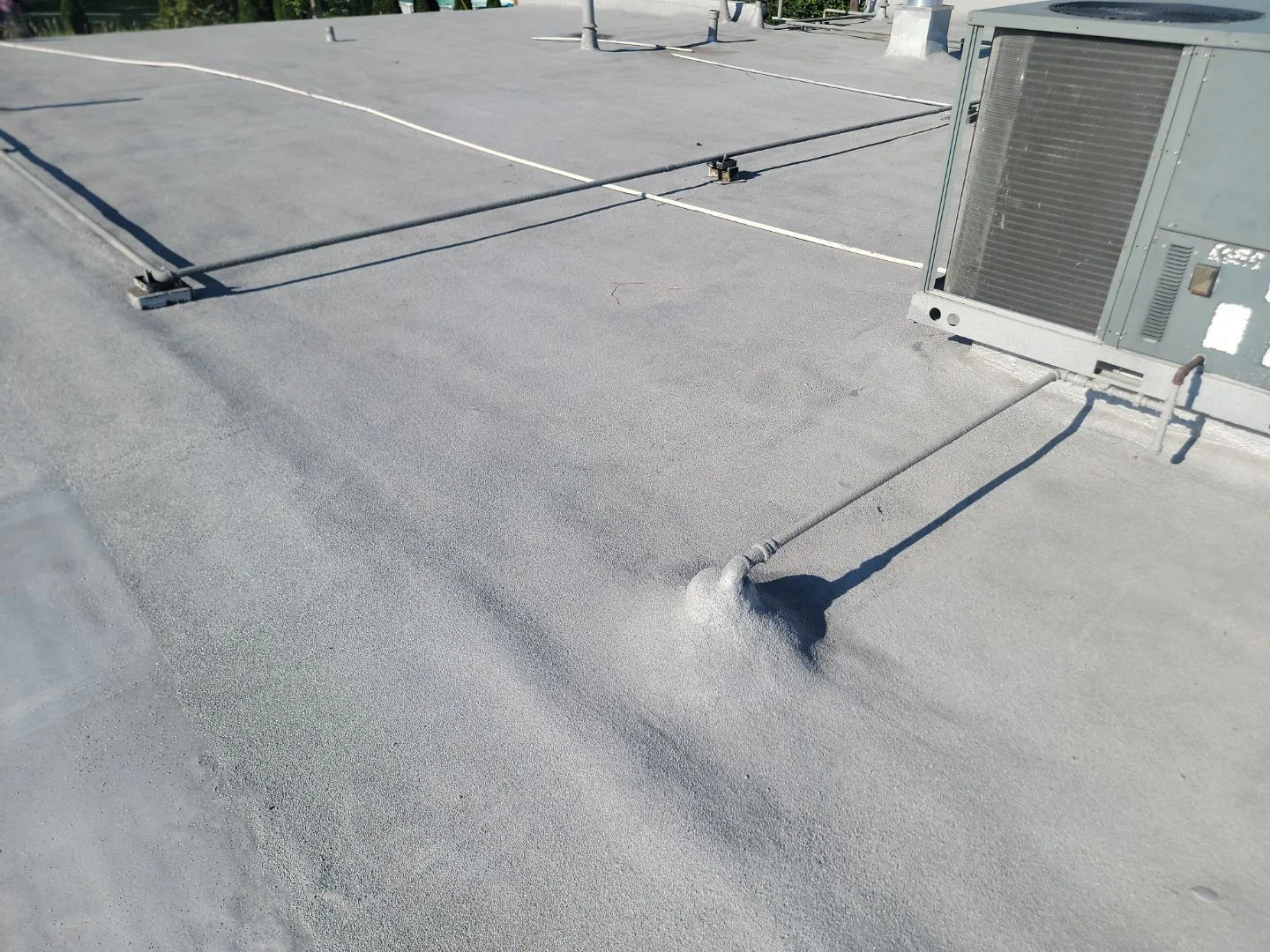
Restore a sound commercial roof in Medford, OR with a silicone or acrylic coating system that adds service life and recovers lost reflectance.
Overview
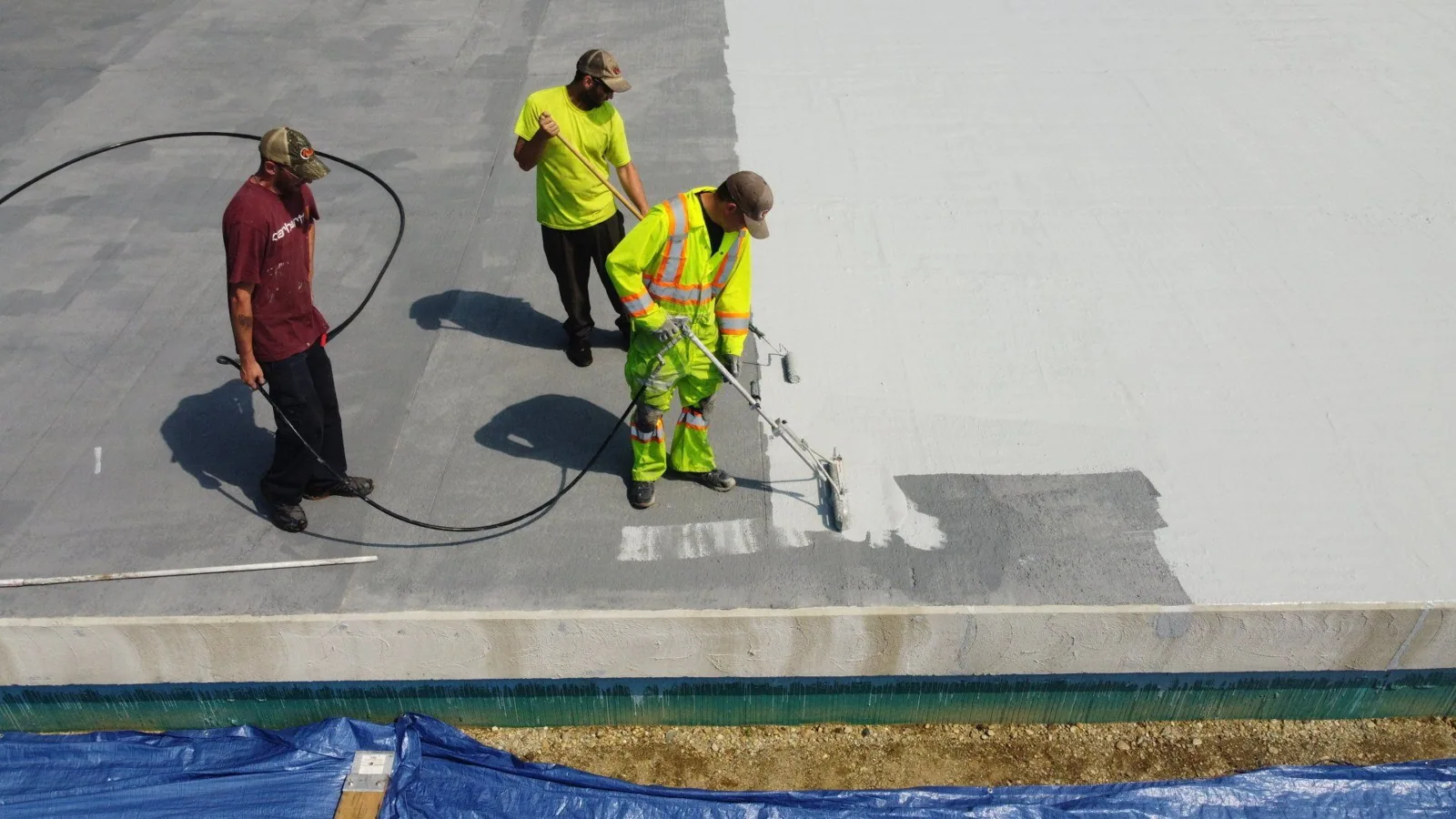
Reflectance is the first thing a Medford, OR roof loses, and it goes quietly: a white membrane that tested bright when it was new reads noticeably dimmer after a few triple-digit summers and one heavy smoke season. A restoration coating puts a fresh, bonded surface over a roof that is still structurally sound, and it does so for a fraction of the carrying cost of a tear-off. For a property manager the entry that moves is the remaining service life in the reserve schedule, which can be extended by years when the substrate is dry and the coating is chosen to match it.
The decision is narrower than it looks. A coating restores a roof that is sound; it does not rescue one that is saturated, and the first job is telling those two apart.
Which roofs qualify for restoration
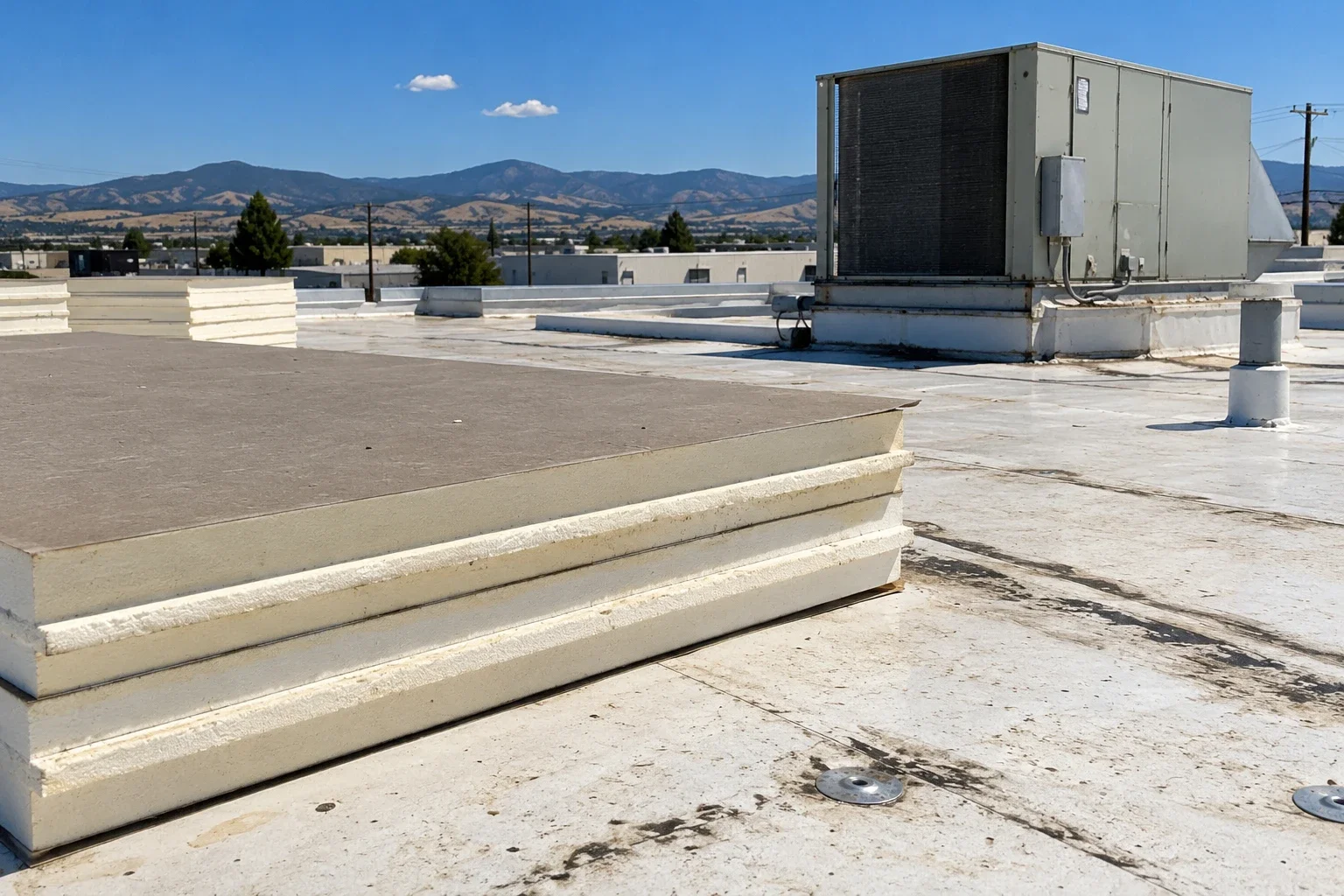
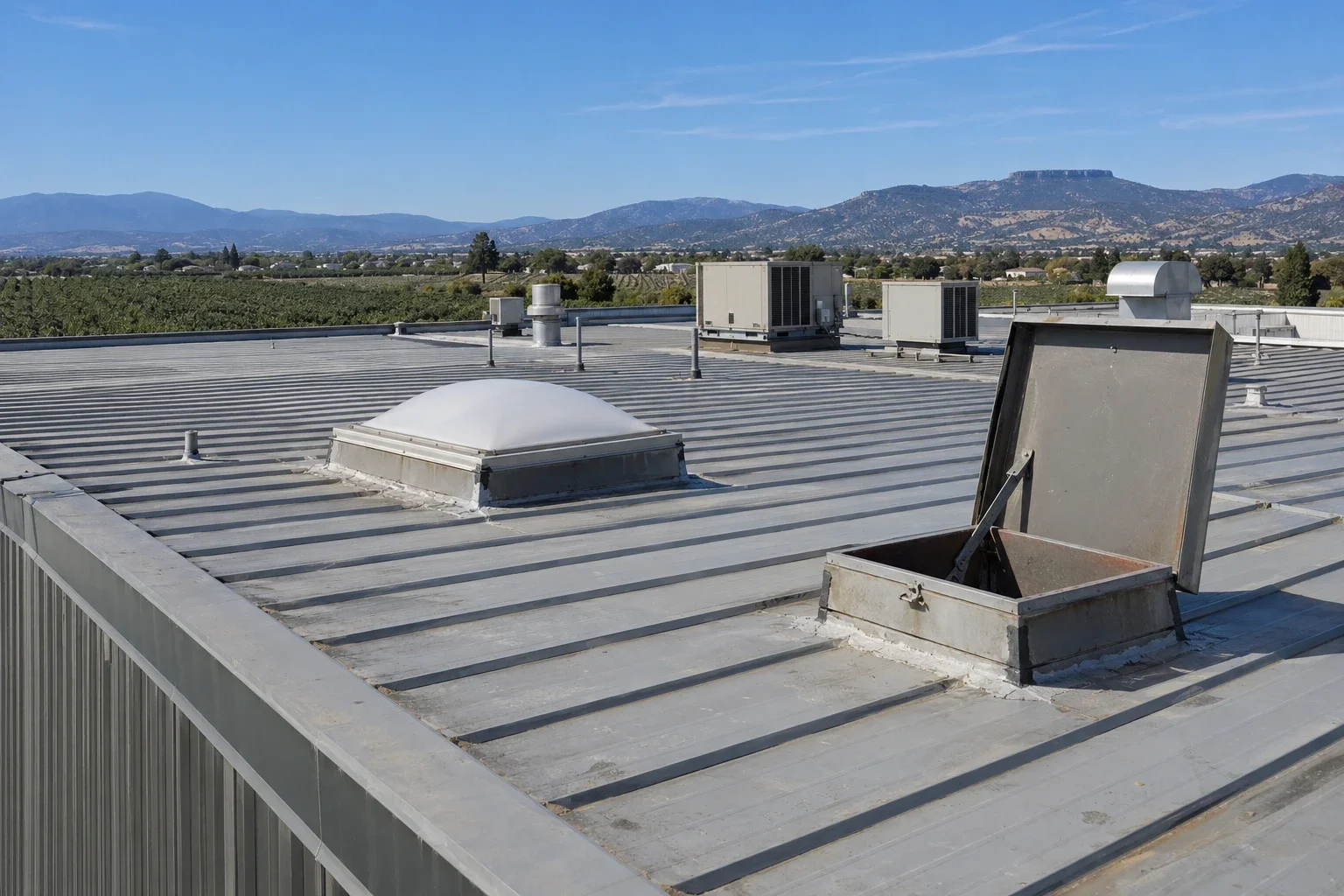
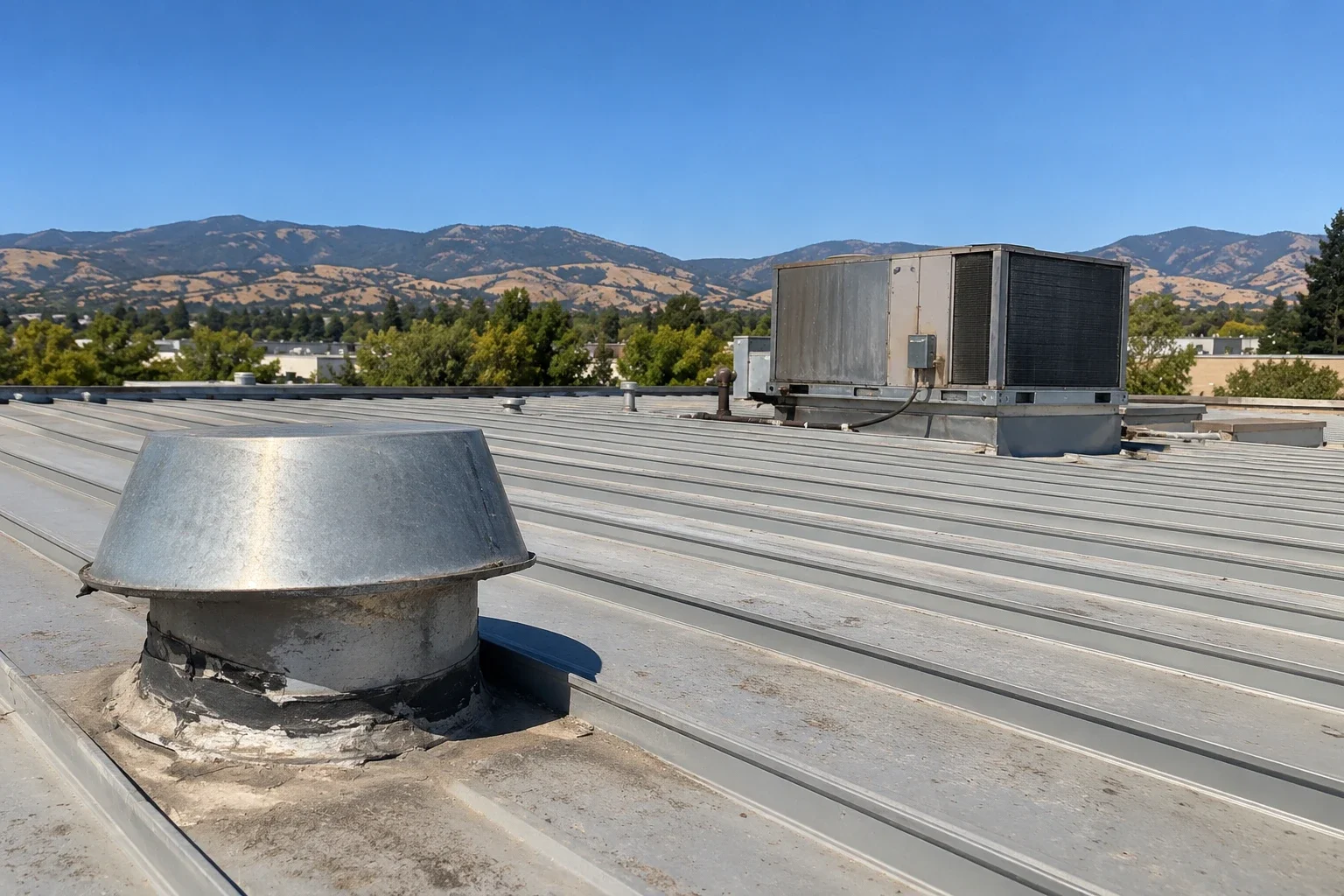
The roofs that coat well share a few traits. The membrane or metal panels are intact, with no widespread blistering, no open laps, and no insulation holding water. Fasteners are tight, flashings are attached, and drainage works. Single-ply sheets such as TPO and PVC, aged modified bitumen, built-up roofs with a mineral surface, and many standing seam metal roofs can all take a coating when the surface is cleaned and primed correctly.
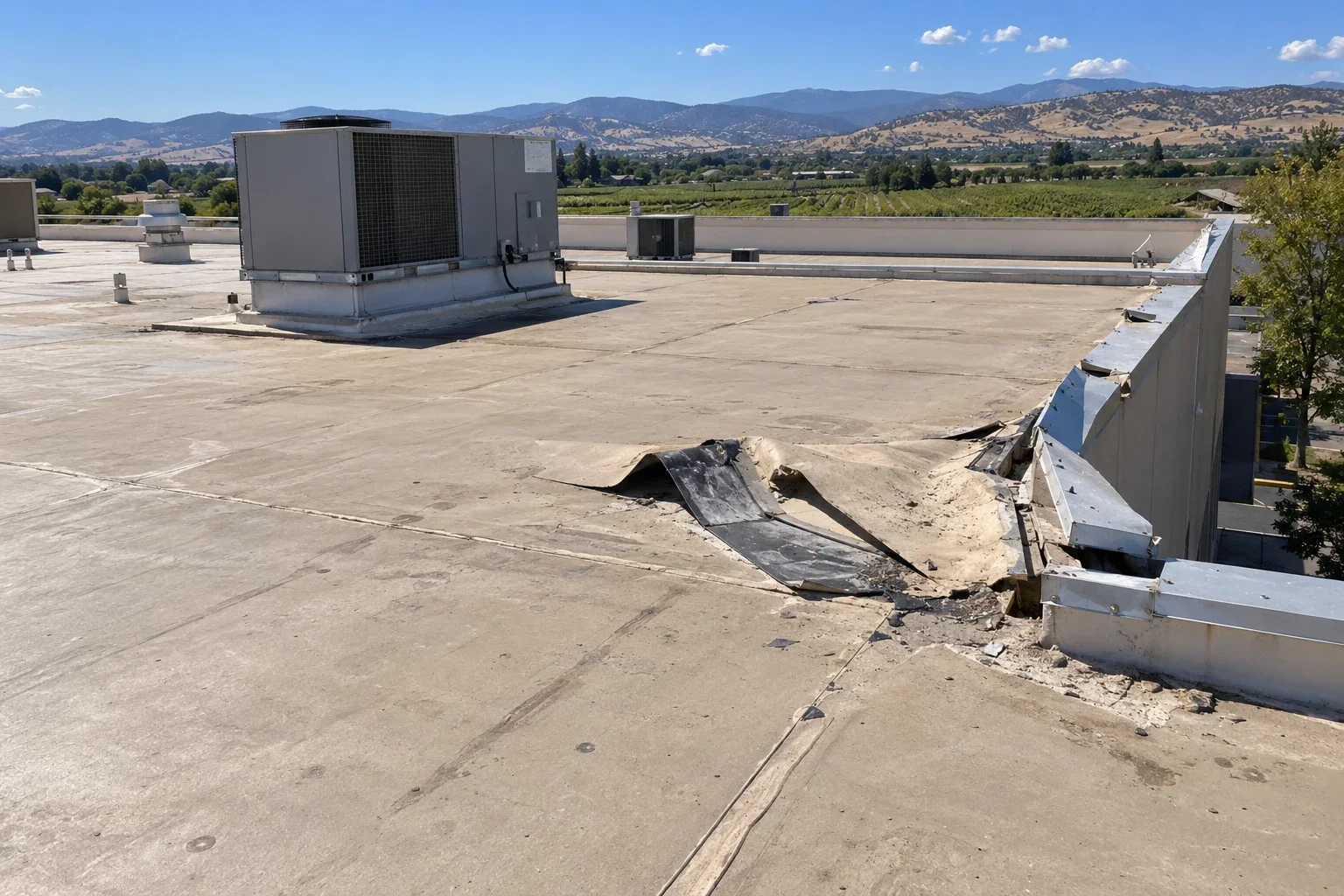
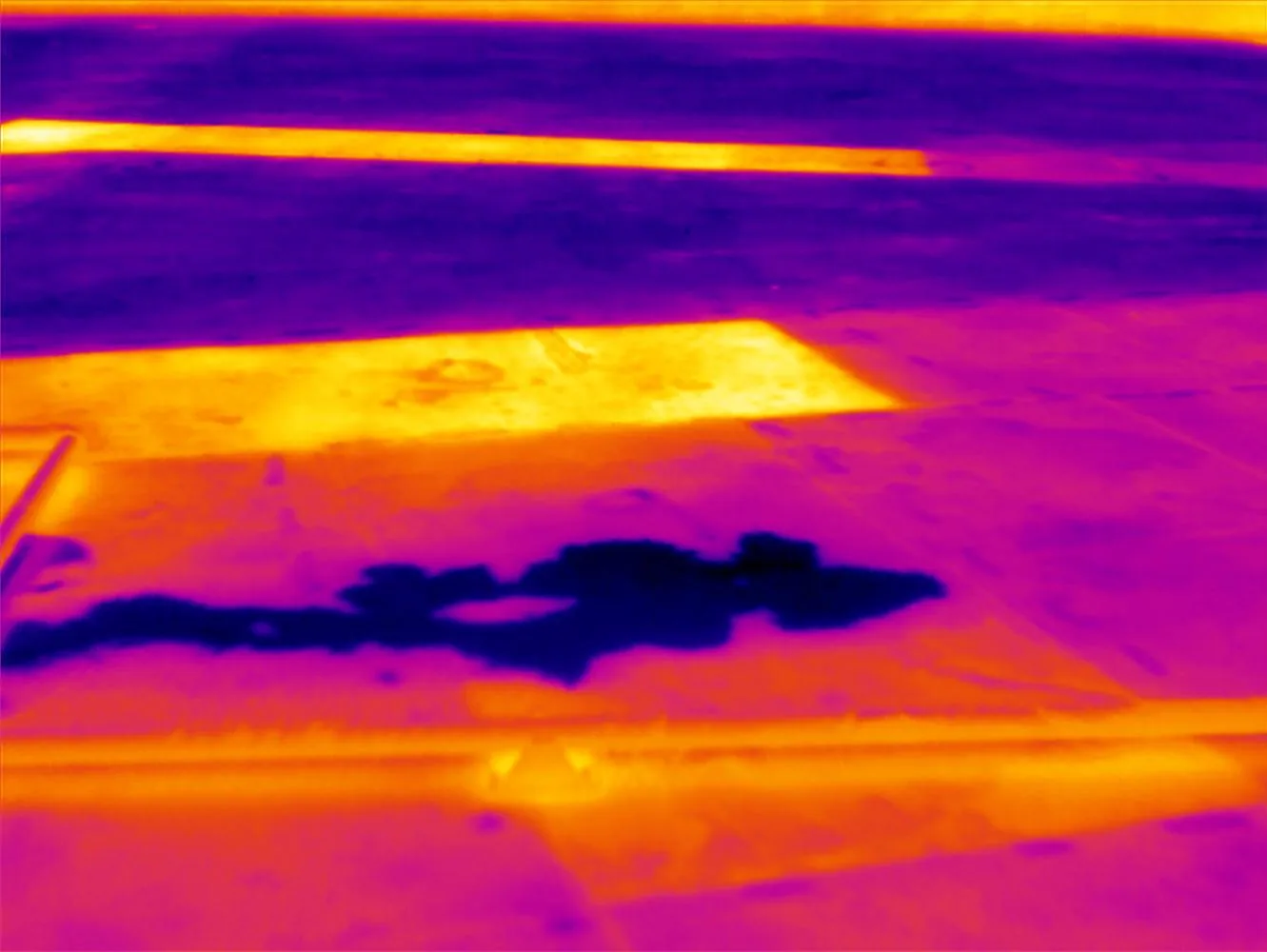
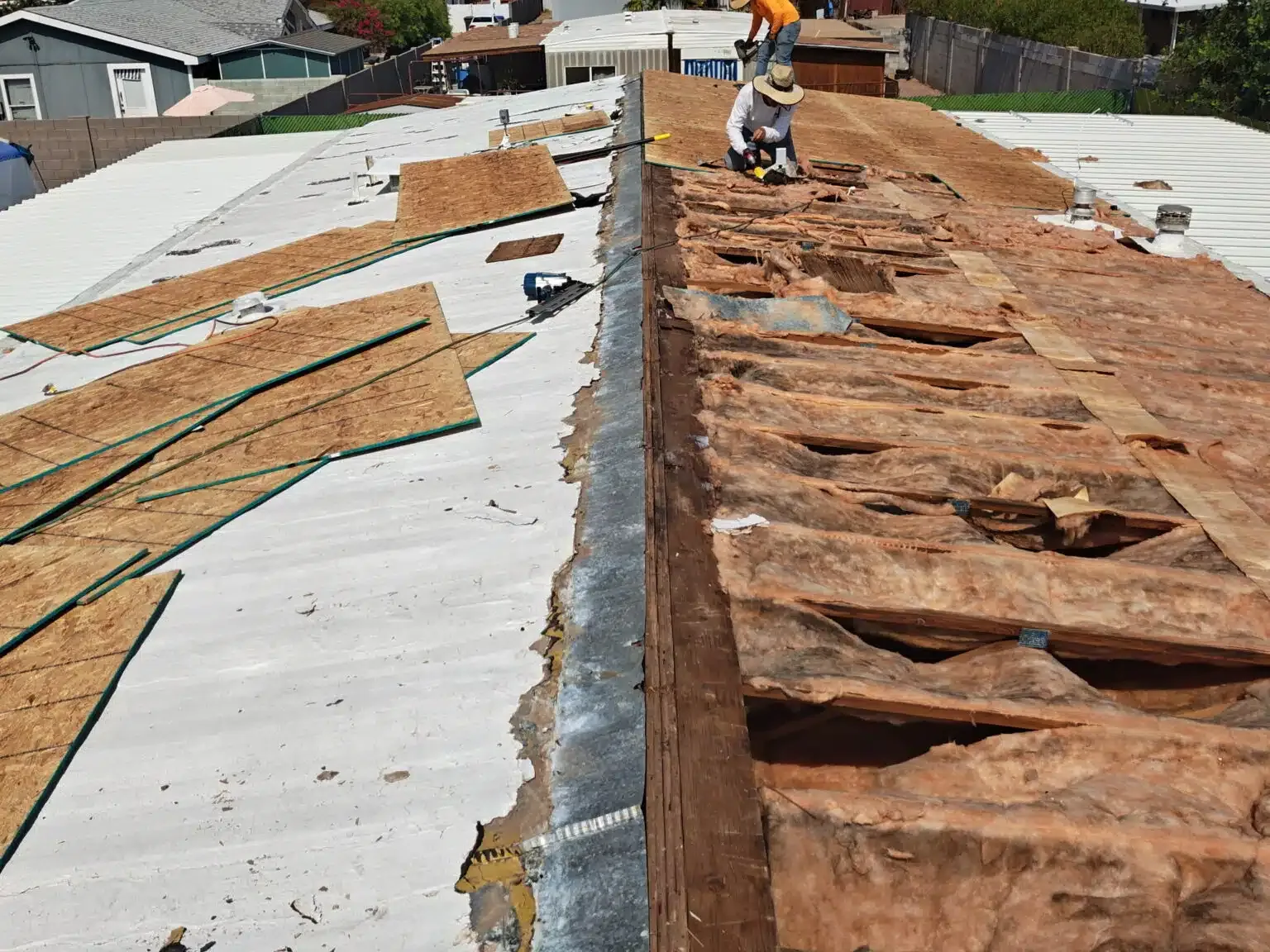
Roofs that fail the test are those with trapped moisture. We verify with an infrared moisture survey and cut a few cores where the scan is ambiguous, because a coating sealed over saturated insulation holds the water in and hurries the next failure. If the survey shows wet areas, we scope replacement of those areas first, then coat the whole roof so the patch work and the field read as one surface. Where the answer is clearly a new sheet, we say so and price a full replacement.
Age is a softer guide than condition. A ten-year-old single-ply roof that has been washed and maintained can accept a coating more readily than a younger one that took years of foot traffic from service technicians. We grade the surface, the seams and the drainage separately, because a roof can score well on two and still be a poor candidate on the third.
Silicone, acrylic and the valley sun
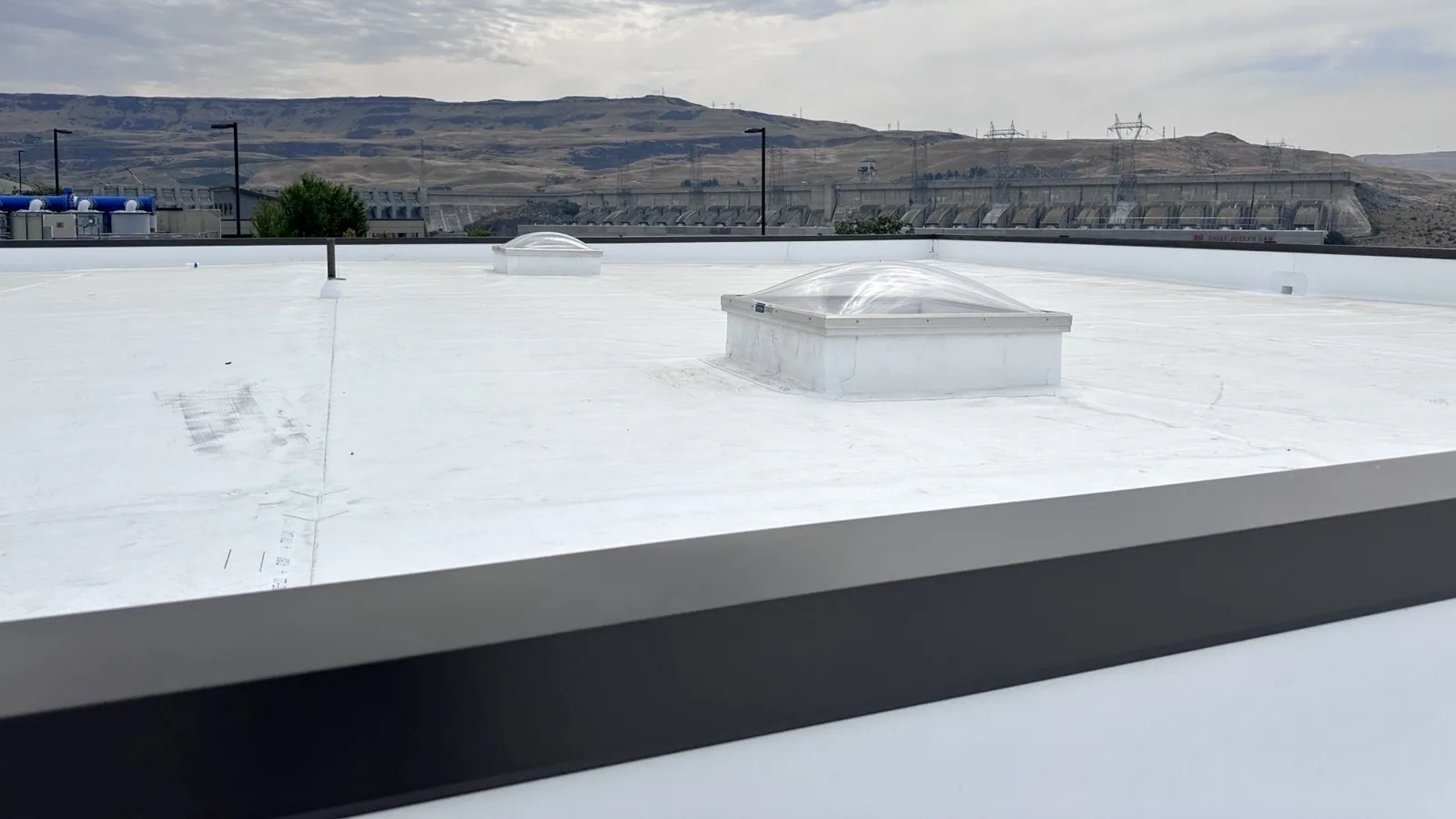
Medford averages 61 afternoons past 90 F and 11 past 100 F, with only around 18.4 inches of annual precipitation. That mix favors coatings that cope with sustained UV and heat more than with standing water. Acrylic coatings are reflective, easy to apply and economical, and they perform well on sloped or well-drained roofs. Silicone coatings tolerate ponding better, resist ultraviolet breakdown, and stay flexible in cold snaps, which suits low spots that hold water after a rare storm.
Adhesion decides everything. Silicone does not bond to a surface that has residue from earlier acrylic work or oily dust, so we test the existing surface with a small patch before committing. Where a roof has seen aged acrylic coatings applied repeatedly, thickness has to be checked, because layer upon layer adds weight and can trap moisture. The chosen system is described to the owner by type, with the coverage rate and dry-film thickness recorded on the job sheet.
Preparation, repair and application
Most of the labor is not the coating at all. The roof is power washed to remove soot, ash and chalked material, which matters in a valley that logged 26 smoke days in 2021. Failed seams are reinforced with fabric and mastic, flashings are re-detailed, fasteners are reseated, and every penetration receives a seal. Low spots are noted and, where practical, built up so they stop ponding.
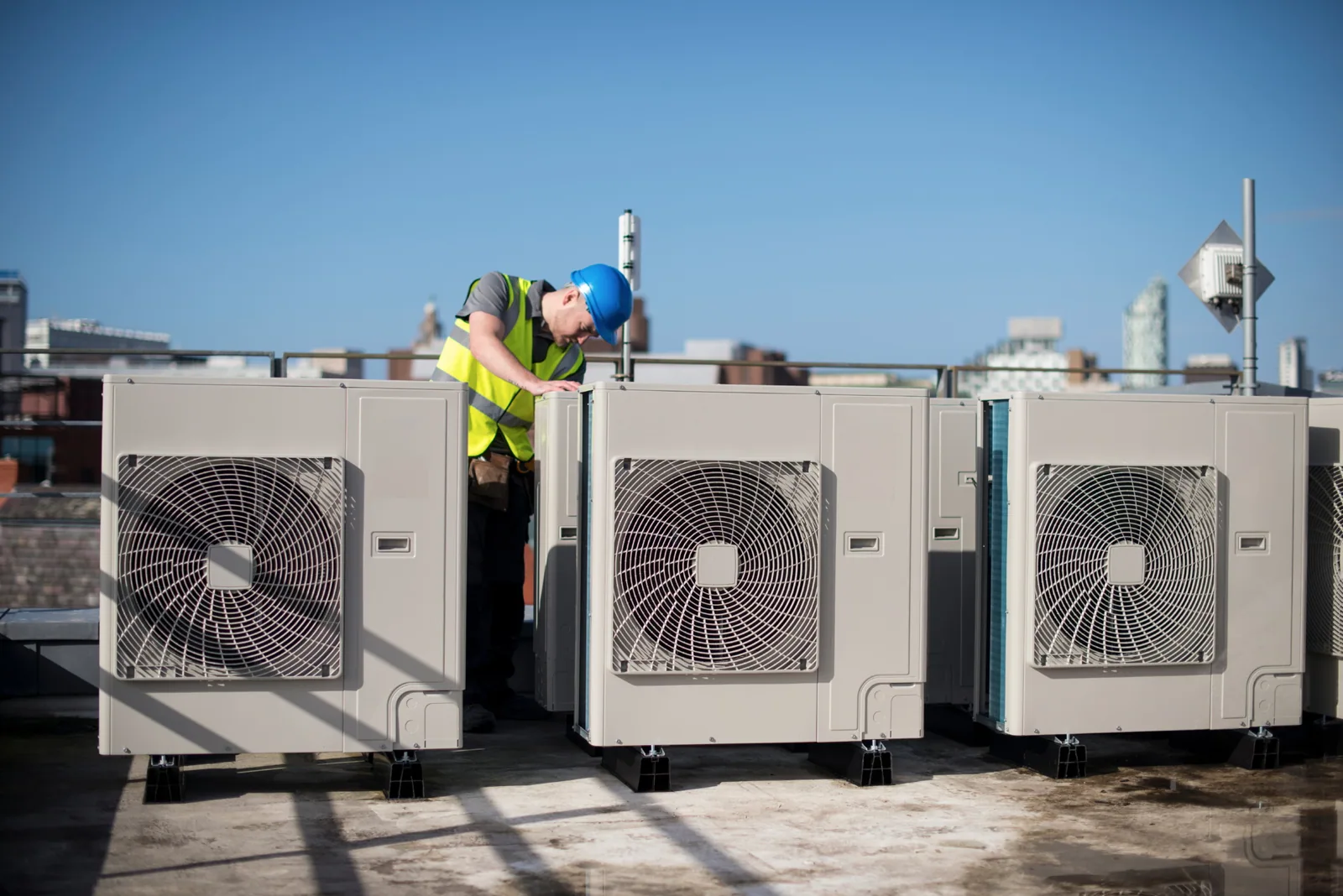
Application follows a weather window. The spring work window is the best: mornings stay cool enough for curing, afternoons stay dry, and the roof is not yet radiating summer heat. A coating laid on a surface hot enough to flash dry will blister, so the crew starts early and stops early during July and August. Each coat is measured wet, left to cure, and inspected before the next goes down. Rooftop equipment stays operating throughout, and exhaust is coordinated with the building engineer so fumes do not reach air intakes.
Where restoration earns its keep in the valley
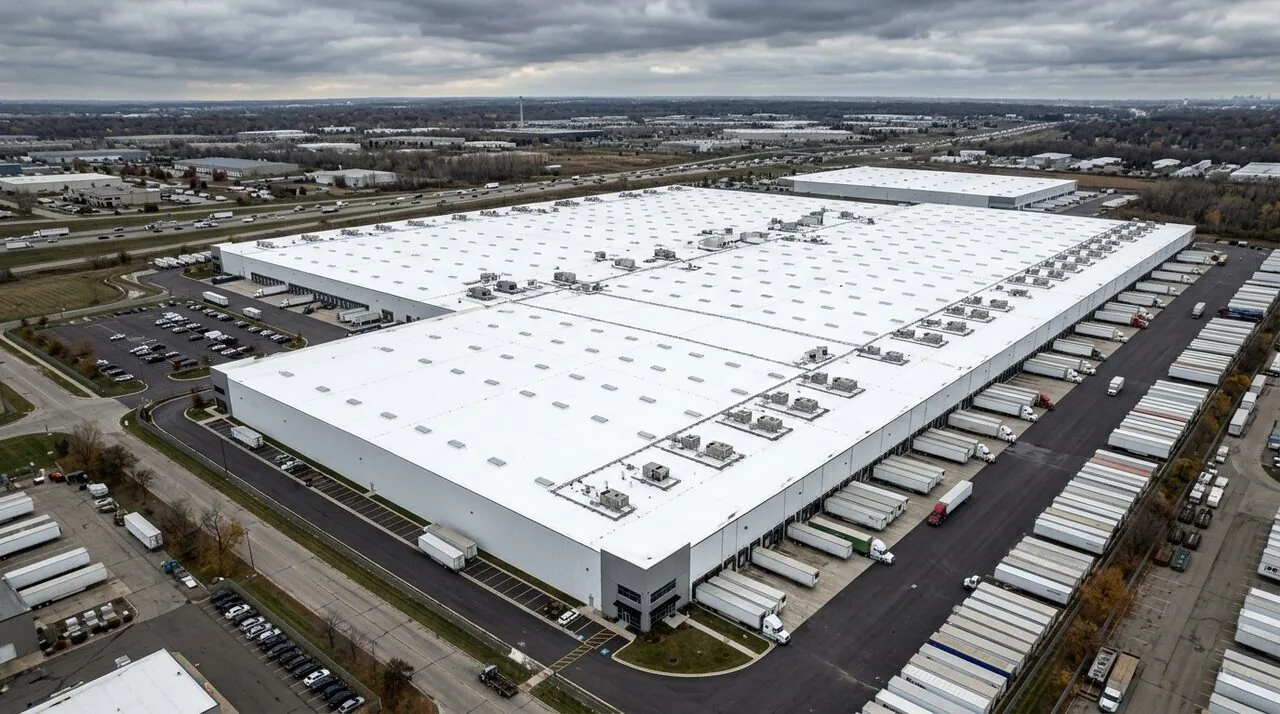
Large, simple, low-slope roofs gain the most. Distribution and light-industrial buildings, the type found along Table Rock Road, in Phoenix Industrial Park and in the White City industrial area, tend to have wide membrane fields with few penetrations, which keeps preparation costs low and coverage consistent. Retail space in the North Riverside corridor can carry a shared roof across several tenants, so restoration cuts the number of separate repair calls.
Listed historic properties in Ashland and the older blocks of downtown Medford sometimes face limits on what can be seen from the street, and a coating is often the least intrusive way to extend life. Where a tenant sells food, handles medicine or runs a clean production floor, the choice of coating and the timing of application are agreed in writing beforehand, so odor, drift and access are never a surprise to the operator.
Insurance and lender questions follow the roof, too. A restored surface with a recorded thickness and a dated inspection reads as a managed asset, which helps when a building is refinanced or when a carrier asks what has been done to extend its life after a smoke or ember event. A roof close to Oregon Route 62 or Interstate 5 may collect traffic dust and exhaust film, and is washed more often to keep that reflective benefit measurable.
Cost drivers and the reserve schedule
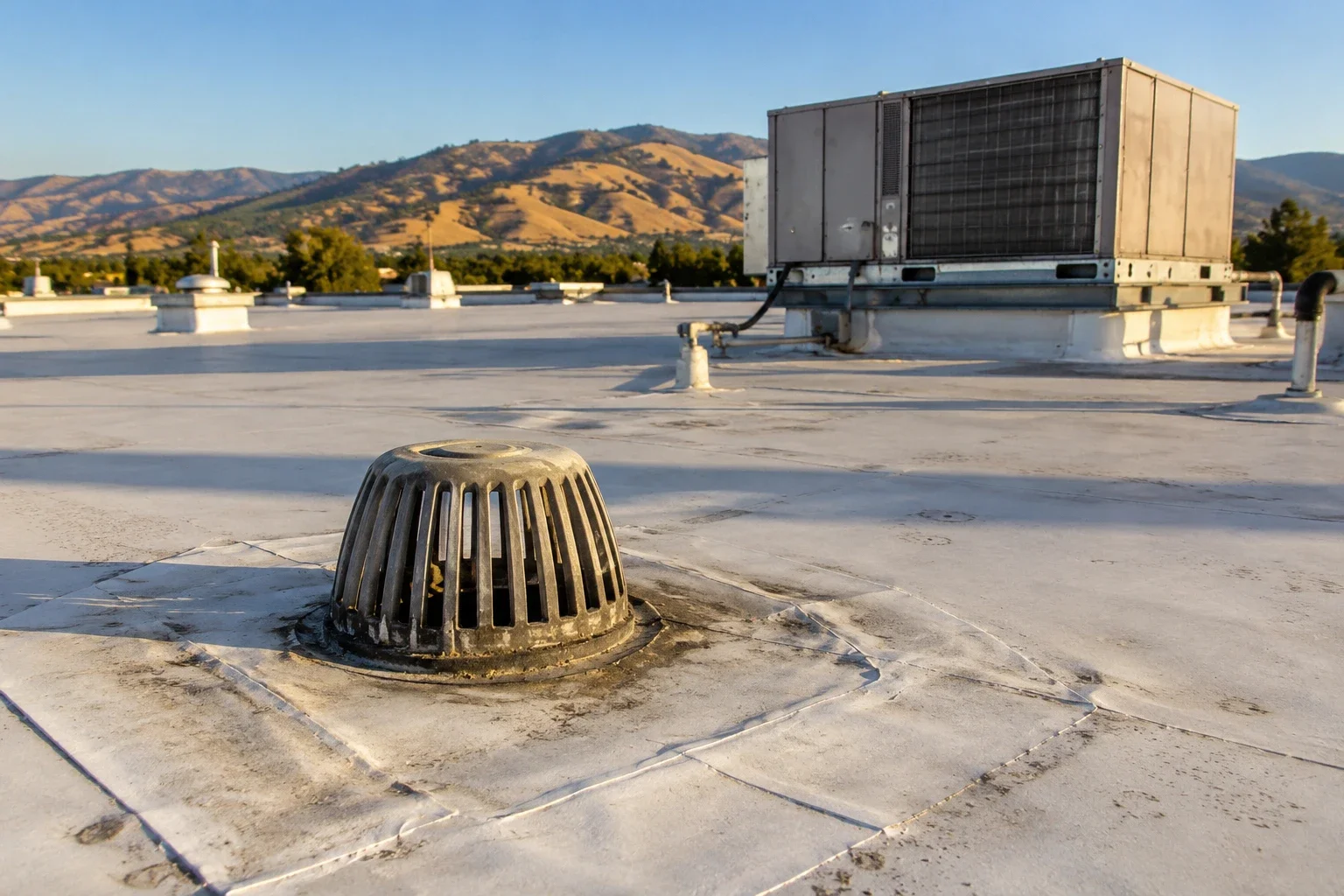
The price of a restoration moves with surface preparation, the number of penetrations, the thickness specified, and how much repair the roof needs before it can be coated. Square footage matters, but the condition of the starting surface matters more. A roof with clean, intact seams coats quickly; one with failing laps needs detailed repair first and costs more per square foot.
Against replacement, a coating usually carries a lower first cost and avoids disposal of the old membrane, with less disruption to tenants. The tradeoff is that the roof underneath keeps aging, so the owner should treat the result as a deferral with a defined end rather than a permanent fix. The coating adds a documented number of years to remaining service life, and the roof register notes when it should be inspected and, if needed, recoated. That keeps the next capital year predictable, which is what the lender and the asset manager are really asking about.
Warranty paperwork deserves a look before work begins. Some existing manufacturer warranties limit what may be applied over the original sheet, and a coating system carries its own terms, so we sort out which document governs before the first drum is opened.
Send roof ages and past leak tickets
Related Roofing Pages

Questions About Roof Coating and Restoration
Can a coating stop an active leak?
A coating seals pinholes and hairline cracks across the field, but a defined leak at a flashing or seam is repaired in the detail first. The coating then protects the repair along with everything else.
How long does a restoration take to cure?
Acrylic and silicone both skin over within hours and reach full cure over a few days. Rain forecasts are watched closely, which is why the dry spring and early fall windows carry most of the schedule.
Will the roof still reflect after a smoke season?
Soot dulls any bright surface, including a new coating. A wash after smoke season restores much of the reflectance, and the maintenance visit schedules that rinse so the benefit does not fade unnoticed.
Is a coating worth it on a roof already close to replacement?
Only when the substrate is dry and the owner wants a few more years at a low carrying cost. If the survey shows saturated insulation across most of the field, replacement is the better spend.
How does a restored roof get tracked afterward?
Through a yearly entry in the roof register under our maintenance visits, noting thickness checks, ponding spots and soot loading, so the next recoat is planned rather than discovered.