
Grocery Store Roofing in Medford, OR
Grocery store roof grading and replacement in Medford, OR, where refrigeration heat, summer sun and smoke soot shorten service life.

Overview
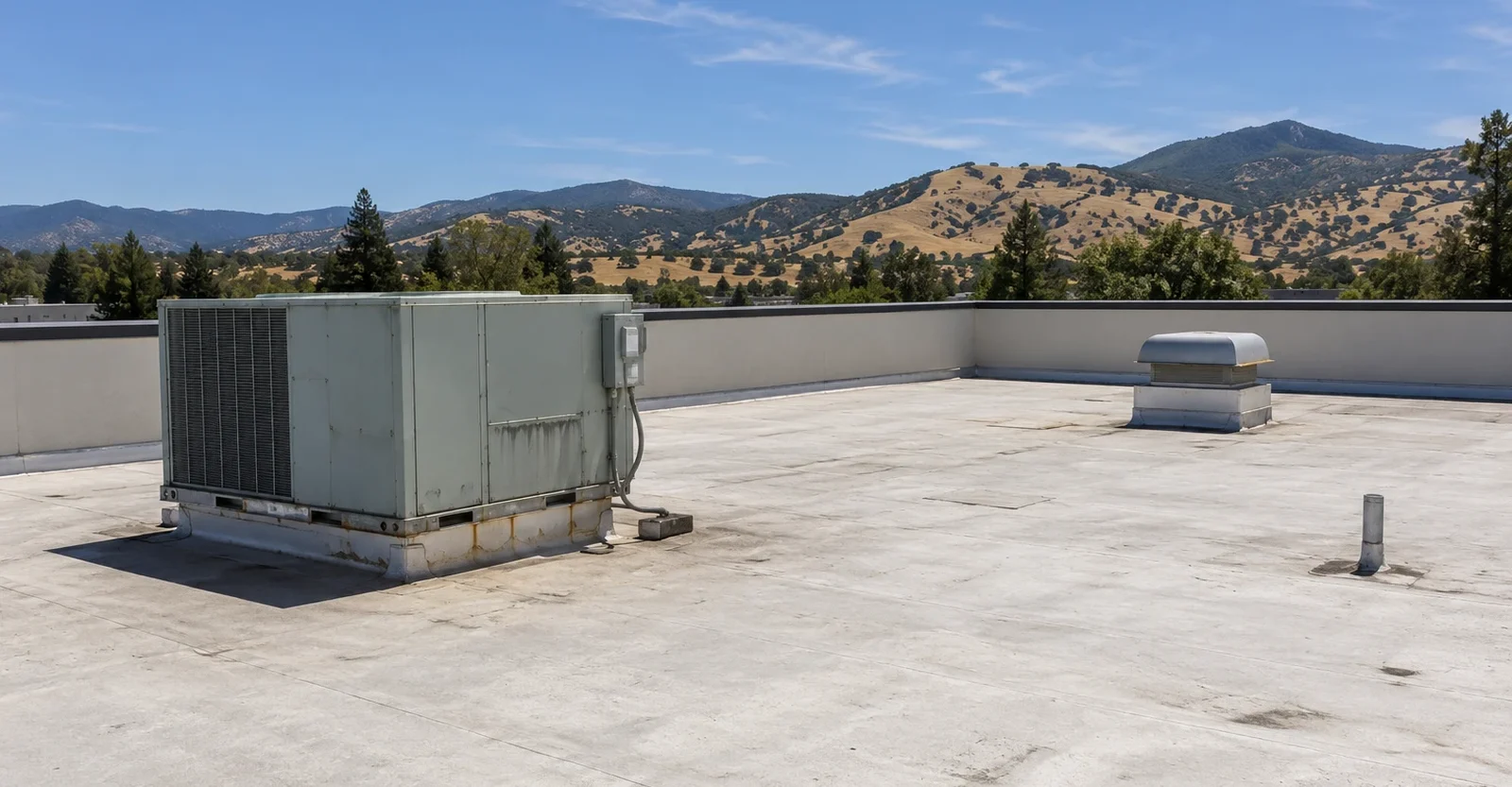
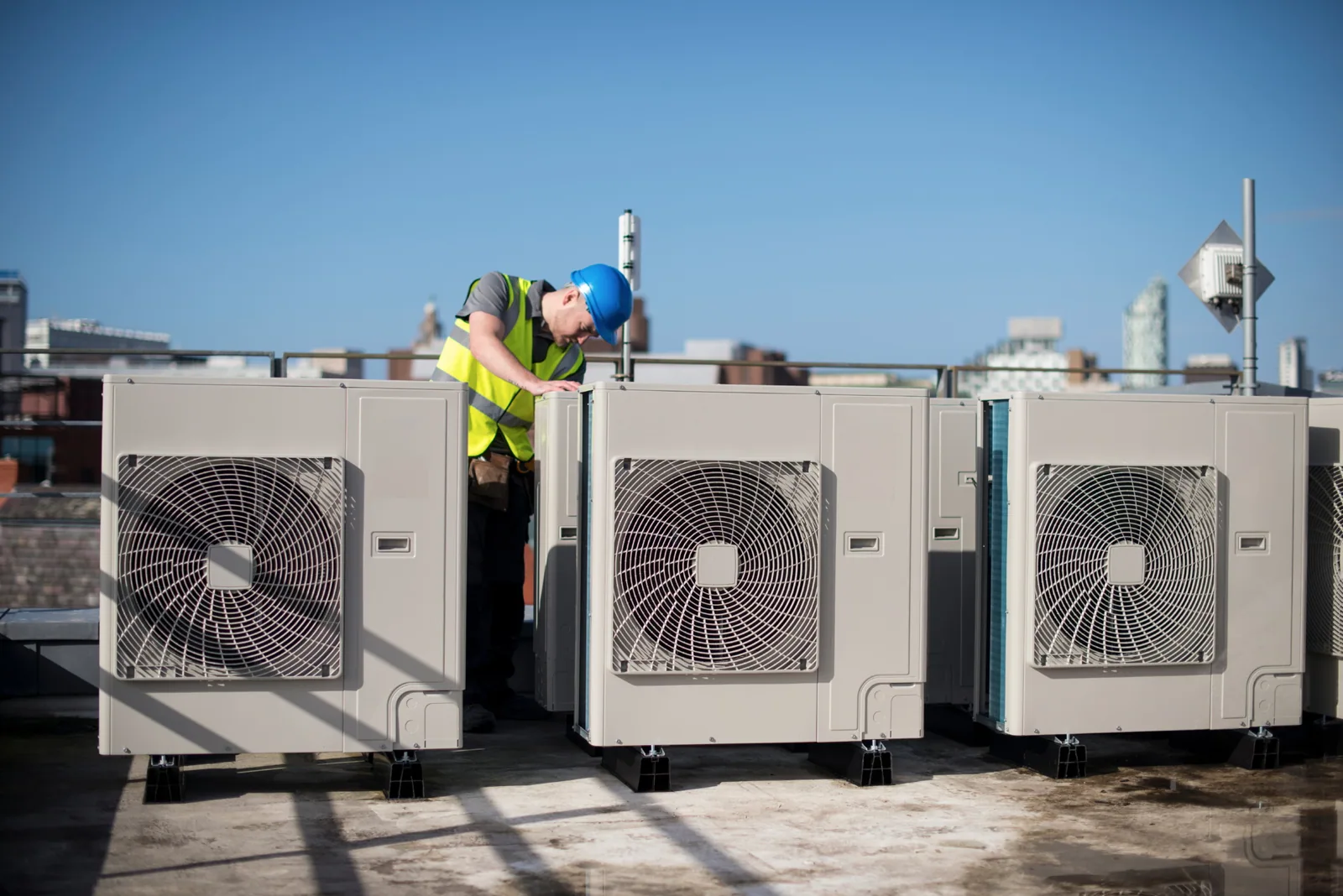
Refrigeration puts a second heat source on a grocery roof, and in Medford, OR the sun supplies the first. In a normal year 61 afternoons pass 90 F and 11 pass 100 F, and the condensers and compressor racks on a store roof reject heat into the same air that is already scorching the membrane around them. Reflectance loss, seam stiffness and sealant chalking all come sooner near that equipment, and the reserve schedule line that moves is remaining service life.
A grocery operator cannot lose product to a leak, so the roof plan starts with what sits under each section and works up. We grade every roof zone by its condition and its exposure, estimate its remaining life and propose actions in an order that protects the cooler, the produce department and the bakery first. The owner report ties each action to a cost range and a date.
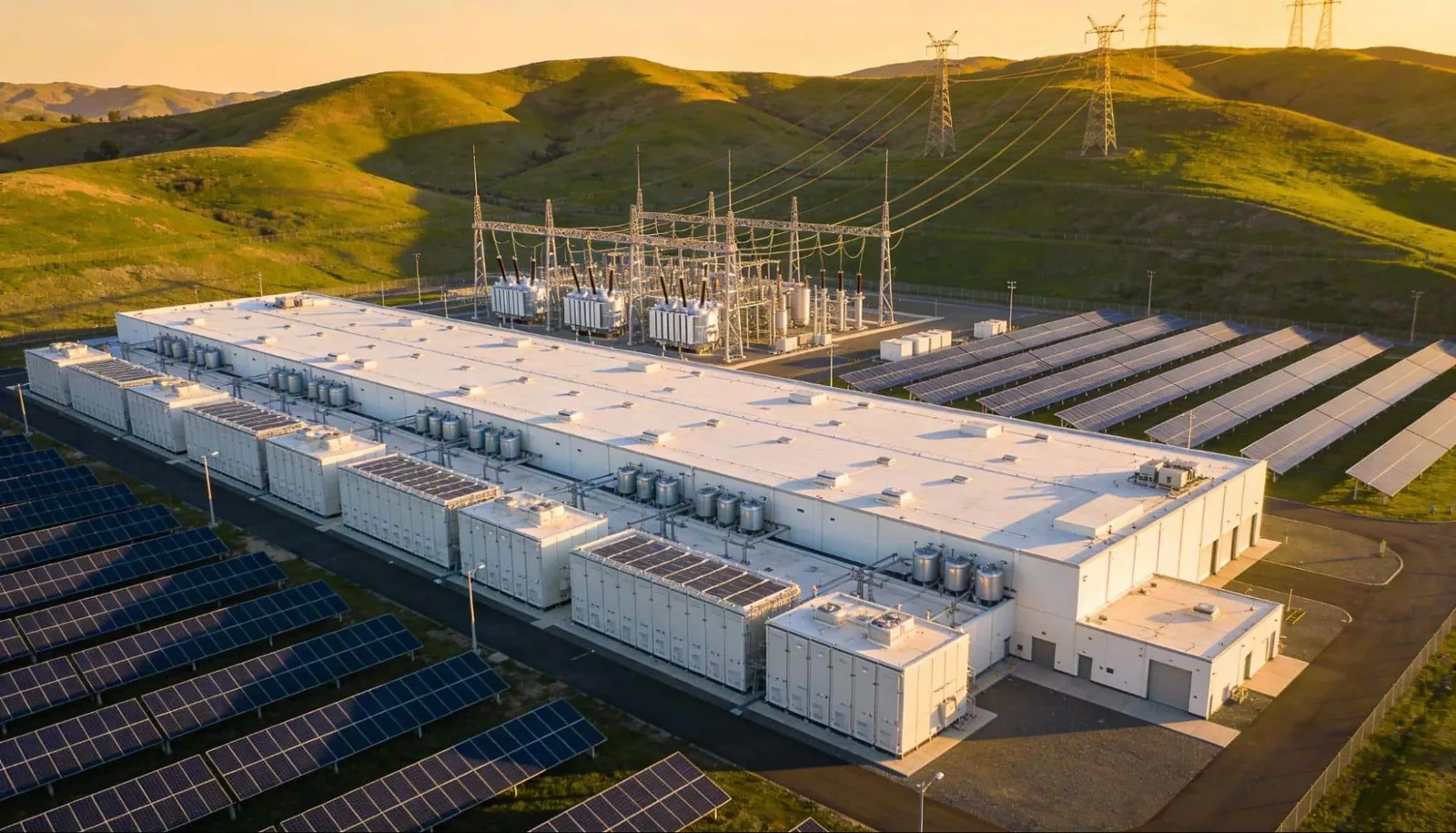
Condenser heat, summer sun and a roof that rarely gets rinsed
A valley that receives only about 18.4 inches of precipitation a year does not wash its roofs. Dust, pollen and soot sit on the membrane, and the area around a condenser deck collects drip, grease film and heat from the fans. A reflective membrane there dims faster than the field, and the dimmer it gets the more load the refrigeration system carries. The effect is gradual and shows first as an energy bill that creeps and a roof that begins to chalk.
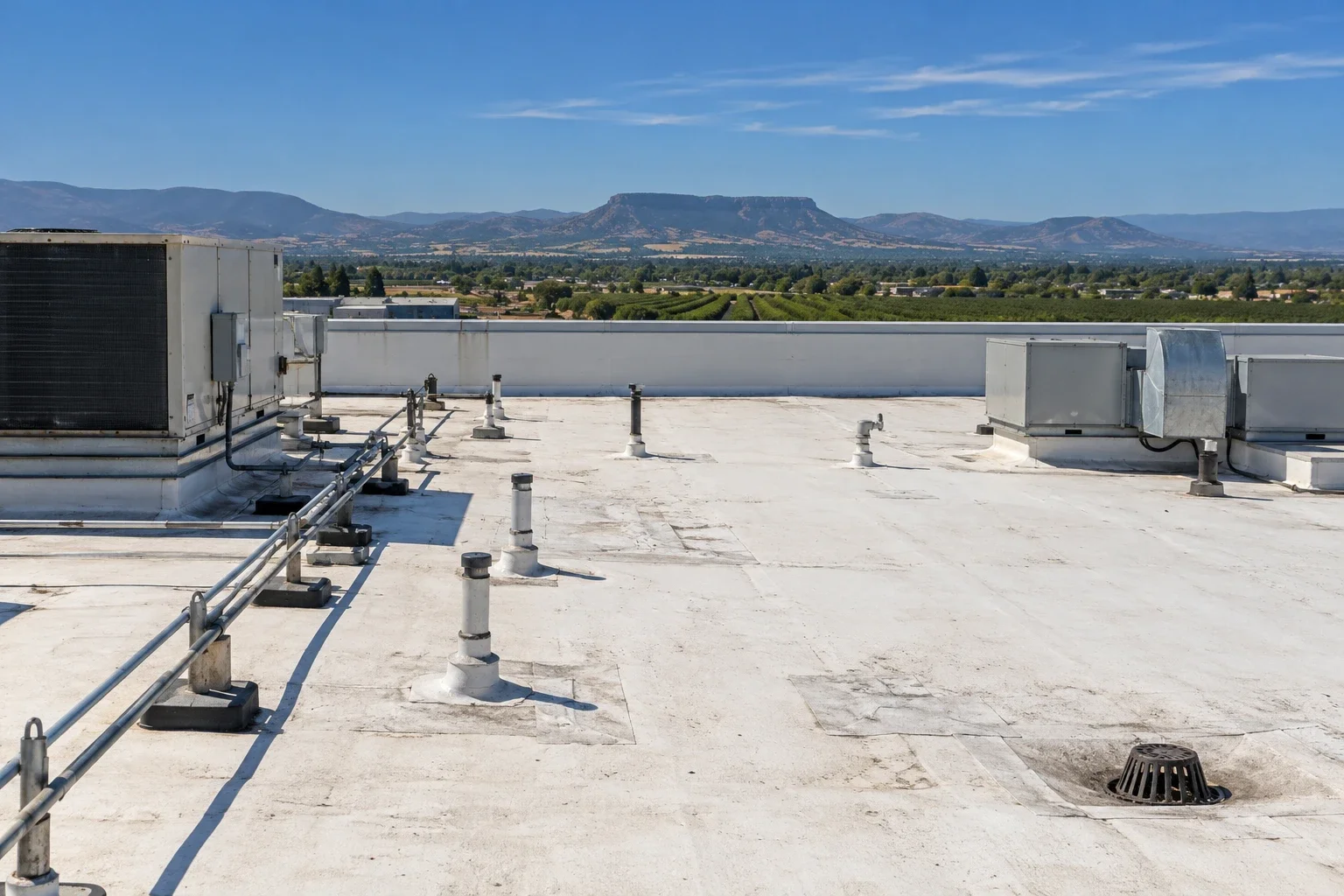
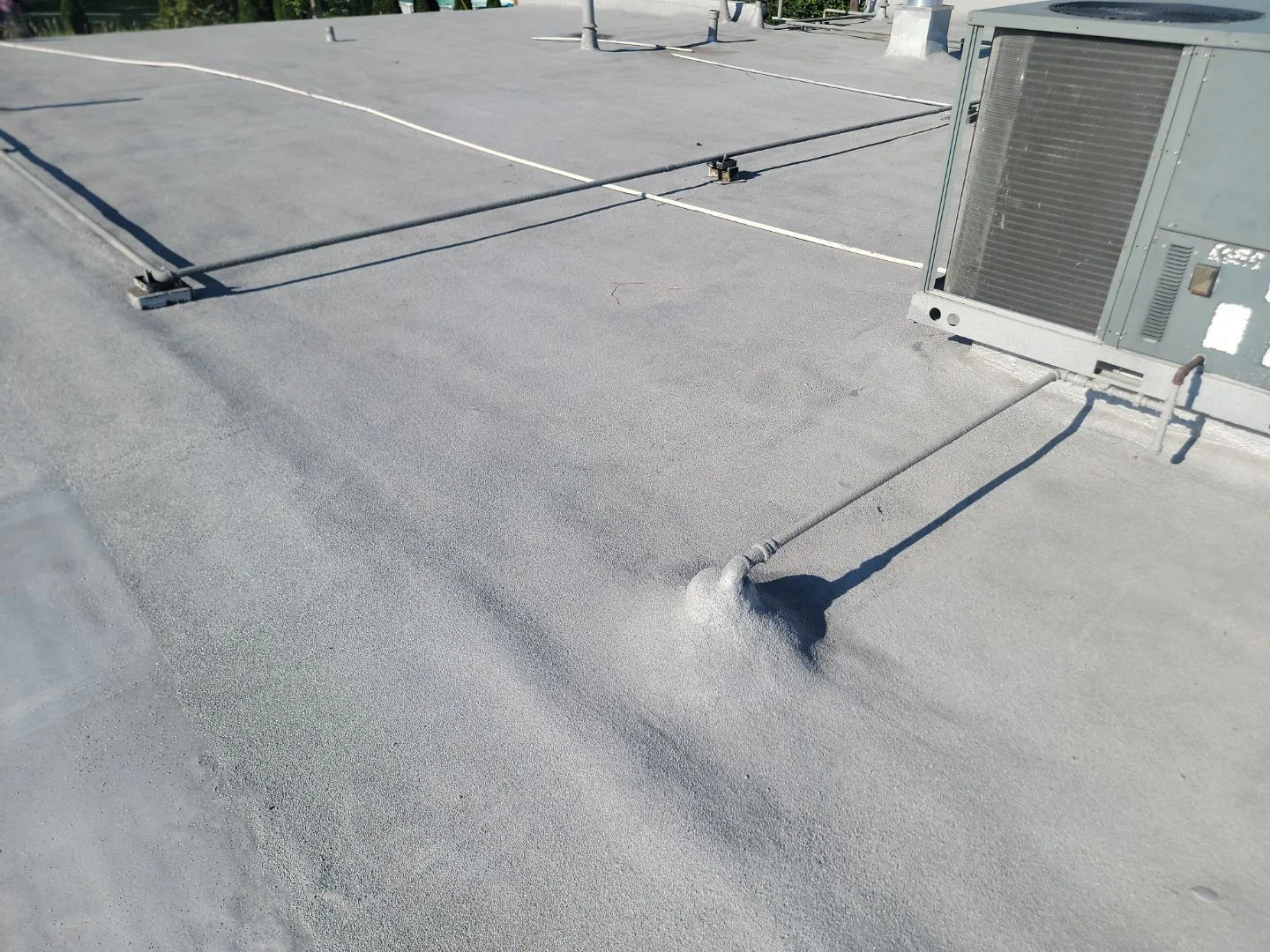
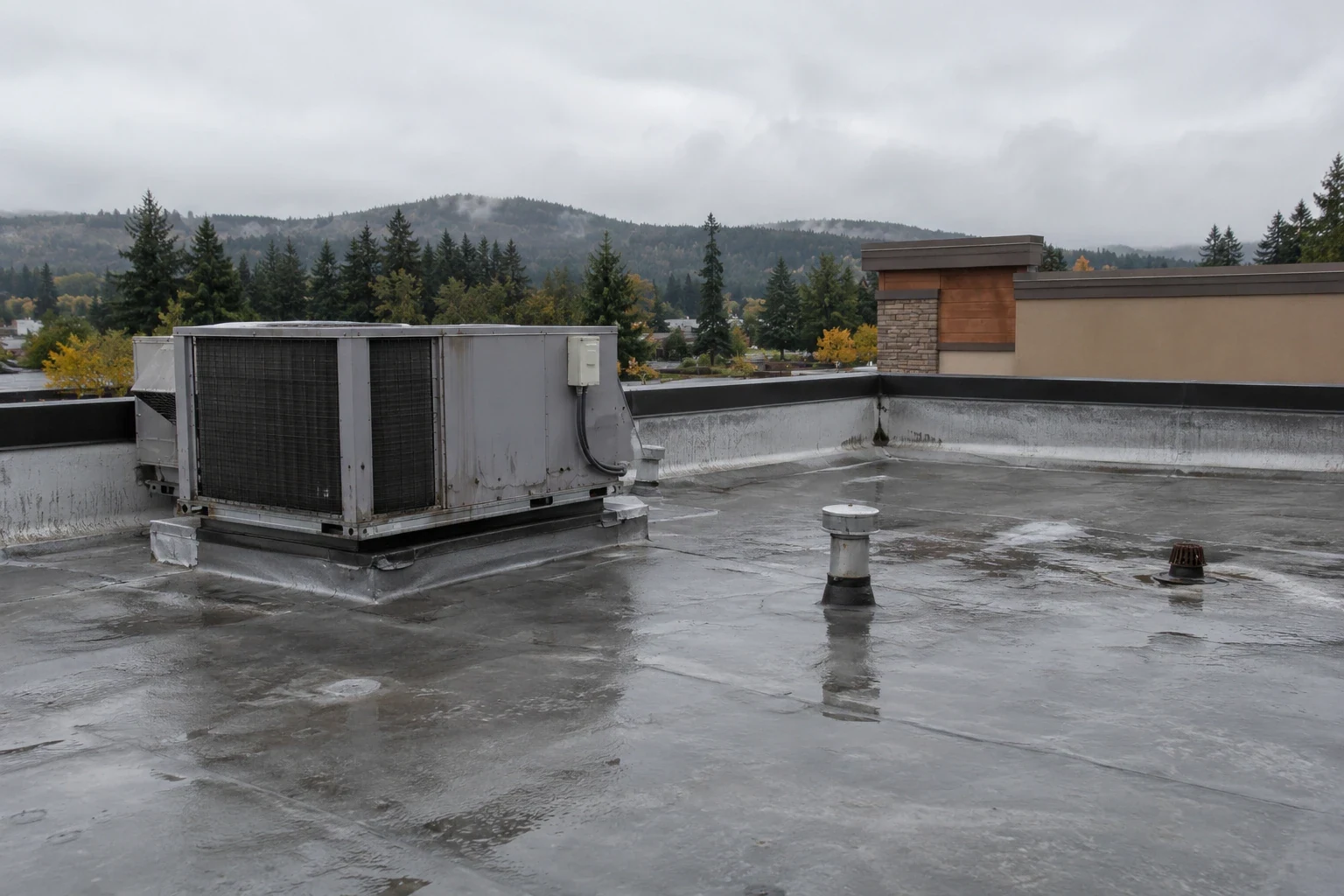
The details around the units age with the heat. Pipe boots harden, curb flashings pull away, and walkway pads wear through to the sheet. Recording those details unit by unit gives the owner a map of where leak risk collects and tells the maintenance crew which curbs to visit each spring. Refrigerant lines add their own count: each line that crosses the membrane is a boot, and each boot has a grade. A store with a dozen lines on one deck has a dozen small decisions, and the register lists them so none depends on someone's memory.
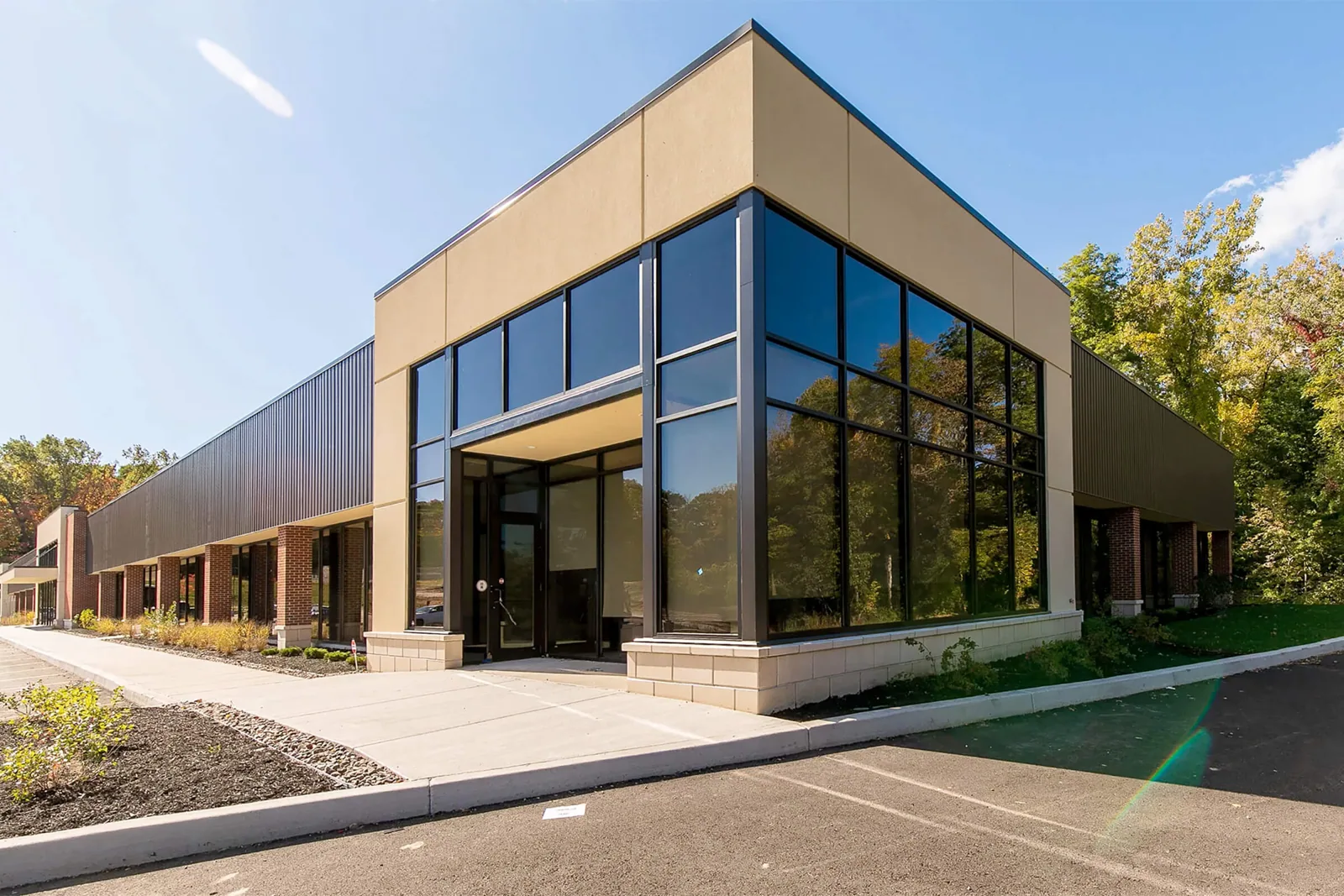
Zone grades, remaining life and the product underneath
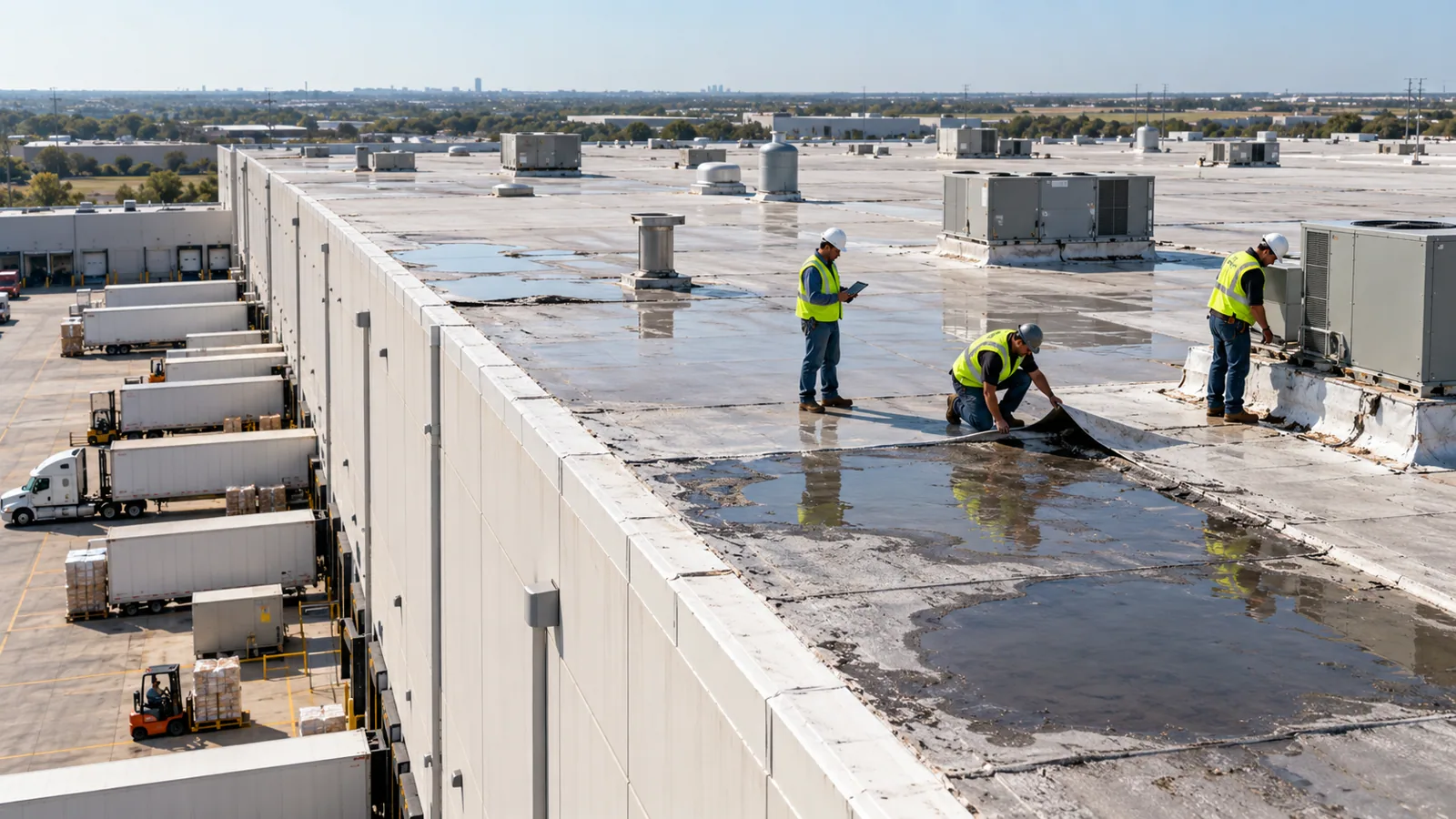
We divide a store roof into zones that match the floor: the sales floor, the refrigerated back of house, the receiving dock, the bakery or deli and the condenser deck. Each zone receives a grade for membrane, seams, flashings and drains, and an infrared scan reveals moisture trapped in the insulation. The remaining-life estimate is by zone, since a condenser deck may reach the end of its life years before the field.
The zones also set the priority. A weak spot over the produce department or the dairy cooler comes first, even if its grade is slightly better than a spot over dry storage. The report states the exposure beside the grade, and the repair order follows the exposure. A manager can read the order and see why the work starts where it does. If funds allow only one phase this year, the report marks which phase protects the most product per dollar, and which can wait until the next budget without raising the risk to the cooler.
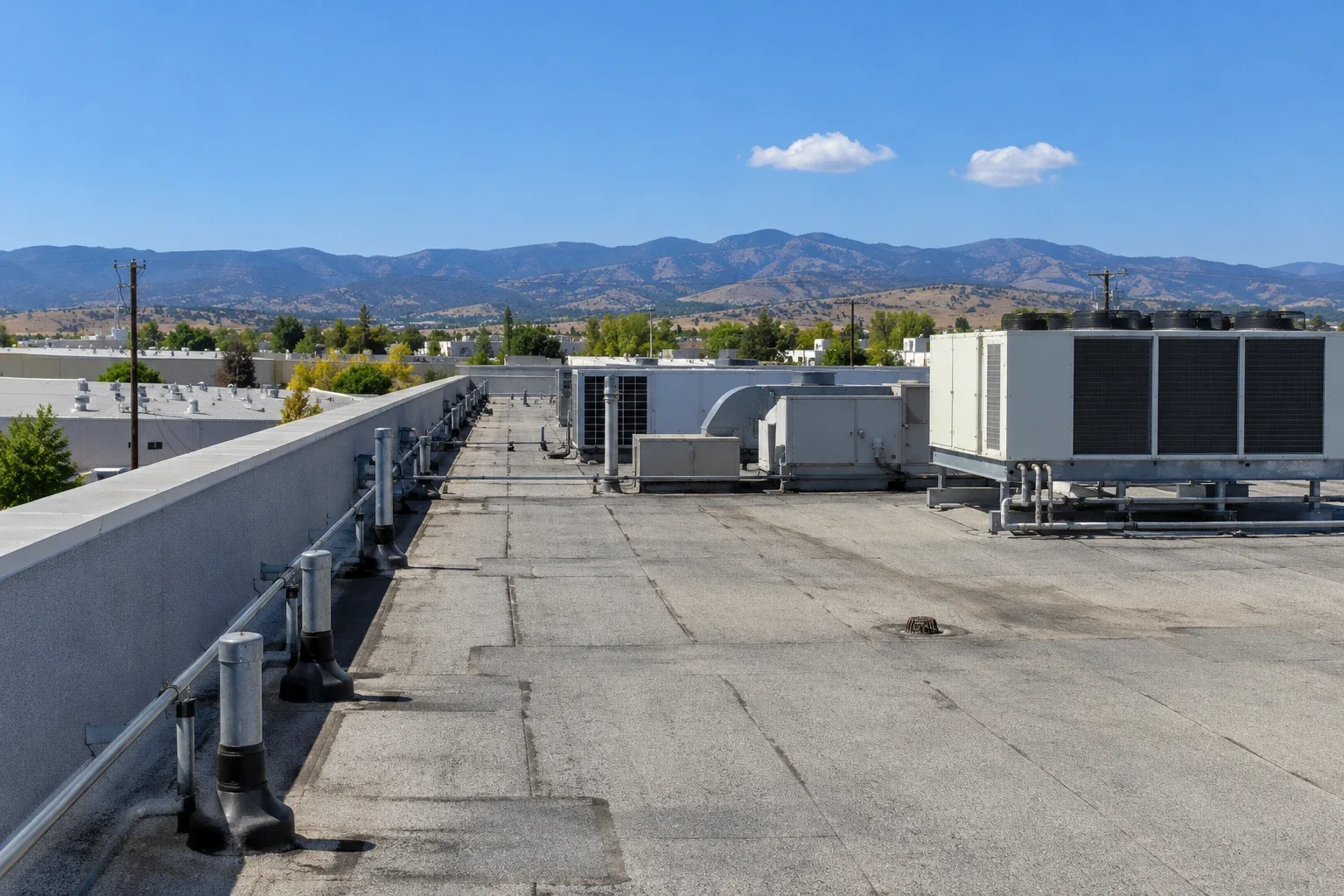
Reserve schedule, tenant improvements and equipment replacement
Grocery roofs are touched by equipment projects more often than other retail roofs. A rack replacement, a condenser upgrade or a new walk-in cooler means new penetrations, lifts and curbs. Timing the roof with the equipment saves money: replacing the roof once, with the new curbs designed in, costs less than replacing the roof and then cutting it open for a rack the next year.
The owner report lists planned equipment work beside the roof schedule so the two can be combined. Carrying cost, the sum of repairs, product loss risk and the premium on an emergency job, is the figure that makes the case. A store with a roof in fair condition and a rack replacement planned for next year should usually replace the roof section under the rack first, and the report shows that sequence. The opposite case is just as real: a roof near the end of its life with no equipment work planned should not wait for a rack replacement that is years away. The report gives both situations a date.
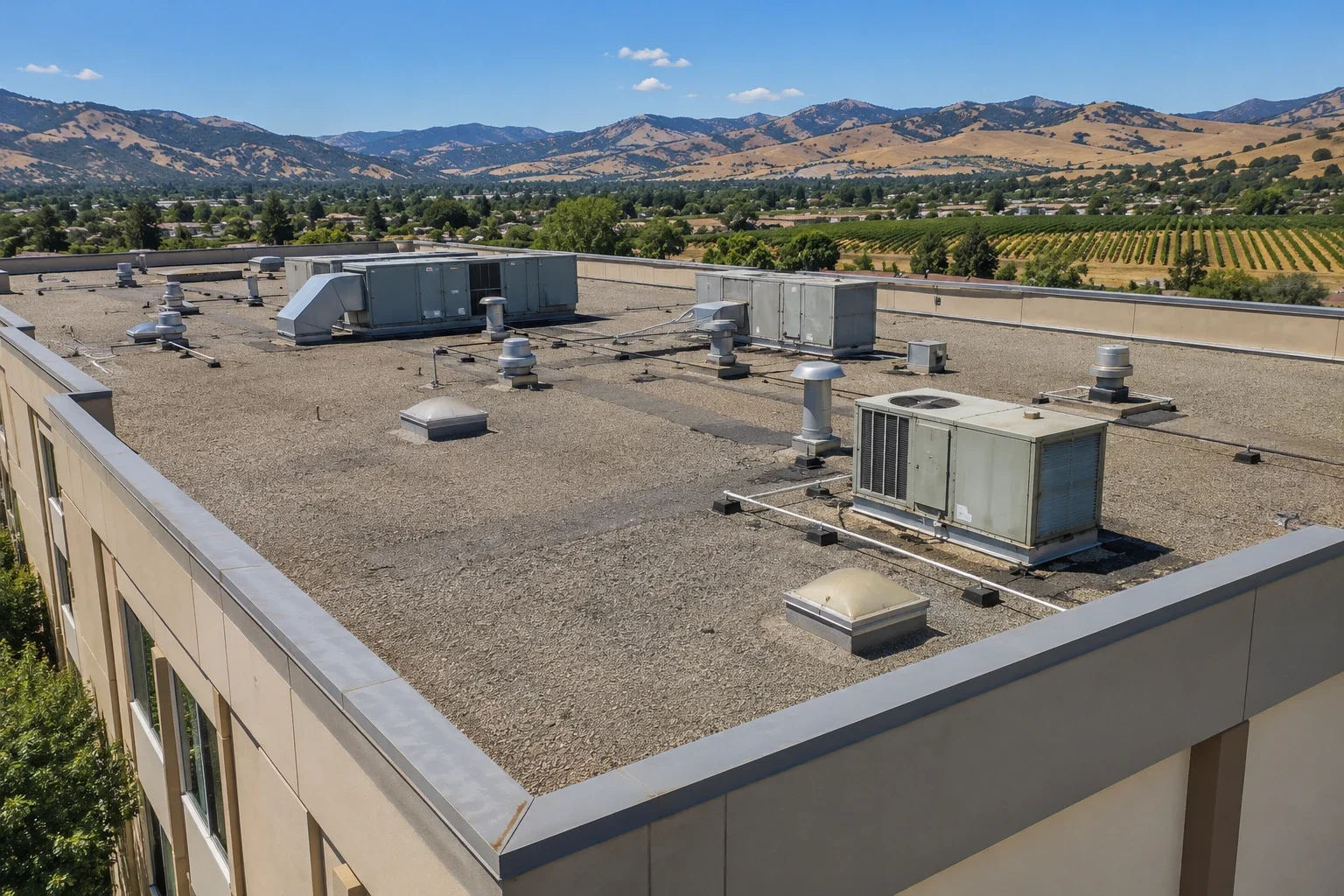
Food protection, odor control and open-store hours
Before any section opens, we ask what sits below it. Open produce, a bakery case, a deli line and a meat counter each need different protection, and the store manager knows which are most exposed. We agree on covers, dust control and a hold point after each phase. Fresh-air intakes get covered or shut by arrangement so roofing odors stay outside, and we choose cold-applied or mechanically attached systems near them.
Work hours follow the store. Early starts beat the heat and the customers. Deliveries are staged outside receiving peaks, and lifts are placed away from the dock. A store along Route 99 or near Interstate 5 sees steady traffic, and a flagger directs trucks through the lot. Every day ends with a dry-in, so the store opens the next morning under a closed roof. On a triple-digit afternoon we pause adhesive work in the worst heat and move to prep and detail work in the shade, because a seam welded in extreme heat is judged on a different standard than one welded on a mild morning. The schedule carries slack for those hours so the store does not pay for them with a longer project.
Smoke weeks, filters and ember exposure at the edges
Medford had 26 smoke days in 2021 on top of the roughly 2,600 homes the 2020 fires destroyed in Jackson County. A heavy smoke month leaves soot on the membrane and loads the filters on rooftop units. For a grocery store, the result is a harder-working cooling system and a dirtier roof, and both cost money. A post-smoke visit cleans the surface where it matters, changes filters and logs the work. Washing a reflective membrane after a heavy smoke month restores some of its reflectance, and the register records the result so the owner can see what the visit bought in lower cooling load.
Edges collect fuel. Leaf litter in gutters, parapet caps and vents can ignite in an ember event, and a clean before the season removes it. We record the fire rating of the covering for each store in the owner report, which lets a risk manager answer an insurer's question without a site visit.
The owner report and the roof register
Each store leaves with a roof register entry: zone grades, photos, curb and boot locations, drain map, warranty and next check date. A chain can build the entries into a multi-site roof program, and a single owner can fold them into a roof capital plan. Units on the roof are covered by rooftop equipment curbs and supports, and preventive roof maintenance keeps the register current. Neighboring formats include big-box retail roofing and restaurant roofing, and stores in Central Point follow the same plan.
Send the store list, equipment schedule and leak tickets

Related Roofing Pages

Questions About Grocery Store Roofing
Why does the condenser deck age faster?
Fan heat, drip and grease film add to the sun, so reflectance and sealants wear sooner there than in the field.
Can the roof be replaced with the refrigeration racks?
Yes, and it is cheaper to do both together. The new curbs are designed in once.
How do you keep odors out of the store?
By choosing cold-applied or mechanically attached systems near intakes and covering the inlets by arrangement.
What does a post-smoke visit include?
Cleaning the surface, changing rooftop unit filters and logging the work in the roof register.
Does the store stay open?
Yes. We work in zones, start early, protect product and dry in every day.