Multi-Site Roof Programs in Medford, OR
Multi-site roof programs for owners with buildings across Medford, OR and the Rogue Valley: one standard, one schedule and one owner report.
Overview
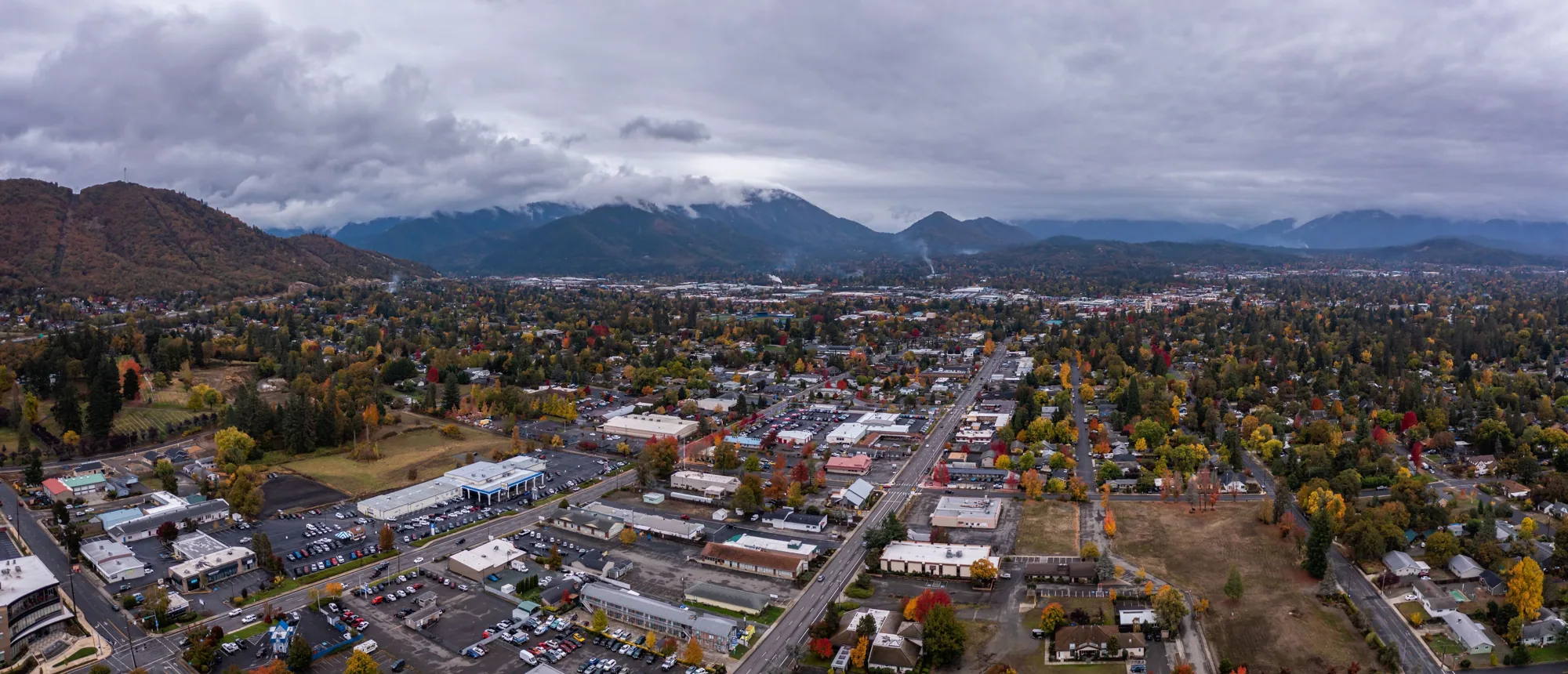
One standard across many buildings sounds easy until the buildings sit in Ashland, White City and Prospect, and the valley turns out to be several climates under one name. Medford, OR collects only 18.4 inches of precipitation and about 61 hot afternoons in a typical year, while Prospect, up Oregon Route 62, gets roughly 20.9 inches of snow and has seen minus 12 F. A program that treats those roofs identically will overspend on some and underserve others, and the owner report will not show why.
A multi-site roof program is a single arrangement for inspecting, maintaining, repairing and planning replacement across all of an owner's buildings. It uses one reporting format, one set of scope tiers, one visit calendar and one budget view, with local adjustments written into the register. The result is a program a property manager can run from a spreadsheet and an owner can read in a single page.

One Standard, Local Adjustments
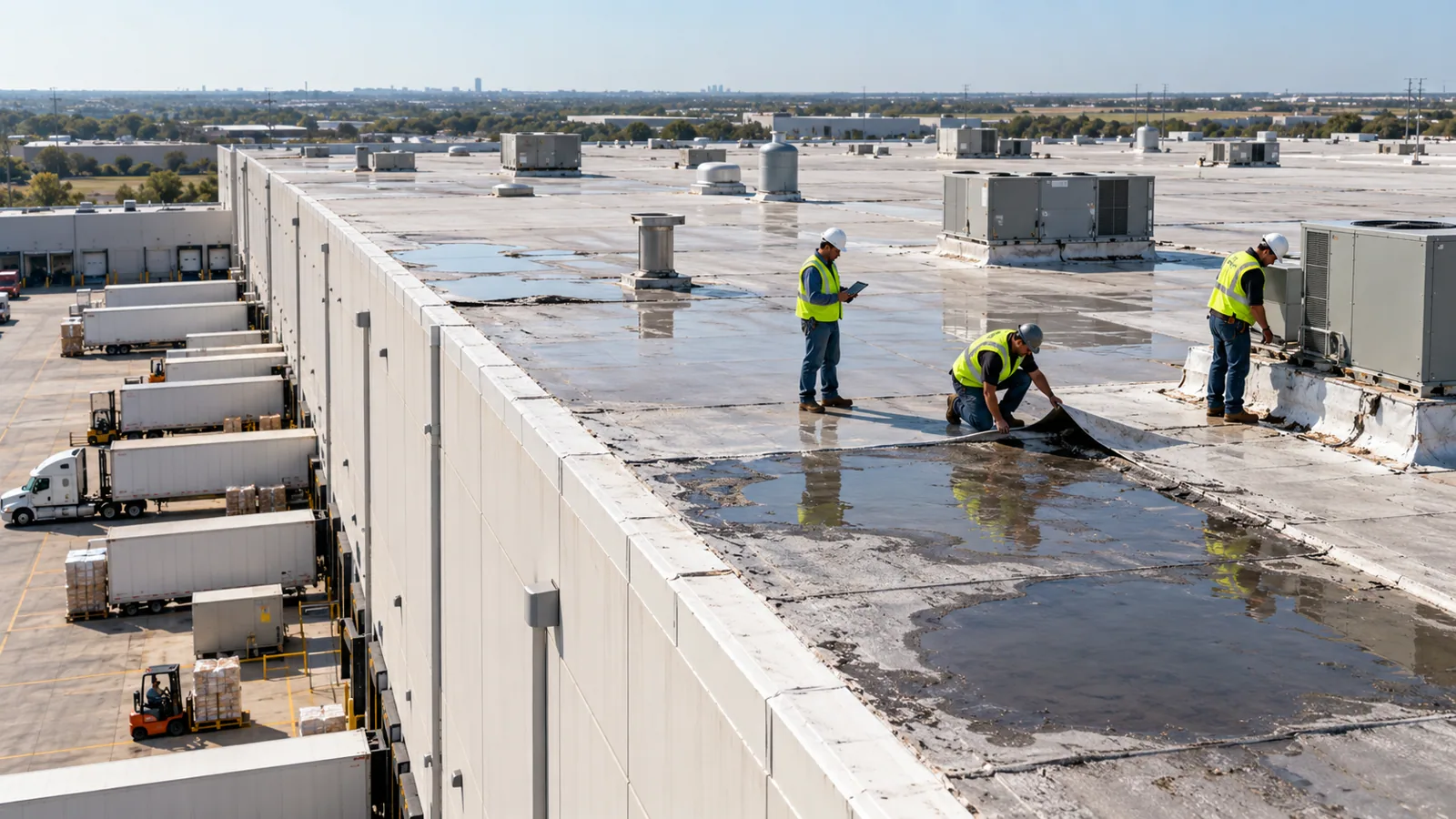
The standard defines what every visit covers: drains, seams, flashings, edges, penetrations, rooftop equipment and surface condition. It defines how findings are graded, how photographs are labeled and how repairs are recorded. Every building follows that template, so the owner can compare a retail strip in Eagle Point with a warehouse in the Phoenix Industrial Park without translating between formats.
Local adjustments come in where the climate or the building demands them. A valley-floor roof gets a heat-and-UV review each spring, with attention to reflectance and sealants. A foothill roof gets a snow-load and freeze-thaw review each fall. A building in an area touched by the 2020 fires gets an ember-exposure check on edges and penetrations. The standard stays fixed. The checklist beneath it flexes.
Sequencing Visits Across the Valley
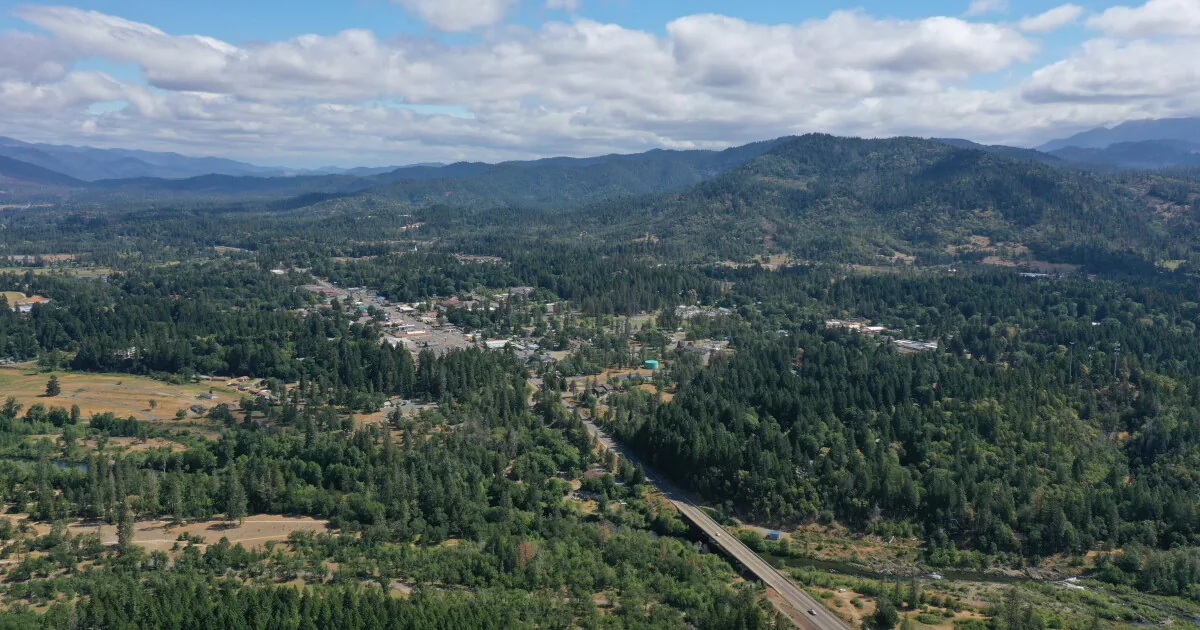
Geography decides the calendar. Medford, Central Point, White City and Phoenix cluster within a short drive on Interstate 5 and Oregon Routes 62 and 99, so those buildings can share a visit day. Ashland lies southeast of Medford on the same freeway. Eagle Point and Shady Cove lie up Route 62, and Grants Pass lies northwest on Interstate 5, with Jacksonville and the Applegate Valley to the west along Route 238. We group sites by route so that a crew spends the day on roofs, not on the road.
Seasonal sequencing matters as much as routing. Spring visits cover cleaning, sealant renewal and repairs before the first triple-digit week. Late-summer visits check what the heat did. Fall visits prepare roofs for wet weather and, on foothill sites, for snow. The calendar goes in the program documents, and the manager sees it a year ahead.

Reporting That Reads at One Glance
The program produces one owner report. Page one lists every building with its grade, its change since the last report, its remaining-service-life range and any open recommendations. The pages behind it hold per-building detail, photographs and cost drivers. A manager who needs to brief an owner can use page one alone. A manager who needs to prepare a budget uses the whole report.
Underneath the report sits a roof register that updates with each visit, so history accumulates. After two or three cycles, patterns appear: which buildings age fastest, which tenants generate the most leak tickets, which rooftop equipment contractors cause the most penetrations. The program turns those patterns into decisions about where maintenance dollars produce the most remaining life.
Scope Tiers by Building Type
Not every building needs the same attention. A program defines tiers. A critical tier covers buildings where a leak stops operations or endangers occupants: hospitals, clinics, data rooms and food facilities. A standard tier covers retail, office and light industrial. A basic tier covers low-risk structures such as self-storage buildings, where visits may be annual and scopes lighter.
Tiers keep cost proportional to consequence. At the critical end of the Rogue Valley sit Asante Rogue Regional Medical Center and Providence Medford Medical Center, which employ more than 2,000 people between them. A roof over storage units, by contrast, can wait for a scheduled visit. Each tier has its own visit frequency, response expectation and reporting depth, and the owner can move a building between tiers as use changes.

Budgeting Across Buildings
The program feeds a combined capital plan. Instead of ten separate decisions made when ten leaks appear, the owner sees a staggered schedule: which roofs are repaired this year, which are coated next year, which are replaced after that. Spreading replacements across years smooths the reserve and avoids the bad year when three roofs fail together.
Bundling also improves pricing. Material orders placed together, mobilization shared across nearby sites and a single set of specifications all reduce the carrying cost of management. We show the savings drivers openly, without promising a figure, and leave the owner to weigh them against the cost of keeping things as they are.
Programs grow as owners acquire property. Eagle Point, for example, grew 14.4 percent between 2010 and 2020 and counted 3,896 housing units, so owners adding sites in Eagle Point or elsewhere along Route 62 can fold them in with a baseline survey and a first-cycle grade. The standard stays the same, and the register gains another building.

Tenants, Operations and Access
Each building has its own operating rhythm. A restaurant has a lunch rush, a clinic has appointment hours, a distribution building has dock schedules, and a school has a calendar. The program records those rhythms in the register and uses them to set the hour and day of each visit. Access instructions, contacts and safety requirements go in the same record, so a crew arriving at a site does not need to call three people before climbing.
Property management firms running mixed holdings, from retail on the North Riverside corridor to industrial space in White City, get the most from this arrangement because it replaces a stream of ad hoc calls with a plan. For property management companies, that plan is the difference between managing the roofs and reacting to them.

Smoke Season Protocol
Medford recorded 26 smoke days in 2021, and the program carries a protocol for them. After a heavy smoke stretch, crews check rooftop intake filters, clear soot from drains and sumps, and look at reflective surfaces for loading that raises surface temperature. Edge metal, curb ends and vent openings get an ember-exposure check before the next fire season starts, and the findings land in the same report as everything else.
Having the protocol written into the program means no manager has to remember to call. The trigger is a smoke event, the response is a visit, and the record goes into the register, where the next buyer or insurer can see it.

Related Roofing Pages



Questions About Multi-Site Roof Programs
How many buildings does a program need?
Two or more is enough to benefit from shared reporting. The advantage grows as buildings are added.
Can one building be dropped from the program?
Yes. When a building sells, its register entry and history go to the buyer's file, and the program continues without it.
Who handles emergency calls between visits?
Emergency response runs around the clock, all week, and the register tells the crew the access, contacts and roof type before arrival.
Do foothill sites cost more to visit?
Travel time adds to the line, and snow-season visits add a check for load and drainage. Both are listed in the scope.
What does the owner receive each cycle?
A one-page summary, building-by-building grades, photographs, recommendations and an updated schedule of actions.