
Roofing for School Districts in Medford, OR
Roof planning for school districts around Medford, OR: summer work windows, bond-cycle budgeting, smoke-day closures and campus-wide condition grading.
Overview
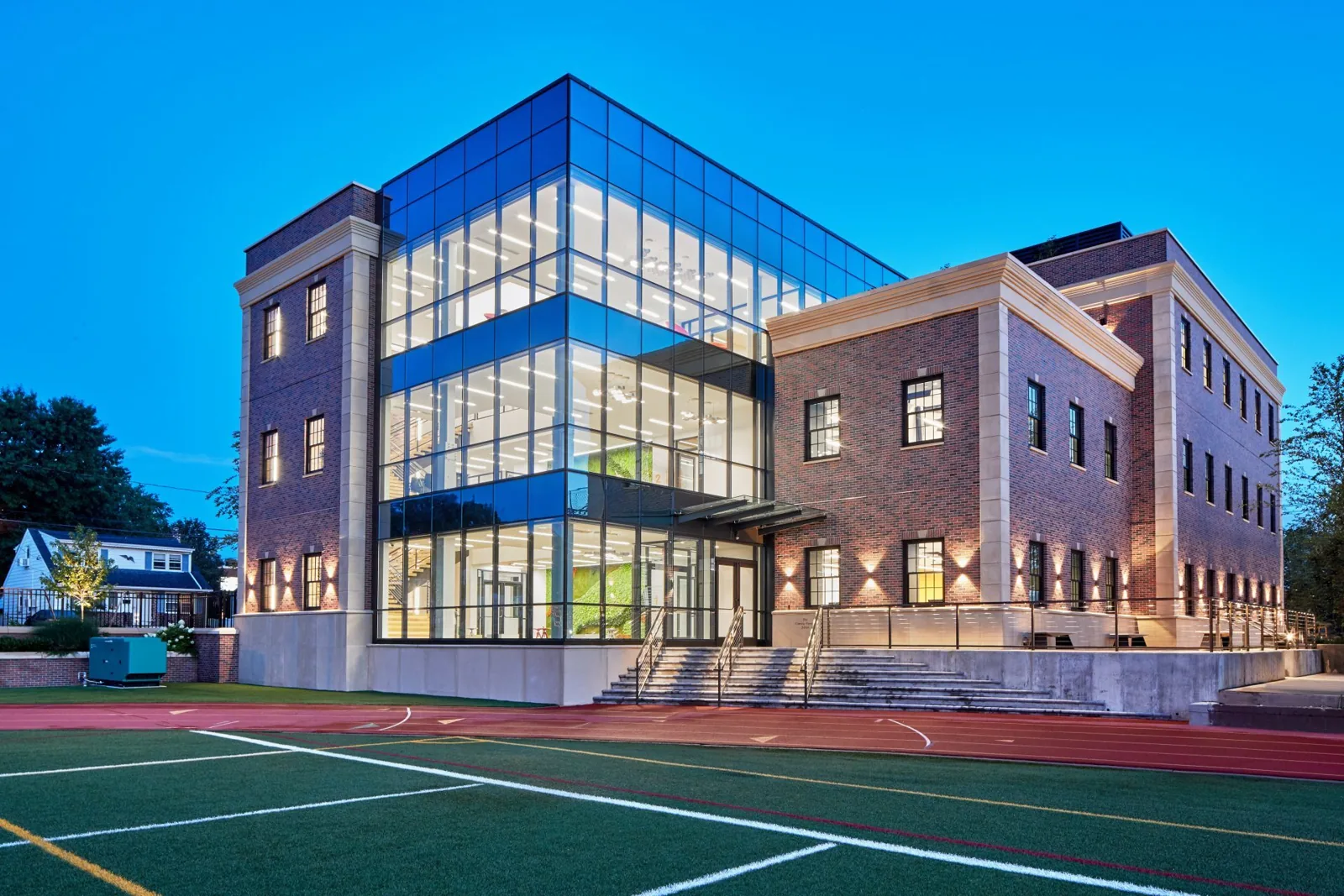
A school roof in the Rogue Valley has one reliable work window, and it is the summer break, which is also when the sun is at its hardest on a bare deck. Roofs in Medford, OR districts live through 61 afternoons reaching 90 F, 11 reaching 100 F a year, and the months when crews can work without children in the building are the same months when a membrane is hot enough to blister adhesives. That tension is the center of school roof planning: the calendar is short, the heat is intense and the budget is set a year or more before the first crew arrives.
Our work with districts starts with a condition grade for every roof on every campus, then fits repairs and replacements into the break periods and the bond or capital cycle, so that a district business office can tell the board which roofs come first and what each will cost.
Our school roofing work respects the rules that come with children on site: fenced staging areas, controlled access and a named supervisor at every active campus.
Many campuses, many ages of roof
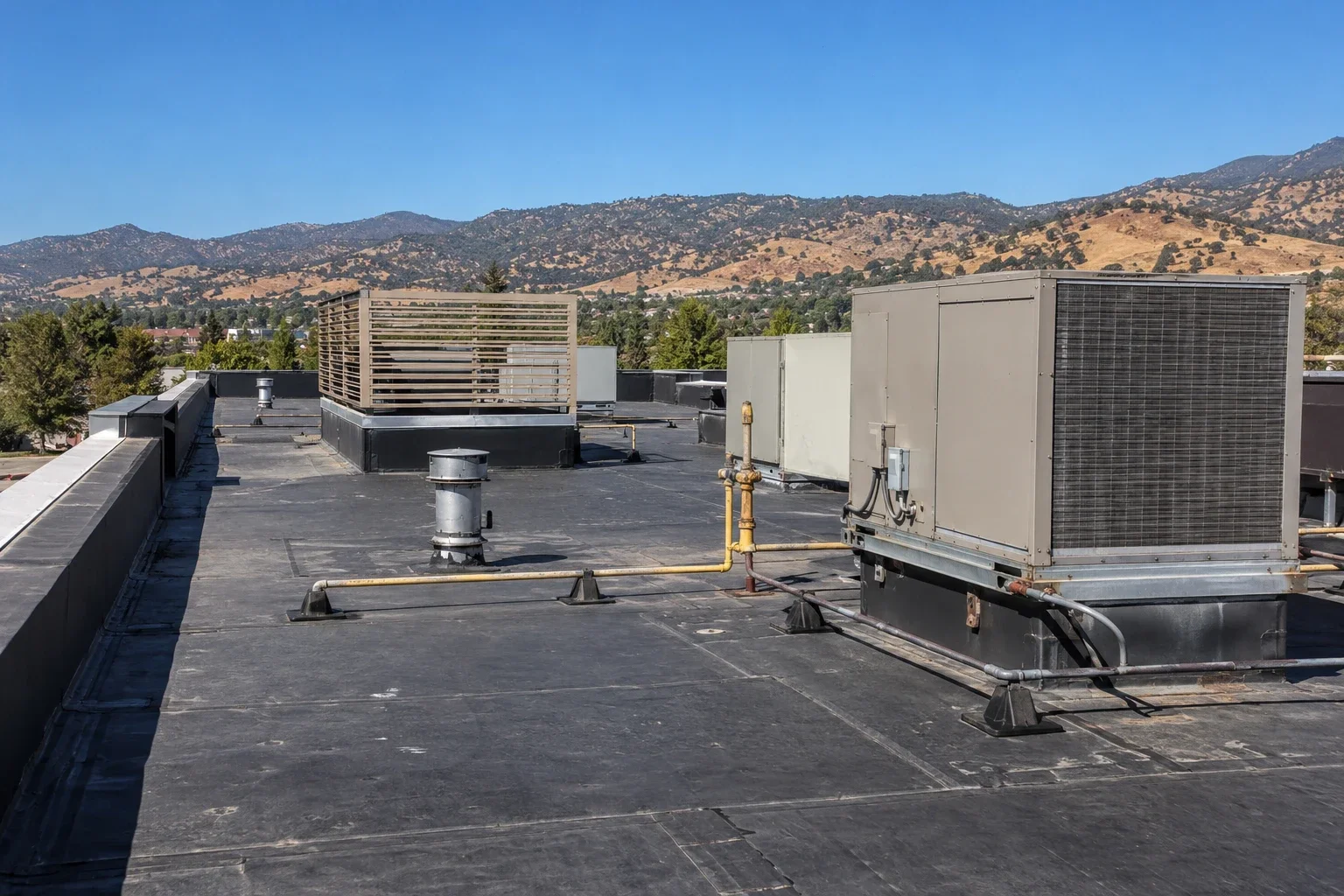
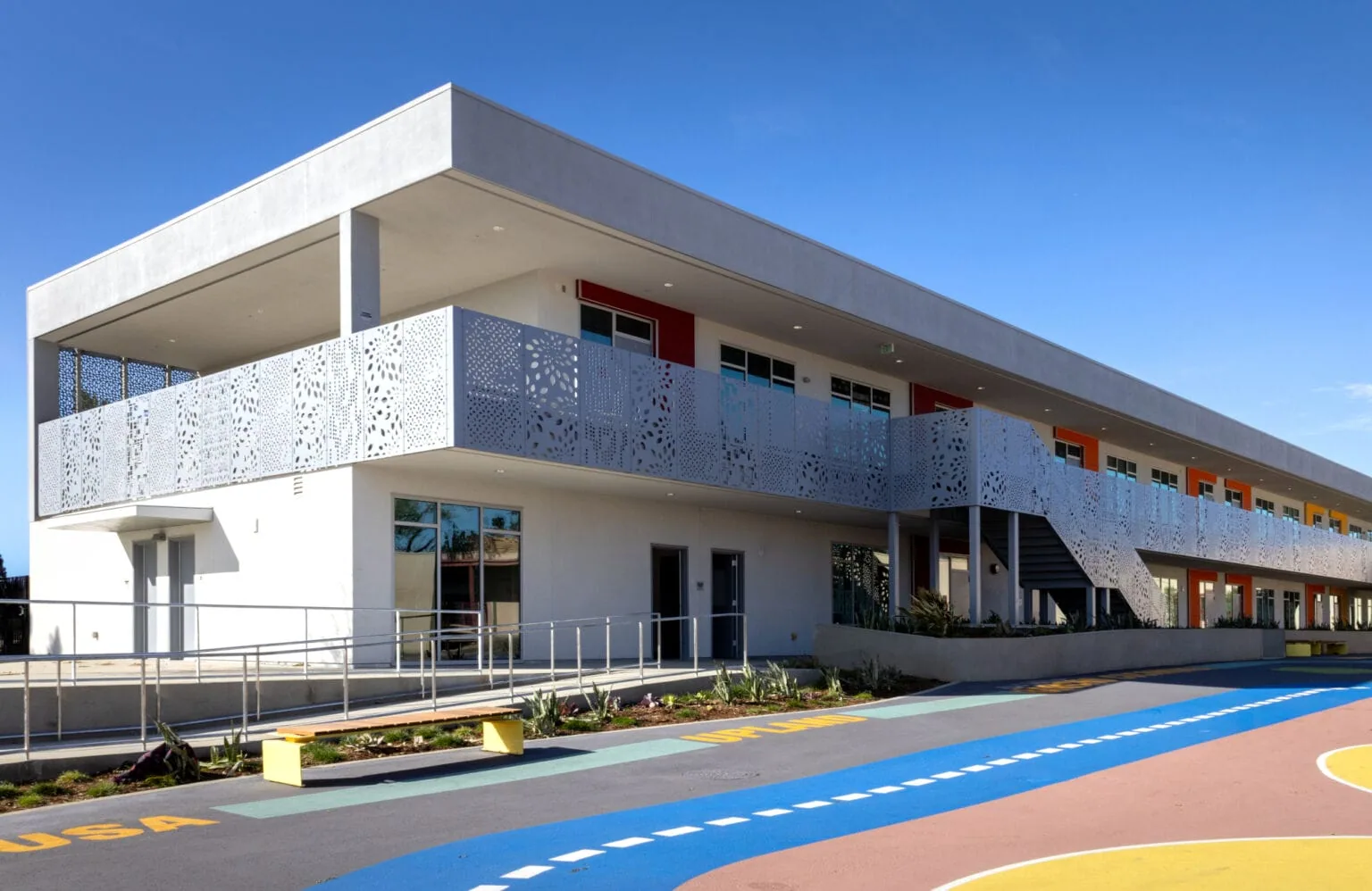
A district's roofs rarely match. Original buildings, later wings, gymnasiums, cafeterias, portable classrooms and maintenance shops each carry a roof of a different age and type. Districts across the region, from School District 6 in Central Point, one of that city's larger employers, to the Three Rivers School District based in Murphy, each hold their own mix of buildings across towns that vary in climate and elevation.
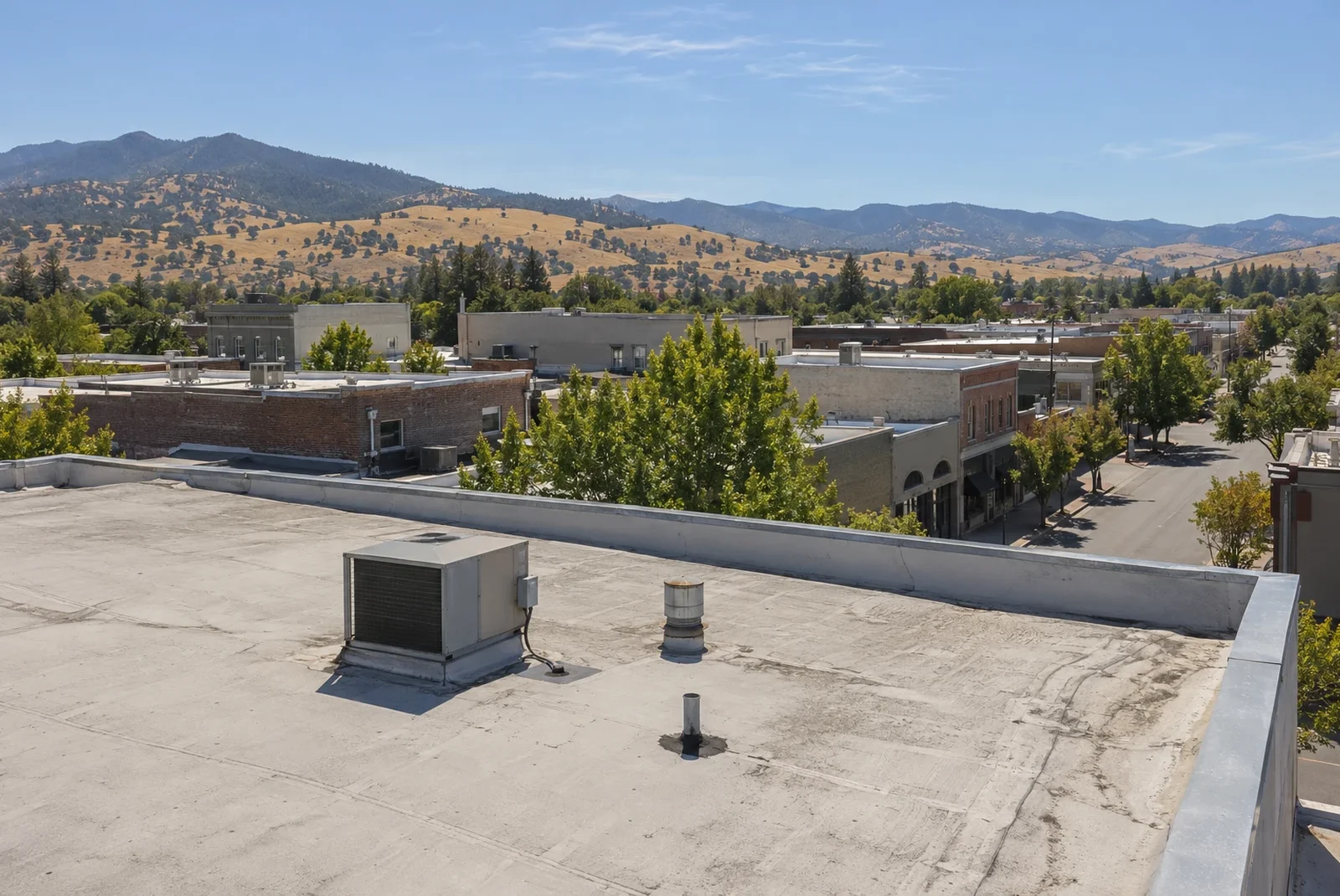
We catalog every roof with its type, age, drainage, penetrations and repair history, then assign a grade. A gymnasium roof with a large, simple span is a different problem from a classroom wing with rooftop units and many penetrations. The register gives the facilities director a single list, ranked by urgency, which makes board conversations factual rather than anecdotal.
Public bodies share many needs, and the practices in our work for public agencies, such as documented submittals and clear procurement paperwork, apply on school projects too. Where a general contractor manages a larger campus project, our work with general contractors keeps the roof package on schedule inside theirs.

Fitting work into the summer break
The usual window runs from the first week after graduation to a week or two before staff return. That is perhaps ten weeks, and roofing for a whole district cannot fit in it unless the work is staged over several summers. We help the district choose which campuses go first and prepare bid documents and submittal schedules in the winter and spring, so that materials are ordered and crews are booked before school lets out.
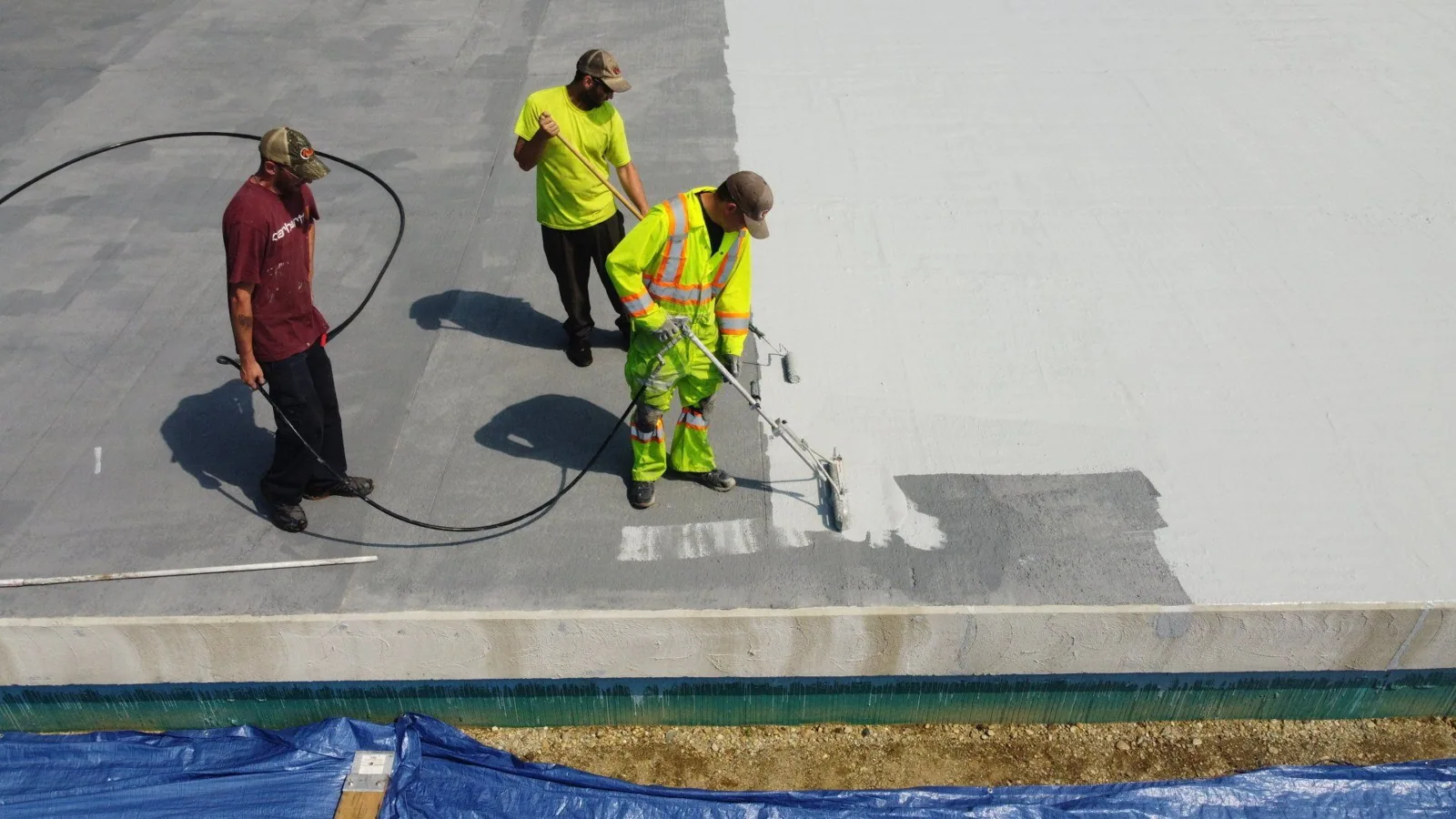
Heat shapes the days. Crews start early, stop early in July and August, and monitor surface temperatures for adhesives and coatings. Tear-off and dry-in advance in sections, since a sudden shower over an open school building is the worst surprise a facilities office can face. At the end of each week, the site is left clean and safe, with no open edges or loose material reachable from the ground.
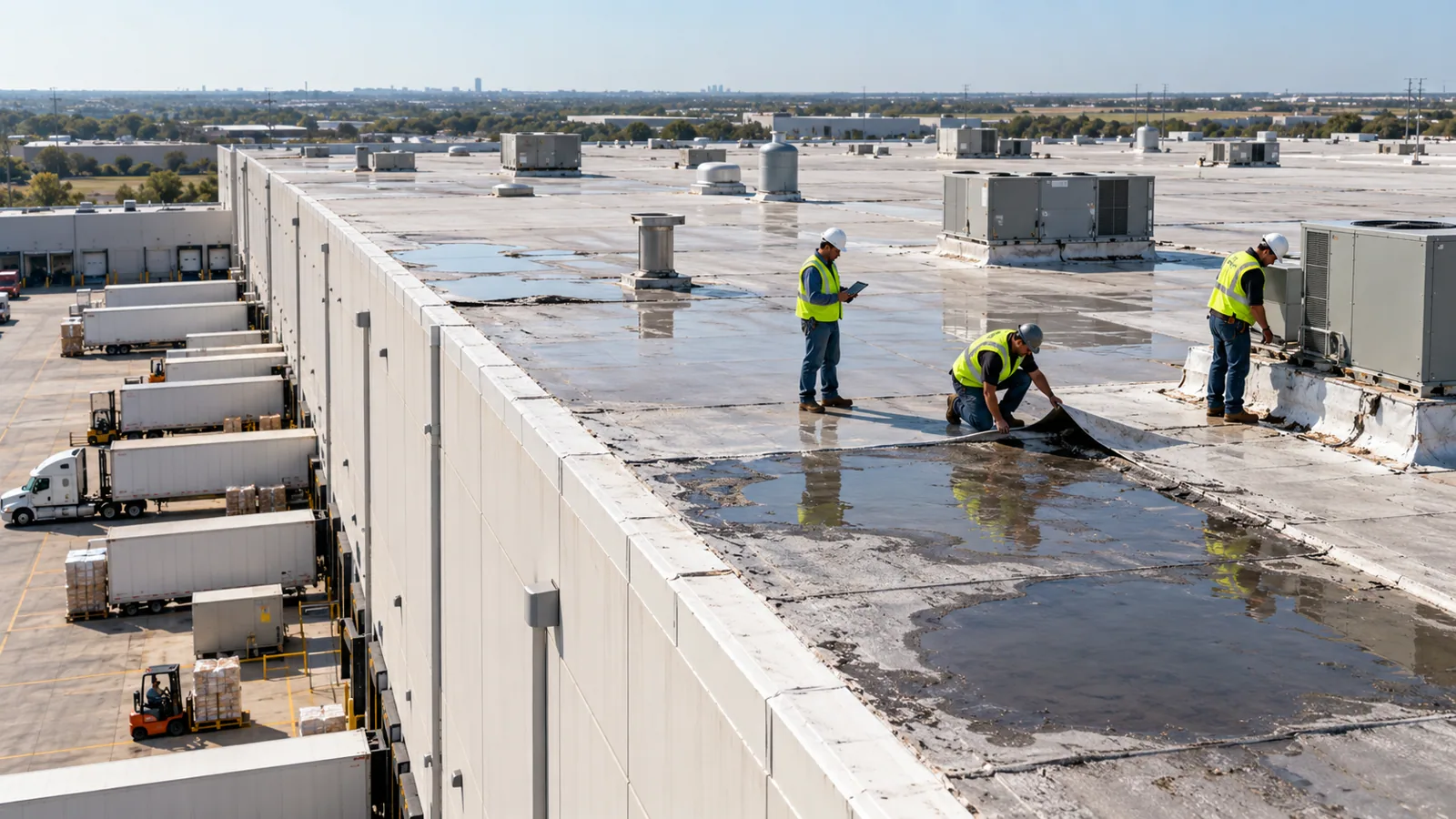
Gyms and multipurpose rooms need special attention. Large spans, high parapets and rooftop mechanical for ventilation make them costly to access, and a failure above a gym floor can ruin finished wood in a single storm. We schedule those first when the grade is low and use infrared surveys to find damp areas before damage shows on the floor.

Smoke days, closures and air quality
Wildfire smoke can alter school operations in southern Oregon. Medford counted 26 smoke days in 2021, and school staff have to manage indoor air and outdoor activity on those days. Roof work during an unhealthy-air period adds dust and fumes at exactly the wrong moment, so we coordinate with the district on air quality thresholds and pause or reschedule outdoor tasks when readings are poor.
Rooftop units draw the outside air that students breathe indoors. We protect intakes during work, clean the roof after smoke events and note filter loading in the report, so the maintenance staff can plan changes. A visible plan for air and safety matters to the community as well as the facilities office, since 2020 cost Jackson County about 2,600 homes to fire.
After a smoke week, the roof also gets a post-event look. Ash fills scuppers and valleys, and a hard autumn rain turns it into a plug. Clearing it before the first storm is a short task that protects the classrooms below.

Bond cycles, reserves and grading for the board
School roofs are financed in ways private roofs are not: bonds, capital levies and state programs set the schedule. Business officers need a defensible list. We write each recommendation in terms of remaining service life, consequence of delay and cost range, and group projects into packages sized for the funding source, such as a three-campus replacement in one year or a coating program across several buildings.
Repair-versus-replace decisions are shown side by side with the reasoning visible. A restoration coating may defer a replacement for years on a roof with a dry substrate, which helps a district stretch a bond, while a failed roof with saturated insulation belongs in the replacement column. Our roof capital planning reports present that choice in a format the board can adopt without a roofing background.
Preventive visits are the cheapest line in the school budget. A spring and fall maintenance visit on each building clears drains, reseals flashing and updates the register, which extends the date of the replacement the board will eventually fund.
The deferred-maintenance list is the other half of the board packet. We separate items that are safety or leak risks from those that are cosmetic or can wait, with photographs for each, so trustees see the same evidence the facilities office does and can approve the urgent group at once.
Foothill and rural campuses
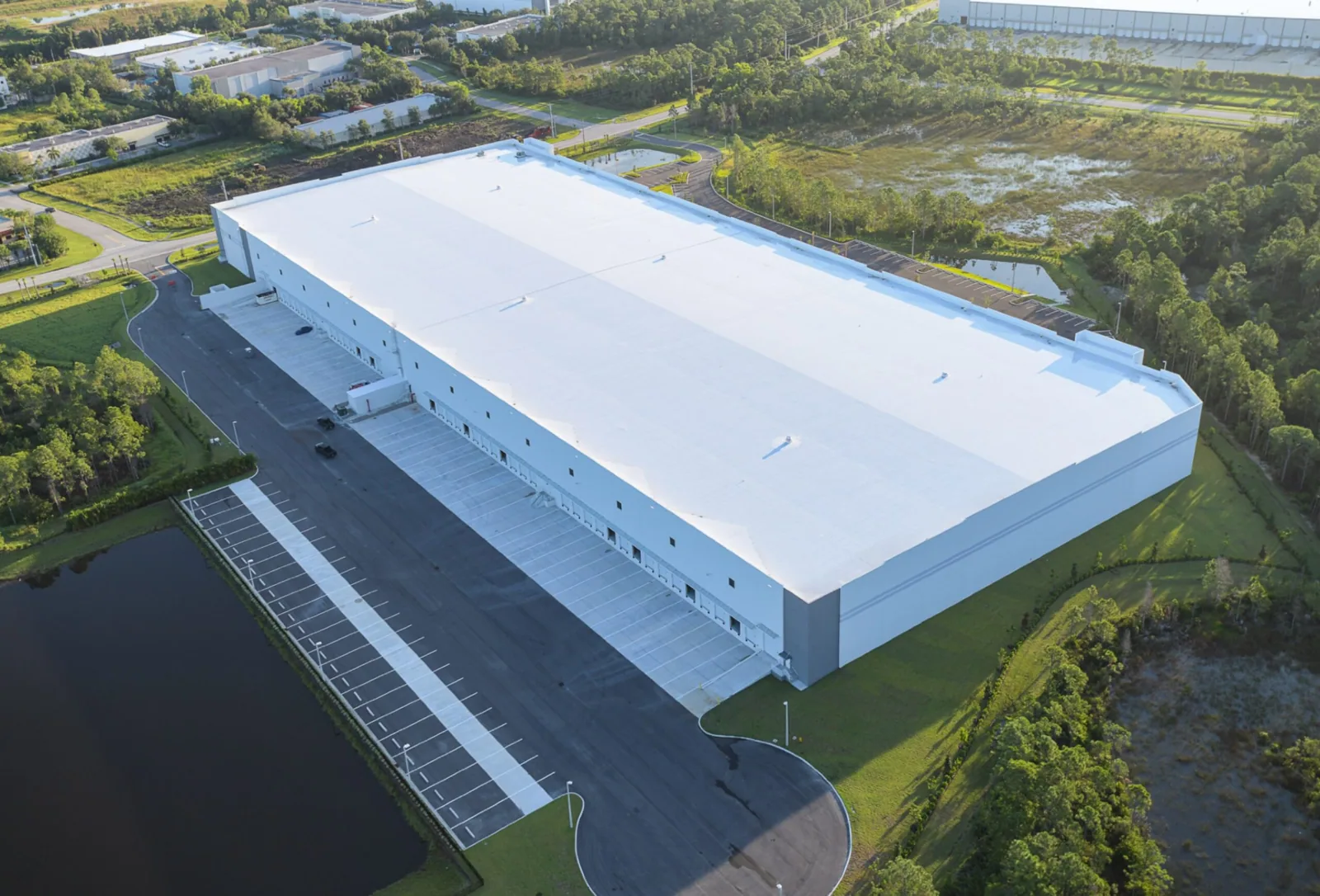
A district that reaches into the foothills meets different conditions. Prospect, on Oregon Route 62 near the Rogue River-Siskiyou National Forest, averages about 20.9 inches of snow a year and sits above 2,600 feet, so its roofs need snow-load thinking that a Medford roof does not. Butte Falls sits at about 2,549 feet. We note elevation and exposure in each grade, since a membrane that suits a valley campus may not be the right one at altitude.
Access is another concern at remote campuses: long drive times add mobilization cost, and winter roads limit repair windows. We build those into the estimate so the district sees the true price of a rural job, not a valley price with surprises added later.
Send the campus list and your capital calendar

Related Roofing Pages


Questions About School Districts
When should a district start planning a summer roof project?
The previous fall at the latest. Design, approvals, material lead times and bid schedules all need months, and a late start pushes the work into the next summer.
Can roofing continue after school starts?
Some work can, such as repairs and coatings on roofs well away from classrooms, with barriers and controlled access. Major tear-off waits for the break.
What happens if a roof fails during the school year?
We dry in the opening, protect classrooms and report the extent so the district can decide whether to repair now or hold for summer. Emergency response runs all week, including holidays.
How do you handle asbestos or older materials?
Older roofs may contain materials that need testing before disturbance. We recommend testing in the survey phase so any abatement is planned and priced before work is scheduled.
Do you provide documents for bond measures?
We provide condition reports, photographs and cost ranges per campus that the district can use in capital planning. The district's architect and counsel handle formal bond documents.