
Roofing Partner for General Contractors in Medford, OR
Roofing scopes, submittals and schedule coordination for general contractors building or renovating in Medford, OR, from new warehouses to occupied tenant work.

Overview
A general contractor in the Rogue Valley carries the schedule, and the roof sits on the critical path more often than the drawings suggest: no interior finish starts until the building is dry, and no building is dry until the roofer, the mechanical contractor and the sheet-metal sub have agreed on who touches what and when. In Medford, OR that sequence runs against a climate that gives builders about 61 afternoons above 90 F a year and a rain-shadow dry season, which is excellent for installation and unforgiving for adhesives, coatings and anyone working on a bare deck at two in the afternoon.
Our job on a GC's team is simple to state: price the roof clearly, submit what the specification asks, install on the day promised and hand over the documents the owner and the manufacturer need. The details that make it work are mostly about coordination.
The same discipline applies whether the GC is building a warehouse or working for a school board; the habits we use for public agencies, such as documented submittals and tight change-order records, carry directly into a GC's public bids.

Pricing the roof package clearly
Roof bids go wrong when they leave gaps between trades. We price the membrane, insulation, cover board, tapered slope, flashings, edge metal and walkway pads as a package, and we list what is excluded, such as curbs supplied by the mechanical contractor, structural repair of decking or fire-stopping at penetrations. The exclusions are as important as the inclusions, because a missing line becomes a change order.
Alternates are priced separately: a thicker insulation to meet an energy requirement, a cover board for a heavy-traffic roof, an upgraded membrane. A GC then has numbers to take to the owner, not a vague promise. For reroofs in existing buildings, we separate the base scope from unknowns like saturated insulation or rotted decking and state a unit price for each, so discovery does not become a dispute.
Substitution requests are handled early. If the specified membrane has a long lead time or the specified insulation is unavailable, we propose an equivalent with data, so the architect has time to review before the schedule is affected. Late substitutions are the quickest way to lose a week.
Unit prices for add or deduct work, such as additional tapered insulation per square foot or extra pipe boots each, let the GC adjust the contract without a new proposal each time the design shifts.

Code, submittals and the manufacturer
Permit sets in the valley fall under Oregon's 2025 Structural Specialty Code, mandatory since April 1, 2026 after a phase-in that began October 1, 2025. Designers working on permit sets in the valley need roof assemblies that carry the right fire classification, wind uplift rating and insulation levels. We prepare submittals with product data, assembly listings, shop drawings for edge metal and flashing details, and the manufacturer's installation requirements.
We also coordinate warranty paperwork with the membrane manufacturer so that the owner receives the coverage the specification calls for. Third-party inspections, when required, are scheduled in advance, and corrections are made the same day. The aim is to close the roof package without leaving punch items that hold up the certificate of occupancy.
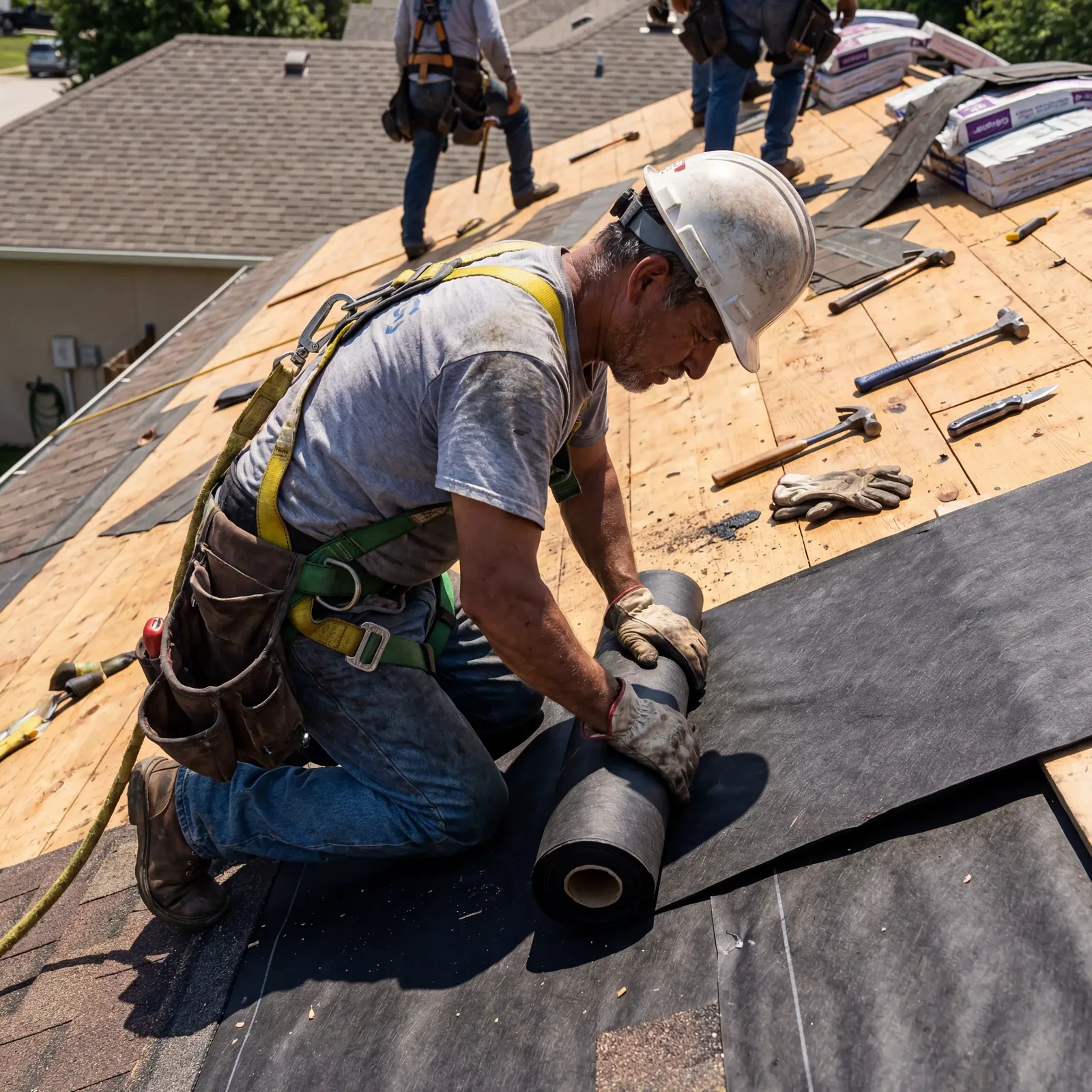
Fall protection and site safety are planned with the GC's safety manager: perimeter protection, controlled access zones, warning lines and a hot-work permit when needed. Our crews follow the site's orientation rules and the project's safety plan.

Sequencing with the other trades
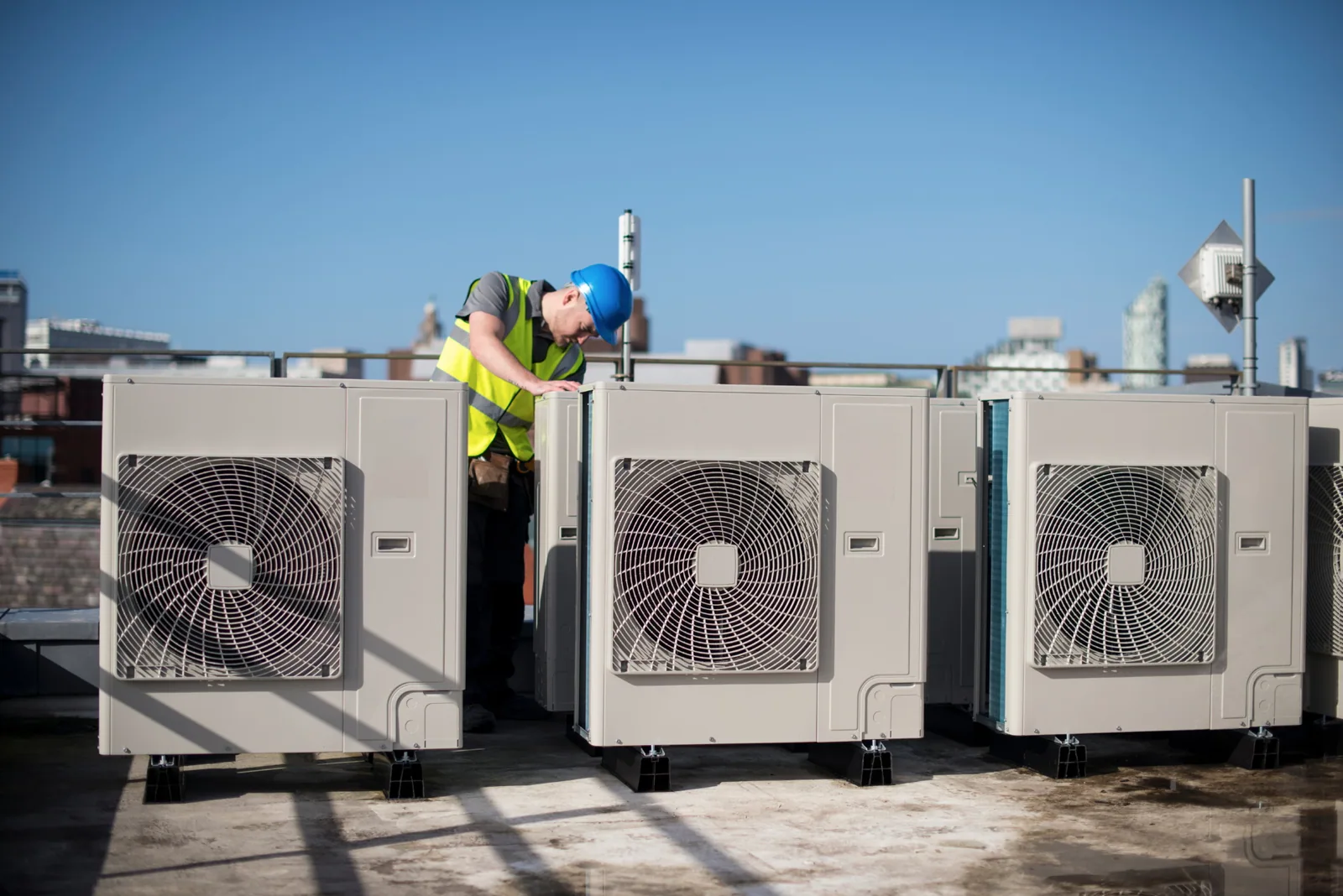
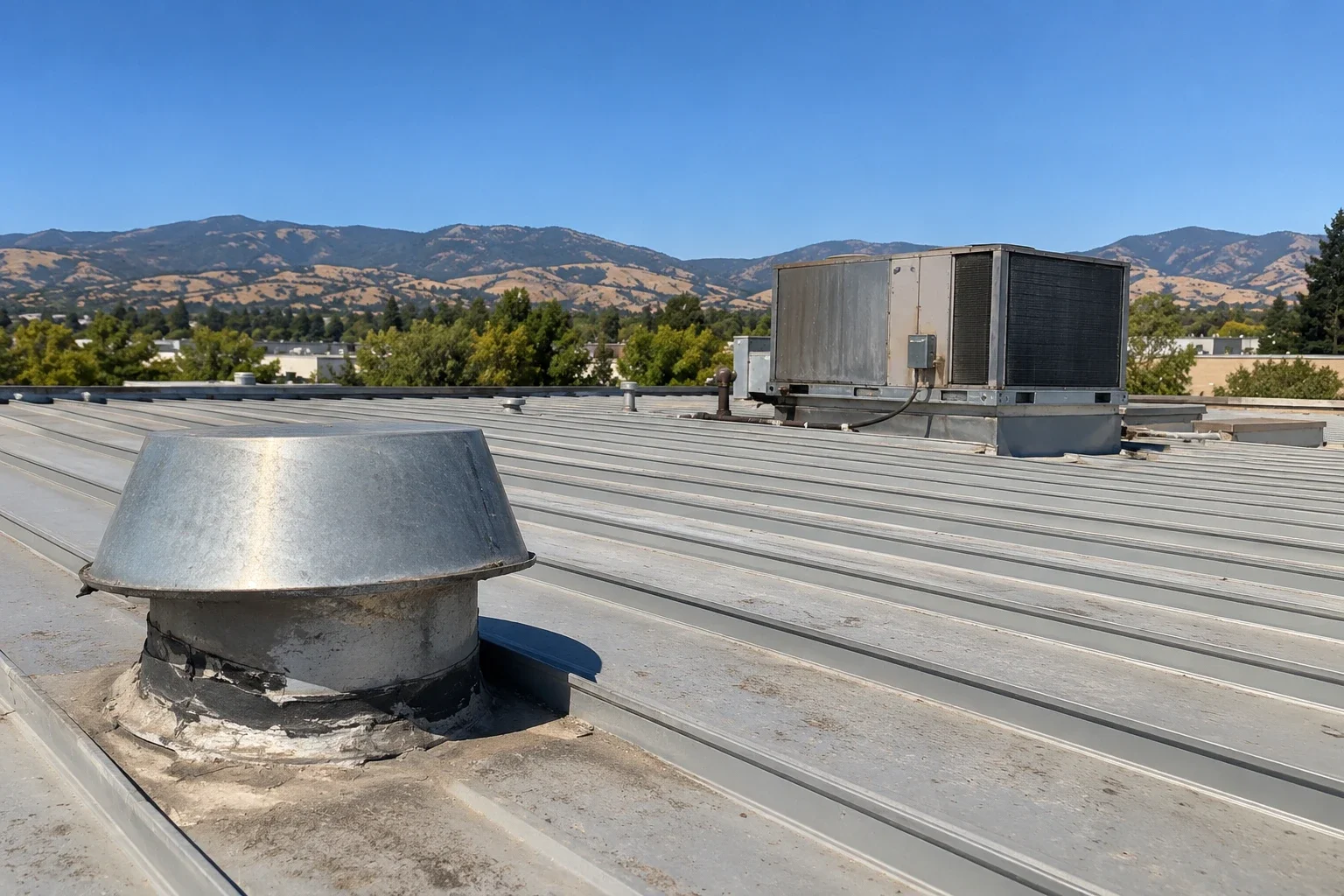
The roof is crowded. Mechanical contractors set rooftop units on curbs, electricians run conduit, plumbers penetrate for vents and drains, and the roofer must flash everything. The best sequence is roofer first on the field membrane, then trades, then roofer again to close penetrations. A roof crossed by six trades before the final flashing is a roof that leaks.
We attend pre-roofing meetings, mark curb locations on the deck, review equipment curb and support details with the mechanical sub and return after each trade to inspect and repair damage before the roof is accepted. Protection boards go on the walk paths. Daily logs show what was installed, what the weather did and who walked where, so a later leak can be traced without finger-pointing.
When storms or smoke affect the site, we work with the GC on temporary protection and on documenting the event, and if a claim follows, the restoration side of insurance and restoration can use the same record.
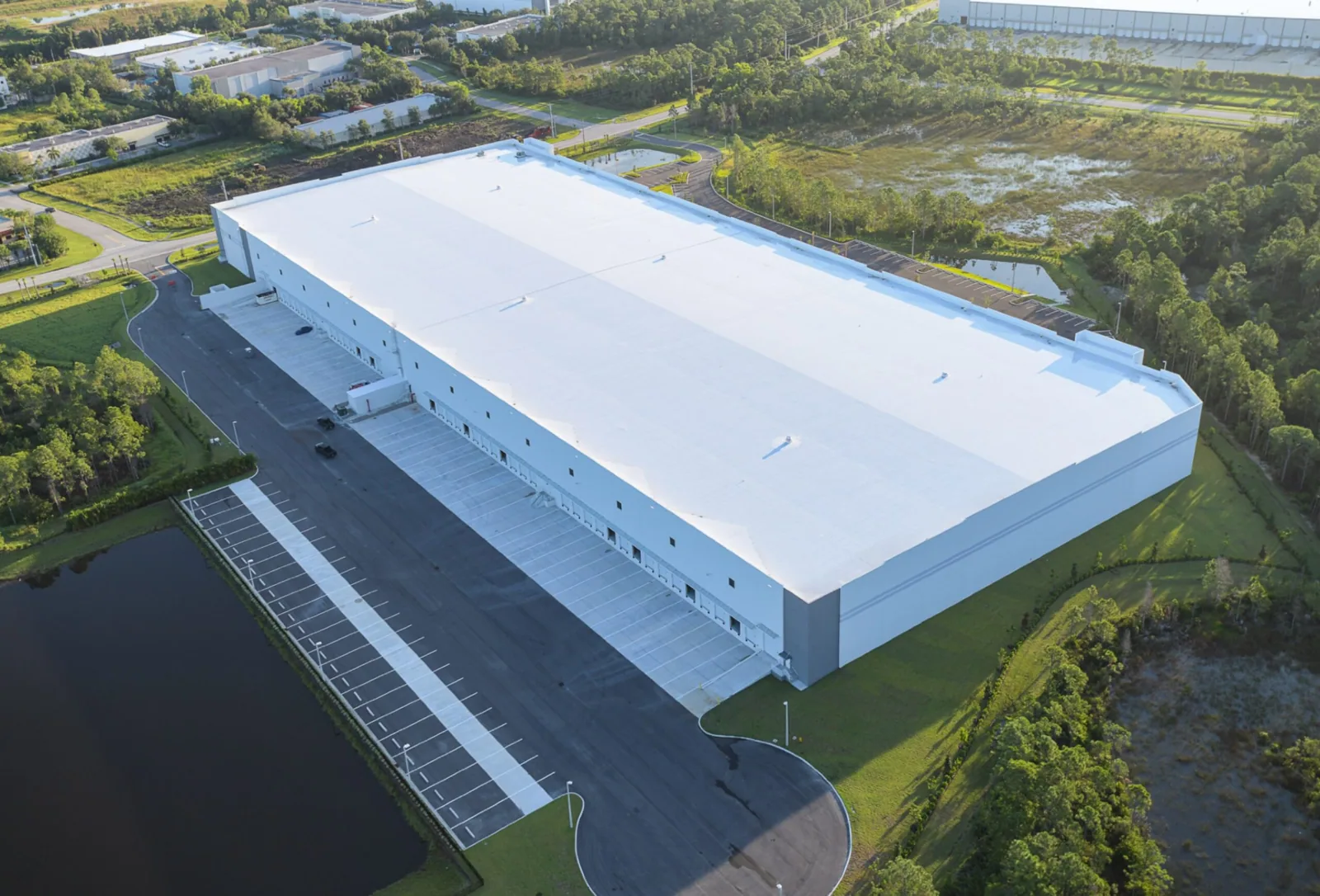
New construction, renovation and tenant work
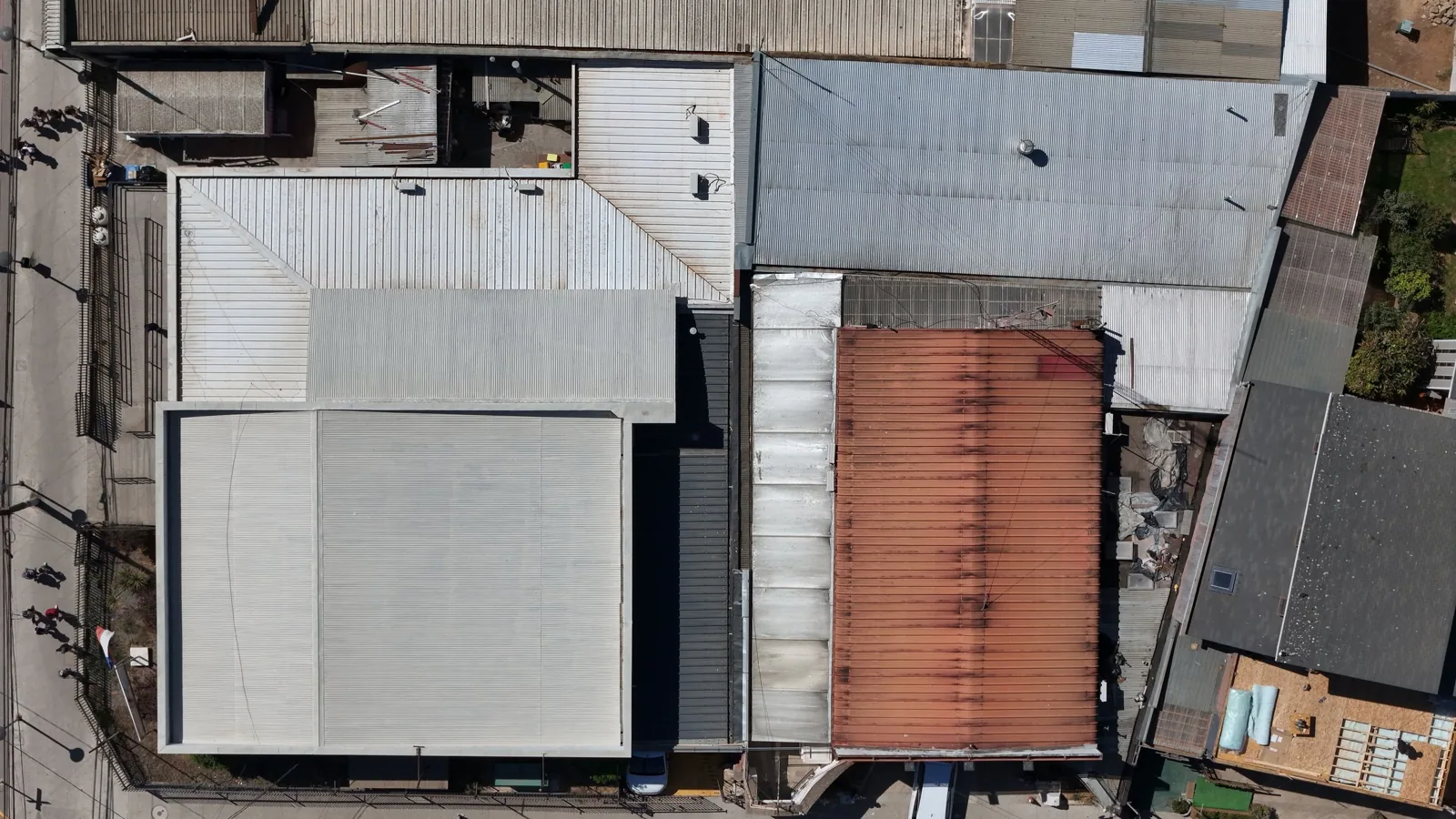
The valley is building. Amazon bought about 17 acres on Table Rock Road in 2023 for an 87,750 square foot ground-distribution warehouse, Eagle Point grew 14.4 percent between 2010 and 2020 and keeps adding retail and service space, and the VA campus in White City has inpatient mental-health wings under renovation and HVAC and exterior upgrades in design. Each of those is a different roof problem: a simple warehouse deck, small commercial roofs on a growth corridor and an occupied federal campus.
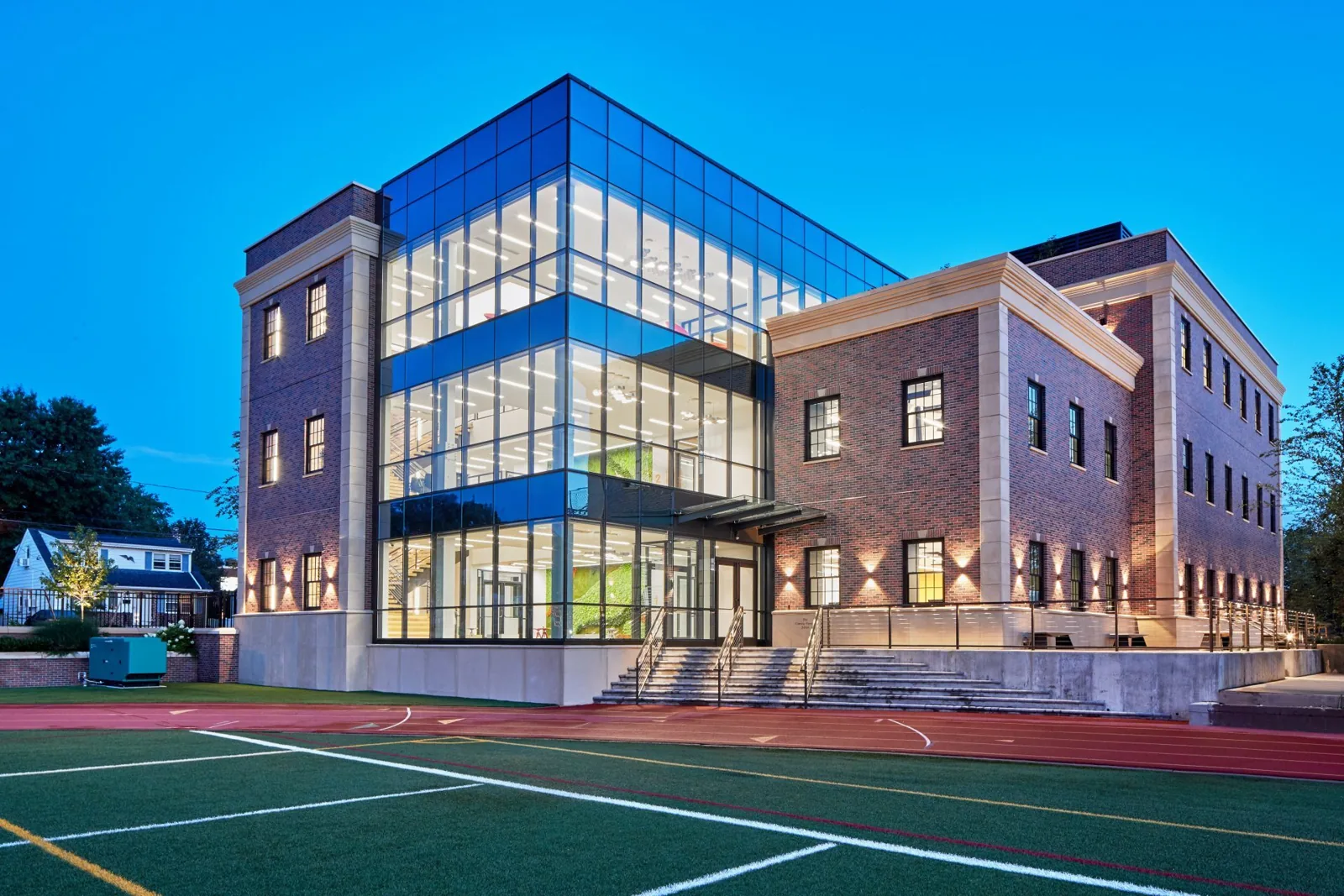
For new warehouse roofs, we focus on speed, drainage and uplift. For renovations, we plan around existing conditions and tie into old roofs without compromising them. For tenant improvements in occupied buildings, phased work of the kind used in occupied building reroofing keeps the rest of the building running.
Coordination with the owner matters on tenant work. We supply the GC with notice language, work hours and a protected path for the building's occupants, so the GC does not have to improvise when the roof crew arrives.
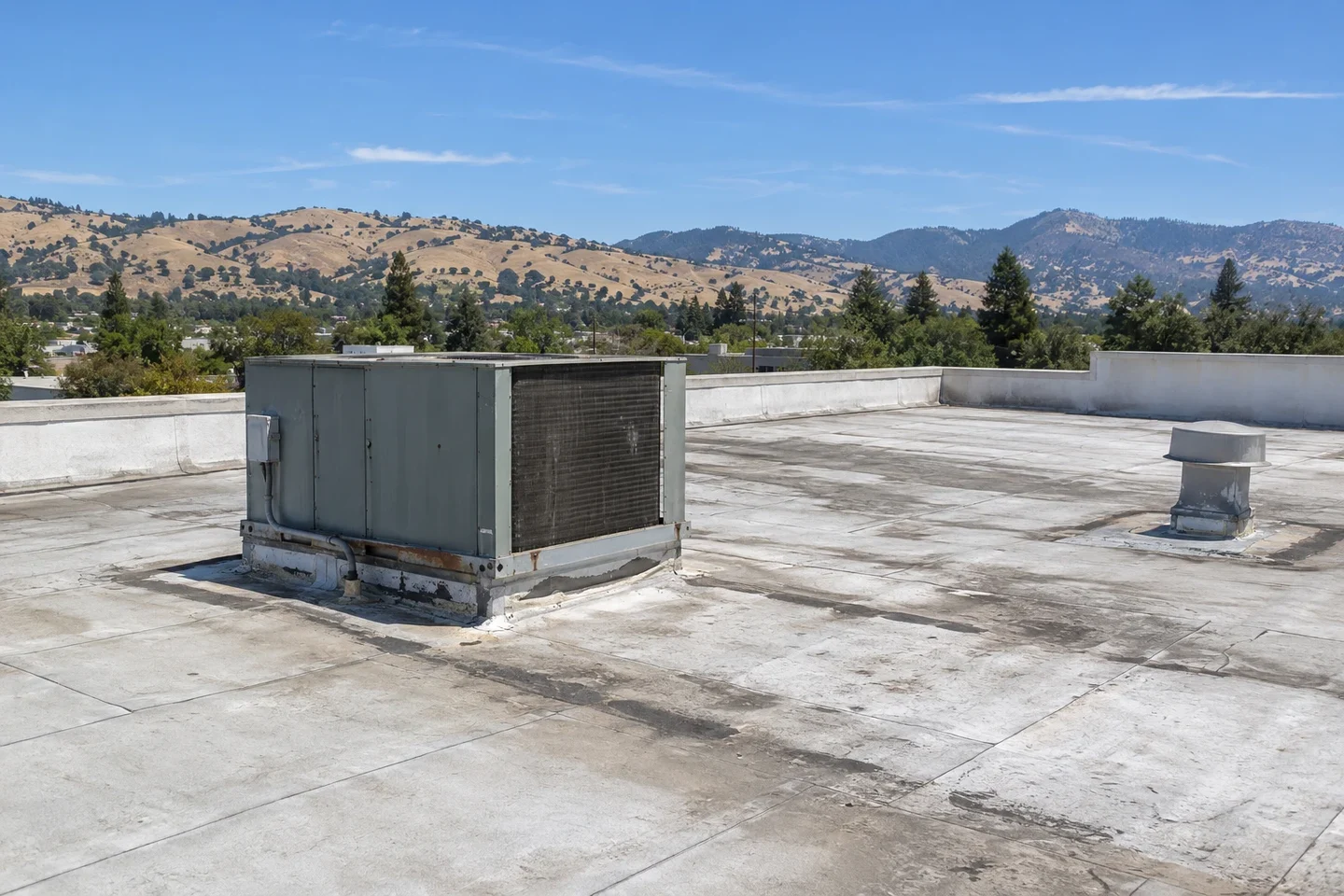
Closeout, warranty and the first year
Closeout is where a roof package earns or loses the GC's trust. We deliver as-built photographs, a roof plan showing penetrations and drains, warranty documents and a maintenance recommendation. The owner receives the first-year inspection date, and the GC receives a clean release.
If a leak appears in the first months, we respond, trace and repair under the warranty terms, and we tell the GC what we found: the roof, another trade's penetration or something else. Plain tracing protects everyone's reputation. Our roof warranty management keeps the paperwork alive after the GC has moved on to the next job.
Hand-off also means training: we walk the owner's maintenance staff over the roof, show them the drains, the access points and the places not to step, and leave a one-page care sheet for the building engineer. That short visit prevents the first-year foot-traffic damage that is otherwise blamed on the installer.
Send the plans and the schedule
Related Roofing Pages


Questions About Roofing Partner for General Contractors
Will you bid from drawings alone or do you walk the site?
We do both. Drawings give the base scope, and a site walk finds access limits, crane locations and existing conditions that change price and schedule.
How do you handle weather delays on a tight schedule?
We keep sections small so the roof can be closed each day, and we report forecast risks early. In the dry months, delays are brief, and the critical dates are held.
Who is responsible for damage by other trades?
Whoever causes it, though the roofer repairs it and records the cause. Daily logs and protection boards make the origin plain and keep the repair from becoming an argument.
Can you work as a subcontractor on public projects?
Public projects bring their own bid, bonding and wage requirements. We read those documents before pricing and quote to them.
What do you need from the GC to start?
A released submittal, a dry and clear deck, access for lifts or cranes, and a point of contact for site safety. With those, mobilization follows within the agreed window.