
School Roofing in Medford, OR
School roof condition grades, summer work windows and reserve planning for K-12 buildings in Medford, OR, where sun, heat and smoke age roofs faster than rain.
Overview
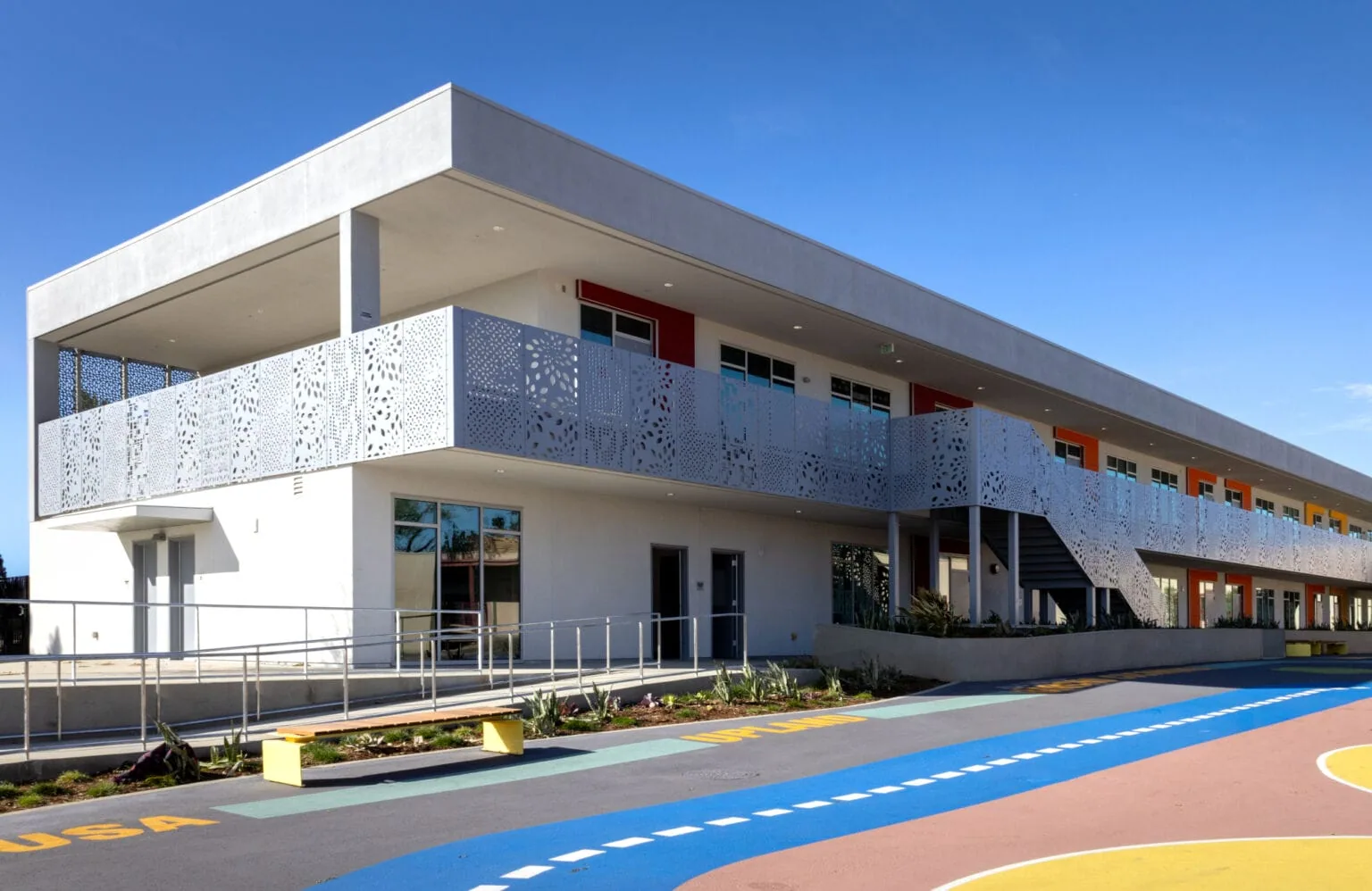
A school roof in Medford, OR spends its summers empty and its summers are the hardest on it, which is a quiet irony for any facilities director who reads the reserve schedule. A typical year puts sixty-one afternoons above 90 F and eleven above 100 F on the valley, mostly between June and September, and a roof with no one underneath it is a roof no one is watching while the membrane takes that heat day after day. Remaining service life is what moves in the reserve schedule, and it moves faster than the calendar suggests.
The same weeks are the only long window a district has to do the work, so the calendar and the climate meet in the same ten weeks. A district that wants roofs replaced or restored before classes return has to plan the survey in the spring, the order in the early summer and the finish before the first week of fall, with a clear idea of which buildings can wait another year. That is a planning problem before it is a roofing problem, and we treat it that way.
Sun, heat and smoke on a roof that sits unattended
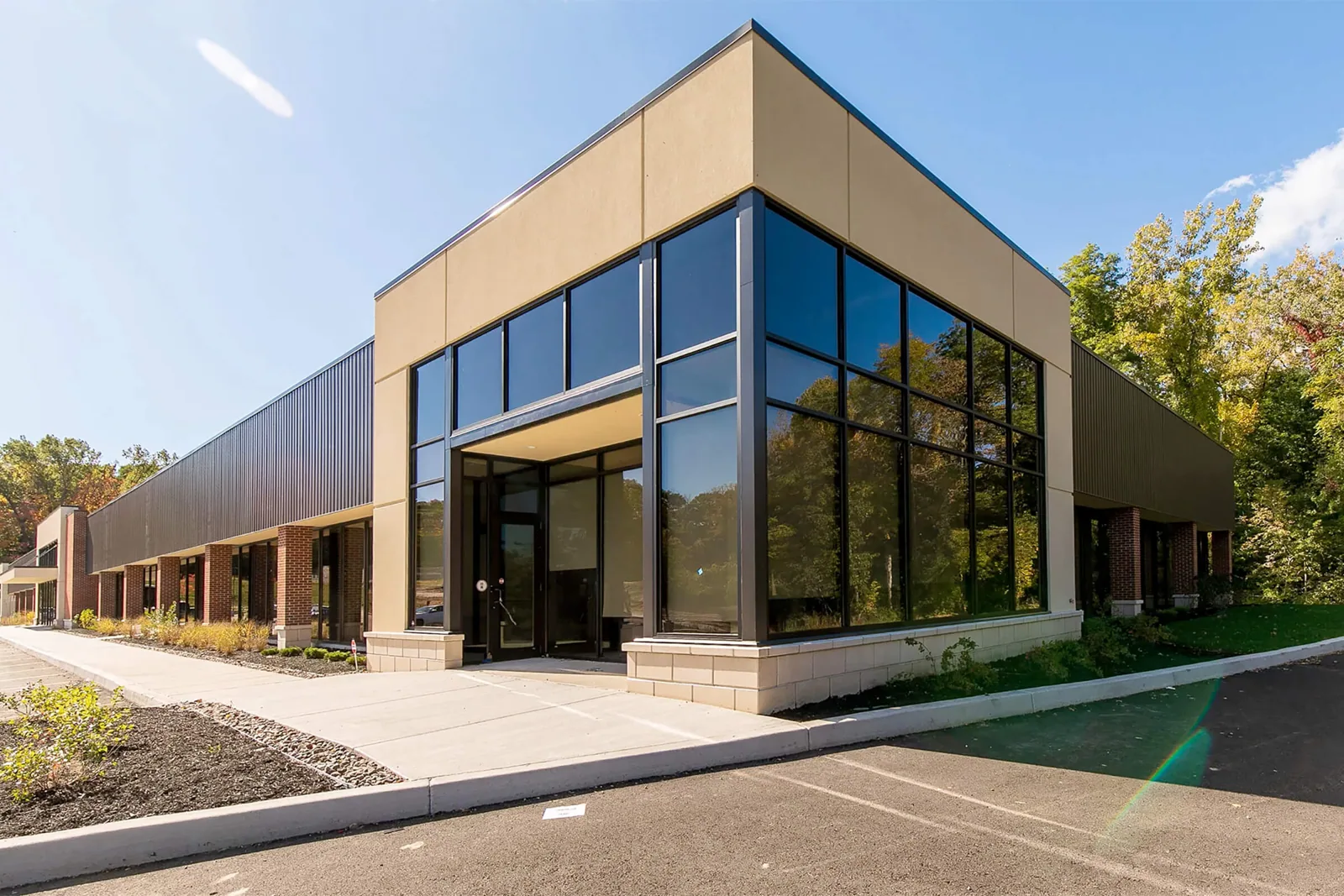
A valley that sits in a rain shadow between the Cascades and the Siskiyou Mountains gives a roof very little rain to wash it and a great deal of sun to age it. Annual precipitation averages about 18.4 inches, snowfall about 3.4 inches, and the dominant stress on a school membrane is ultraviolet exposure and heat, not water. Over a few summers a white single-ply sheet loses reflectance, seams stiffen, and flashings at walls and rooftop units begin to pull.
Smoke adds a second charge. Medford had 26 smoke days in 2021, and soot that settles on a reflective surface raises its temperature and shortens its service life in ways a district rarely sees until the next inspection. A roof that was graded sound in May can be graded fair in October after a heavy smoke month, and the owner report should say so with a photo.
Condition grades and remaining service life by building
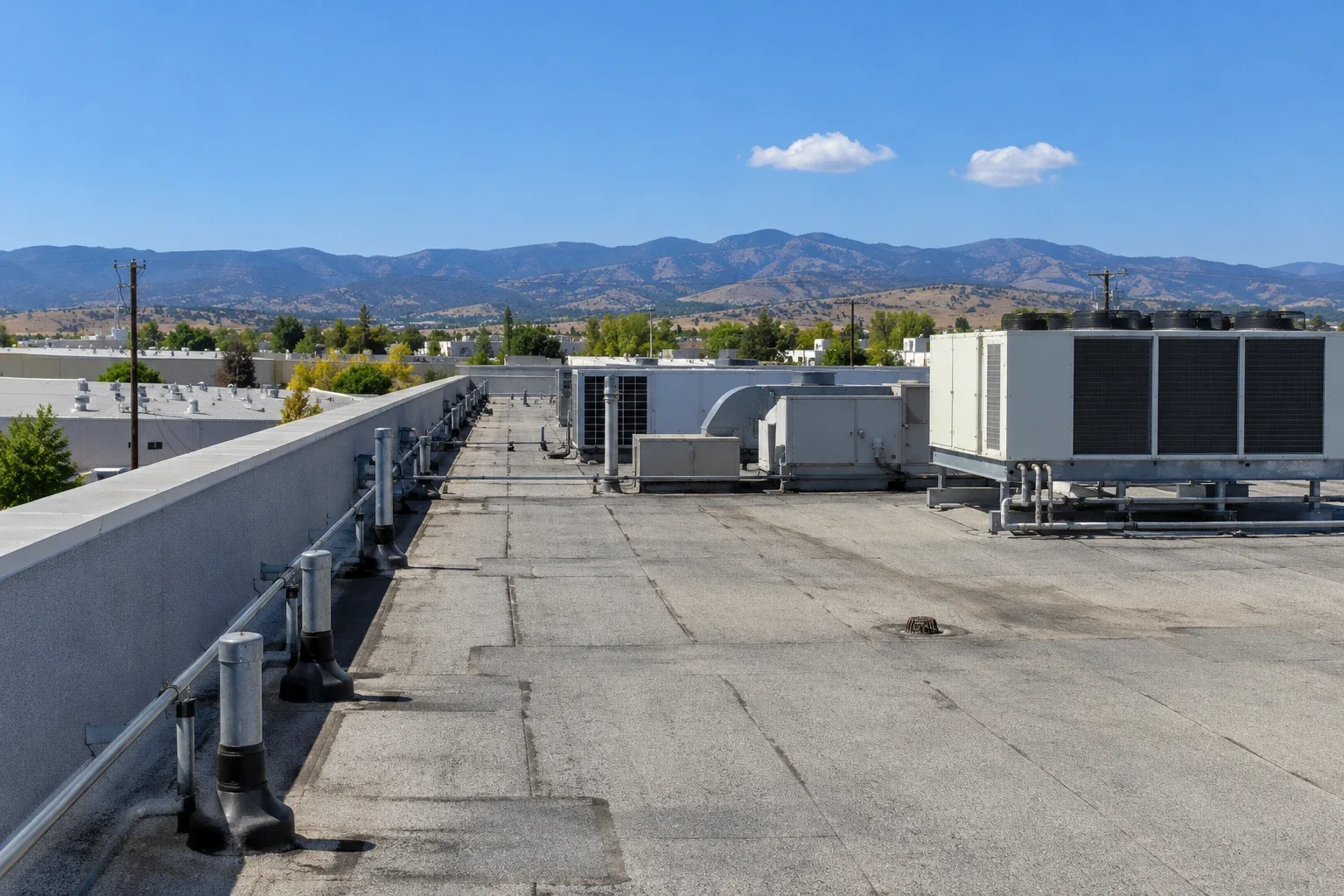
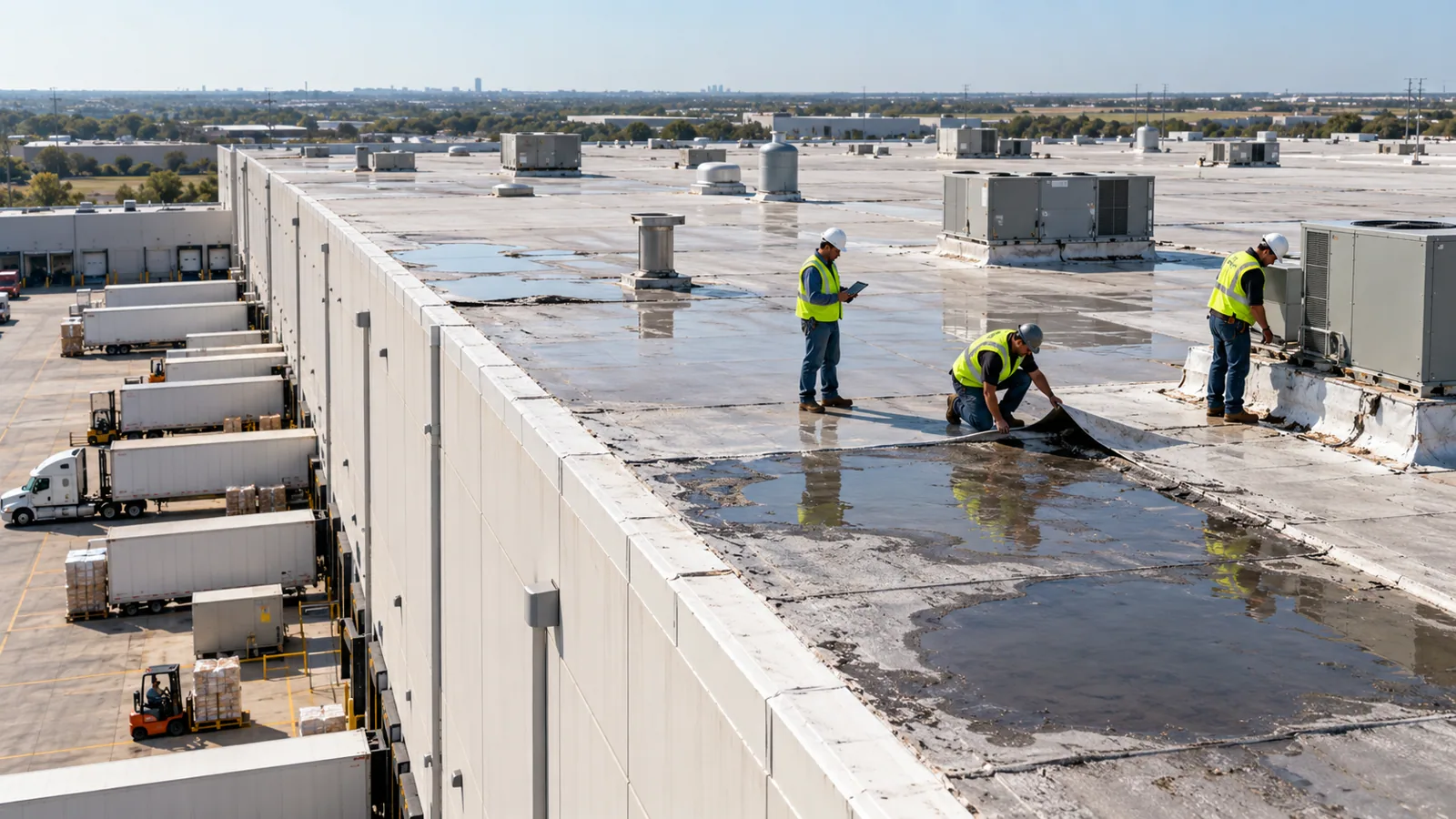
Most districts own a mix of buildings built in different decades, with roofs of different ages that were installed, repaired and patched by different crews. We grade each roof on a simple scale after a survey: membrane condition, seam and flashing condition, drainage, insulation moisture as read by an infrared scan, and the evidence of past repairs. The result is a condition grade and an estimate of remaining service life, in years, for each building.
That estimate is the number a facilities director takes to the board. A gymnasium roof at the end of its life moves to the top of the replacement list. A classroom wing with a sound membrane and a few failed flashings moves to the repair list. A roof that has years left but is dirty from smoke moves to a cleaning and coating conversation. Every building lands in a column, and the columns become the multi-year plan. When funding falls short, the plan shows what moves to next year and what that delay costs, so the choice is made on the page and not by default.
Reserve schedule and board timing
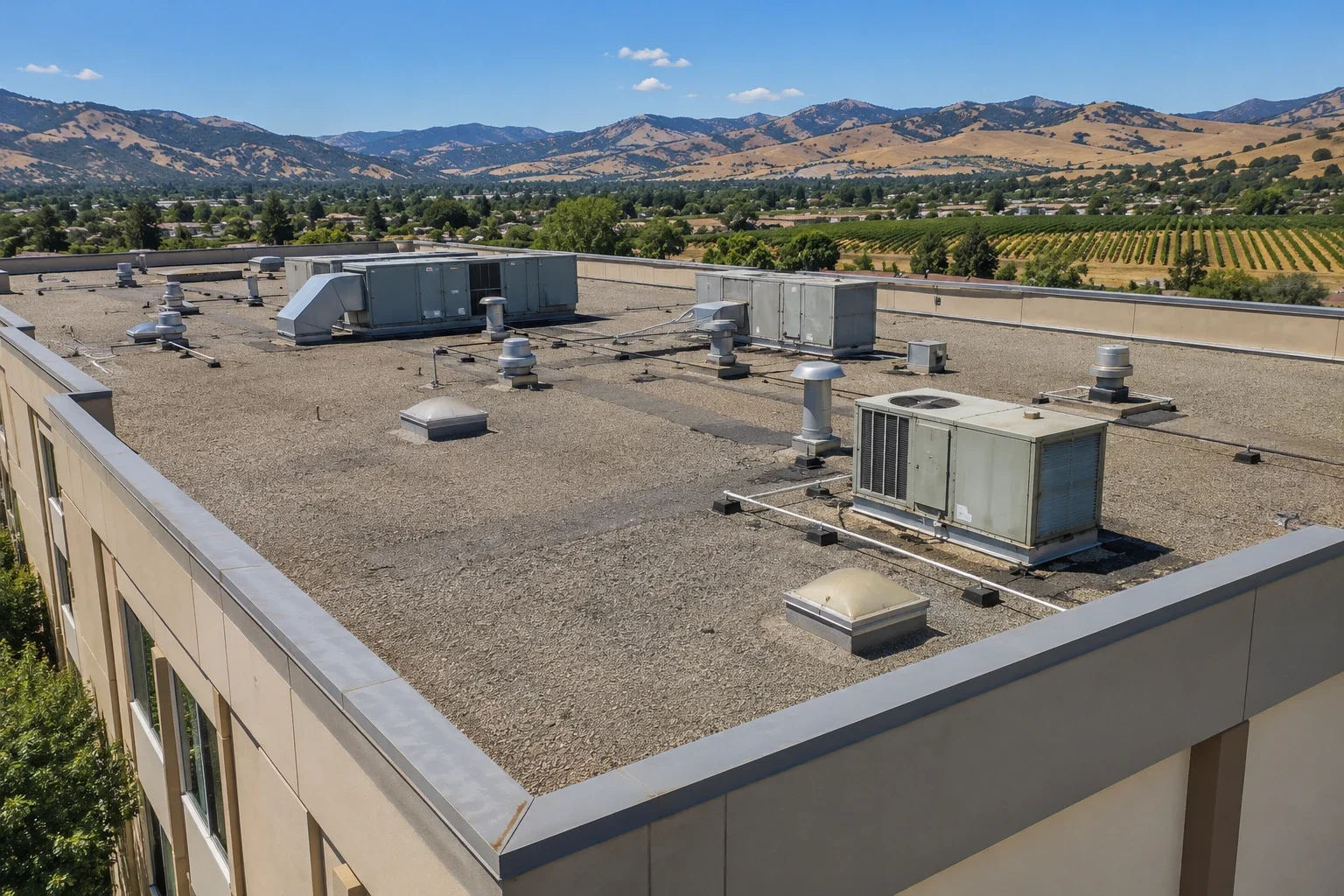
Public bodies fund roofs on a cycle, and the cycle sets the pace of the work. A bond measure, a capital levy or an annual maintenance line each has its own timing, and the survey has to land before the budget meeting to be useful. We hand over the grades, the estimates and a cost range for each option in a format a board packet can use: building name, current grade, years remaining, recommended action and the carrying cost of waiting another year. Keeping the page to one building per row matters, because a trustee reading at the meeting table should not have to turn a page to see what a roof will cost to ignore.
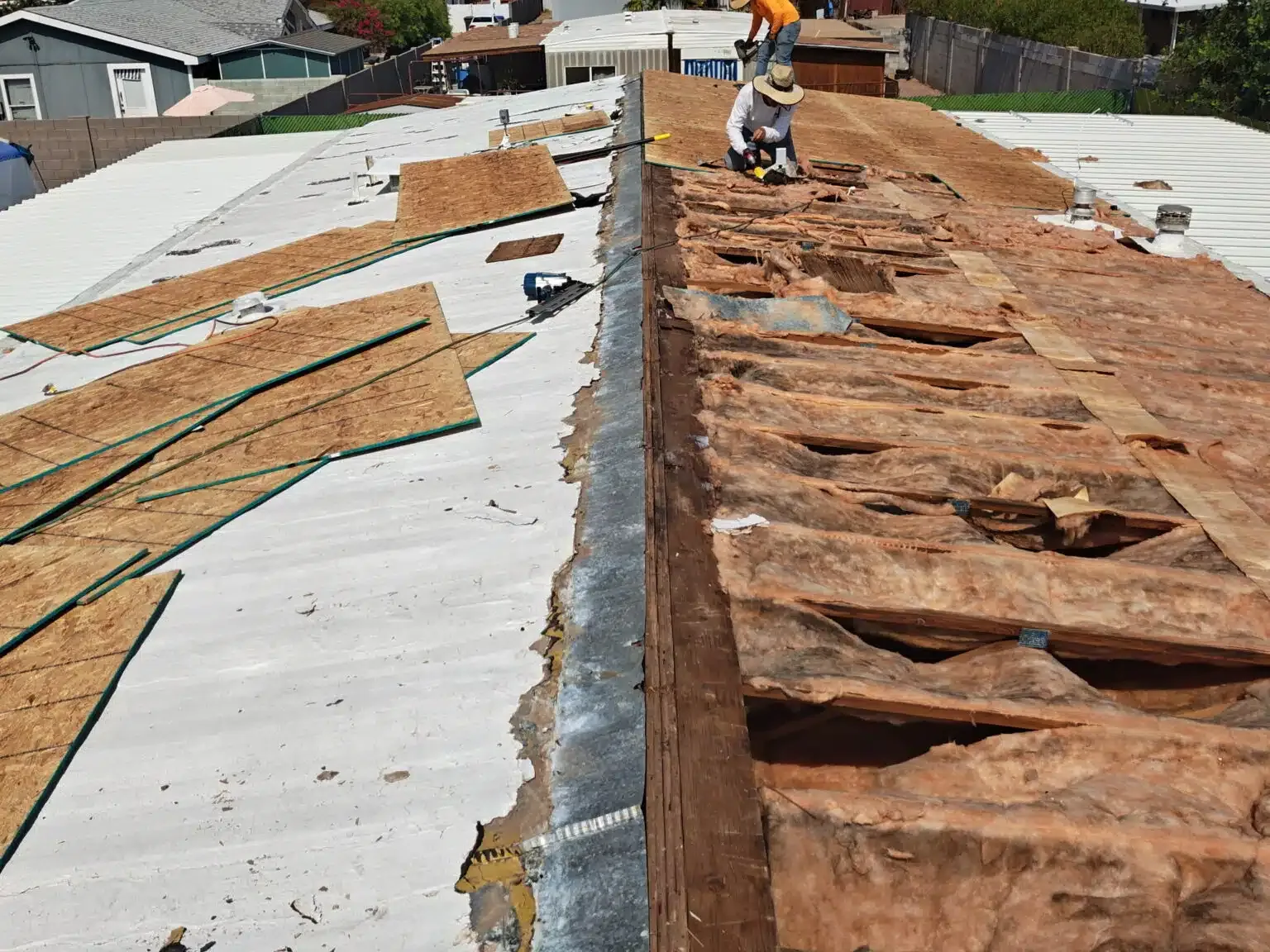
The carrying cost line is the one that changes decisions. A roof with two years of life left can often be coated or repaired for a modest sum, and the same roof ignored for four years becomes a replacement with saturated insulation and a damaged deck. Showing the board both paths in dollars, on one page, lets the cheaper path win on its merits.
Summer window, smoke days and student schedules
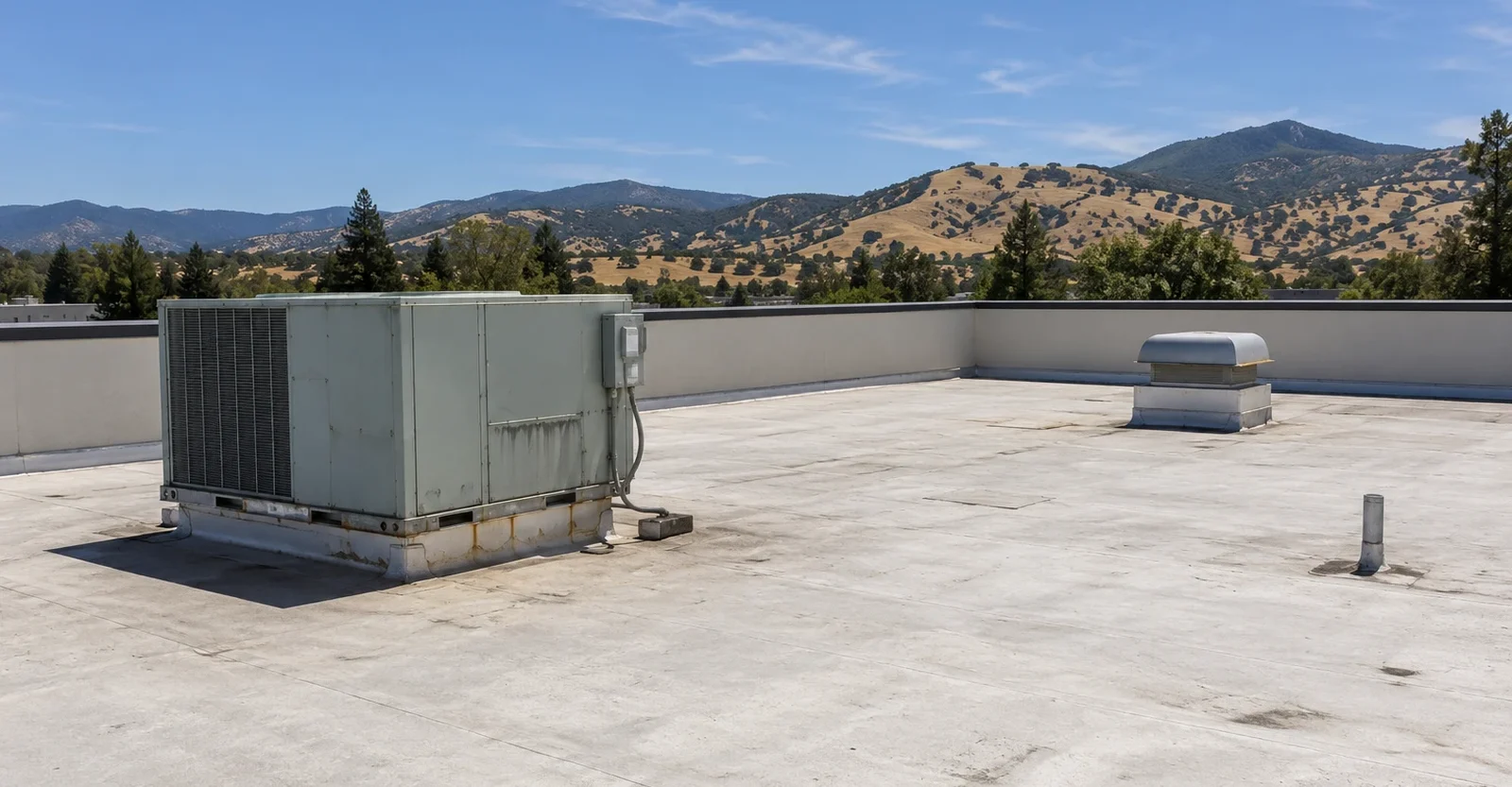
Ten weeks is not many for a district with several buildings. We plan in the order the grades dictate: the roofs most likely to leak first, the roofs with the longest lead-time materials ordered earliest, and the last buildings held for the final weeks with a weather and smoke buffer. A smoke day can pause adhesive work and degrade air quality for a crew, and the schedule has to carry slack for it.
Heat shapes the day itself. Crews start early, finish before the afternoon peak on triple-digit days, and keep membranes shaded until they are installed, because a hot sheet behaves differently from a cool one. Staff and summer programs still use some buildings, so we agree on entrances, parking, noise windows and fencing with the facilities office before mobilization and post a short notice at each site.
Valley floor buildings and foothill buildings
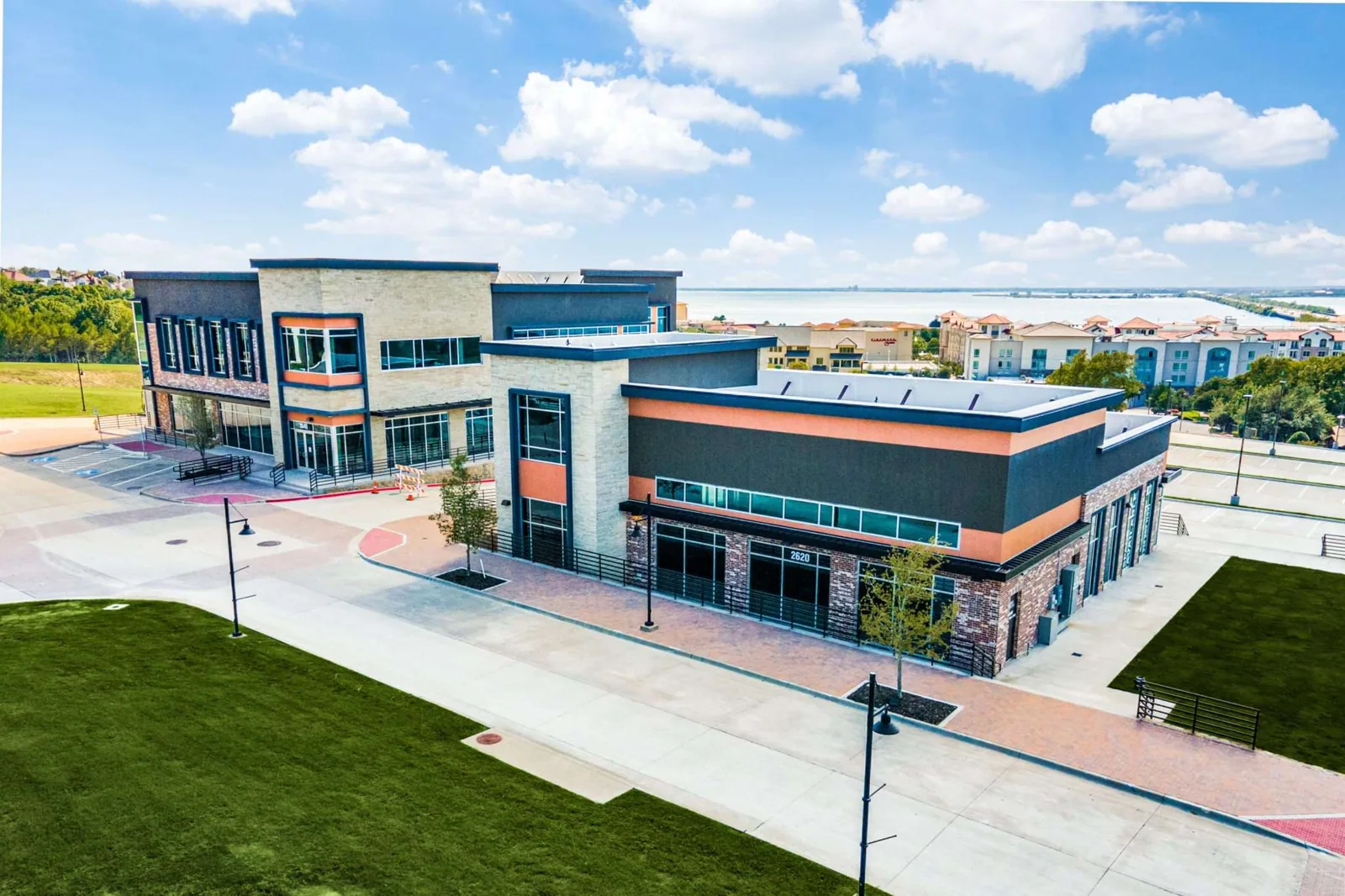
A district that spans the valley floor and the foothills owns two climates. On the valley floor the load question is minor, since snowfall averages only about 3.4 inches. Prospect, on Oregon Route 62, averages some 20.9 inches of snow a year with a minus 12 F record low, which means a school building there needs its own thinking about load, drift and ice at the eaves.
We grade foothill roofs against their own conditions and say plainly when a valley-floor assumption does not carry. New work falls under the 2025 Oregon Structural Specialty Code, mandatory since April 1, 2026, and the edition and the loads for each building are confirmed before the scope is priced.
Reporting to the board and the next facilities director
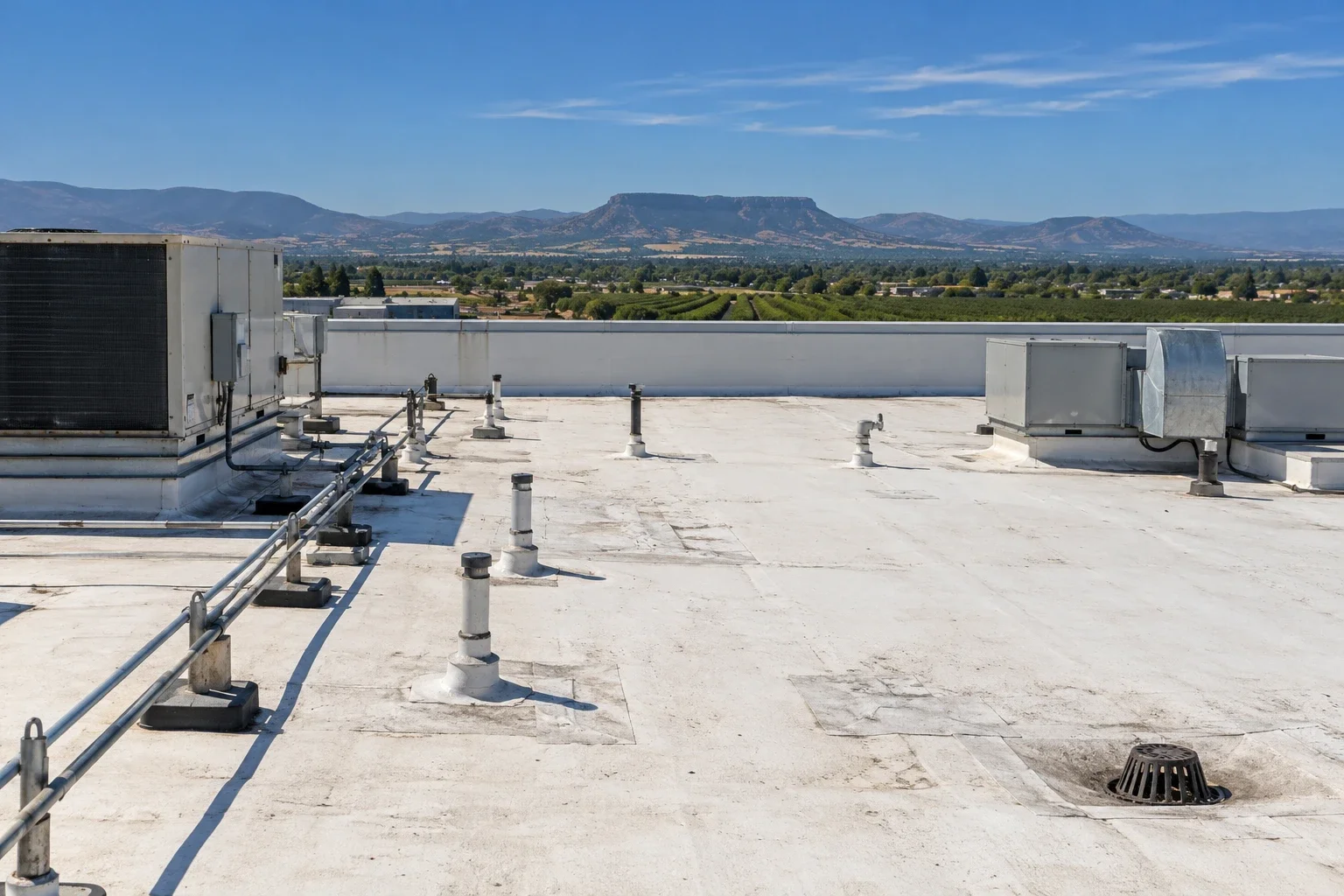
Staff change, and a roof file should outlast them. Each building leaves the project with a record: grade, photos, drain locations, penetrations, warranty papers and the date of the next scheduled check. The record sits in a roof register that a new facilities director can read in an afternoon. When the district applies for funding, the register is the evidence behind the request.
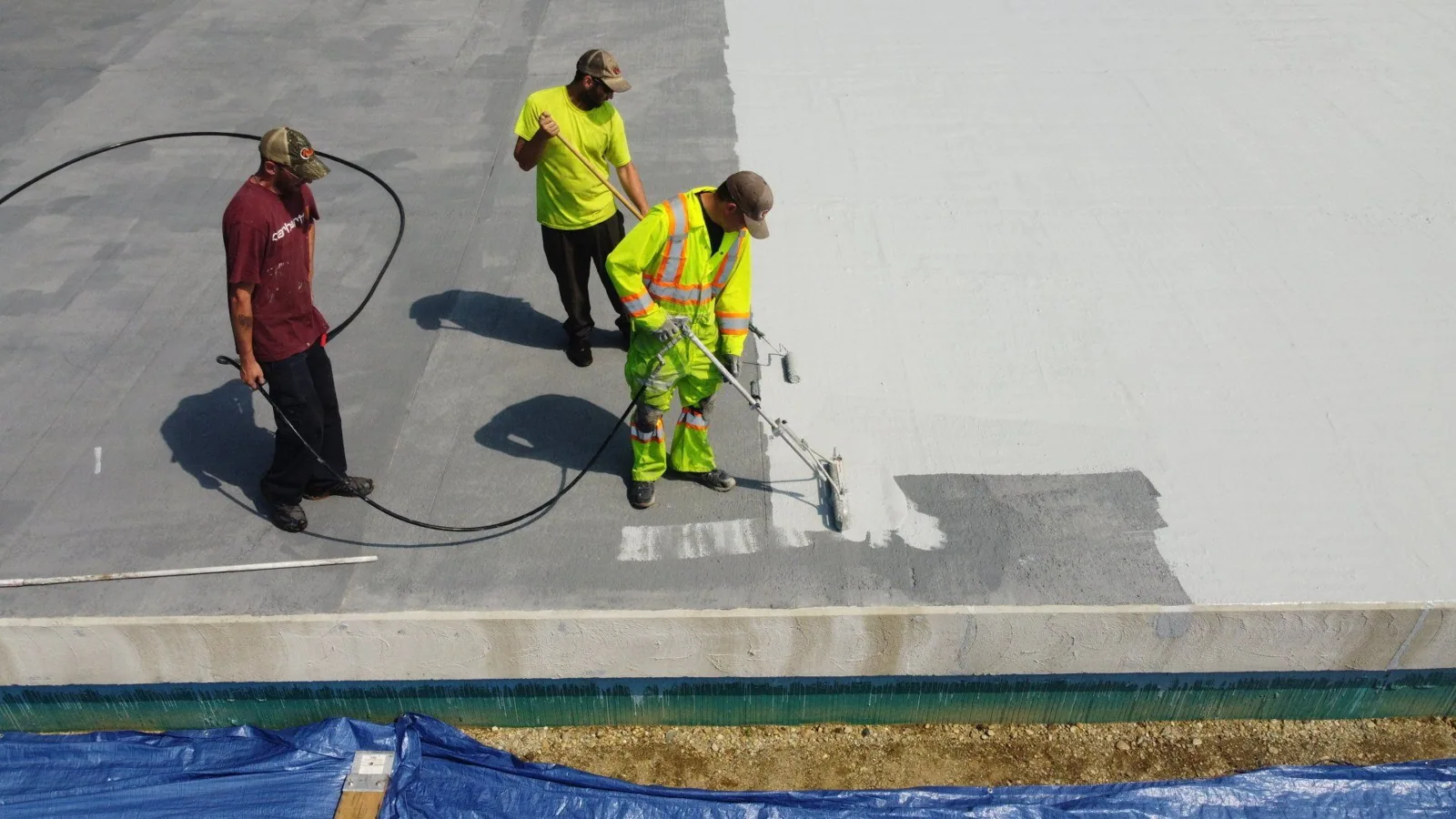
For districts with many buildings, a roof capital plan turns the grades into a multi-year schedule, and a commercial roof inspection each spring keeps the grades current. A roof coating restoration extends a sound roof, while a commercial roof replacement resets the clock. A school district that also owns offices can compare notes with government building roofing, a nearby campus follows the steps in college and university roofing, and Central Point and Phoenix buildings follow the same process.

Send the building list and roof ages
Related Roofing Pages
Questions About School Roofing
When should a district start planning summer roof work?
By late winter, so the survey, the board approval and the material order all finish before school lets out.
Can a coating extend a school roof?
On a sound membrane with dry insulation, yes. A scan confirms the insulation is dry before we quote.
Do smoke days delay roofing?
They can pause adhesive work and affect crew air quality. We build slack into the schedule for them.
How do you grade a roof?
We score membrane, seams, flashings, drainage and moisture, then estimate remaining service life in years.
Does the new state code change a school reroof?
It governs new work. We confirm the edition and the loads for each building before pricing.