Roofing for Retail and Restaurant Chains in Medford, OR
Roof programs for multi-location retail and restaurant brands in Medford, OR: grease exhaust, trading-hour scheduling and one report across every store.
Overview
A chain looks at a roof the way it looks at a store: one pattern repeated, with a local variation that the regional manager has to explain. In Medford, OR the variation is climate. Local climate is the variation: rooftop units work hard and the membrane around them bakes under 61 afternoons over 90 F a year, while a smoke season like the 26 smoke days of 2021 leaves soot on the surface and filters. A restaurant adds grease from the kitchen exhaust; a big-box store adds sheer span and a loading dock. The result is a roof budget that behaves differently from the one on the home-office spreadsheet.
Our work with retail and restaurant brands gives each location a condition grade and a remaining-service-life estimate, in a report format that repeats from store to store, so the Medford entry, like the entry for every other location, can be compared with every other without translation.
Landlords with several tenants face the mirror image of this problem, and the property management side of a center decides which roof repairs reach the tenants' desks.

Roof work that respects trading hours
The store is the revenue, and the roof job has to leave it open. Customers should never walk under tear-off dust, a delivery should never be blocked by a lift, and a dining room should never smell of adhesive. We schedule loud or odorous work for early mornings or closed hours, stage materials away from entrances and drive-throughs, and close each section weather-tight before the doors open.
For restaurants, the kitchen exhaust fans and make-up air units are protected during the work, and fume-producing steps are timed away from peak meals. For grocery and big-box locations, deliveries and receiving hours set the window, and we coordinate with the store manager on every day's plan. Holiday weeks are blacked out by default so the roof never competes with the busiest days of the year.
Signage, lighting and seasonal decorations bring other trades onto the roof as well. We log those visits where the store tells us, inspect after major installations and repair any puncture at once, so a holiday banner crew does not leave a leak behind.

Grease, exhaust and the restaurant roof
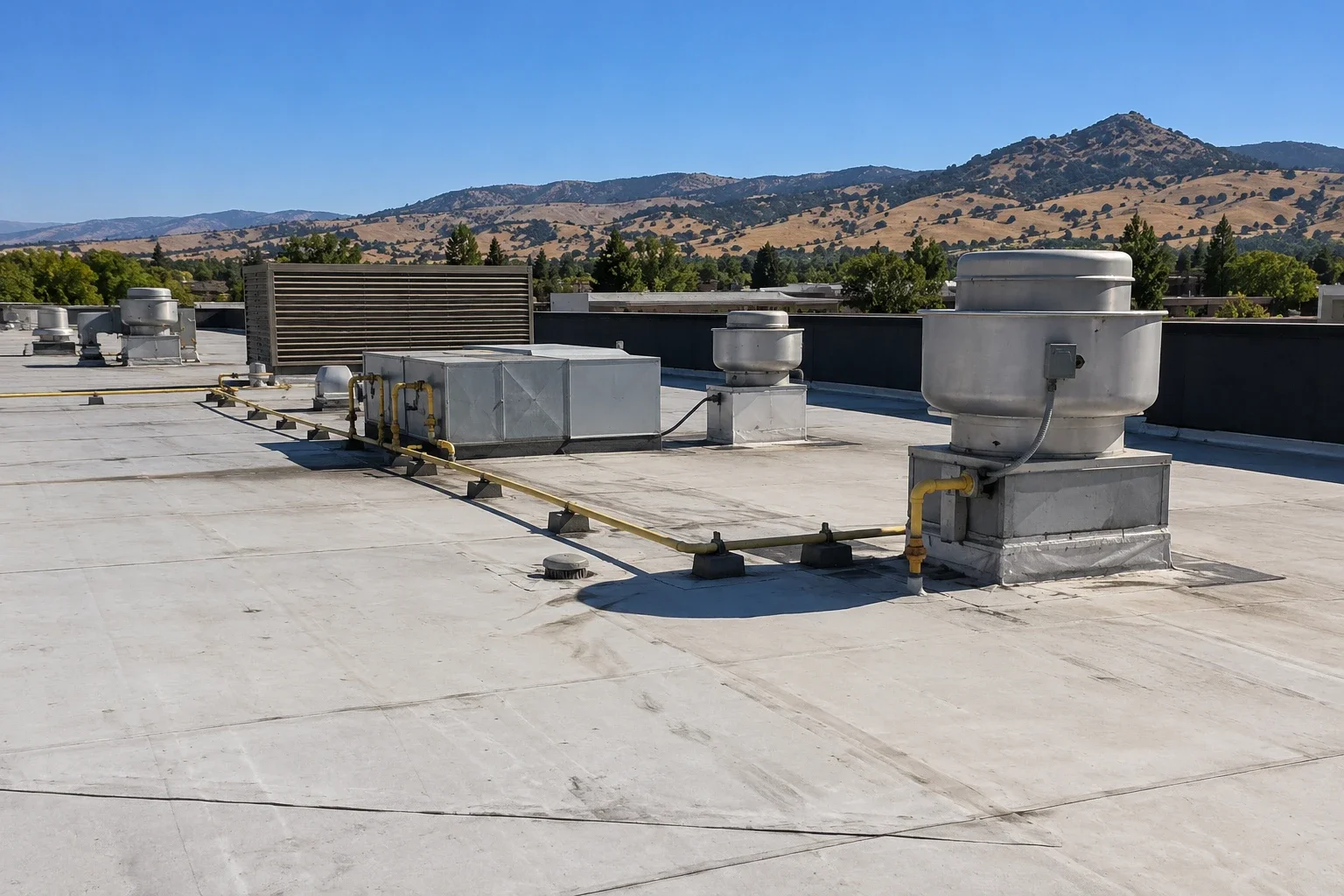
A restaurant roof lives with kitchen exhaust. Grease settles around fan discharge, soaks into some membranes and softens or degrades them. Rooftop grease containment, regular cleaning and a membrane that tolerates oils all matter, and a restaurant roof is typically graded with the kitchen's vent locations in mind. PVC and KEE sheets resist grease better than other single-ply options, so they come up often when we advise on a re-roof.
The other restaurant hazard is drainage near vents. Grease mixed with debris clogs scuppers and drains, and the resulting ponding sits at the same corner where the fan discharges. We clean those paths on each visit and note the location of every grease-bearing vent in the roof register so the next crew starts there.
Fire safety is part of kitchen roof work. Duct and fan discharge are kept clear of combustible roof material, and hot work near exhaust is done under permit with a fire watch. Where an older grease-soaked surface cannot be cleaned, we recommend replacing the affected area rather than adding new membrane over it.

Big boxes, strip centers and pad sites
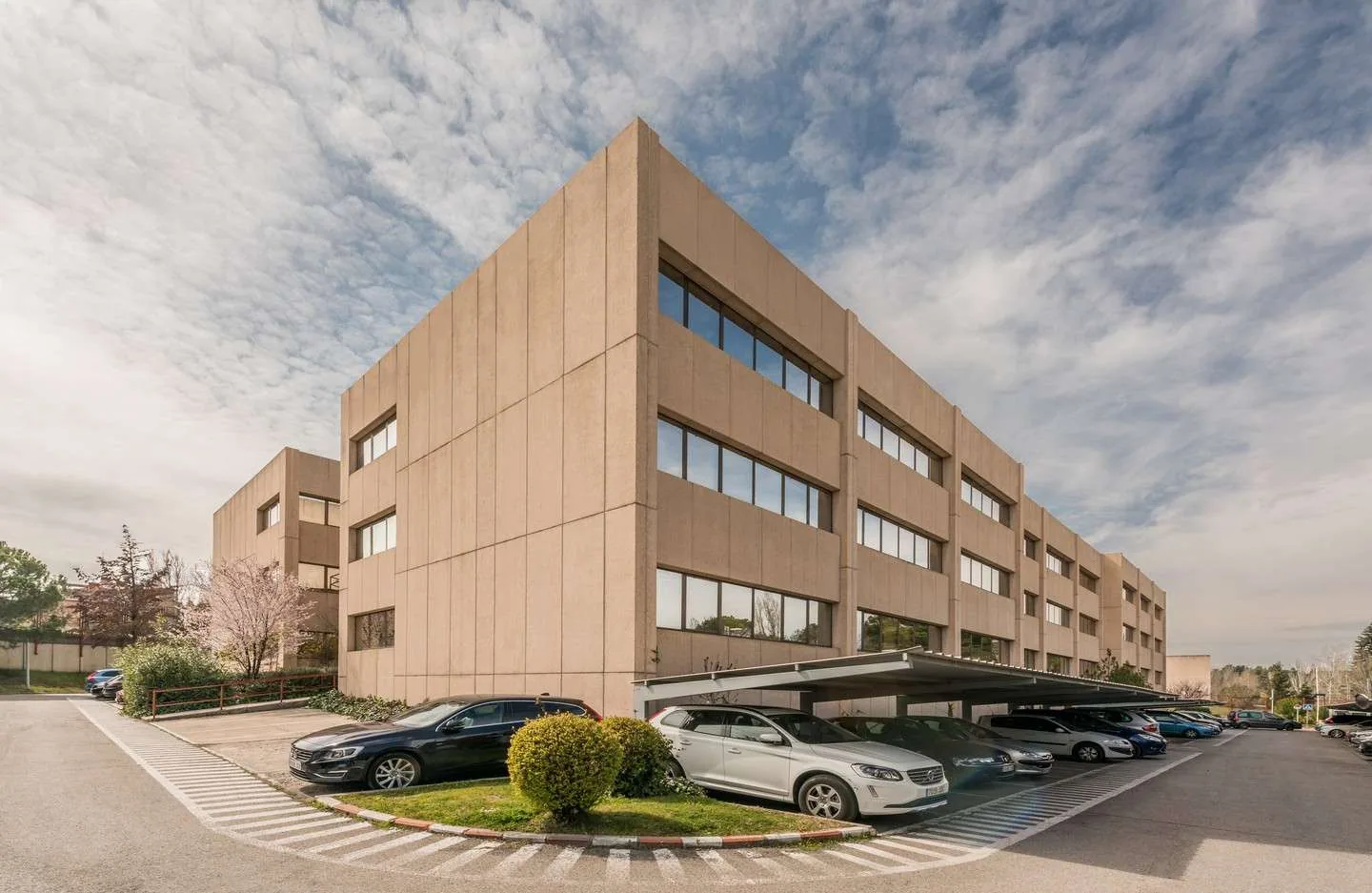
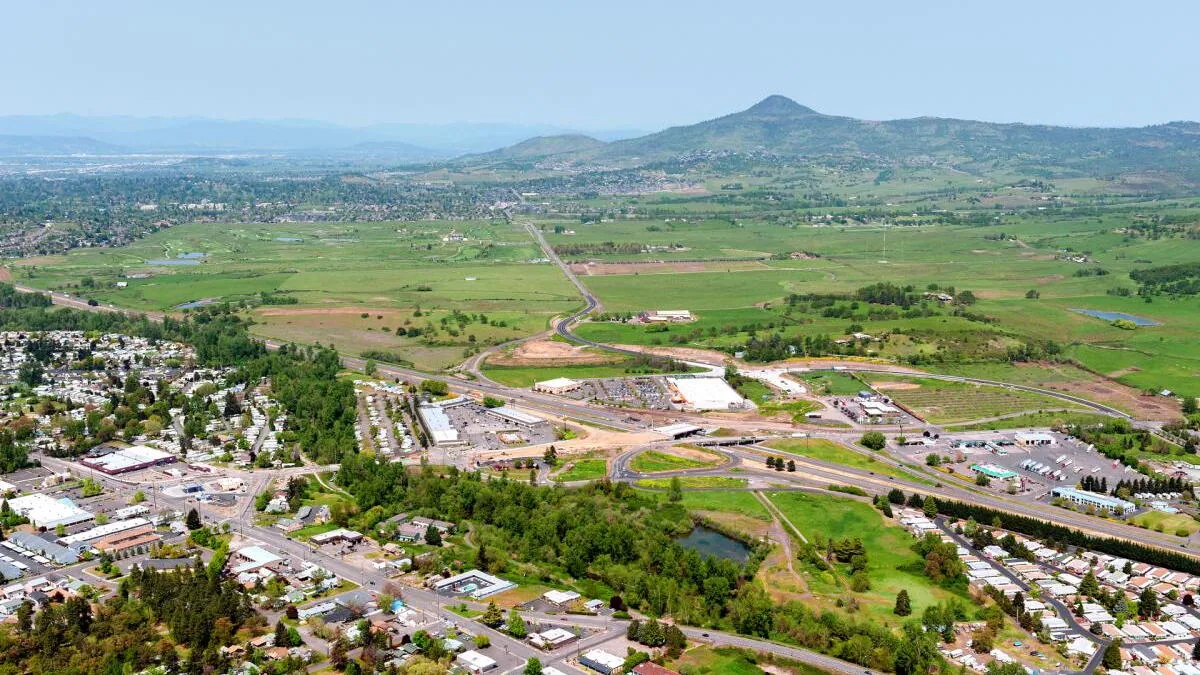
The valley's retail runs from the enclosed Rogue Valley Mall in the North Riverside corridor, with Kohl's, JCPenney and Macy's among its main tenants and now under Spinoso Real Estate Group management, to the Costco and FedEx facility on Table Rock Road, an Albertsons in Central Point and a Home Depot beside Interstate 5 in Phoenix. Each pairs a different roof with a different lease structure.
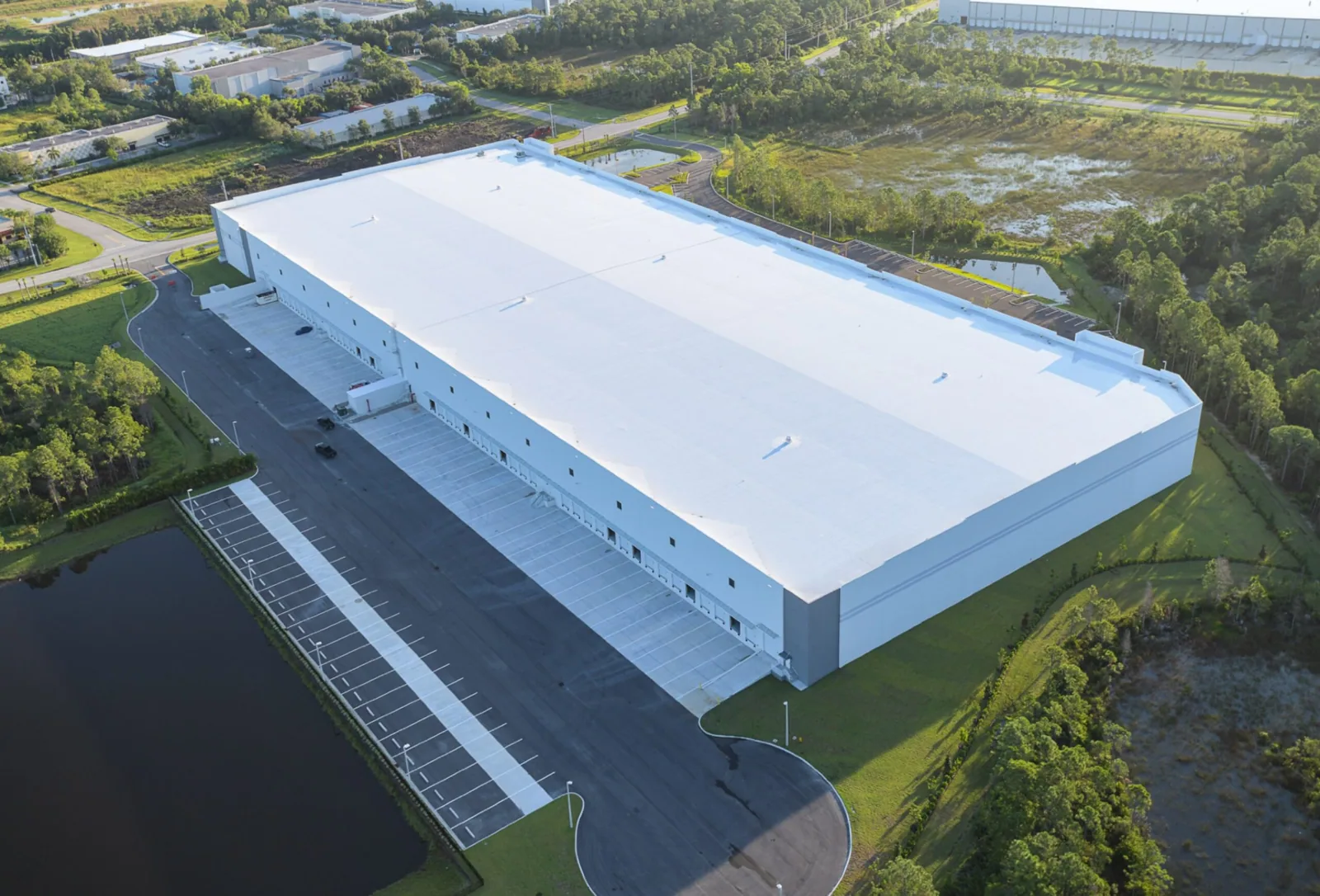
Large-format stores may control their own roofs, while in-line tenants share a landlord's. Pad sites tend to carry a single small roof with heavy kitchen or fuel-island equipment. We note who owns each roof and who maintains it before recommending anything, because a chain that repairs a roof its landlord is responsible for may pay twice. Both big-box store roofs and shopping center roofs share drains and expansion joints that are worth a joint review.
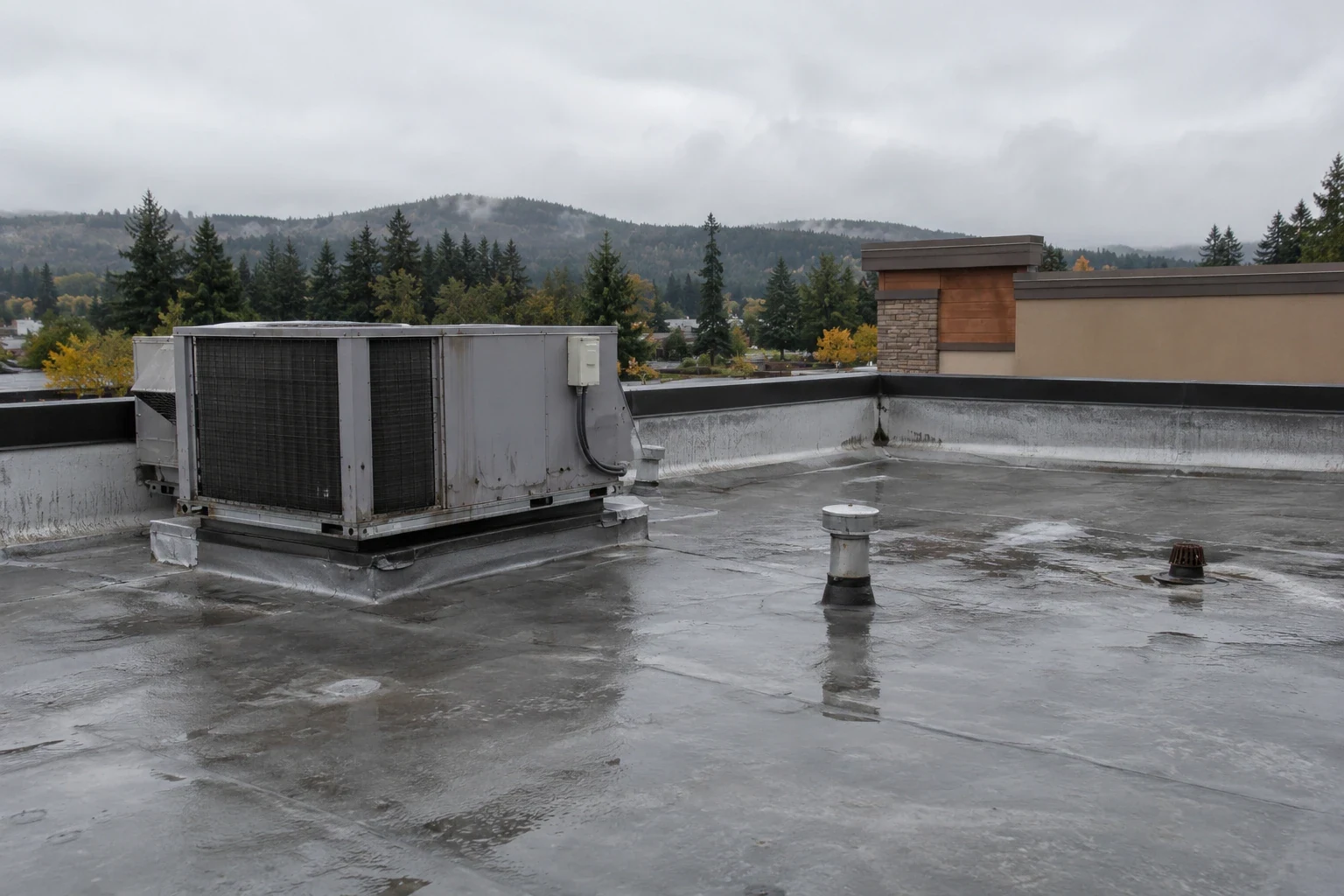
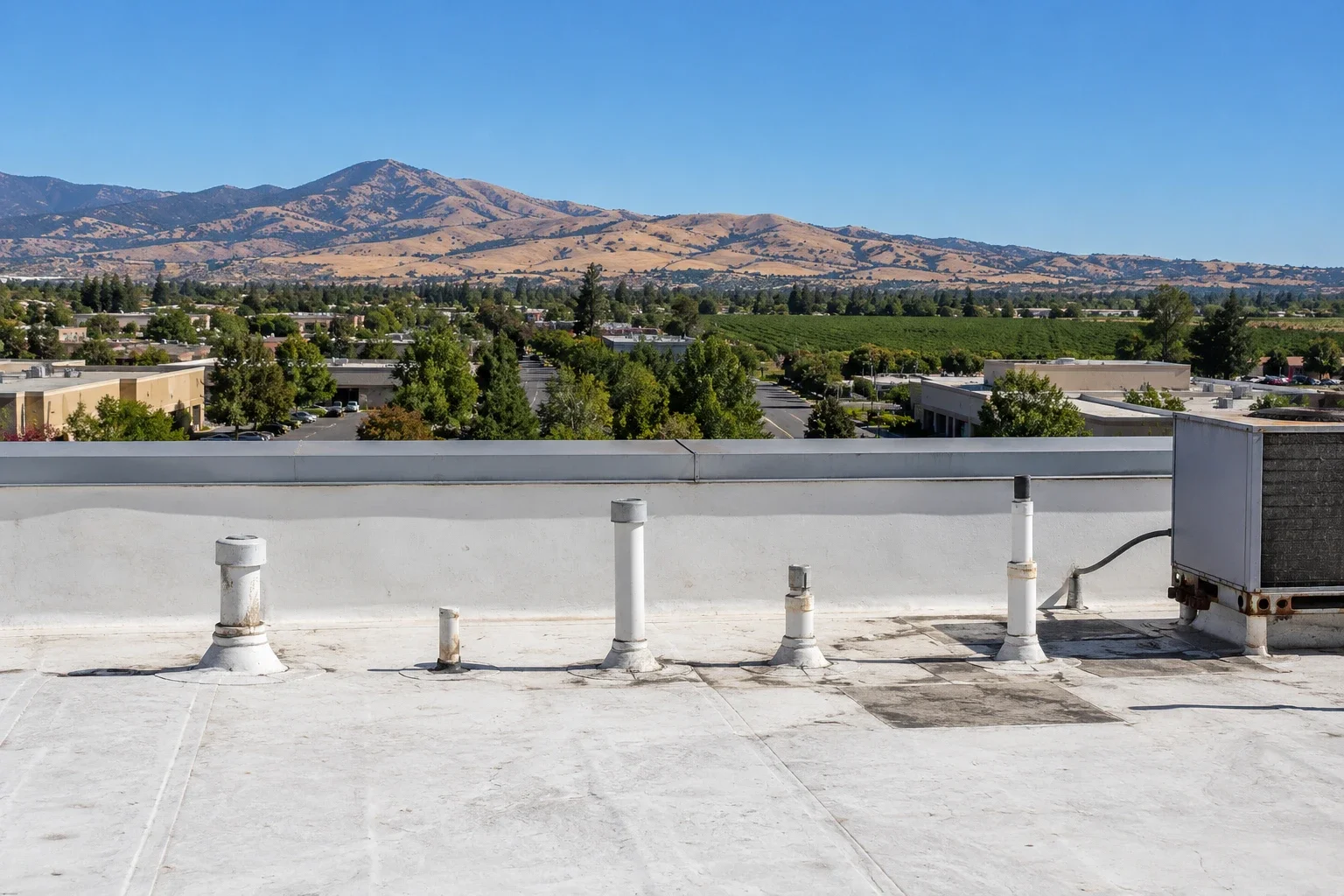
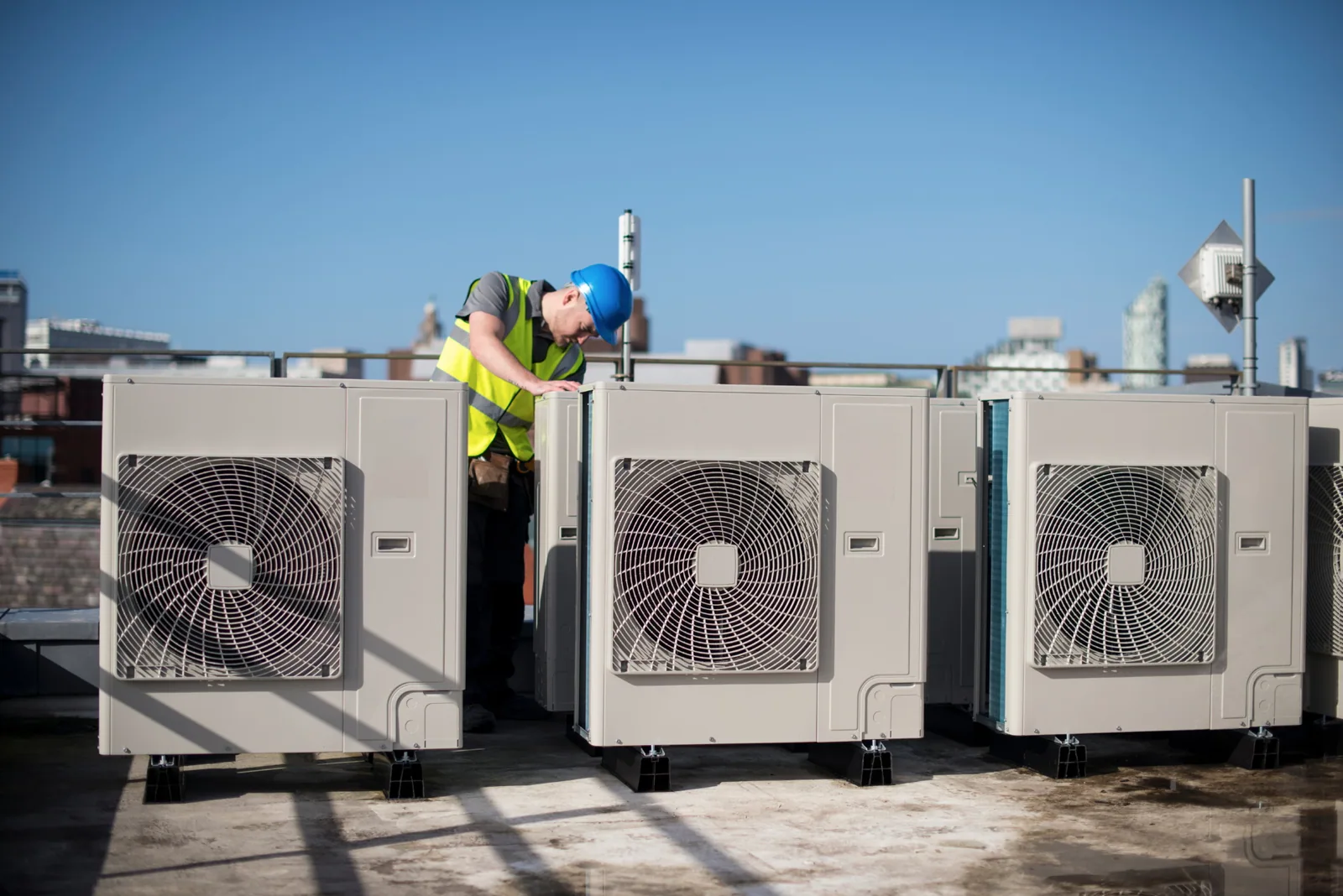
Rooftop equipment is the other constant. Retail and restaurant roofs carry packaged units, make-up air and refrigeration condensers, and the curbs and supports under them are where leaks usually begin. We inspect each and report which need new flashing before the next unit change.

One scorecard across every store
Chains need consistency. Every location gets the same grading scale, report layout and set of cost drivers, so the regional facilities manager can read the Medford store next to a store in another market. The multi-site roof programs that we run group stores by condition, route and lease timeline, which lowers mobilization cost and keeps the capital plan even.
Only the Medford entry carries the valley's sun, heat and smoke exposure, while the report structure stays constant. A roof that is aging faster than the chain-wide average shows up early, and a reserve adjustment follows before the roof forces the issue.
Brand standards matter too. Many chains specify roof colors, membrane types or approved details, and we confirm those with the corporate construction group before pricing, so a reroof does not conflict with a standard the store is expected to meet.
Grocery operators in the same family, with refrigeration loads and long receiving hours, follow the same scorecard, and a store tied to a regional logistics and 3PL supply chain gets its roof work scheduled around replenishment trucks. The grade and the cost drivers stay comparable across formats.
When a leak lands on the sales floor
A drip over a display or a dining table is both a customer issue and a safety issue. Our emergency roof repair line is staffed around the clock, and for chain accounts the store contact list is entered in advance so the call goes to a crew that knows the roof access, the alarm codes and the manager on duty.
The response includes dry-in, a note of the cause as best it can be told, and photographs that the store can send to its corporate risk office. Interior cleanup is the store's job or its restoration vendor's, and we coordinate so the roof repair does not wait on it.
Afterward, the facilities manager receives a short closeout note listing the repair, its location on the roof plan and what the store should watch over the next rain, so the same spot is checked rather than forgotten.

Send the store list and lease contacts
Related Roofing Pages

Questions About Retail and Restaurant Chains
Can one agreement cover stores in several cities?
We can write a program for the valley locations and extend it to others as the chain needs. Pricing and schedules are set store by store, with one grading scale throughout.
What does a landlord-owned roof mean for a tenant chain?
The lease decides who repairs and who pays. We document conditions and cost ranges for both sides so the conversation with the landlord begins with evidence.
How do you keep a restaurant open during a reroof?
By working in early hours, protecting exhaust and make-up air equipment, and timing fume-producing steps away from meal periods. The kitchen and dining room stay operating.
Is a white roof worth it on a retail store?
On low-slope stores with heavy cooling loads, a reflective surface lowers heat entering the sales floor and slows aging. Smoke seasons require washing to keep the benefit, which we schedule.
What records does a chain's risk office usually want?
Dated photographs, a condition grade, the repair history and the status of any warranty. Our reports are laid out to meet that request without rework.