
Roofing for Logistics and 3PL Operators in Medford, OR
Roof planning for logistics and 3PL operators in Medford, OR: dock-door leaks, racking and sprinkler exposure, cool roofs and no-interruption schedules.
Overview
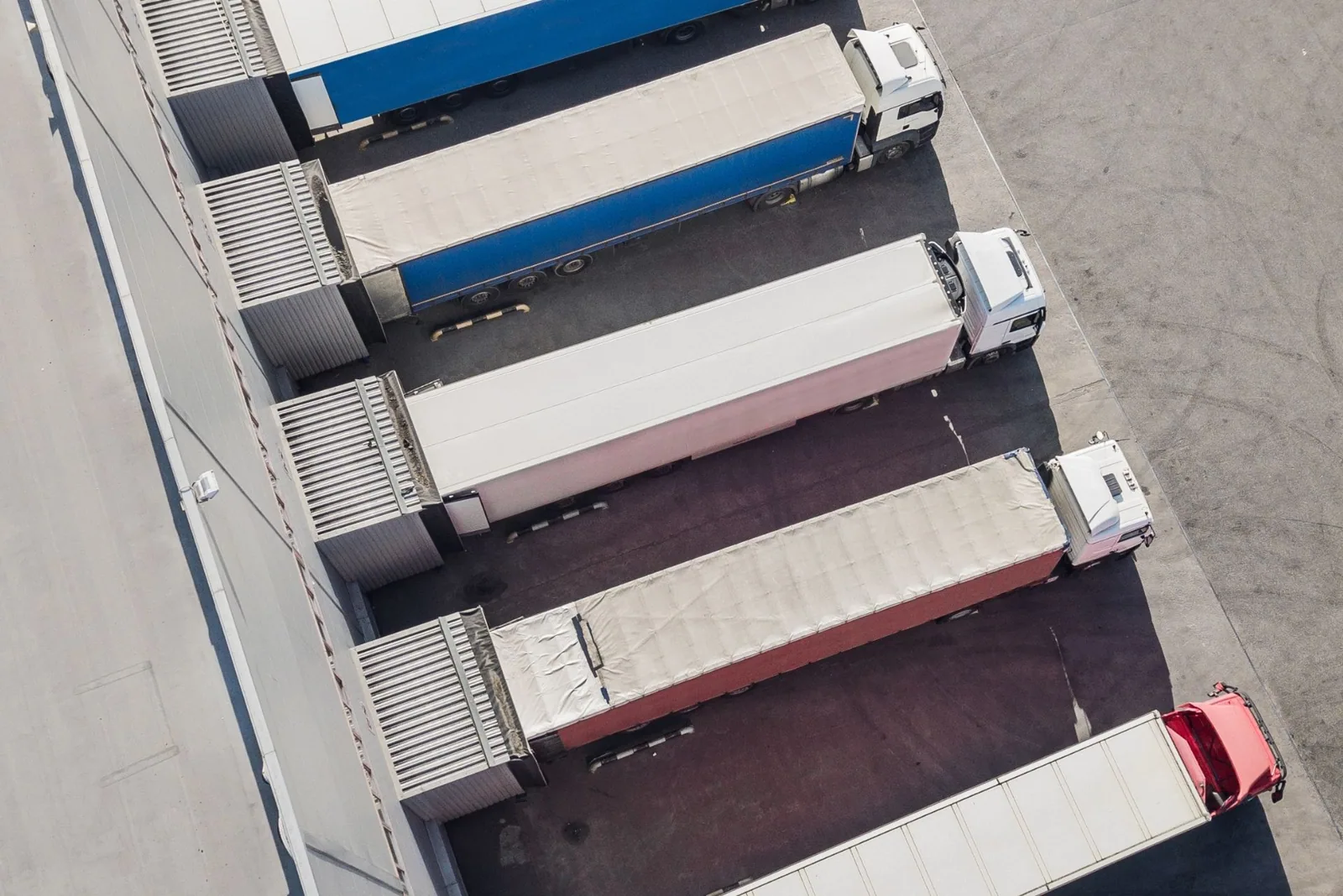
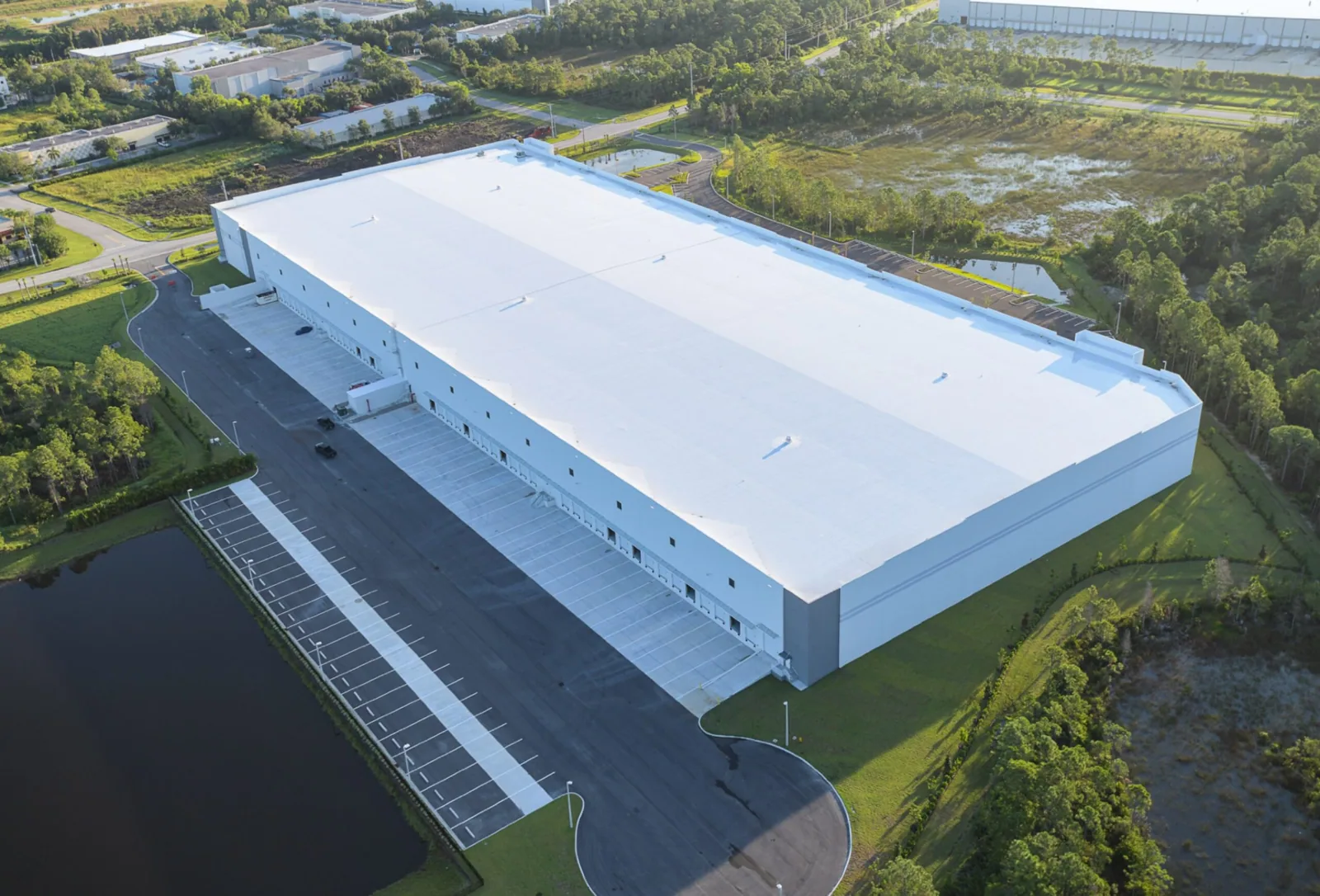
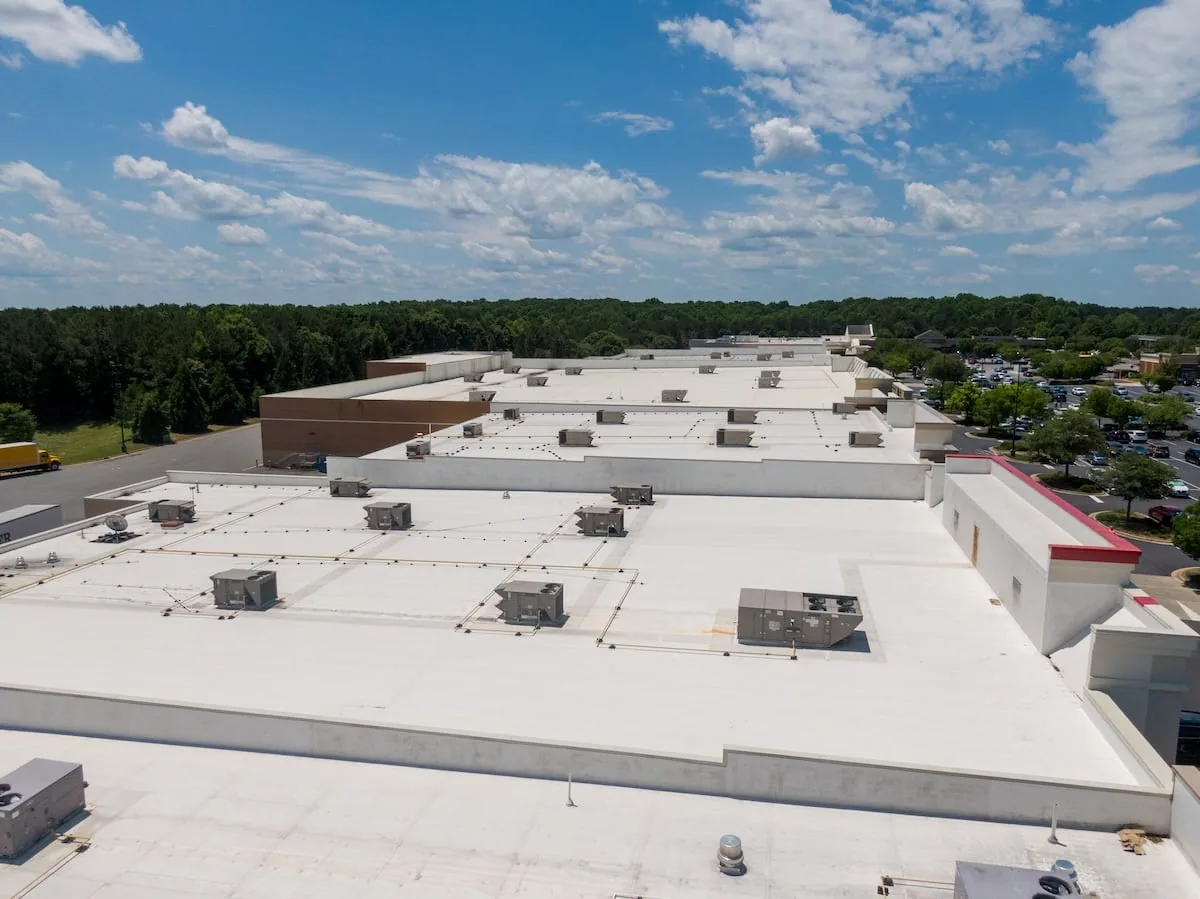
A distribution building makes money when trucks load and unload on time, and a Medford, OR summer works against that from above. Afternoons over 90 F arrive about 61 times a year, with roughly 11 above 100 F, and a flat warehouse roof with a dark or weathered membrane turns that heat into a hot-air ceiling over pickers, racking and temperature-sensitive stock. The leak that follows an aging seam is worse: water finds the nearest dock door or the first row of pallets, and the 3PL operator learns about it from a customer's damaged-goods claim.
Our logistics work treats the roof as a throughput asset. Each building receives a condition grade and a remaining-life estimate, and any repair or replacement is scheduled to avoid peak shipping weeks and holiday volume.
The same building often serves several customers at once, so a single leak can touch more than one account. Our reports identify which bays and aisles sit under each roof section, which lets a 3PL operator tell a client precisely what was exposed and what was not.

Freight corridors and what they put overhead
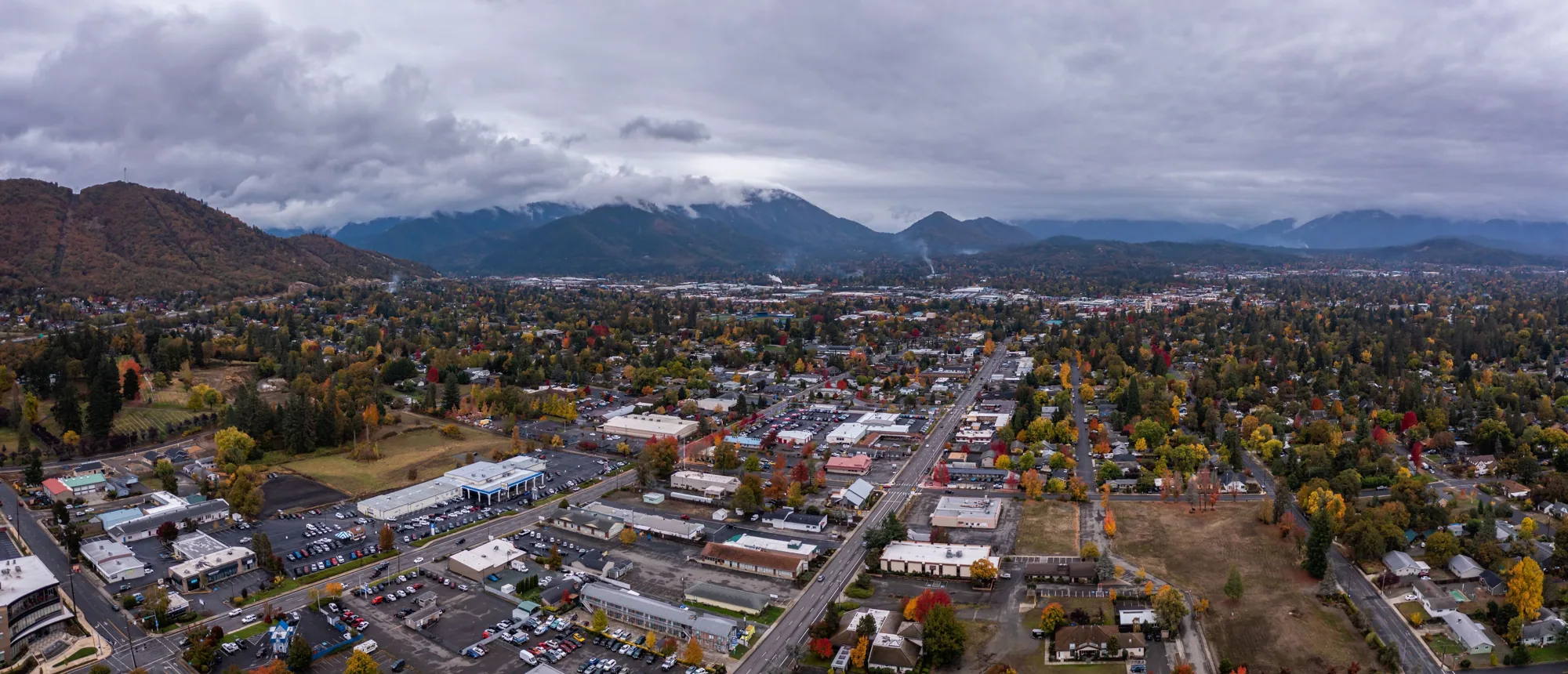
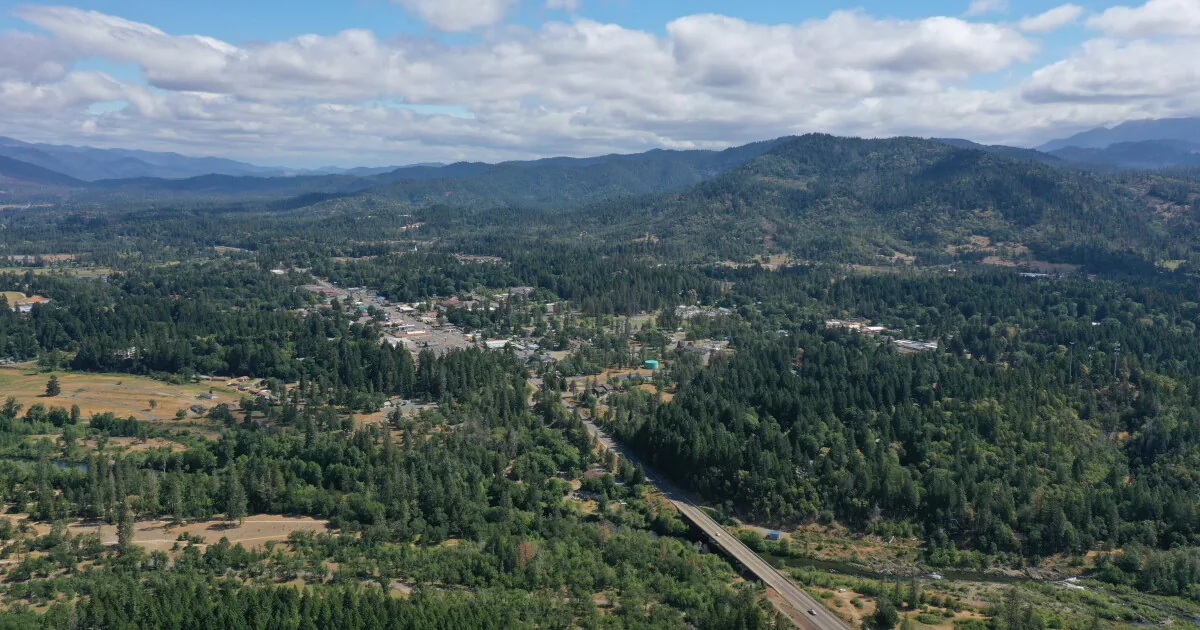
The Rogue Valley's freight geography is compact. Interstate 5 runs through central Medford on a 3,229-foot viaduct, and Table Rock Road connects the interstate to Rogue Valley International-Medford Airport, carrying a Costco, a FedEx facility and an Amazon ground-distribution warehouse along the way. Cargo carriers Ameriflight and Empire Airlines serve the airport, and the U.S. Forest Service air tanker base shares the field. Rail reaches Phoenix Industrial Park and the White City Industrial Park, and Central Point hosts USF Reddaway and a Pilot Travel Center.
That mix gives the valley distribution buildings of different ages, sizes and ownership, from a ground-distribution warehouse to rail-served industrial space. Each calls for a different roof plan, and the Table Rock Road and airport corridor concentrates several of them within a few miles.
A manufacturer whose goods pass through a 3PL building shares its roof risk, so the planning used for manufacturers carries over to any operator storing their product. Retailers and restaurant chains that rely on these warehouses, covered in retail and restaurant chain roof work, feel the delay at their own docks.
Dock doors, trailers and ground-level damage
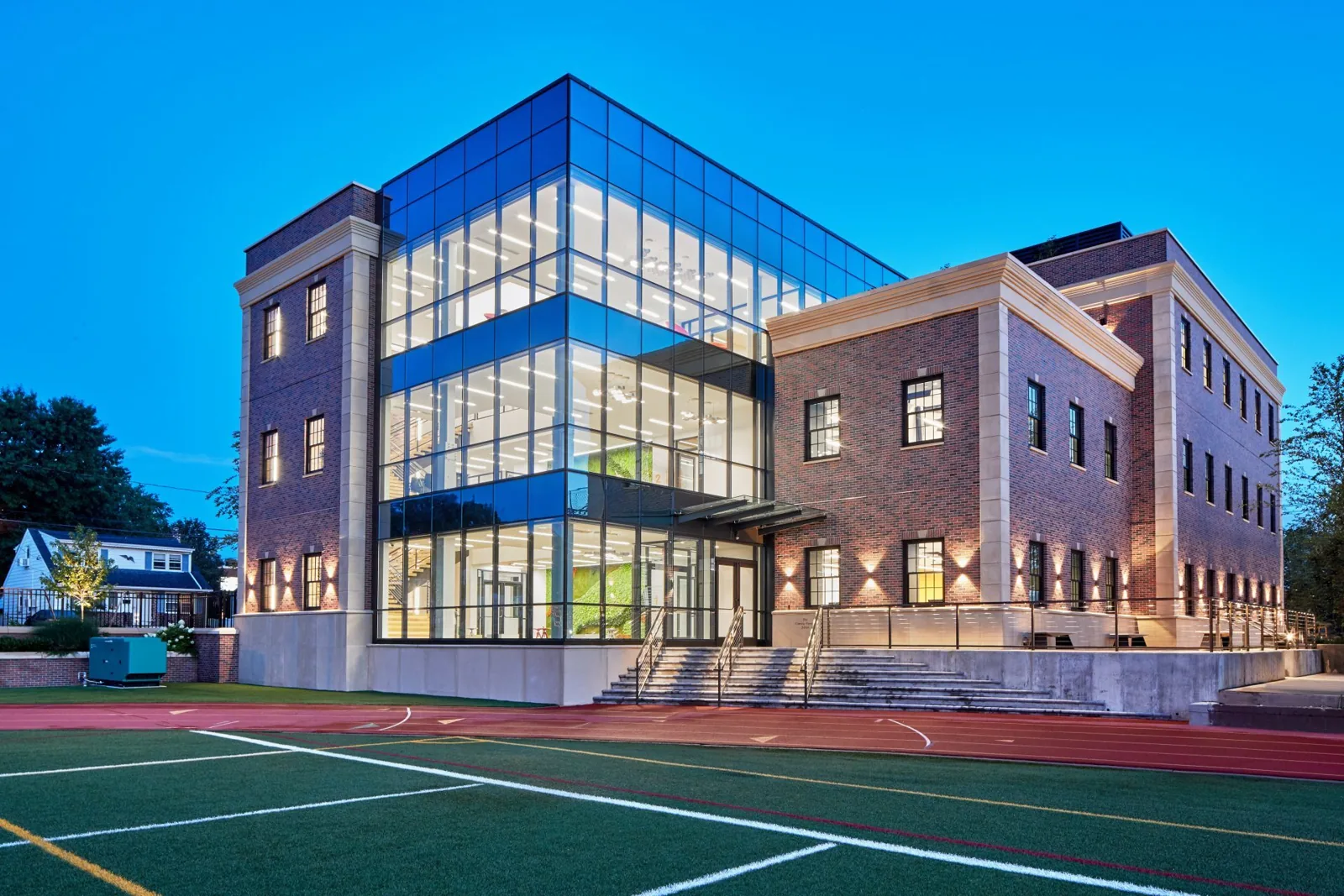
Roof leaks in distribution buildings often show at the docks first, since parapets, canopies and wall flashings concentrate at those edges. Trailers backing in can strike dock canopies and edge metal, and forklifts running water from a wet floor spread the damage. We check canopy flashing, scupper discharge and downspout routing around dock aprons, because water leaving a roof onto concrete where trucks maneuver becomes a safety problem as well as a roof problem.
Wall-to-roof transitions deserve a close look. Sealant fails at tilt-up panel joints, and a gap that admits rain behind the roof edge shows up as a stain in racking aisles. These are cheap to repair in a maintenance visit and costly after a customer's stock gets wet. A distribution center roof program makes those checks routine.
Truck traffic creates its own wear on the roof edge nearest the court. Exhaust soot, diesel film and splashed grit accumulate on parapets and canopies, and they hide hairline cracks until a heavy rain finds them. A scheduled wash and inspection of those edges, with sealant renewal where joints have opened, protects the line of racking just inside the wall.
Racking, sprinklers and the interior consequences
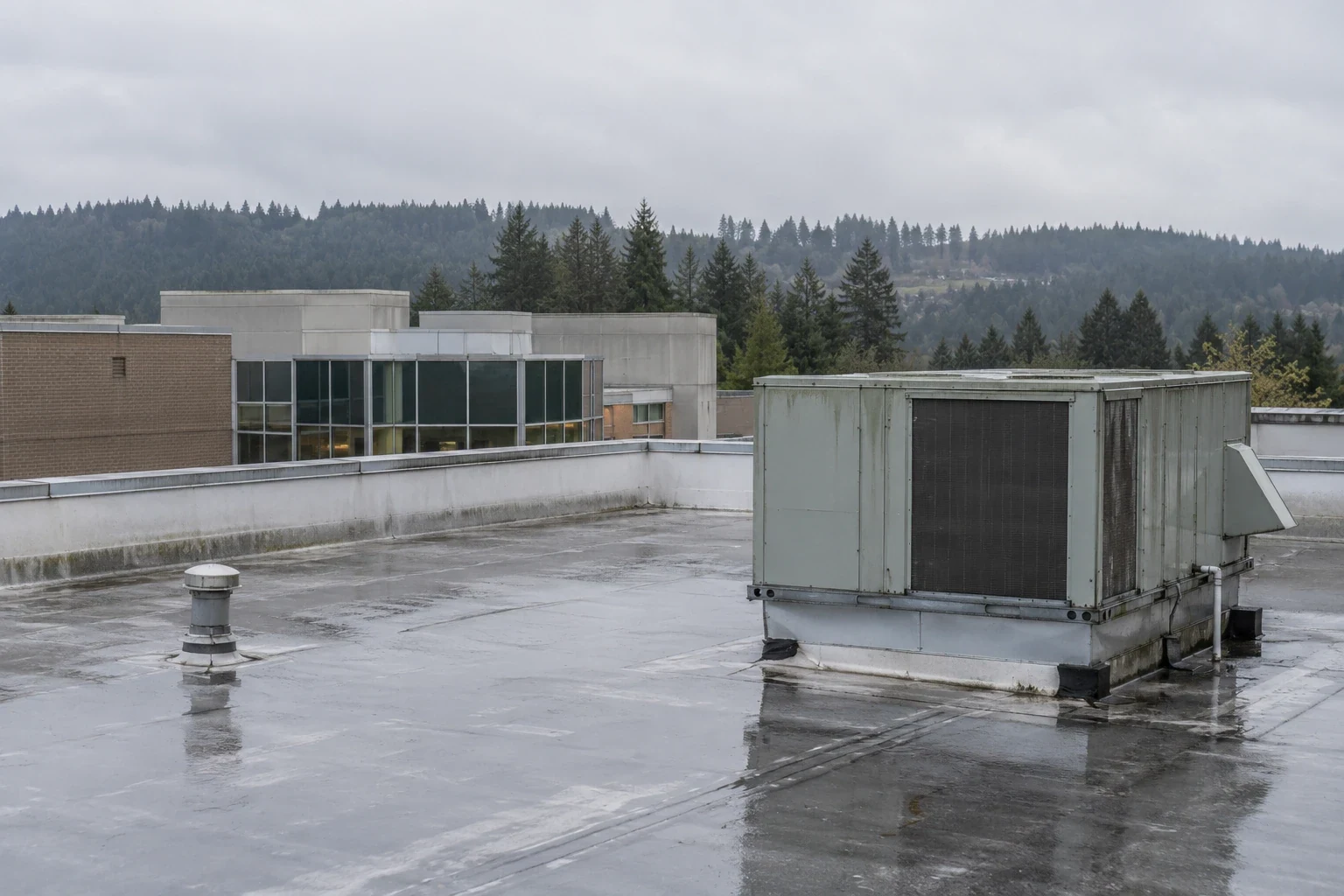
Water above racking is a different problem from water above an open floor. A drip lands on cartons and spreads down a column of pallets, and stock stored high may not be reachable until a lift arrives. Sprinkler piping hanging from roof structure can be affected too, since persistent moisture corrodes pipe and fittings, and a roof that sags under ponded water can load the structure that holds the system.
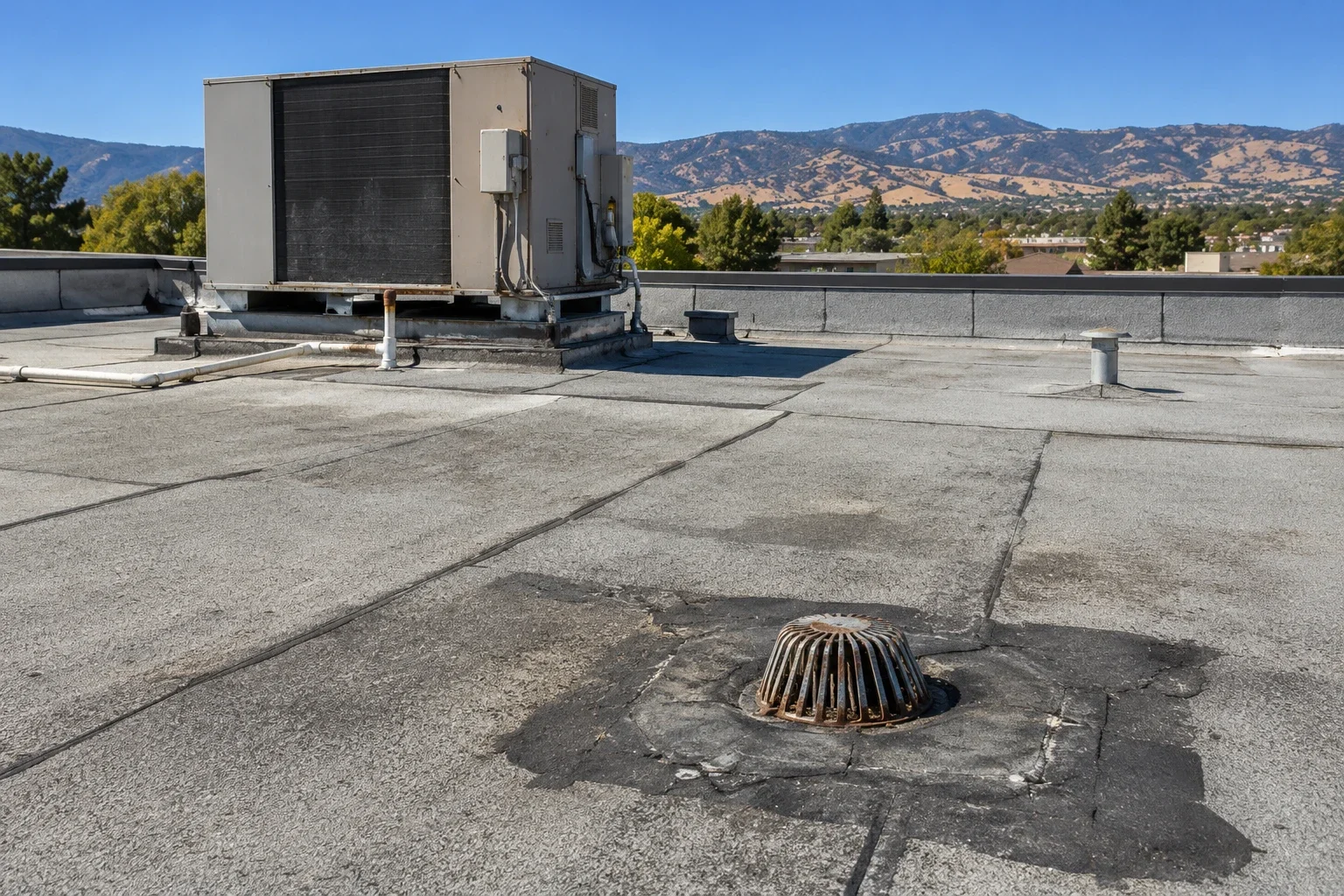
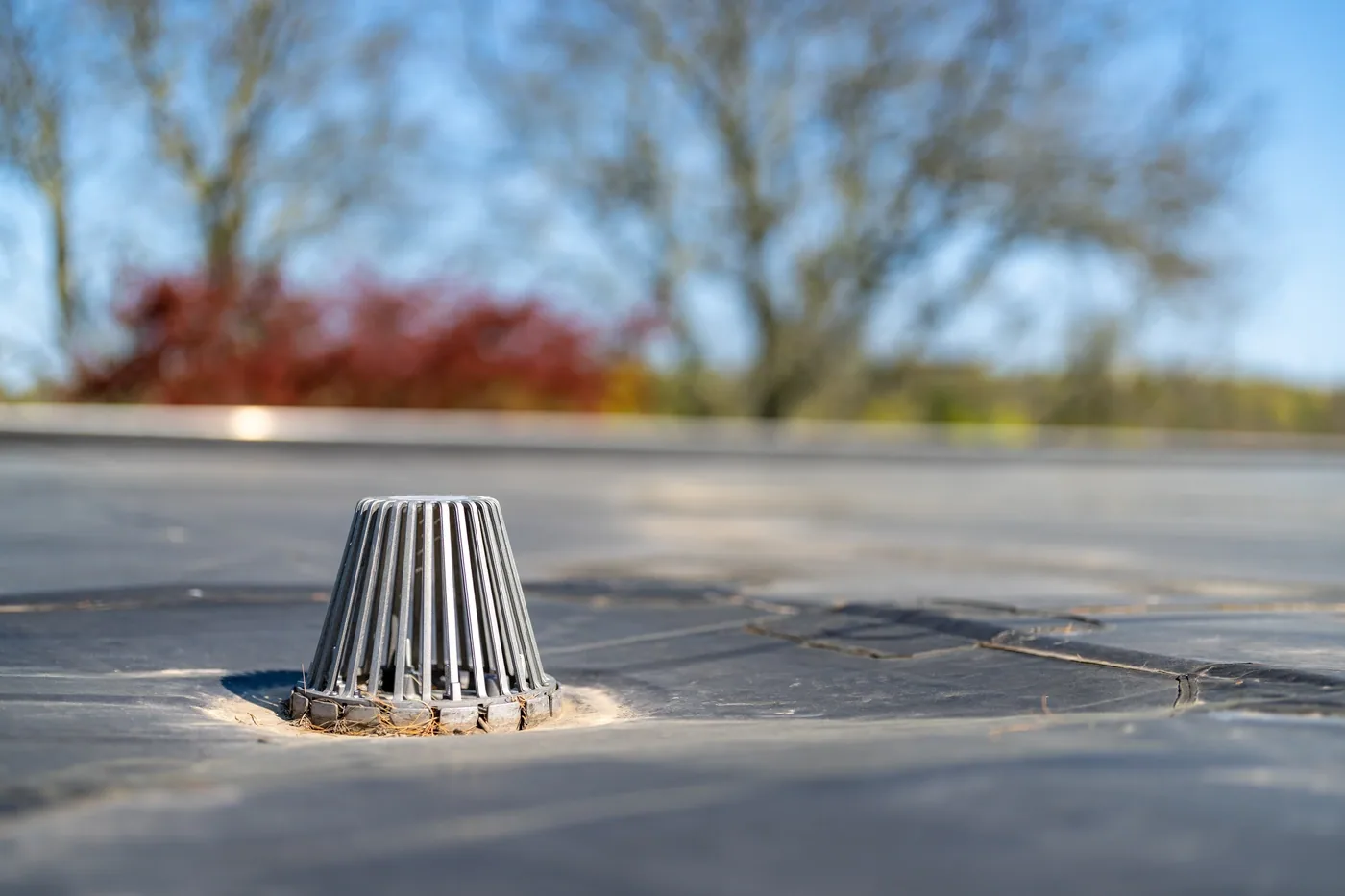
We therefore pay attention to drainage on big, simple roofs. A handful of drains serve a wide area, and a single blocked outlet can pond water across several bays. Clearing drains and verifying overflow paths through drain and scupper work is a short task with a large effect on the building's risk.
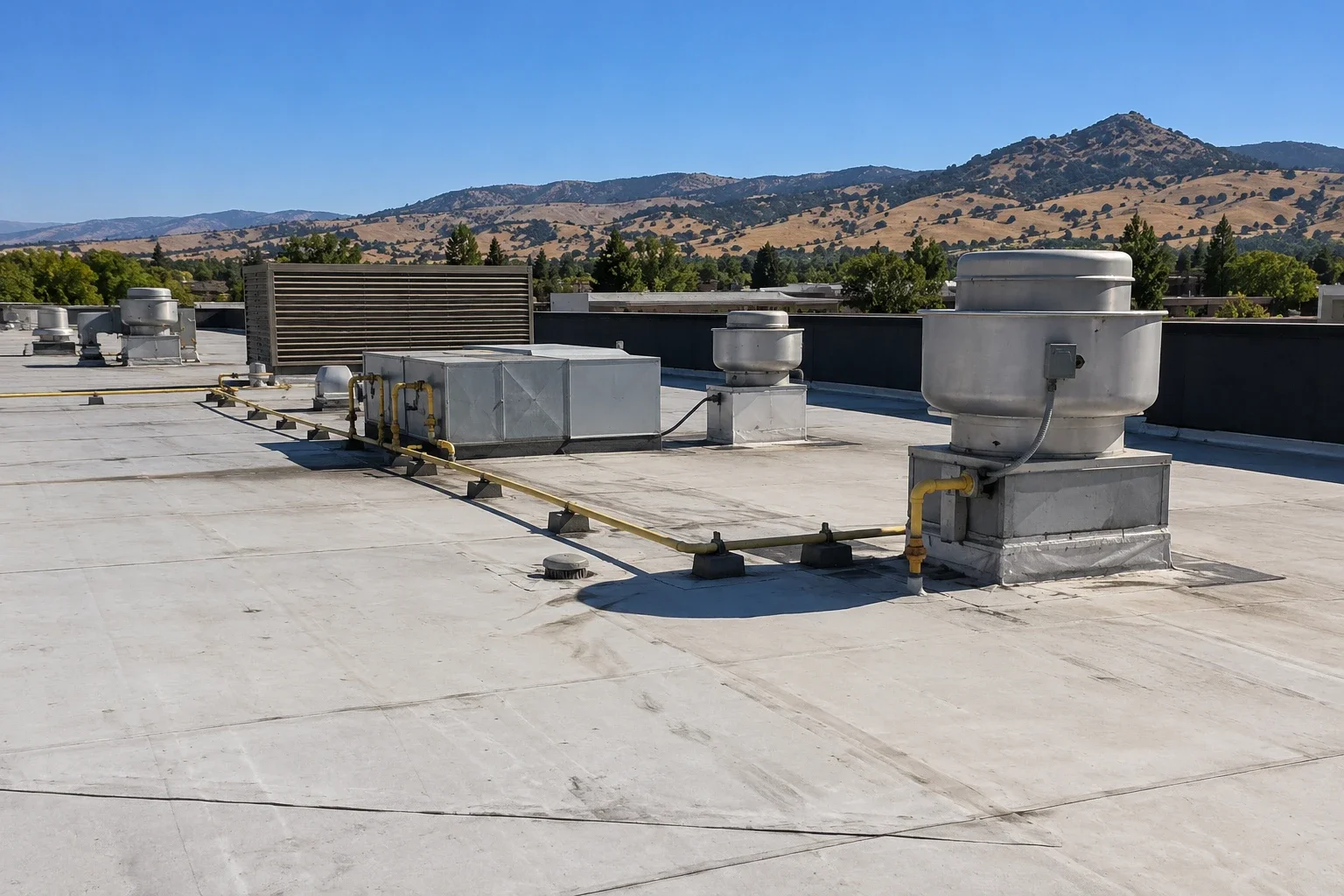
Fire protection adds another layer. Roof penetrations for sprinkler risers, smoke vents and heat-and-smoke hatches need dependable flashing, and any change to them goes through the building's fire-protection contractor. We flag them in the register so they are not disturbed by an unrelated repair.
Heat, cooling cost and a lighter roof
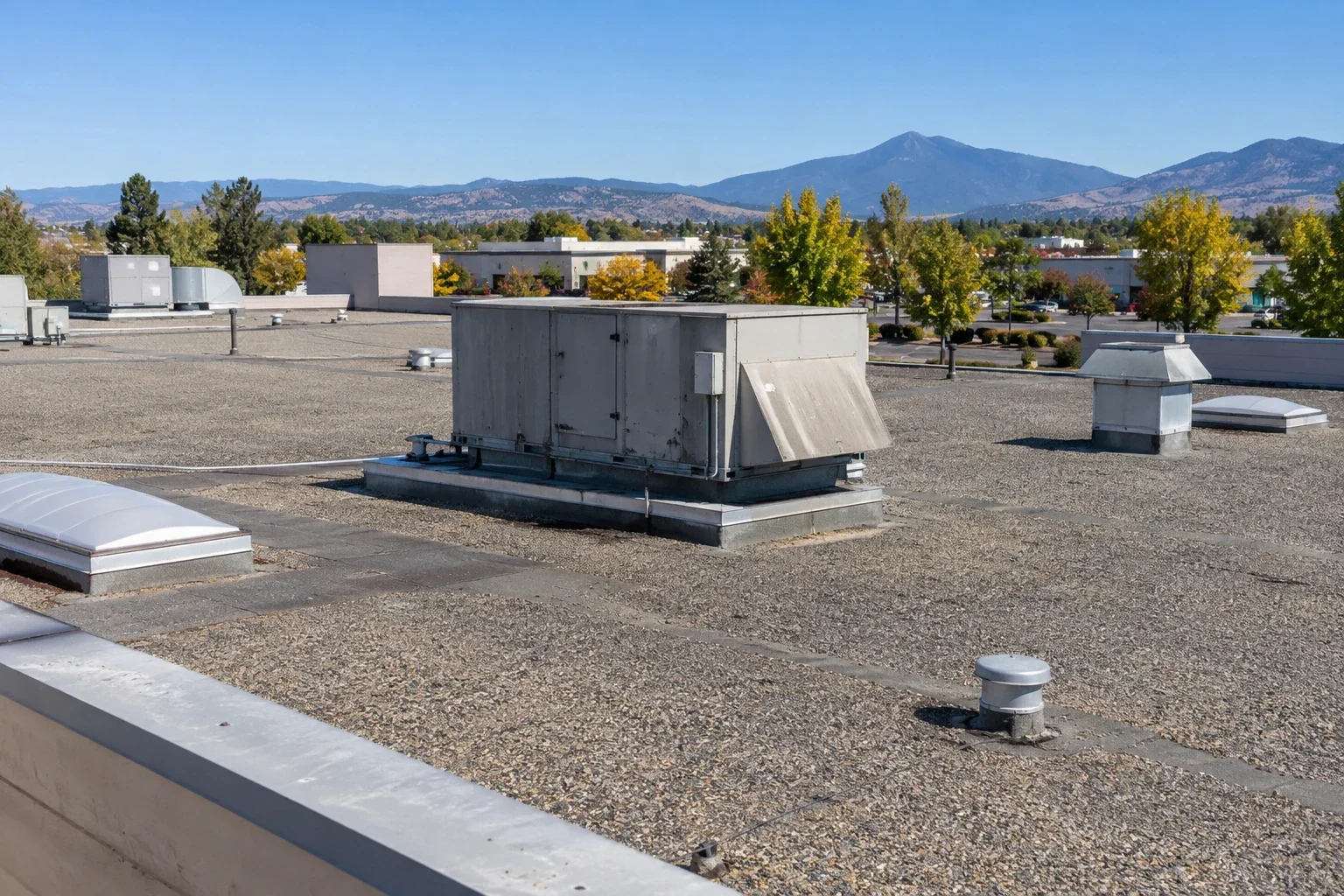
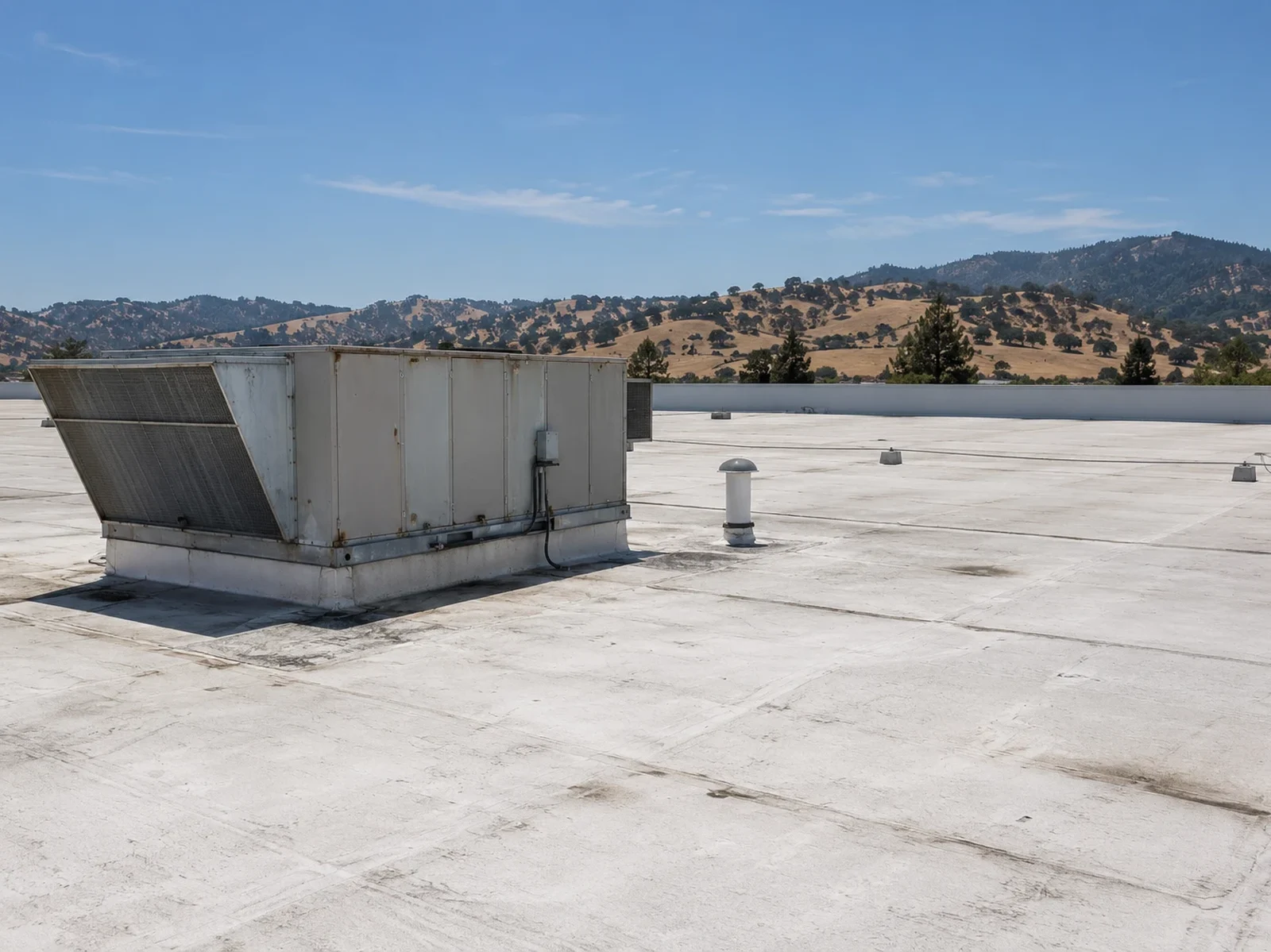
Some distribution buildings run little or no air conditioning, and workers feel the roof's heat directly. A reflective membrane lowers the temperature under the deck, which improves working conditions and protects temperature-sensitive stock. A cool roof on a warehouse is one of the few capital projects that benefits comfort, inventory protection and membrane life together.
Smoke complicates it. Medford counted 26 smoke days in 2021, and soot settles on bright roofs and cuts reflectance. We build washing into the maintenance calendar so the benefit holds. For operators with temperature-controlled space, the roof over the cold side is treated separately, with insulation and vapor control matched to the conditions below.
For roofs with skylights or light panels over the pick floor, the daylight is useful, but the curbs are weak points in heat. We inspect gaskets, domes and flashing at each, and we recommend infill with insulated roof where the lighting is no longer needed and the opening is a leak risk.
Roof work around peak season
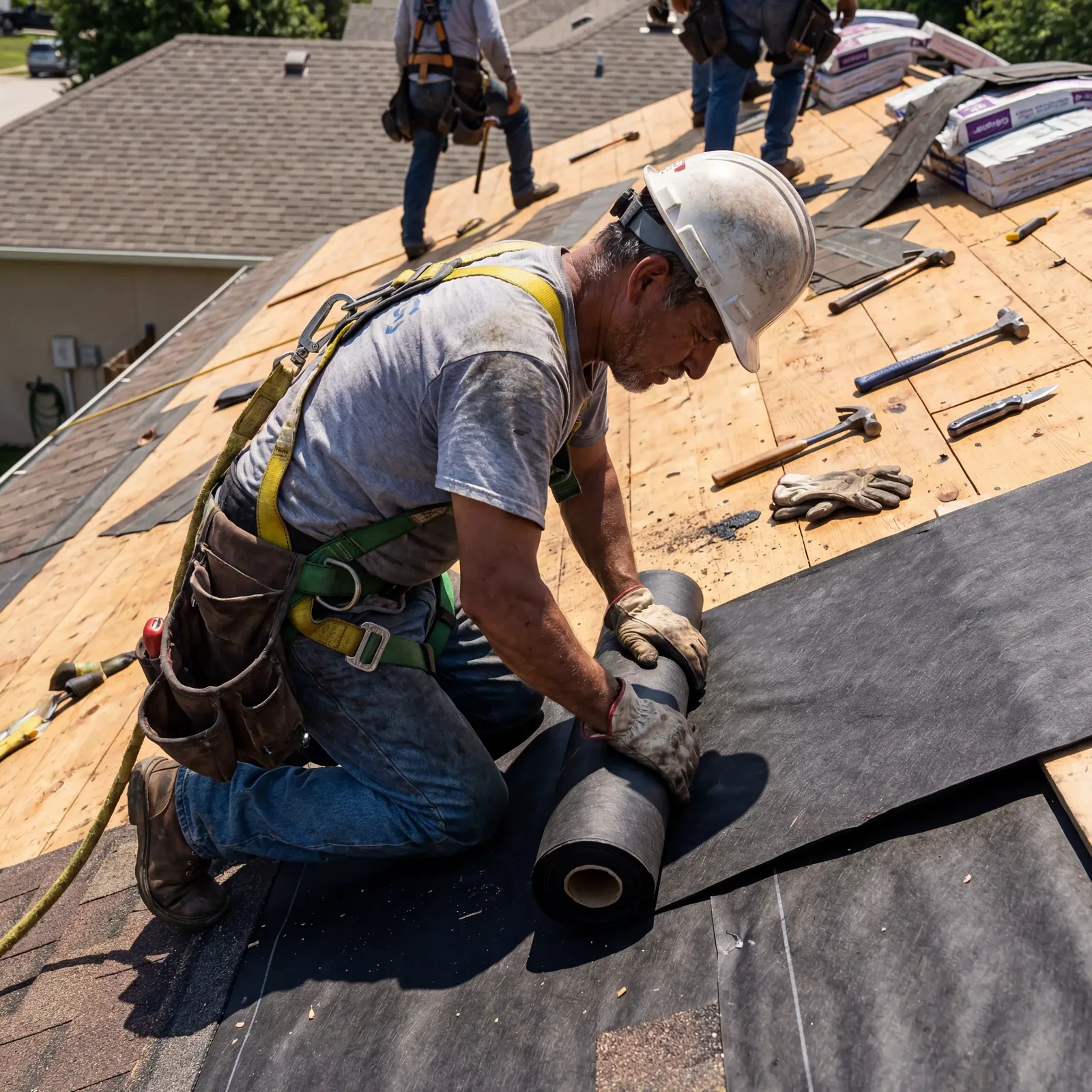
Logistics runs on seasonal peaks. Roof work scheduled into a holiday ramp-up fights for dock space, parking and attention, so we plan major work for the shoulder months, typically spring and early fall, with TPO or similar single-ply systems that install quickly on open decks. Crews stage materials away from truck courts, stay clear of fire lanes and keep dock doors usable throughout.
For operators running more than one building, the multi-site roof programs approach groups roofs by condition and schedule so that a lease expiration, a peak season and a roof replacement do not all land in the same quarter.
Parking and truck courts matter during the job: cranes and lifts need space, and trailers need clear approaches. We lay out a staging plan with the operations manager, mark off material zones and agree on hours that keep gate traffic moving.
Insurance and contracts shape the plan as well. Some 3PL agreements require the operator to keep the premises weather-tight, and a documented roof program is evidence that the obligation is being met. We keep inspection dates, photographs and repair records in one place so an account manager can answer a customer's audit question in minutes rather than days.
Send building sizes, ages and peak dates
Related Roofing Pages
Questions About Logistics and 3PL Operators
Can you reroof a warehouse while it ships product?
Generally, yes. Work moves in sections, with weather-tight closure each day, overhead protection where needed and staging kept clear of truck courts and fire lanes.
What should an operator inspect after a heavy rain?
Dock-door corners, the first rack row inside each canopy, and any location where water has stained the floor or ceiling. Those places show roof and wall problems quickly.
Do lease terms decide who pays for the roof?
They often do, and the allocation varies by lease. We supply the condition report and cost ranges for both landlord and tenant to review.
How does a hot roof affect stored goods?
Heat under the deck raises storage temperature and can damage sensitive stock. A reflective membrane and good insulation reduce that load, and the effect is greatest near the roof.
Are roofs near the airport treated differently?
Drone flights near the field need coordination with airport operations before any aerial survey, and wind exposure is checked case by case. We schedule around both.