
Roofing for Real Estate Investors and REITs in Medford, OR
Roof diligence and hold-period planning for investors, funds and REITs buying Medford, OR commercial property, with condition grades and capital forecasts.
Overview
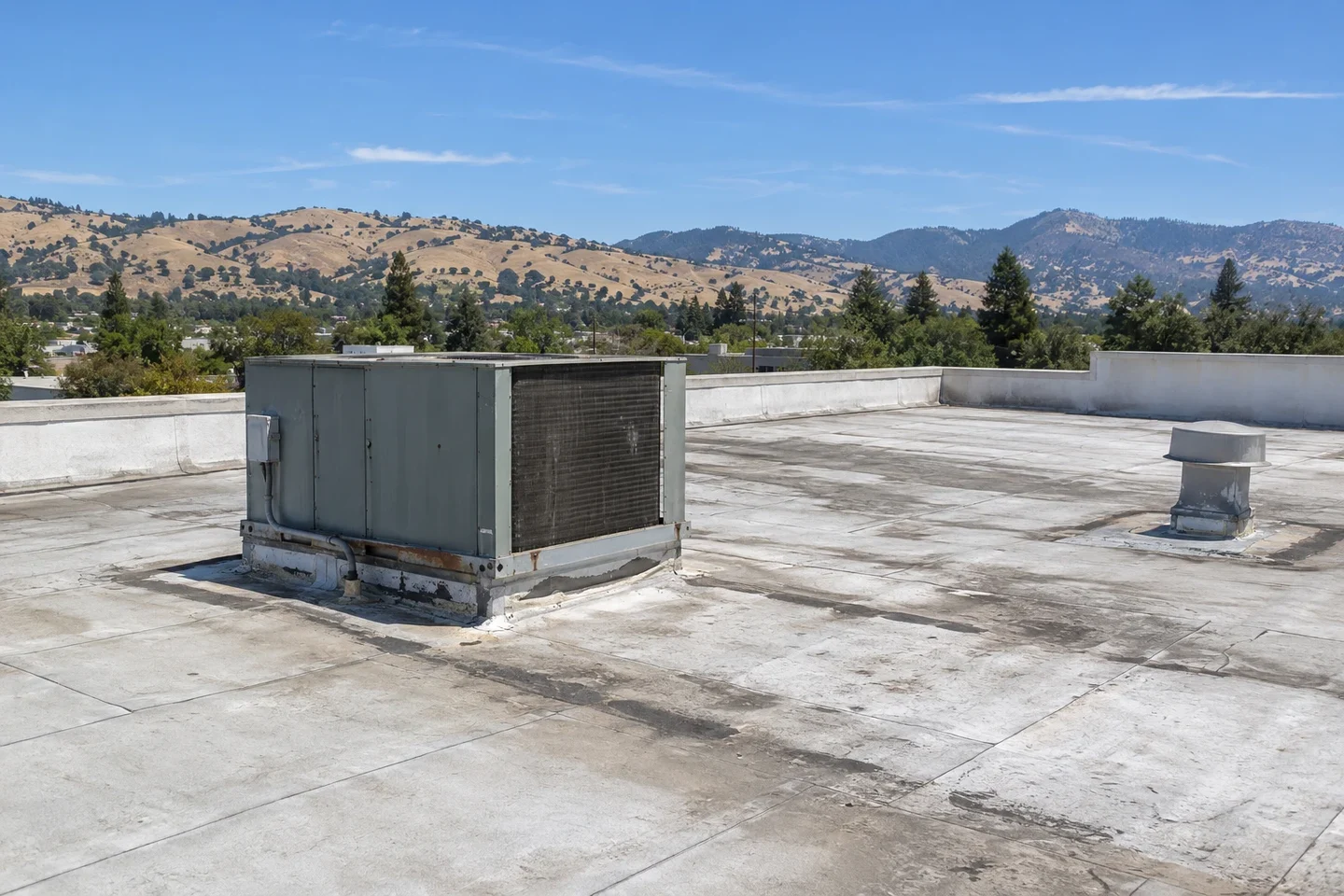
An investor underwriting a Medford, OR building prices the roof twice, once when the offer goes in and once when the sun, heat and smoke of the first few summers take their share. The first number comes from a broker package and an inspection report; the second comes from the building itself, and the gap between them is where returns get lost. A roof described as being in fair condition can be a year or two from a major spend, and a model that did not carry that spend is wrong by the cost of a re-roof, in a valley where 61 afternoons beyond 90 F is a typical year.
Our work for investors is aimed at narrowing that gap. We grade each roof, estimate remaining service life, and set out a capital path across the hold period, so the number in the model is the number the building will actually need.
Roof diligence before the closing date
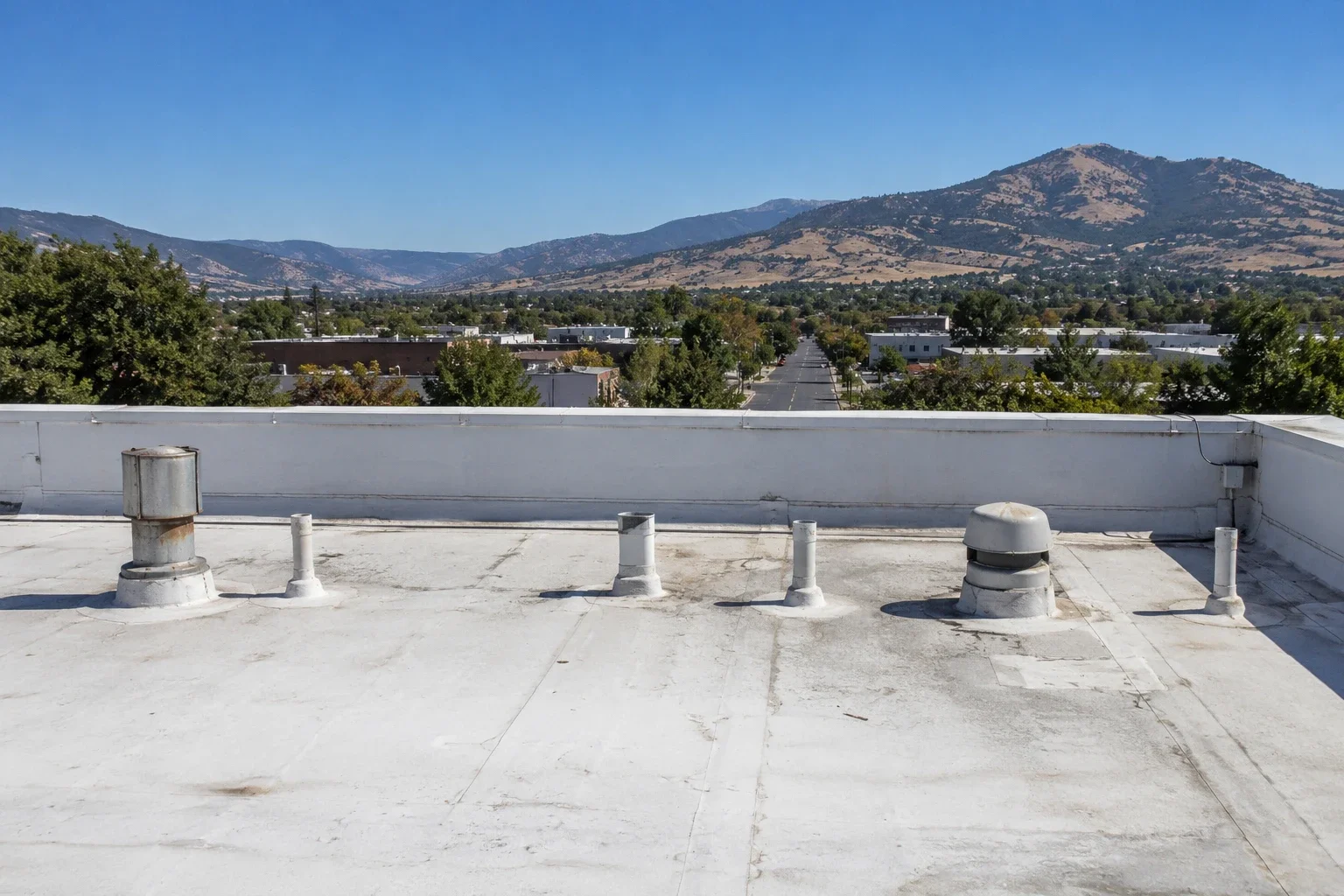
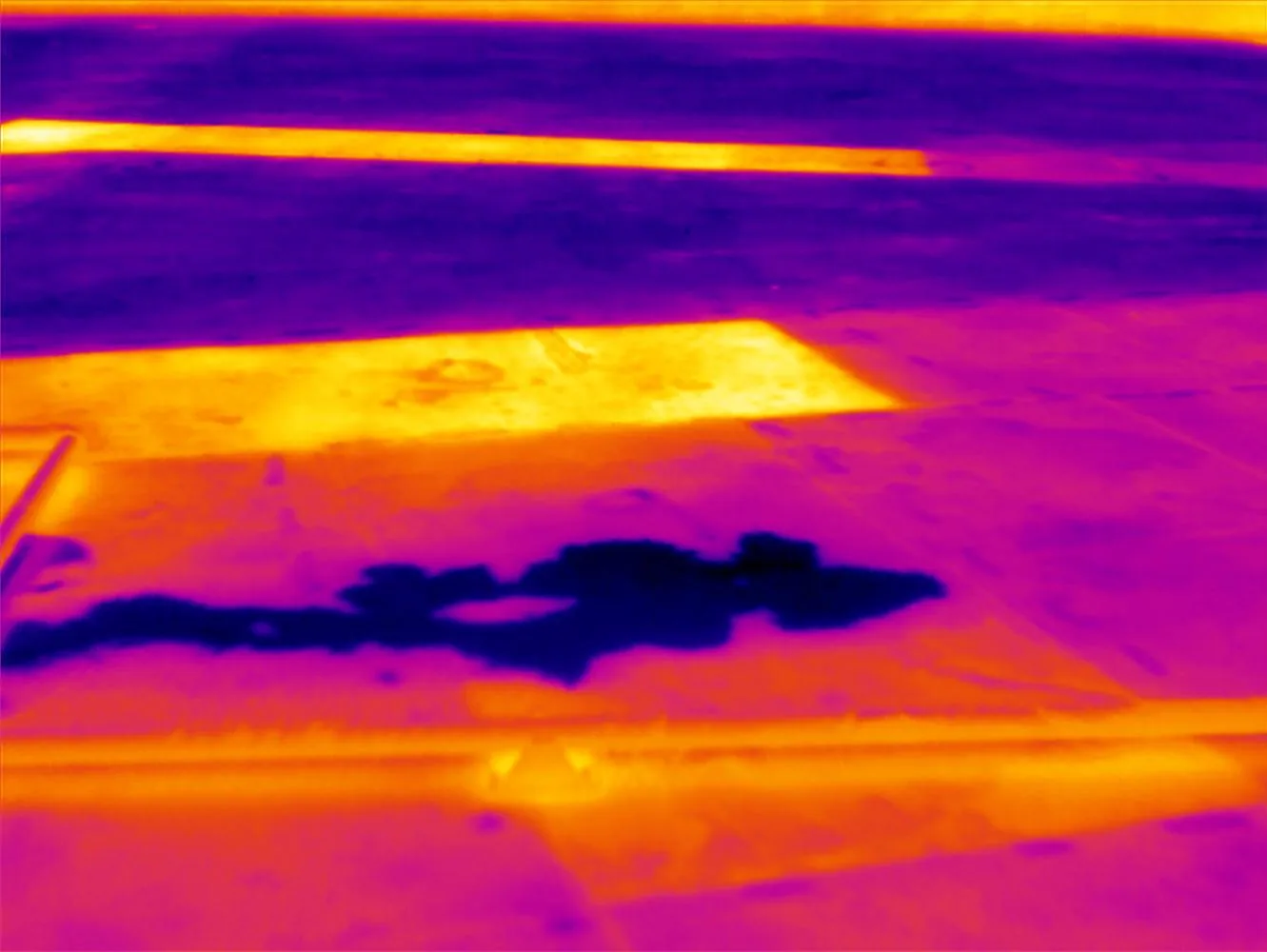
Due diligence windows are short, and roof findings have to be usable within them. We walk the roof, photograph the membrane, seams, flashings, drains and penetrations, pull core samples where moisture is suspected and read the available records for repairs and warranties. Where the window allows, an infrared moisture survey outlines saturated insulation that visual inspection cannot find.
The deliverable is a condition grade, a remaining-service-life estimate, a repair list priced by item, and a replacement range with timing. A buyer can use it to negotiate a credit, to adjust a reserve or to walk away. The structure follows our due diligence roof surveys, which are built for the pace of a transaction rather than the pace of a maintenance program.
Timing matters inside the window. Moisture scans are best run on a clear evening after a hot day, when saturated insulation holds heat longer than dry board and shows up clearly on the scan. In winter, fog from inversion weeks can delay the scan, and we build that into the proposal so the investor knows the date the report will land.
What the valley offers a buyer
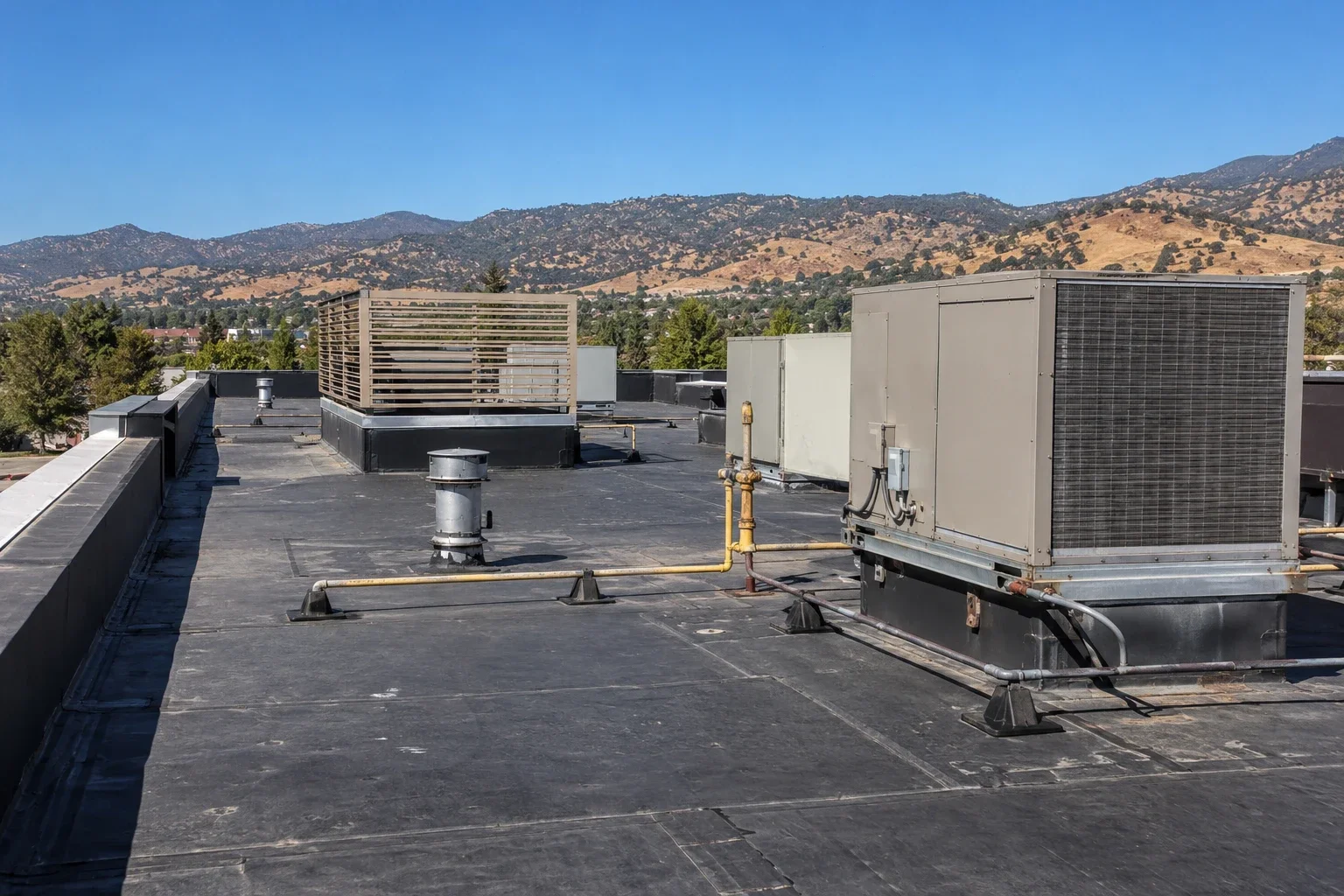
Medford is the commercial hub of Southern Oregon, with a metro of roughly 223,000 people, and its building stock reflects the mix: medical offices near the two major hospitals, retail along North Riverside Avenue, distribution space along Table Rock Road, rail-served industrial buildings at Phoenix Industrial Park and White City, and older downtown buildings. Health care, retirement and senior services are central to the local economy, which supports demand for medical and senior-oriented property, the kind of space health systems lease and operate.
Each type carries a different roof profile. Medical roofs carry dense mechanical equipment and low tolerance for leaks. Retail roofs carry shared drainage and tenant-driven changes. Industrial roofs are large and simple but wear unevenly at drains and edges. The grade we assign reflects the use, because the same condition is a different risk in a clinic than in a storage building.
Carrying cost across a hold period
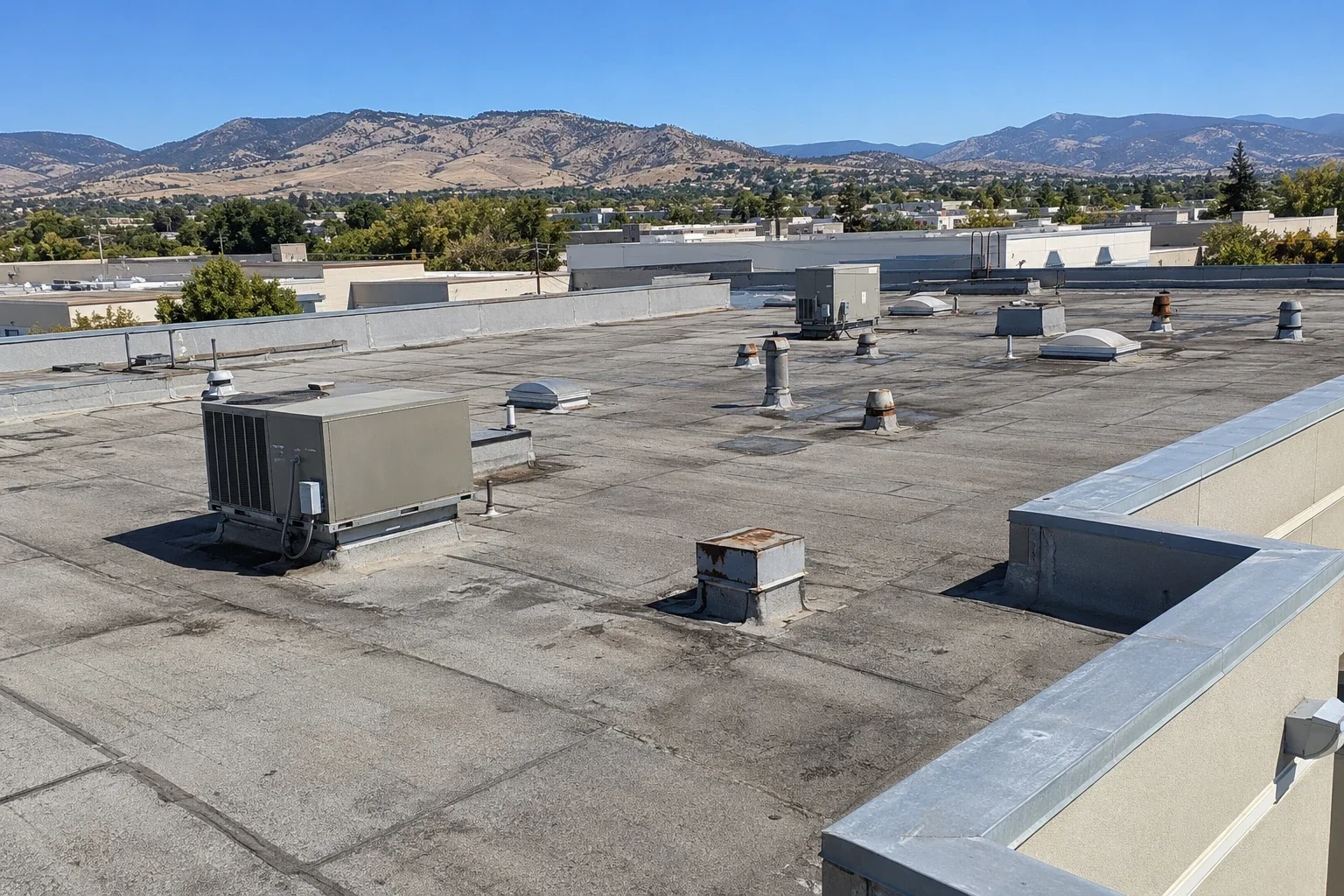
Investors usually think in terms of hold period and exit. A roof with ten good years left is an asset on a five-year hold; a roof with three is a liability. We estimate service life with and without intervention, such as a coating or a recover, and show how each option shifts the date of the big spend and the carrying cost of delay.
Often the best answer is a staged one, and for a distribution center on a short hold it may be a coating alone. A restoration coating can push a replacement beyond the planned exit, while a roof with saturated insulation cannot be saved and is better priced as a replacement today. We provide both paths with dollars, years and assumptions, so the investment committee can pick based on its own return targets rather than ours.
The cost of waiting is an input too. A roof that is left unattended for two more summers can lose reflectance, open seams and let insulation take on water, and each of those moves a coating job toward a tear-off. We quantify that drift for each building so the committee sees what a delayed decision adds.
Standardizing roof data across acquisitions
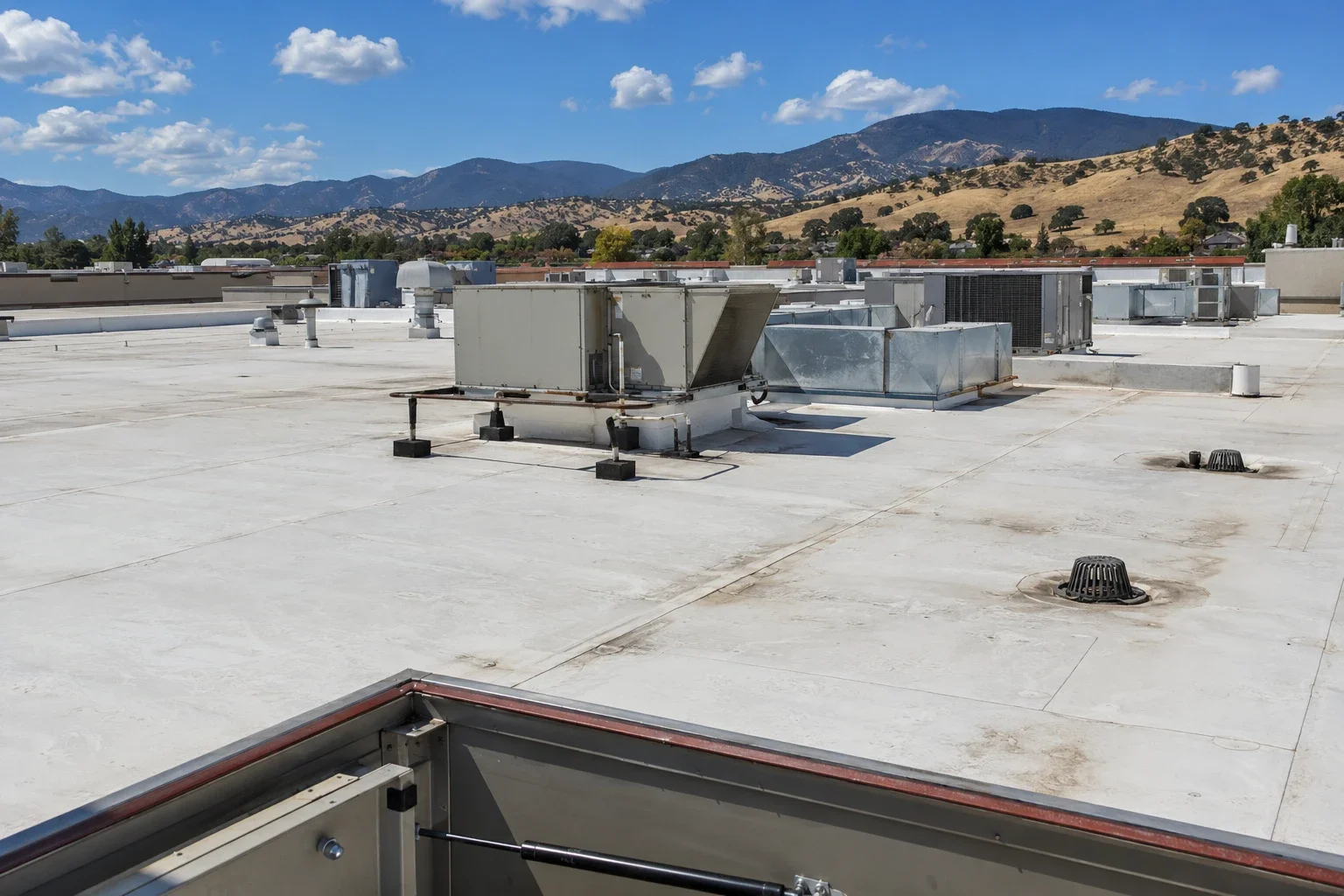
Funds that buy in several markets need roof data that compare. One grading scale, one report layout and one set of cost drivers apply to every building, so an analyst can look at a Medford industrial roof next to one from another region without translating. Only the Medford entry changes, noting the valley's sun, heat and smoke exposure, while the structure of the report stays the same.
For owners with several valley properties, our roof asset management work keeps the register current, tracks warranty terms and flags the roofs that will reach decision points in the next budget cycle. That removes the need for an annual scramble before the reserve review.
Regional acquirers also benefit from a view of local risks that sit outside a standard checklist. Wildfire is one: about 2,600 Jackson County homes were lost in the 2020 Almeda and Obenchain fires, which makes ember exposure and roof surfaces a fair question to ask of any roof here. We note parapet height, edge metal, debris traps and roof materials that bear on that question.

Preparing a roof for sale
On the sell side, a documented roof sells better than an undocumented one. A current condition report, a record of maintenance visits and photographs of recent repairs give a buyer's inspector less to dispute. We prepare that package before a property is listed and update it if the sale period runs long.
Where a roof is near the end of its life, we help the seller decide whether to replace before sale, offer a credit or disclose the condition. A new roof on a building with a clear warranty can lift the buyer pool, and a transparent credit can keep a deal intact. The numbers we provide make the decision a matter of arithmetic. The property management company that runs day-to-day operations usually holds the leak tickets and repair invoices we need, so it joins the process early.
If a sale involves a leased building, the tenant's rights also matter. Some leases make the roof a landlord obligation, and others pass costs through to the tenant. We flag how a planned roof project interacts with those terms when the lease is supplied, so the sale price and the operating assumptions stay consistent.
Send the target list and the closing timeline

Related Roofing Pages
Questions About Real Estate Investors and REITs
How quickly can a roof survey be completed during diligence?
A hands-on survey of a single building usually fits inside a few days of field work, with the written grade and cost ranges following soon after. Moisture scanning adds a night visit when the scan needs cooler roof surfaces.
Do you give a number for the replacement budget?
We give a range, with the drivers behind it: area, access, insulation condition, drainage and system type. The range tightens once the roof has been cored and measured.
Can a roof credit be negotiated from your report?
Reports are written to be shared with sellers and brokers, with itemized findings and photographs that support a credit request. The pricing is split between repairs needed now and spending expected later.
What happens when the seller provides no roof records?
We reconstruct what we can from the roof: layers, fastener patterns, patch history and moisture. The grade then rests on what is physically there.
Is a lender likely to ask about the roof?
A lender may request a roof report or a reserve, and the document we prepare for the buyer can usually be handed over without rewriting.