
Roofing for Healthcare Systems in Medford, OR
Roof programs for health systems with hospitals, clinics and senior care in Medford, OR: infection control, air intake protection and leak-free schedules.
Overview
Health care is the economic engine of Medford, OR, and the roofs over it carry a different standard from the roofs over a warehouse or a strip center. Two hospitals, Asante Rogue Regional Medical Center and Providence Medford Medical Center, put more than 2,000 people to work between them, and the clinics, imaging centers, retirement communities and senior care buildings that orbit them add more rooftops that cannot go wet. A ceiling stain over an operating suite, a pharmacy or a dialysis chair is not a maintenance ticket; it is a patient-care event, an infection-control event and sometimes a regulatory one.
For a facilities director, the roof sits in the capital plan next to chillers and generators, and it needs the same kind of lifecycle thinking. Our health care work is built on a condition grade, a remaining-service-life estimate and a schedule that fits the building's operating calendar.

Why leaks matter more in clinical space
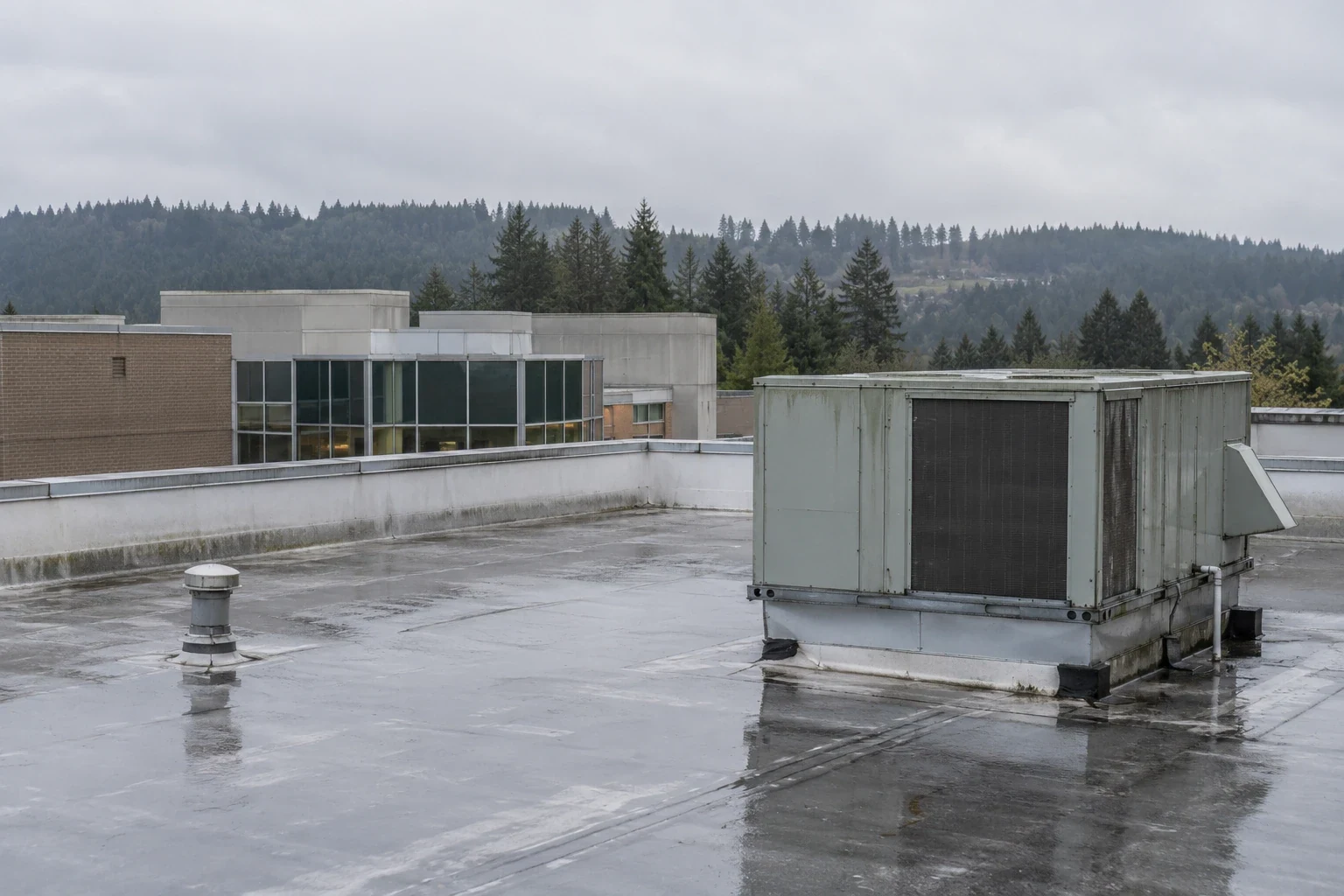
Water entering a clinical building threatens more than finishes. Moisture in ceilings and walls feeds mold, which triggers infection-control protocols, containment and sometimes closed rooms. Air handlers on the roof draw outside air through intakes, so dust, fumes and soot from roof work or from wildfire smoke travel directly into occupied space. A leak under rooftop equipment can also shut a unit down, with consequences for temperature and pressure control.
Because of this, the goal on a health care roof is to prevent the leak, not to repair it quickly. That changes the program: more frequent inspections, closer attention to penetrations and curbs, and conservative decisions about when a roof near the end of its life should be replaced. The extra cost of an early replacement is small compared to the cost of a disrupted unit.
Insurance and regulatory exposure follow the same path. A roof leak that wets a clinical area can lead to claims, closed beds and reports to oversight bodies, and the paper trail starts with the roof's own history. Our inspection and repair records are kept in a form the risk manager can pull on short notice.

Campuses, clinics and satellite buildings
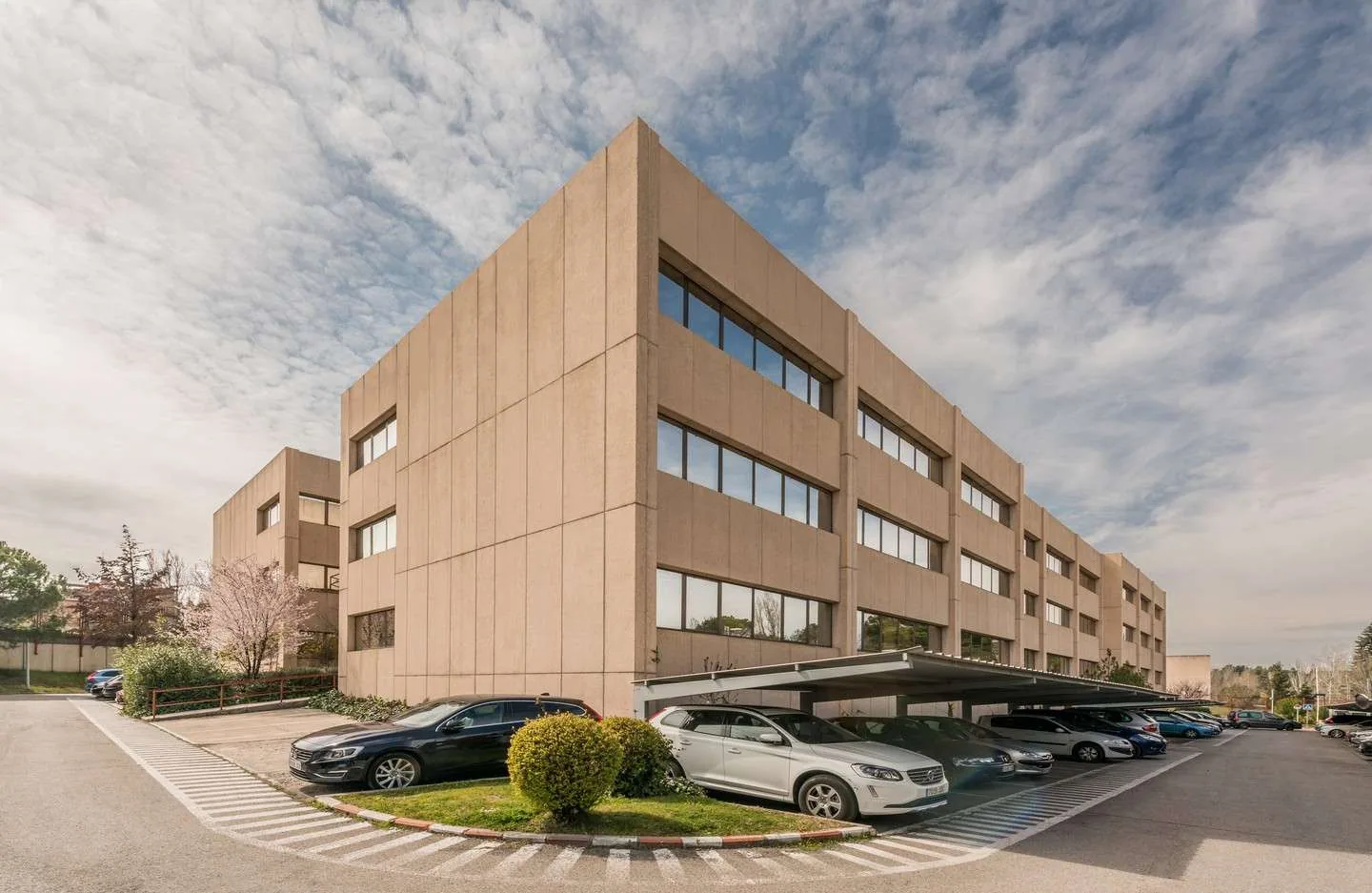
A health system in the Rogue Valley is a spread of building types. Main hospitals combine tall clinical towers with older support wings. Satellite campuses, like the Ashland Community Hospital that operates as part of Rogue Regional, extend the system into other towns. Medical office buildings, outpatient clinics and specialty centers fill the corridors between. The VA hospital in White City adds a federal VA medical center campus that came out of World War II Camp White, where inpatient mental-health wings are under renovation and HVAC and exterior upgrades are in design.
Each building has its own roof system, age and access constraints. We manage them as one list with a shared grading scale, and separate the roofs that can be handled in a routine visit from those that need infection-control planning.
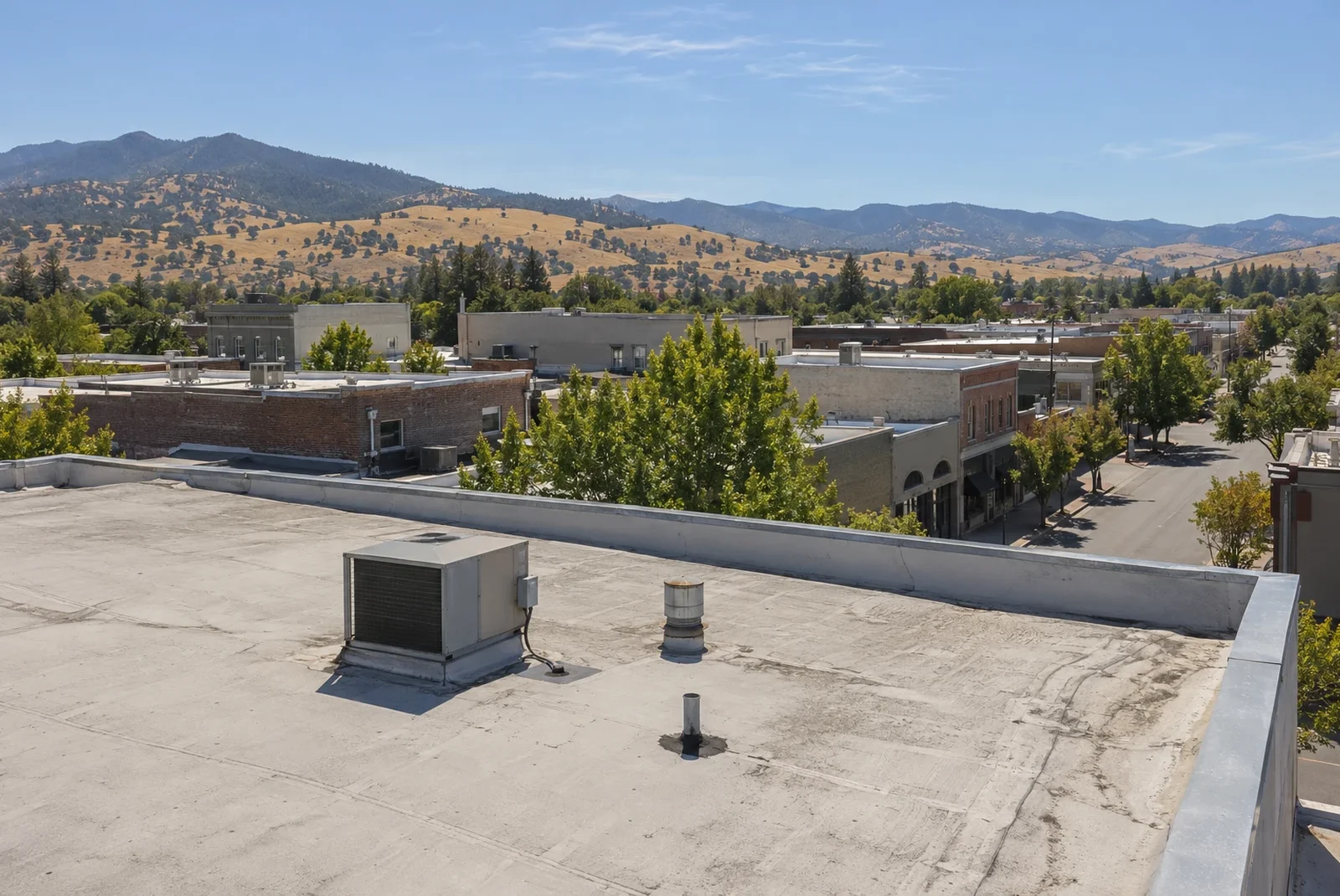
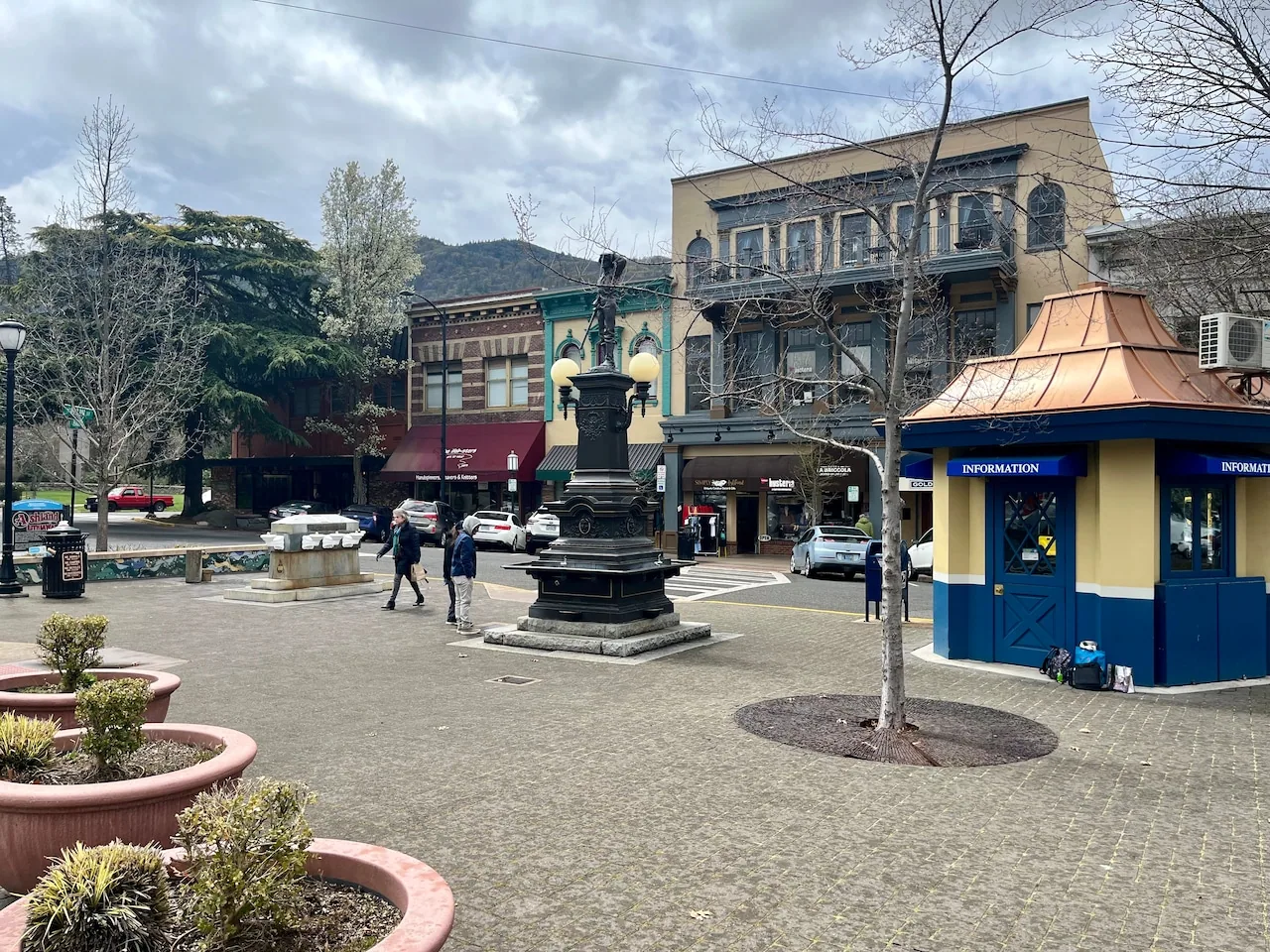
In Ashland, the satellite hospital sits in a town with 59 individually listed historic structures, so nearby clinic and office buildings may fall under historic-building roofing rules that shape edge metal, color and visible profiles. We confirm those limits during the survey rather than at permit time.

Air intakes, smoke and roof work
The valley's smoke seasons put pressure on hospital air systems. Medford counted 26 smoke days in 2021, and the 2020 fires reminded the region how quickly air quality can drop. During those periods, facilities staff manage filters, pressure and outside-air settings with care. Roof work must not add to the load.
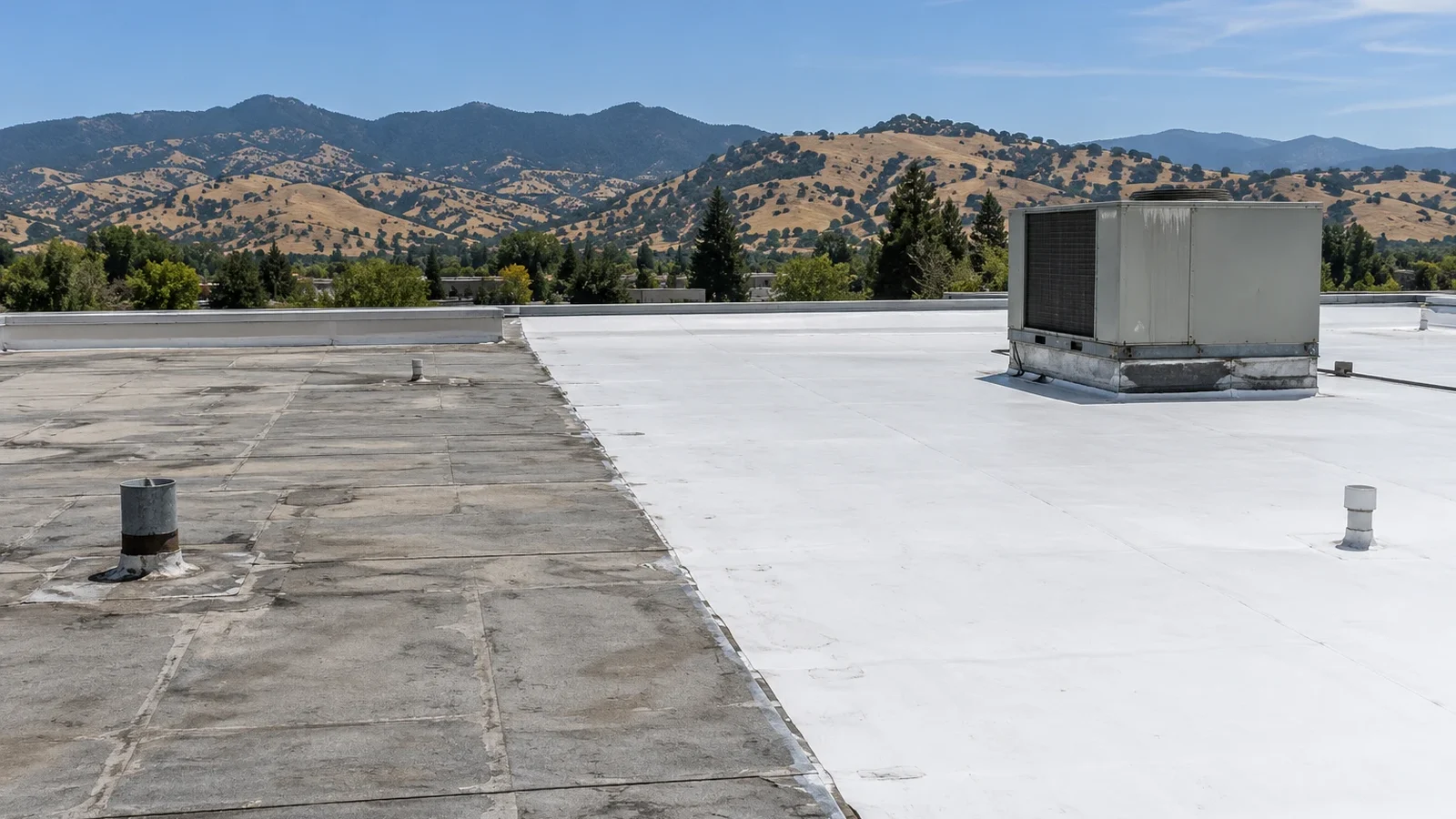
We coordinate with the facilities team before each visit. Intakes within reach of active work are covered or temporarily shut down, hot work is moved away from air handlers, and adhesives and primers are chosen for low odor. On smoke days, we ask whether the work should proceed at all. Rooftop surfaces are also cleaned after smoke events so soot does not collect around intakes or in drainage paths. Where a unit must be serviced, we protect the membrane around it and keep walk paths clear of debris.
Air quality works the other way as well: roofing materials can off-gas for hours after installation. We submit product data ahead of time so the facilities team can compare it with their own restrictions and, where they ask, we select a system with lower emissions during curing.

Roof work in a building that never closes
Hospitals run every hour, so roof replacement is sequenced around clinical activity. Work is divided into small sections, closed and dried in each day. Noise-sensitive steps are scheduled away from procedure areas and patient rooms, and crane lifts avoid ambulance routes and entrances. Interior barriers and negative-pressure containment, where the infection-control team requires it, are in place before tear-off begins below the work.
Phasing that works for any occupied building reroof becomes stricter here, with written notices to each department, a single point of contact and a daily closing walk. Documentation of the dry-in each evening gives the facilities and infection-control teams a record they can attach to their own logs.
Some clinics are leased rather than owned, so the roof contact may be a property management company instead of the health system itself. We keep both parties informed and agree beforehand who approves access, who pays for temporary protection and who signs off on completion, so a leak never waits on a question of responsibility.
Capital plans and survey readiness
Facilities directors need roof information in forms that fit their planning cycle. We provide condition reports with photographs and a ranked list of repairs, a replacement forecast by year and a record of every repair and inspection. When a survey by an outside body is expected, the roof records are ready: moisture surveys, penetration inventories and maintenance logs show a roof under control.
Emergency planning belongs here too. The emergency roof repair line runs around the clock, and the health system's contact list is entered ahead of time so a call at three in the morning goes to someone who already knows the building, the roof access and the sensitive areas beneath it.
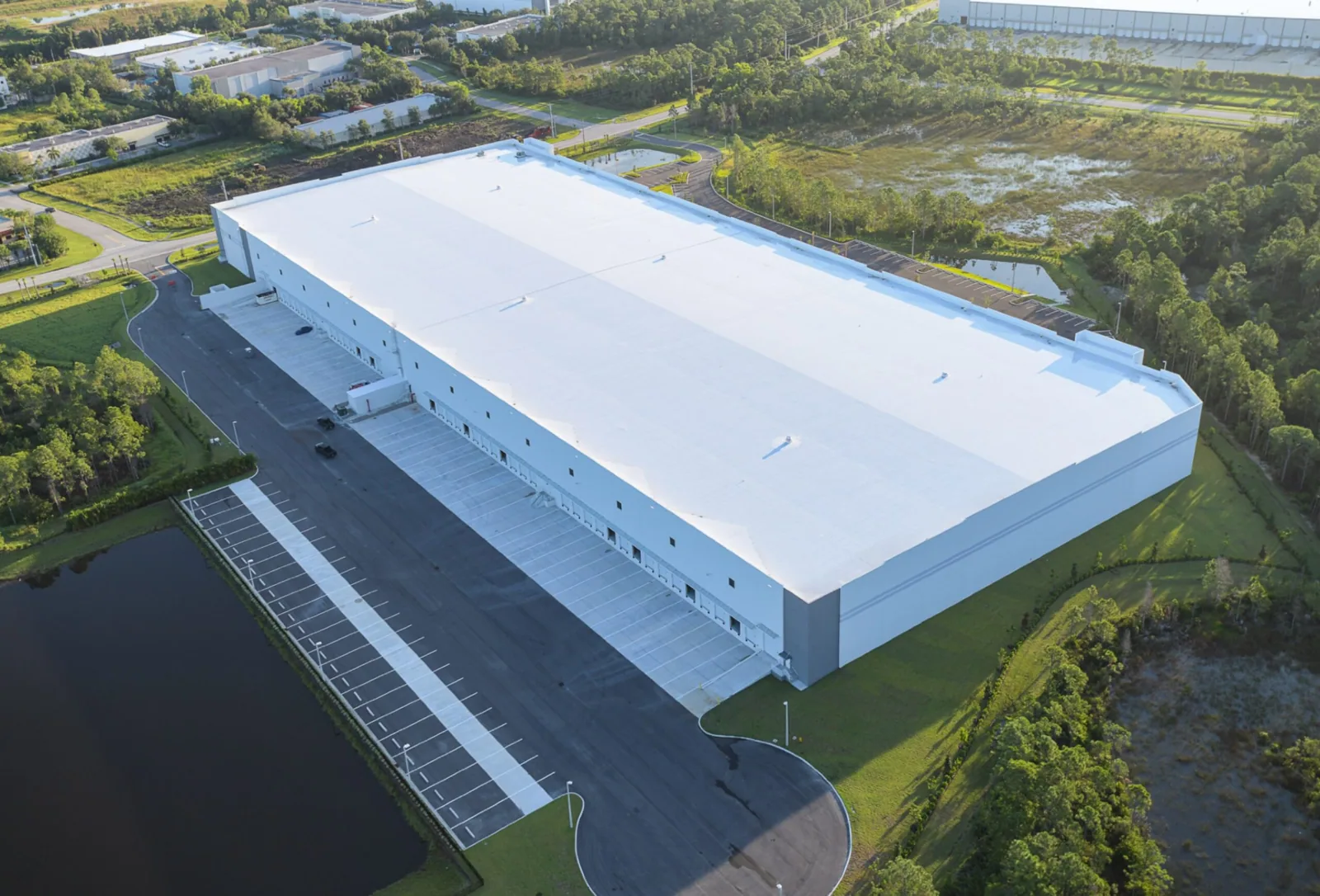
Budgeting for a health system rarely follows a single year. Roof replacements are staged against renovation projects, equipment upgrades and bond schedules, and we align roof work with those so a new membrane is not torn up for a new unit the following spring. The reserve schedule carries the roofs in the order the campus will actually need them.
If a loss does occur, claims go more smoothly with preparation. Photographs, moisture readings and dated repair records support the work done by insurance and restoration teams, and the health system's own risk office can see the roof's history in one place.

Send the campus list and the facilities contacts

Related Roofing Pages

Questions About Healthcare Systems
How often should a hospital roof be inspected?
Twice a year is a good baseline for a hospital roof, with extra checks after any smoke event and after a storm. Roofs near the end of their life move to quarterly visits.
Can roof work happen near an operating room?
It can, with planning. We schedule the work away from procedures, avoid the sections directly above critical spaces when possible and coordinate containment and monitoring with the infection-control staff.
What about the rooftop units and their intakes?
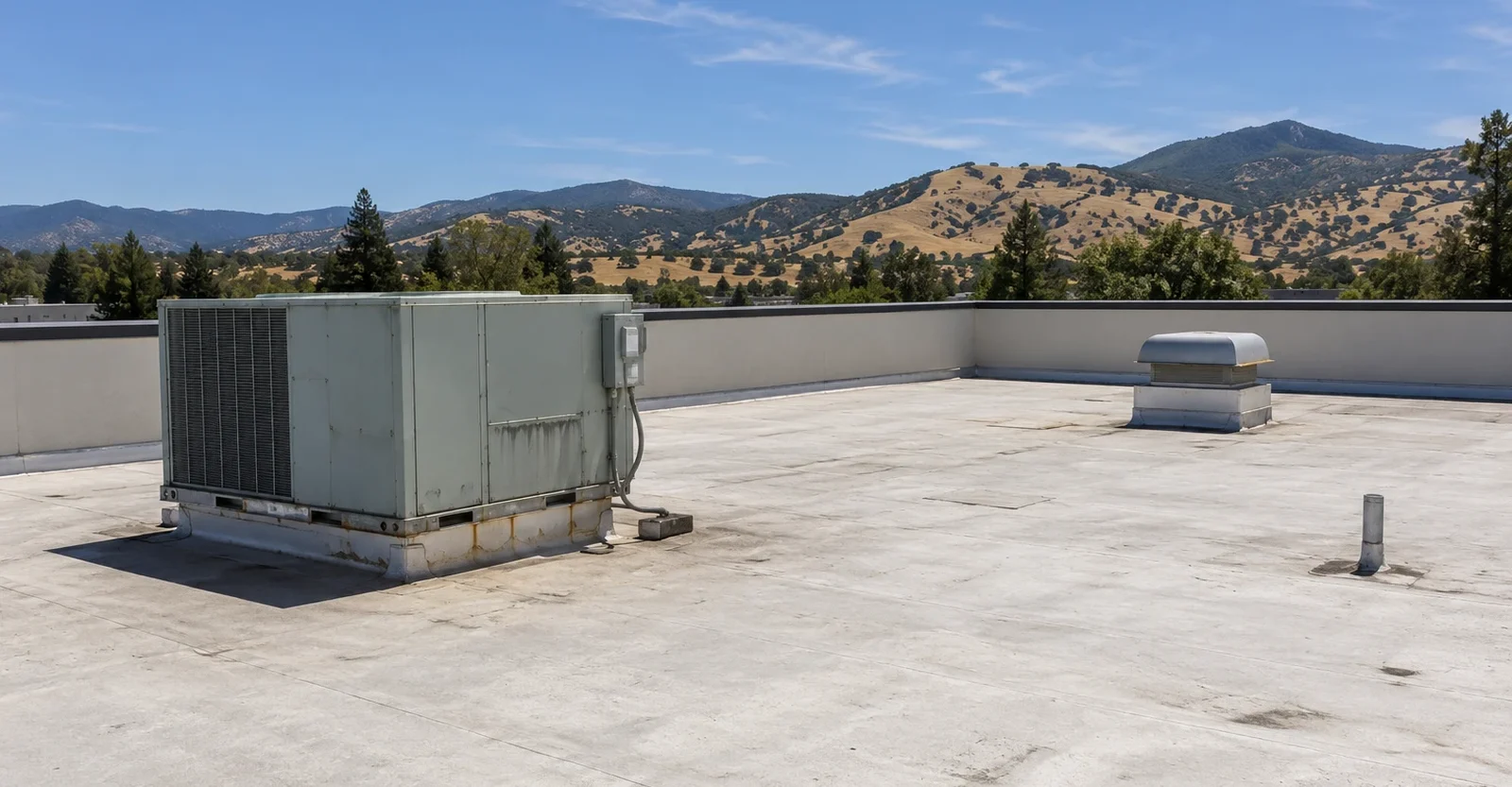
They are protected before work begins. We cover or relocate intakes, plan shutdowns with the building engineer and clean the roof around them after smoke or tear-off.
Do you work on senior living and retirement communities too?
Yes, and the stakes are similar: residents sleep under those roofs. We schedule noise and odor away from rest hours and keep notices clear for staff and families.
How does a health system track many roofs at once?
Through one register with a condition grade per building, a reserve estimate and the maintenance history, updated after every visit. It gives the facilities office a single view of roof health across campuses.