Due Diligence Roof Surveys in Medford, OR
Roof surveys for acquisitions and refinancing in Medford, OR: moisture findings, remaining life and cost ranges delivered inside the diligence period.
Overview
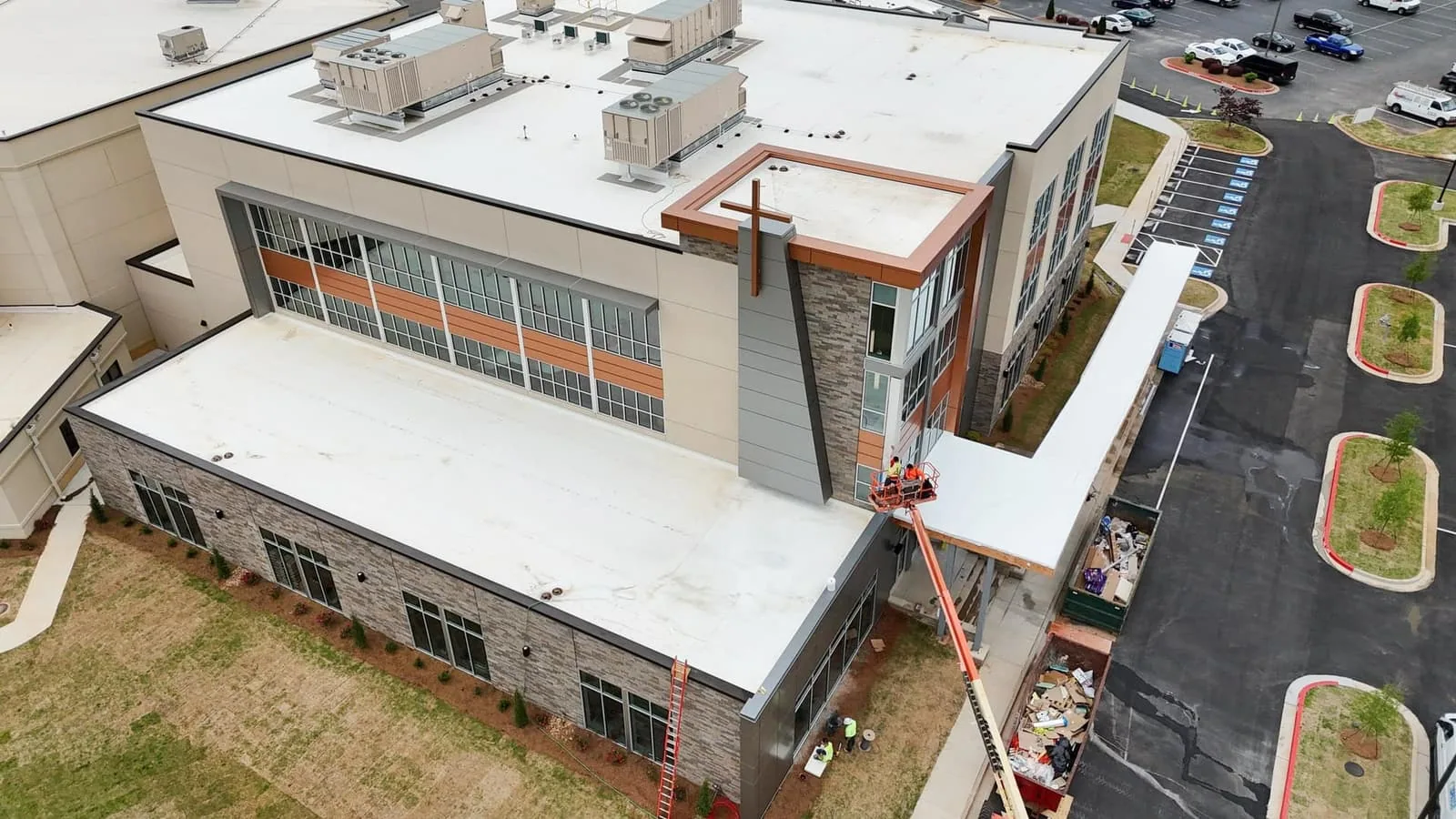
A buyer who closes on a Medford, OR building inherits every afternoon above 100 F that its roof has already absorbed, along with whatever the valley's smoke seasons have left on the surface. A normal year here brings 61 afternoons past 90 F and 11 past 100 F, and a 115 F record, and none of that exposure shows from the parking lot. It shows up in the survey as chalked membrane, brittle seams and tired sealants, and in the purchase price as the difference between a roof that carries ten more years and one that needs capital in the first.
A due-diligence roof survey puts a number on that difference before closing. It is a short, focused engagement designed to fit a diligence period: field work, a moisture map, a condition grade for every roof section, a remaining-service-life range and a cost range for each action the roof will need. Buyers, lenders and sellers use it to settle price, escrow and reserve terms on evidence instead of on guesses.
Scope of a Pre-Closing Survey
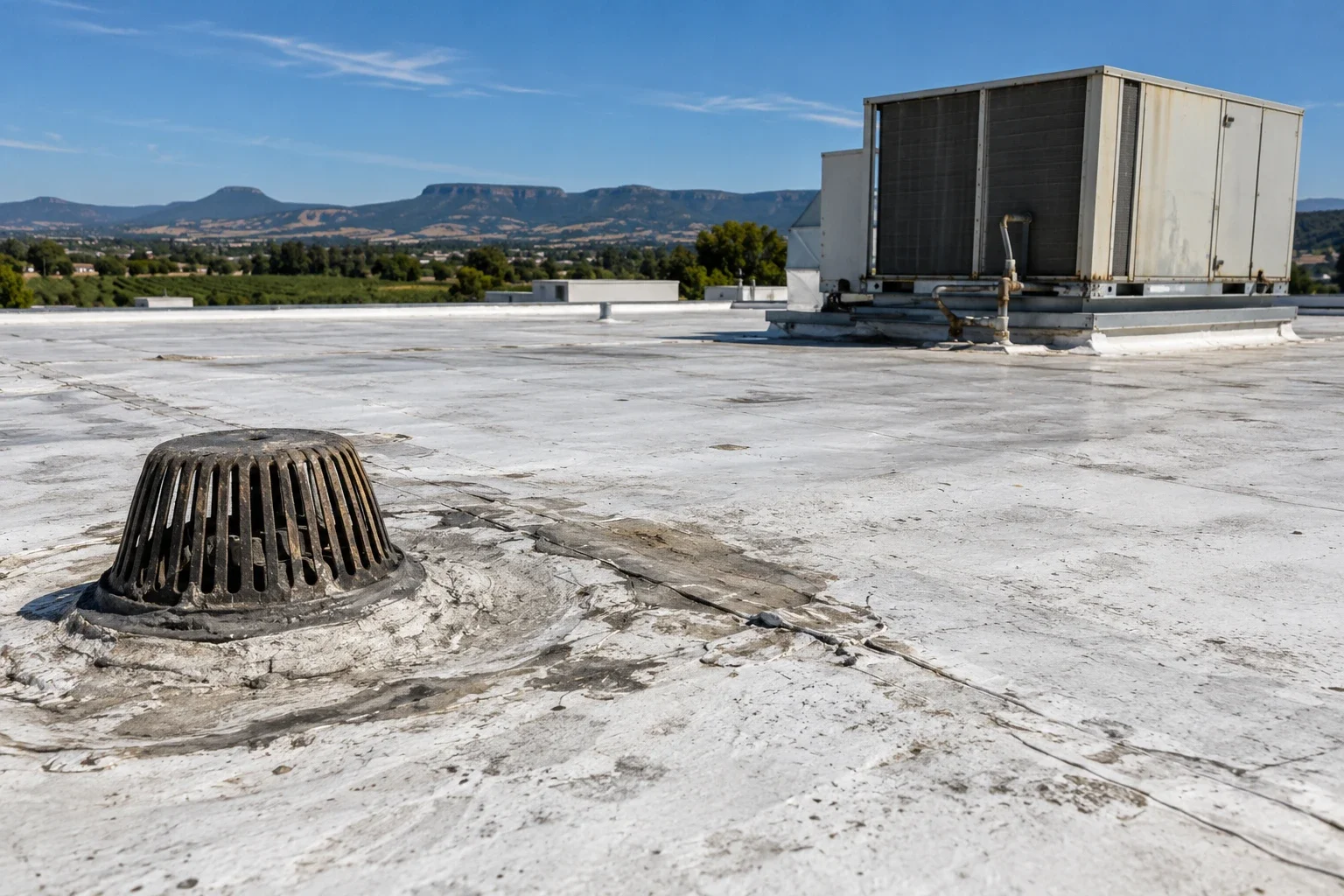
The scope starts with what the seller can provide: roof plans, installation records, warranty documents, repair invoices and leak history. We review those before going on site, because gaps in the file are findings in themselves. A roof with no installation record, no warranty and no repair history is a roof whose condition rests entirely on what the survey finds.
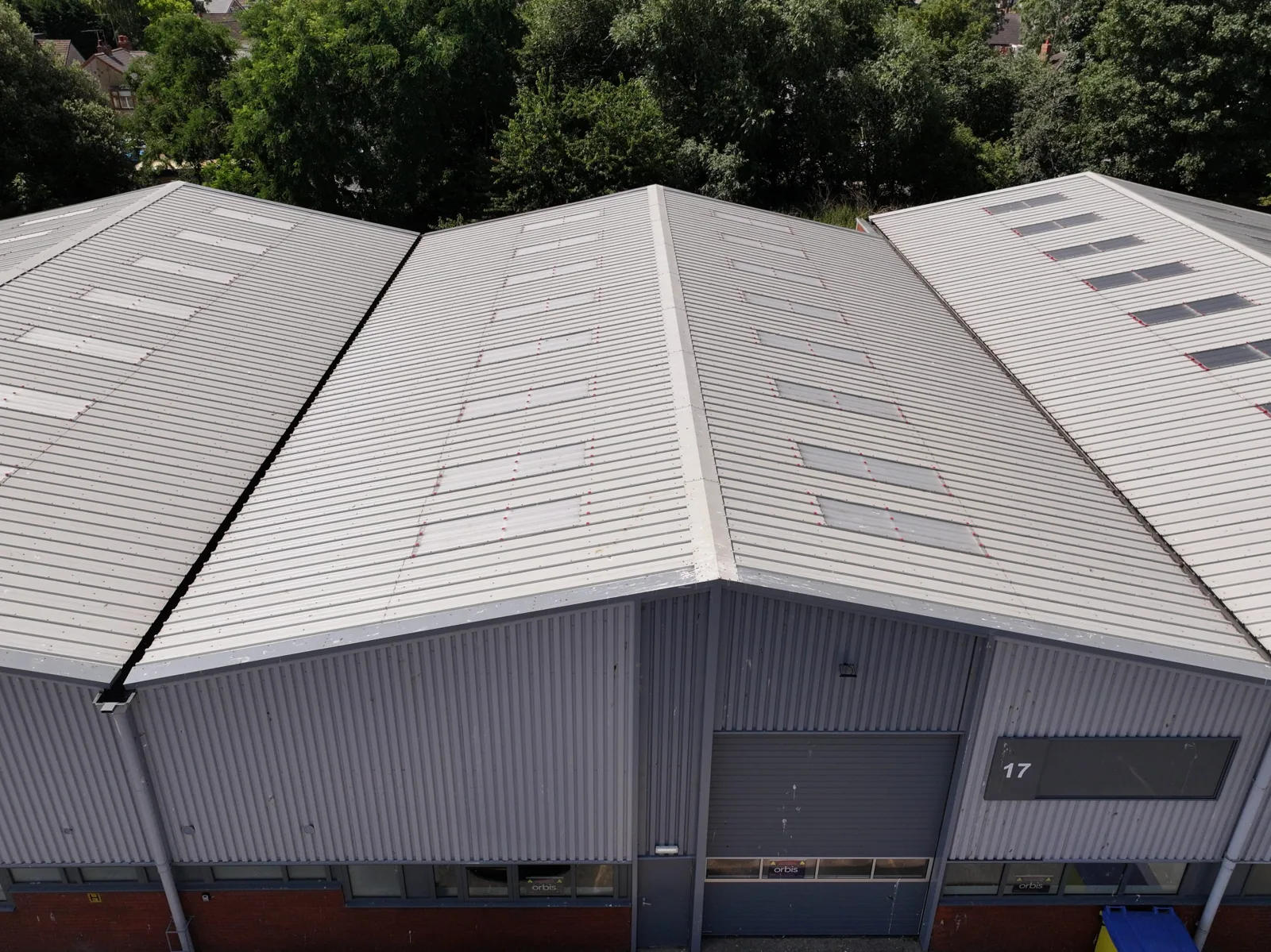
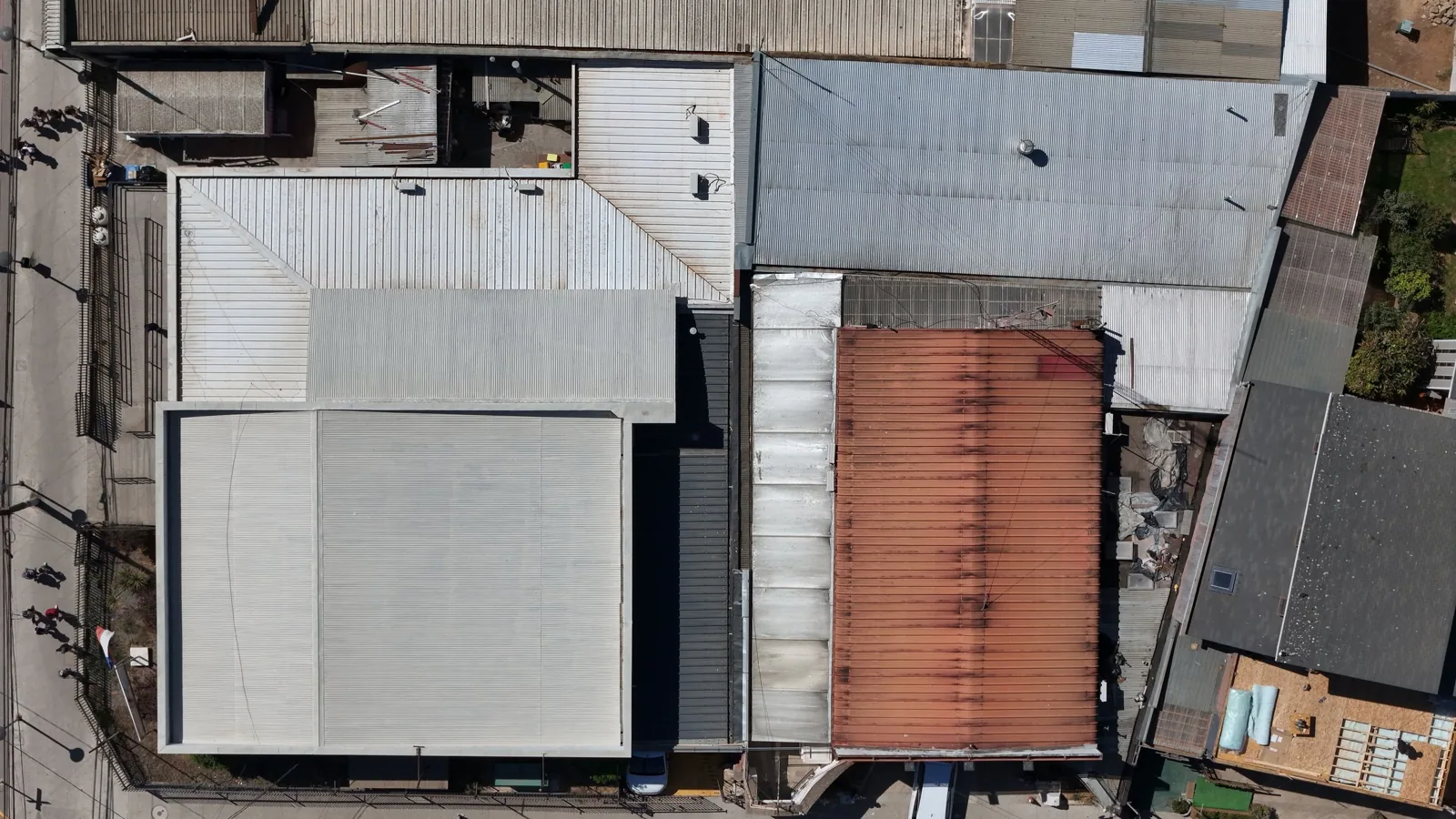
On site, we examine every roof section visible from the roof surface, record the system type and attachment method, open selected laps and flashing details, and photograph conditions with dates and locations. For large or complex roofs, drone coverage speeds the work and documents areas that are difficult to reach on foot. The goal is full coverage within the time the buyer's schedule allows.
Finding Moisture Fast
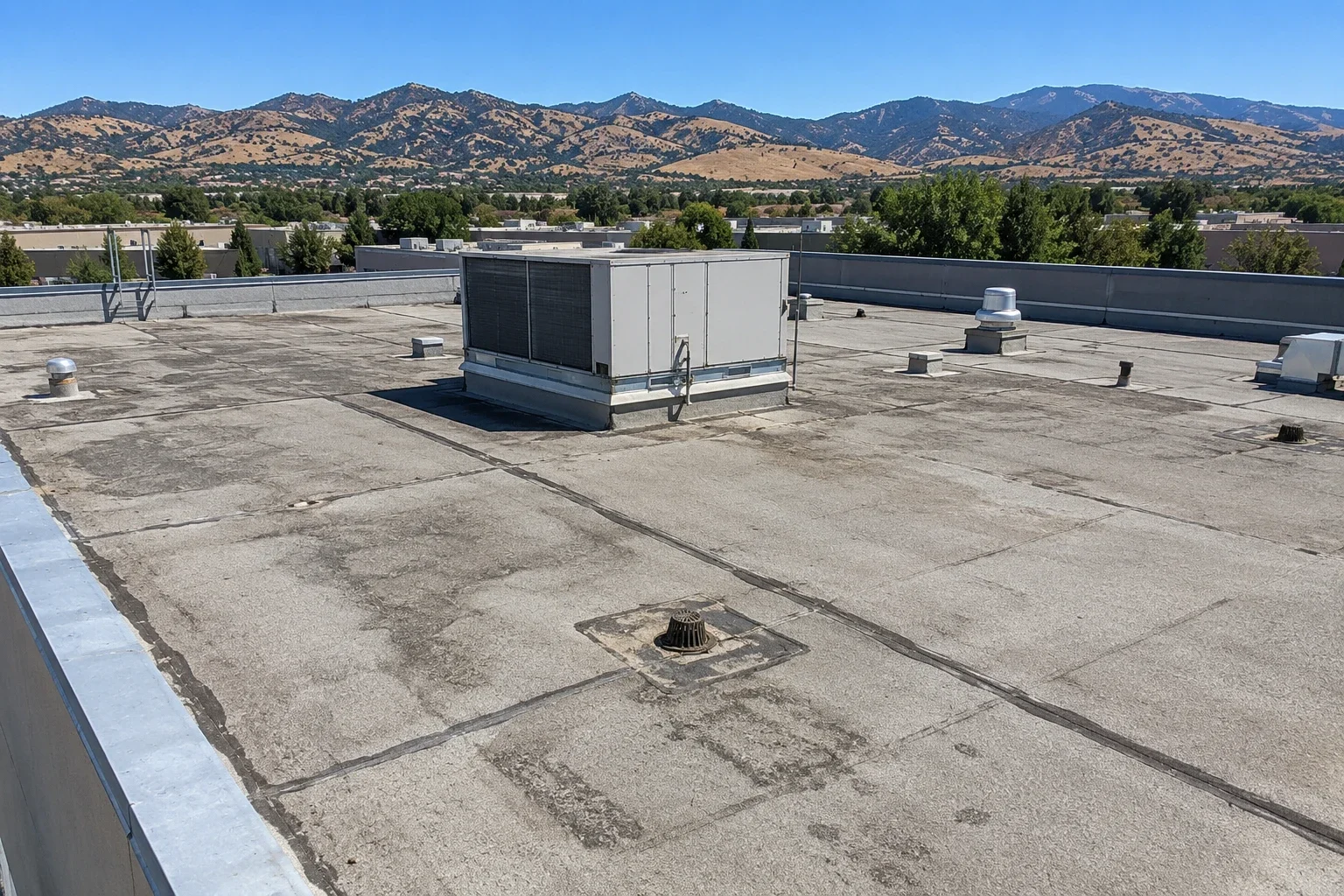
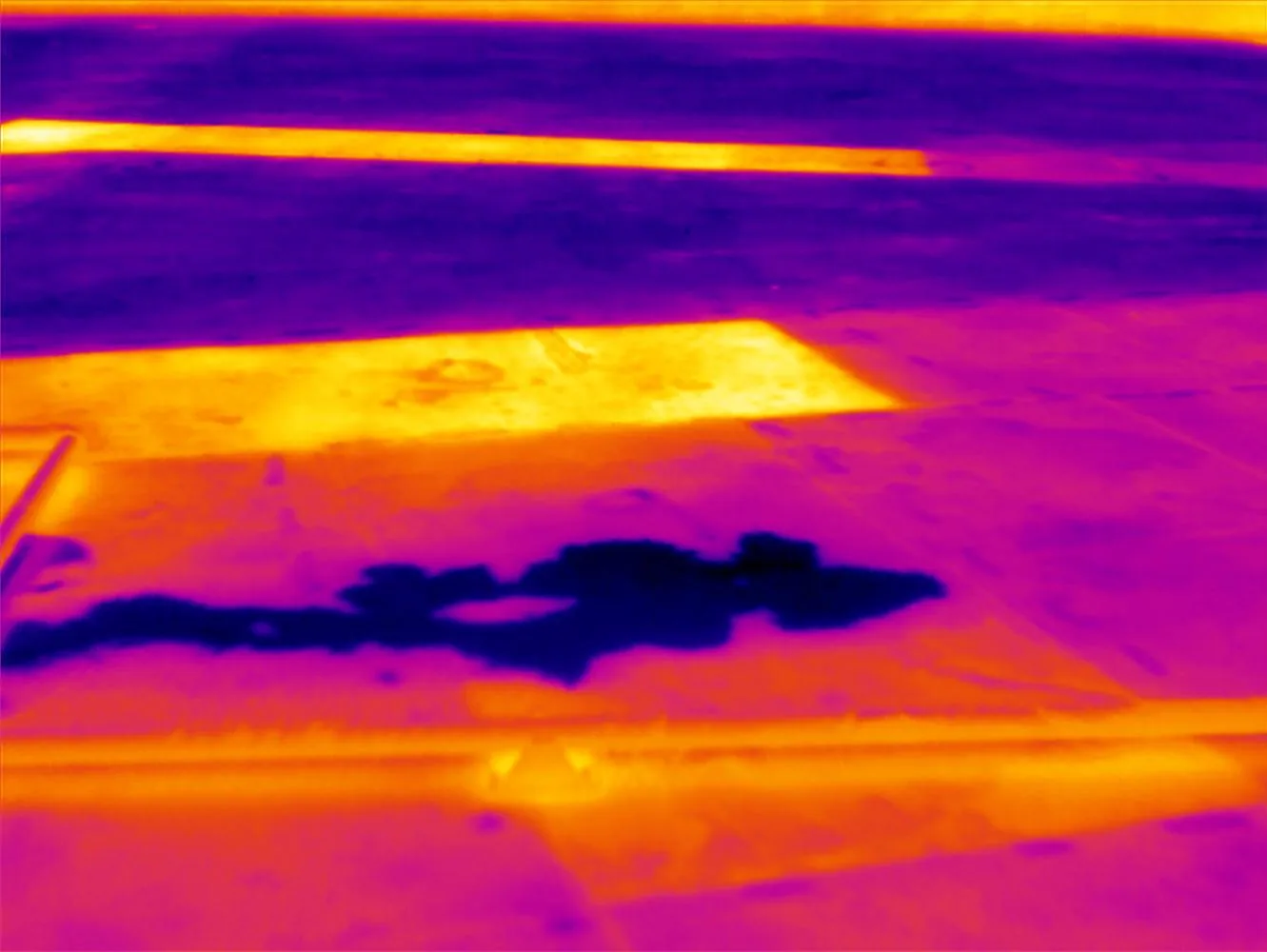
The expensive surprise in any roof acquisition is trapped moisture. A membrane can look intact while the insulation below it has been absorbing water for years, and the resulting cost is a replacement scope, not a patch. An infrared moisture survey, run at the right time of day, maps the damp areas across the whole roof, and core samples confirm the worst of them.
That map goes into the report as a plan-view overlay with readings noted, so the buyer's team can see how much of the roof is affected and where. A single damp area around one curb supports a repair line in the price discussion. Damp areas spread across multiple bays support a replacement line, and the survey states which section falls in which category, with the reasoning shown.

Deferred Maintenance and Cost Ranges
The report separates three kinds of cost. Immediate items are repairs that should happen in the first months of ownership: open seams, failed flashings, blocked drains and loose edge metal. Near-term items are coating or recover work that extends the roof's life. Long-term items are replacements that belong in the reserve schedule at a stated year. Each carries a range, with cost drivers named so the buyer can adjust the numbers for their own contractors and timing.
We do not publish single-point prices before a scope is measured. A range does the job in diligence, because the question a buyer is answering is how much to hold back or negotiate, not how much to bid. That range, fed into the condition report, becomes the first line of the new owner's capital plan.

Retail, Medical and Industrial Targets
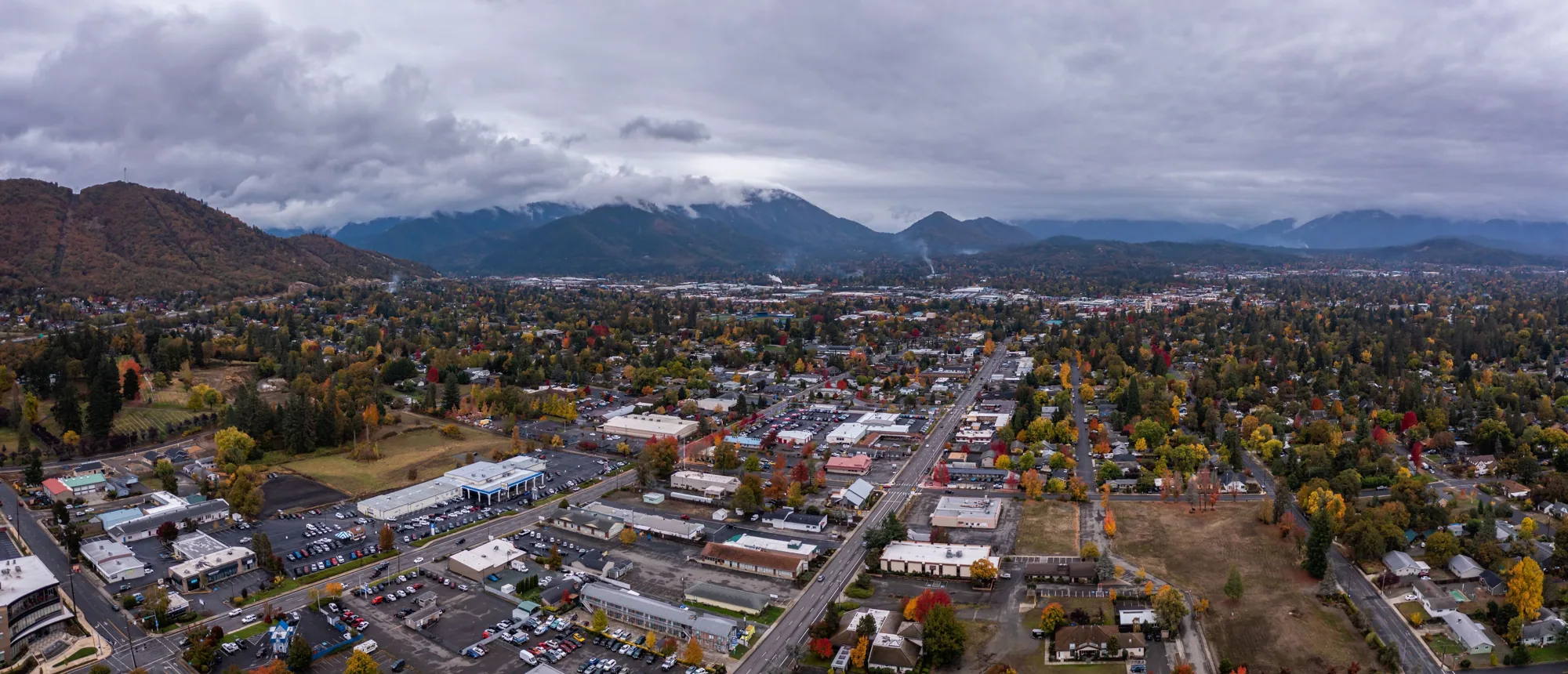
Different building types raise different questions. Retail properties along the North Riverside and Crater Lake Highway corridor, where Rogue Valley Mall has been in new management since February 2024, can carry roof sections added at different times, and the survey sorts any such sections by age and condition. Large big-box retail roofs bring long drain runs, many rooftop units and limited shade.
Industrial acquisitions, such as warehouse roofs along the Table Rock Road and airport corridor, where the 87,750 square foot Amazon ground-distribution warehouse stands, raise dock, truck and operations questions. Medical buildings, where Asante Rogue Regional Medical Center and Providence Medford Medical Center lead the institutional roster, bring equipment loads and tenant sensitivity. The survey is written for the buyer's use, in the buyer's language.

Wildfire History and Insurance Questions
Lenders and insurers in southern Oregon ask about fire exposure, and the survey answers with observations. A lender's file should carry the smoke history as well: 26 days of it over Medford in 2021, after wildfires in 2020 that destroyed about 2,600 homes countywide. For a property in Phoenix or Talent, where the Almeda fire destroyed homes, the survey notes whether the roof shows ember scorching, soot loading or repair work from the event, and whether the repairs were documented.
Edges, vents and curbs get attention because that is where embers enter. The survey also records the state of rooftop intake filters and the debris collected behind parapets. Findings go in plain terms to the buyer, who can pass them to an insurer without translation.

Refinancing and Lender Packages
Refinancing uses the same survey with a different audience. Lenders want a clear statement of roof condition, remaining life and any deferred maintenance, with enough photographs to support the grades. We organize the report so those items appear first and the supporting detail follows. Where the lender requires an escrow or reserve for roof work, the cost ranges give the basis for sizing it.
Owners who already hold a warranty file and a register can refresh the survey quickly, because the baseline already exists. Owners who do not can build both from the survey itself.

Timing and Access
Diligence periods are short, so the survey is planned backward from the deadline. Access is arranged through the seller or manager, safety requirements are confirmed in advance and the field work is scheduled for good weather. Summer heat shortens the useful part of the day on a dark roof, so visits begin early. The report follows with a summary page on top, so the decision-maker reads the conclusion first.
When the buyer's team needs more, the survey stays open. A follow-up visit can test a disputed area, price a specific repair or sit in on a call with the seller's roofer. Lease-cycle timing matters here too: if a major tenant's renewal falls within the first two years of ownership, the report flags the roof sections under that tenant so the buyer can decide whether to repair now or hold the cost for the lease negotiation. The goal throughout is a roof number that holds up at the closing table and again in the first owner report.

Send the Property List and the Closing Date
Related Roofing Pages


Questions About Due Diligence Roof Surveys
How much lead time does a survey need?
Start as soon as the contract is signed. Field work for a single building fits within a normal diligence period if access is ready.
Can the seller see the report?
The report belongs to whoever commissions it. A buyer who wants to share findings in negotiation decides what to release.
What if the seller will not allow core samples?
We rely on infrared mapping, surface inspection and probes at existing openings, and the report states which findings are confirmed and which are indicated.
Does the survey cover rooftop equipment?
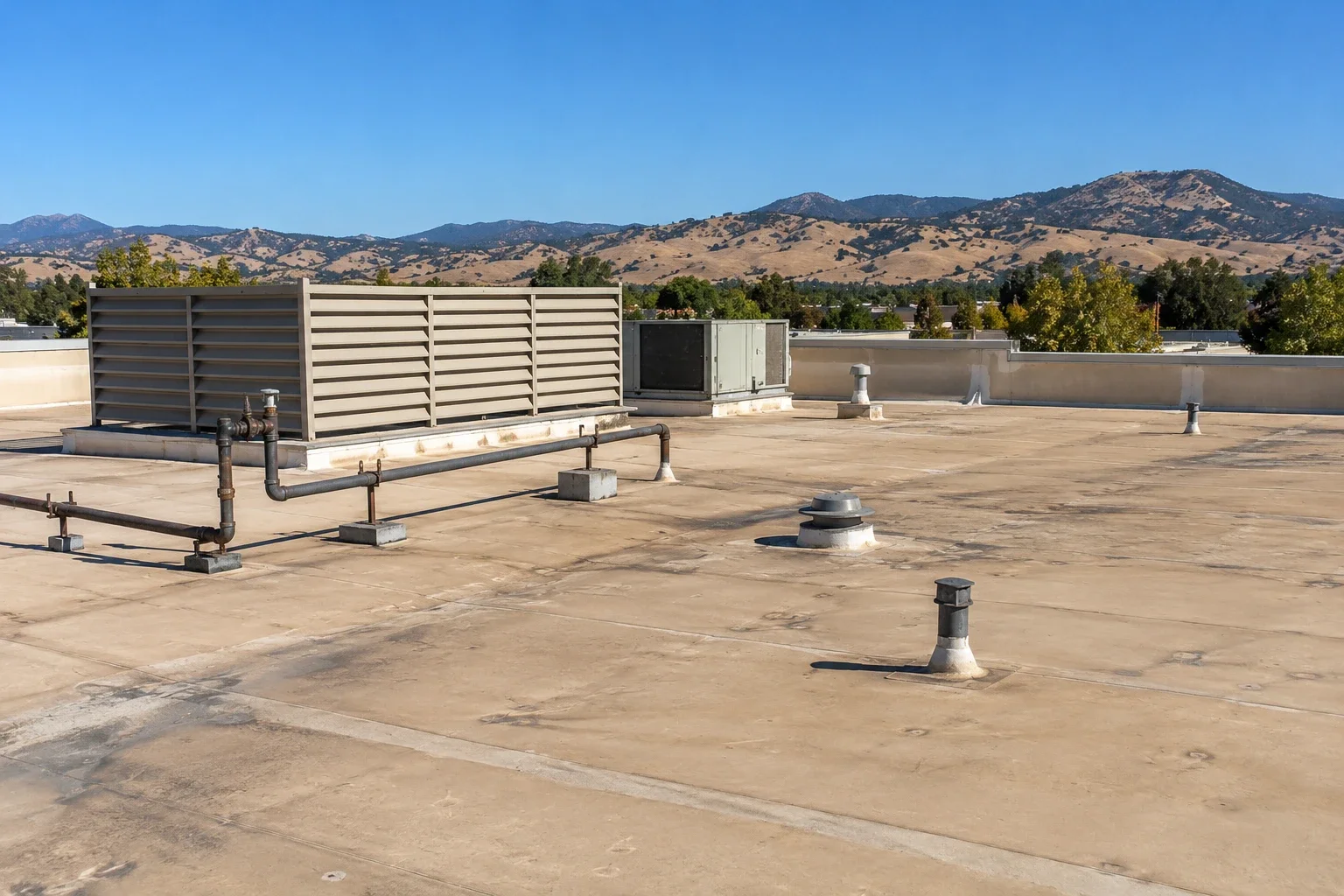
It records equipment, curbs and supports with their flashing condition, and flags anything that appears overloaded or poorly sealed.
Can the survey support an insurance application?
Yes. The photographs and condition grades give an insurer the evidence it needs about roof age, material and condition.