
Distribution Center Roofing in Medford, OR
Distribution center roofing in Medford, OR: scheduling roof work around peak freight, heat on big flat roofs and smoke-season soot on the reserve schedule.
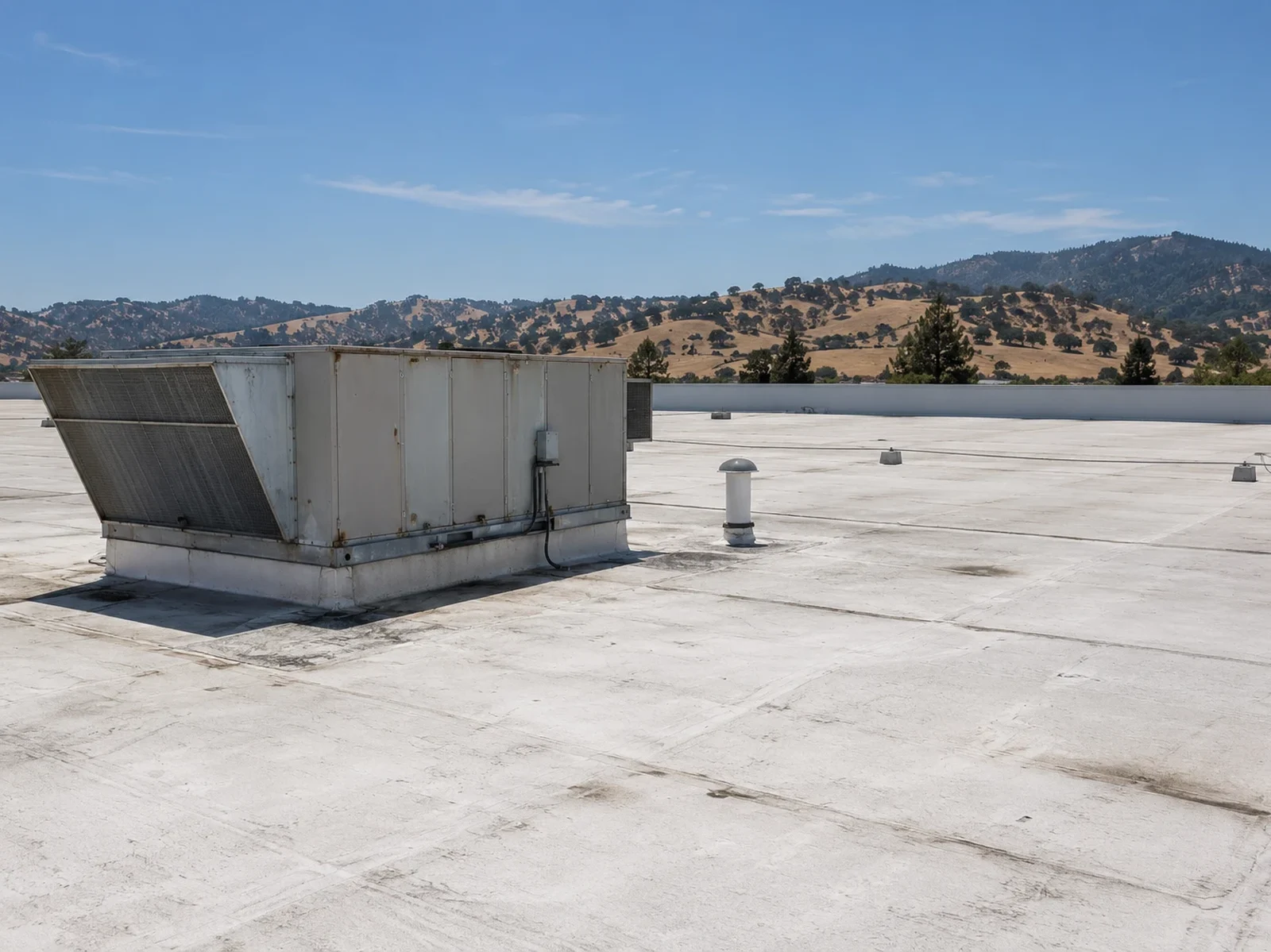
Overview
A distribution center in Medford, OR has two calendars, the freight calendar and the sun calendar, and the roof has to fit both. A very large flat roof over a loading floor absorbs the valley's summer, with 61 afternoons beyond 90 F in a typical year, while the docks below run at full tempo. A leak in that building is not a stain; it is a pallet of goods and a missed outbound trailer. The reserve schedule has one line for the roof, and the freight schedule has a hundred reasons not to touch it.
The condition grade tells a property manager how much time the roof has left, so the work can be placed in a quiet week before it becomes an emergency in a busy one.
The building and its roof
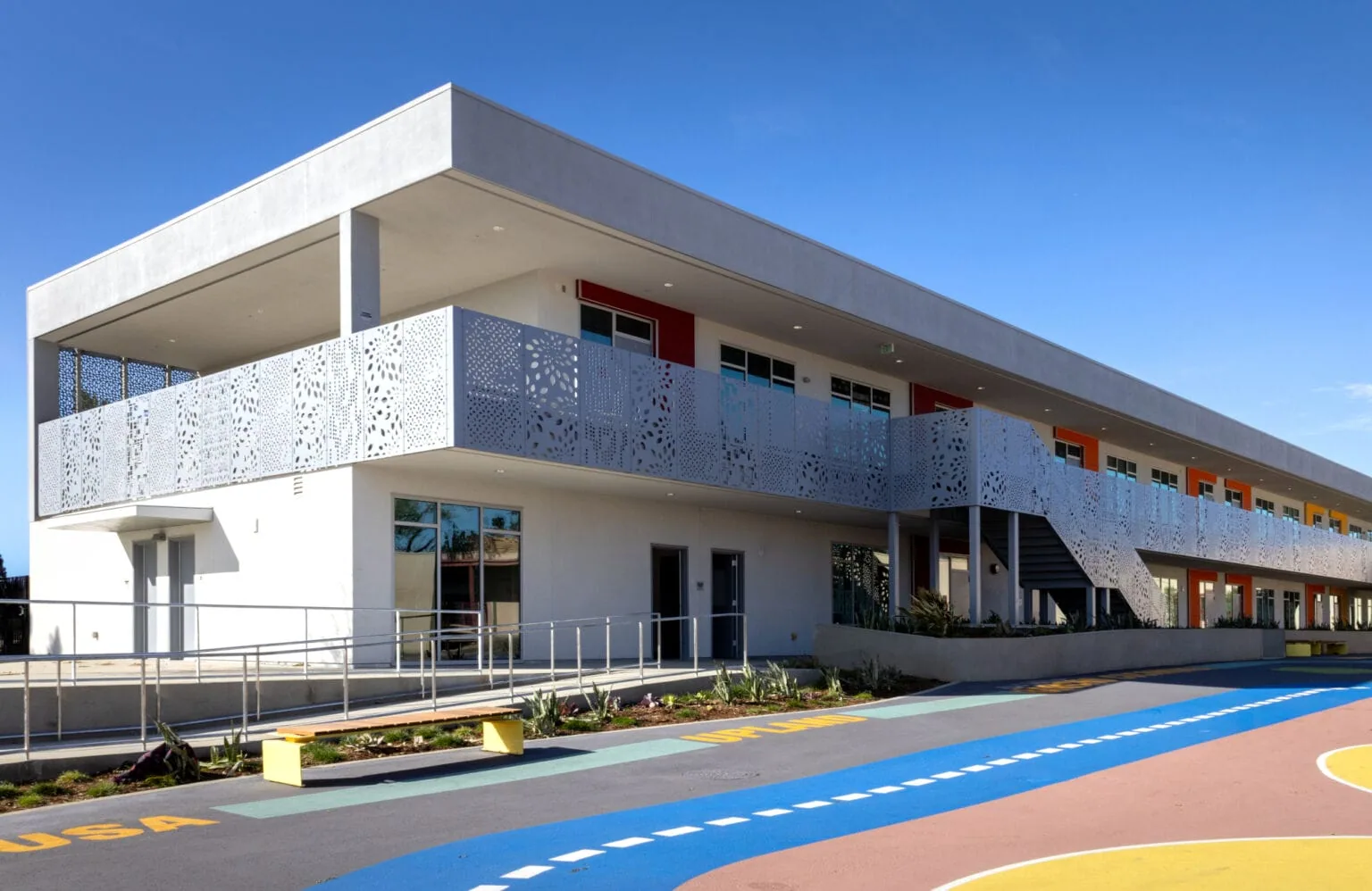
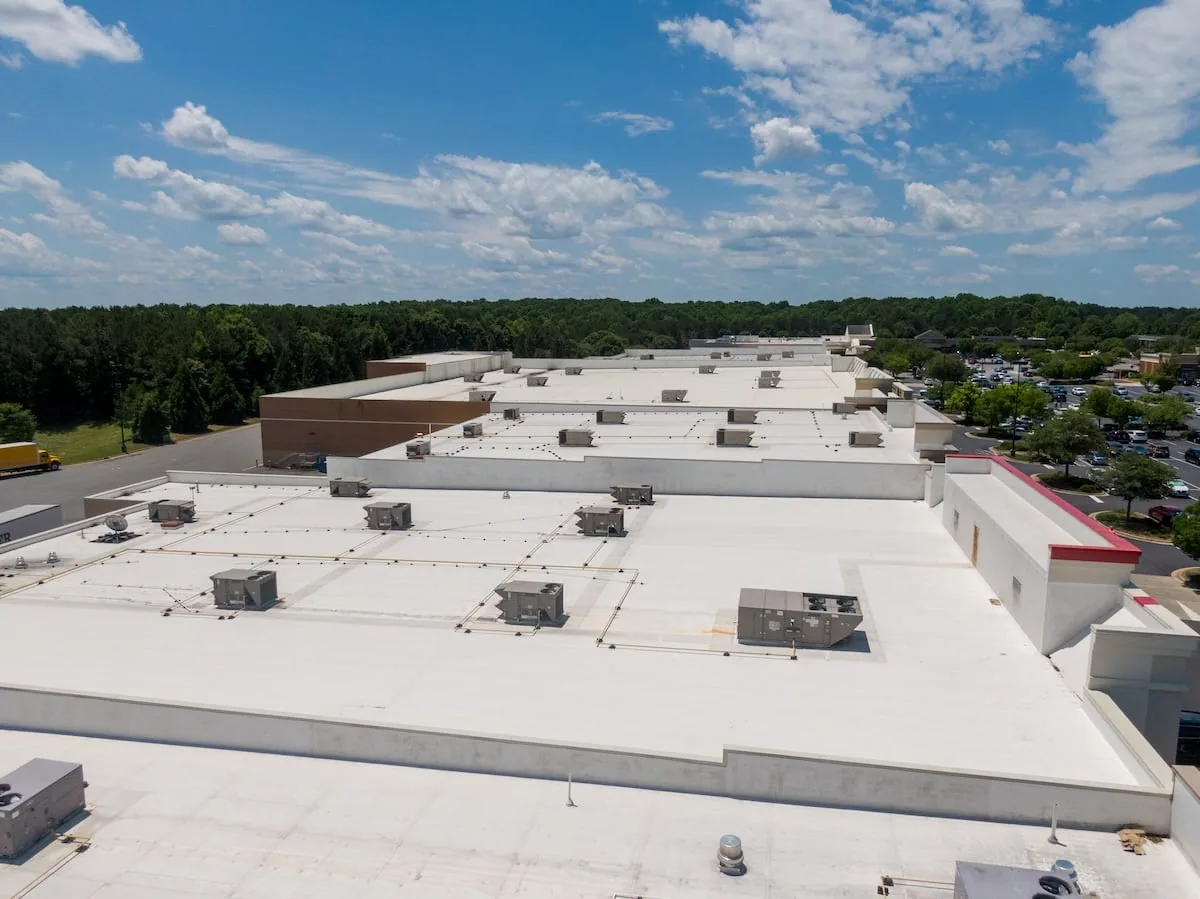
Distribution buildings are large, low and nearly unbroken: wide spans, few penetrations, a ring of dock doors on one or two sides and rooftop units spaced along the field. Along Table Rock Road, between Interstate 5 and Rogue Valley International-Medford Airport, an 87,750 square foot Amazon ground-distribution warehouse sits beside a Costco and a FedEx facility, and cargo carriers Ameriflight and Empire Airlines serve the airport.
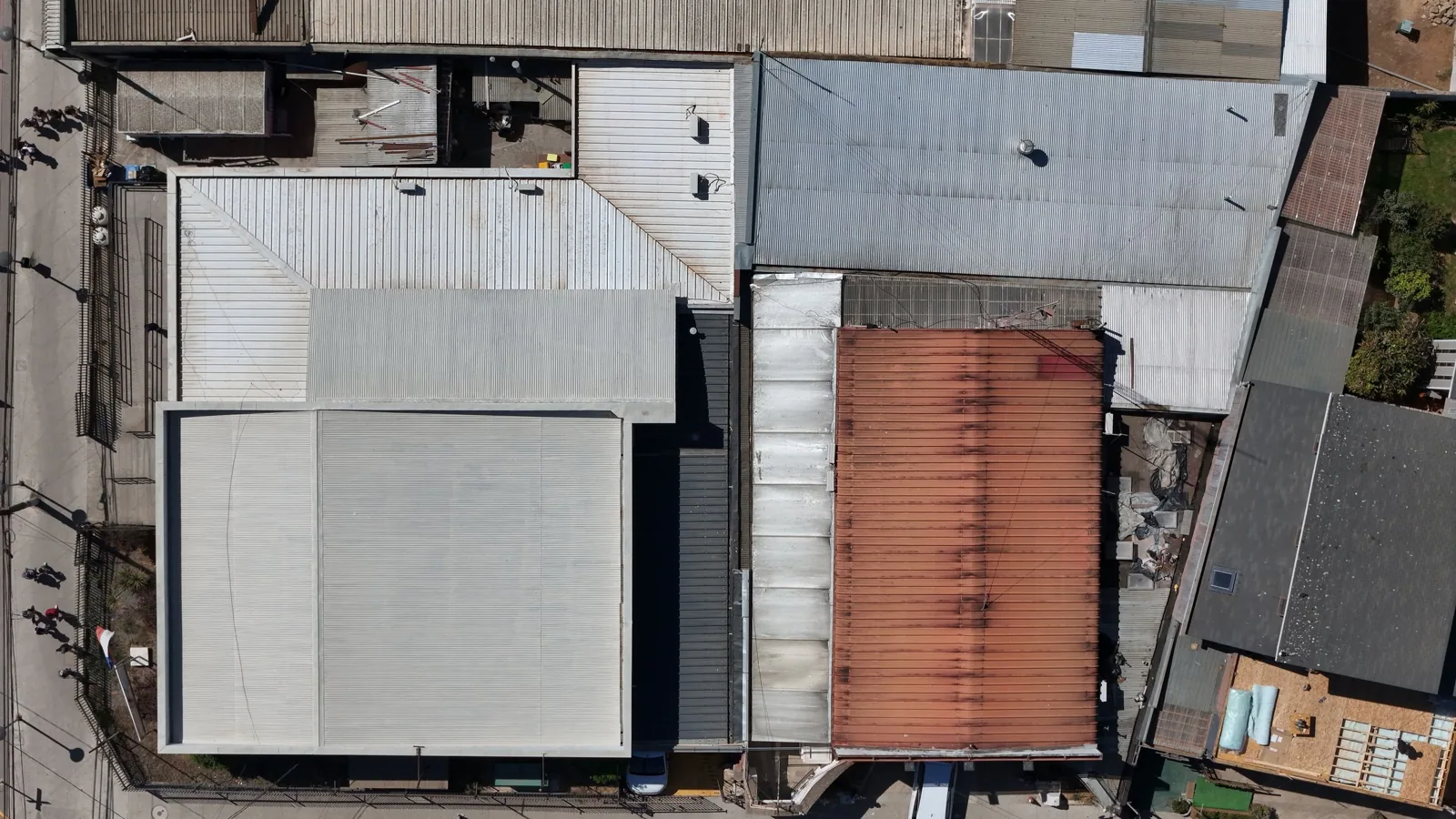
At Harry and David's Medford site, orchards, manufacturing and distribution buildings sit together, and the largest employer in Southern Oregon counts about 1,700 year-round and 6,700 seasonal workers there. Roofs of this type resemble a warehouse roof at larger scale, and some distribution buildings include a cold storage wing with its own vapor and heat questions. We do not assume the roof on any named building. We walk it, record the system, count the drains and units and grade the condition, and that grade goes into the register.

Heat load, UV budget and reflectance
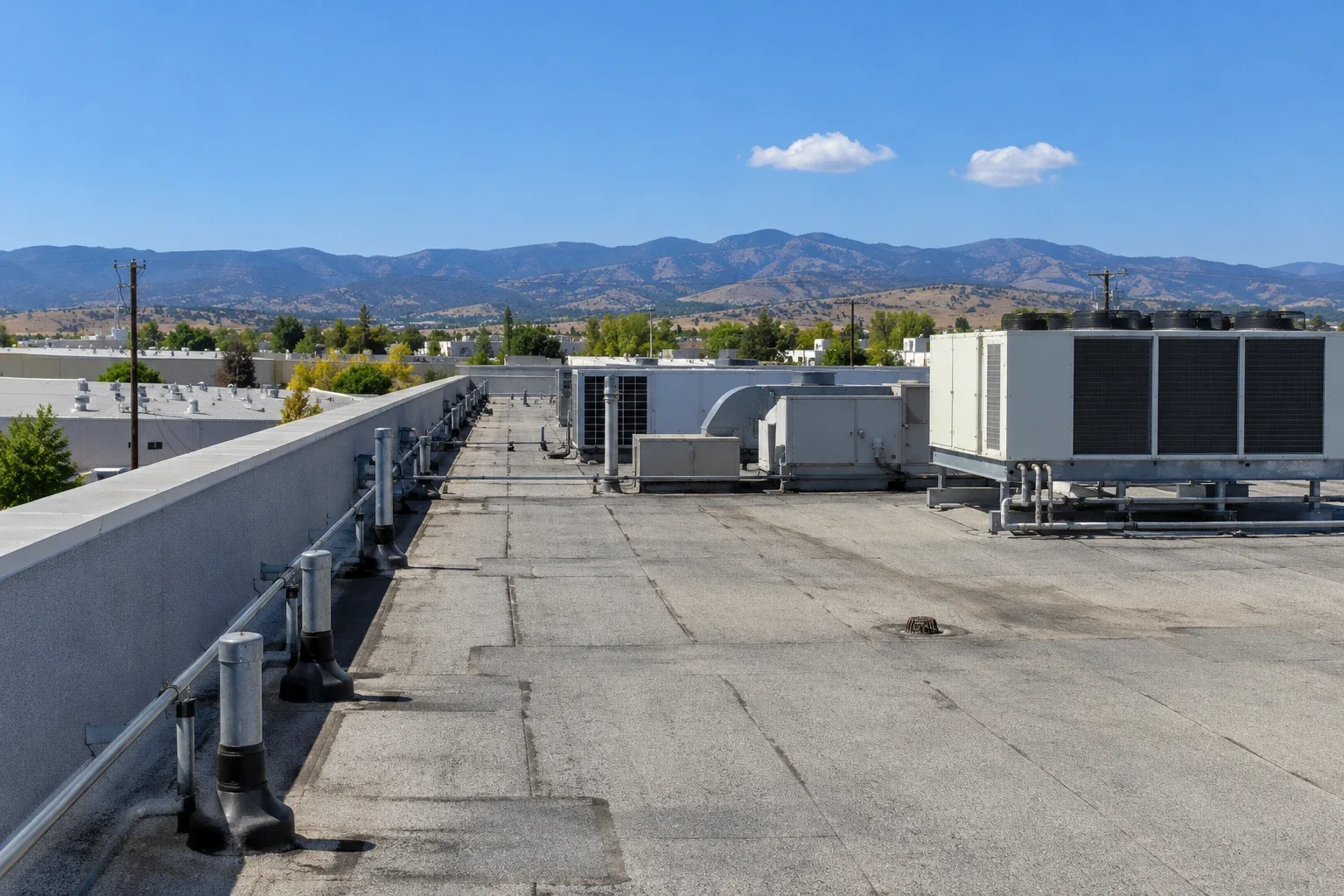
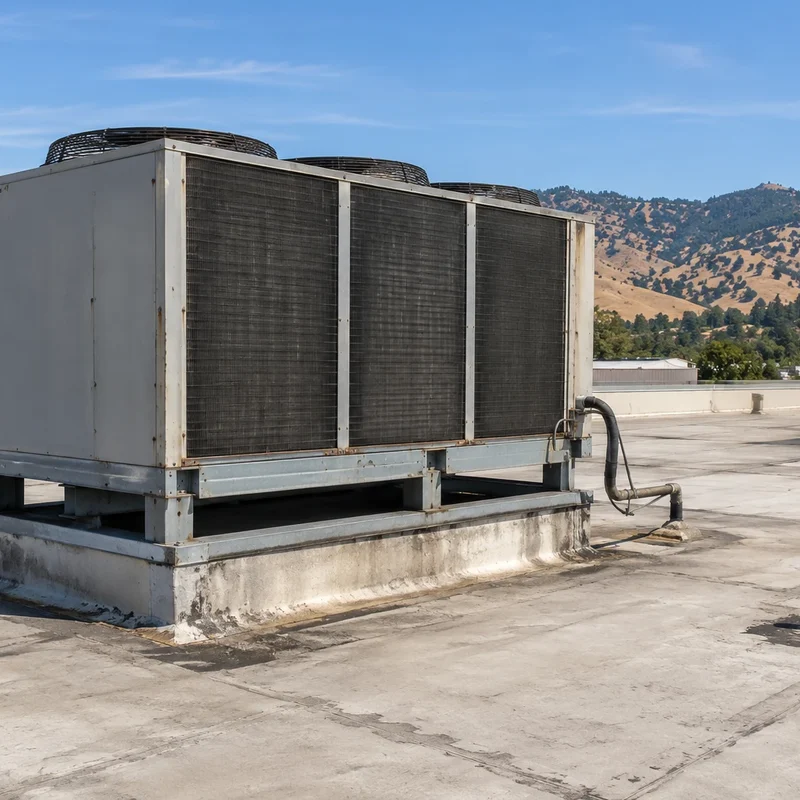
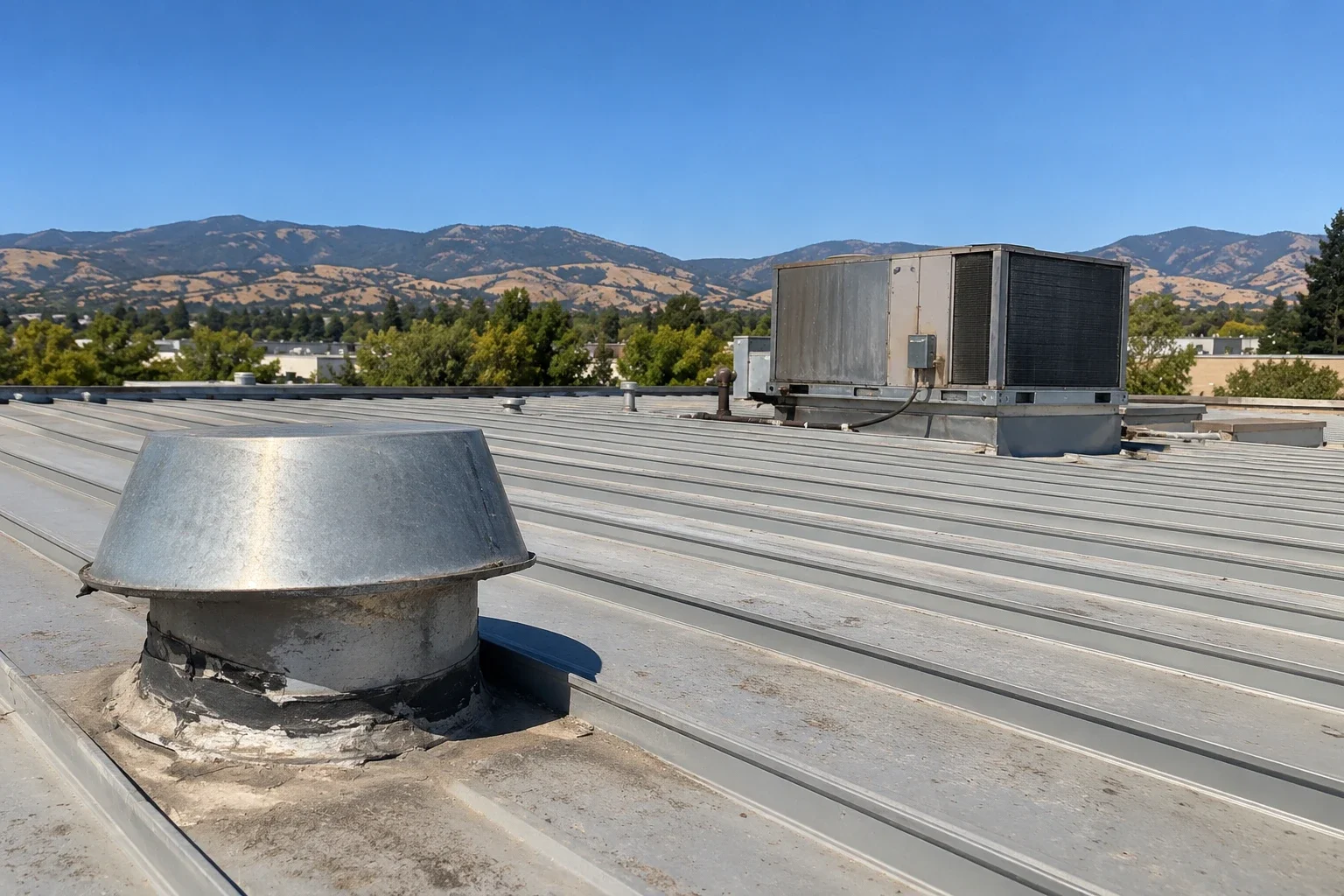
A distribution roof is mostly sky. Every hour of triple-digit sun heats the surface, raises the temperature of the space below and loads the cooling plant. A white roof that is clean reflects much of that; a white roof dulled by ash and dust reflects less and ages faster. The UV budget of the membrane is spent on clear days with few washing rains, and the valley supplies plenty of them.
We record reflectance, seam condition, ponding, drain health and the condition of curb flashings each spring. Remaining service life is estimated from the grade. For buildings with refrigerated or temperature-sensitive goods, the roof's heat gain matters even more, and a cool roof upgrade may belong in the plan when a replacement comes due.

Smoke season, soot and ember exposure
Almeda fire smoke in 2020 topped state air monitors, and Medford logged 26 smoke days in 2021. A distribution roof collects soot across its whole area, and ash packs into drains at the perimeter. Rooftop intake filters load with soot too, which affects indoor air for the workers on the floor.
After a heavy smoke week we wash the surface, clear drains, replace intake filters and look at edges for ember damage. With roughly 2,600 homes lost to the Almeda and Obenchain fires in the county, debris, edges and ember pathways belong on the checklist. The owner report records each step with dates, which supports an insurance claim or a lender's question.
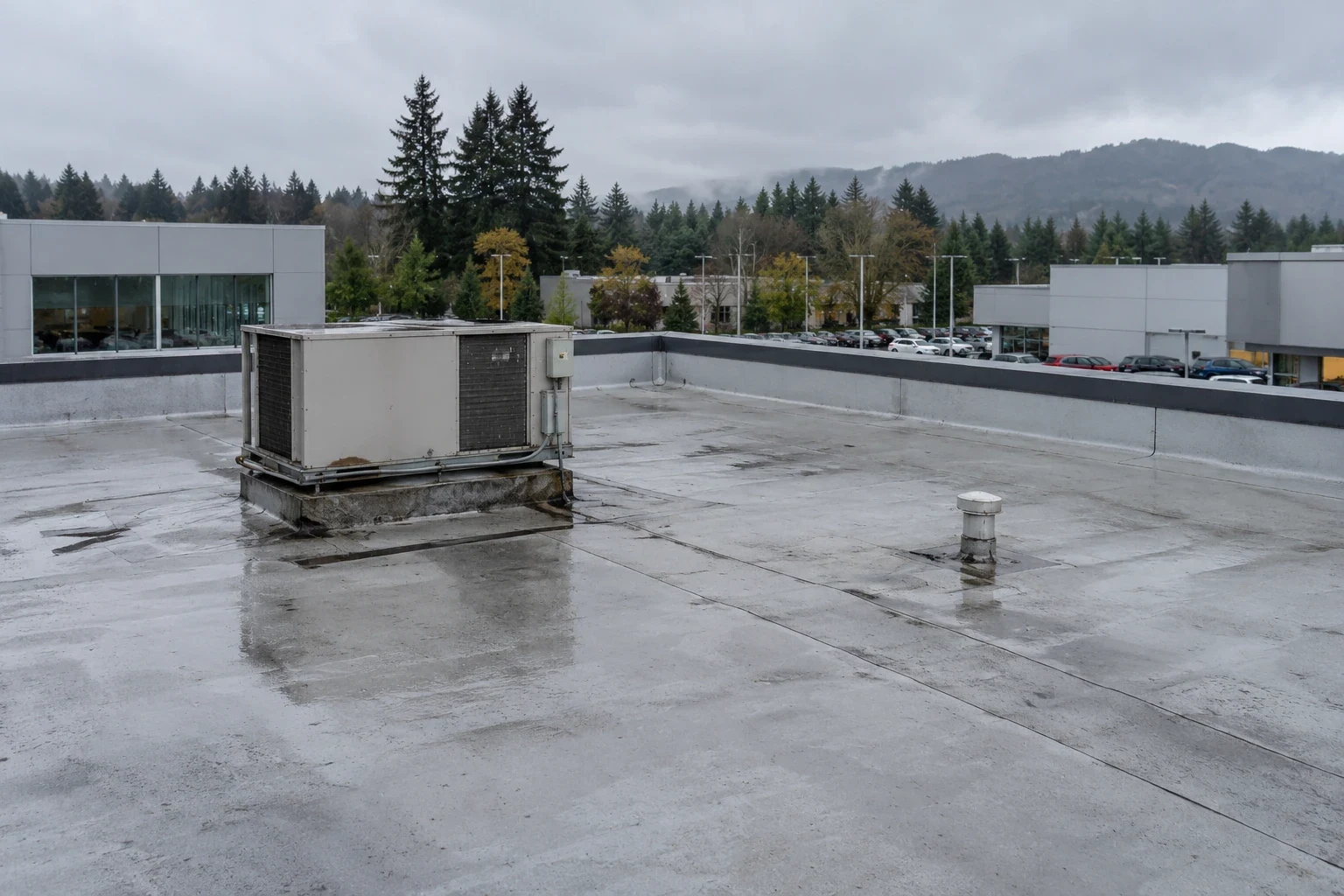
Valley floor versus foothill and the freight corridors
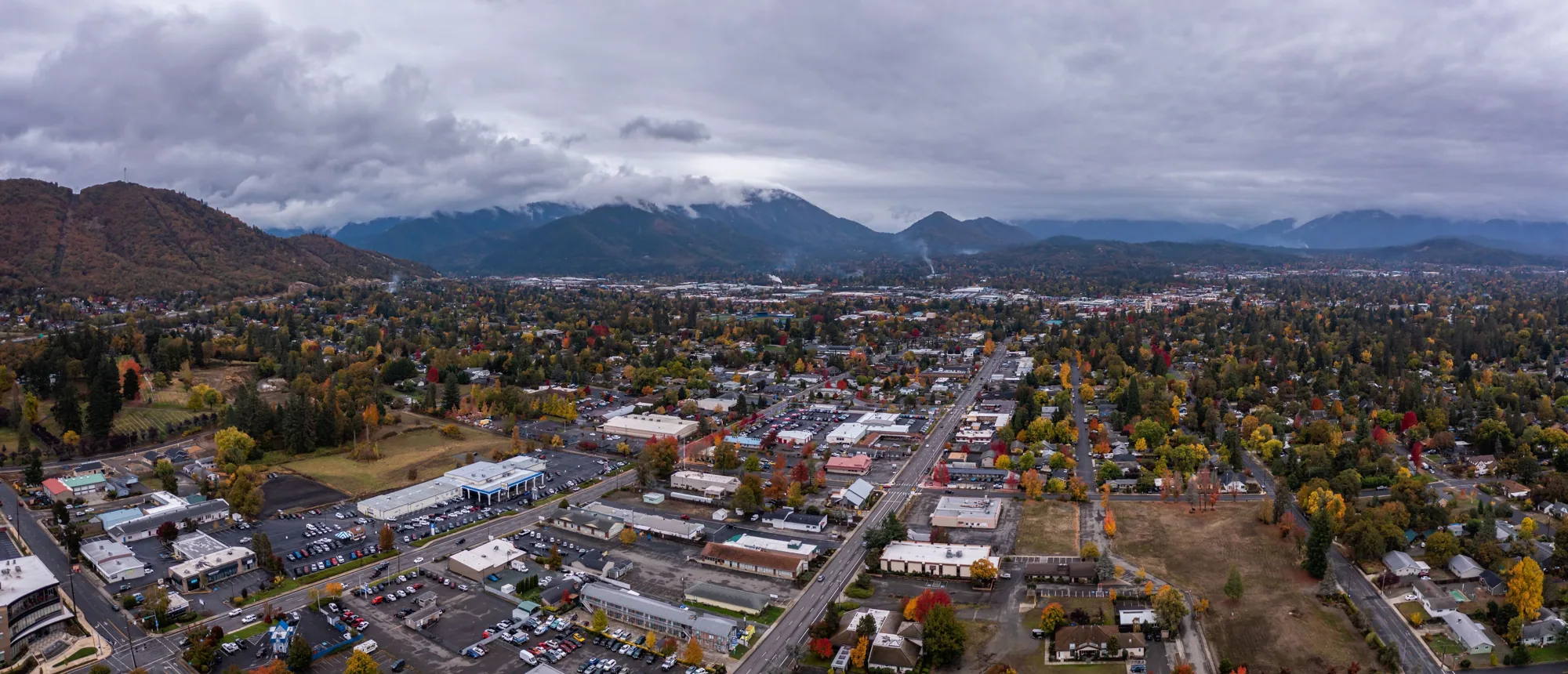
Interstate 5 crosses central Medford on a viaduct 3,229 feet long, Oregon Route 62 ties the city to White City and the foothills, and freight rail serves both the White City Industrial Park and Phoenix Industrial Park. The Table Rock Road and airport corridor carries the newest distribution roofs, and the Central Point stretch is crossed by Interstate 5 and Oregon Route 99.
Foothill communities such as Prospect average about 20.9 inches of snow a year, so a distribution building up the Route 62 corridor needs separate load thinking. On the valley floor, with snowfall of just 3.4 inches, heat and smoke dominate. We mark elevation on every register entry and set the checklist accordingly.
The Rogue Valley Mall, on North Riverside Avenue, is retail and not distribution, but the same flat-roof logic applies along the North Riverside corridor, where large flat roofs change hands and are repositioned. A building under new management is a good moment for a fresh grade.
System choice and structure
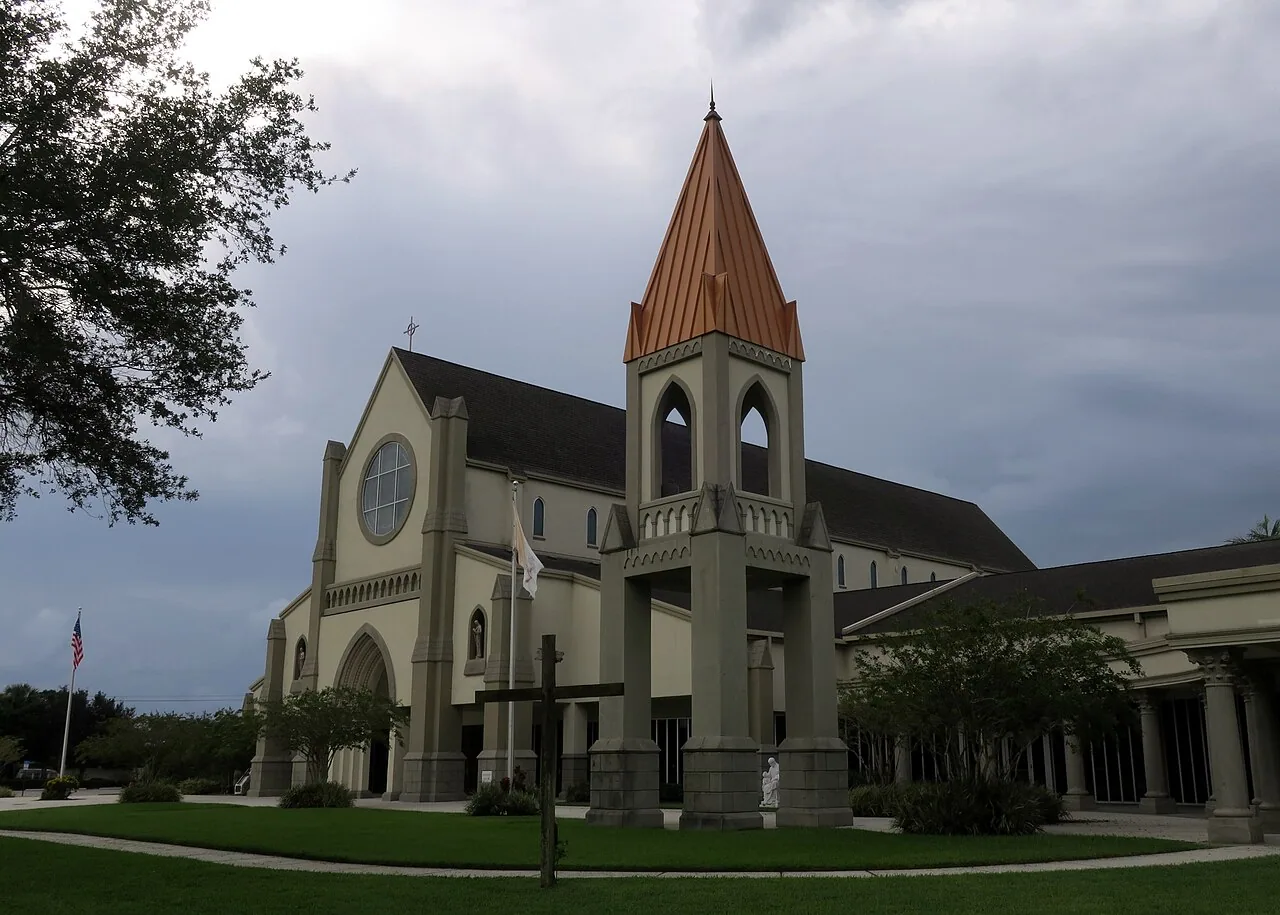
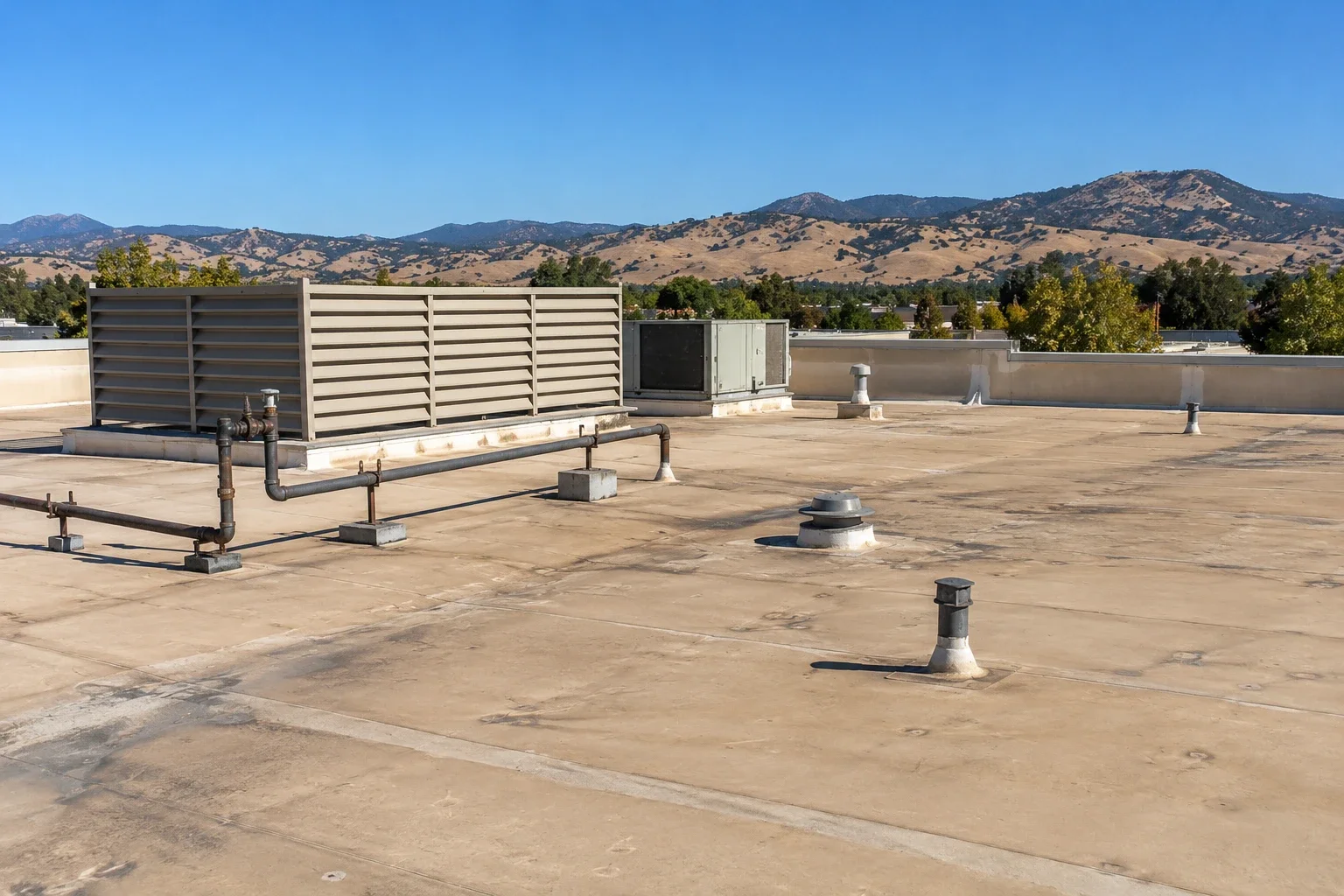
Large flat distribution roofs usually go to a welded TPO with a cover board, or to a coating on a sound existing roof. Penetration-heavy roofs may take prefabricated details. Insulation thickness and attachment are set by the energy code and the wind uplift requirement, and we check the deck's condition before specifying.
Fire classification matters in a building with high-piled storage, and the assembly's rating belongs to the whole roof, not the sheet. We confirm it against the plans, and the sprinkler design and roof assembly are reviewed together by the people who own that question. Our scope notes the interface and calls a hold point if it is unclear.
Repairs follow the same grade. Hot-air welded patches and flashing replacements are made in the cool morning hours, listed as patches or fixes with prices, and recorded in the register. When repair lists keep growing across a roof, the condition grade says so, and the conversation moves to coating, recover or replacement with numbers beside each.
Reserve schedule, code and lease-cycle timing
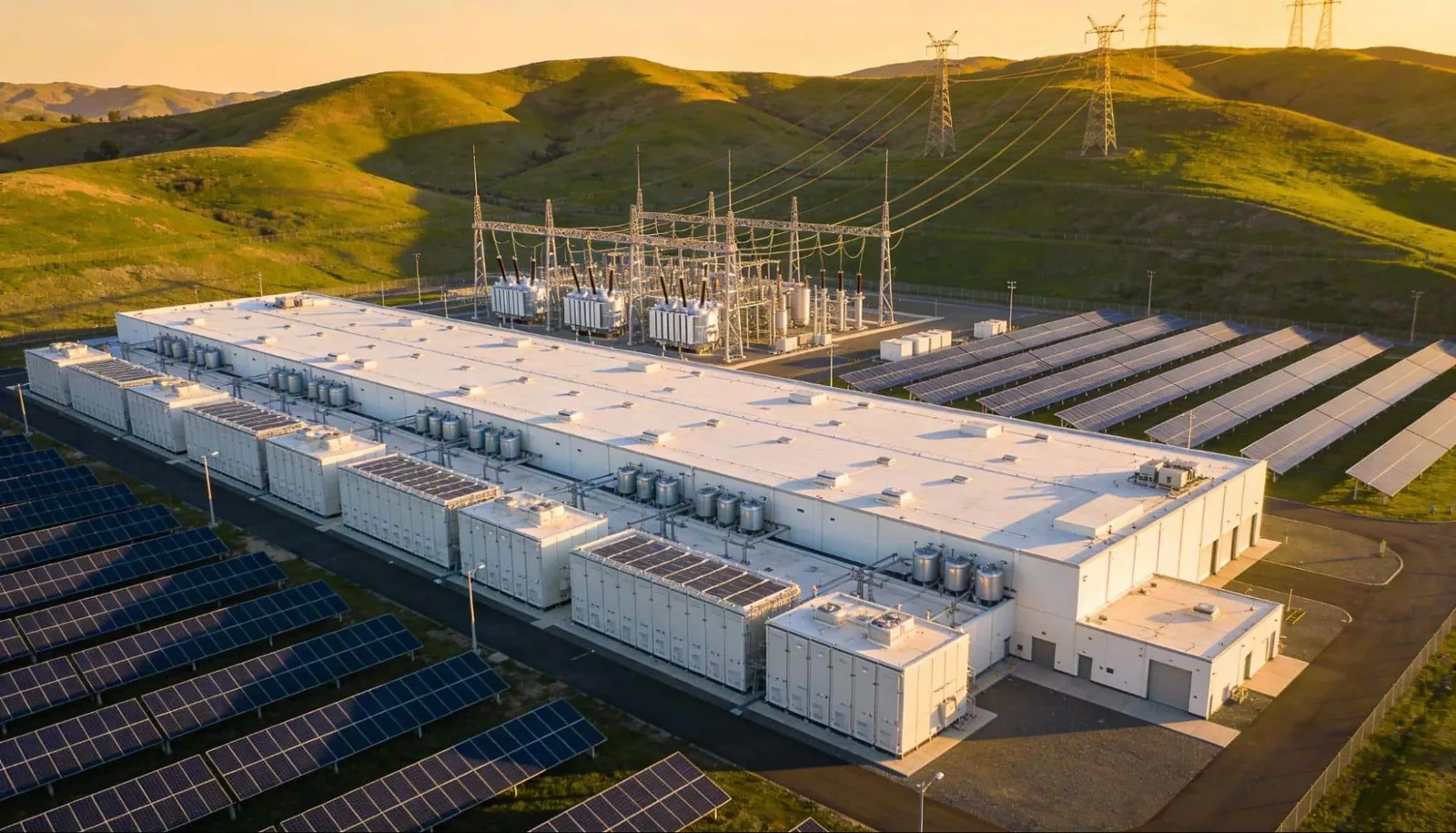
The roof is a large, lumpy item in the reserve schedule, and a distribution roof that fails during peak season costs far more than the same failure in a quiet month. Replacement belongs in a lull, which for a tenant with a seasonal workforce means planning months ahead. A recover or a coating can defer the date when the insulation is dry, and an infrared scan tells us whether it is.
Oregon's 2025 Structural Specialty Code, mandatory since April 1, 2026, governs a distribution roof replacement today, and the scope notes it. Grade, cost range and the carrying cost of waiting sit in the roof register, so the owner report can show a decision and its reasons.
Work window and operations below
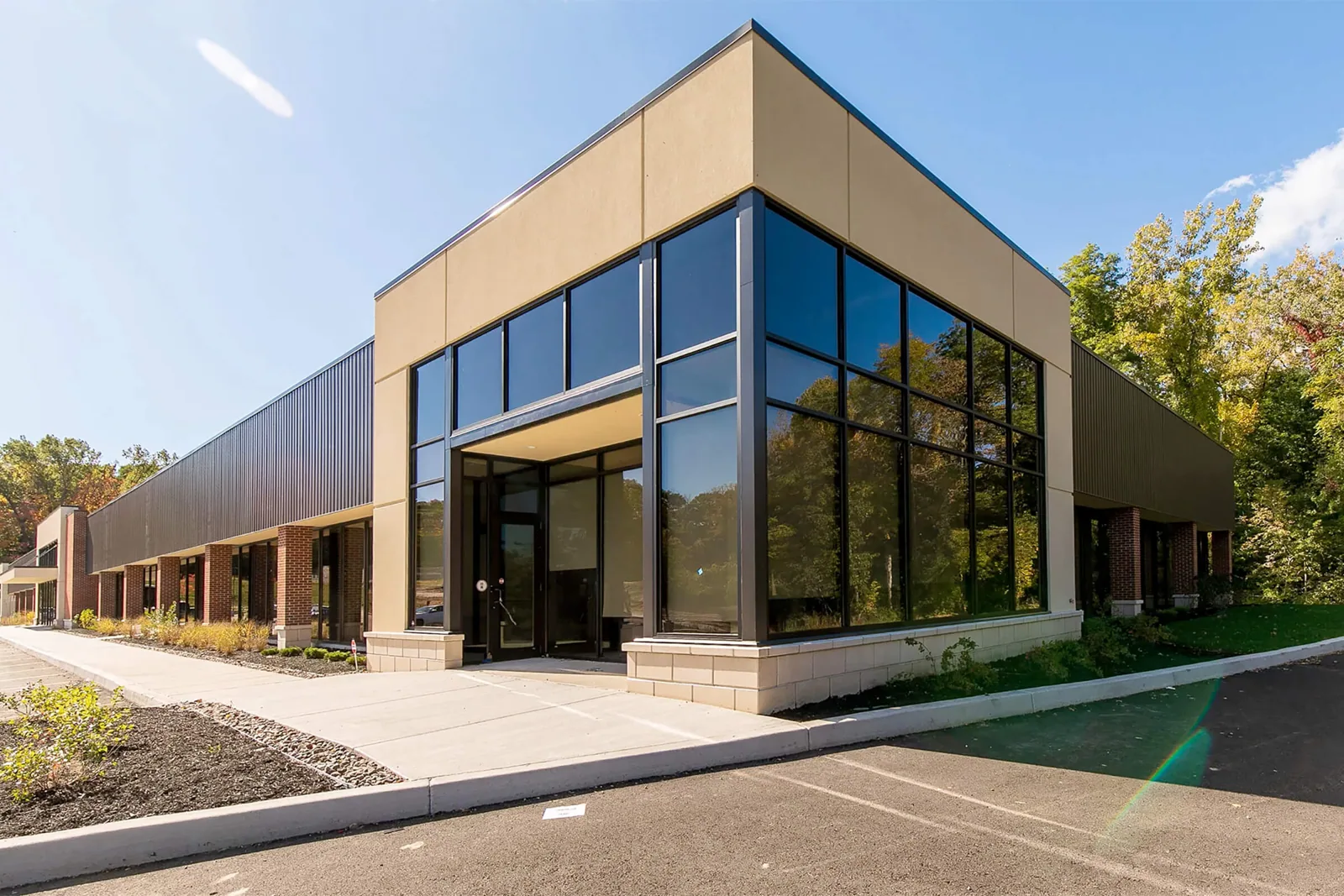
The spring work window gives the best bond and weld conditions, and it often precedes the busiest freight months. Summer jobs start at dawn and stop when the deck is too hot. Docks keep working, so lifts, dumpsters and material staging are placed away from truck courts and fire lanes, and daily dry-in protects the inventory.
Where the deck is open from below, catch layers protect goods and workers. Noise and dust are scheduled around shift changes. At closeout the property manager and our crew walk the roof together, drains and flashings are photographed, the warranty is filed and the register takes a new grade. Our preventive maintenance visits then keep the record current. Daily progress is logged by section, so the manager can tell a dock supervisor exactly which part of the roof is open, which is dry and when the next section starts.
Send the building list and freight calendar
Related Roofing Pages

Questions About Distribution Center Roofing
When is the best time to reroof a distribution center?
In a freight lull, usually spring. We plan months ahead and hold a make-up week.
Can docks keep working during roof work?
Yes, with staging away from truck courts and daily dry-in.
Does a white roof matter for refrigerated goods?
It lowers heat gain. Clean it each year and record the reflectance.
What does soot do to the intake filters?
It loads them quickly. We replace them after heavy smoke weeks.
How big can a coating job be?
Large roofs are coated in sections. We phase them so each section is dry before the next.