
Commercial Roofing in Table Rock, OR
Commercial roofing in Table Rock, OR between White City and Sams Valley: roof grades, heat-season upkeep and remaining-life estimates for outlying buildings.
Overview
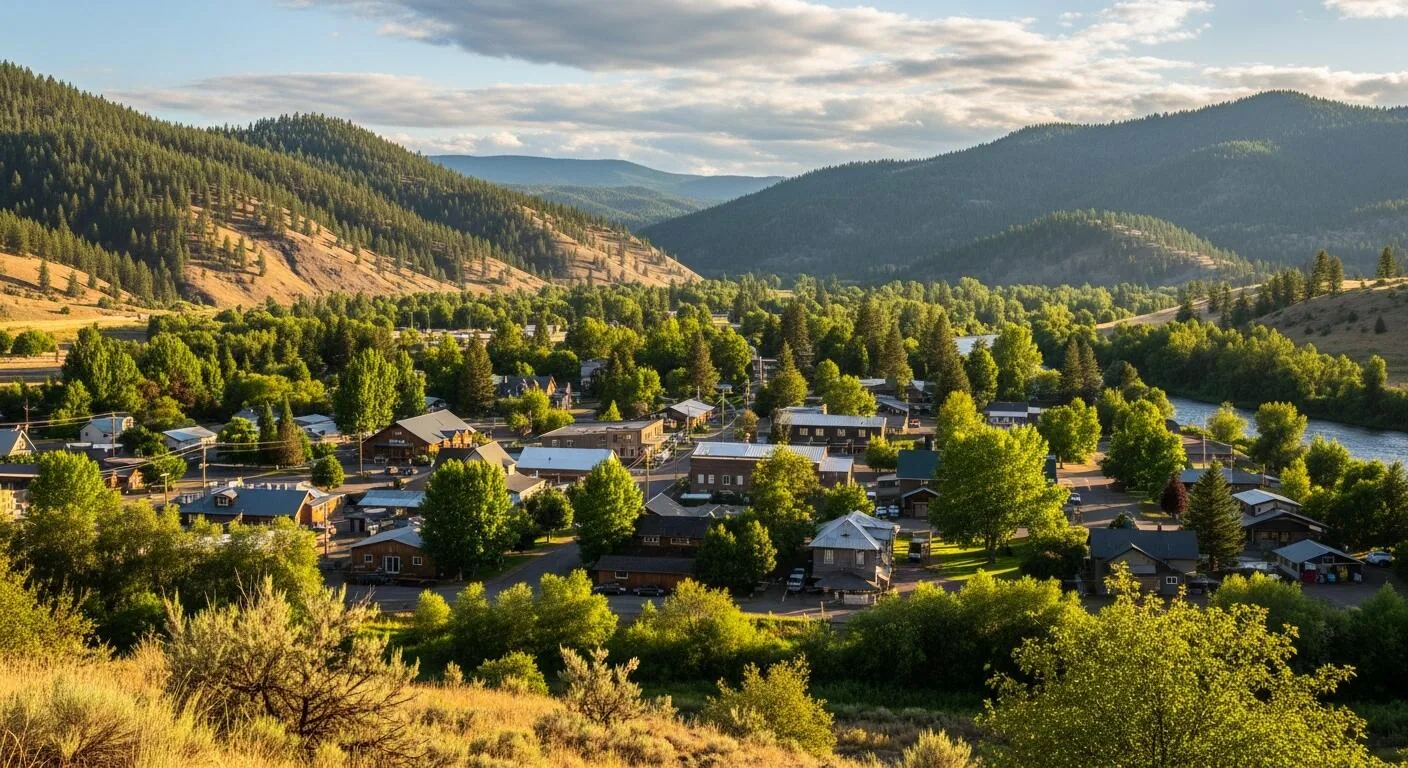
Table Rock, OR is an unincorporated community on Table Rock Road between White City and Sams Valley, at about 1,204 feet, with the two tall mesas called Upper and Lower Table Rock rising roughly 1,000 feet just to the west. A roof under that open sky takes the Rogue Valley summer without much help from shade. Medford's record shows 61 afternoons in the 90s or hotter in a typical year, and a membrane or metal panel on open ground logs every one of those hours as expansion, stiffening and reflectance loss.
Our job in Table Rock is the same as anywhere in the valley: grade the roof, estimate its remaining service life and put the result where the property manager can use it. The notes below describe what we look at on a first visit, which materials hold up under the heat, and how a visit here fits with the surrounding service area so the travel does not inflate the owner's cost.
Reading a Roof on Table Rock Road
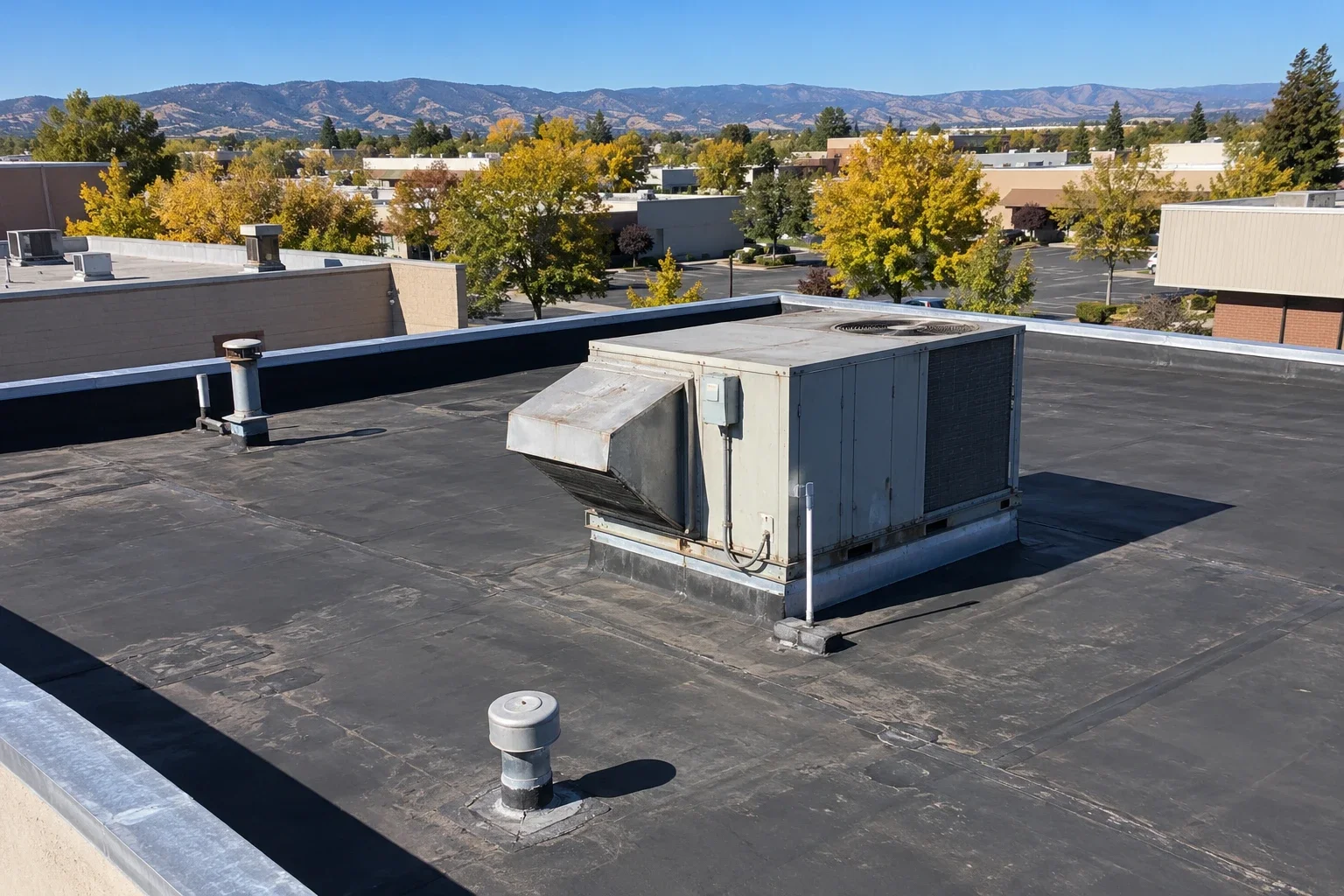
We begin with the surface and work down. The surface tells us how much of the original covering is left: whether a white membrane has chalked, whether a coating has worn thin, whether granules on a cap sheet have washed into the gutters. Below the surface we look at laps and seams, then flashings at walls, curbs and penetrations, then drains and edge metal. The last item is moisture, because a roof can pass every visual test and still hold water in the insulation.
Each finding gets a photograph with a date and a location, and each roof section gets a grade. If a building has a newer addition beside an original section, the two receive separate entries, since they will not reach the end of their service lives together. The owner leaves with a document that supports a reserve entry and a work order alike.
Shop, Storage and Light-Industrial Roofs
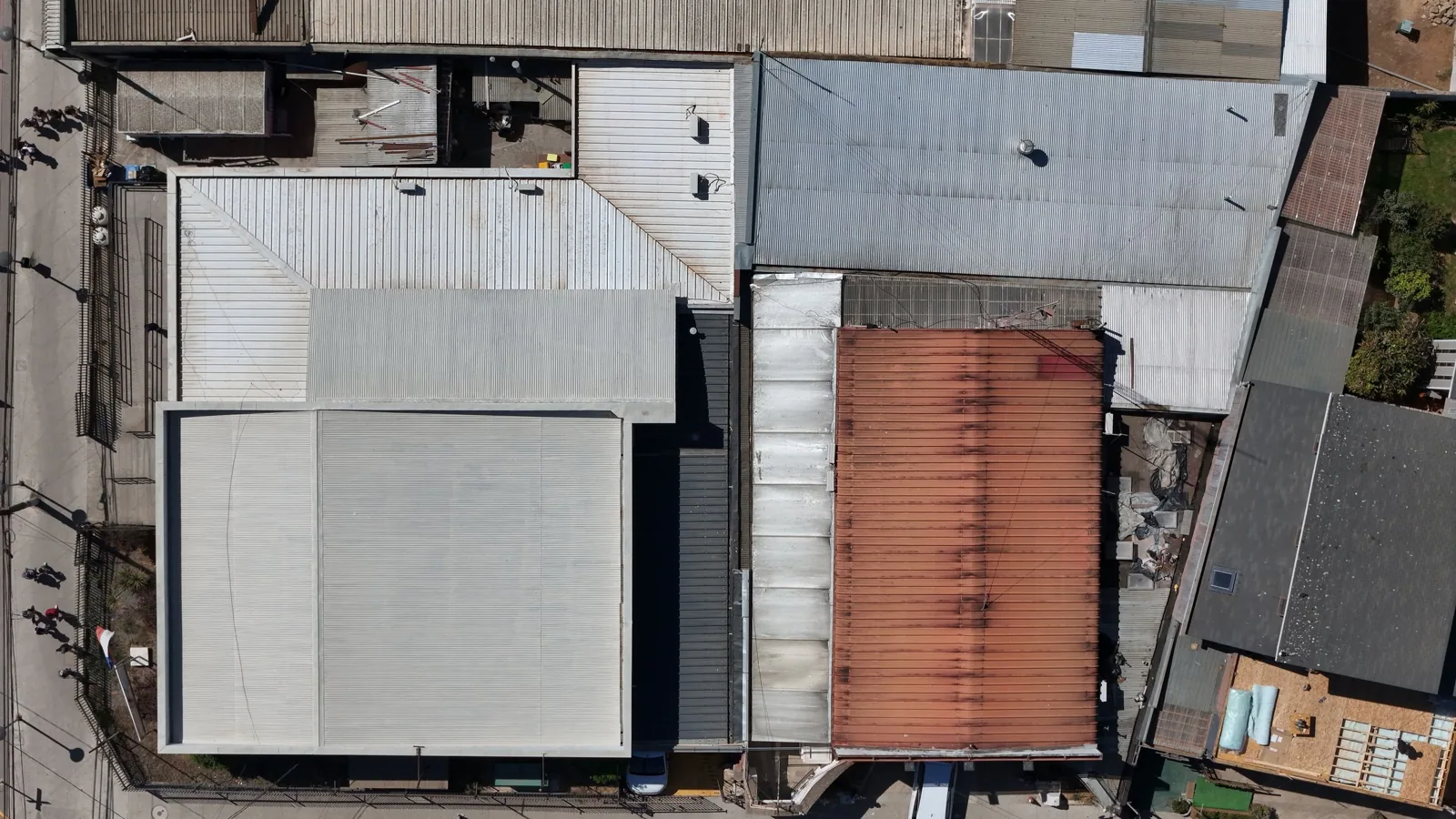
Buildings in Table Rock are identified on the first walk, not assumed from the map. What we can say is what a visit looks for on the building types common across the valley's outlying roads: a shop with a low-slope membrane, a storage building with metal panels, a small office with a gabled section, a warehouse roof with several rooftop units. Each has a typical failure. Membranes open at seams and curb flashings. Metal leaks at fasteners and trim. Gabled sections shed heat well and fail at valleys and penetrations.
Warehouses and light industrial buildings carry another risk, which is traffic. Trades go up to service equipment, cut new openings and leave debris, and every visit leaves a mark. The register notes who has been on the roof and what they changed, so the next inspection can separate wear from damage.
Heat Load on Long, Open Spans
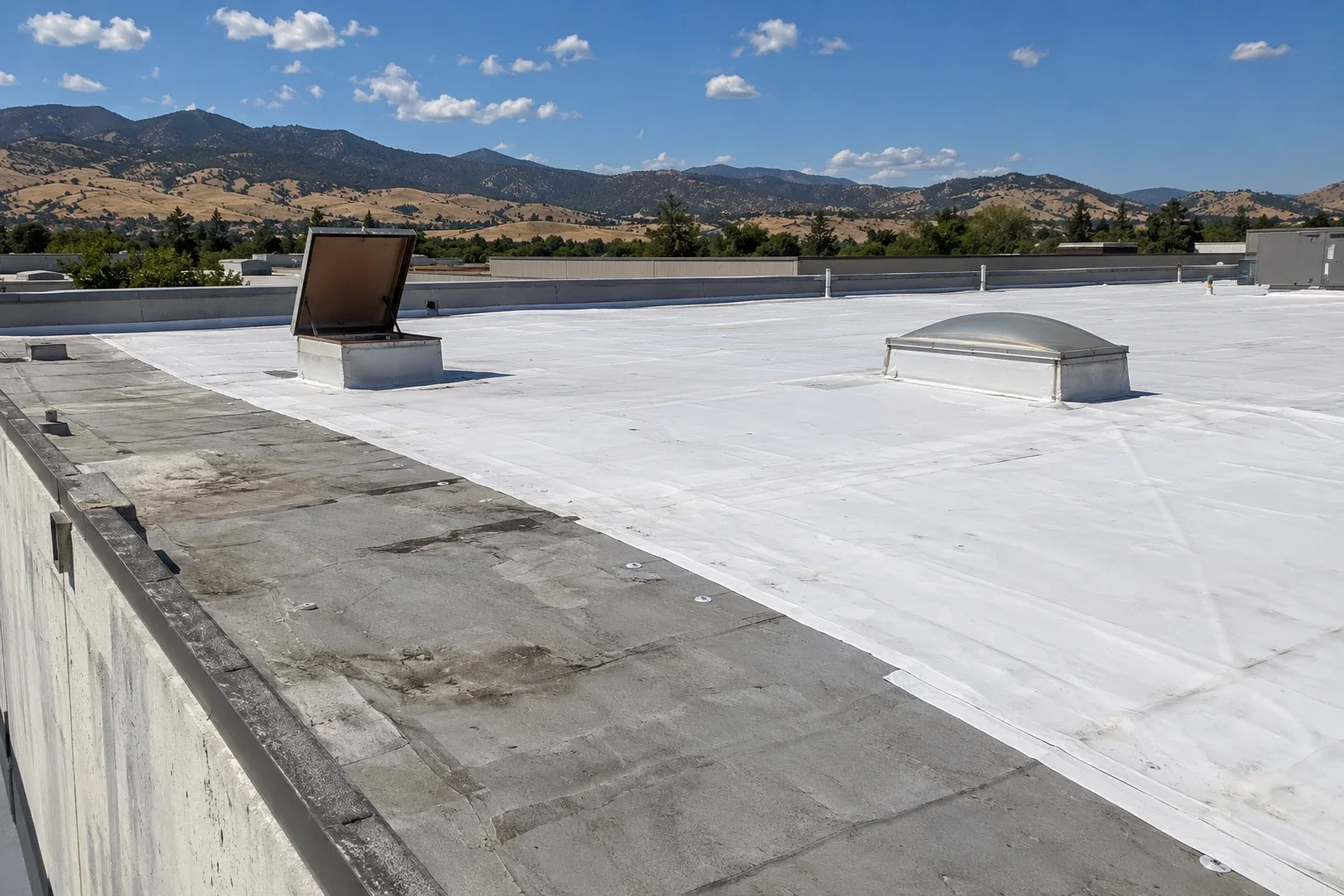
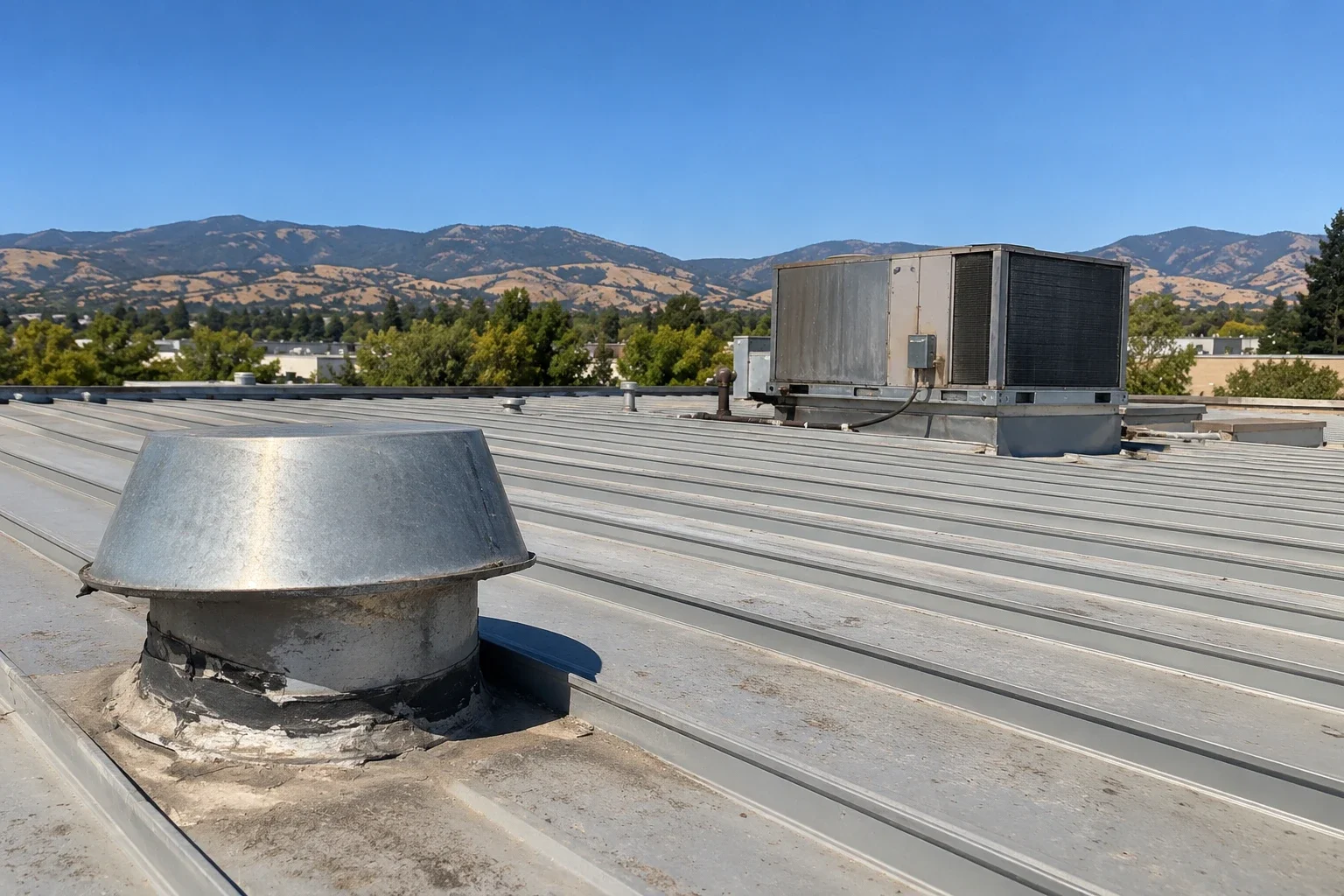
Long spans amplify thermal movement. A metal panel can move a visible amount between a cool morning and a 100 F afternoon, and the movement works on fasteners, clips and sealant at each end. Over years, the sealant hardens and cracks, the fastener holes elongate and the panel starts to leak. A membrane moves less but pulls at its seams, particularly where it is mechanically attached through insulation.
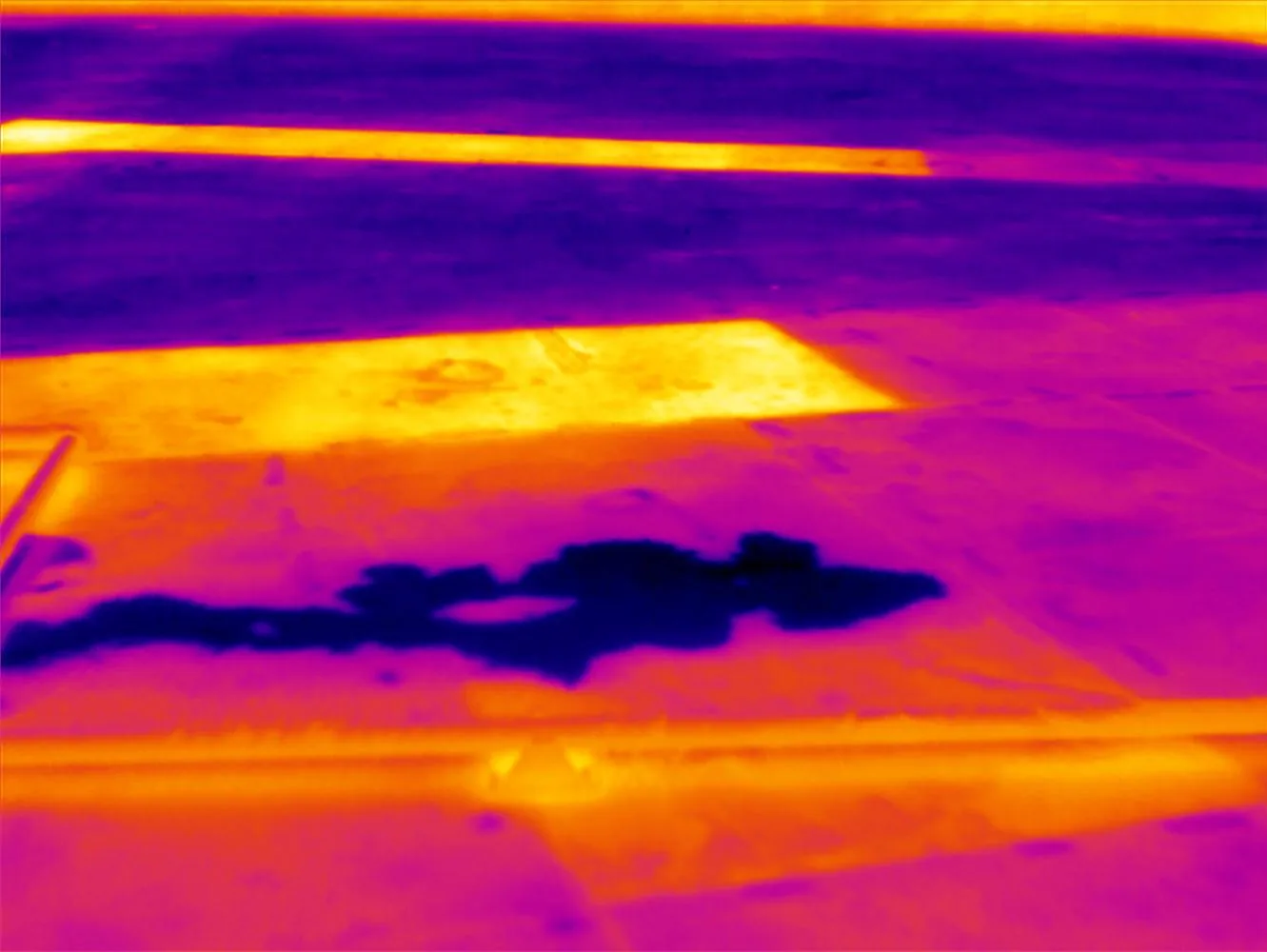
When a roof shows these signs, the options are laid out in order of cost. Cleaning and re-sealing is the least expensive. A recover system over a sound deck is the middle path, if the insulation is dry. Full replacement is the last resort and the most durable. An infrared moisture survey tells us which path the roof can actually support.
Older Buildings and Rail-Era Construction
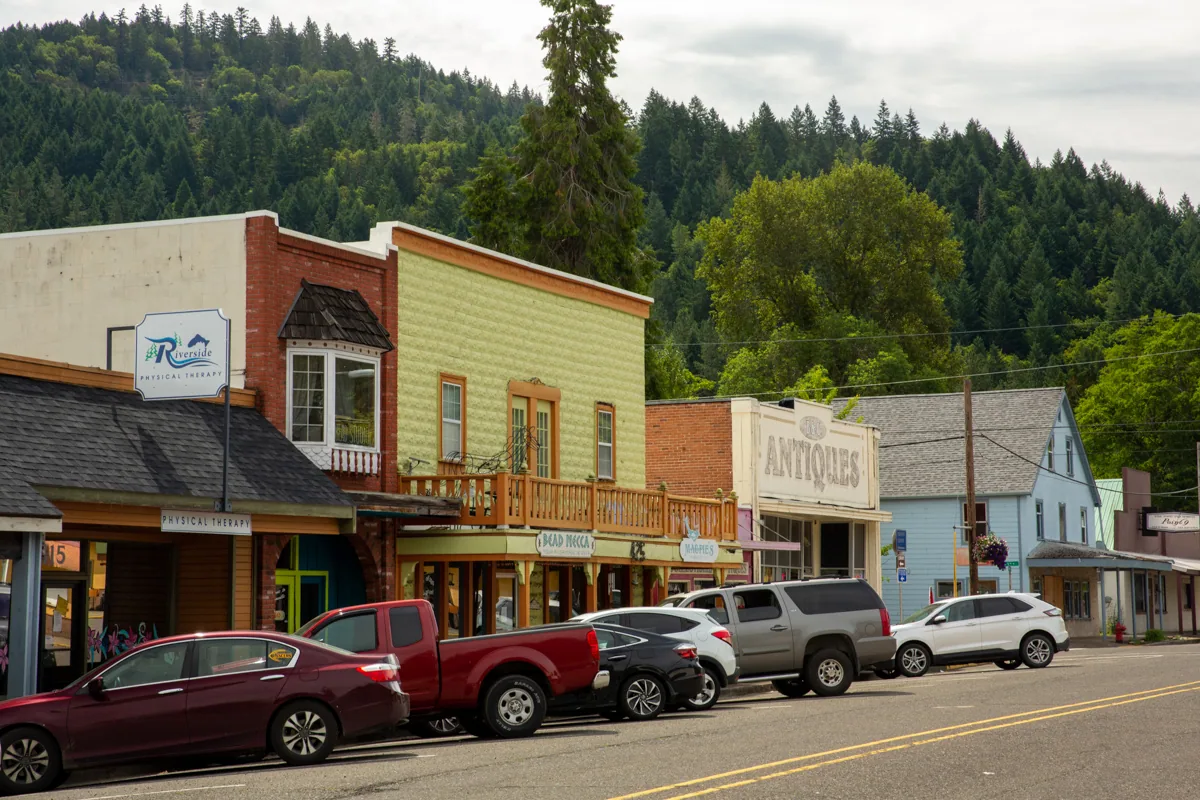
A Southern Pacific station opened at Table Rock in 1949, about 3.5 miles north of Central Point, which tells us the community has some mid-century history. It does not tell us what roofs stand there now, and we do not assume. If a building proves to date from that era or earlier, we check what often goes wrong with it: original flashing metal at parapets, patched layers over old built-up roofing, and drains that were never upsized when equipment was added.
Age raises the value of a thorough first report. A roof with several repair layers needs to be read like a ledger, with each patch dated if possible and each leak history noted. That history shapes the recommendation, and it informs how much of the old assembly can stay.
Smoke Weeks and the Maintenance Calendar
Smoke belongs on the maintenance calendar of any valley roof: Medford counted 26 smoke days in 2021, after fires in 2020 destroyed about 2,600 homes in Jackson County. After a heavy week, we clear soot from drains, check rooftop intake filters and look at reflective surfaces for loading. Before the season begins, we tighten edges and clear debris from curbs and parapets where embers could rest.
A preventive maintenance visit each spring ahead of the triple-digit weeks covers most of this, and a second visit after smoke covers the rest. Both go into the register with photographs.
Cost Drivers and Timing for an Outlying Site
Price follows a short list of drivers, and we name them in every scope. Area and access drive the labor, while insulation depth and cover board drive the material. Penetrations, curbs and drains add detail work, and rooftop equipment can double the hours on a small roof. A tear-off adds disposal, and an occupied building adds phasing. Distance adds travel, which is why we group visits by route and show travel as its own line instead of burying it in the unit price.
Timing follows the reserve and the weather together. The best working months run from spring into early summer, before the hottest weeks make membrane work hard on crews and material. An owner who approves a scope in winter can have material staged by March. An owner who approves in July competes with every other schedule in the valley and works in the heat. Each report gives the month by which a decision is due, because that date is the one most likely to slip.
Neighboring Places and One-Trip Scheduling
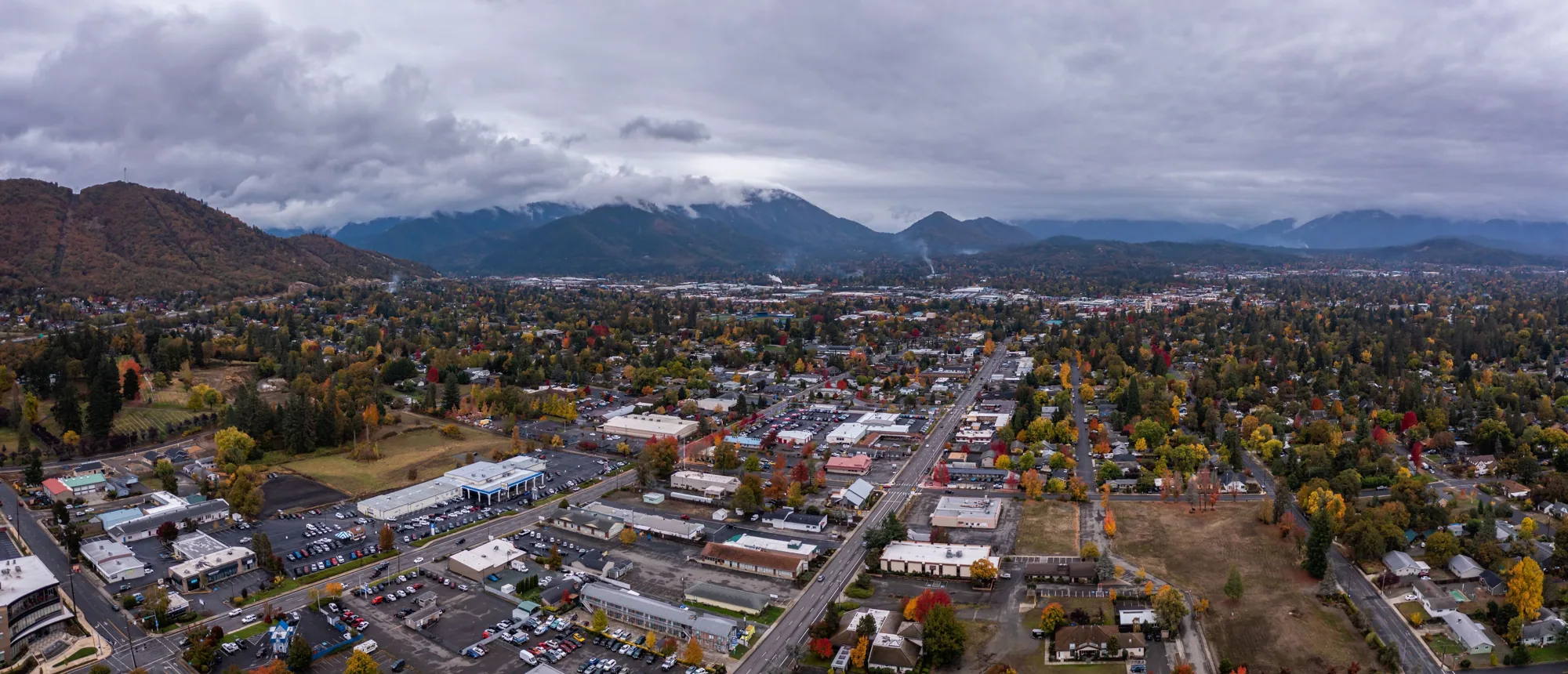
Table Rock sits between White City Industrial Park, which receives freight rail service from the Rogue Valley Terminal Railroad, and Sams Valley. An owner with buildings in more than one of these places can combine them in a single visit day. The report arrives as one document with a grade for each roof, which makes it easy to read next to a condition report for a building elsewhere in the valley. Over two or three cycles the register shows which roofs age fastest and which respond best to coating, and that comparison is worth more to a manager with several buildings than any single report on its own.
Send the building list, roof ages and leak tickets
Related Roofing Pages

Questions About Table Rock
Which roof system suits an exposed site?
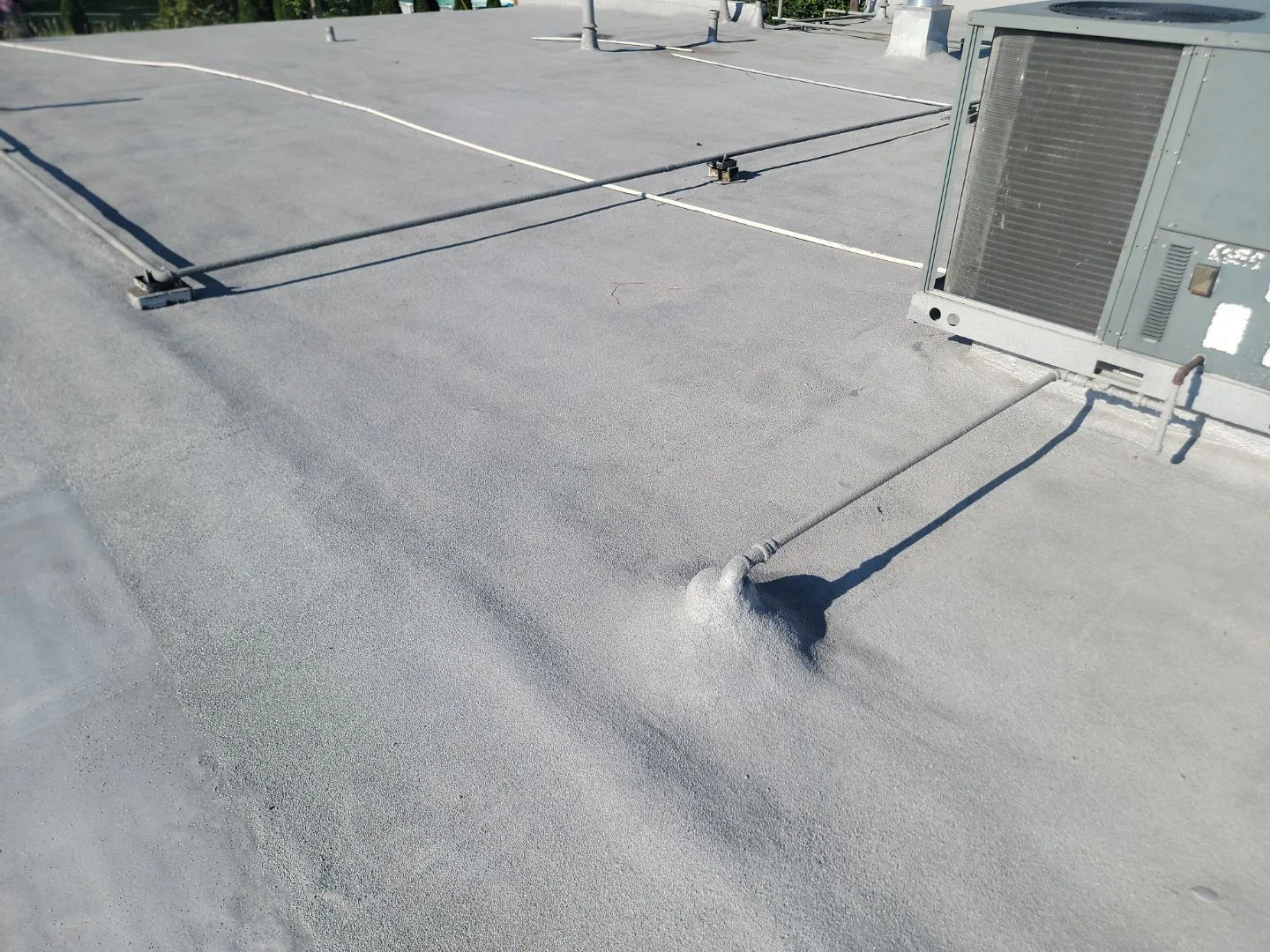
One that reflects heat and tolerates movement. White single-ply membranes and coated metal both do, as long as seams and fasteners are maintained.
How often should a coating be renewed?
When the surface chalks through or reflectance drops visibly. We check at each spring visit and tell the owner how much life remains.
Can you survey a roof I cannot get to?
We arrange access through the owner or manager and report any limits. Drone coverage helps on roofs that are hard to walk.
Do the mesas change the weather?
We quote Medford for climate figures, since that is where the valley is measured. For a specific roof in Table Rock we skip the weather talk and grade what the membrane, seams and flashings actually show.
What if a building has multiple roof levels?
Each level gets its own grade, since drains, flashings and exposure differ from one level to the next.