
Commercial Roofing in Prospect, OR
Commercial roofing in Prospect, OR on Route 62: wet-season drainage, snow and cold, visitor-season scheduling and care for older buildings.
Overview
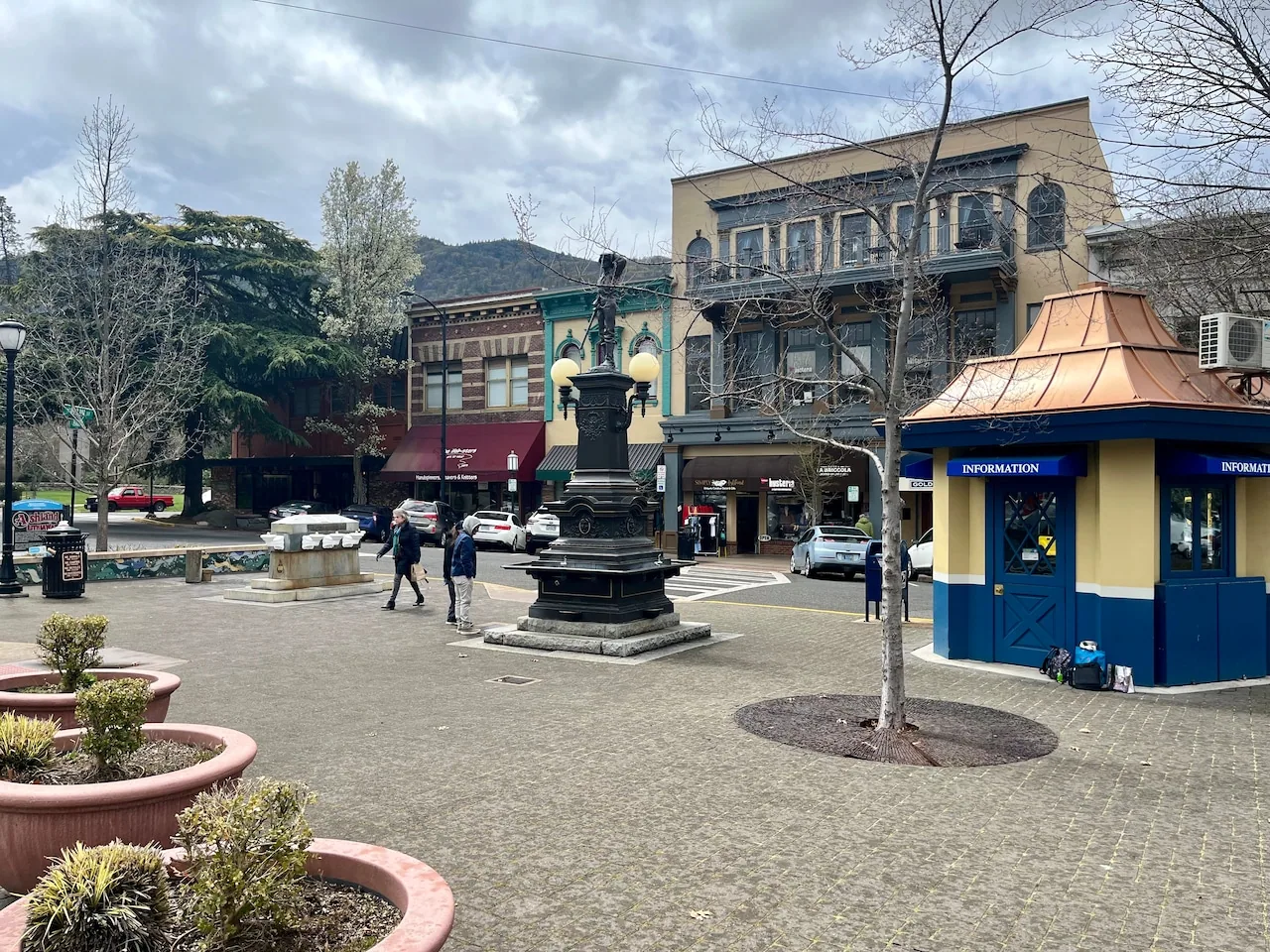
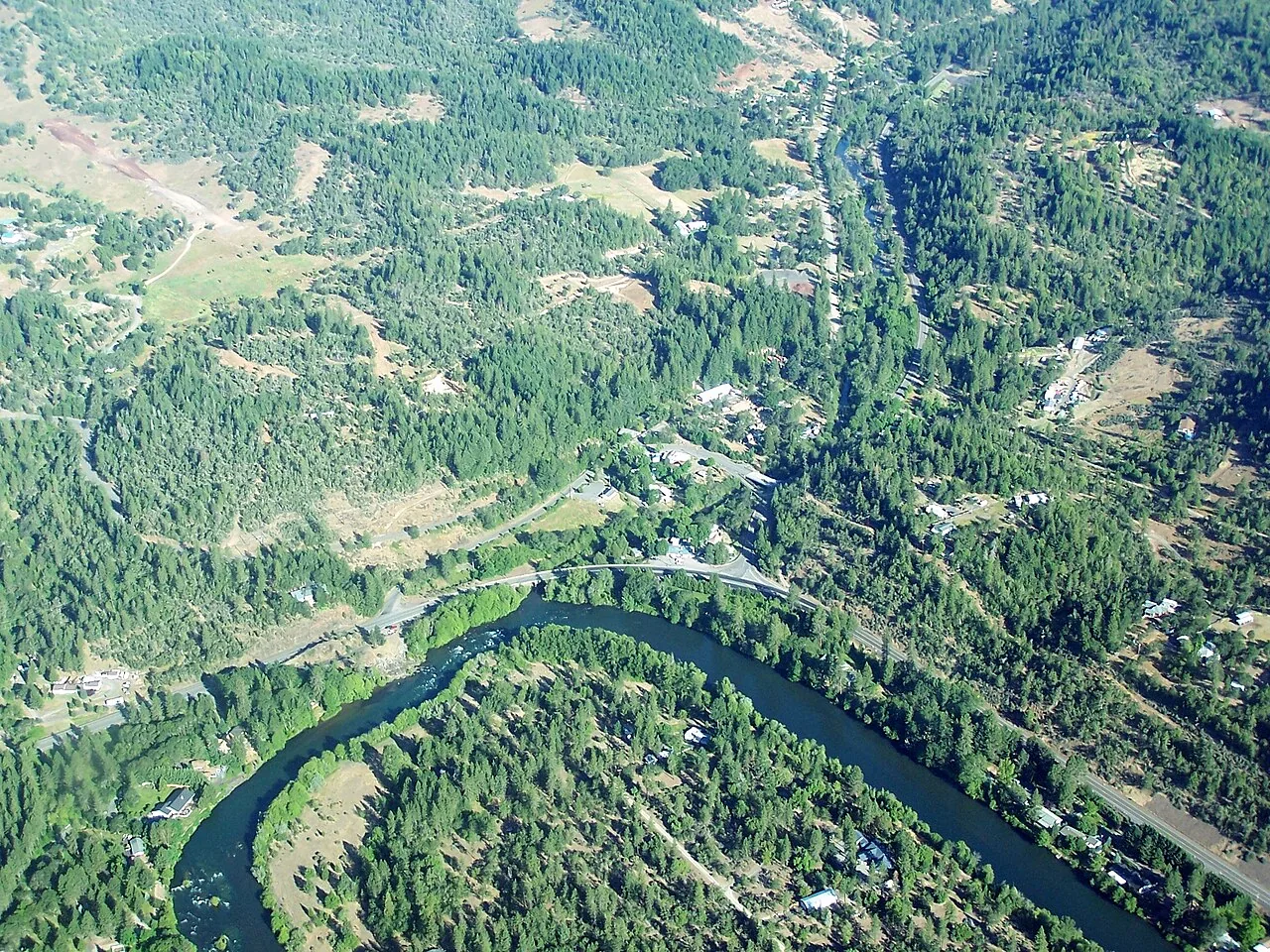
About 41.3 inches of precipitation and 20.9 inches of snow fall in a year in Prospect, OR, against 18.4 inches and 3.4 inches in Medford, so a commercial roof there lives in a different climate from the valley floor. The town sits on Oregon Route 62 beside the Rogue River near the Rogue River-Siskiyou National Forest at about 2,605 feet, and its record low is minus 12 F. Roofs in the valley are mostly a sun-and-heat problem. Roofs in Prospect are a water-and-cold problem with a sunny summer attached.
That changes the questions we ask on a first visit. How fast does water leave the roof? Where does snow collect? How does the building handle a freeze after a thaw? And because the town's annual events draw seasonal visitors and its 1892 hotel is listed on the National Register of Historic Places, when can work happen without disrupting trade? The sections below describe the answers we look for, and the owner receives them in a written grade and plan.

Wetter Than the Valley Floor
More than twice the precipitation of Medford means more hours of water on the roof, and the weak points show faster. Seams that would survive a dry valley for years open under repeated wetting. Flashings that rely on sealant lose adhesion when the sealant stays damp. Low spots hold water for days, and ponding speeds membrane fatigue and grows algae and moss. A roof that earns a passing grade in Medford may earn a lower one in Prospect for the same condition.
The grade reflects it. We weight drainage, seam integrity and flashing condition more heavily, and we run moisture checks more often, because water that enters a roof there has more chances to stay. Where insulation holds moisture, the remaining-life estimate drops, and the report says what that does to the repair-versus-replace decision.

Drainage, Moss and Debris
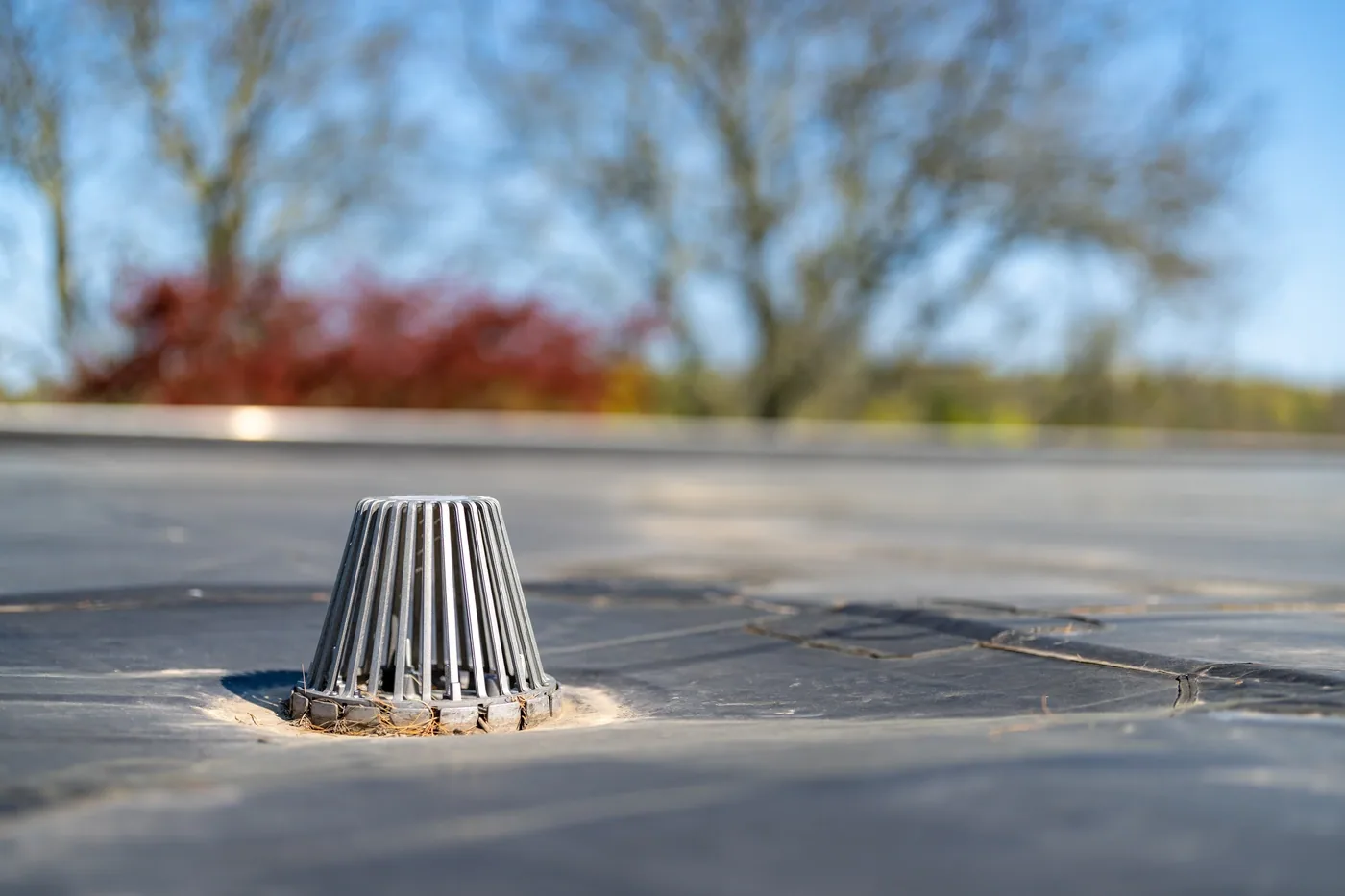
Pine needles, leaves and windblown debris collect in valleys, behind parapets and at drains, and a wet climate turns that debris into compost. Moss and algae grow on the damp layer and hold more water against the surface. The practical result is clogged drains and scuppers, slow runoff and standing water after every storm.
The maintenance answer is a fall cleaning, a spring cleaning and a check after any heavy event, each recorded with photographs. Gutters get the same attention, since ice and debris together can pull a gutter off the fascia. Where trees overhang a roof, the visit calendar carries a note, and the owner can decide whether tree work is cheaper than repeated roof cleaning.

Snow, Cold Mornings and Thermal Shock
Twenty inches of snow a year is not a heavy load by mountain standards, but it is enough to matter for roofs that were built for valley conditions. Snow sits in drifts against walls and equipment, melts unevenly and refreezes at drains and eaves. Cold mornings stiffen membranes and sealants, and a sharp warm-up the same afternoon stresses them. Thermal shock tests every seam and lap in the roof.
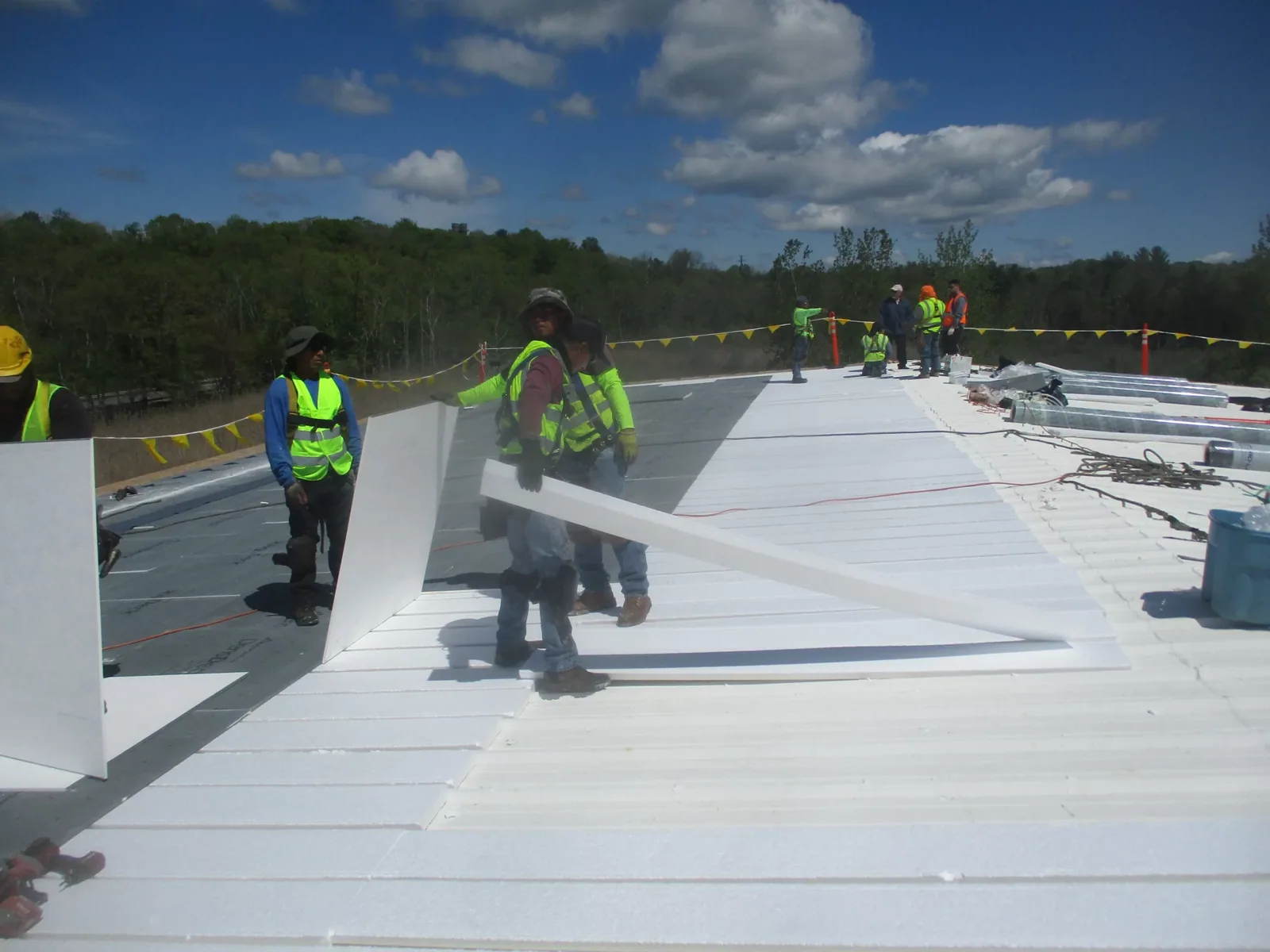
For a building with a metal roof, retrofit options can add a sloped panel system over an older low-slope roof, which sheds snow and water faster than the membrane beneath it. The structure must carry the added weight, and the engineer's review comes first. For a low-slope building, tapered insulation and added drains reduce the standing water that freezes into ice.

Older Buildings and Careful Roof Work
An 1892 hotel on the National Register shows that Prospect has buildings with history, and while a single landmark does not define a town, it does raise the standard for any older structure nearby. Roofs on older buildings often combine several layers, patches from different eras and flashing details that are no longer standard. We read them like a ledger: where each repair was made, which seams remain from the original, and where water has been entering for years.
The work respects the building. We keep original materials where they still function, match profiles where trim or edges must be replaced and document the work so that future owners understand what was done. A condition report with photographs, such as the roof condition reports we prepare for owners, is the first step.
What Drives Cost in a Wetter, Colder Setting
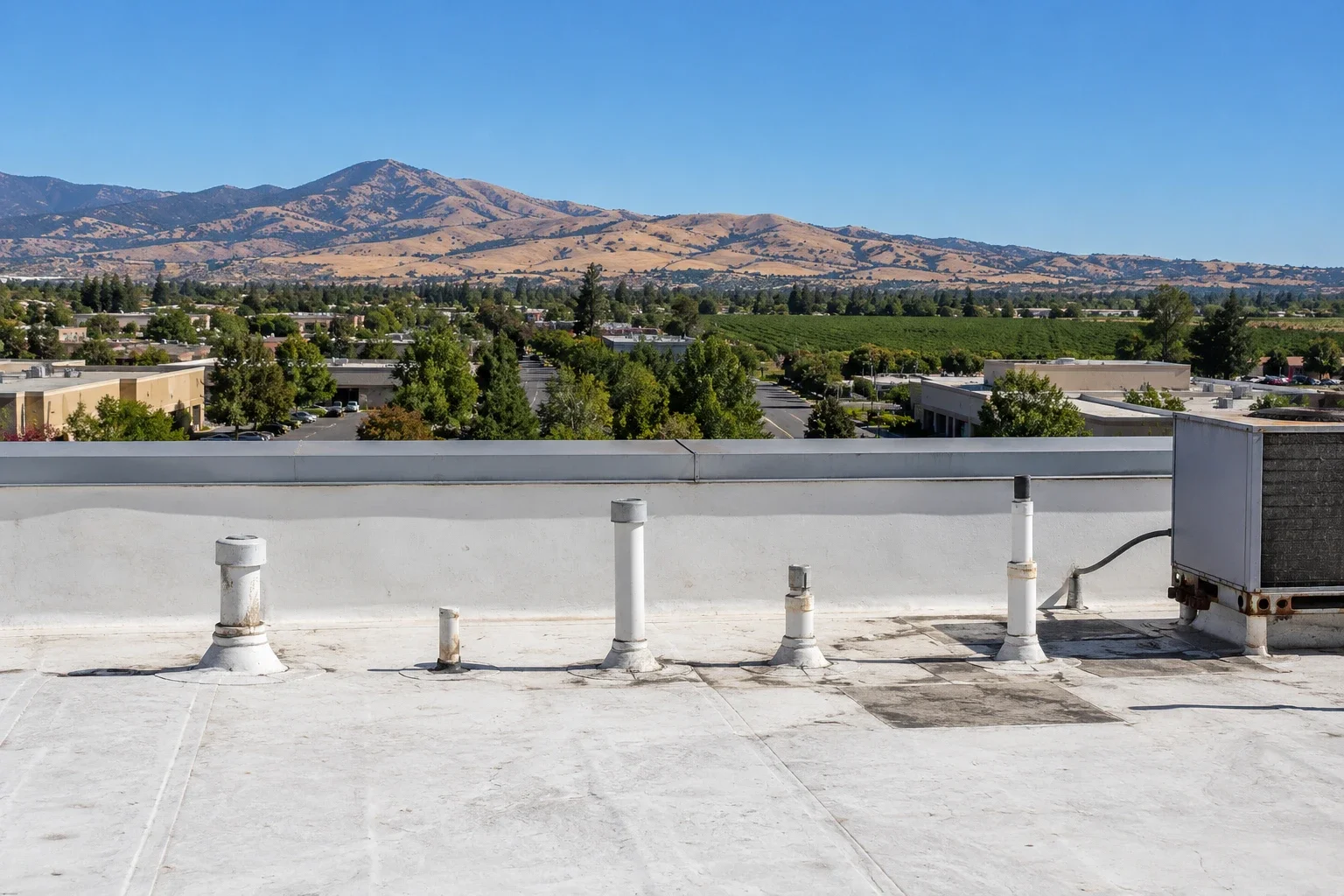
The drivers are familiar, with a few that weigh more here. Roof area, access, penetrations, tear-off and disposal set the base. Tapered insulation, added drains and larger gutters add material, and each earns its place by moving water off the roof faster. Cover board and a heavier attachment pattern protect the assembly from freeze-thaw movement. Hand-carrying or staged deliveries add labor when the site is tight, and travel adds time on a route that climbs from the valley.
The decision the owner faces is usually repair now or replace sooner. In a wet climate, a roof with a few failed seams and dry insulation is a good candidate for repair and a coating, which buys years at a modest cost. A roof whose insulation has absorbed water over several seasons is on a shorter path, because water in the assembly freezes, expands and breaks it from inside. The moisture survey settles which case the roof is, and the report shows both options with their drivers named.

Visitor Seasons and the Work Window
Annual events bring seasonal visitors, and lodging and hospitality buildings feel the traffic. A hotel roof or inn roof cannot be torn off during peak weeks without losing bookings, so the schedule works around the calendar. Typically the best window is late spring or early fall, when weather is workable and visitor numbers are lower. Summer offers dry conditions and heat, which are good for adhesives and bad for crews on a dark membrane, so work starts early in the day.
We write the schedule backward from the owner's busiest dates. Material is staged in advance, work proceeds by section and the building stays dry at the end of each day. If a rain event threatens, the exposed area is small enough to close in under a tarp or temporary seal in an hour.
Smoke Weeks and Forest Edges
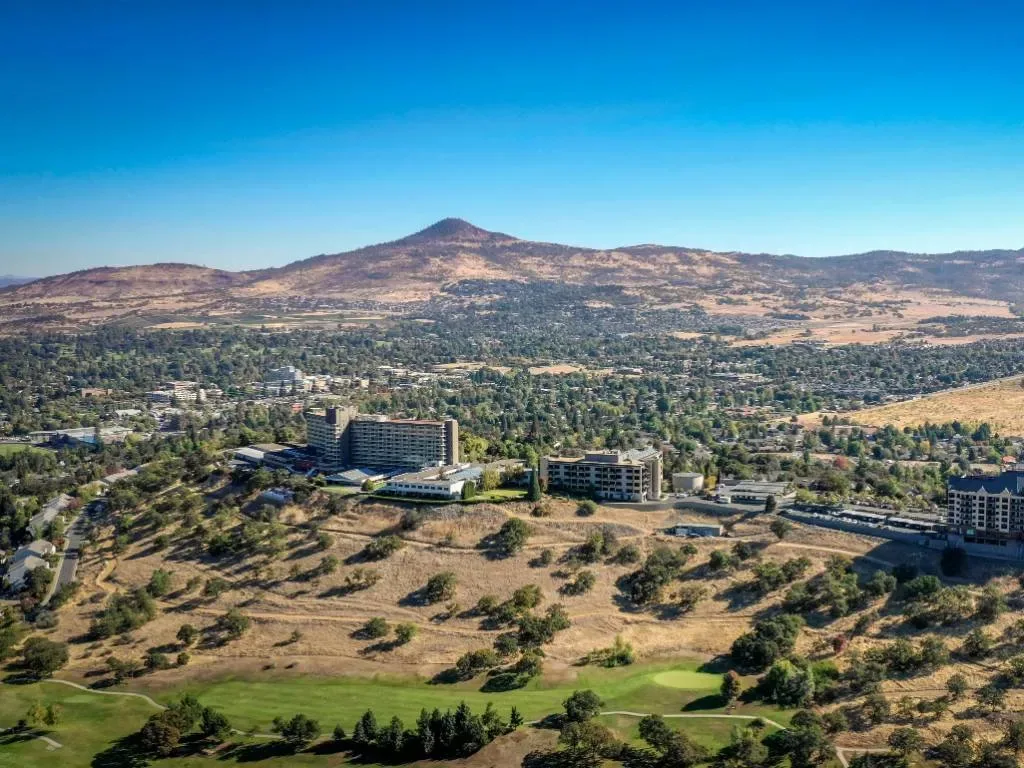
Proximity to national forest land raises the importance of fire planning. Smoke totaled 26 days in Medford in 2021, and the 2020 fires took about 2,600 homes in Jackson County, so fire planning is part of every roof file here. We check roofs for places where embers could lodge, clear needles and leaves and note vegetation close to the building. Visits can share a route with Butte Falls, Trail and Shady Cove along Route 62.
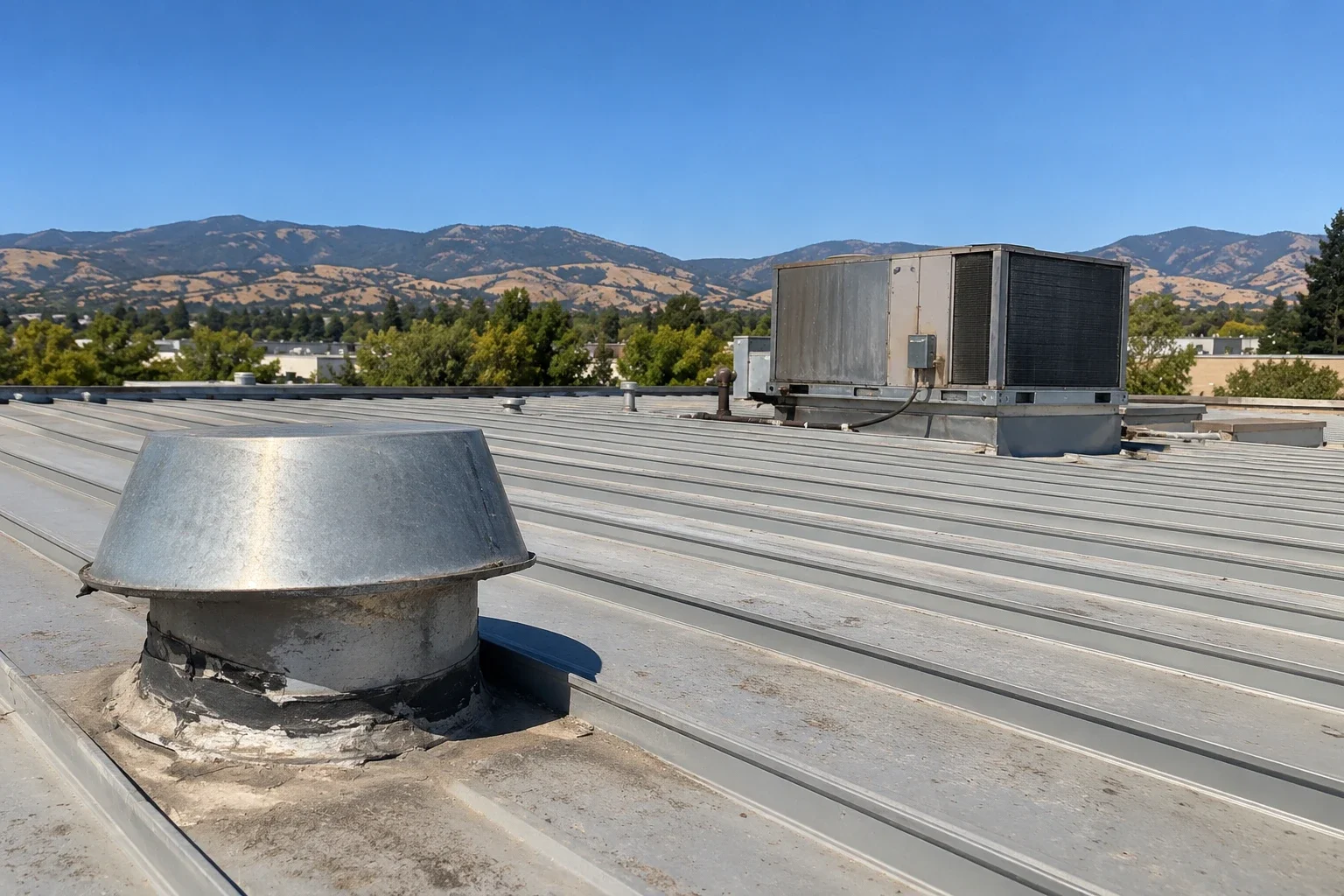
Rooftop intake filters on any mechanical unit deserve a note after a smoke week, because clogged filters change how the building breathes and put a technician on the roof at an awkward time. We keep a short access log with the register, so the owner sees who has been on the roof and what they touched, and any new penetration is sealed and recorded the same day.

Send the building list, roof ages and leak tickets
Related Roofing Pages


Questions About Prospect
Does Prospect need a different roof than Medford?
Usually a tighter drainage plan and a more cold-tolerant detail set. The wetter, colder climate argues for sloped or tapered roofs that shed water quickly.
How often should drains be cleaned?
Twice a year at minimum, in fall and spring, and after any storm that drops debris on the roof.
Can older buildings be reroofed without losing character?
Yes. We keep serviceable original materials, match profiles for trim and document each step.
When is the best time of year to schedule work?
Late spring or early fall, which avoids freezing mornings and most of the visitor traffic.
What does moss mean for the membrane?
It means water is staying on the surface. The membrane may be sound, but the drainage needs attention.