
Commercial Roofing in Butte Falls, OR
Commercial roofing in Butte Falls, OR in the Cascade foothills: snow-load questions, metal roof retention, drains and freeze-thaw upkeep for small buildings.
Overview
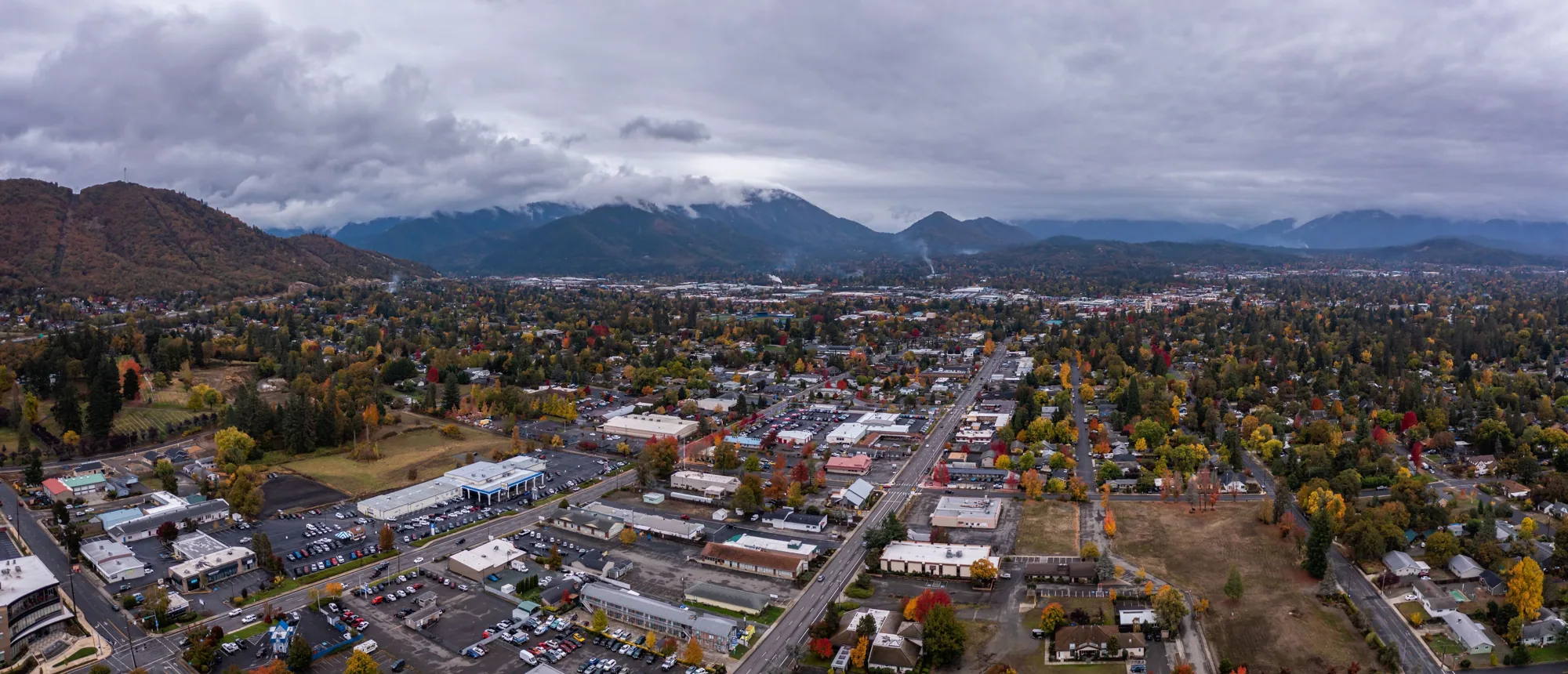
Butte Falls, OR is one of the places on our service map where the roof question starts with snow. The town had 443 residents in 2020 and sits at about 2,549 feet, well above the Rogue Valley floor where Medford records only 3.4 inches of snow a year, and it grew around a sawmill at the falls, with lumber companies cutting pine on the flats from the early 1900s. A commercial roof at that elevation carries the valley's summer sun and a winter load the valley roofs rarely see, and the design assumptions that fit a building in Medford do not carry over automatically.
No snow figure for Butte Falls is quoted here. The nearest foothill figure is Prospect's, up Oregon Route 62, where yearly snowfall is about 20.9 inches and the record low is minus 12 F, which shows the direction the numbers move as the land rises. The design snow load for a specific building comes from the building department, and our first job is to ask for it and grade the roof against it.
Foothill Elevation and the Load Question
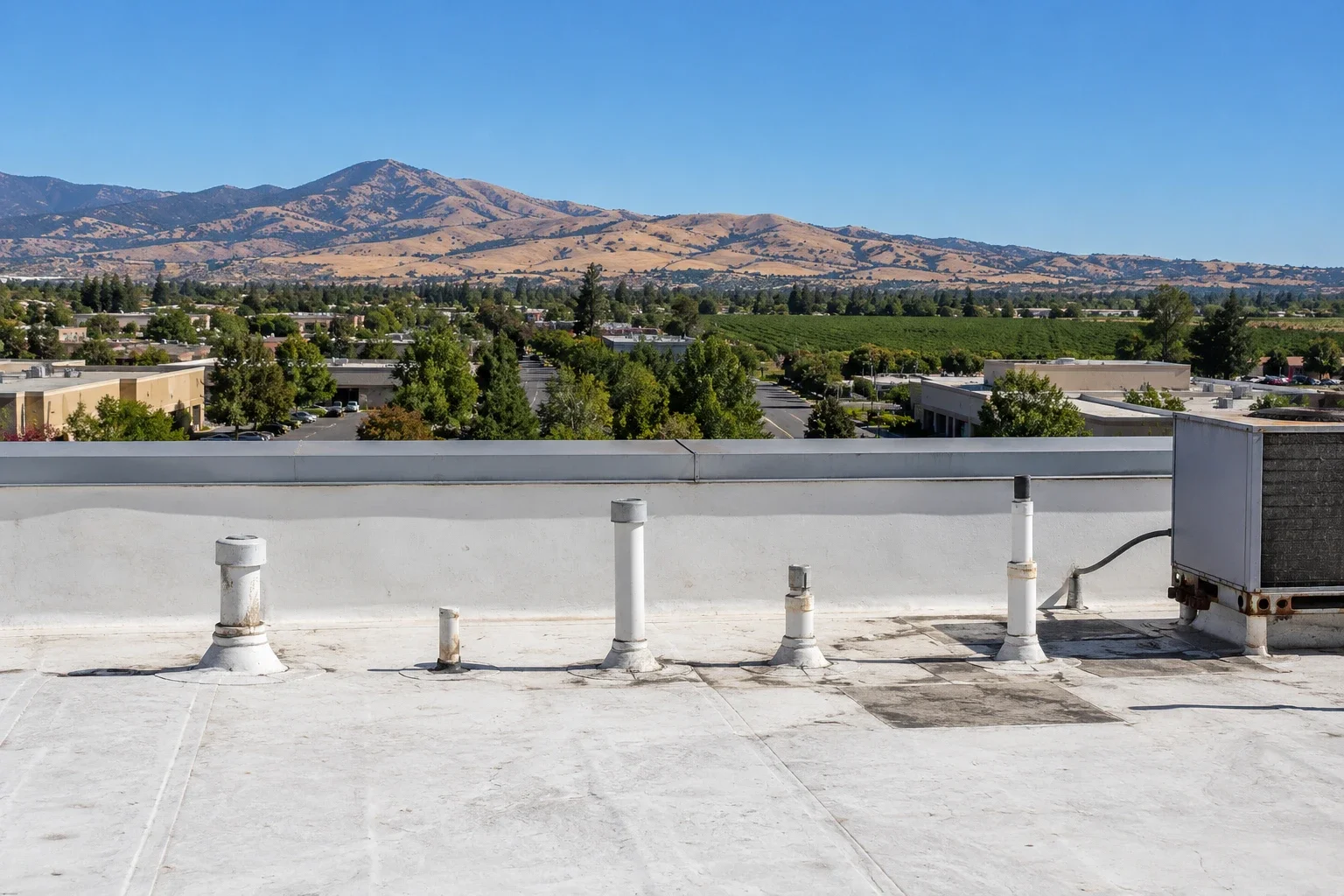
Snow load is a structural number, expressed in pounds per square foot, set by the jurisdiction for the building's location. A roof designed for it will hold a heavy winter. A roof that predates the current requirement, or that has been modified since it was built, may not. On a first visit we look for signs that a roof has been stressed by load: sagging at midspan, cracked or deflected purlins, ponding that appears after thaw and fasteners pulled at the deck.
If those signs appear, the repair conversation includes a structural engineer. A roofer can see the symptoms and a licensed engineer can say what the structure can carry, and the two together give the owner a safe plan. We document what we see, with photographs and measurements, and hand the engineer a clean starting point.

Drifts, Valleys and Parapets
Snow does not land evenly. Wind moves it against parapets, around rooftop equipment and into valleys where two roof planes meet, and it piles up there to depths well above the average. Those drift zones carry the highest loads on the roof and the highest risk of leakage when meltwater backs up. We check each such zone for flashing height, drain access and the condition of the membrane or panel beneath the drift.
The remedies are specific. A raised flashing keeps meltwater from running behind the membrane. A drain placed at the low point of a valley carries water away before it freezes. A cricket behind a curb sheds snow and water around the obstruction. Each is a line item in the scope, with its own price, and the owner can see what they buy.
Metal Roofs and Snow Retention
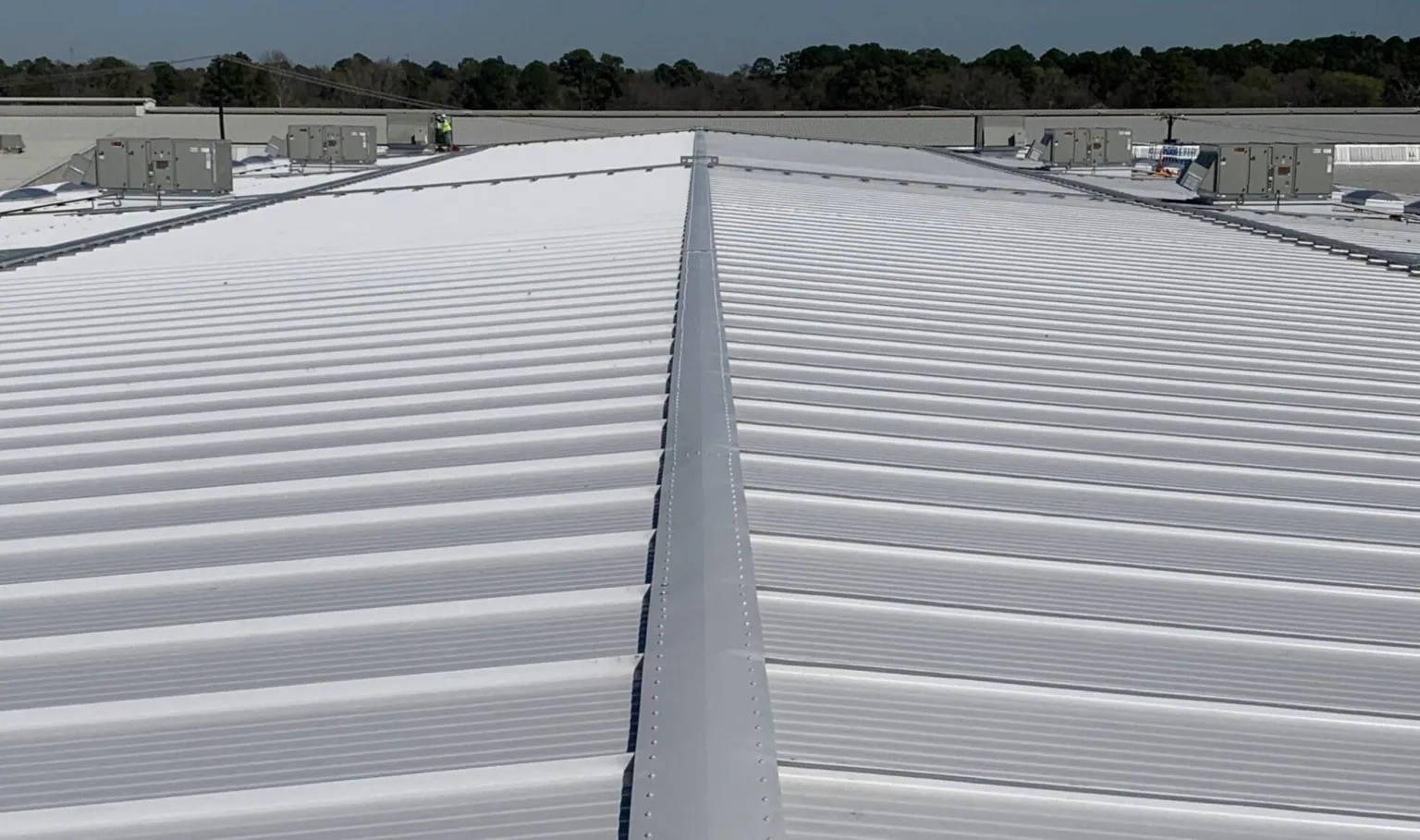
Metal roofing is common in snow country because it sheds loads and lasts, and a standing seam metal roof handles cold well. The same smooth surface that clears snow also drops it in sheets, and a sliding load can strip a gutter, damage a lower roof or injure anyone at the eave. Snow guards or retention bars hold the snow in place until it melts and releases in small amounts, and they belong over entries, walkways and lower roofs.
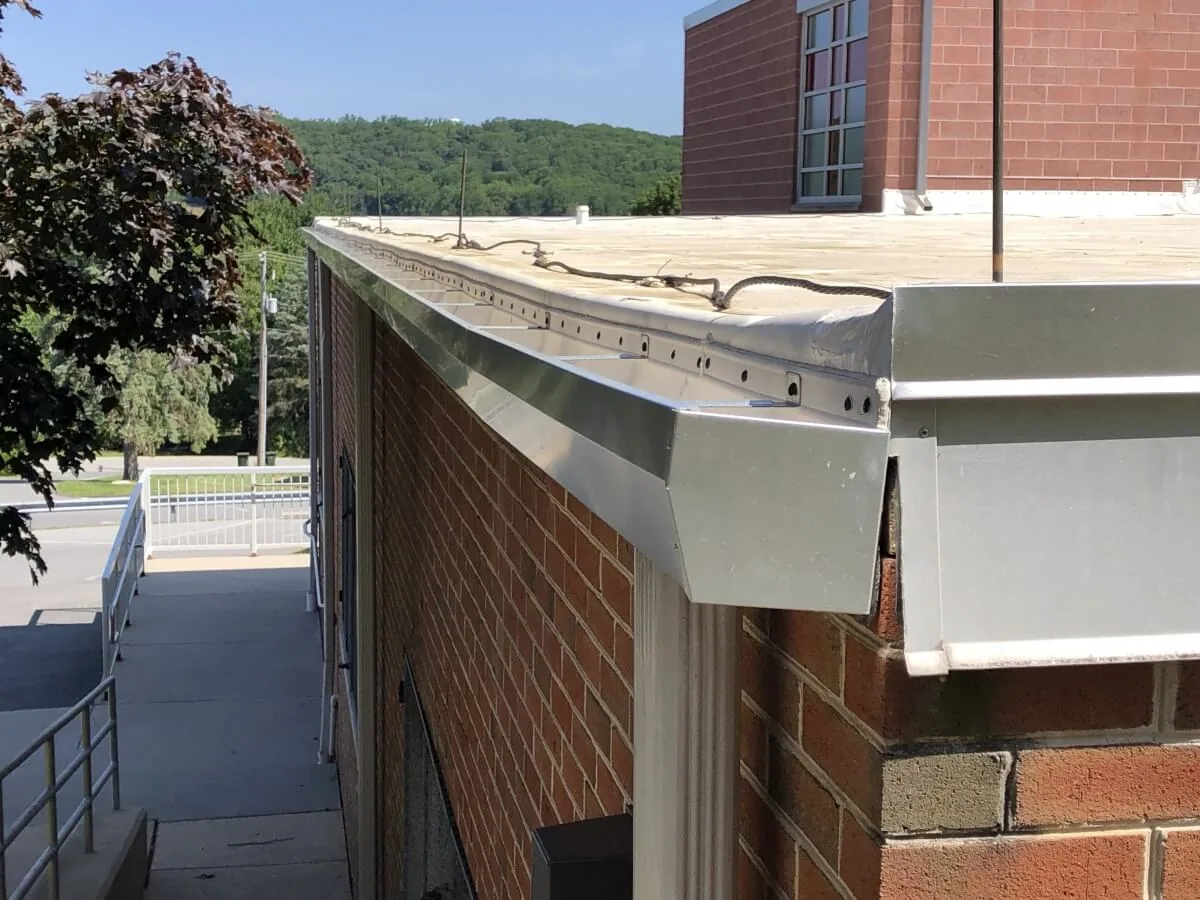
Gutters and edge metal need the same attention. Ice builds up at the eave, where heat from the building melts the underside of the snow and the water refreezes at the cold edge. A properly sized gutter with sound fasteners resists the weight. A thin or loosely fastened one lets go, and the damage spreads to the fascia and wall below.

Freeze-Thaw, Drains and Winter Moisture
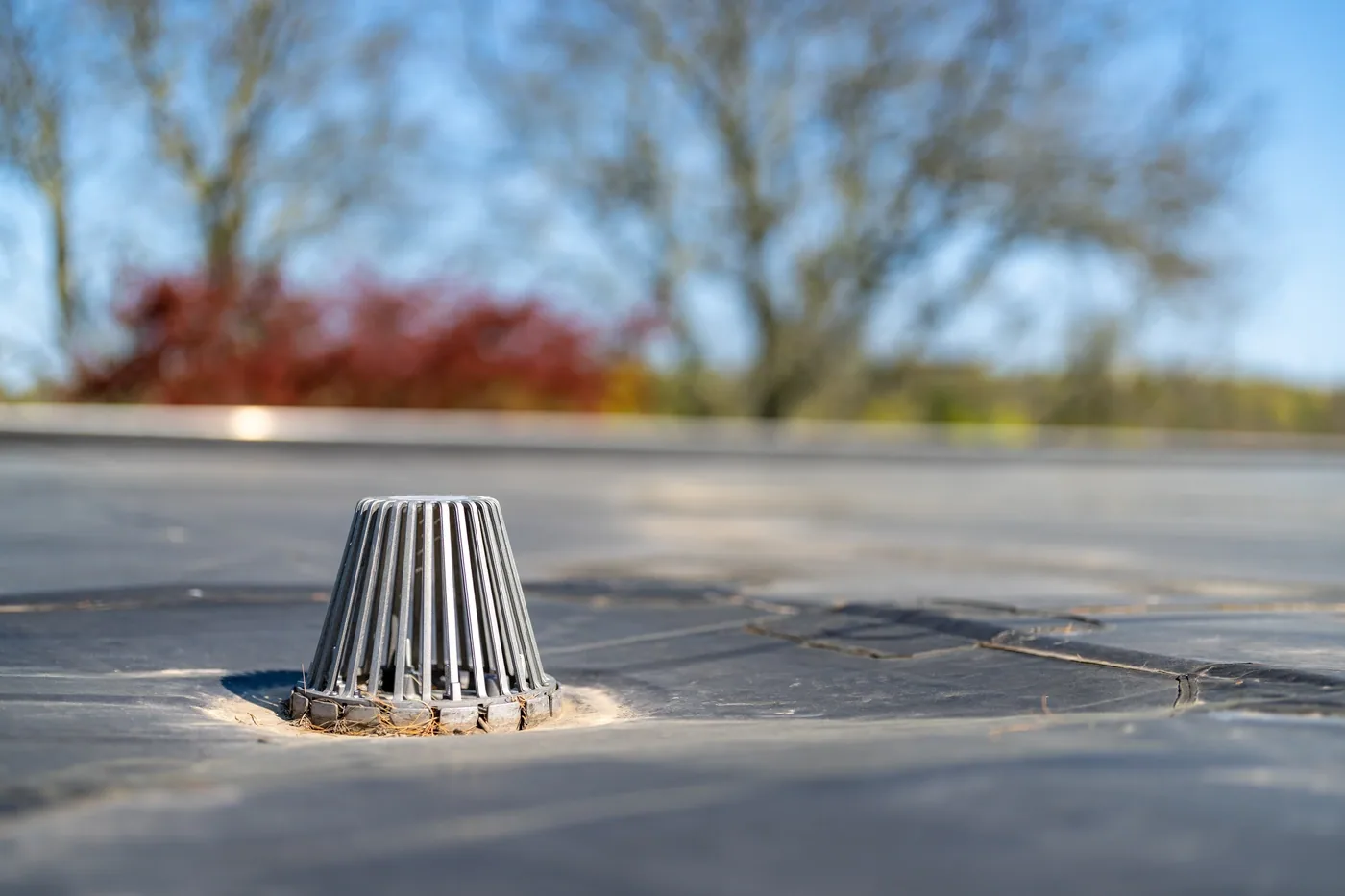
Freeze-thaw cycles work on every crack. Water enters a hairline gap, freezes, expands and widens the gap, and the next thaw sends more water in. Sealants that were flexible in summer harden in cold weather and split, and membranes become brittle. We use the fall visit to renew sealants, check laps and clear roof drains and scuppers, because a blocked drain at the start of winter means standing ice and a heavier load.
Meltwater routes deserve a look too. Downspouts that discharge against a wall or onto a walkway create ice hazards and foundation moisture. We note the discharge points in the report and recommend fixes that keep water moving away from the building.

Wood Decks, Timber Framing and Hidden Moisture
The town's lumber history is a reminder that wood framing and wood decking are common across the foothills. We do not assume that any building has them, but where a roof does sit on a timber deck, moisture is the enemy. Water that passes the membrane soaks the wood, and wet wood rots, loses strength and holds fasteners poorly. During tear-off we probe the deck for soft spots, and the scope carries a unit price for replacing decking so any hidden damage is priced before the roof opens.
Insulation and decking come back to the same budget conversation. A roof that has leaked for years may hold saturated boards that must go, and a new membrane over them wastes the spend. Probing, core cuts and a moisture survey before the contract keep the surprise small, and the unit prices written into the scope mean a discovery on the roof is a line already agreed, not a negotiation in the rain.

Cost Drivers and the Work Window at Elevation
Foothill work carries the usual drivers and a few more. Roof area, access, insulation depth, penetrations and tear-off set the base. Structural review, if the load question calls for it, adds an engineer's time. Snow retention, larger gutters and raised flashings add material. Travel adds time, and so does a shorter working season, because mornings stay cold into spring and sealants and adhesives need temperatures above their application minimums to cure properly.
That shortens the practical window. The best conditions for membrane and coating work come in late spring and summer, after the freezing mornings have passed and before the fall rains begin, and a project that slips past September may wait until the next year. We plan backward from the fall: scope approved in winter, material ordered in early spring, work done in the dry months and a final check before the first freeze. The report names the month by which each owner decision is needed, because a missed date at this elevation may cost a season.
Smoke Weeks, Embers and the Neighbors
Wildfire matters here as it does in the valley. The valley's smoke and fire history applies in the foothills too: 26 smoke days at Medford in 2021, and about 2,600 Jackson County homes lost to fire in 2020. We check edges, vents and curbs for places embers could lodge, clear pine needles and leaves from the roof and gutters and note any trees overhanging the building. Visits can share a route with Prospect, Lake Creek and Eagle Point, and after a storm, our storm damage roof repair scope starts from the same register.

Send the building list, roof ages and leak tickets
Related Roofing Pages

Questions About Butte Falls
What snow load applies to my building?
The building department sets it for the address. We request it before scoping and compare the roof's condition with it.
Are snow guards necessary on metal roofs?
They belong over doors, walkways and lower roofs, where a sliding sheet of snow can cause harm.
What are signs that the roof is overloaded?
Sagging, deflected purlins, new ponding after a thaw and fasteners pulled at the deck. Any of them calls for an engineer.
Can ice dams damage a commercial roof?
Yes, at eaves and drains, where meltwater refreezes. Sound gutters, clear drains and good insulation reduce the risk.
When is the best time to inspect for winter?
Early fall, before the first freeze, when sealants can be renewed and drains cleared.