
Commercial Roofing in Jacksonville, OR
Commercial roofing in Jacksonville, OR: landmark-district review, tourism-season calendars and heat-aware roof grading for owners.
Overview
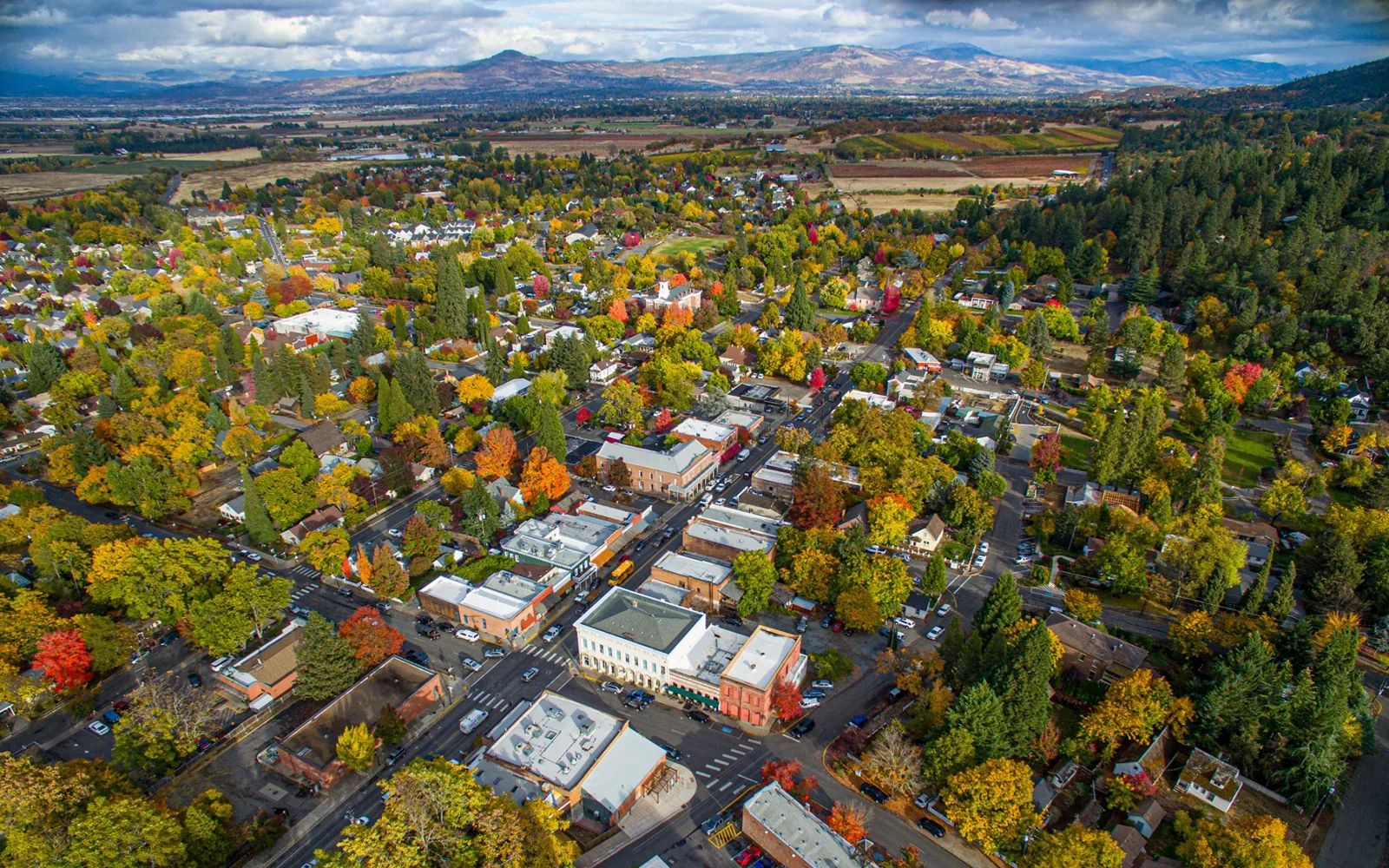
A roof inside a National Historic Landmark district is a public record, and the review comes before the schedule. Jacksonville, OR is about 5 miles west of Medford, had 3,020 residents in 2020, and holds the Jacksonville Historic District, a National Historic Landmark since 1966 that covers over 100 commercial and residential buildings. An owner inside the district plans around a review, and an owner just outside it plans around the same sun that works on all the valley's roofs, 61 afternoons hotter than 90 F in a typical Medford year.
Remaining service life shifts in the reserve schedule, and in a landmark district it shifts together with the approval timeline. We grade the roof, write the condition record a review board needs and give the owner a calendar that fits the approval, the tourism season and the material lead time into one plan.

What a landmark-district review asks of a roof
A review looks at what the public can see. On a visible slope, the material, the color, the edge profile, the flashing metal and the gutter style may all be part of the discussion. On a low-slope roof behind a parapet, the membrane may be an engineering choice that stays out of the review. We do not assume which case applies to a given building; the first walk and the district's rules settle it.
The owner's package comes from us: existing-condition photographs, a description of the proposed work, material data and a note of what will show from the street. A clear package shortens the review, and our report estimates how long it is likely to take so the work window can be set around it. If the board asks for a change, the lead time on the changed material is added to the schedule before the owner signs. A custom-bent metal edge or a special-order shingle can take weeks to arrive, and an owner who learns that in the contract meeting has time to adjust. The report lists those long-lead items on their own line.
Sun on older storefronts: where the stress concentrates
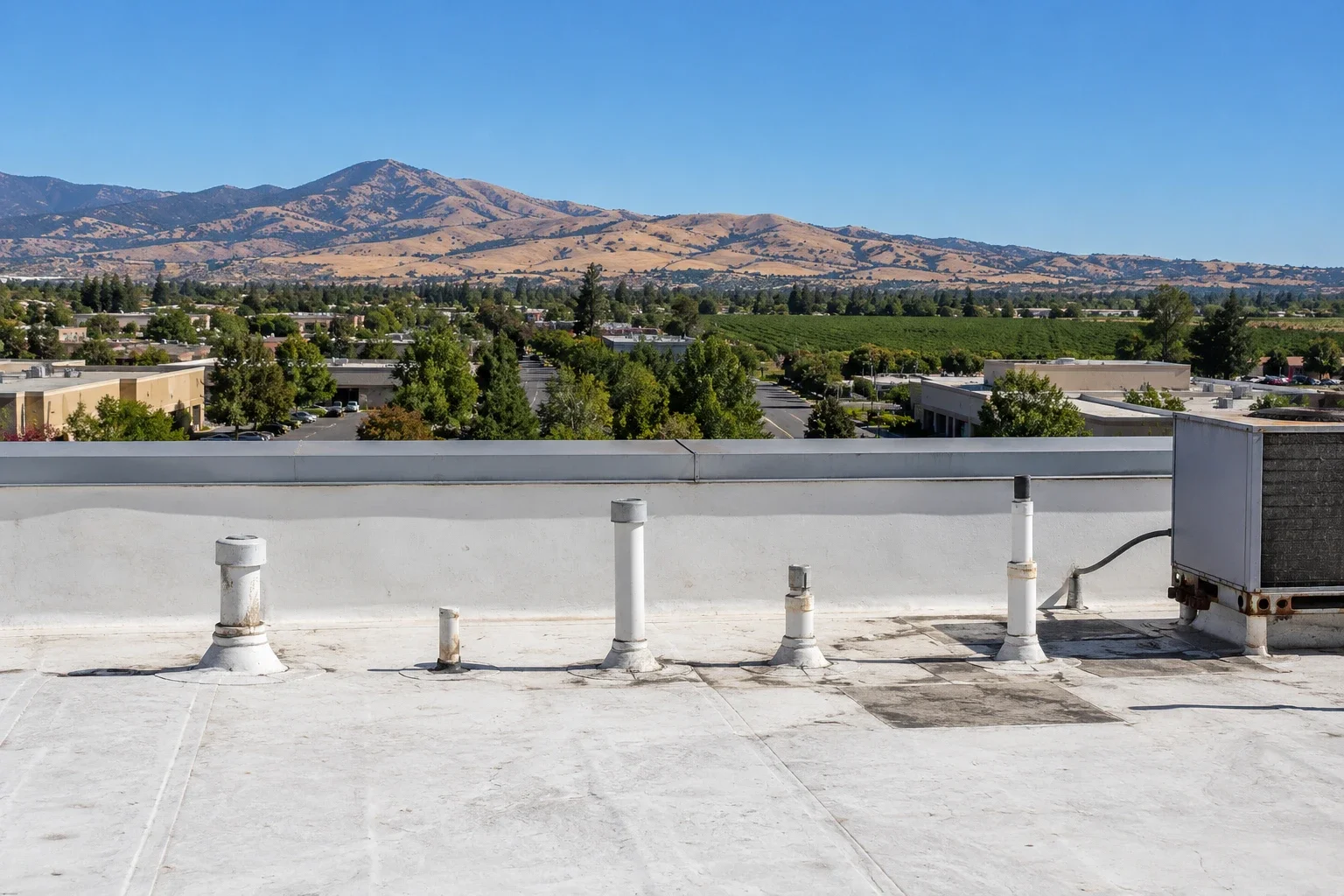
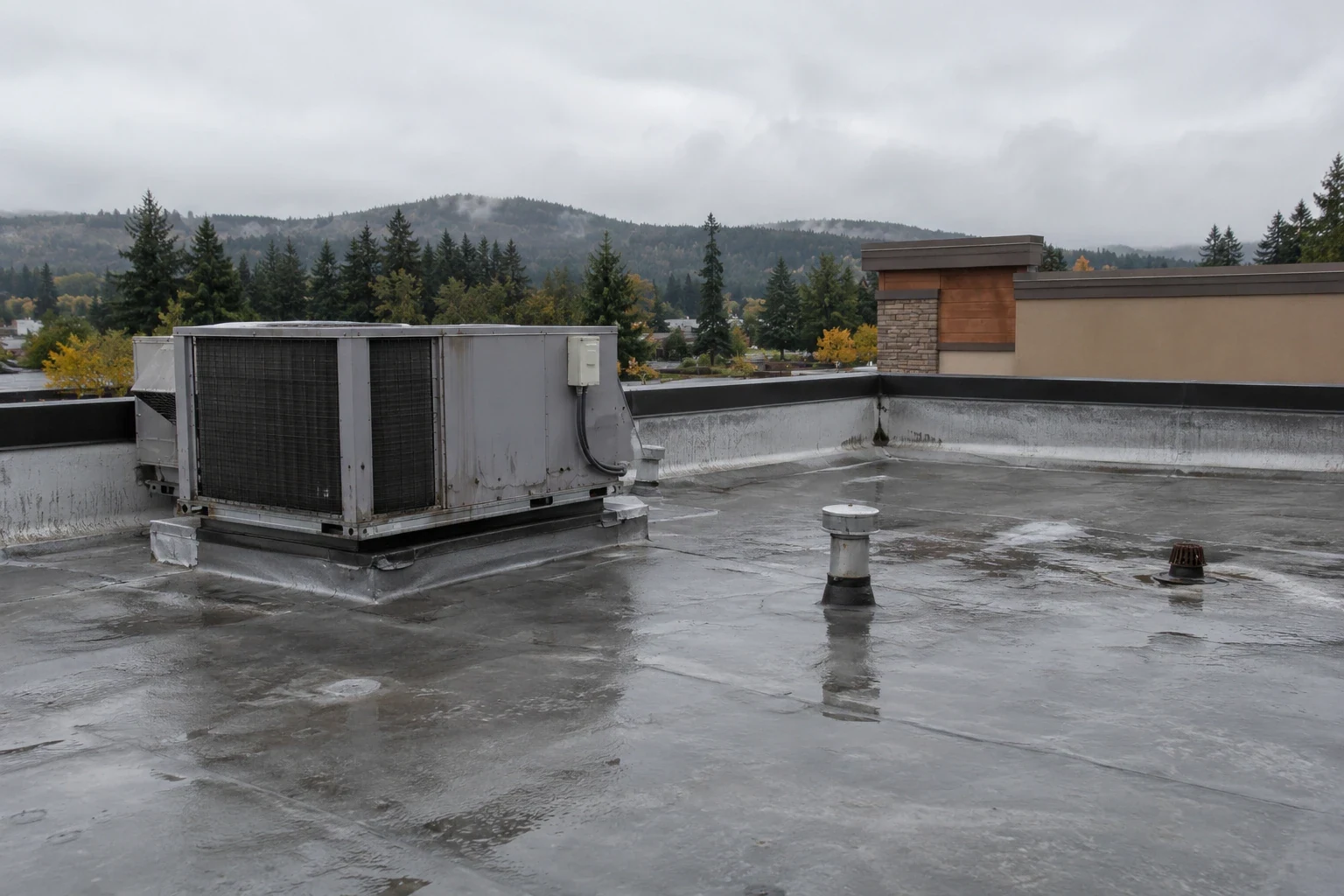
Older commercial buildings concentrate their stress at the details. Parapet caps, scuppers, chimney flashings, and the joints between an addition and the original wall are where heat, wind-driven dust and a rare hard rain do their damage. Roofs here go unrinsed under Medford's rain shadow of about 18.4 inches of precipitation a year, so soot and dust sit on every surface. Heat works on old sealants the way it works on new ones, only sooner: a bead that was applied a decade ago has been through more than a hundred triple-digit afternoons and may have lost its grip without showing a gap.
A survey records those details one at a time. We photograph the caps, the scuppers and the flashings, test the sealants and look for the stains that show where water has been moving. The grade says which details are sound and which are borrowed time, and the owner can fix the worst ones inside a preservation-friendly scope without reopening the whole roof. A scupper rebuilt in kind, a cap re-bedded and a flashing replaced in matching metal are repairs that stay close to what the building already has, and each can be priced alone.

Seasonal tourism and the work calendar
The Britt Festival's open-air amphitheater and the historic district drive seasonal tourism, and the commercial buildings around them keep a calendar that the roofing work must respect. Busy weeks bring visitors to the sidewalks, and a lift or a dumpster in the wrong place costs a shop its best day. The shoulder seasons are the work window, with a buffer for weather and smoke. A job that finishes before the first festival weekend of the season avoids the busiest crowds, and a job that waits until the fall avoids the hottest weeks. We set the date from the festival calendar and the material schedule together.
Narrow streets and limited parking shape the logistics. We schedule deliveries outside visitor hours, place lifts so that sidewalks and entries stay open, and use flaggers on streets that cannot carry a closed lane. Neighboring owners receive a note before work starts, since a roof job in a small downtown is a shared event. The note names the day, the hours, the street affected and a phone number that is answered, and a shop owner who knows the lift is arriving at seven can plan deliveries around it. Each section is dried in before the crew leaves, and early starts avoid the afternoon heat.
Smoke weeks and ember exposure in a closely built downtown
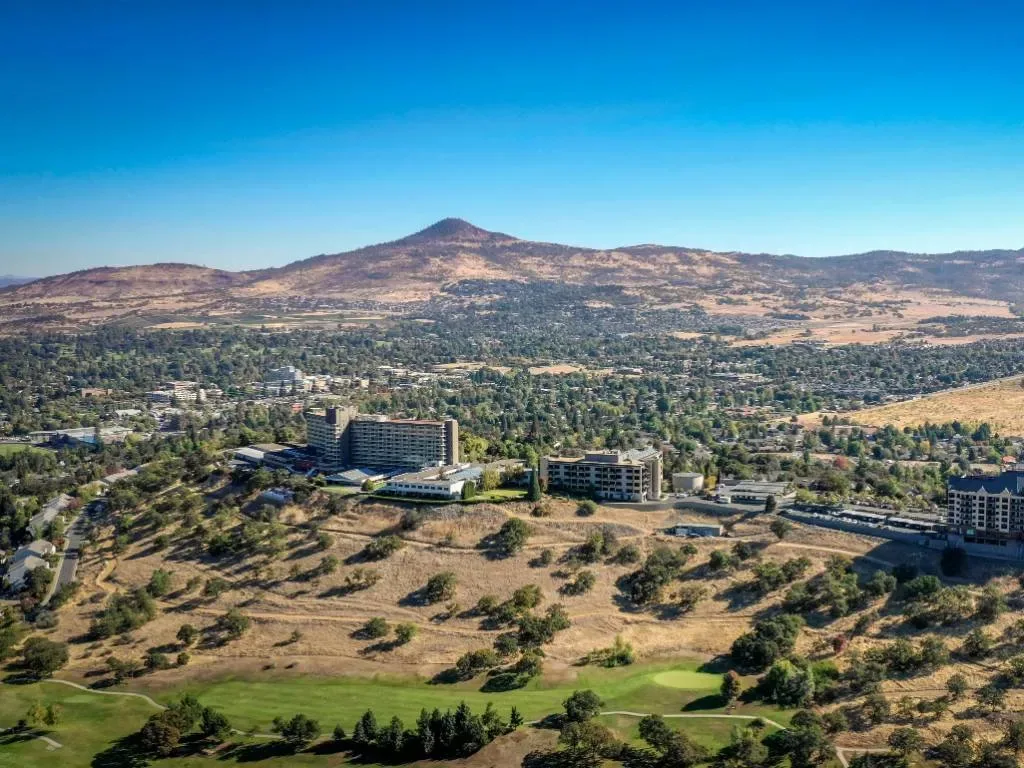
Smoke affects tourism as well as roofs. In 2021, 26 days of smoke hung over Medford, following the 2020 Almeda and Obenchain fires that destroyed roughly 2,600 Jackson County homes. Soot dims a roof's surface and loads the filters on rooftop equipment, and a post-smoke visit cleans the roof and logs the work. Buildings set close together share fire risk, and a pre-season clean of gutters, vents and eaves lowers it for the whole block.
Fire rating and last edge clean date are entered in the owner report for each covering. A district that values its buildings values that record, and an insurer reviewing a landmark property may ask for it.

Reserve schedule and the carrying cost of a deferred repair
Owners of older buildings often defer roof work because the approval process feels heavy, and the deferral has its own cost. A leak in a historic ceiling damages finishes that cannot be replaced from a catalog. A small repair done in the right season, with the right material, preserves them. That is the argument for the survey: it finds the small repairs while they are still small, and it gives the owner a defensible reason to ask the board for a quick approval on a repair that protects the building.
The report sets the cost of acting this season beside the cost of waiting, including the cost of repairs to interior finishes. For an owner who plans to sell, a documented roof and a completed review make the building easier to value. We schedule the survey early so the approval can proceed while the weather still allows work.

The owner report and the roof register
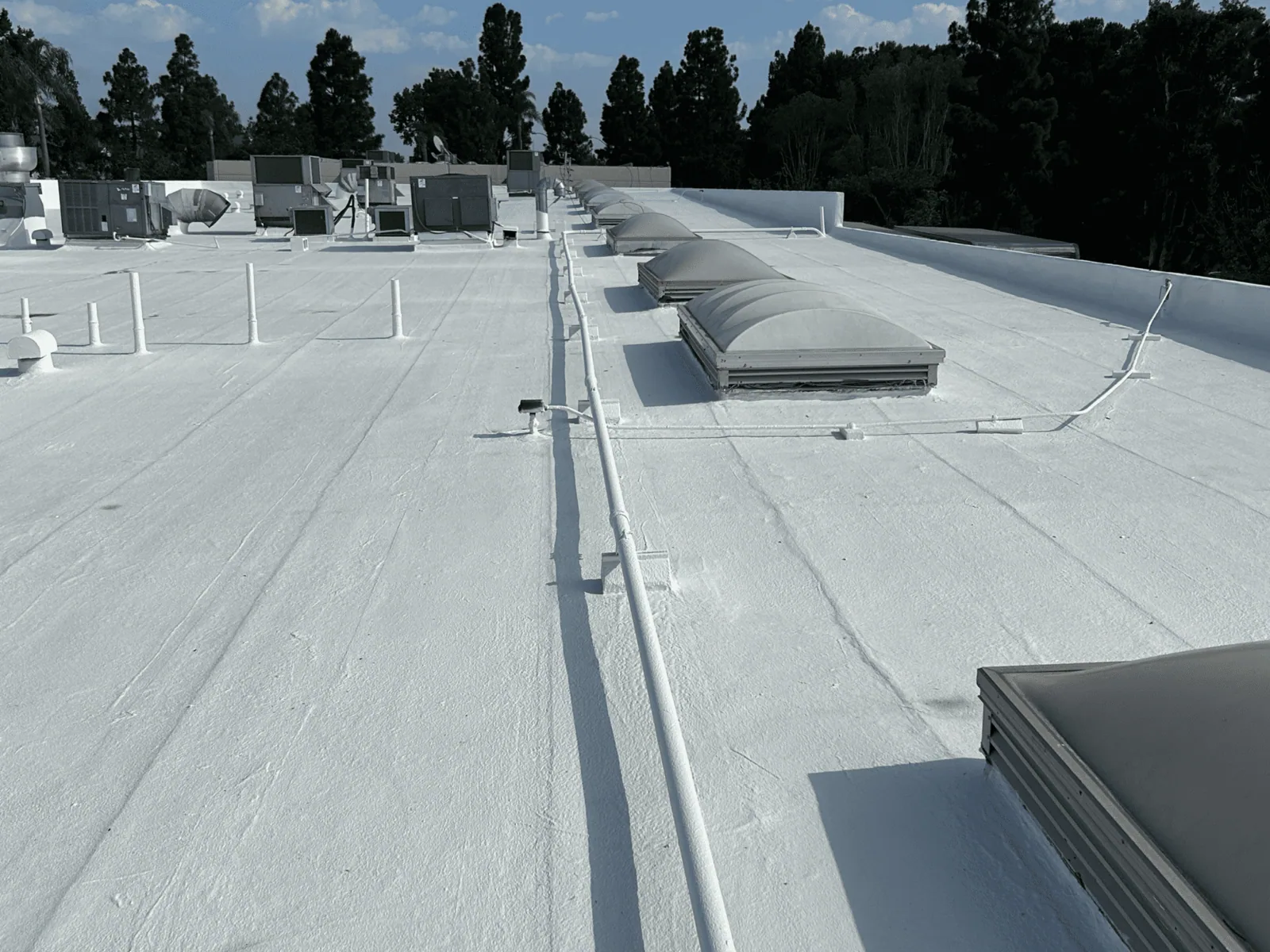
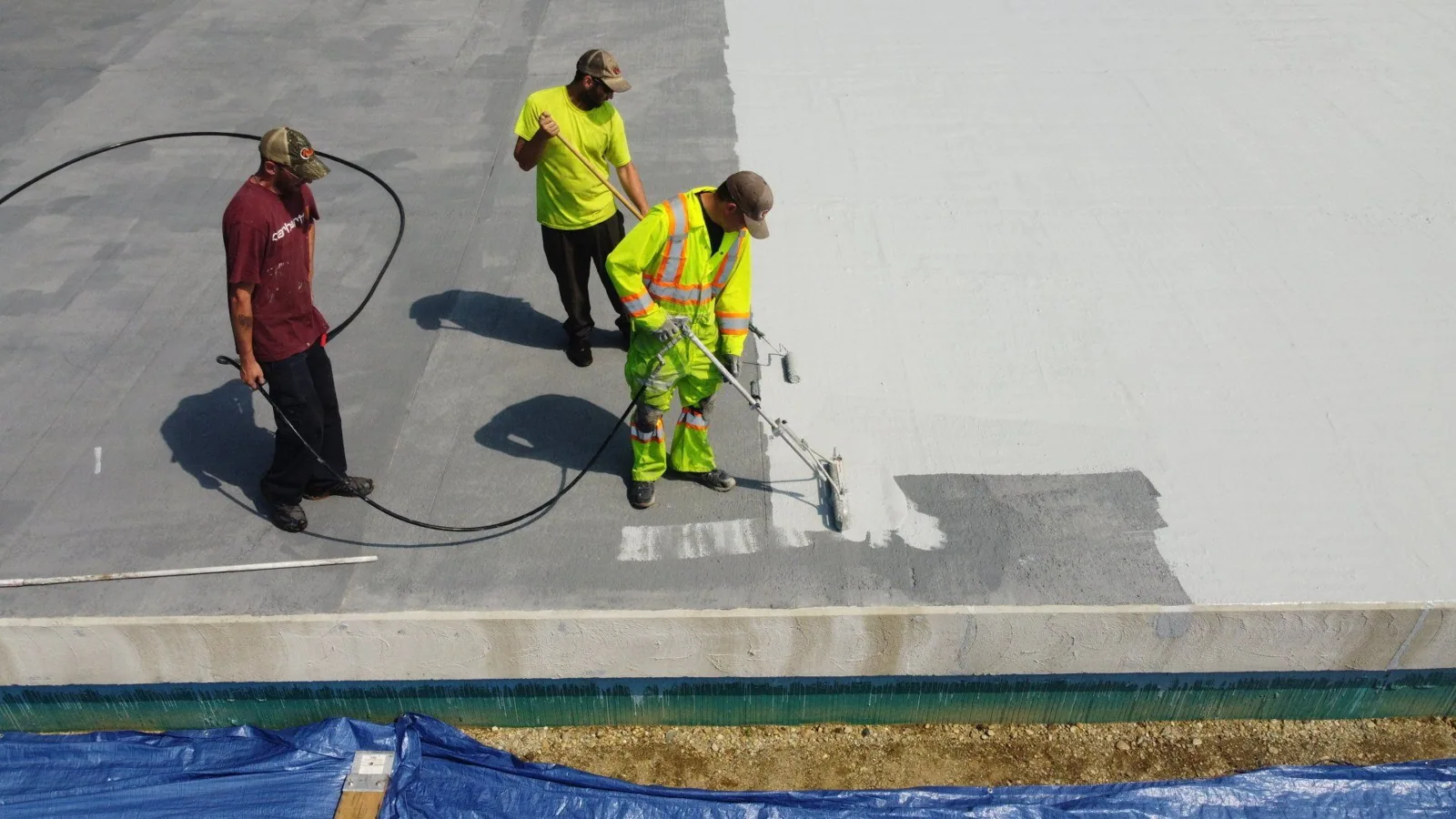
The register for a district building adds review documents to the usual grades, photos, warranty and next check date. A roof condition report backs up a review submittal, and preventive roof maintenance keeps the register current. A commercial roof repair handles a defined leak, and roof coating restoration can extend a sound flat roof. Related buildings include restaurant roofing and hotel roofing. Neighbors include Ashland and Medford, and Oregon Route 238 links the town to Applegate. The register keeps the approved materials and the review dates beside the grades, so a later owner can see what the board allowed and when, without reopening the file.

Send the building list, roof ages and leak tickets

Related Roofing Pages


Questions About Jacksonville
Does my building need a review before roof work?
If it sits in the district, usually yes. We prepare the package and tell you the likely time.
What does a review package include?
Photos of existing conditions, a description of the work, material data and what is visible from the street.
Can small repairs avoid a full reroof?
Often. A survey identifies the failing details so repairs can be targeted.
How do you work on narrow streets?
With deliveries outside visitor hours, lifts placed to keep entries open and flaggers where needed.
When is the best time for roof work?
The shoulder seasons, with a buffer for weather and smoke.