
Commercial Roofing in Foots Creek, OR
Commercial roofing in Foots Creek, OR along Route 99: small-building roof grades, metal and flashing repairs, and heat and smoke-season upkeep.
Overview
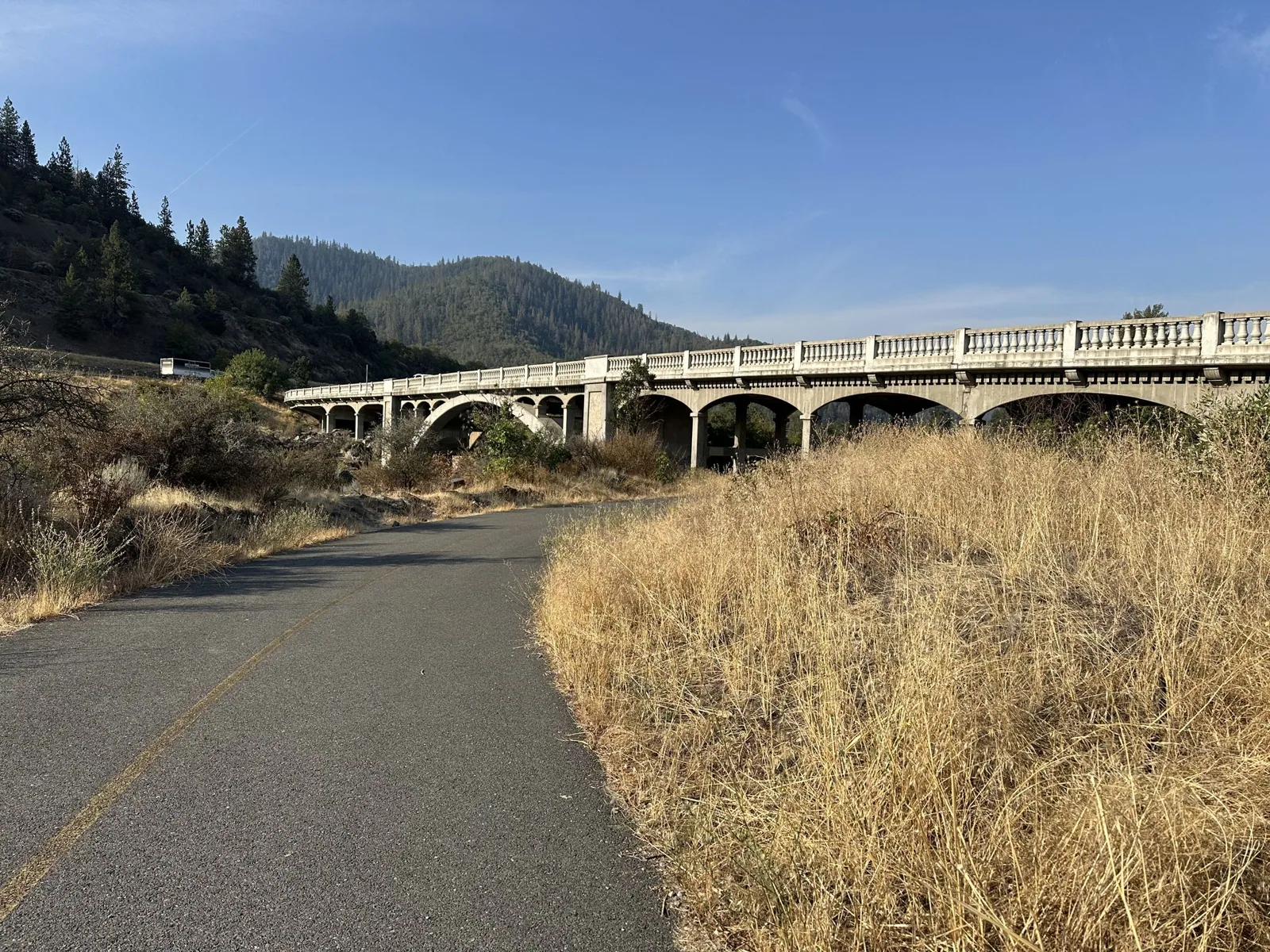
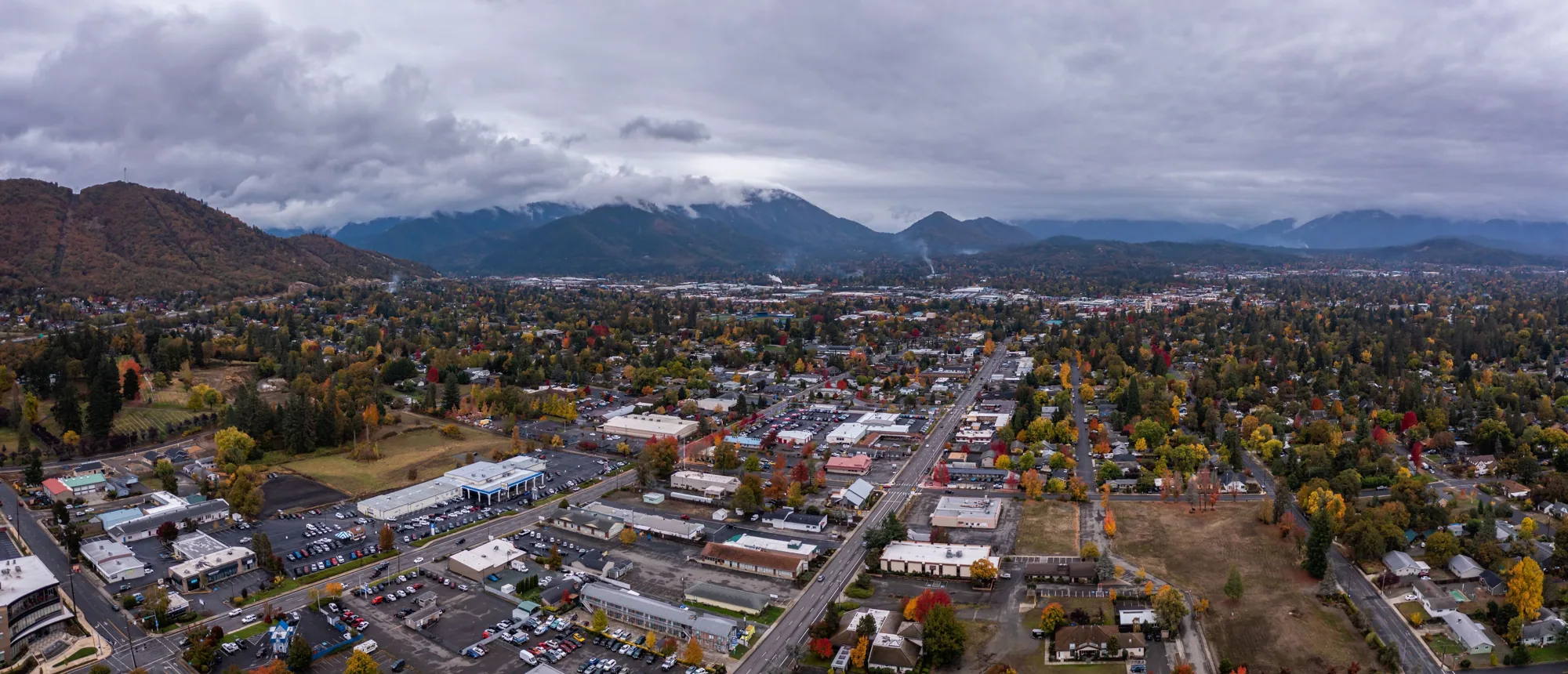
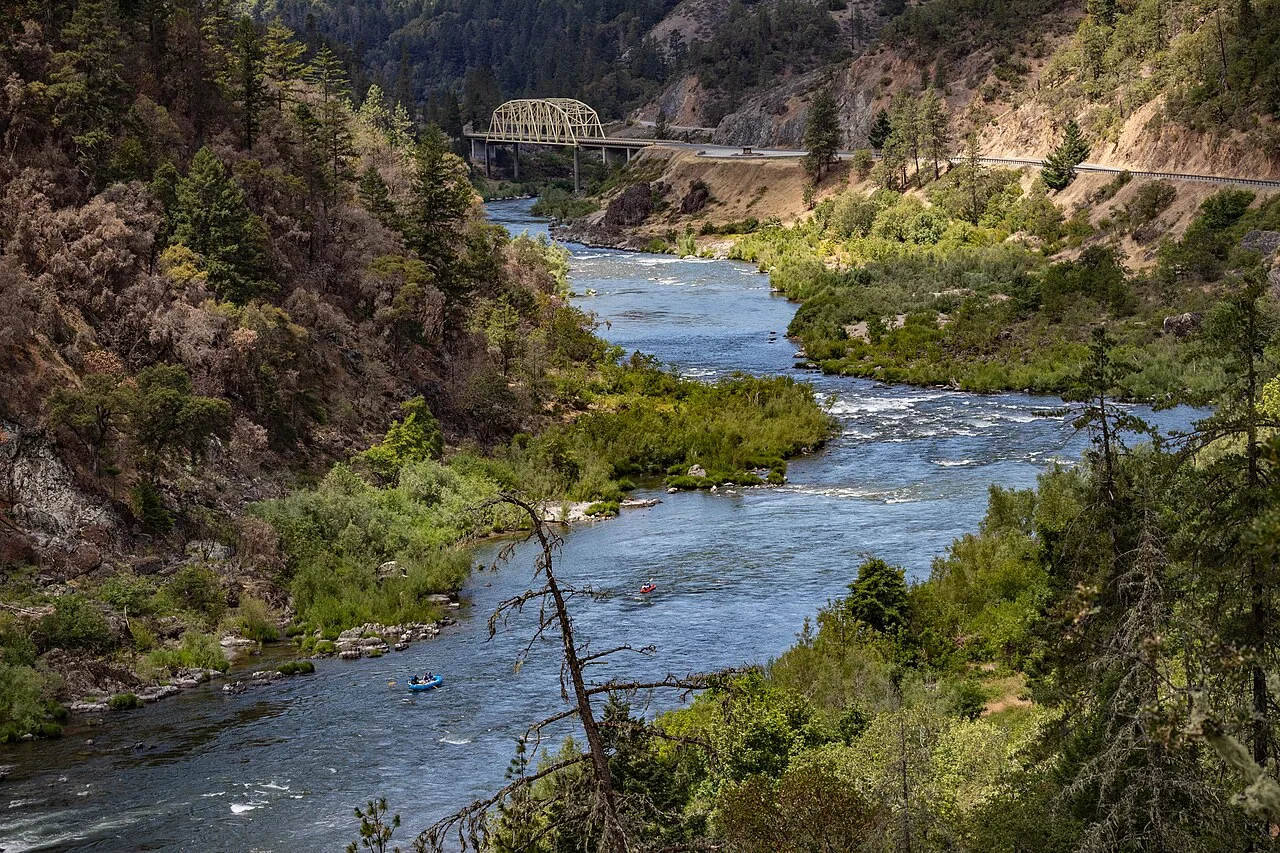
Foots Creek, OR is a census-designated place of 734 residents along Oregon Route 99 in Jackson County, near the mouth of Foots Creek at the Rogue River, with Interstate 5 and Valley of the Rogue State Park across the water. At about 1,099 feet, it shares the valley climate Medford records, with 61 afternoons above 90 F with 11 above 100 F and a 115 F record high. For a commercial roof there, the practical question is usually scale. A small building has a small roof, and a small roof can still hold a large lesson about how heat, UV and smoke take years off a surface that nobody was watching.
Our work with small commercial buildings is to give each roof the same discipline a large portfolio gets: a condition grade, a remaining-service-life range, a photo record and a list of actions with cost drivers named. The owner of a single building gains the same thing a property manager gains from a register, which is the ability to plan a reserve instead of reacting to a leak.
A Small Roof on a Highway Route
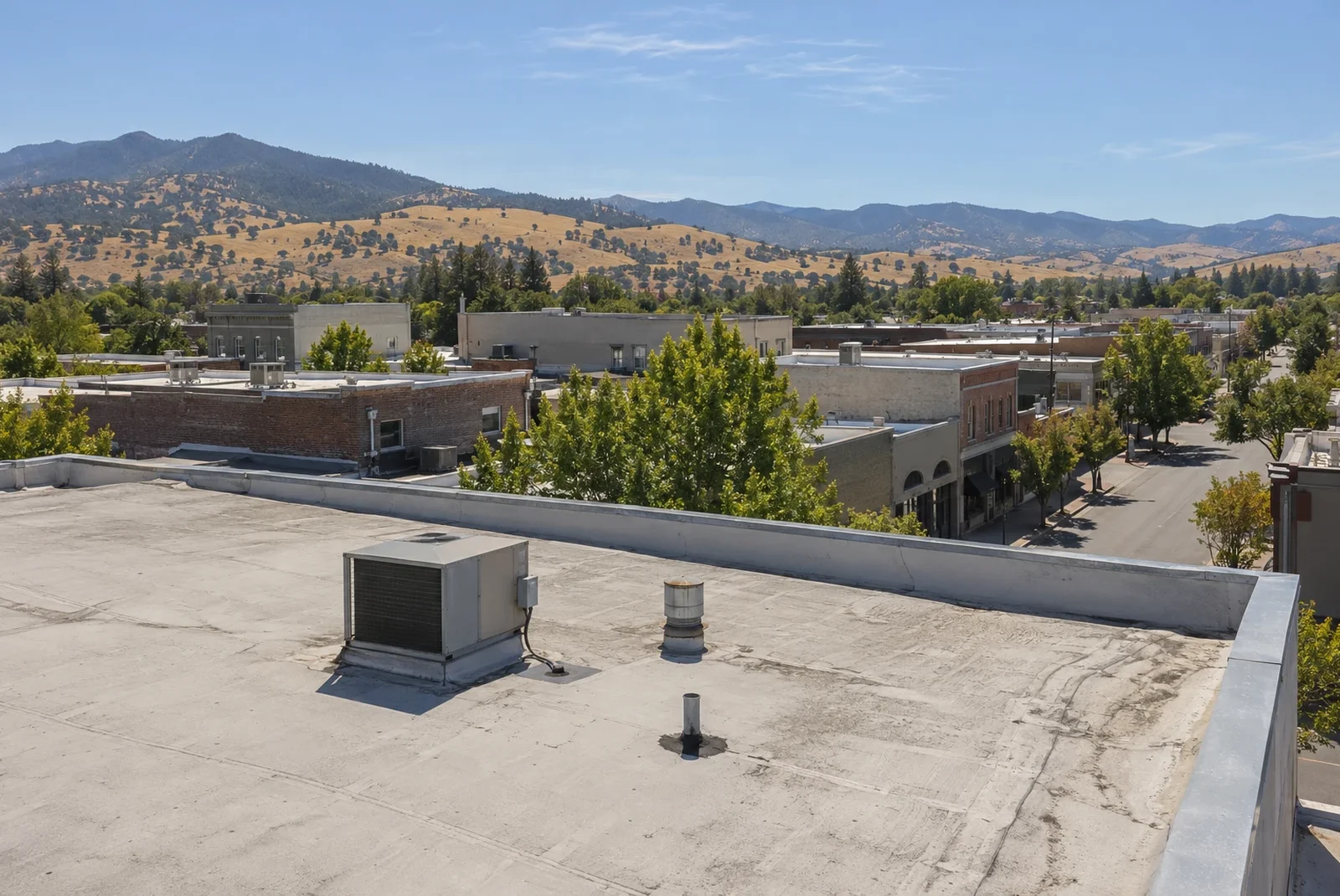
Businesses in Foots Creek are identified on the first walk, not assumed. Roofs on small roadside buildings tend to fail in familiar ways across the valley, and the checks are set to those ways. The surface comes first, then the seams or laps, then flashings at walls and penetrations, then drainage, and finally moisture in the insulation. A shop with a low-slope membrane, a service building with metal panels and a small office with a gabled section each get the same list and different emphasis.
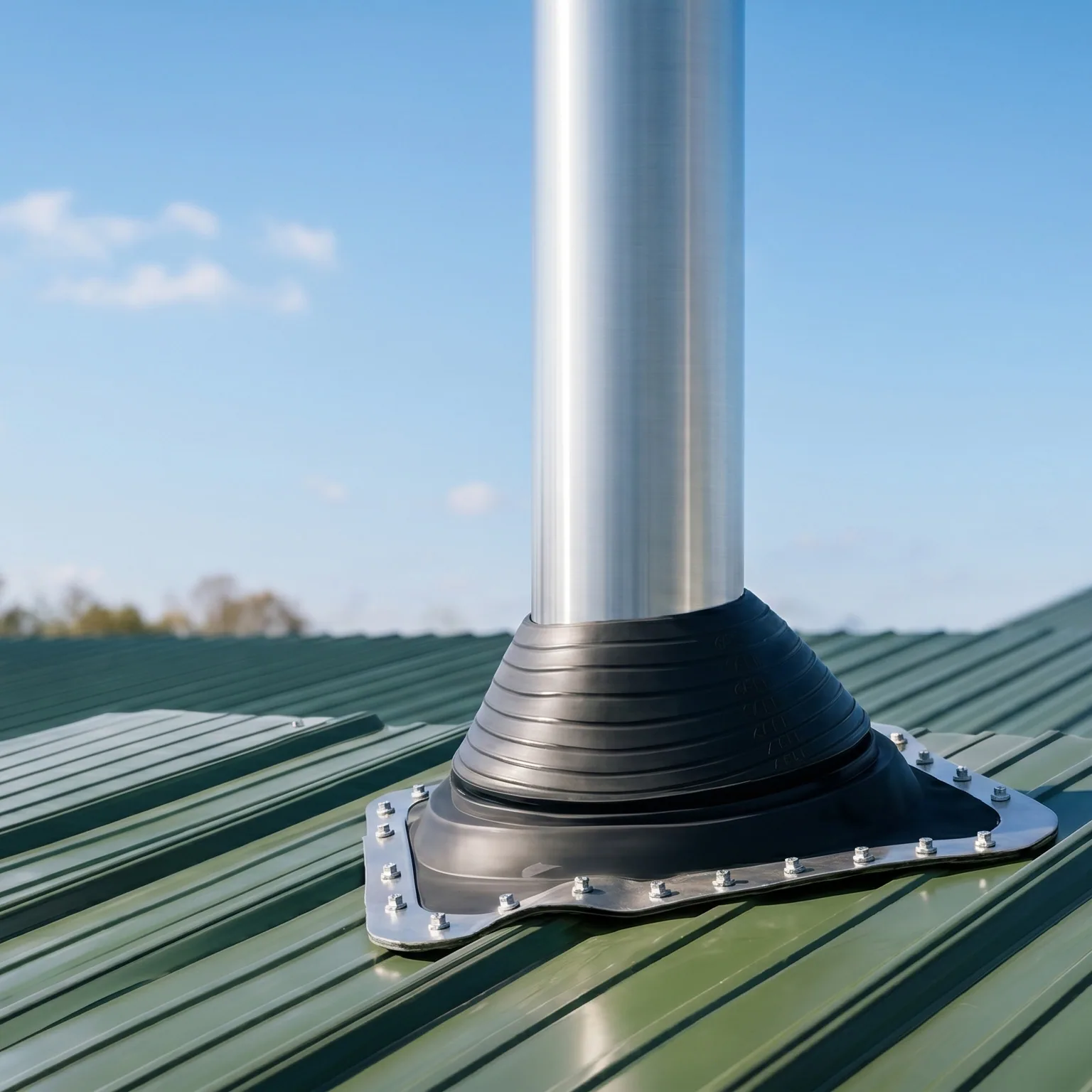
Small roofs fail at details, because details make up most of their area. A vent boot, a wall flashing, a skylight curb and an edge piece may cover more of the repair budget than the entire field. Grading them one by one prevents the owner from replacing a roof whose field is sound and whose problem is two flashings.
The same discipline protects against the opposite error. A roof that looks fine from the ground can be saturated underneath, and a small owner who skips the moisture check pays for the mistake when the next heavy storm finds the gap. A single survey costs a fraction of a premature replacement and a fraction of a late one.
Metal Panels: Fasteners, Laps and Trim
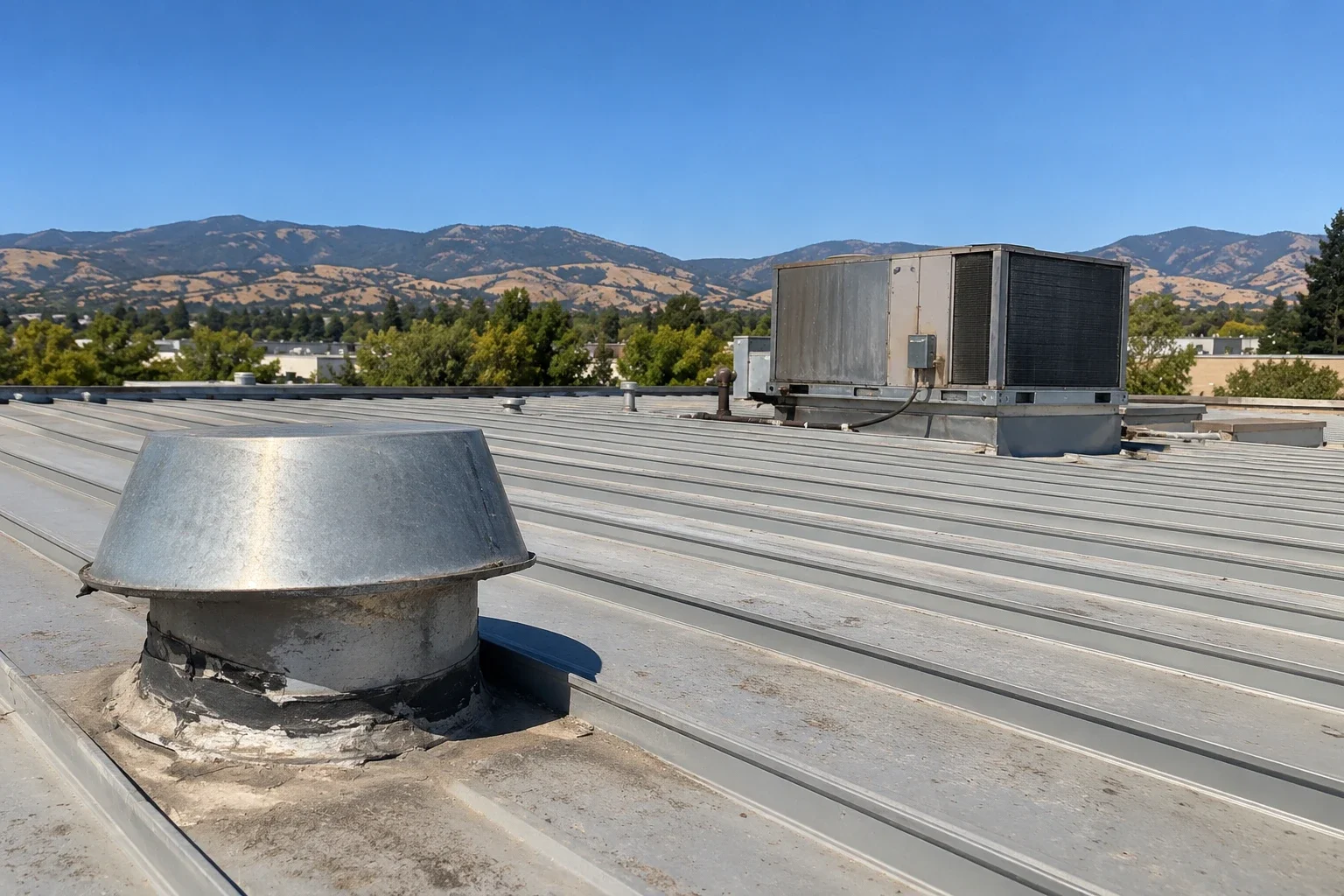
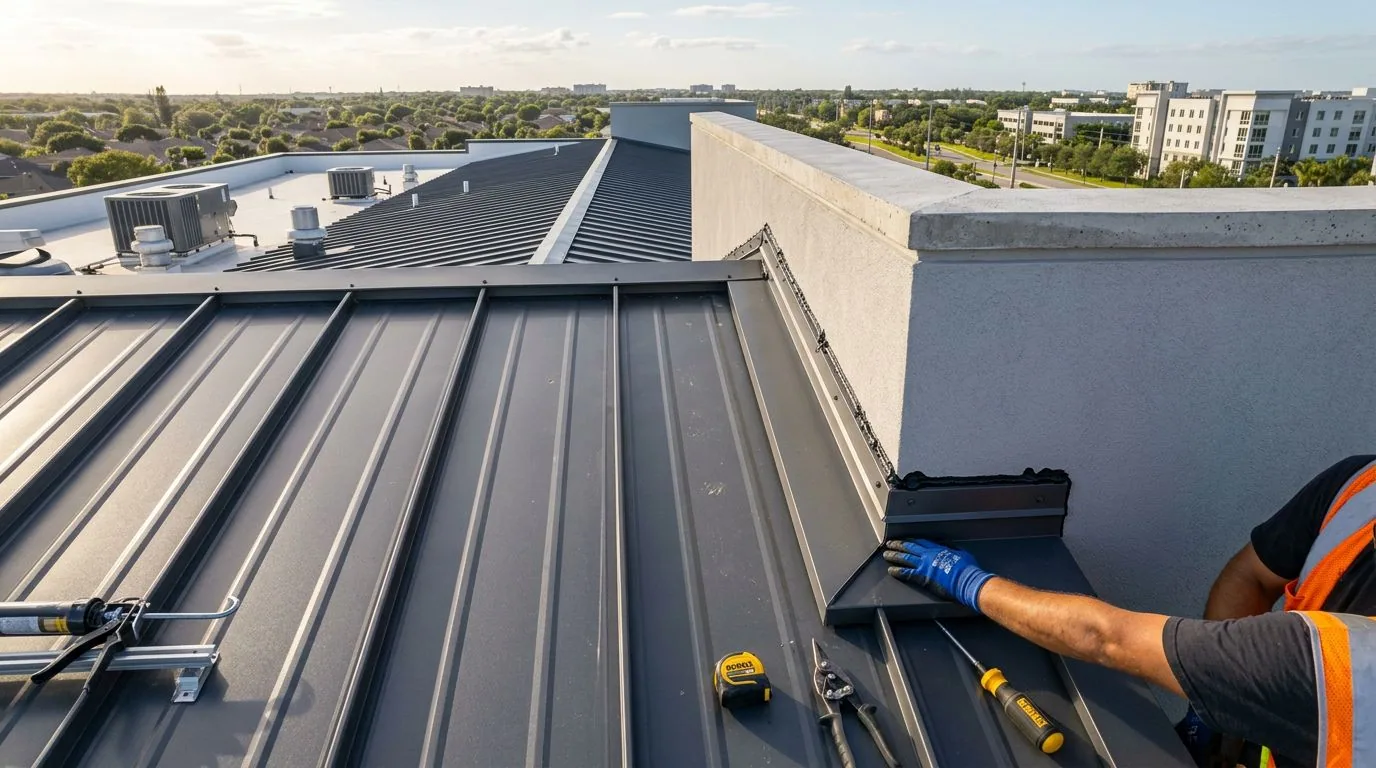
Metal is common on valley outbuildings and light commercial structures. Exposed-fastener panels leak where the fasteners sit, because heat cycles work them loose and the rubber washers dry out. The standard repair is to replace fasteners with larger ones, renew sealant at laps and replace damaged panels or trim. A metal roof retrofit goes further, covering an aging low-slope or metal roof with a new panel system when the structure allows.
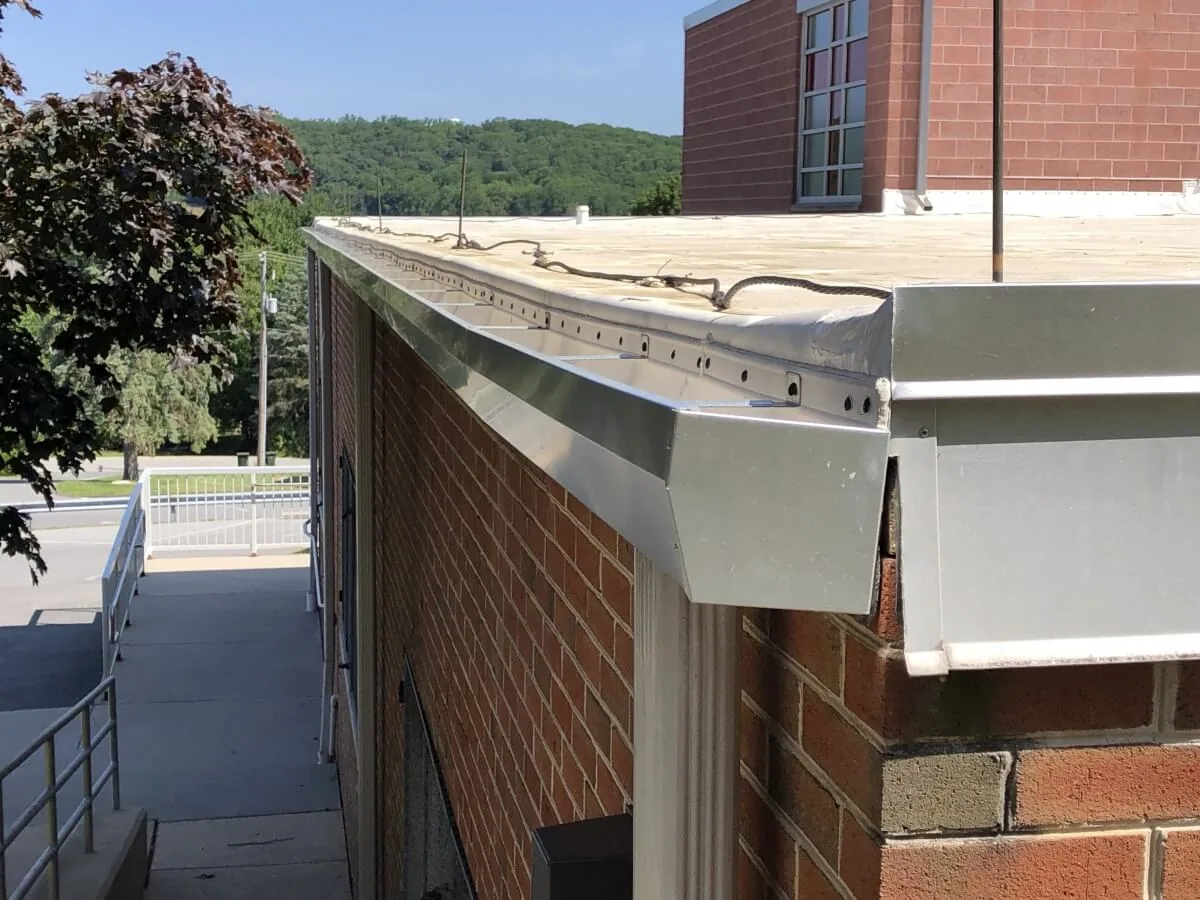
Trim and edge pieces deserve their own note. Loose rake or eave metal lets wind lift the roof edge and lets embers in during fire season, so the edge metal check is the first item on a smoke-season list. A strip of properly fastened metal costs little and protects the rest of the roof.
Flashings, Skylights and the Small Penetrations
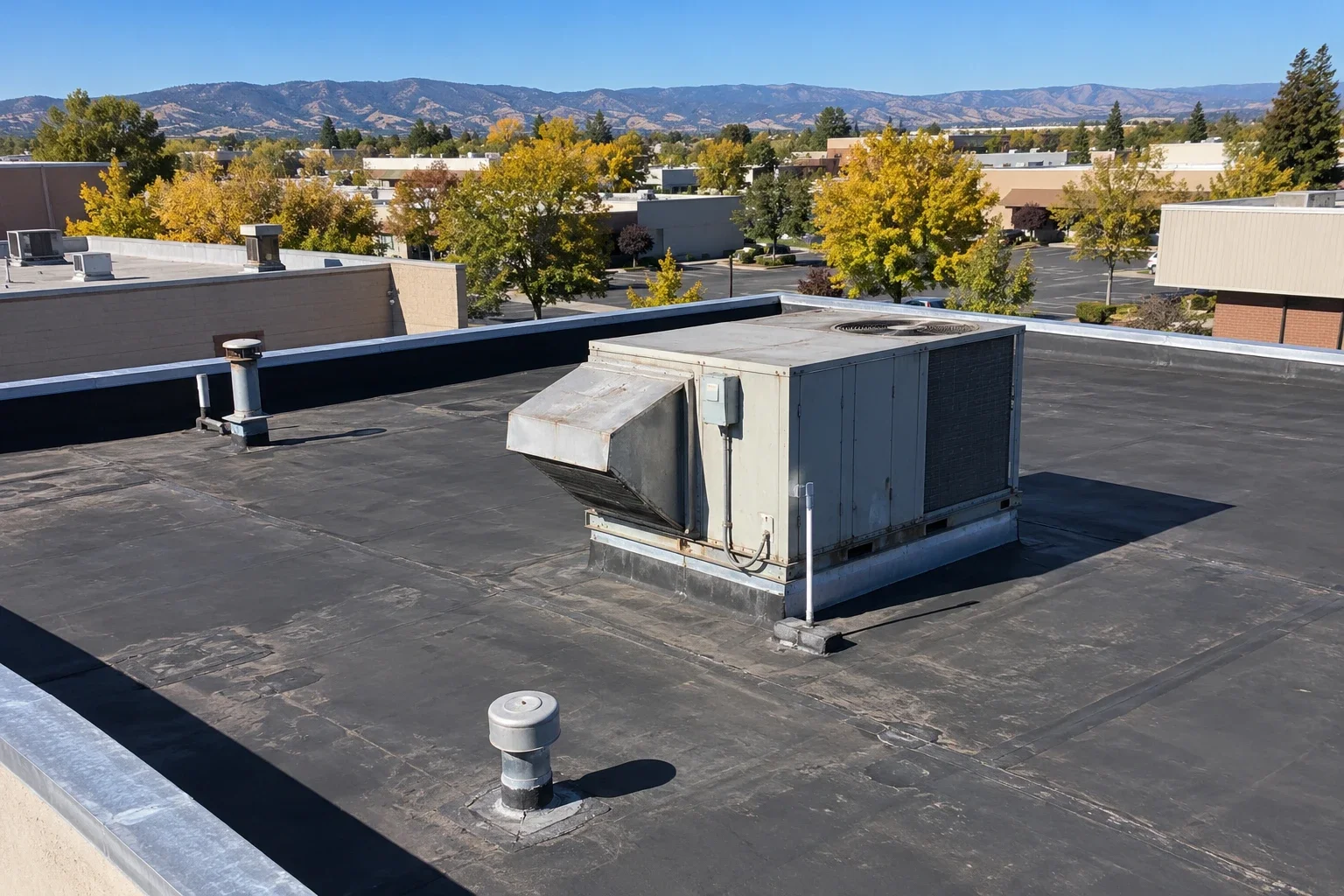
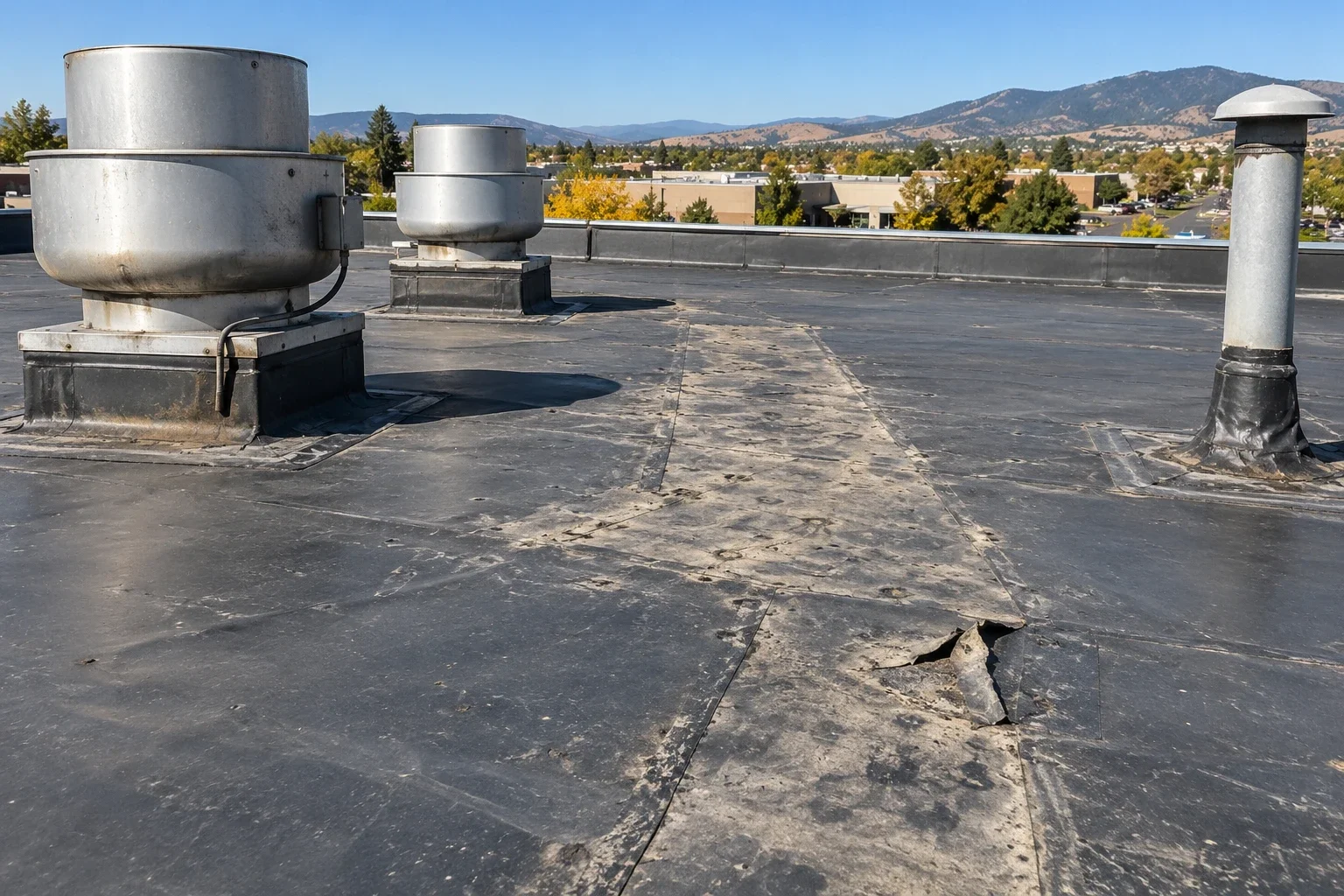
On a small building, a handful of penetrations carries most of the leak risk: a kitchen vent, a plumbing stack, a rooftop unit curb, a skylight. Sealant at those points ages quickly in valley sun and splits where it meets metal. Flashing failure is the single most common cause of a leak that appears months after a roof seemed sound, and it is also the cheapest to fix if caught early.
We re-seal or replace flashings at the spring visit, and for skylights we inspect skylight and penetration flashing for gaps, cracked curbs and glazing seals that have shrunk. A photograph of each detail goes into the register, so the next visit can compare.
Cost Drivers for a Small Footprint
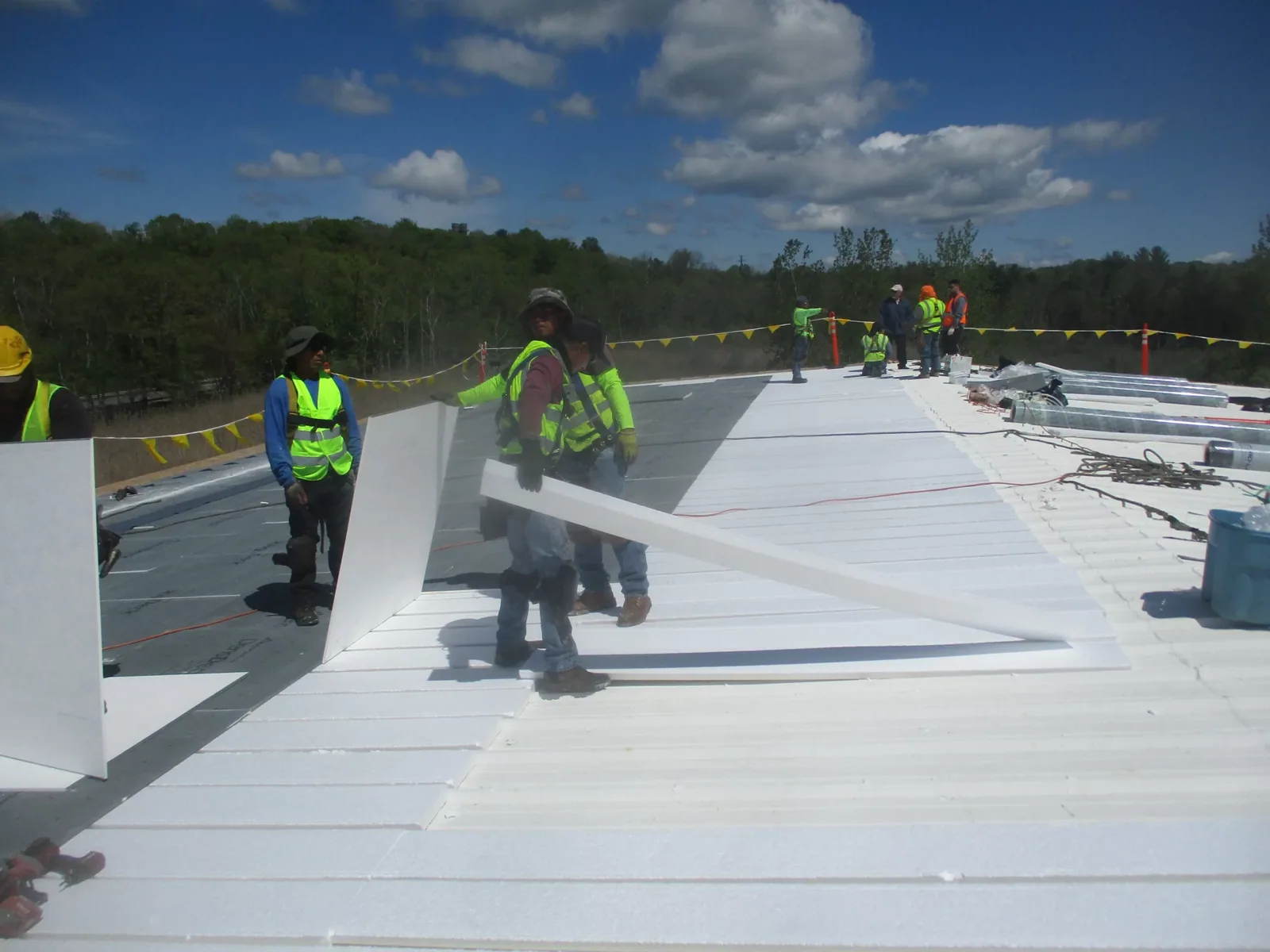
Small jobs have a fixed floor: mobilization, safety setup and travel cost nearly the same for a modest roof as for a larger one. We show those as their own lines so the owner can see what is overhead and what is work. Beyond that, the usual drivers apply: roof area, access, insulation depth, penetrations, tear-off and disposal. A scope that bundles several small repairs into one visit usually costs less than the same repairs ordered separately across a season.
That is the argument for a spring maintenance visit. One trip can clear the drains, renew the sealants, tighten the edge metal and record the roof's condition, and the owner pays for a single mobilization instead of four.
Smoke Seasons and Ember Exposure
Medford logged 26 smoke days in 2021, after two 2020 blazes, Almeda and Obenchain, that destroyed about 2,600 homes in the county. That history makes ember exposure part of any roof plan in the valley. We check for gaps at edges and vents, debris against walls and parapets, and open-ended curbs. After a heavy smoke week we check soot on reflective surfaces and the condition of any rooftop air intakes.
For a small building, the work is quick and the value is high. A tidy, sealed roof offers fewer places for embers to lodge, and a record of the last cleaning shows an insurer that the owner paid attention.
Reflectance, Heat and the Coating Decision
A light roof is a cooler roof, until dust and soot take that advantage away. Reflectance loss is the first measurable change on a valley roof, and it explains why a white surface that has collected a few summers of dust and soot no longer behaves like a new one. Heat softens sealants, stiffens membranes and widens the daily swing between the roof's coolest and hottest hour, and every swing works on a seam or a fastener.
A coating answers that when the roof qualifies, and the qualification is not complicated: sound seams, dry insulation, a deck that holds fasteners and a surface that is clean enough to bond. Where the roof fails any of those tests, the coating becomes an expensive way to hide a problem. We run the tests before we price the coating, and the report tells the owner which side of the line the roof falls on.

Neighboring Places and Routes
Foots Creek lies along the same Route 99 corridor that serves Rogue River and Gold Hill, and a visit can share a route with either. An owner with a second building in Grants Pass or elsewhere along the valley can combine both into one preventive maintenance calendar, with a single report format for each roof.
Send the building list, roof ages and leak tickets
Related Roofing Pages

Questions About Foots Creek
Is a small roof worth a written report?
Yes. The report is what lets an owner defer work with confidence, argue a claim with evidence or show a buyer that the roof has been looked after.
Do you repair exposed-fastener metal roofs?
We do. The usual repair is larger fasteners, fresh sealant at laps and replacement of damaged panels, then a coating if the surface warrants it.
Why do flashings fail first?
They are small, they sit where materials meet and they flex with heat. Sealant hardens, splits and lets water in long before the field of the roof shows wear.
Is there a minimum job size?
Small visits are priced with mobilization shown separately. Bundling several repairs into one visit lowers the cost per item.
How do you document the roof for insurance?
Dated photographs of each section, a written condition grade and a list of repairs made. Together they show the roof's state before any loss.