
Commercial Roofing in Gold Hill, OR
Commercial roofing in Gold Hill, OR: small-town roofs along I-5 and Route 99, graded for sun, heat and smoke with clear repair-or-replace ranges.

Overview
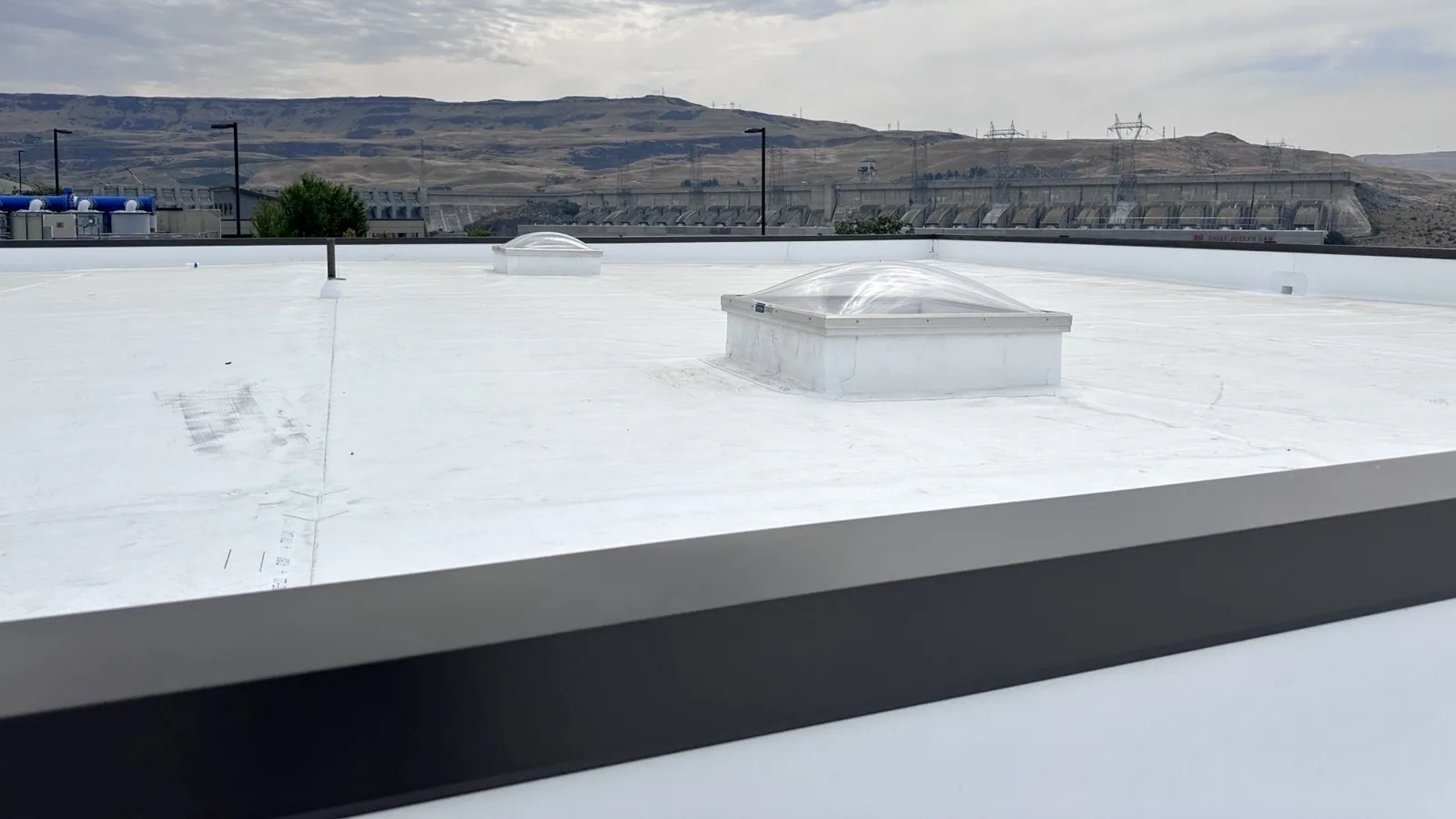
Gold Hill sits where Interstate 5 and Oregon Route 99 bend with the Rogue River, and a small town on a through-route learns early that a roof is judged by the people who drive past it. The city had 1,335 residents in 2020 and lies northwest of Central Point and Medford, with Oregon Route 234 linking it to Shady Cove. For a business owner in Gold Hill, OR the roof is usually one of a few big expenses, and the valley sun trims its remaining service life every summer, which is the reserve schedule line that moves.
In a typical year Medford sees 61 afternoons past 90 F, and those numbers, with 115 F on record, set the pace for the whole basin. We grade a small commercial roof in a way a small owner can use, because a four-person business has no facilities manager to translate a report: a few pages, photos, a plain statement of what is wrong and what it will cost to fix it now or later.
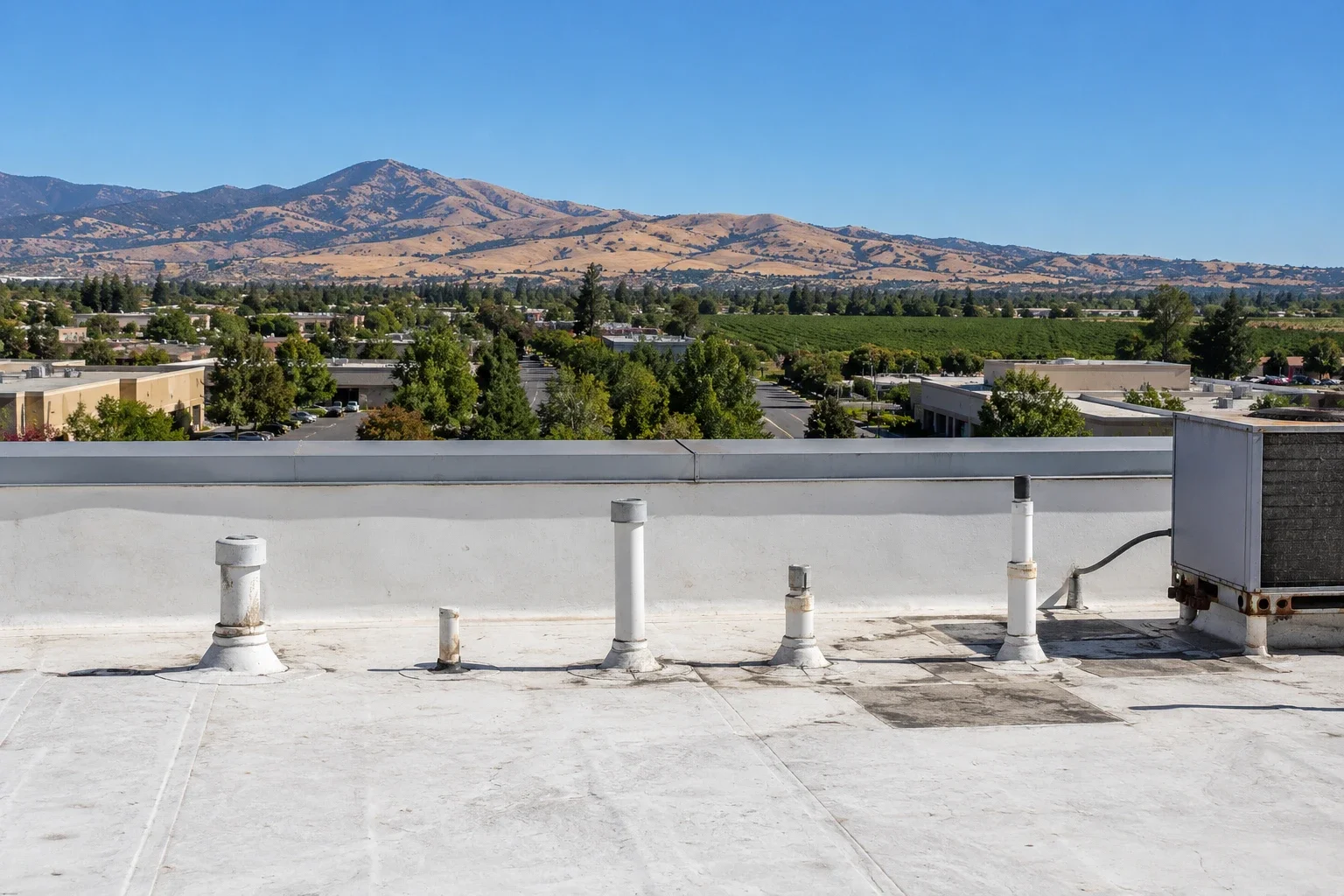
Repair or replace: the decision a small owner actually faces
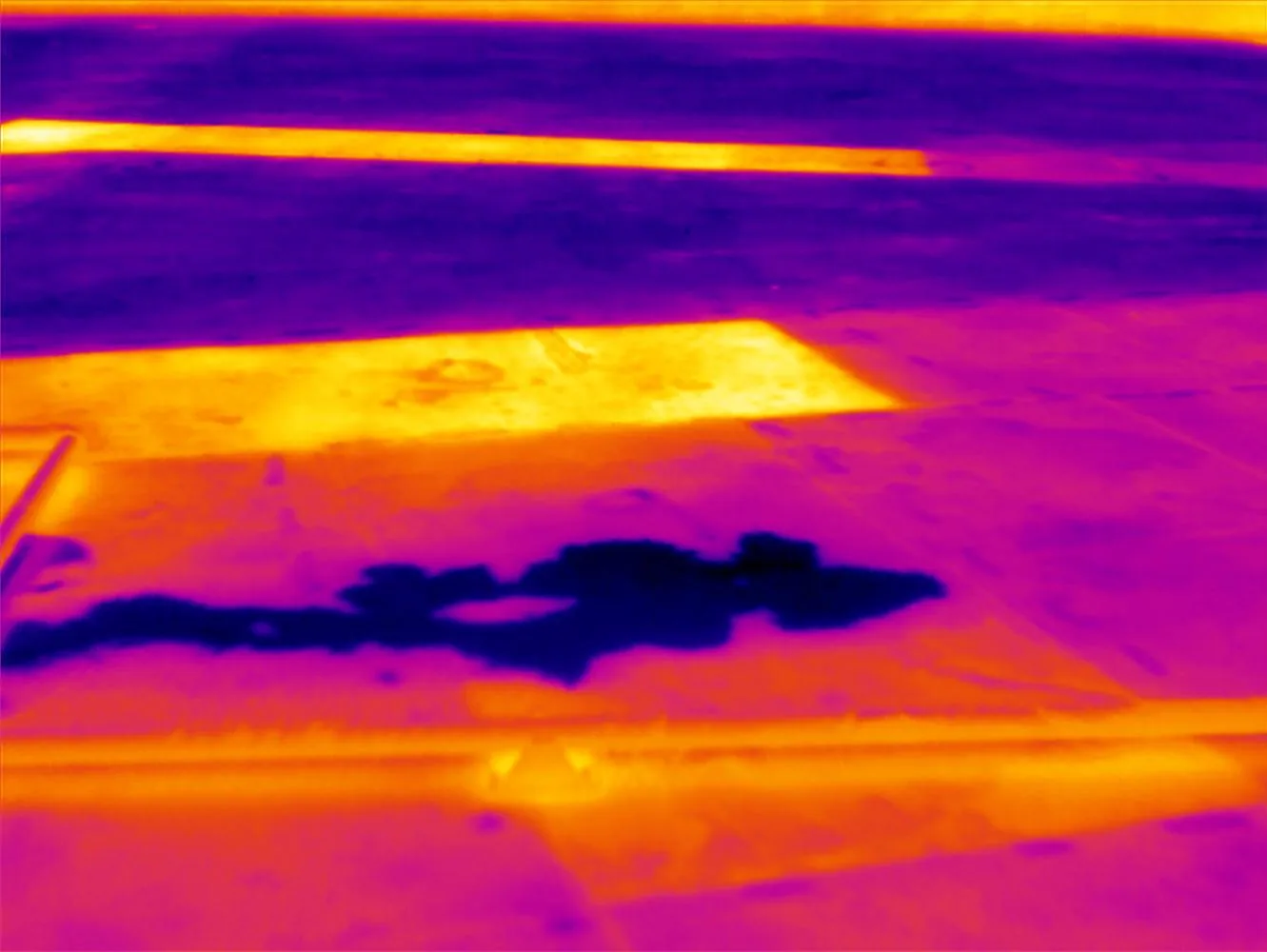
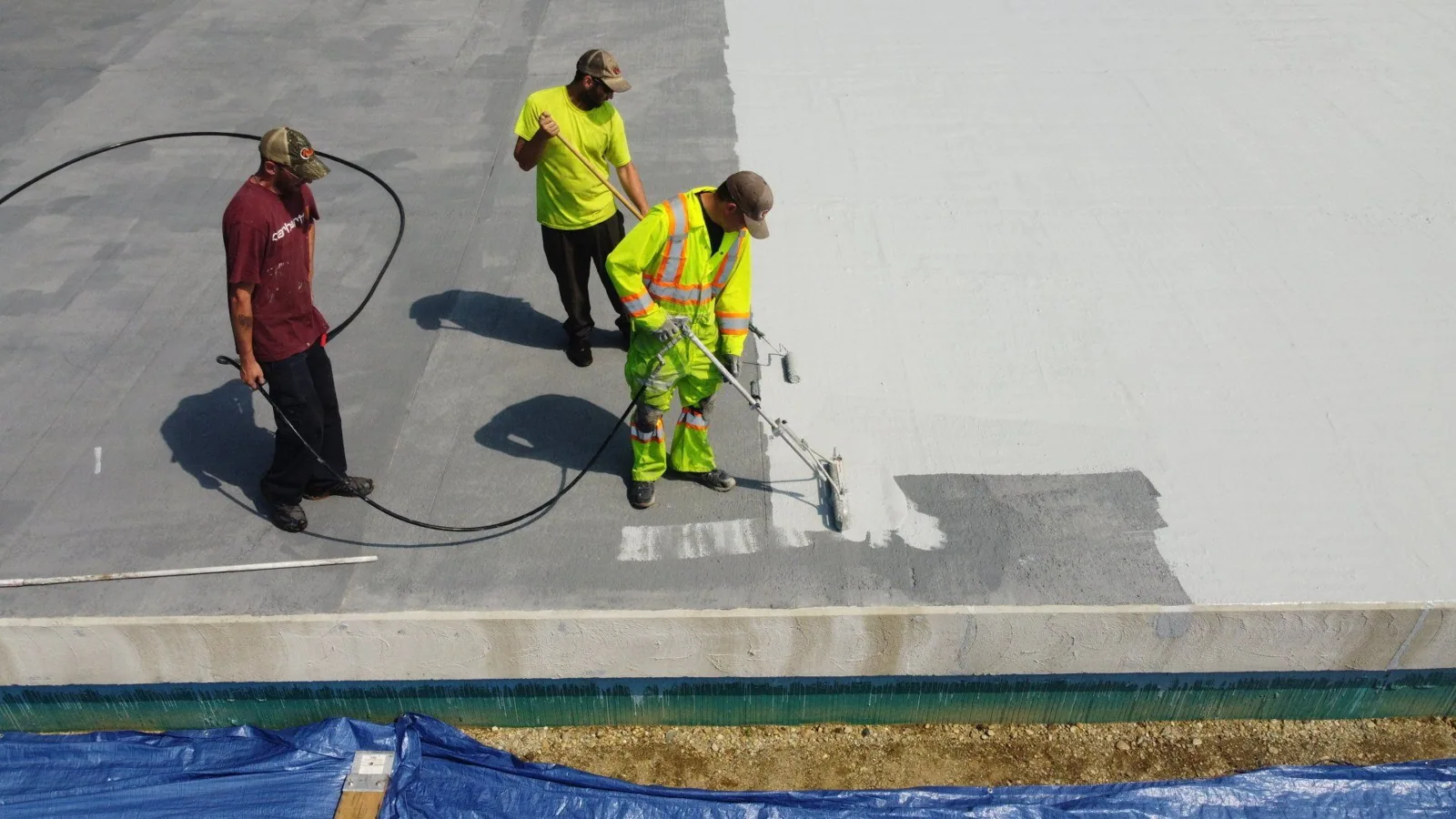
The choice on a small commercial roof is rarely between two perfect options. It is between a repair that buys a few seasons and a replacement that resets the clock, and the right answer depends on what is under the surface. We start with an infrared scan and a handful of core samples, which together take a few hours and cost a fraction of a wrong decision. Dry insulation under a sound covering makes a repair or a restoration coating good value. If the insulation is wet in a wide area, repairing the surface buries the problem.
The report gives the owner both paths with a cost range and a likely life for each, and it says which one we would choose. A roof with four to six years left may justify a coating now and a replacement budgeted for later. A roof with one year left is a replacement, and the sooner the owner knows, the better the price and the schedule. A winter emergency means an expensive temporary dry-in followed by a rushed order, while a planned job in spring means a quoted price, a chosen crew and a materials order that arrives on time. The owner pays for the difference in dollars, and the report shows how many.

What the valley summer does to a small roof
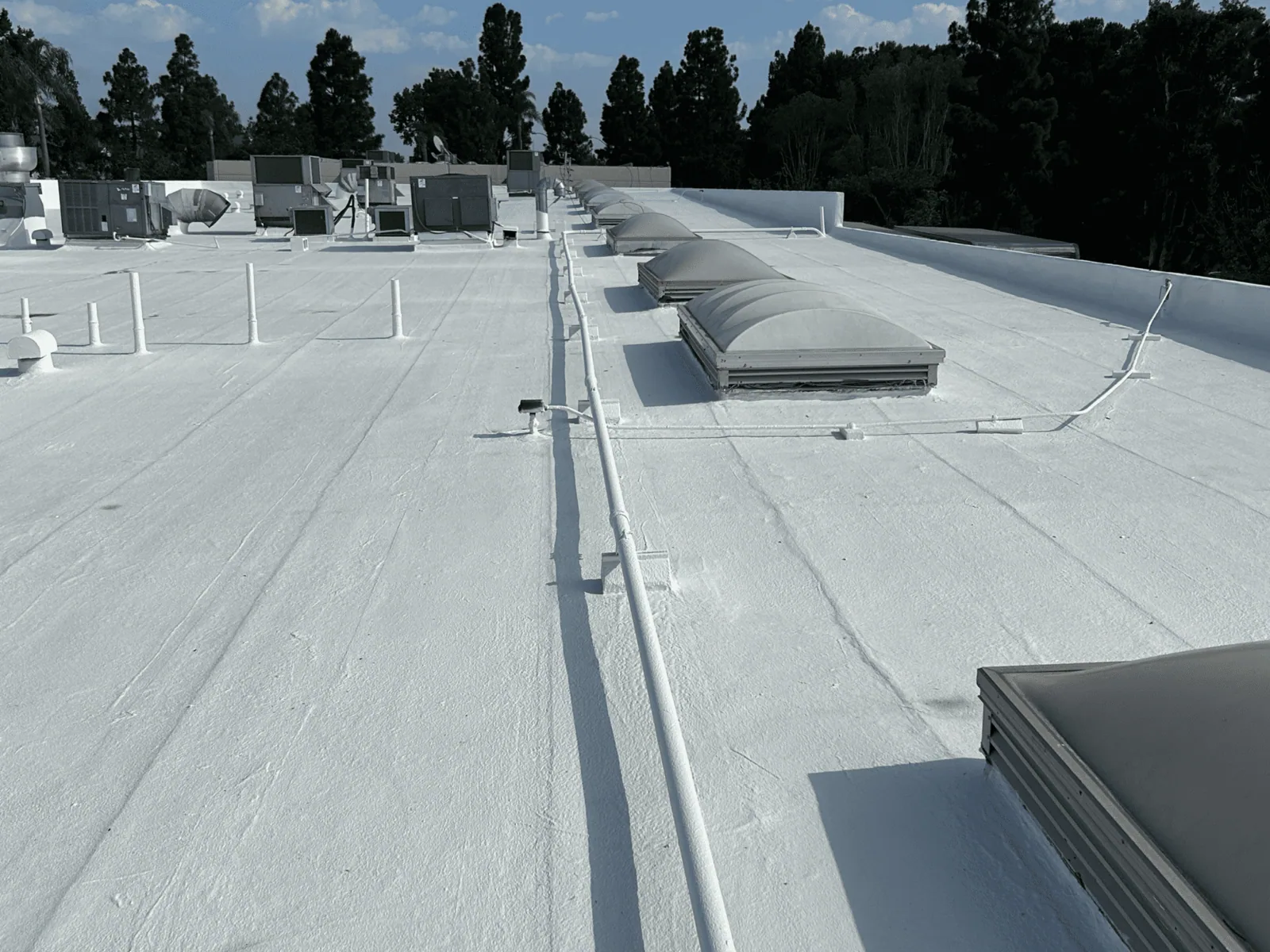
Small roofs have less thermal mass and a shorter path from sun to deck, and they feel the heat more directly. Rain washes the roof rarely, with only about 18.4 inches of precipitation a year in the valley, so dust and soot sit on the surface and dim it. Sealants at vents and curbs harden, edge metal moves, and the covering becomes less flexible each season.
On a through-route, there is also road dust. Traffic on Interstate 5 and Route 99 can throw fine grit onto nearby roofs, where it holds heat and wears the surface. We note the proximity to the road in the grade, and we recommend a wash in the spring where it helps. A clean surface reflects more sun, runs cooler and gives the next survey a clearer picture of what is dirt and what is damage.
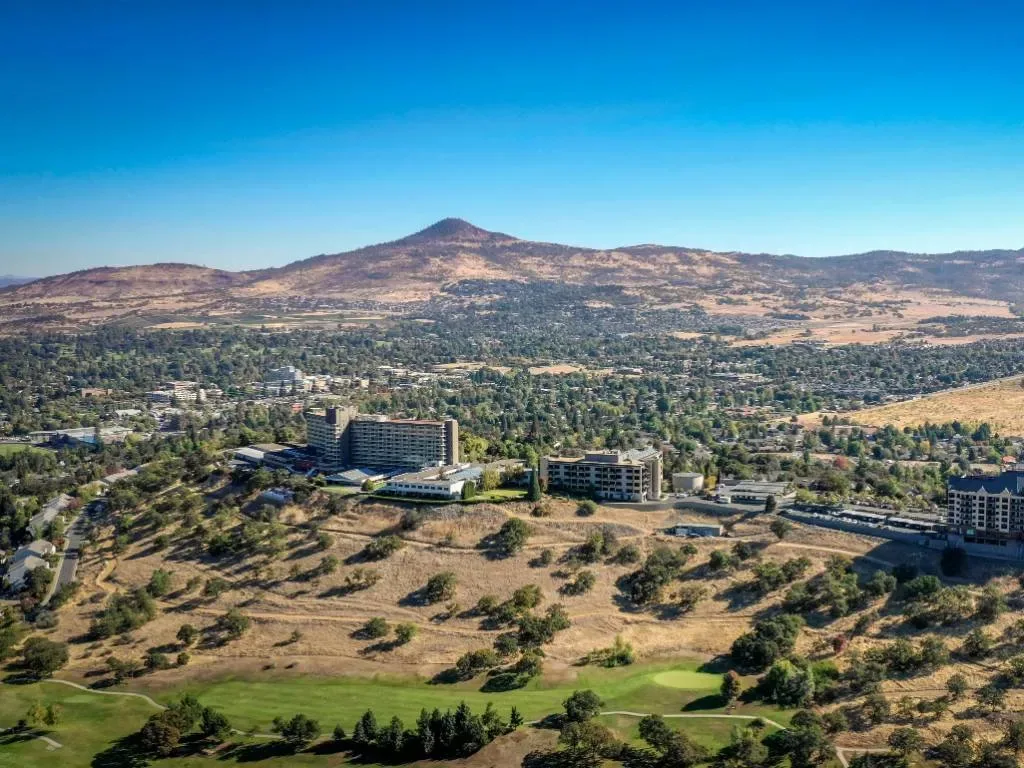
River bend, limestone history and what we do not assume
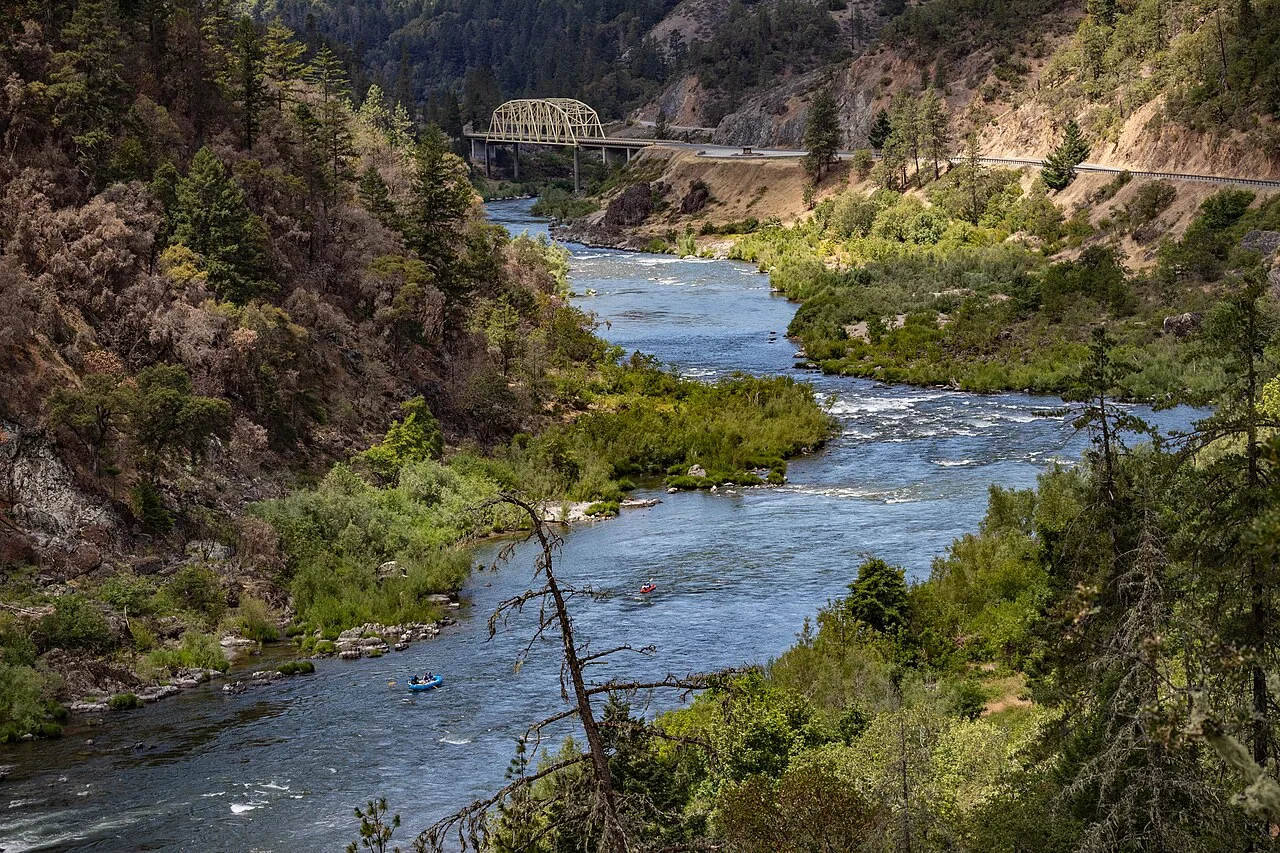
Gold Hill lies at a bend of the Rogue River, and local limestone supported a historical cement industry in the town. That history says something about the town's past and nothing about any roof. We do not assume what any building is made of or how old its roof is; the first walk answers both. What a river town does ask of a roofer is attention to moisture: damp air near the water, shade from tall trees, and a slow drying time after a rain.
Shaded slopes grow moss and algae, which hold water against the covering and lift edges as they spread. Gutters near trees fill with debris, and a gutter packed with wet leaves holds water against the fascia and rots it from the outside, a cost that appears on no roofing estimate. A spring cleaning and a fall cleaning keep a roof near the river working, and the register records both so the owner can see the pattern.
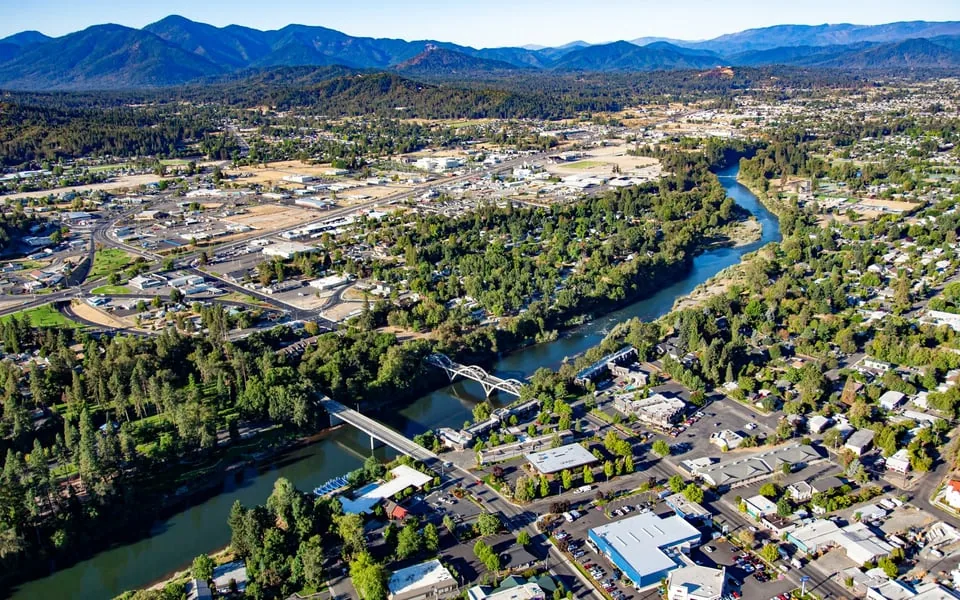
Smoke weeks, ember exposure and the dry grass beside the road
Smoke blanketed Medford on 26 days in 2021, and fire took about 2,600 Jackson County homes in 2020. Smoke dirties a roof, and dry grass along a highway shoulder carries a spark. A building beside a through-route should keep the strip between the road and the wall clear and the roof edge clean, since gutters full of leaves and vents with open screens hold embers.
A pre-season clean costs little, and on a small building one person can finish it in a morning. Doing it each May also gives the owner an excuse to look at the roof from a safe vantage and spot anything unusual early. A post-smoke visit cleans the roof surface, changes any rooftop filters and logs the work. The owner report records the two facts an insurer is most likely to ask about, the covering's fire rating and when the edges were last cleaned.

Reserve lines for an owner without a facilities office
A small owner builds a reserve the way a household does, from a number set aside each month. The grade and the remaining-life estimate set the figure: ten years left calls for a modest contribution, and three years left calls for a plan. Next to the cost of acting this year sits carrying cost: repair visits, interior damage and lost business.
Timing matters in a small town. A roof replaced in the spring window costs less in lost business than one replaced after a winter leak closes a counter. The report names the last useful date for each decision, and it keeps the numbers on one page. For an owner who rents the building out, the same page serves as the answer to a tenant who asks about the roof at renewal, and for an owner who runs the business, it tells the bookkeeper what to set aside this year.

The owner report and the roof register
The register keeps one short entry per building: grades, photos, penetrations, drains, warranty, next check date. The file begins with a commercial roof inspection, an infrared moisture survey supports the repair-or-replace call, and roof coating restoration stretches a sound roof. Commercial roof repair covers a leak with a known source. A small retail building follows shopping center roofing. Neighbors include Rogue River and Central Point, and Medford is to the southeast. Small owners keep the file in one place, so a lender, a buyer or an insurer can see the roof's history without a separate request.
Send the building list, roof ages and leak tickets

Related Roofing Pages

Questions About Gold Hill
How do I know whether to repair or replace?
A moisture scan and a few core samples. Dry insulation and a sound surface favor repair; saturated insulation over a wide area favors replacement.
Can road dust shorten a roof's life?
Fine grit holds heat and wears the surface. A spring wash helps where it is heavy.
What does shade from trees do?
It holds moisture, grows moss and fills gutters. Cleaning twice a year keeps the roof working.
What does an insurer ask about a roof?
Usually the fire rating of the covering, its age and the last edge clean. The report has all three.
How long does a small reroof take?
A few days once materials are on site, with a dry-in each day.