
Commercial Roofing in Rogue River, OR
Commercial roofing in Rogue River, OR near I-5 Exit 48: light commercial roofs, graded for sun, heat and smoke with reserve lines owners can follow.
Overview
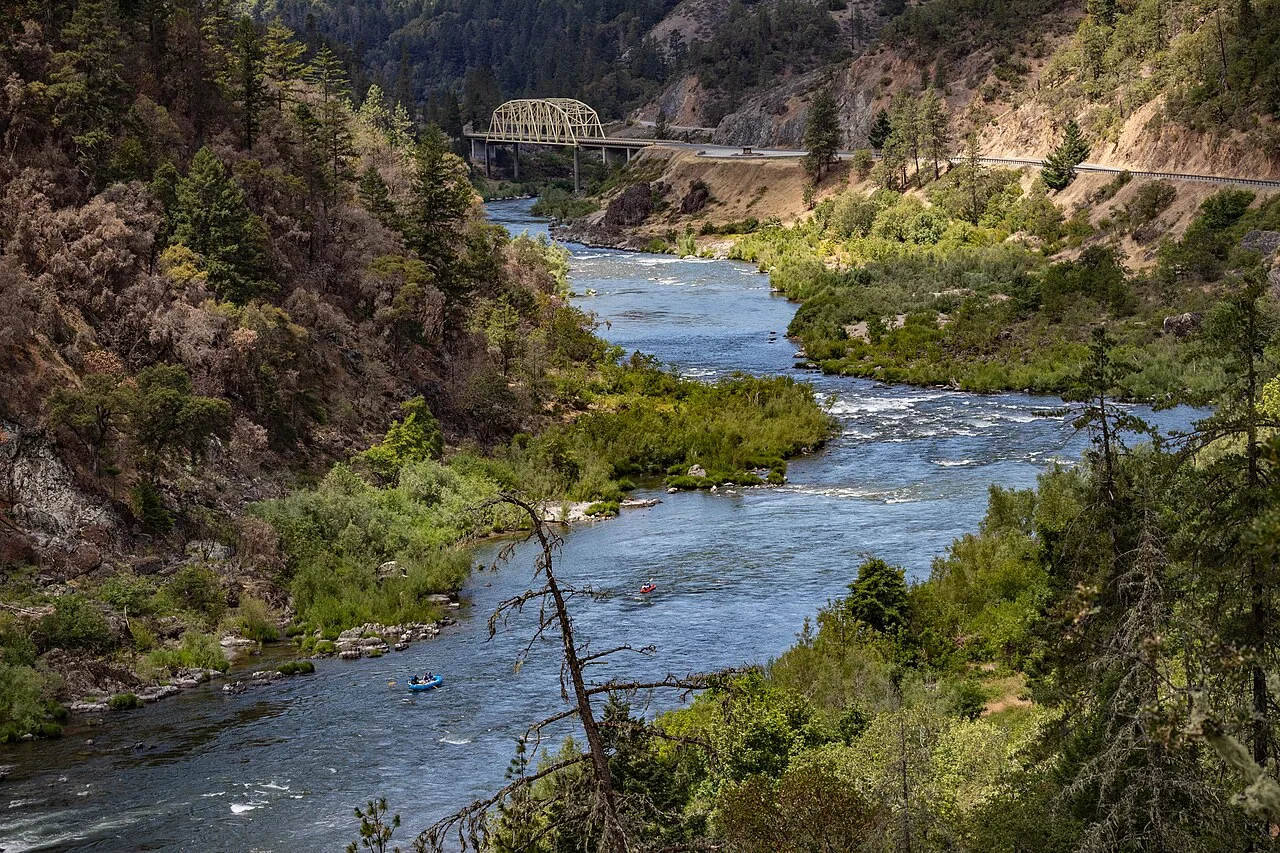
An interchange town reads its commercial roofs from the off-ramp. Rogue River, OR had 2,407 residents in 2020, sits on the north bank of the Rogue River with Interstate 5 along its south side, and is served by I-5 Exit 48 at Depot Street. It lies about 20 miles northwest of Medford and 9 miles east of Grants Pass, and a commercial roof near the exit is read by every driver who slows for the ramp. Remaining service life moves in the reserve schedule, and on a roof in constant view a failing surface shows quickly.
The valley sun sets the pace. With Medford recording 61 afternoons at 90 F or higher in a typical year and a 115 F high, a membrane or metal roof near the interchange ages by the same ultraviolet budget as the rest of the basin. We grade each roof, estimate the years remaining and recommend an action in a format a small owner and a lender can both follow.
Single-building owners and short reports
The city has 1,233 housing units, about 53 percent owner-occupied. An owner of a single commercial building in a town like this carries a modest reserve and needs a number to plan around. Without a facilities department behind them, the survey does that job.
The report is short and direct, written for a person who will read it at a kitchen table and not in a conference room. It names the roof, grades its covering, seams, flashings and drainage, estimates the years left and lists the actions in order with a price range. If the roof needs a repair now and a replacement in five years, the report says both, and the owner can set money aside between them. Where a commercial space shares a ceiling with a dwelling, the report notes it, since a leak there is two problems at once.

Sun, dust and the grit that blows off the interstate
Medford's rain shadow allows only about 18.4 inches of precipitation a year, which is why roofs here rarely get rinsed. A building beside the interstate can collect dust and grit from the traffic, and that film holds heat and wears the surface. White coatings dim, metal panels chalk, and sealants at vents and edges harden. The effect builds slowly and is easy to miss from the ground.
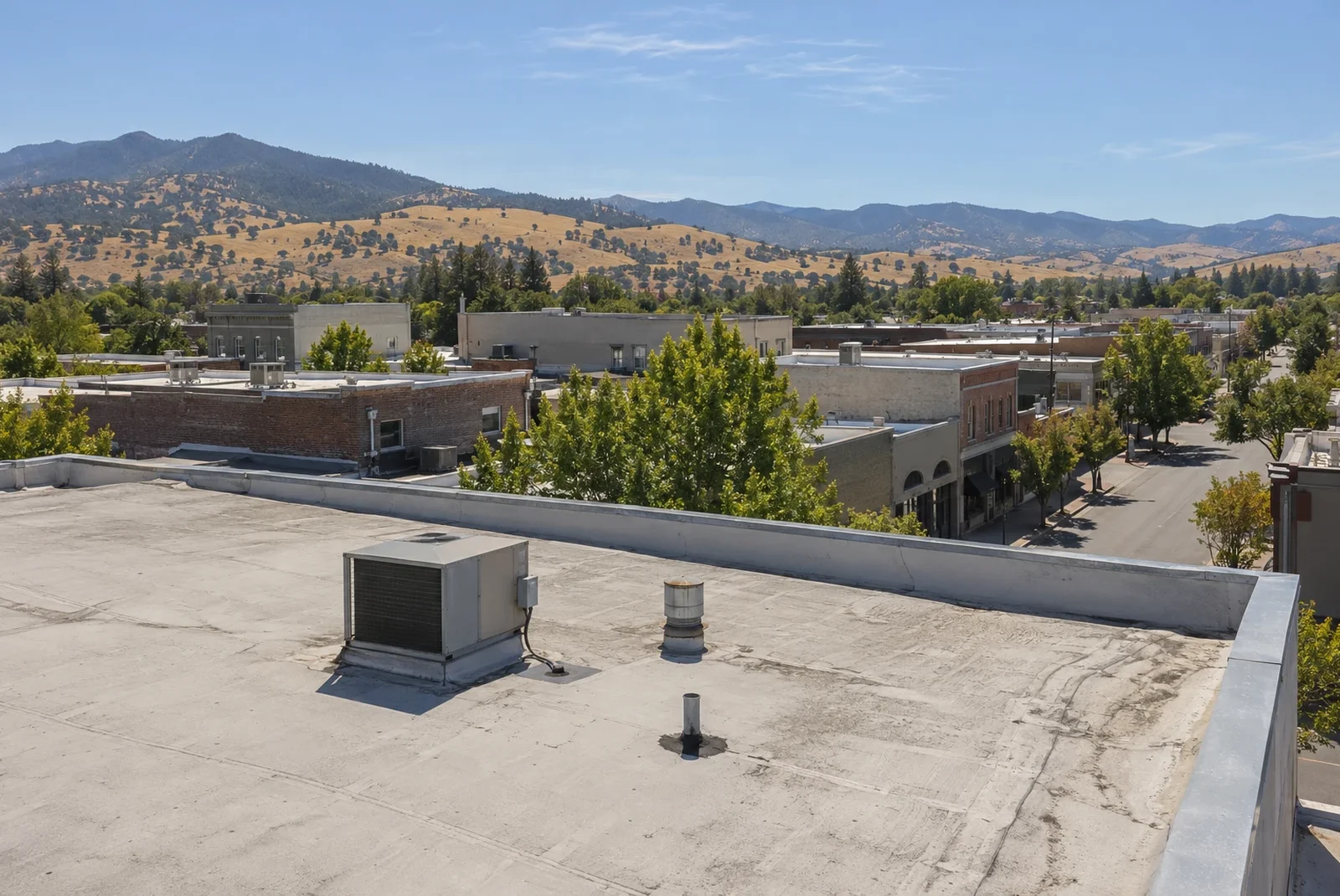
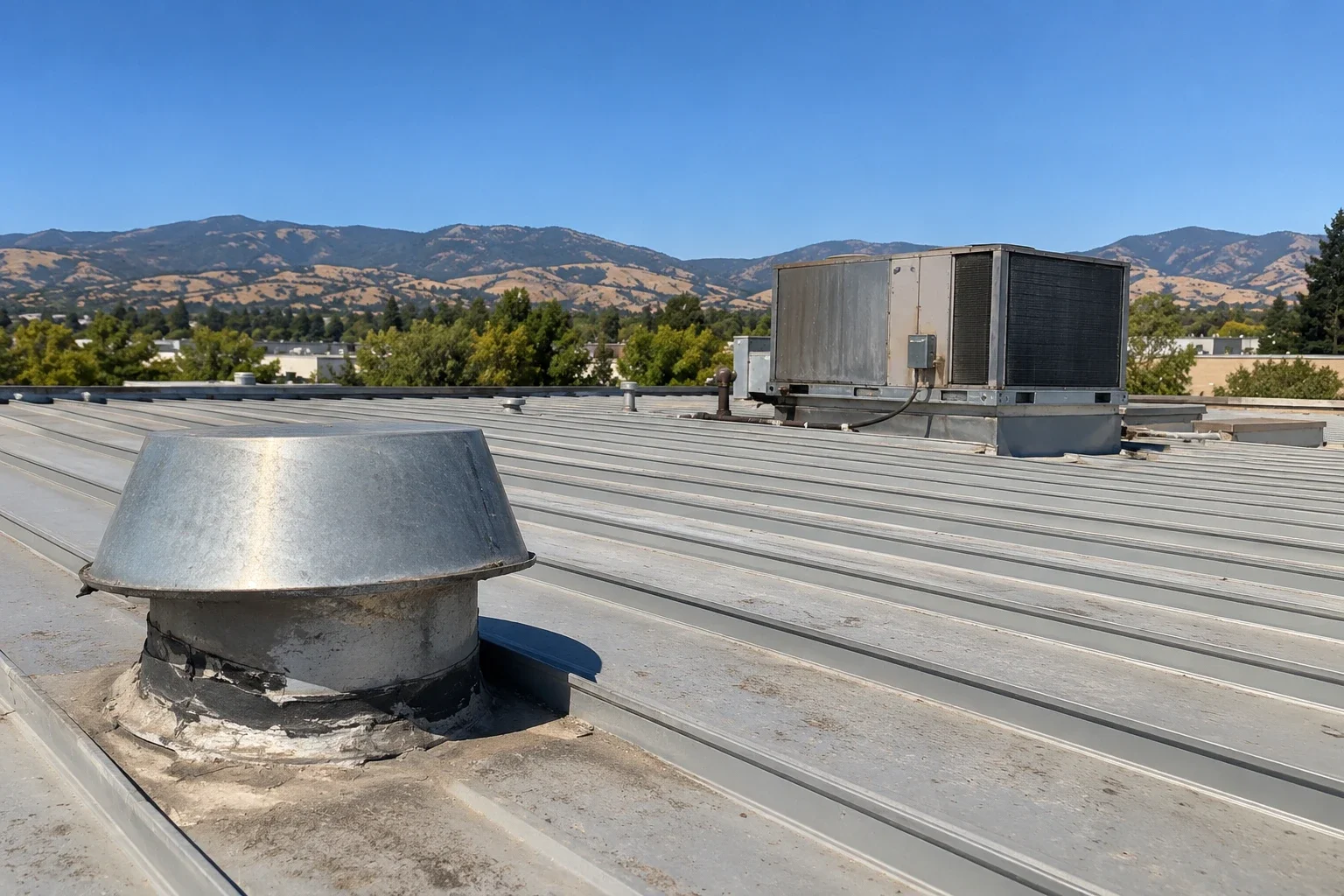
Details show it first. A vent boot that has cracked, a fastener that has backed out of a metal panel and an edge flashing that has lifted at its end are the small defects that let in the first drip. The survey records each of them by location with a photo, and the report separates the items that can be fixed in an hour from the items that mean the roof is nearing the end. An owner can handle the first group through a maintenance call and plan the second group as a project, which keeps small money from being spent as if it were big money.
Exit 48, Depot Street and the work around traffic
A building near an off-ramp has easy truck access and a busy approach. Deliveries are scheduled outside peak ramp traffic, lifts are placed so that no boom swings over a travel lane, and a flagger directs trucks where a drive is shared. Debris is contained, because anything light that blows off a roof next to an interstate becomes a hazard for the cars on it.
The work is divided into short phases, each dried in before the crew leaves. On a building with a customer entrance on the ramp side, we keep the entrance open and move the loud steps to the back of the roof, and a sign at the door tells customers what is happening overhead. Early starts avoid the afternoon heat on triple-digit days, and shaded storage keeps materials cool. A one-page notice with the day, the hours and an answered phone number goes to the owner, and neighboring businesses get a copy. Because Exit 48 is the way into town from the interstate, a lift left standing overnight in the wrong place would be seen by everyone arriving, so we park equipment away from the street side when the day ends.
Smoke weeks, ember exposure and the river-bottom brush
Smoke touches the whole valley. Medford's 2021 smoke season ran to 26 days, after the 2020 fires took about 2,600 Jackson County homes. Soot dulls a roof and loads any rooftop filters, which is why the visit after smoke cleans the surface and logs the work. A building near brush along a river or a highway should clear the strip beside its walls and keep gutters, vents and eaves free of leaves before the dry weeks.
Fire rating and last edge clean date sit in the owner report. A small owner who has those two facts on one page can answer an insurer in a phone call, and that is worth more than a binder. The rating, the age and the last clean are the three facts an insurer is most likely to ask about, and the register keeps them current from one spring to the next.
Reserve lines and the carrying cost of waiting
A small owner builds a reserve month by month, and the right monthly amount comes from the grade and the remaining life. A roof with ten years left calls for a small monthly contribution; one with three years left calls for a plan. Two columns set carrying cost, meaning repair visits, interior damage and lost business, beside the cost of acting this year.
The comparison includes the cost of an emergency, and the emergency is the part owners remember. A winter leak over a counter or a stockroom costs the repair and the stock, and it arrives when crews are busiest and materials are slowest to ship. A winter leak in a shop means a temporary dry-in at a premium, damaged stock and a rushed order. A planned spring job means a quoted price and a chosen crew. Each decision carries a last useful date in the report, which tells the owner how long the choice stays cheap.
The owner report and the roof register
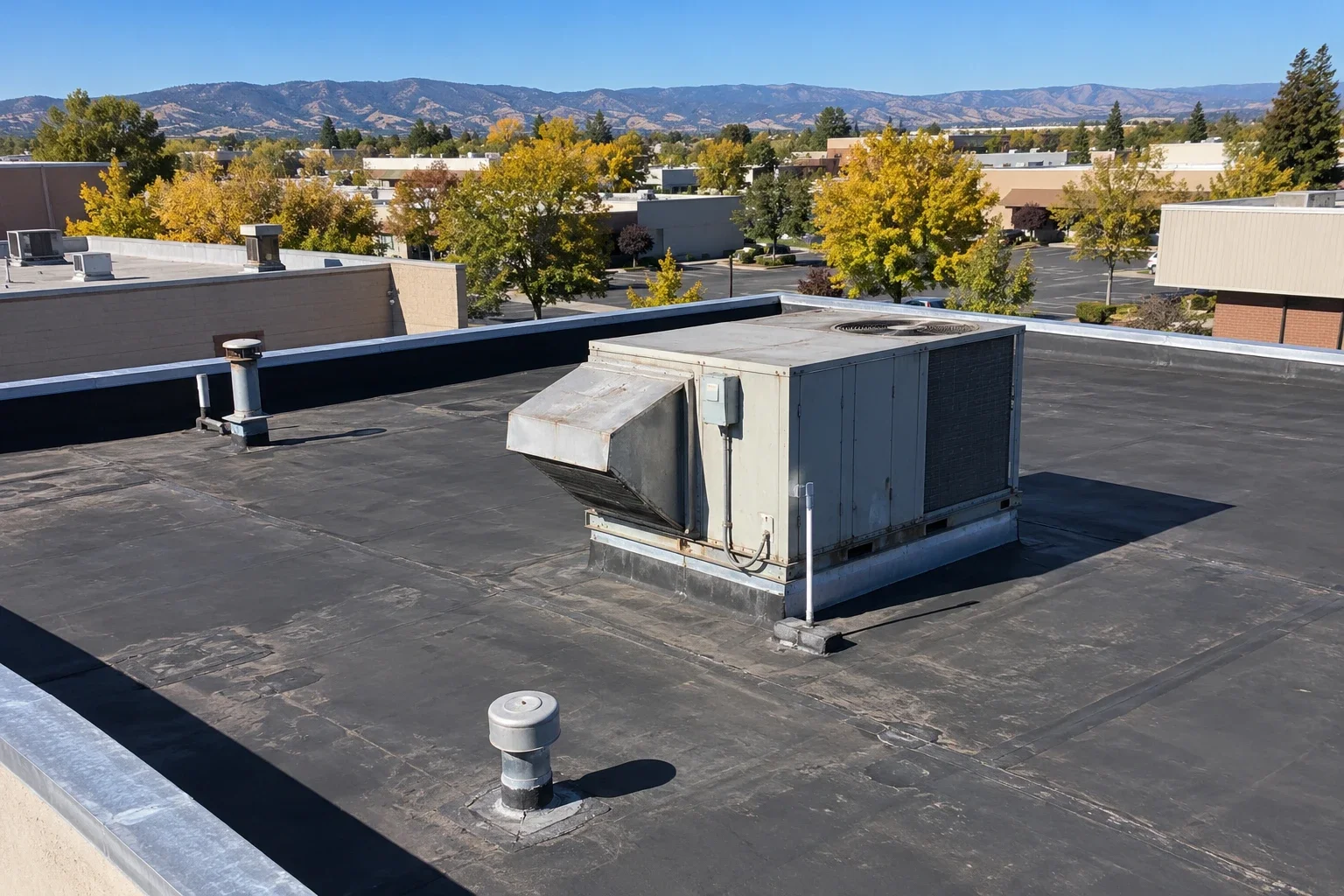
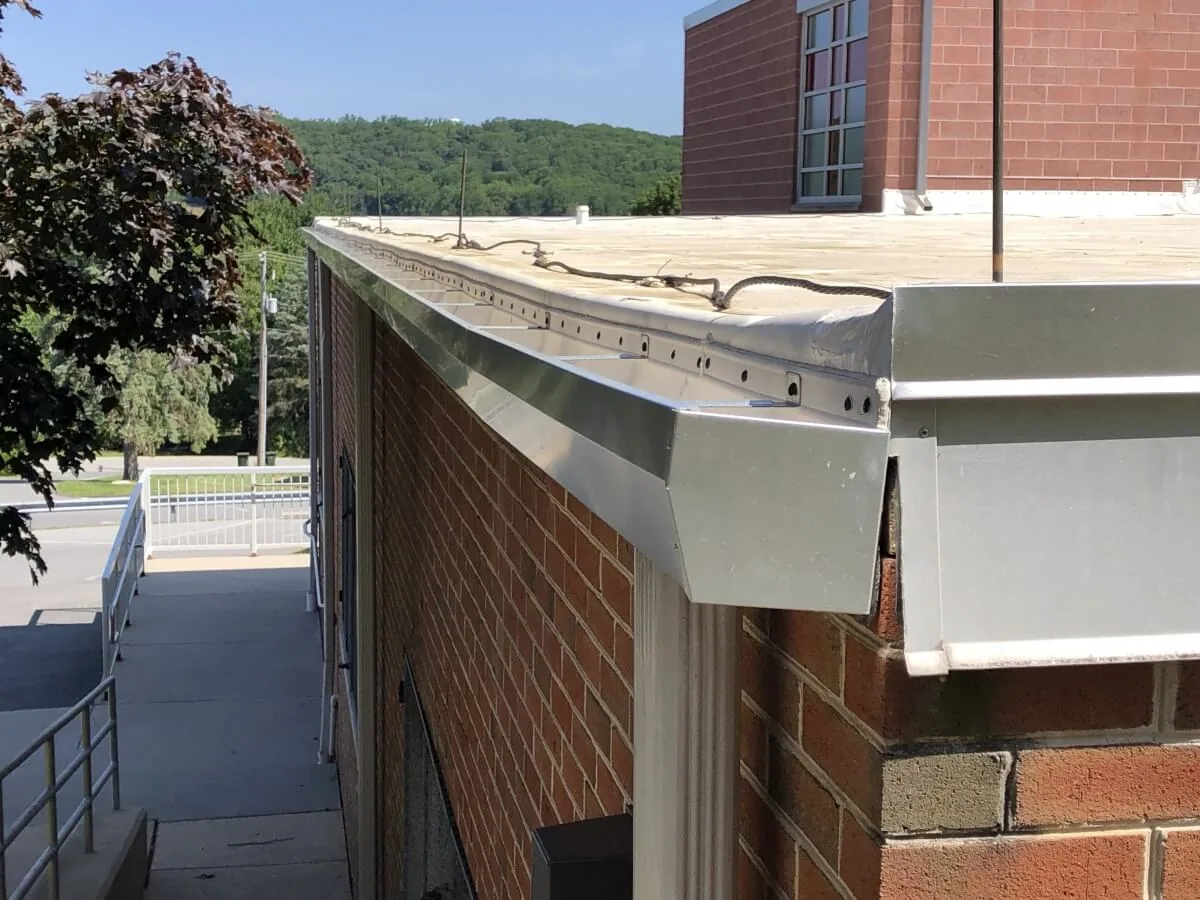
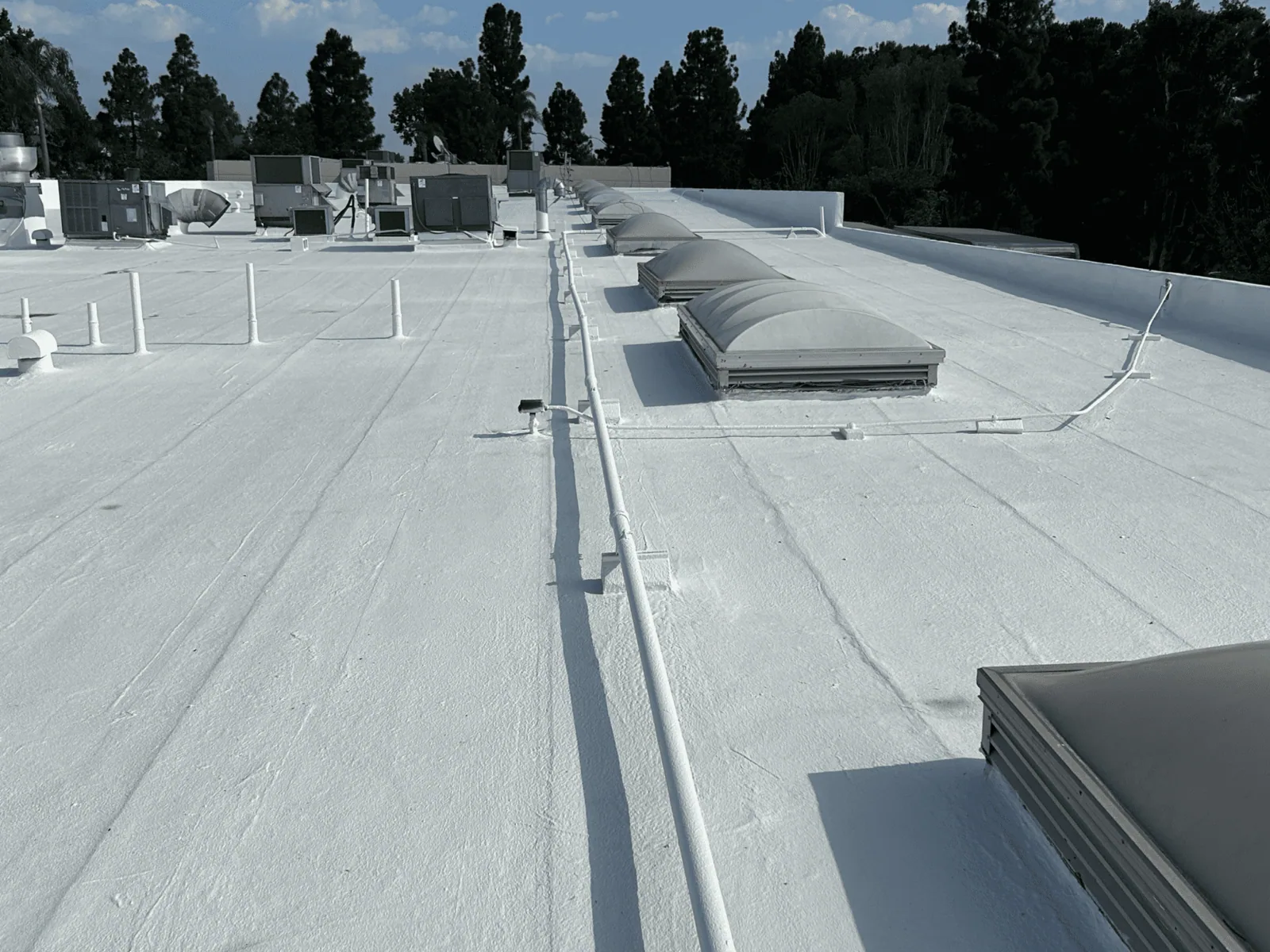
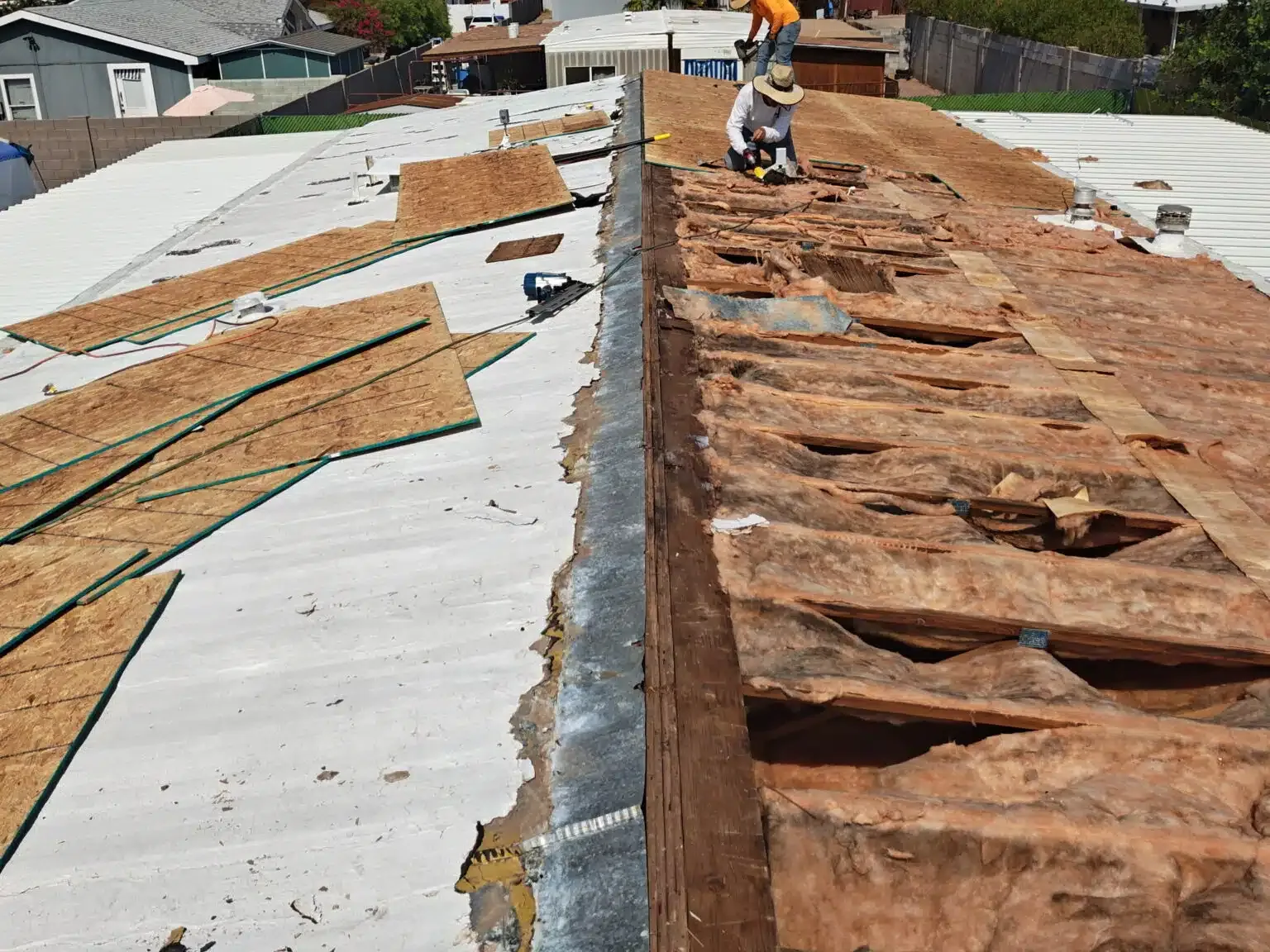
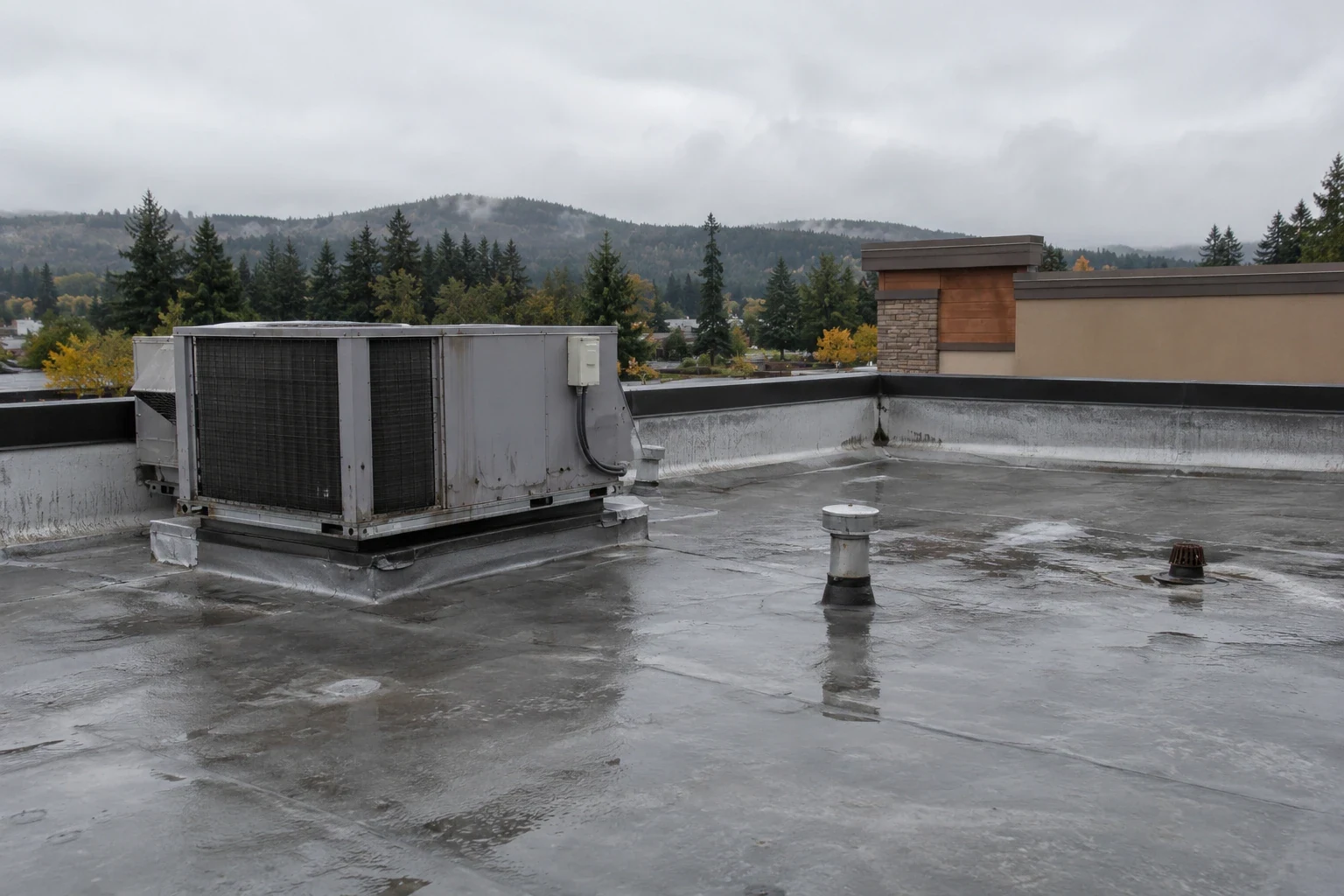
Each building's register keeps its grades, photos, drains, penetrations, warranty and next check. A commercial roof inspection starts the file, and edge metal, coping and gutters work addresses the details that fail first. A commercial roof repair fits a defined leak, and commercial roof replacement suits a roof at the end of its life. A small shop follows shopping center roofing, and a building with a kitchen shares details with restaurant roofing. Neighbors include Grants Pass and Gold Hill. One short entry per building keeps the history in a single file, which a lender or a buyer can read without a separate request.
Send the building list, roof ages and leak tickets

Related Roofing Pages

Questions About Rogue River
Can you work beside the interstate safely?
Yes. We schedule deliveries outside peak ramp traffic, place lifts clear of lanes and contain debris.
What does a single-building survey include?
The covering, seams, flashings, drains and penetrations, with photos, a grade and a cost range.
Does a shop with an apartment above need different care?
Yes. A leak there affects two uses, so the report flags the shared ceiling and the drains.
How do I plan for a roof I will need in five years?
Set a monthly amount from the remaining-life estimate. The report gives a starting figure.
What does a post-smoke visit include?
We wash off soot, change any rooftop filters and note the visit.