
Commercial Roofing in Buncom, OR
Roof inspection and care for small historic and rural buildings in Buncom, OR: preservation-minded repairs, sun and smoke planning and long-interval upkeep.
Overview
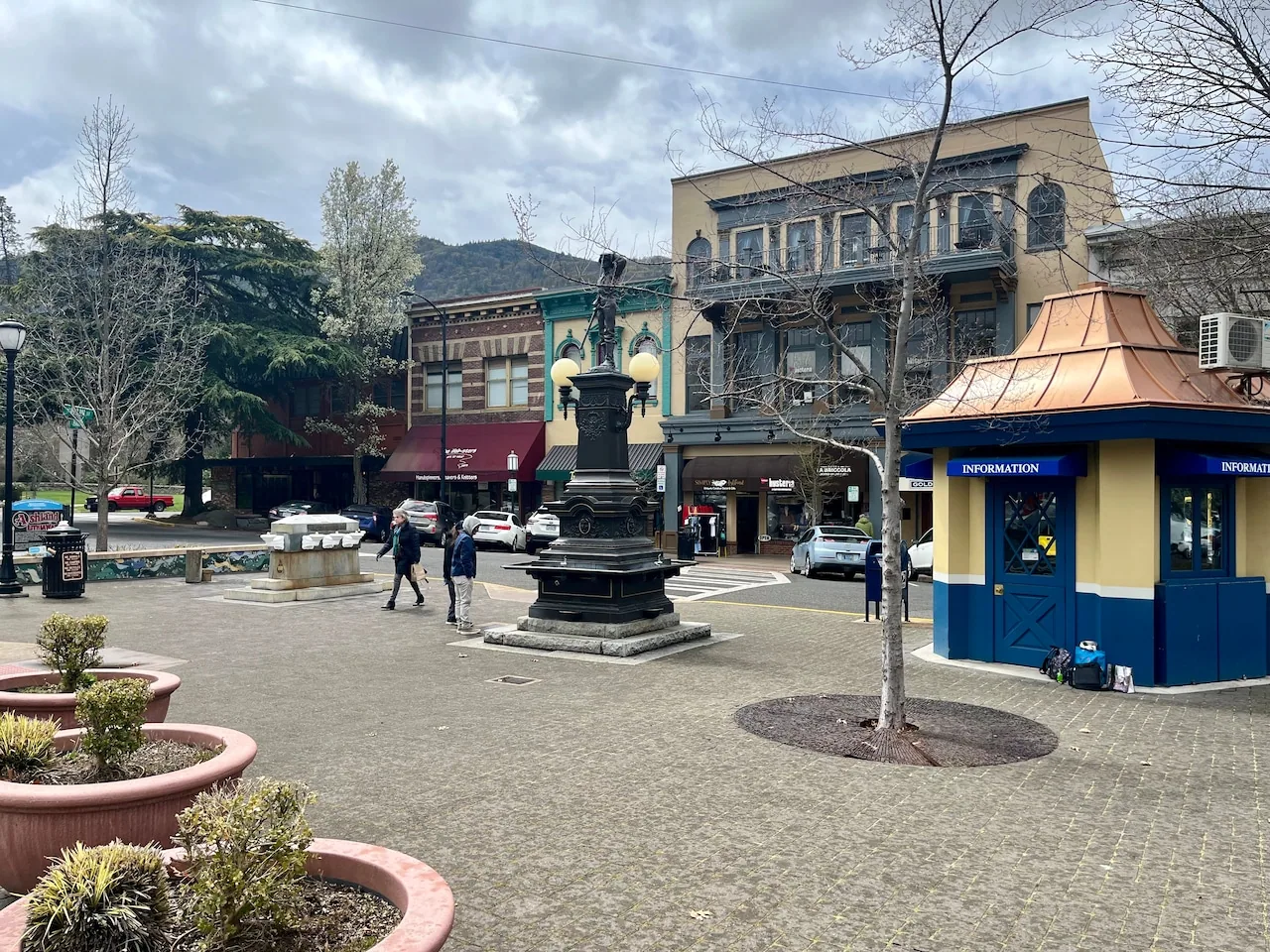
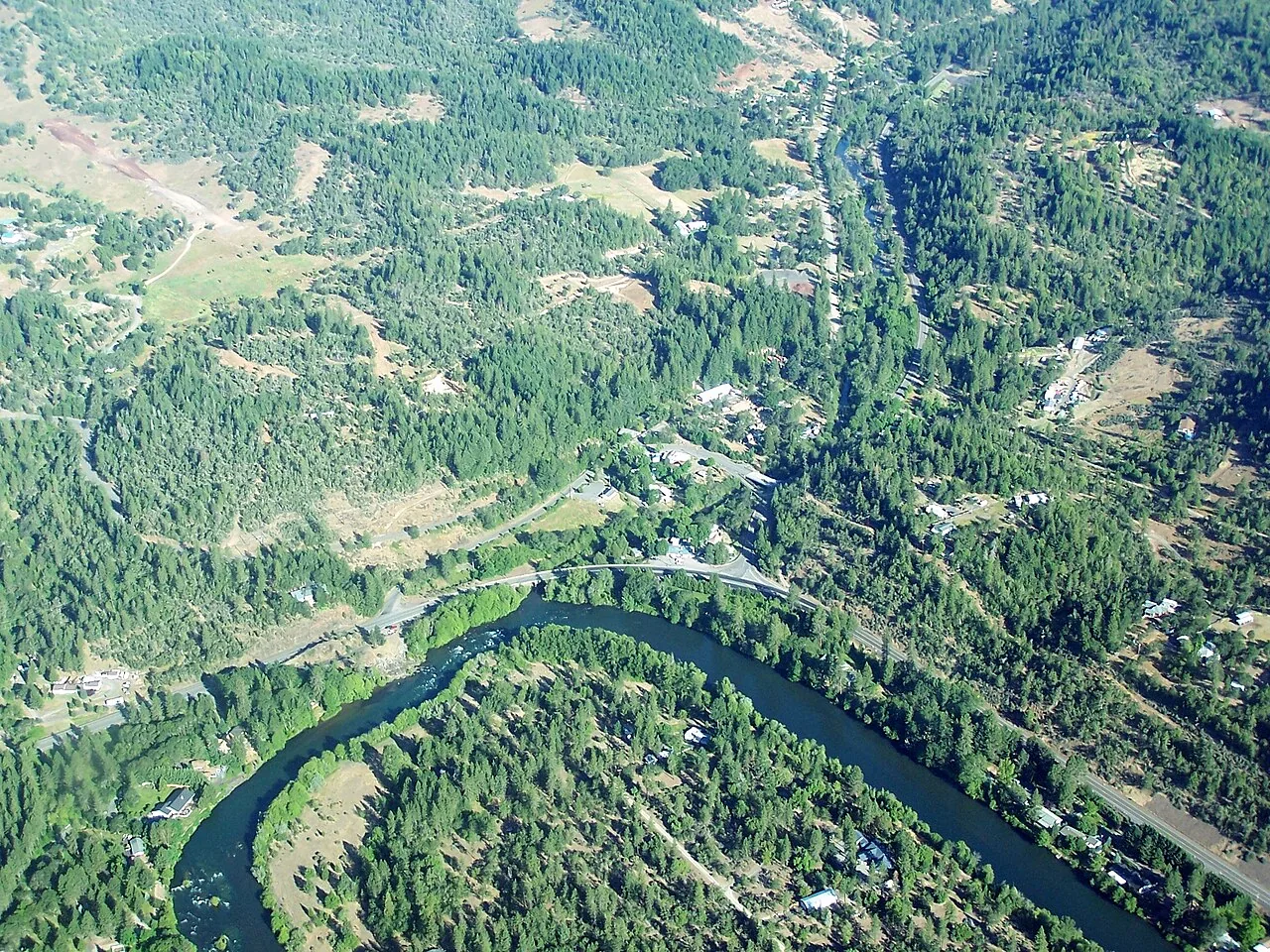
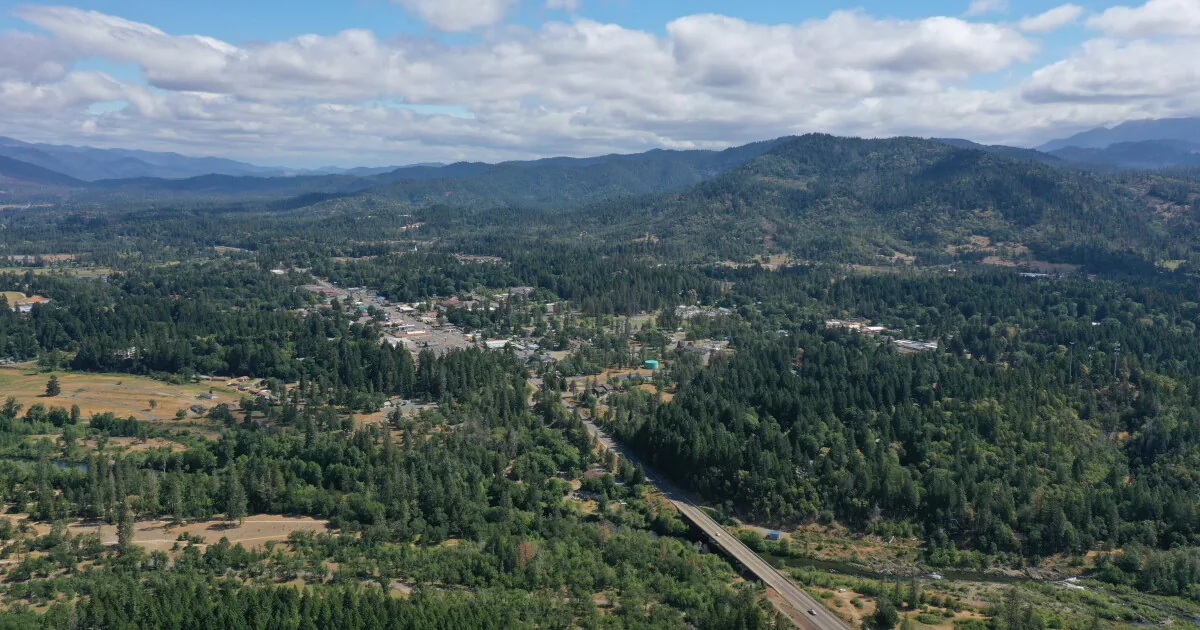
The Buncom area of Jackson County is old gold country: the townsite was settled by Chinese miners in 1851 after gold turned up at Sterling Creek and Jacksonville, its post office opened in 1896 and was gone by 1918 as the gold gave out, and the roofing work today is small, rural and historic. Three early-1900s buildings survive: the post office, the cookhouse and the bunkhouse. The Buncom Historical Society, formed in 1991, replaced the roofs on all three. A roof on a surviving historic structure is one of the smallest commercial roofing markets there is, and the stakes are plain: the building cannot be rebuilt, the budget is volunteer money, and the roof is the first line of defense against the weather that ends such places.
That obligation shapes the way we would plan upkeep for roofs in an area like this, and it applies to any small, remote, rural building whose owner has to make a little money go a long way.
A roof as a stewardship line item
A preservation group measures a roof in decades, and the arithmetic is simple. A new roof buys a stretch of years, and the question that follows is what keeps those years from being spent early. The answer is routine upkeep: clear the gutters, check the flashing, reseal the joints that heat has opened and photograph the roof so changes show. A volunteer organization cannot afford a surprise leak, so the work that matters most is the dull, regular kind.
For owners in this position we provide a plain schedule: one spring visit and one fall visit, a written grade each time, a short list of small repairs done on the spot and a larger list priced for the next fundraising cycle. The report is simple enough to bring to a board meeting or a grant application, with dated photographs that show what the roof looked like and what was done.
The visit itself is a preventive maintenance pass sized for a small building. We clear the roof and gutters, check every fastener line and joint, reseal what has opened and write a short entry in the roof file. Photographs are taken from the same spots each season so that change is visible, and the roof condition report shows the trend at a glance, which is what a board or a grant reviewer wants to see.
Sun and smoke over small, old structures
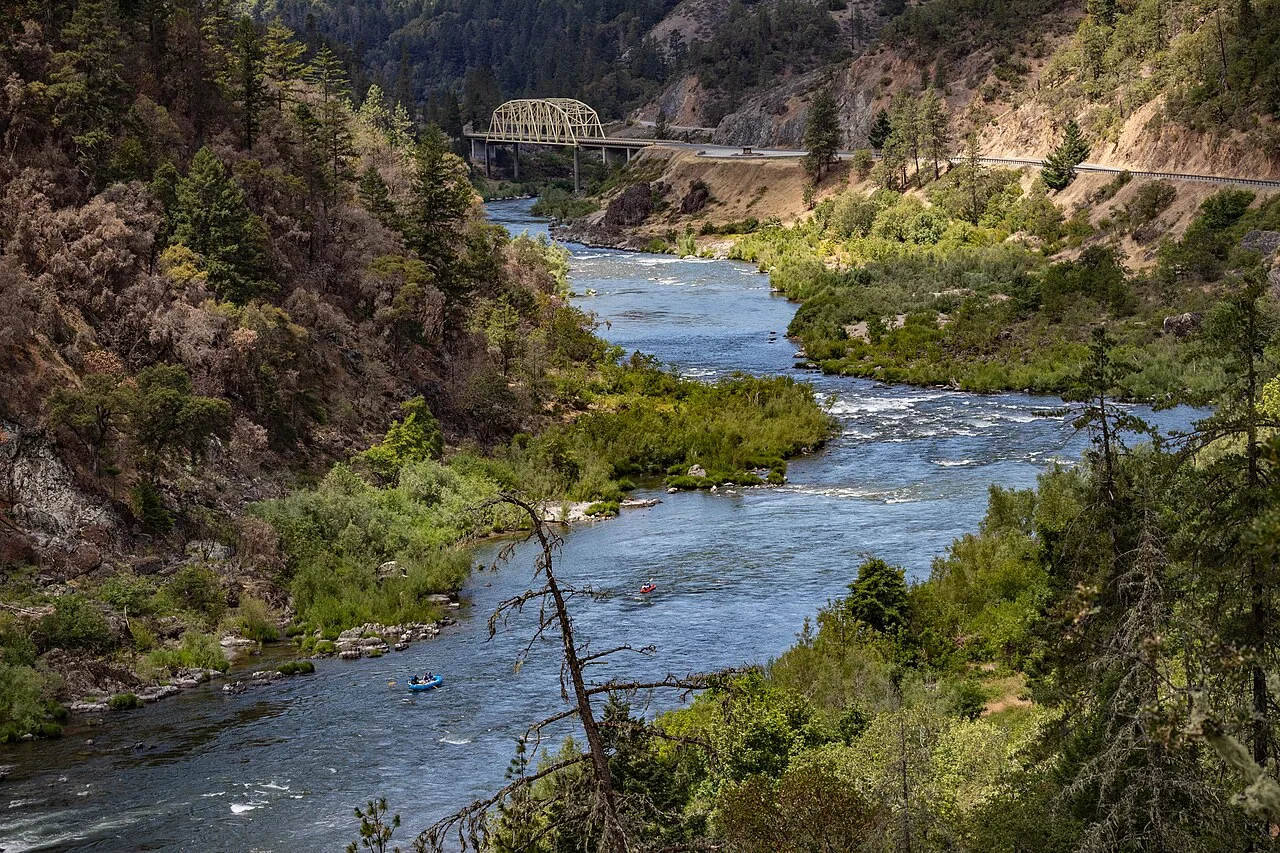
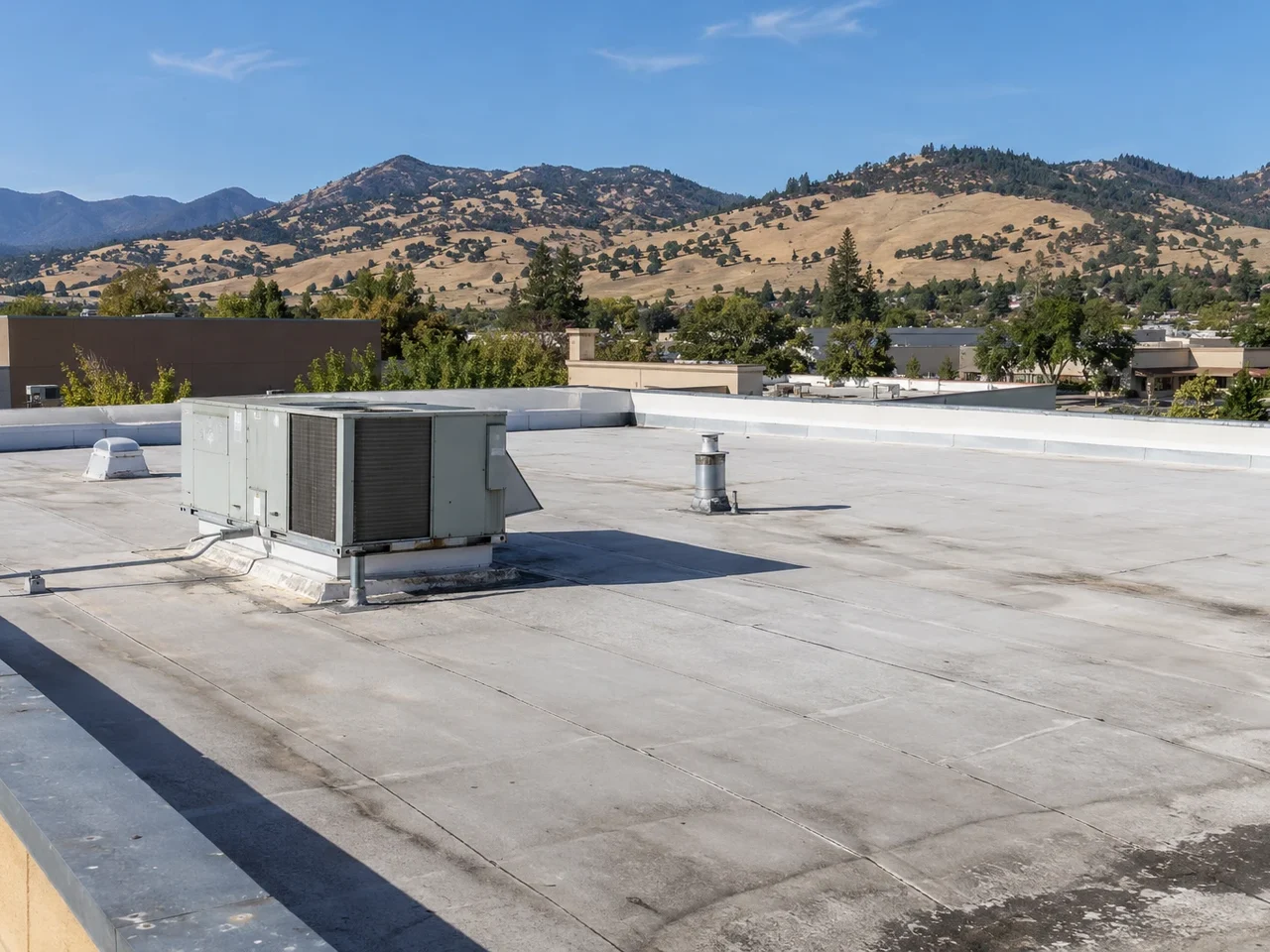
The Rogue Valley sun is the same over a ghost town as over a shopping center. Medford, OR averages 61 afternoons reaching 90 F, 11 reaching 100 F, with a 115 F record, and a small building with little shade takes that heat at full strength. Light, thin roofing materials expand and contract with every day's swing, and joints, fasteners and sealants pay for it.
Smoke adds a second concern. Medford counted 26 smoke days in 2021, after wildfire in 2020 destroyed roughly 2,600 Jackson County homes. For a historic structure made of old materials, ember exposure is the larger risk. Clearing needles and debris from roof valleys and gutters, keeping brush back from the building and sealing gaps at the eaves are the steps that reduce it, and they cost little compared with the building they protect.
Fire preparation is a roofing question as much as a landscaping one. Embers collect where debris lies, and the fire damage we repair after a loss usually began at a corner full of needles. A yearly clear-out of valleys, eaves and the space behind trim costs a morning and removes the fuel a spark needs.
Reaching a remote site
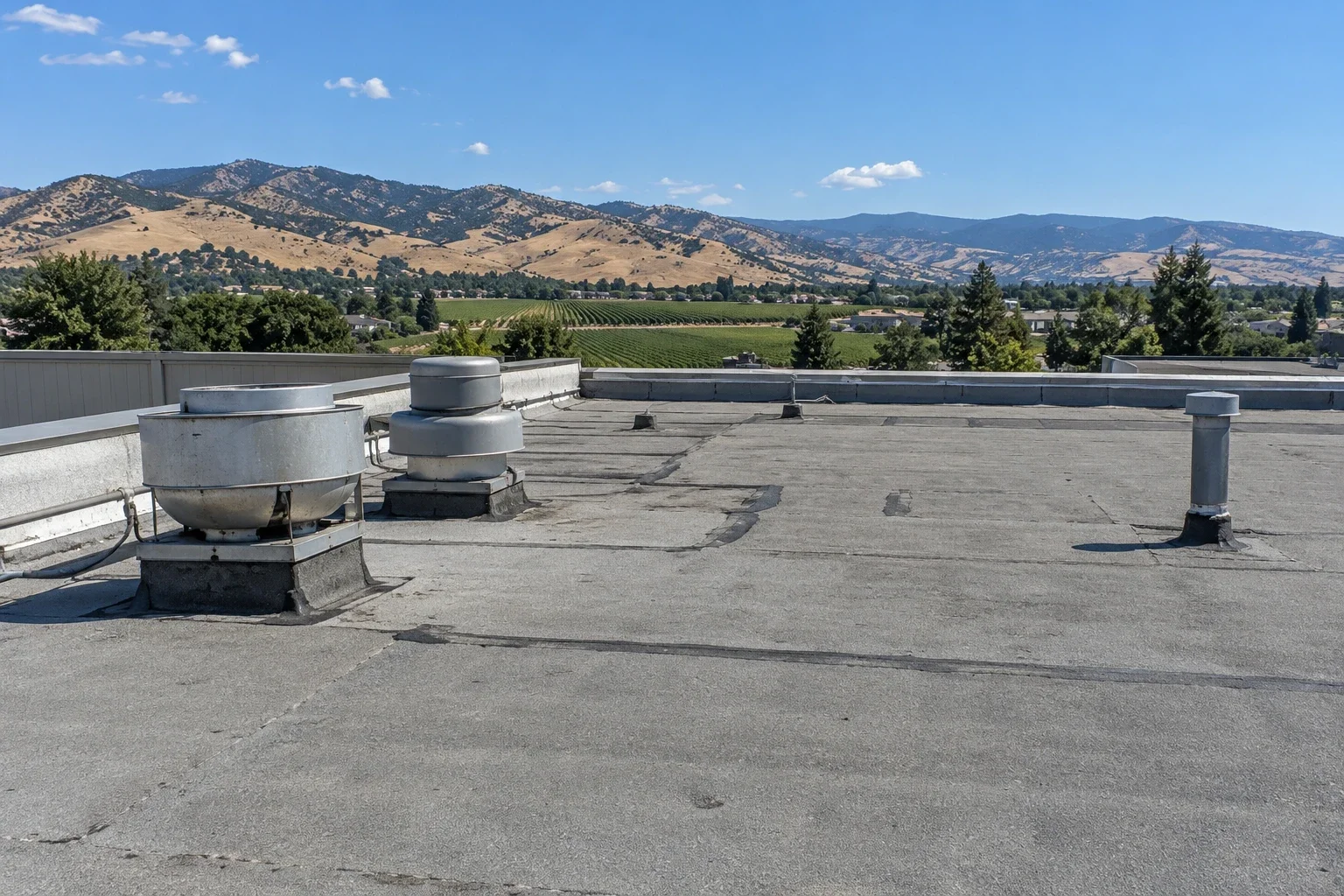
A remote site means a longer drive, narrower access and limited staging for materials, and the plan accounts for all three. We group the visit with others in the area to share travel, show mobilization as its own line and stage materials where a truck can reach. For a roof that cannot be seen from a road, we confirm access with the owner before the crew arrives.
A visit to Medford or Jacksonville offers a natural pairing, since the gold that founded Buncom was found at Jacksonville. Jacksonville's historic district, a National Historic Landmark covering over 100 buildings, raises the same question of how to roof old structures with respect, and the same crew can handle both.
Weather can turn during a working day, and a crew arriving on a clear morning may meet fog or wind by afternoon. We schedule remote work for stable days and keep a closing plan ready, so any area opened for inspection or repair is covered by evening and the building is never left exposed.
Matching the old look with a durable roof
Historic roofs raise a tension between appearance and performance. A roof that looks right for the period may not shed water or resist sparks as well as a modern system. The options run from period-appropriate materials installed with modern underlayment and flashing, to a hidden modern membrane under a decorative surface. We lay them out with their cost, life and fire performance, so the owner or committee can choose with the tradeoffs visible.
Edge details and flashing are where old and new meet, and they decide whether the roof leaks. We pay special attention to the eave, the ridge and any chimney or vent, because those are the joints that fail first. Where the building will be visited by the public, safe access and clean drainage away from walkways matter as well.
Fasteners are a quiet decision. Stainless or coated fasteners last longer than plain steel in a roof that will not be touched for years, and they do not stain old materials. We specify them for any historic roof, even though the cost is slightly higher, since a rust streak down a wall is a permanent mark and a rotted nailing line a hidden one.
Planning for the next roof from the day the last one goes on
The best time to plan a replacement is on the first day of the previous roof's life. We record the materials, the installation date, the details and the warranty, if any, and set a target year for the next inspection milestone. When funds are raised in small amounts, knowing the likely year of replacement lets the group save toward it.
The same discipline suits a small commercial owner anywhere in the valley. A capital plan with one line per building, a grade and a replacement year turns the roof from a worry into a schedule. For emergencies, the emergency roof repair line stays open every hour of the year, so a leak found at dusk is dried in the same night.
Records matter beyond the roof. A dated file with photographs of each repair supports insurance claims, grant requests and the handover to the next group of volunteers, who will inherit the building and need to know what was done and when.
Send the building list, roof ages and leak tickets
Related Roofing Pages

Questions About Buncom
Can you work on a roof with historic status?
We plan the work around the review rules that apply and choose methods and materials that suit them. Owners usually need approval for visible changes, and we prepare drawings and samples for that purpose.
How often should a small historic roof be inspected?
Twice a year is a sound baseline, with an extra look after any smoke event or storm. Small leaks stay small when they are found early.
Is a volunteer group able to afford a proper roof program?
Often, with planning. A short spring and fall visit costs little, repairs are done on the spot and the larger items are priced for the next fundraising cycle.
What is the biggest risk to an old roof in this valley?
Heat and embers. The sun dries and splits materials, and embers find debris and gaps. Cleaning, tightening and clearing brush address both.
Do you take photographs for grant applications?
We provide dated, labeled photographs with each report, so the condition and the work done are clear to a reviewer.