
Manufacturing Plant Roofing in Medford, OR
Manufacturing plant roofing in Medford, OR: exhaust, process heat and triple-digit sun on one roof, graded for service life and timed to plant shutdowns.
Overview
A manufacturing plant roof in Medford, OR carries the valley's sun and the plant's own weather. The sun is the usual burden: 61 afternoons beyond 90 F in a typical year, with 115 F on record. The plant adds hot exhaust, process vapor, heavy equipment and a steady stream of maintenance visits that wear paths into the membrane. Both loads draw on the same UV budget and the same remaining service life, and a roof that was graded for the sun alone can age faster than the reserve schedule assumed.
For a property manager, the useful discipline is to grade the roof for what it actually carries, and to plan the work around the plant's shutdown calendar and not the roofer's.

The building and its roof
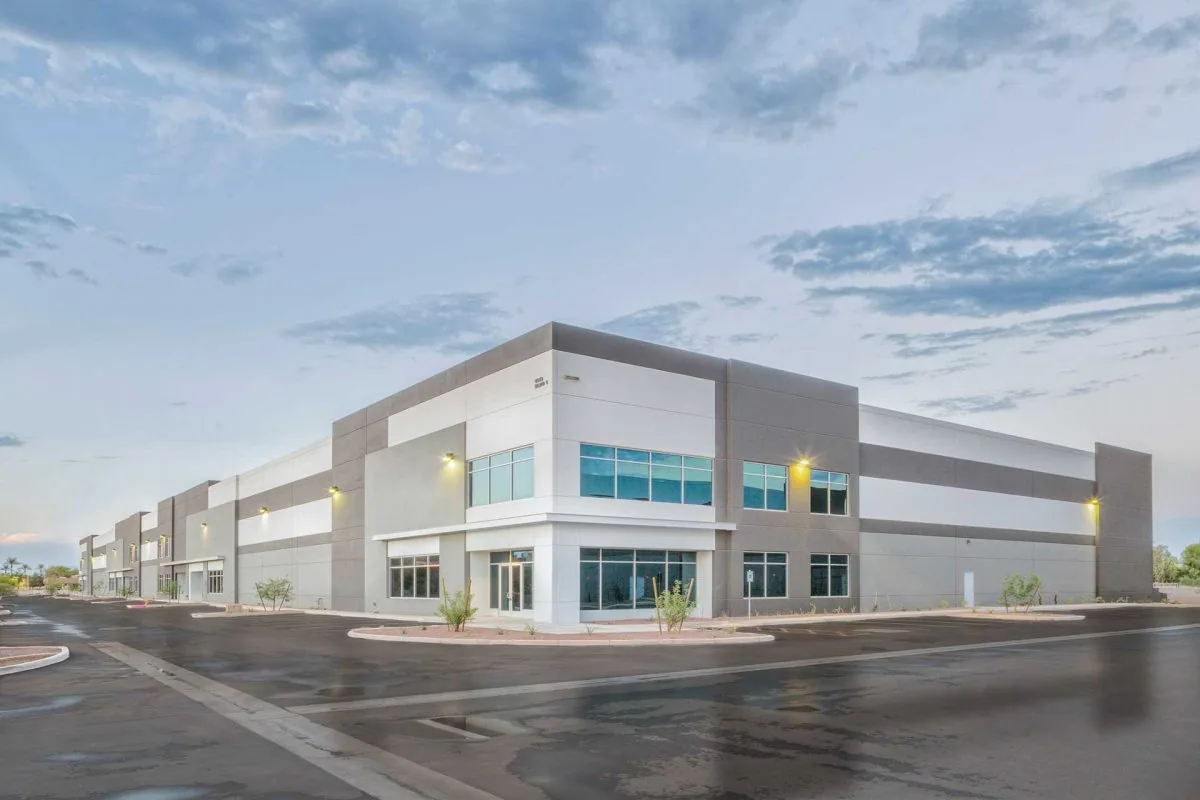
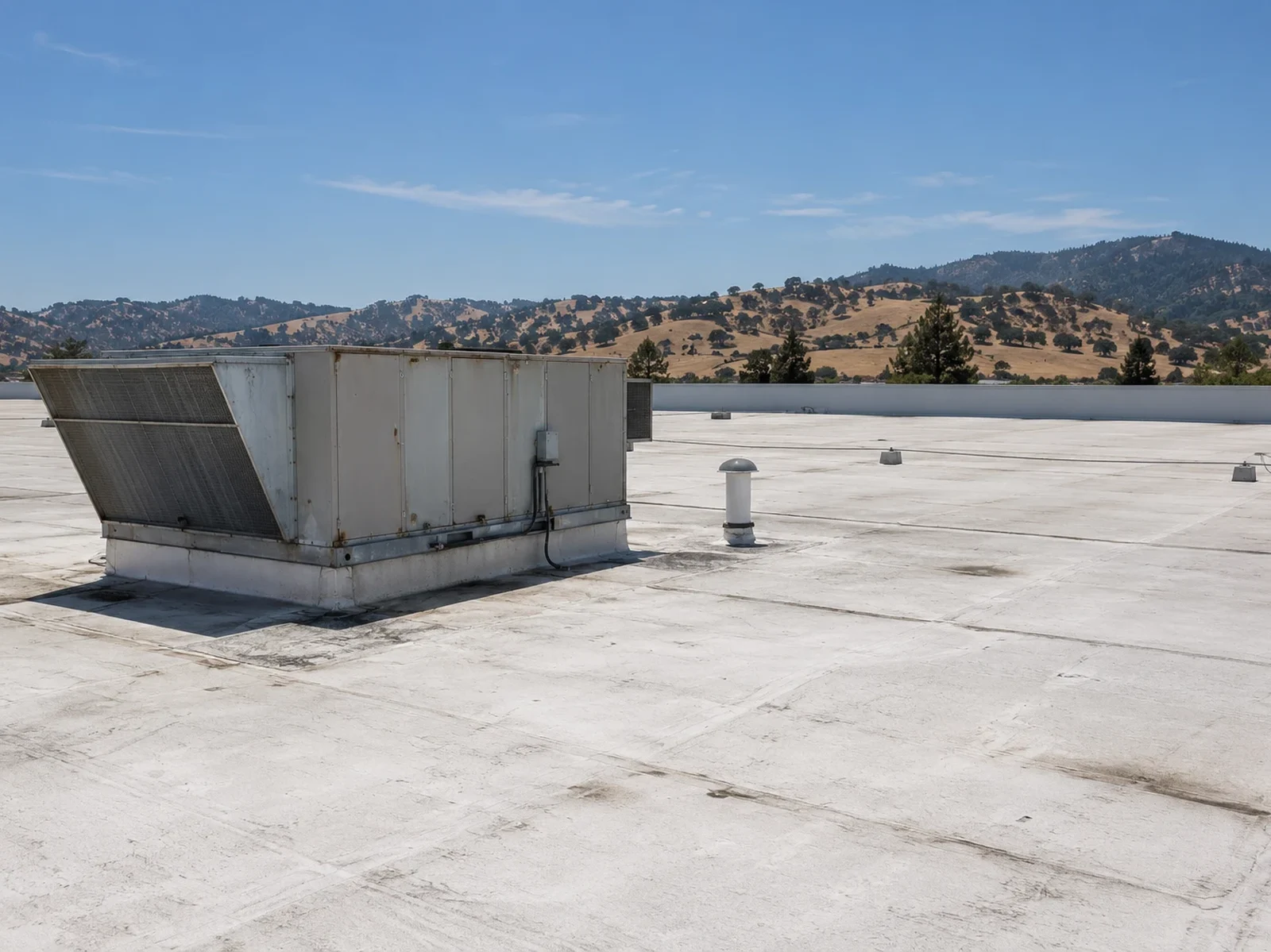
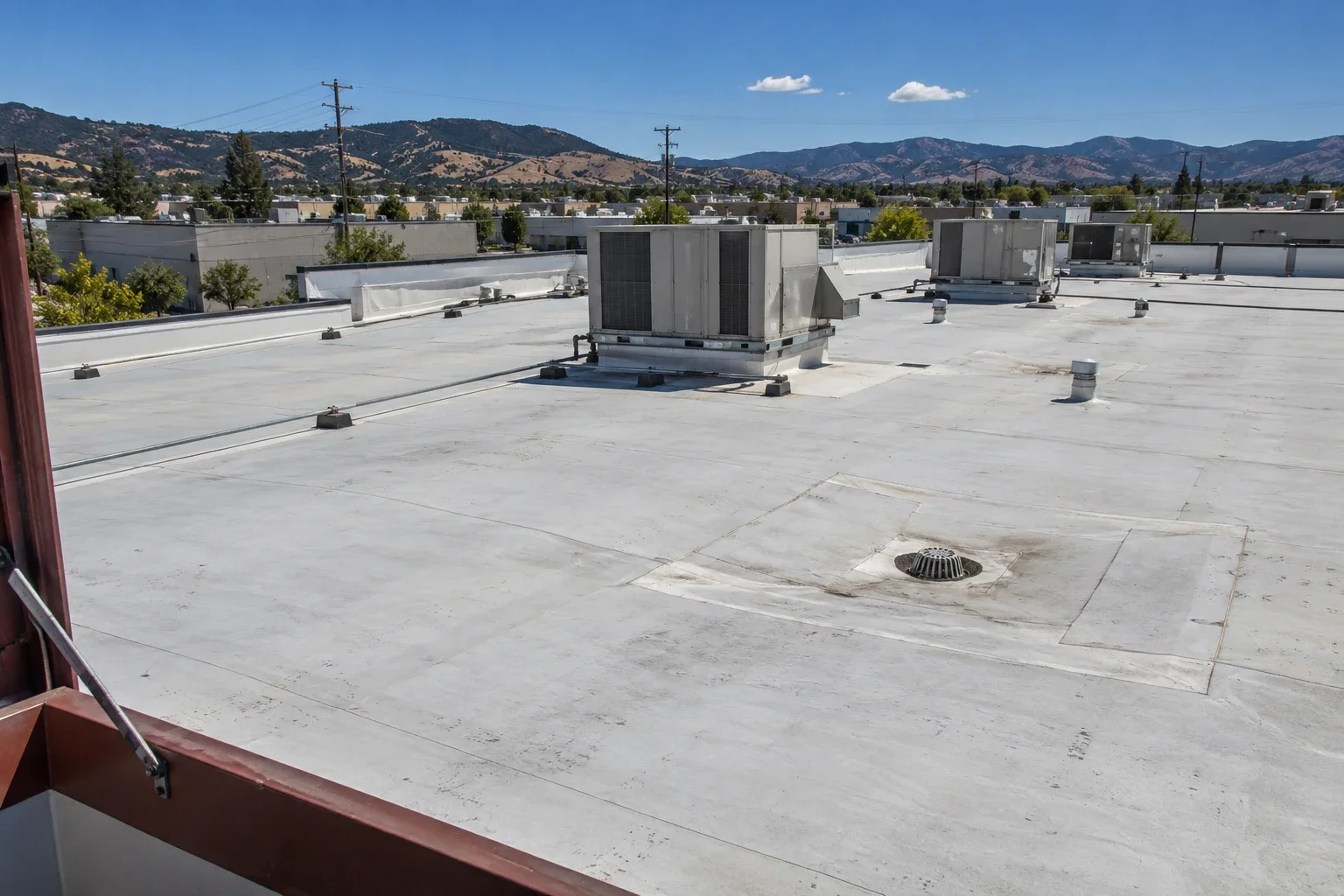
Plant roofs vary more than warehouse roofs. A production hall may have tall mechanical penetrations, dust collectors, cooling towers, exhaust stacks and rooftop units on curbs, with walkways between them. Jackson County's principal industries include healthcare, agriculture, lumber, manufacturing and tourism, and plant roofs in the region follow those industries.
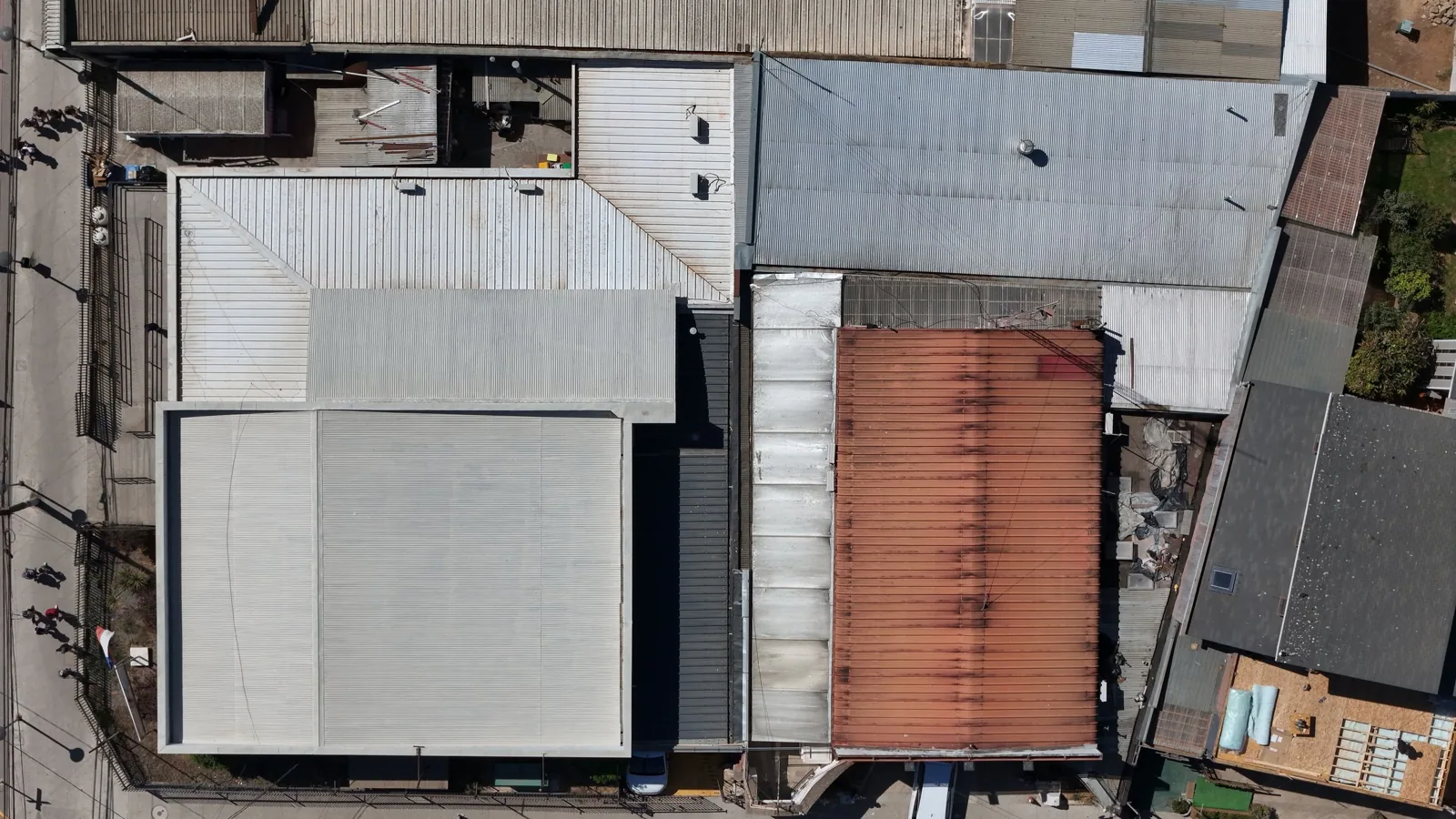
Harry and David's Medford site, the largest employer in Southern Oregon, pairs orchards with manufacturing and distribution buildings. The 26-acre Phoenix Industrial Park, zoned heavy industrial and rail-served, and employers in Central Point such as Knife River Materials belong to the same industrial picture. Compared with a plain warehouse or a distribution center, a plant roof has more penetrations and more variety. What any roof carries stays an open question until the walk. We walk it, map every penetration and record the exhaust sources before recommending a system.

Heat, exhaust and the UV budget
Process exhaust raises the surface temperature around a stack far above the roof average, and grease, oil or chemical vapor works on the membrane at the same time. The sun does its work across the whole field. Together they shorten the service life of a standard sheet, and the damage shows up as stiffened, discolored or softened membrane in a ring around each discharge point.
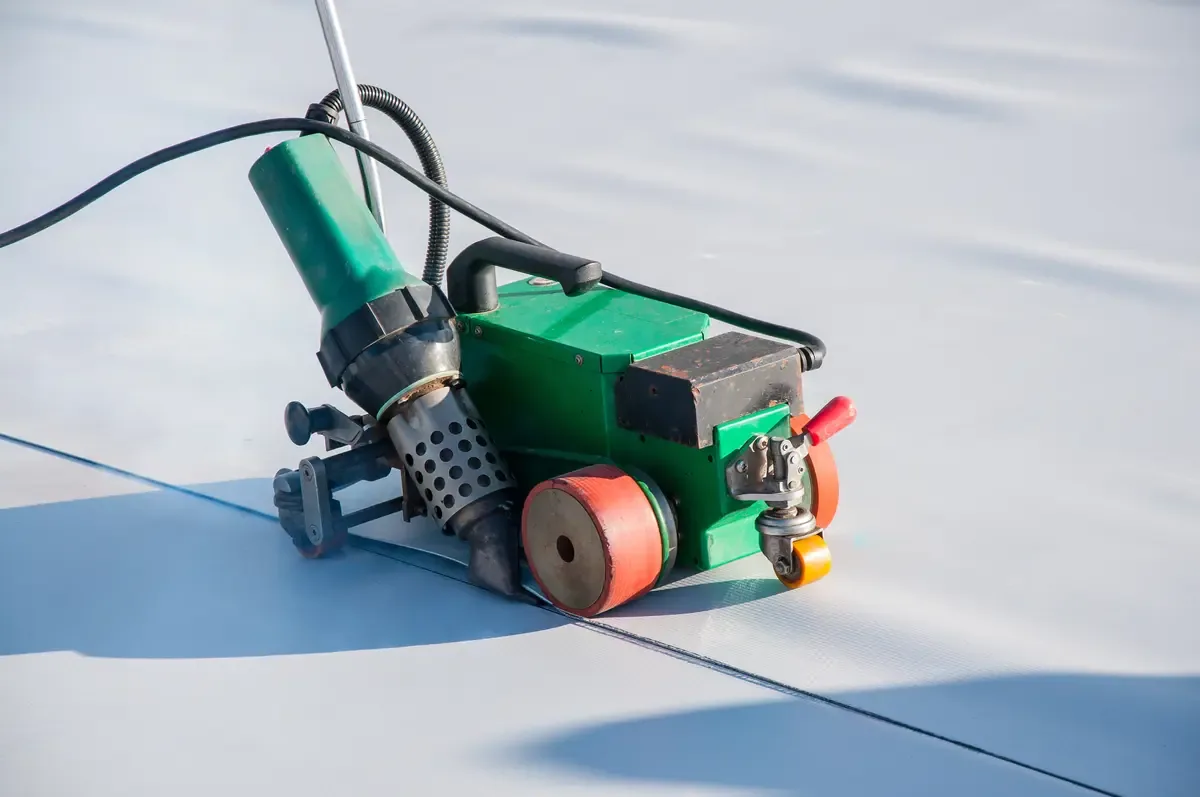
We map those rings on the roof plan and grade each zone separately. Where the exposure is heavy, PVC or KEE is worth pricing. Where it is light, a welded TPO may be enough. The condition grade records the zones, the discharge types, the reflectance of the field and the weld condition, and the remaining service life follows.
Maintenance routes matter. Technicians walk the same paths every week, and a worn path becomes a trough where water stands. We add walkway pads along service routes, replace them when they wear and list them in the register. A pad costs little against a patch repeated every spring.

Smoke season, filters and ember exposure
The next year brought Medford 26 smoke days, after the 2020 fires destroyed about 2,600 homes in Jackson County. For a plant, smoke is a production issue as well as a roof issue. Rooftop intake filters load with soot, sensitive air handling, where a plant runs it, can be disrupted, and ash on the roof can be drawn into the building when units run.
After smoke events we clear the surface, wash soot, replace roof-mounted filters and check drains and edges for ember damage. Before fire season we remove debris, check penetrations and confirm that exhaust discharge is clear of combustible material. The owner report records each step, which matters to an insurer. A plant with combustible dust or hot work on site has its own rules, and we follow them.

Valley floor versus foothill and rail-served parks
Industrial plants cluster where rail and highway meet. The Phoenix Industrial Park is served by the Central Oregon and Pacific Railroad beside Highway 99, with Interstate 5 less than a mile away, and the White City Industrial Park receives freight on the Rogue Valley Terminal Railroad at the junction of Oregon Routes 62 and 140.
Heavier snow reaches plants at foothill elevations, where Prospect averages about 20.9 inches a year and has recorded minus 12 F, against 3.4 inches on the valley floor. A plant with a long-span roof at elevation needs a snow load review, drift thinking at equipment and drain protection from freezing. The register notes elevation for each building.

System choice for a plant roof
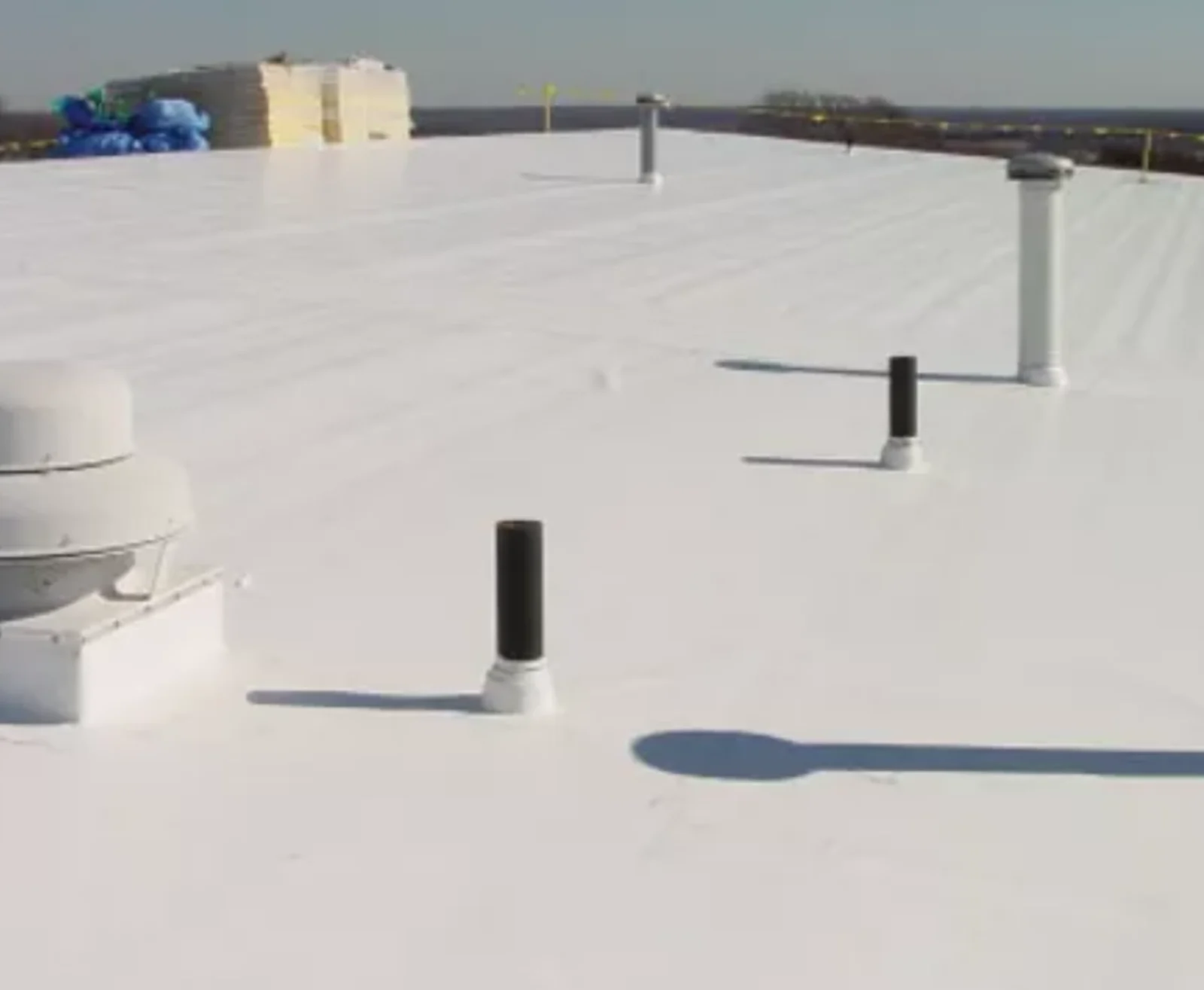
The choice follows exposure, traffic and structure. Heavy foot traffic favors a thicker membrane or a layered modified bitumen system with walkway pads along service routes. Heavy exhaust favors PVC or KEE. Sound, dry roofs may take a silicone coating that defers replacement. Insulation and cover board are set by the energy code and the plant's thermal needs.
Penetration detail is the other lever. A plant roof may have dozens of curbs and pipe supports, and each is a leak path. We count them from the mechanical schedule, price flashing replacements as a line and recommend consolidating or capping abandoned ones. A tidy roof is easier to inspect and cheaper to maintain.

Reserve schedule, code and plant-shutdown timing
A plant's roof work belongs in its shutdown calendar. A tear-off during production exposes equipment and workers to dust, noise and the risk of an open roof. A planned shutdown week gives the crew a clear deck and the plant a protected interior. We ask for the calendar early and book against it, and we hold a make-up week for weather.
The reserve schedule gets a date, a cost range and a condition grade. A replacement is checked against Oregon's 2025 Structural Specialty Code, drawn from the 2024 International Building Code and mandatory since April 1, 2026. A recover or a coating can defer the work, and the register shows the carrying cost of waiting.
Shutdown windows are short, so preparation carries the schedule. Materials are ordered after field measurement, the deck is checked and repaired ahead of the membrane, and rooftop equipment is disconnected and reset by the plant's own trades in a planned order. We write that sequence into the scope, with the hours each trade needs, and the property manager can see where the critical path runs.

Work window and operations below
The spring work window gives moderate temperatures and dry decks. In summer the crew starts at dawn and stops once the deck climbs out of range. Over operating space, we section the roof, protect equipment with catch layers and close each section by dark. Hot work gets a fire plan, and rooftop equipment shutdowns are coordinated with the plant.
At closeout we walk the roof with the property manager, photograph drains, curbs and flashings and file the warranty. The register gets a new grade, and our preventive maintenance visits carry the record forward each spring.
Quality control on a plant roof includes test welds, thickness readings and photographs, with a water test at drains and low spots as an alternate where a leak would be costly. The record goes to the owner with the warranty, so a later claim starts from facts.

Send the building list and shutdown calendar

Related Roofing Pages

Questions About Manufacturing Plant Roofing
Can the plant keep running during a reroof?
Often, with sectioned work and catch layers. Heavy dust or hot-work areas may need a shutdown.
What membrane suits heavy exhaust?
PVC or KEE, depending on the exposure. We map the discharge zones before recommending.
Does smoke affect plant air handling?
It loads rooftop filters. We replace them after heavy smoke weeks.
How do abandoned curbs get handled?
We recommend removing or capping them. Each is a leak path.
When should reroofing be scheduled?
In a planned shutdown, ahead of fire season. We book against the plant's calendar.