
Roofing Support for Insurance Adjusters and Restoration Firms in Medford, OR
In Medford, OR, roof scopes, moisture maps and permanent repairs help adjusters and restoration firms settle wildfire, wind and water losses.
Overview
After the September 2020 Almeda and Obenchain fires, Jackson County's commercial roofs entered a different claims world. About 2,600 homes were destroyed, Phoenix lost 561 of them, Talent lost roughly a third of the town, including about 100 commercial buildings in early counts, and the smoke that followed pushed Medford to 26 smoke days in 2021. For adjusters and restoration firms working in Medford, OR, a valley roof can carry damage that looks like age: ember pitting that reads as weathering, soot that reads as dirt, and heat checking that reads as an old seam. Separating the loss from the wear is the job.
We support that job on the roof. We document, measure, map moisture, stabilize and repair, and we write findings in terms an adjuster can apply to a policy and a restoration contractor can price.
Our roof insurance claim assistance serves policyholders directly, while this work serves the professionals who handle many files at once and need each roof report to read the same way.
Documentation an adjuster can use
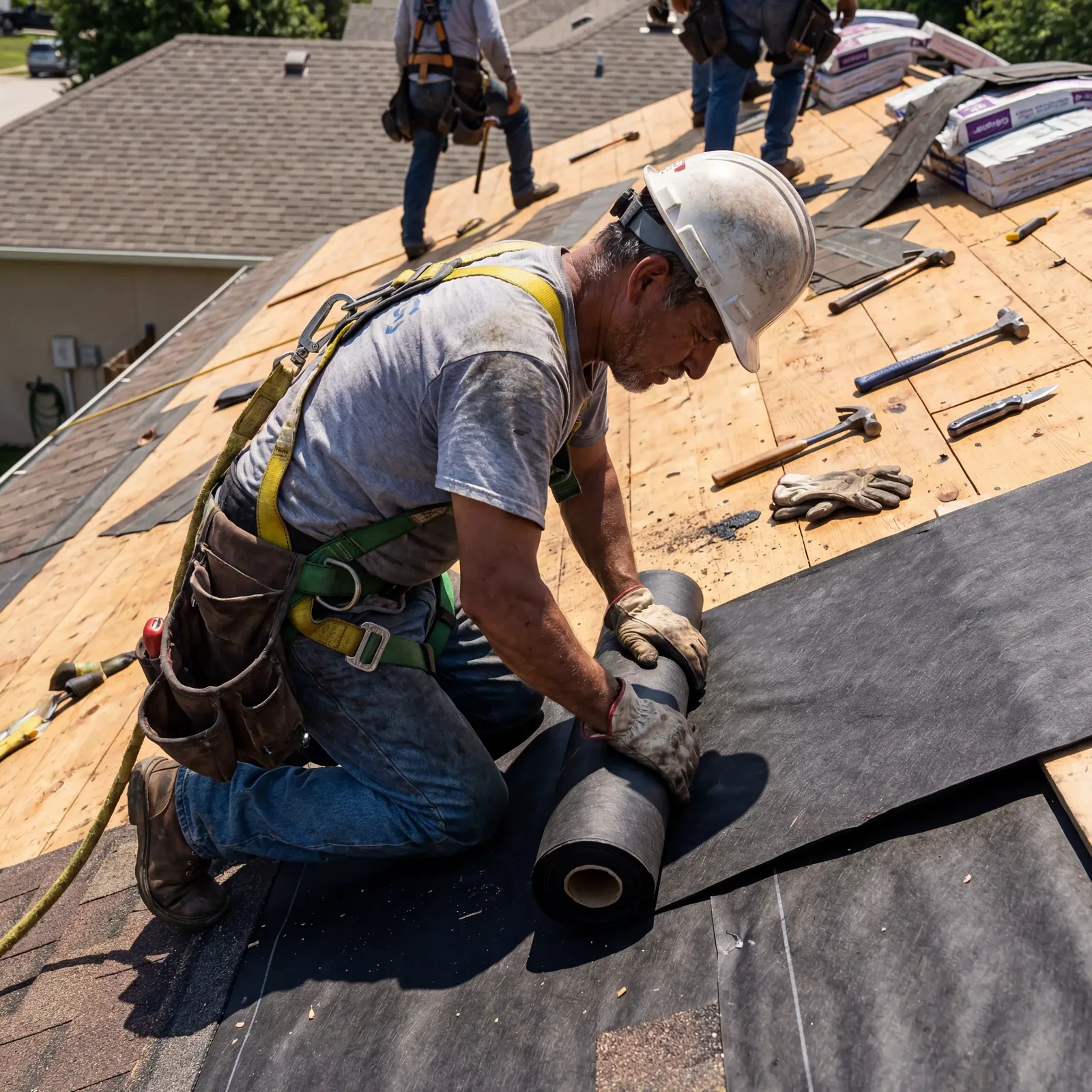
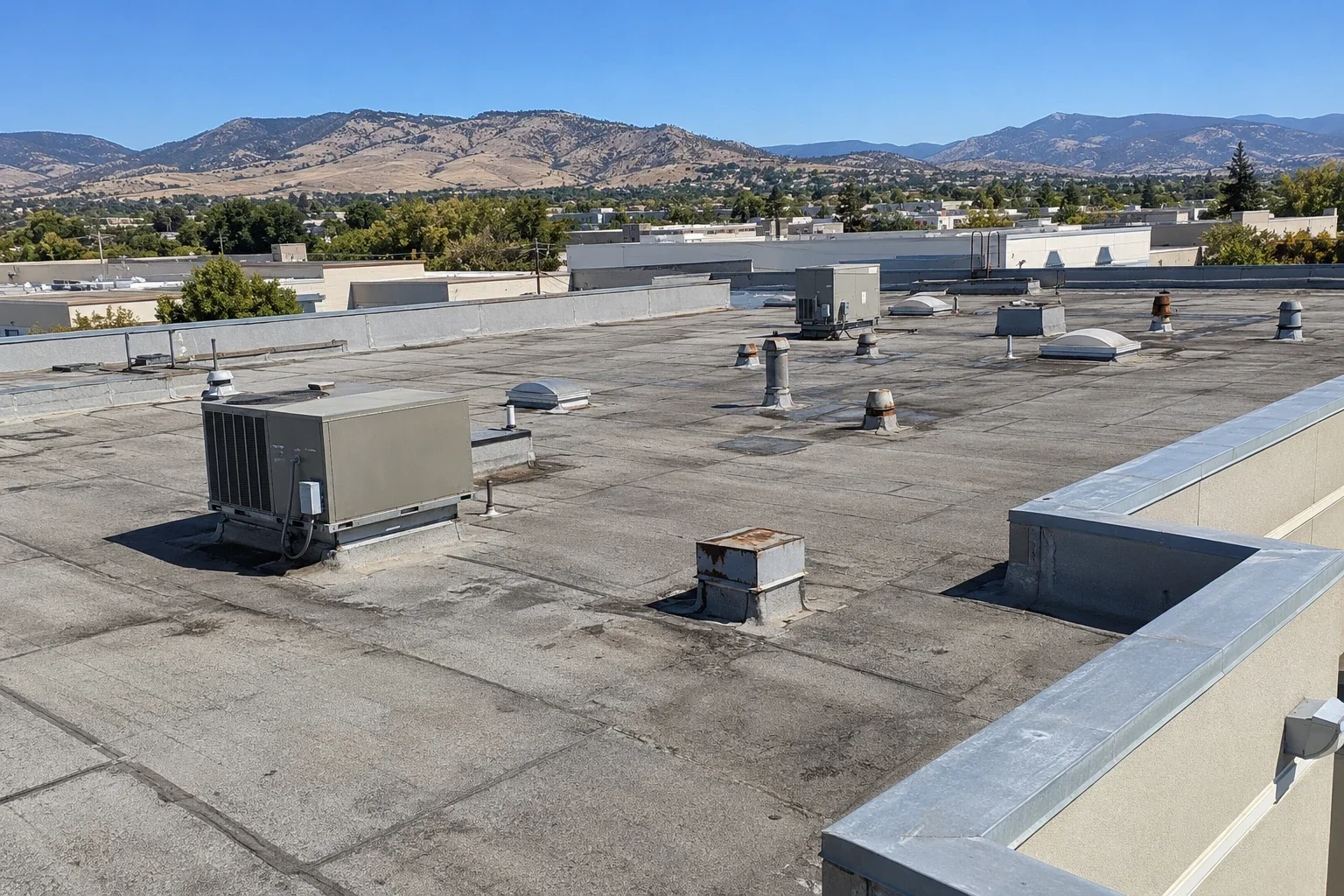
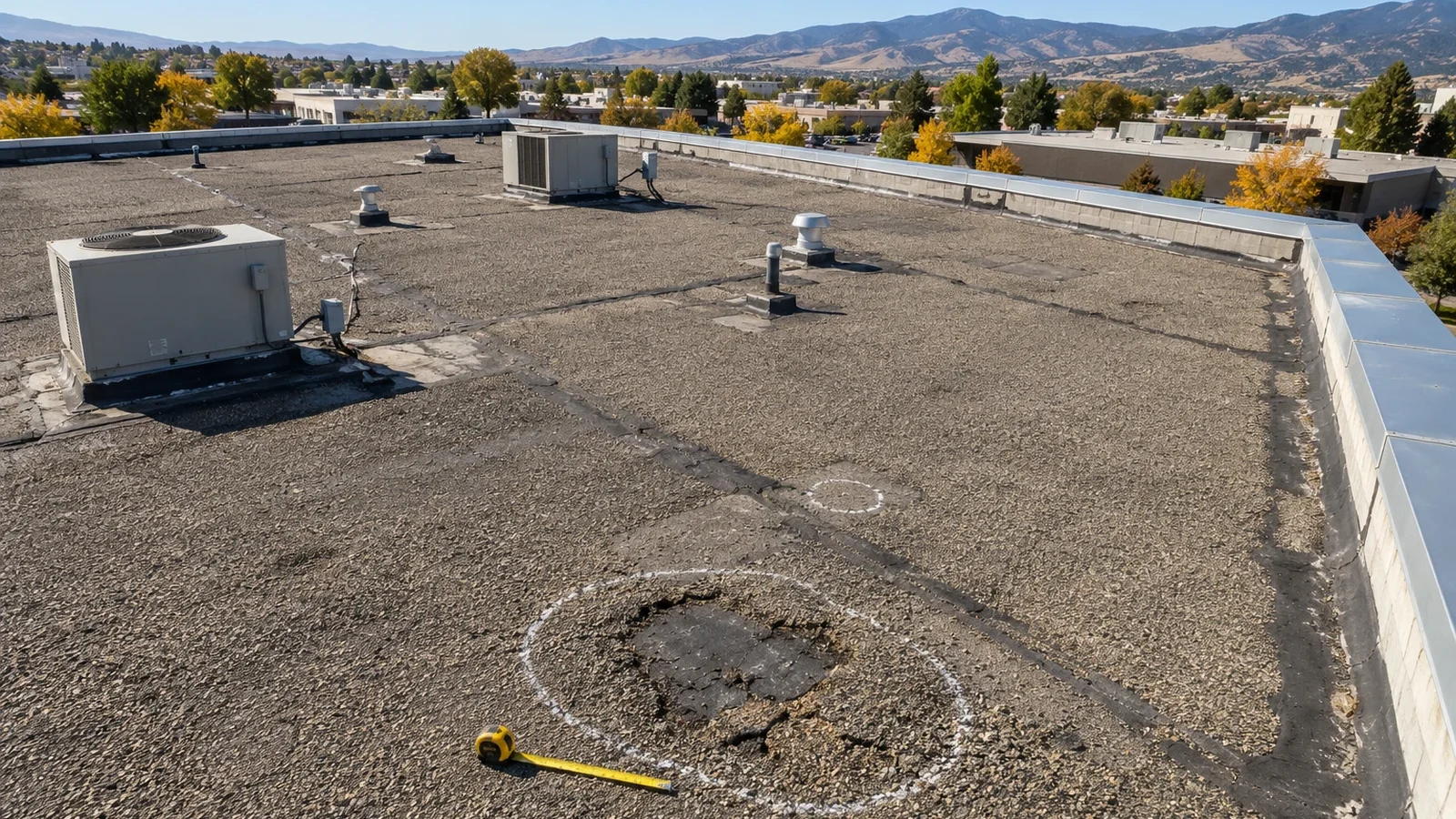
The first deliverable is a dated field record. We photograph each roof area with a scale reference, tie every image to a location on a roof plan, and describe each defect by type: puncture, split seam, lifted edge, ember pit, scorch, soot film, granule loss, ponding stain. Findings are labeled as event related, wear related or unclear, with reasons.
Where water has entered, we map the wet area with infrared and confirm with core samples, so the scope of insulation and decking replacement is measured and not guessed. That map, with before-and-after photographs, is the exhibit that holds up when a carrier or a policyholder disputes the extent of loss. The roof condition report format we use stays the same on every file, which makes review faster.
Chain of custody matters when samples are taken. Core cuts are labeled with location and date, photographed in place and in hand, and patched the same day with a note on the roof plan. If a laboratory test is needed to identify contamination, we hand the sample over with the log.
Fire, ember and smoke losses
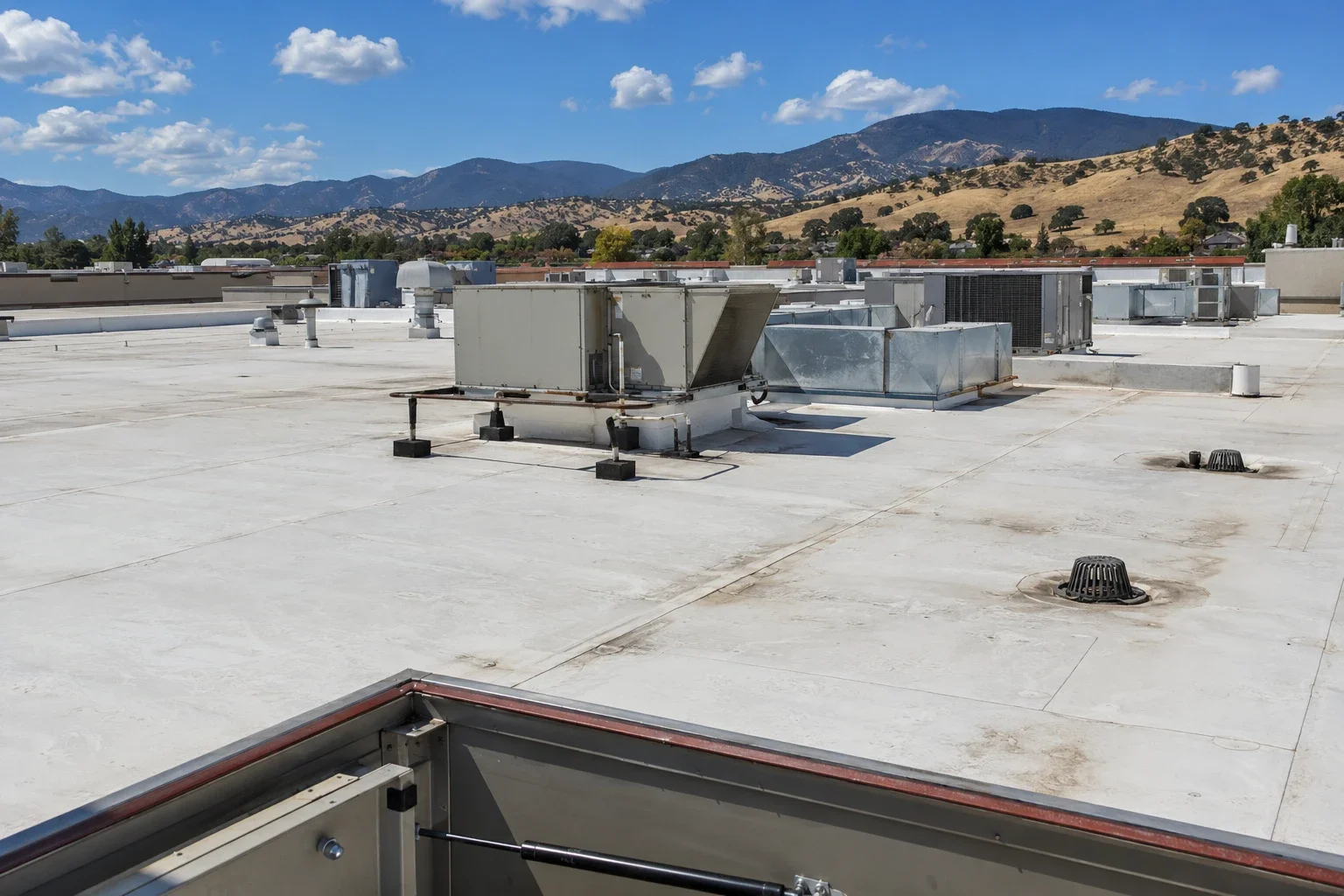
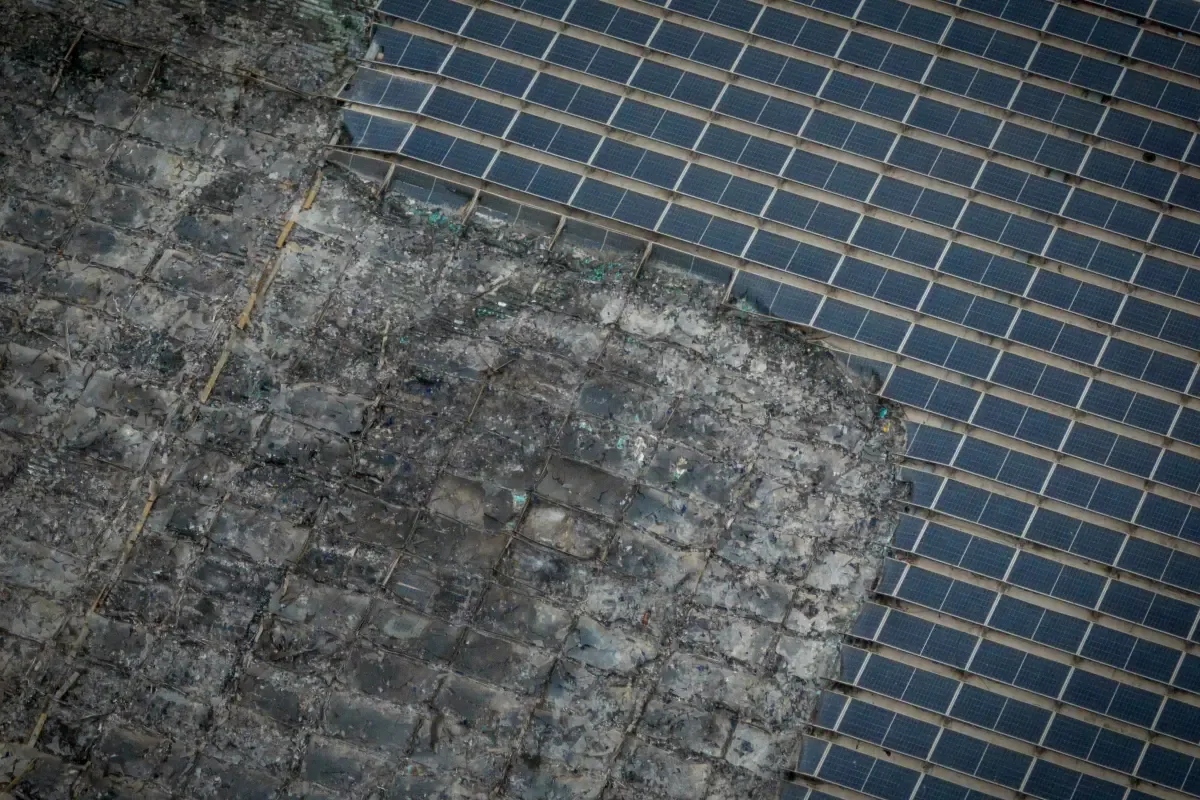
Wildfire losses differ from storm losses in character. Embers lodge in corners, behind parapets and under equipment, where they can burn through a membrane without a visible flame. Radiant heat can distort metal edges and blister coatings on buildings that never burned. Smoke leaves soot on surfaces and loads rooftop filters. The fire damage roof repair scope therefore starts with a close look at details, not just the field of the roof.
The rebuild picture matters to scope as well. In Phoenix, the city reported about half of the 561 destroyed homes rebuilt and occupied, and Talent lost about 100 commercial buildings in early counts. A commercial roof elsewhere in the valley can still have been exposed to heat and ash when the building itself survived, and we check for it.
Reflective surfaces deserve a note. Soot on a white membrane is a cleaning item, not necessarily a replacement item, and we measure whether washing restores the surface before recommending more. Where ash has mixed with residue and bonded to the sheet, we test a small area first so the carrier sees what cleaning can and cannot accomplish.

Wind, water and the winter events
Not every loss is fire. The valley receives about 18.4 inches of precipitation a year, so the water events that do occur tend to find roofs that have dried and stiffened. A wind event lifts edges that heat had already loosened, and a heavy rain finds seams that have open laps. Winter inversion fog and about 64 freezing mornings add moisture cycling that makes small openings worse.
For these losses, our wind damage roof repair and storm assessments record the pattern of damage: direction, location and extent. Directional patterns help establish cause. We also note pre-existing conditions that the event aggravated, since a clean separation protects the policyholder and keeps the settlement defensible.
Debris-impact claims require a careful eye: punctures from branches or flying material look different from foot-traffic damage, and we photograph the roof around them to show where the object came from. The distinction affects how the file is coded.
Emergency mitigation and the restoration handoff
Speed limits further loss. We tarp, patch, clear drains and photograph the temporary work the same day when access allows, and our emergency roof repair line is staffed all week, holidays included. The temporary work is documented and priced separately so it can be reimbursed as mitigation.
Restoration contractors working interiors need to know when the roof is secure. We tell them in writing: what was opened, what was closed, what remains temporary and when the permanent repair is scheduled. That handoff keeps drying equipment from running under a roof that is still open, and it keeps the interior restoration estimate tied to a real status of the envelope.
Occupants are part of mitigation. When tenants must be moved or contents covered, we alert the property manager at once and note it in the file, so the interior estimate follows the same timeline as the roof.
Weather windows govern the permanent work. Spring and early fall suit most membranes, and a smoke event can pause outdoor tasks for days; we report those delays with the air quality record so the file explains why the schedule moved.
Permanent repair to a written scope
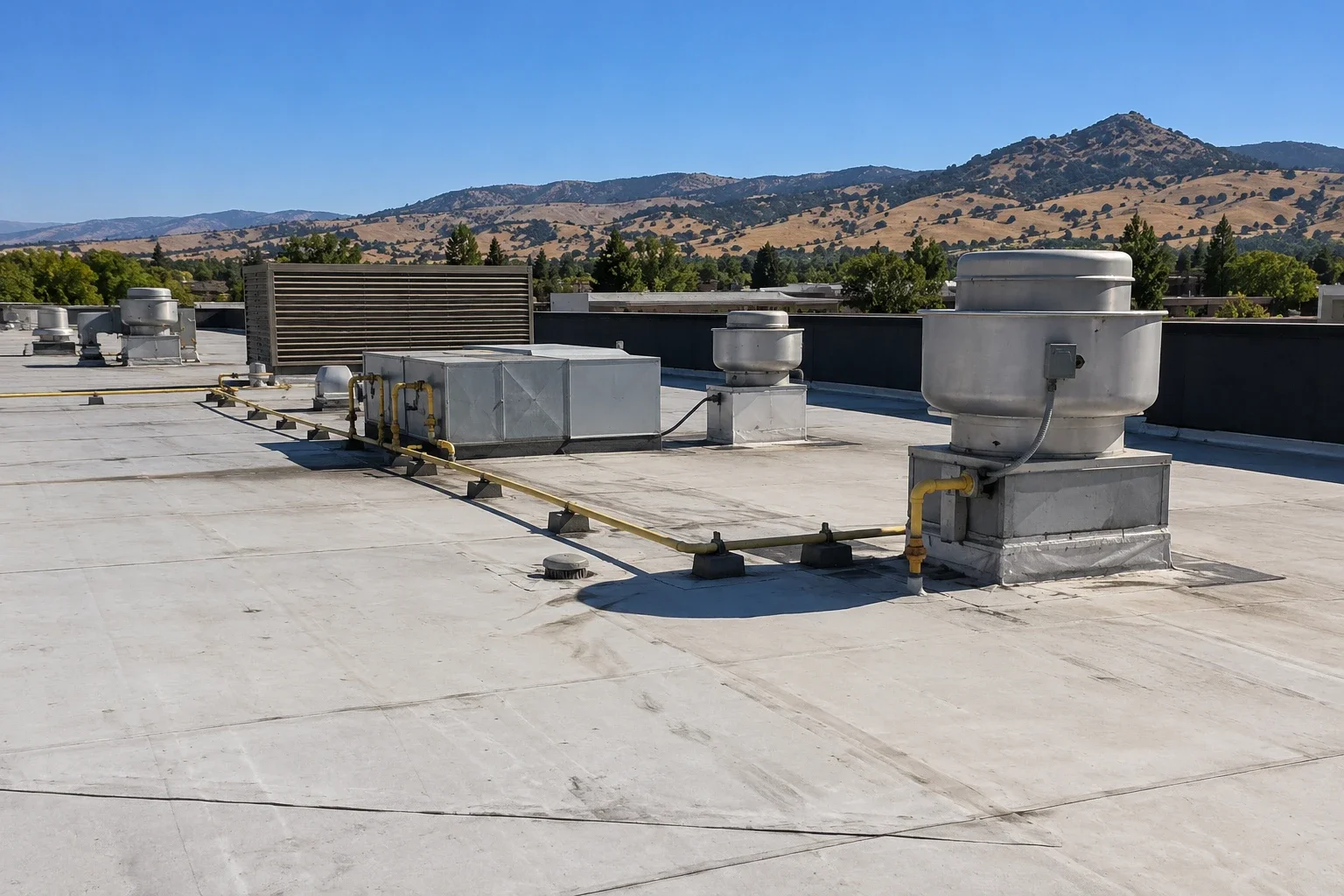
Once the carrier approves, we repair to the written scope, with photographs at each hidden layer and a supplement if concealed damage appears. We do not begin work that destroys evidence before the adjuster has had the chance to see it. Materials are matched to the existing system where practical, and code or manufacturer requirements that call for upgrades are stated plainly; some repairs trigger current provisions of the state structural code.
Completed work is reported with final photographs, a description of what was done and a note of any warranty effect. For property managers who stand between the carrier and the owner, the property management side receives the same documents in a form they can forward unchanged.
Supplements are written with the evidence attached. If decking proves rotted or insulation proves saturated once the membrane is lifted, the photographs are taken before material is removed, the quantities are measured and the price is stated per unit, so the adjuster can approve the change quickly rather than reopen the whole estimate.

Send the claim number and the loss location

Related Roofing Pages


Questions About Roofing Support for Insurance Adjusters and Restoration Firms
Can you meet an adjuster on the roof?
Yes. We schedule the walk, bring the photographs and the moisture map, and explain each item. Disagreements are easier to resolve with the roof underfoot.
Do you write estimates in the carrier's format?
We itemize labor, materials, equipment and access, and we can organize lines to match a carrier's estimating platform. The line items remain ours; the layout adapts.
How do you tell hail or wind damage from age?
By pattern. Event damage follows direction and has fresh fracture surfaces, while age shows as uniform wear. We photograph both and label each.
What if a fire-exposed roof looks fine?
It may not be. Ember pits, heat-distorted edges and soot-loaded surfaces can hide under normal-looking membrane. We inspect details and test suspect areas before the file is closed.
Who coordinates with the general contractor on larger losses?
We do, through a single point of contact, and the general contractor receives our schedule, scope and dry-in status so interior work is sequenced properly.