
Roofing for Hotel Owners and Hospitality Groups in Medford, OR
Roof planning for hotels, inns and hospitality groups in Medford, OR and Ashland: off-season work windows, guest-room protection and historic-building rules.

Overview
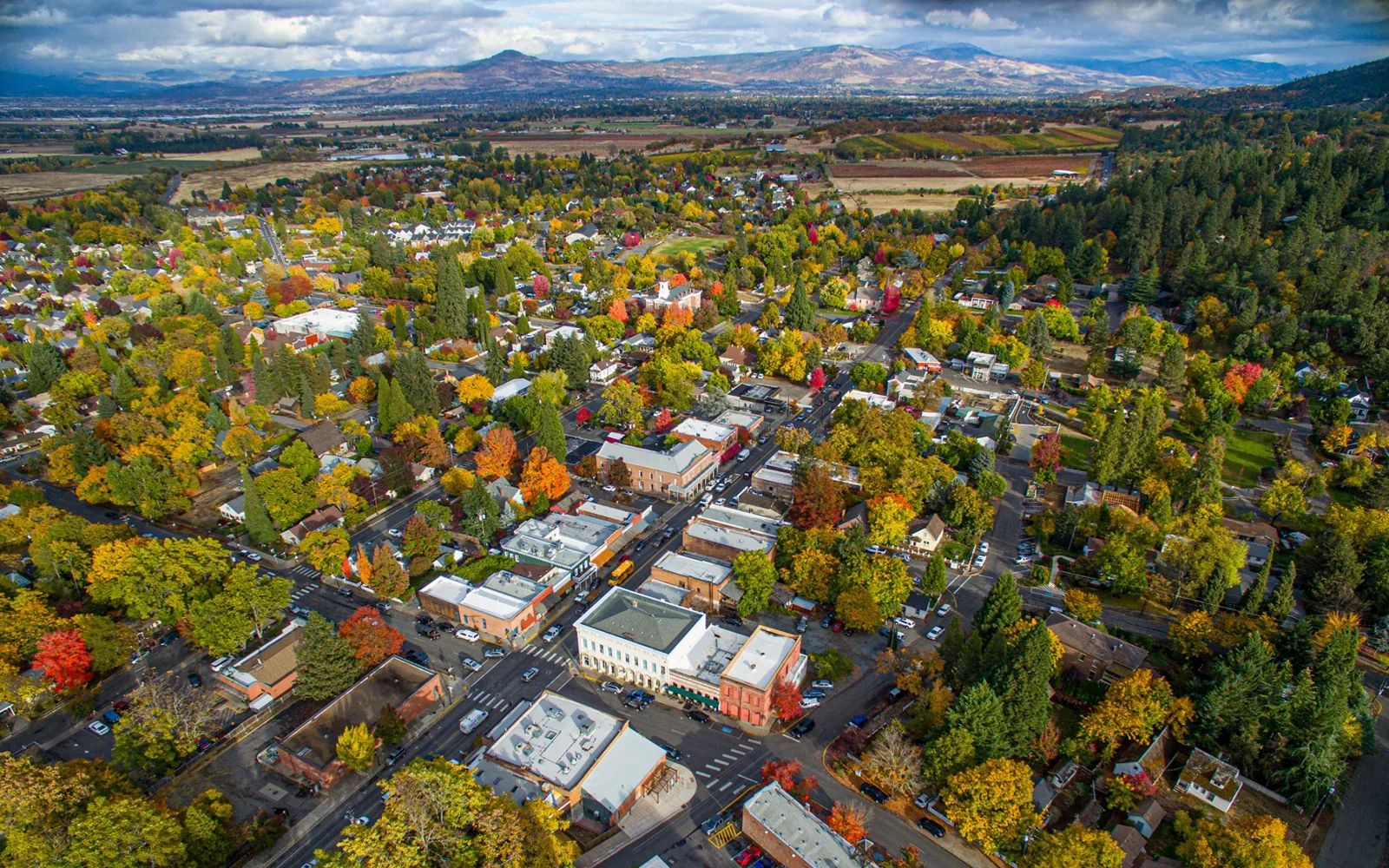
A hotel sells the night before it fixes the roof, and the valley's tourism calendar tells an owner exactly how few nights can be spared. The Oregon Shakespeare Festival in Ashland runs from February to October across three theaters, the Britt Festival draws summer crowds to Jacksonville, and rafting and fishing keep Shady Cove busy in warm months. For lodging owners in Medford, OR and the towns around it, the quiet season is short, and it falls just when winter inversion fog and cold mornings make roofing slower. July is unkind to membranes as well: about 61 days above 90 F, including 11 above 100 F mean the roof has aged a measurable amount by the time guests arrive.
Our hospitality work fits roof projects into the off-season and keeps the rest of the year uneventful, with a condition grade and a reserve estimate for every property so that a roof does not become a surprise in the middle of a sold-out week.

Working inside the tourism calendar
The festival season sets the pace for the south end of the valley. Lodging, restaurants and retail in Ashland fill with theater visitors for much of the year, so the practical window for a major reroof is late fall into winter, when occupancy falls and the weather is still workable. That is tighter than it sounds, since cold mornings and inversion fog can delay adhesives and coatings, and a project that slips into February collides with the festival's opening.
We therefore schedule early. Material orders go in during the summer, tear-off starts as soon as occupancy allows, and the building is dried in before the first hard freeze. For properties that cannot close at all, work moves wing by wing, with unoccupied floors, rooms away from active work and quiet hours respected. The calendar is written with the general manager before a contract is signed.
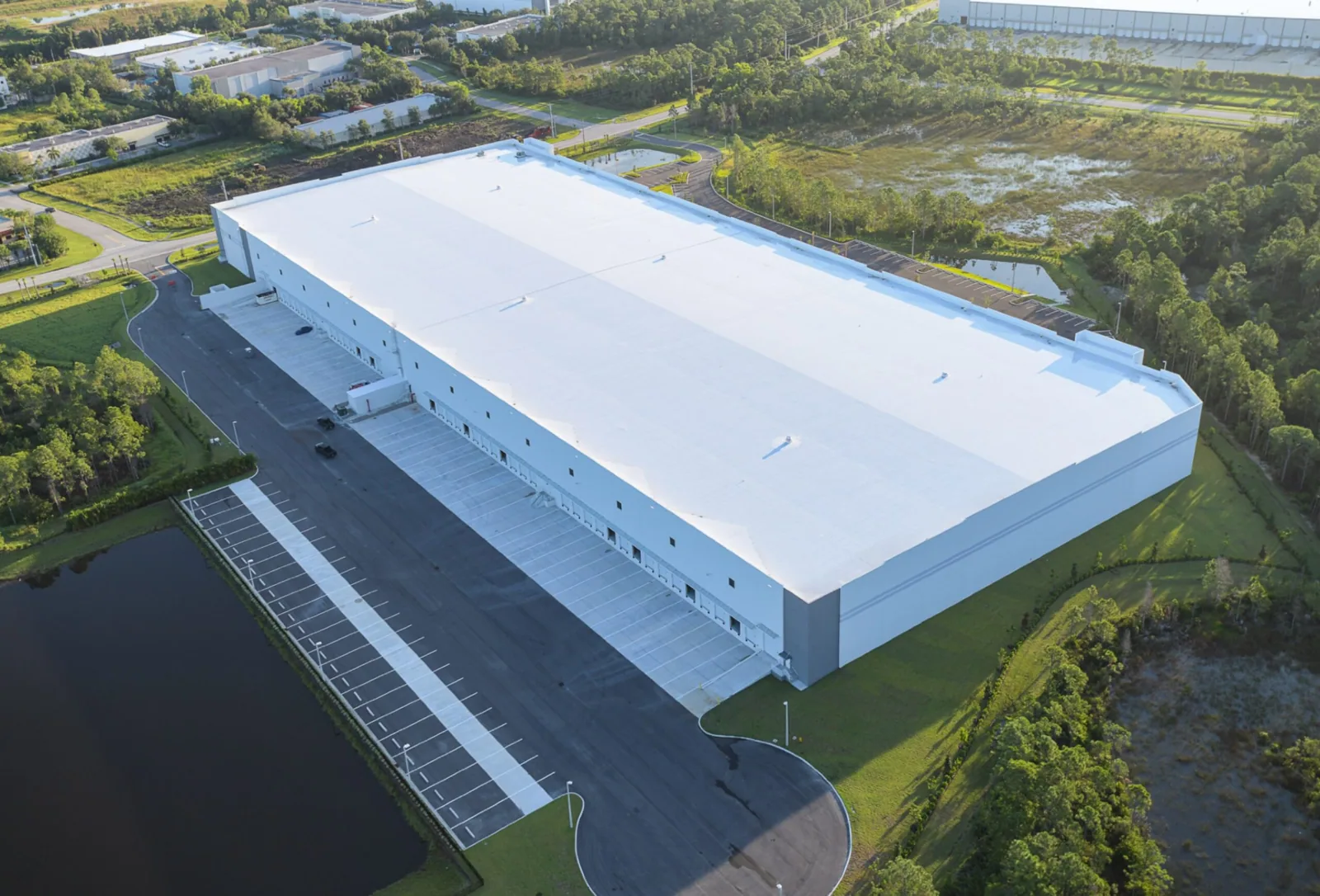
Event venues attached to lodging, such as ballrooms and amphitheater-style terraces, add rooftop equipment and large flat spans that must stay watertight on the busiest nights. We inspect them ahead of the season, before the first sold-out weekend, and record a pass or a punch list for each.
Protecting rooms, pools and common areas
Guests notice noise, odor and dust within minutes, and one bad review can outlast a repair. We place noisy steps late in the morning rather than at dawn, keep adhesives and primers away from fresh-air intakes and balconies, and protect pool decks, patios and parking areas from debris. Ceiling-mounted fixtures and fire-safety devices are checked below work areas, and occupied rooms beneath active tear-off are moved when the property can manage it.
A leak in a guest room costs a night's revenue, a replaced ceiling and sometimes a mold response, so we treat the roof over rooms differently from the roof over a laundry. Penetrations for bath fans and plumbing vents are the usual suspects, and we inspect and reseal them on every maintenance visit to keep water out of finished spaces.
Fire watch and rated assemblies matter in buildings full of sleeping guests. Torch work is avoided, cold-applied or mechanically attached systems are preferred, and any work near a smoke detector or sprinkler is coordinated with the property's engineer so alarms are not triggered by dust or fumes.

Historic inns and downtown properties
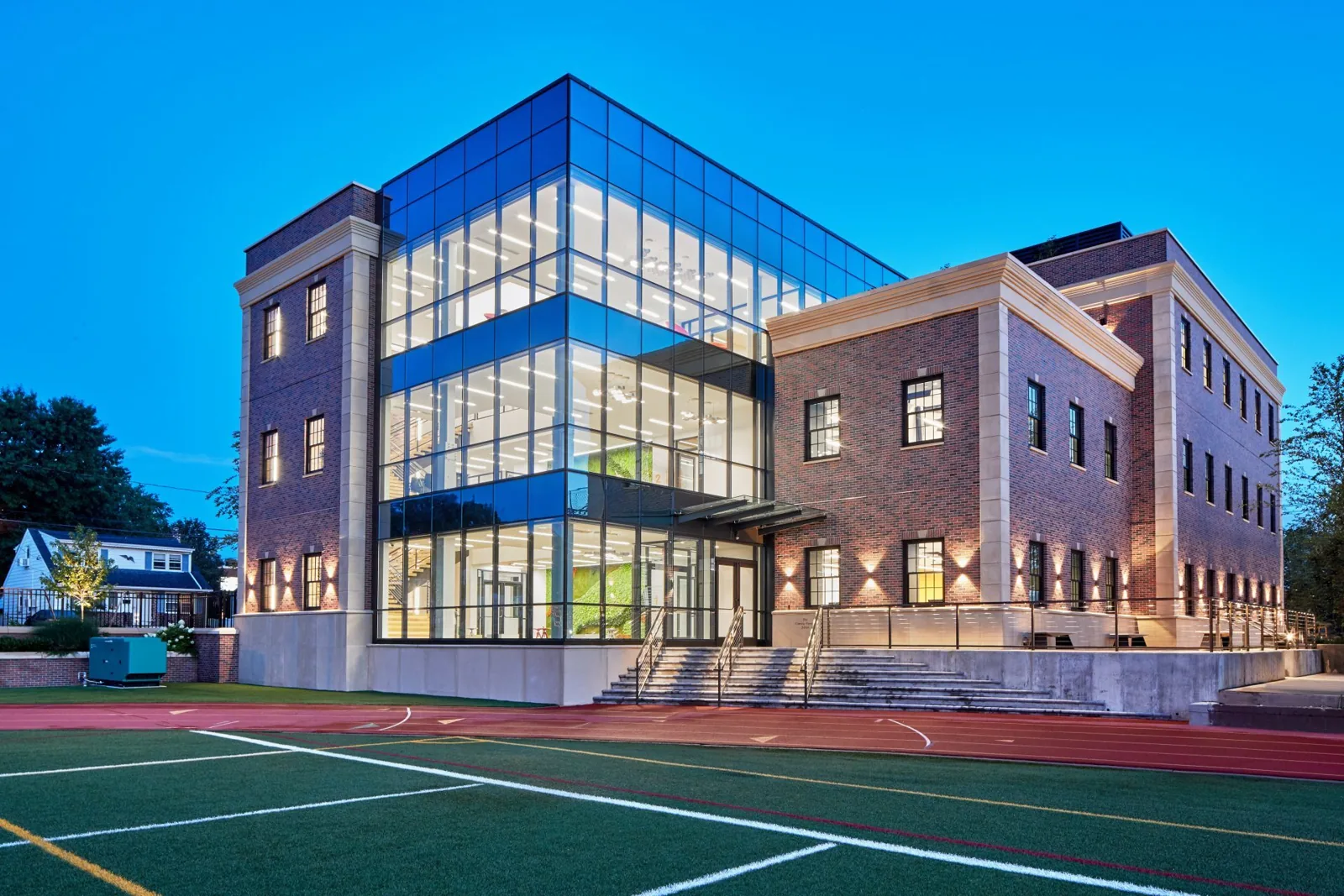
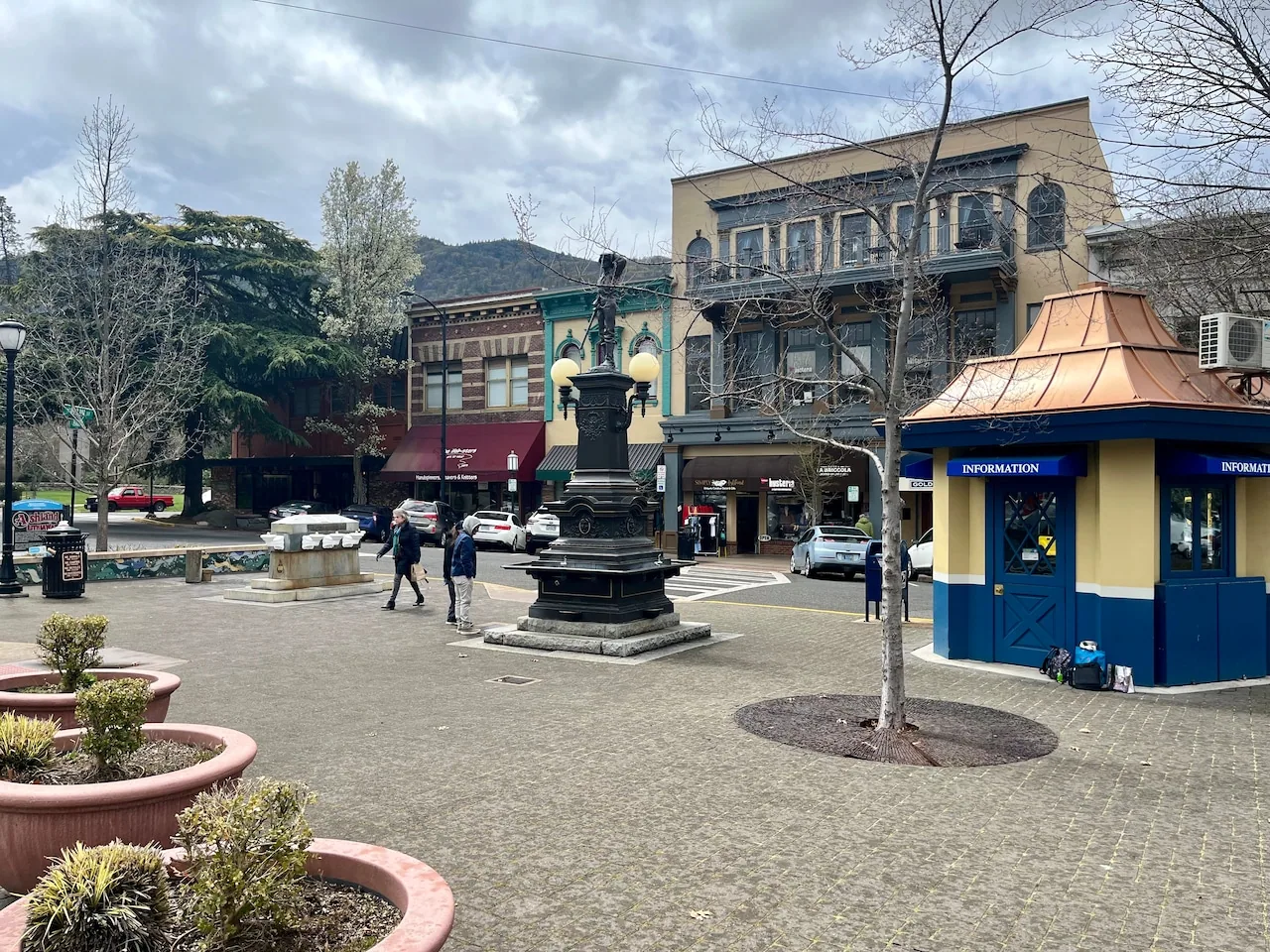
Some lodging properties in the region sit in historic settings. Ashland holds 59 individually listed historic structures and four National Register historic districts, the Jacksonville historic district is a National Historic Landmark covering over 100 buildings, and Prospect's 1892 hotel appears on the National Register of Historic Places. Roof work on such properties is shaped by review rules for visible profiles, materials and colors.
We check the rules early, match edge metal and coping where the street can see them, and favor the least visible solution when the owner has latitude. A hotel roof on a landmark street may call for a different membrane color or a restored parapet than a highway property, and the survey documents the choices so that review boards see them in advance.
Prospect, on Oregon Route 62 at about 2,605 feet, averages 20.9 inches of snow a year, so a lodging roof there needs snow-load thinking and a pitch that sheds it. The valley floor does not, and we adjust the recommendation to the elevation.
Interstate and corridor properties
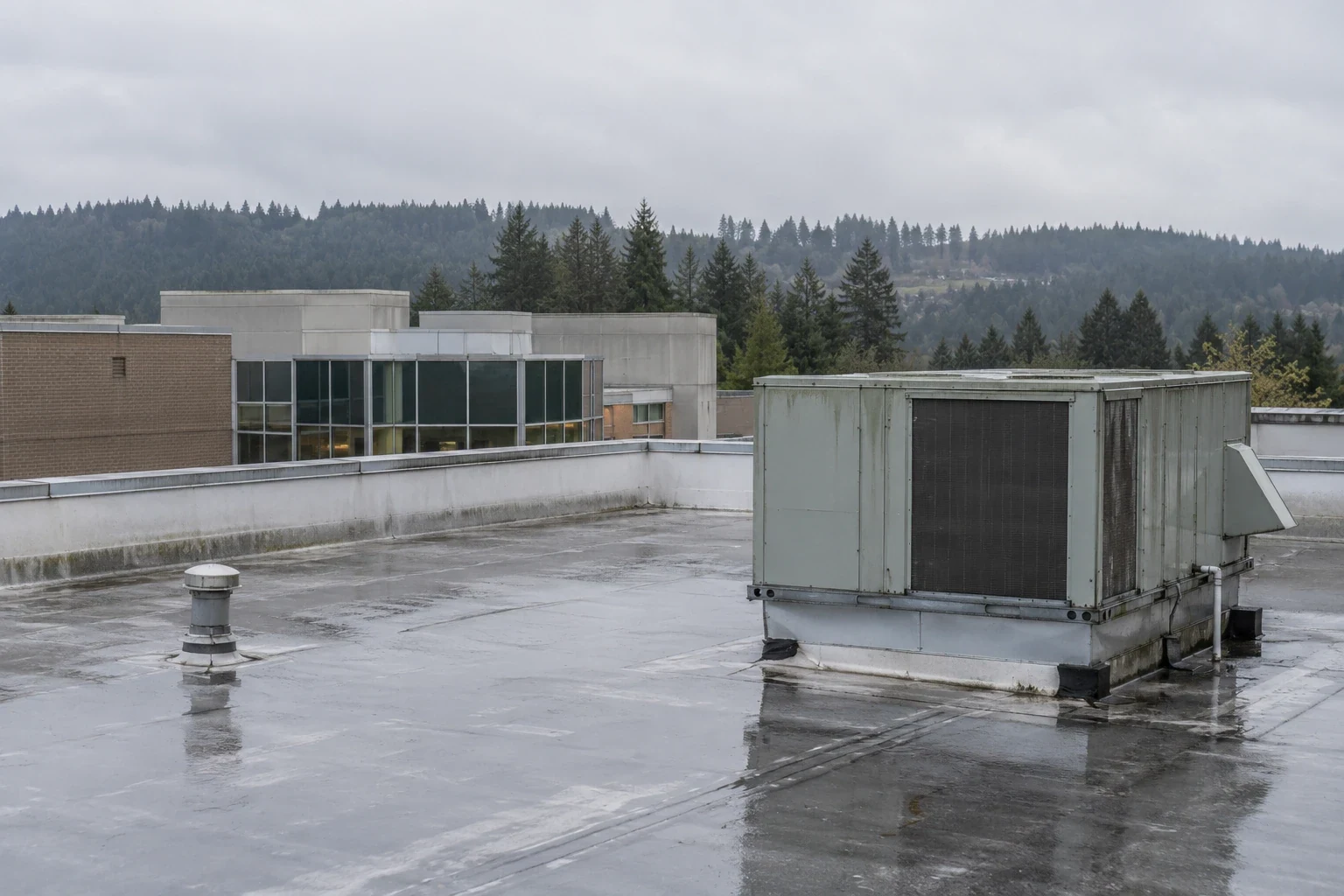
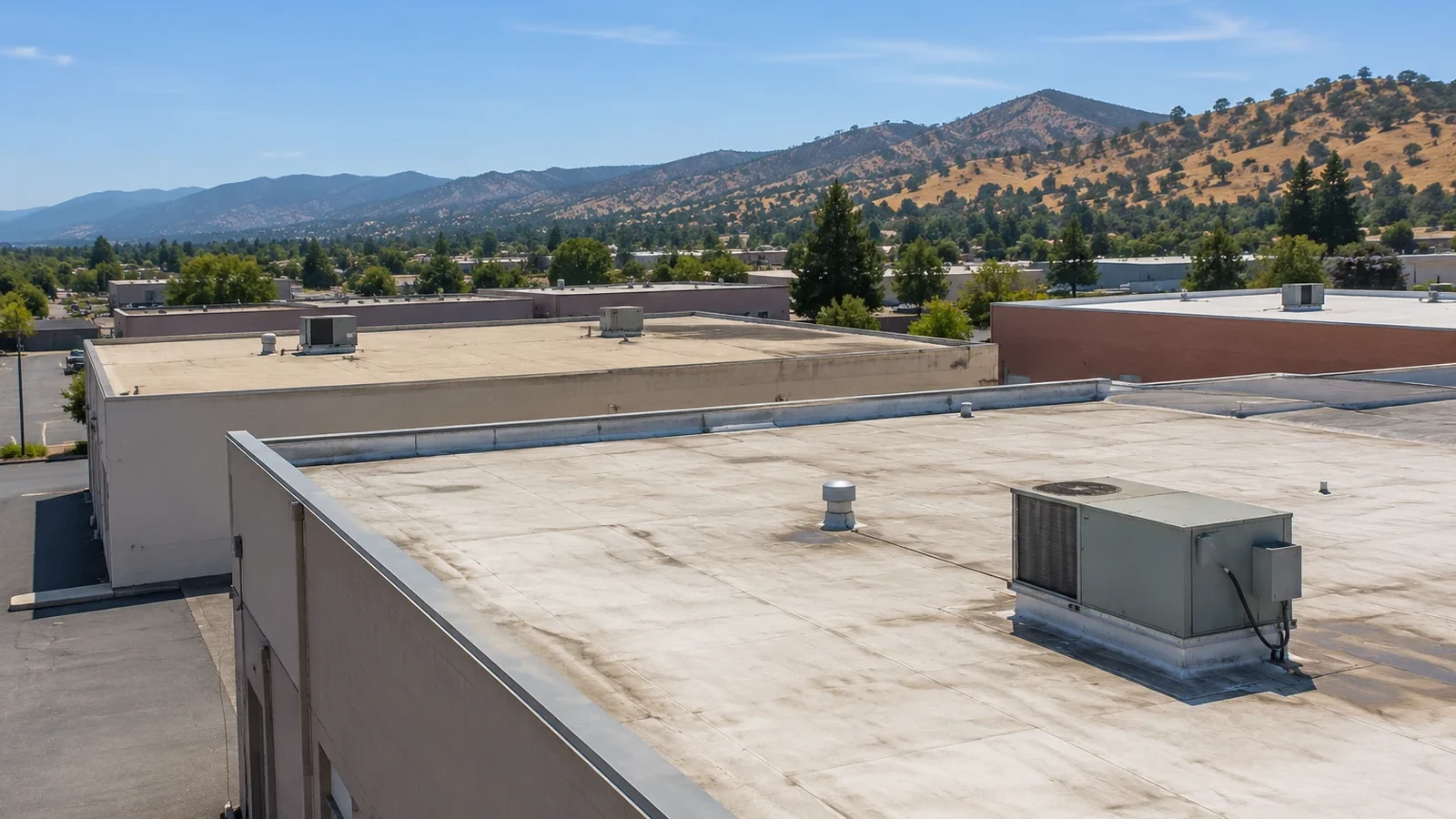
Lodging along Interstate 5 and Oregon Routes 62 and 99 behaves differently from lodging in historic towns. Roofs tend to be simpler, flat or low-slope, and can be exposed to freeway dust and truck exhaust. The Interstate 5 viaduct through central Medford makes downtown properties unusually visible to passing traffic, and a stained or patched roof hurts a property whose brand depends on a clean look.
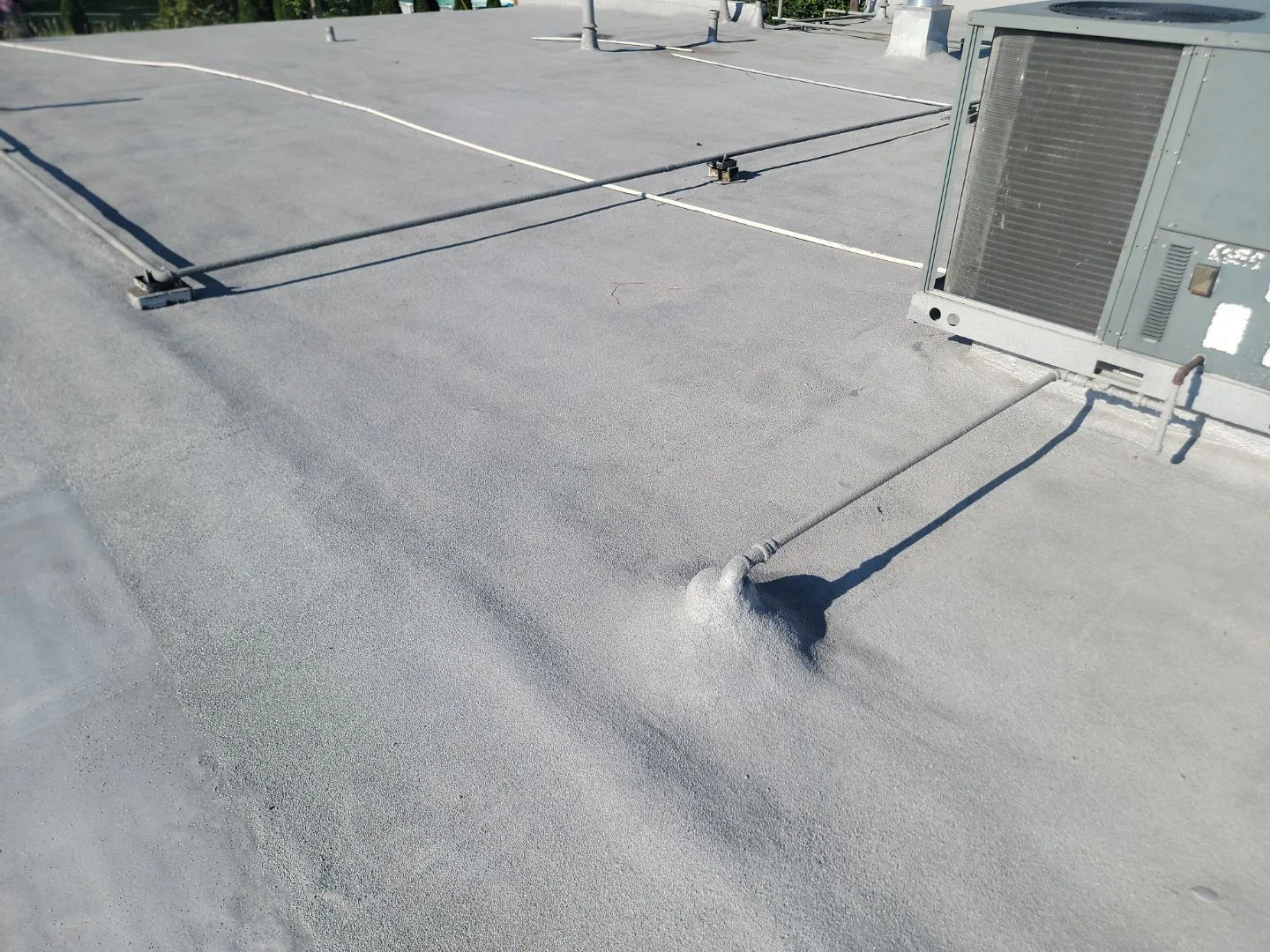
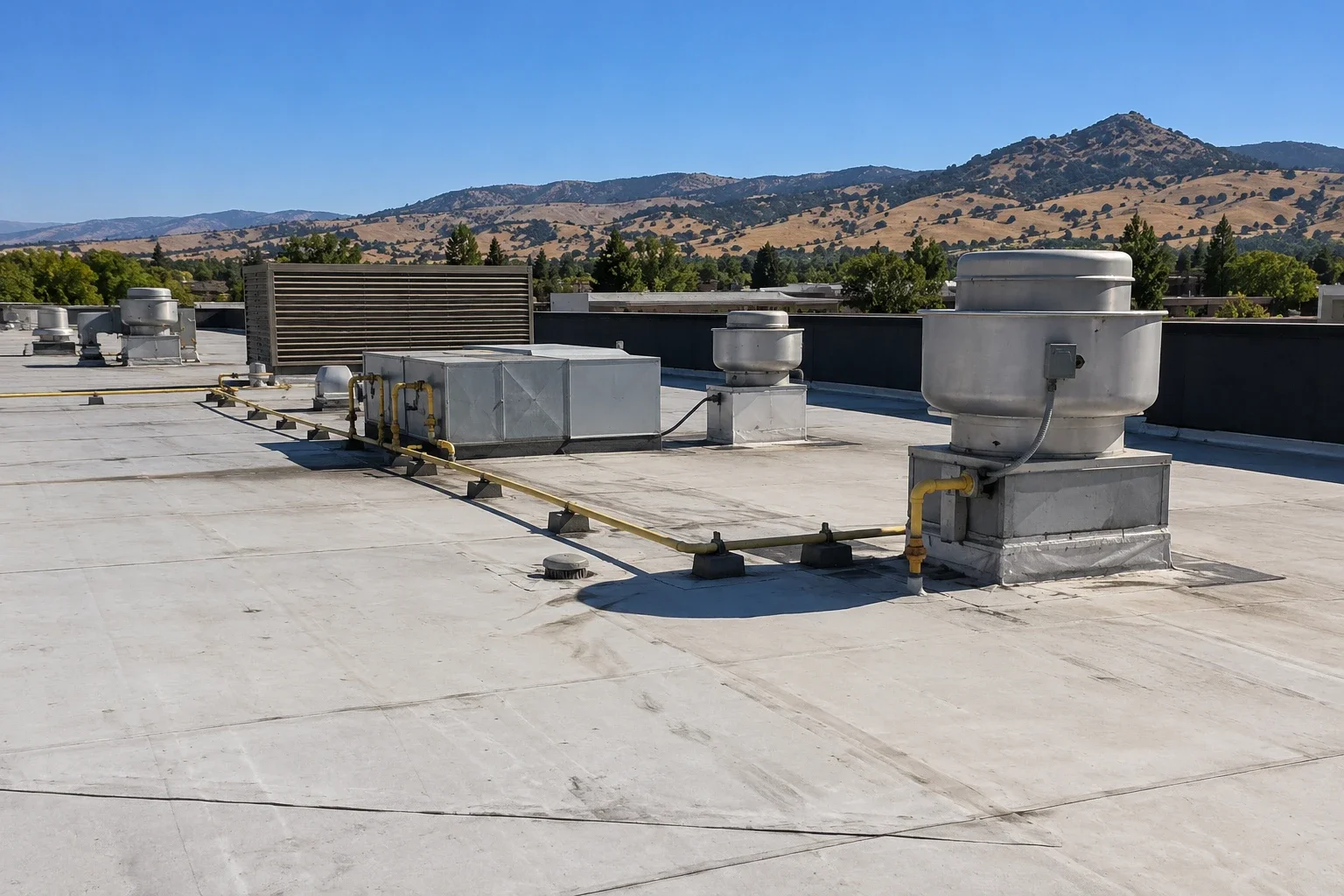
For these owners, the practical program is a spring and fall maintenance visit, with a mid-summer rinse in a smoke season, because soot on a light roof makes upper floors warmer and raises cooling cost on the hottest days. We record each visit in the register so that a management company or an ownership change can read the roof's history quickly.
River and wine-country lodging in Shady Cove, Applegate and Ruch has its own seasons, with rafting, fishing and the Applegate wine appellations filling rooms in the warm months. The same register and grade apply, scaled to the building.
Capital planning for owners with several properties
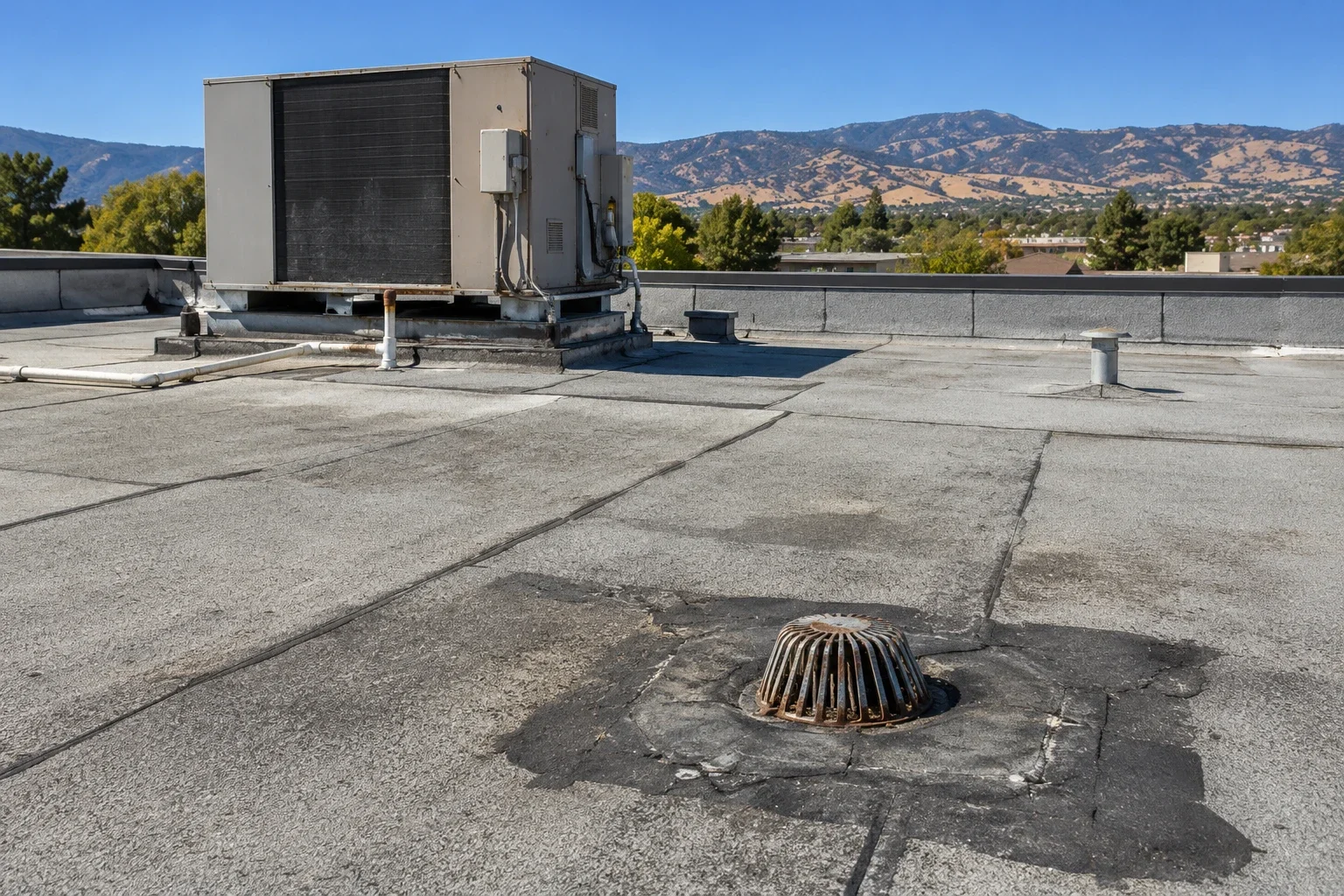
Hospitality groups hold roofs of different ages and uses: a flagship hotel, a roadside inn, a restaurant, an event space. A multi-site roof program grades each, forecasts replacement years and staggers capital spending so that two roofs do not need replacing in the same winter. Brand renovation cycles matter as well: a new membrane is best installed just before a planned renovation, not after, so the work is not torn up by the next trade.
Restaurants and bars inside lodging properties bring the grease and exhaust issues familiar to restaurant chains, and the program logs them in the same register.
When a management company runs the hotel for a separate owner, the property management company and the owner both need to see the same roof record, and we send reports to each. Insurance renewals bring roof questions, and a hotel with a dated condition report and repair log answers them faster. We keep the report current each season so that renewal does not turn into a scramble.
Send the property list and your slowest weeks

Related Roofing Pages

Questions About Hotel Owners and Hospitality Groups
When is the best time of year to reroof a hotel in the Rogue Valley?
Late fall is the usual compromise, after the summer peak and before hard freezes. Properties near the festival towns have a narrower window than highway lodging.
Can a hotel stay open during a reroof?
Often. Sectioned work, quiet-hour rules and protection over entries let most properties keep rooms in service, though rooms directly below tear-off may be taken offline.
How do you handle historic review for a lodging roof?
We identify the rules during the survey, prepare drawings and material samples for the review body and schedule the work after approval. Delays from review are built into the timeline.
What is the most common source of leaks on a hotel roof?
Penetrations for vents and plumbing, plus the junctions at parapets and equipment curbs. A maintenance visit that reseals them costs far less than a ruined guest room.
Does a reflective roof help a hotel in summer?
It lowers heat entering upper floors and eases the cooling load on the hottest days. Washing after smoke events keeps the surface bright.