
Commercial Roofing in Brownsboro, OR
Roof grading, repair and planning in Brownsboro, OR on Route 140 beside Little Butte Creek, with sun, smoke and creek-side drainage covered for small owners.
Overview
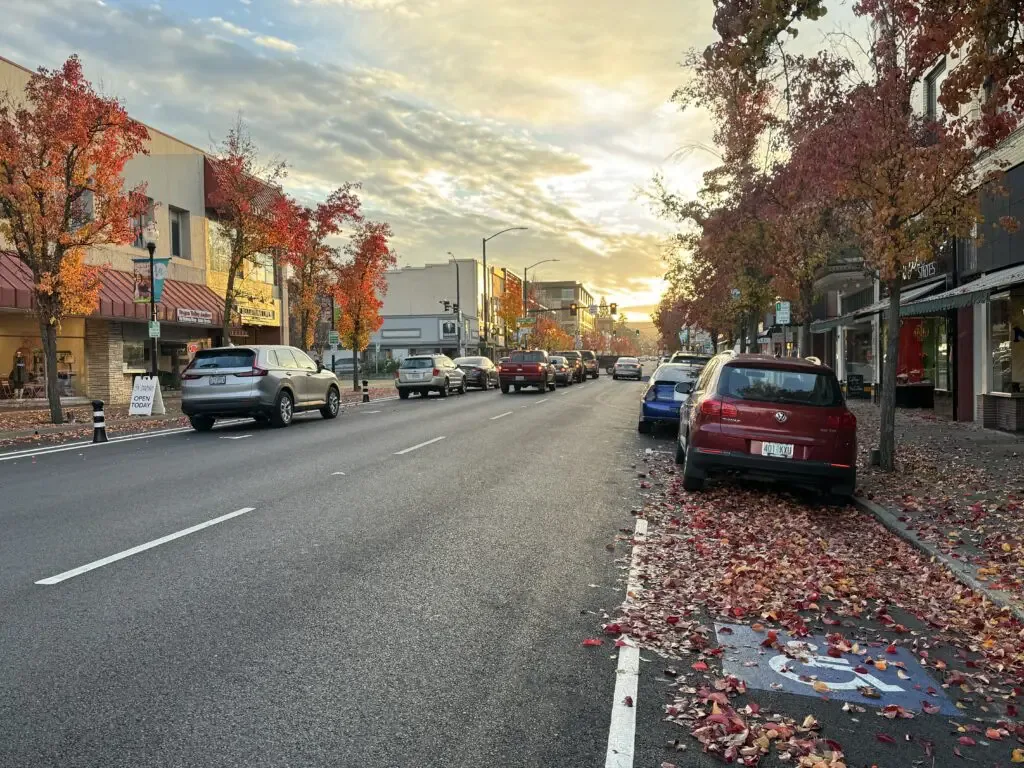
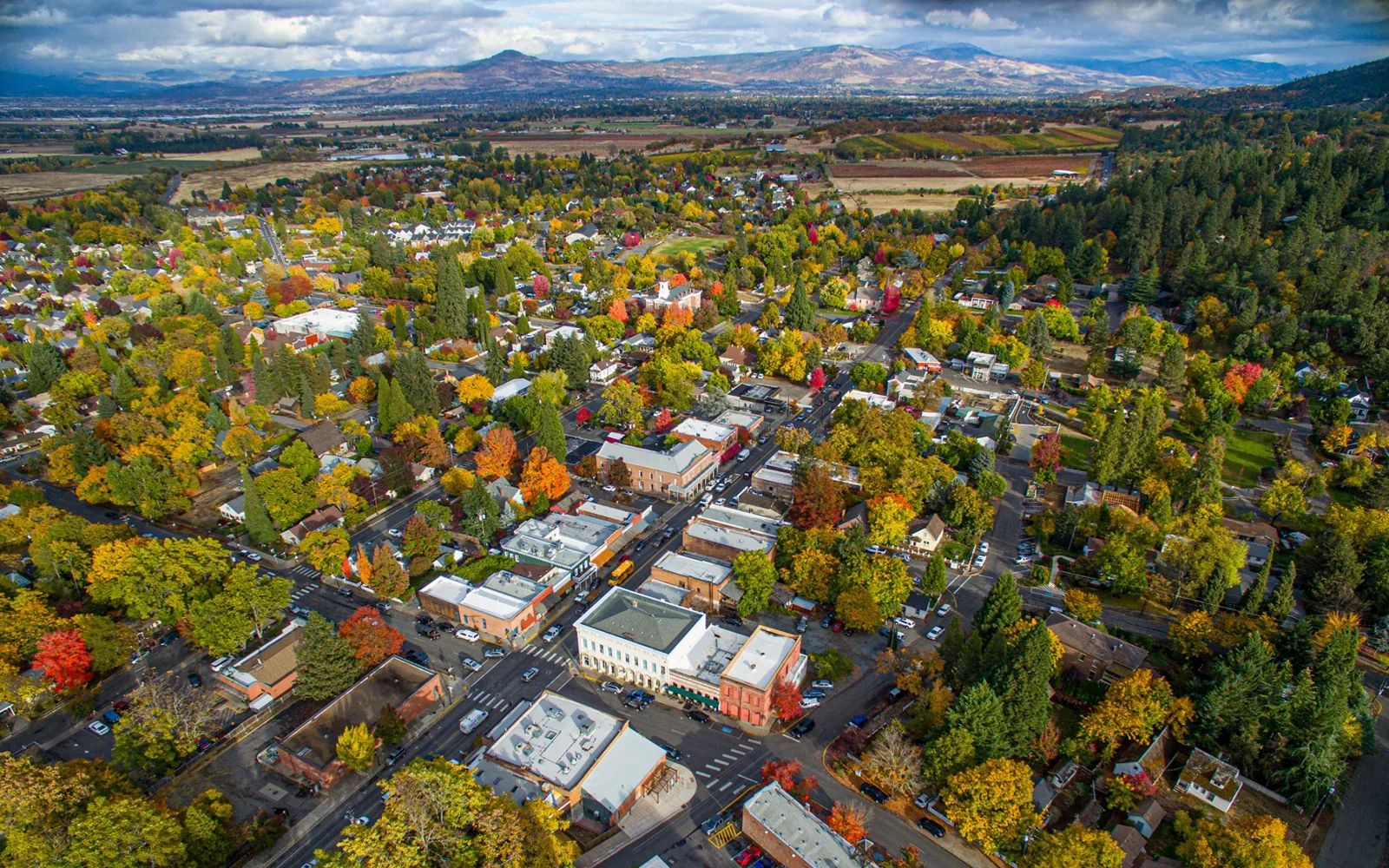
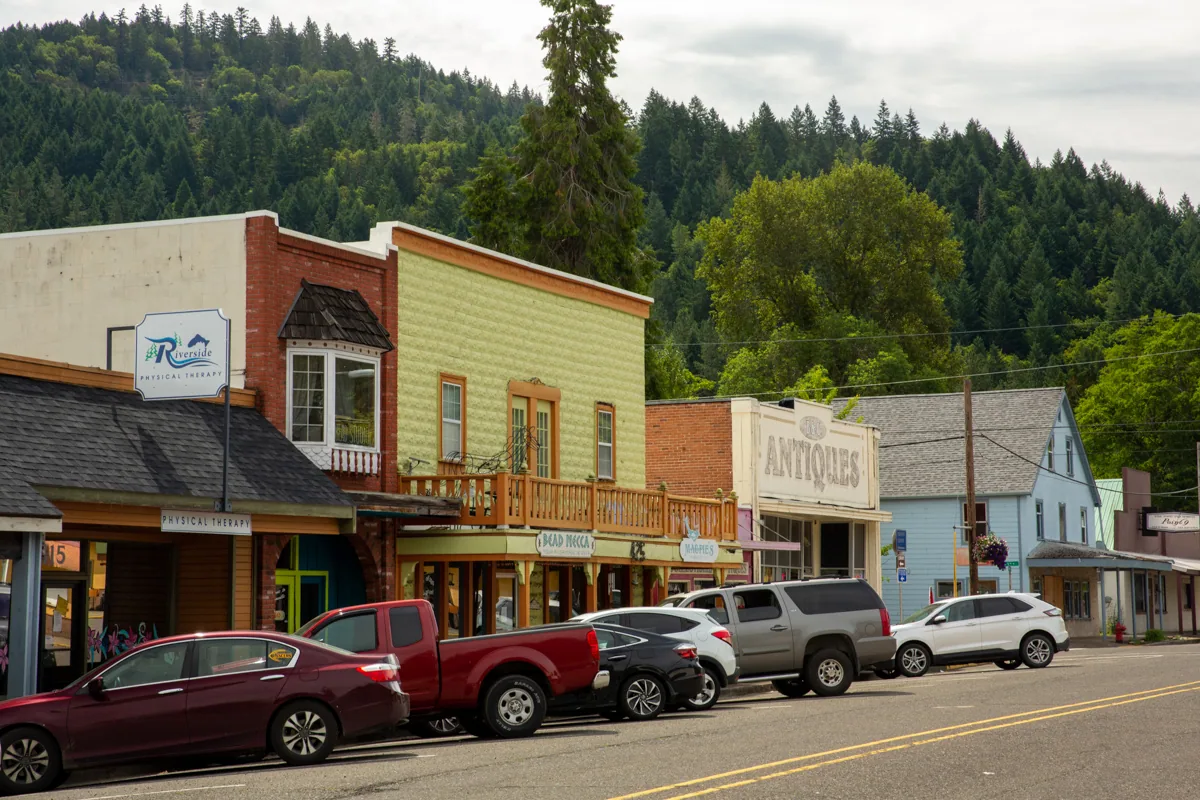
Brownsboro is an unincorporated community in Jackson County on Oregon Route 140, along Little Butte Creek, about 4 miles east of Eagle Point and at 1,437 feet. A road like Route 140 carries the commercial roofs of its corridor in a thin line: a shop here, a storage building there, an agricultural structure set back from the shoulder. Each of those roofs belongs to an owner who is also its facilities department, and for that owner the roof is a ledger item with no one to explain it. Below is how a roof on a creek-side highway gets read, repaired and planned.
The sun that works on it is the Rogue Valley's. Medford, OR records 61 afternoons clearing 90 F in a typical year, and a roof a few miles east and a few hundred feet higher takes that heat with little shelter.
Reading a roof that has no paperwork
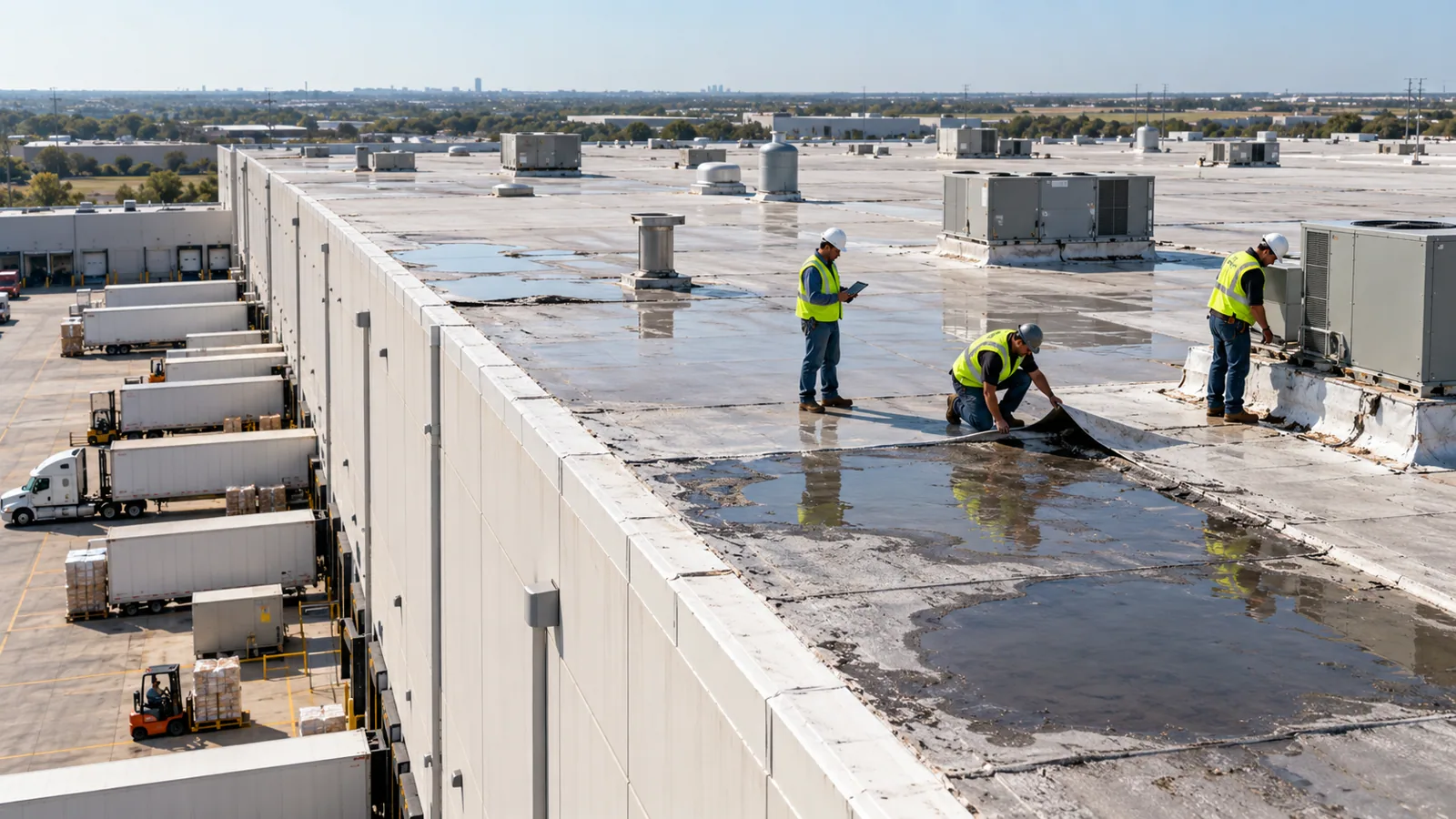
Most small-town roofs arrive without records. There is no install date, no warranty letter and no repair log, only the surface and the owner's recollection. We read what the surface offers: layers of patches show how many times it has leaked, rust streaks show where water has run, chalking shows sun exposure, and granule loss shows a bitumen roof near the end. Fasteners backing out show a metal roof under heat cycling.
Moisture is the other half of the reading. An infrared scan shows warm insulation after sunset, which marks the wet areas, and a small core confirms. The two together produce a grade and a remaining-life estimate, with photographs tied to locations. The owner can then decide what to repair, what to coat and what to plan for replacement, with a number attached to each choice.
Written findings are short. Each item has a location, a photograph, a plain description and a cost range with its drivers: area, access, materials and travel. The owner can approve urgent work on the day and carry the rest forward. That list, dated and filed, is also the paper trail an insurer or lender asks for.
Creek-side ground and the water around the roof
Little Butte Creek runs beside the community, and buildings near a creek can see damper ground and cooler air at night than buildings on a ridge. Dew and fog can sit on a roof surface longer, and the base of walls stays wet. We pay attention to gutters, downspouts and the ground at their outlets, and to the flashing at wall bases, where water that splashes up from damp soil finds gaps.
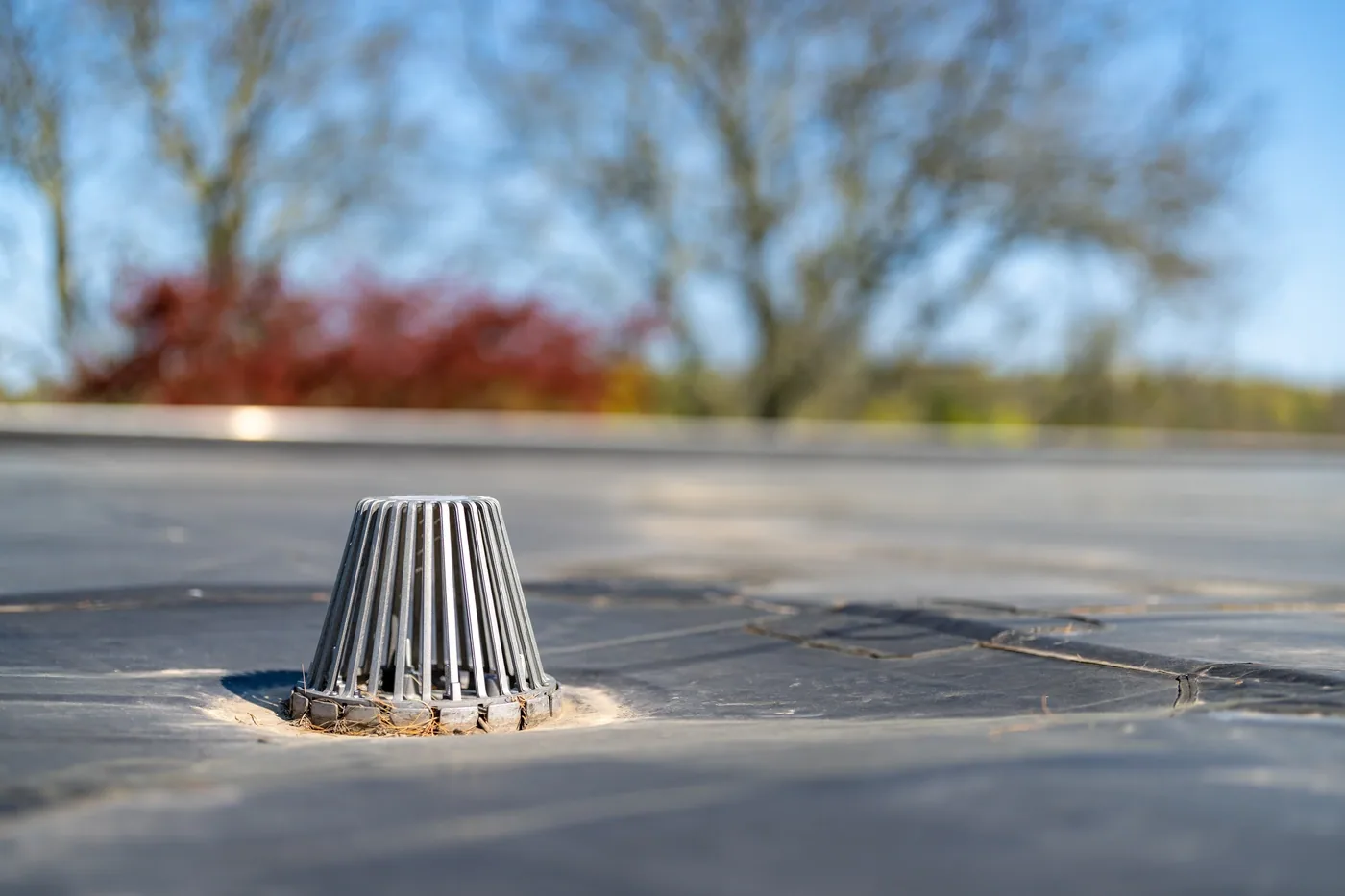
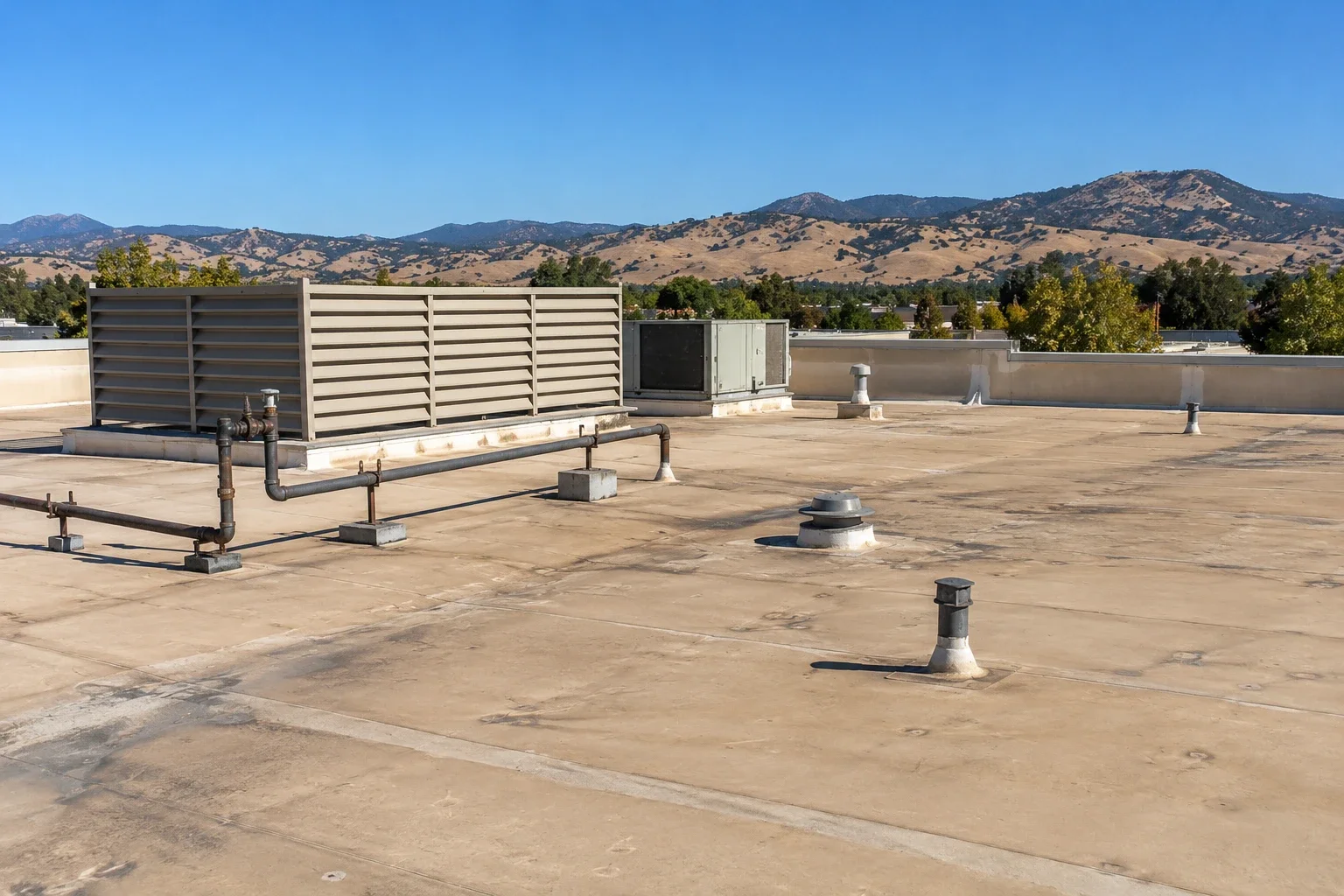
On flat or low-slope roofs, drains and scuppers get tested with water, and we mark any low spot that holds a puddle. Winter in the valley brings fog from inversions and about 64 freezing mornings a year at Medford, which stress joints through freeze and thaw. Roof edges that are tight in October are the ones that stay dry in January.
Gutters deserve their own paragraph on a creek-side building. Leaves from nearby trees collect quickly, and a packed gutter backs water under the eave, where it rots fascia and drips onto the wall. We clear, reslope and reseal them on each visit and recommend guards only where debris loads are heavy, since a guard that clogs becomes the problem it was meant to prevent.
Route 140 and the Eagle Point side
Brownsboro sits about 4 miles east of Eagle Point, a city that grew 14.4 percent between 2010 and 2020 and still sees retail and service construction. That growth shapes the work for a roofer, since new buildings nearby bring contractors, materials and a steady market for repair. For a Brownsboro owner, it also means a crew traveling the corridor can serve several roofs on one trip, and we group visits so travel is shared.
Owners with more than one building along the corridor can take advantage of the same trip, scheduling their roofs together. A single roof capital plan covering a shop in Brownsboro and a property in Eagle Point would set the order of work for both under one report format.
Lake Creek, where Lake Creek joins Little Butte Creek about 20 miles east of Medford, belongs to the same creek system, and one trip along these roads can serve owners in both places. Combining visits keeps each invoice focused on roofing.
Sun load and the choices it opens
With a record high of 115 F at Medford and summers described at Eagle Point as getting hotter and drier, a roof in this corner of Jackson County should be assumed to age fast. Dark surfaces take the most heat. Light surfaces help, but they chalk and collect dust. A metal roof expands and contracts every day, and the fasteners and sealant at its laps pay for it.
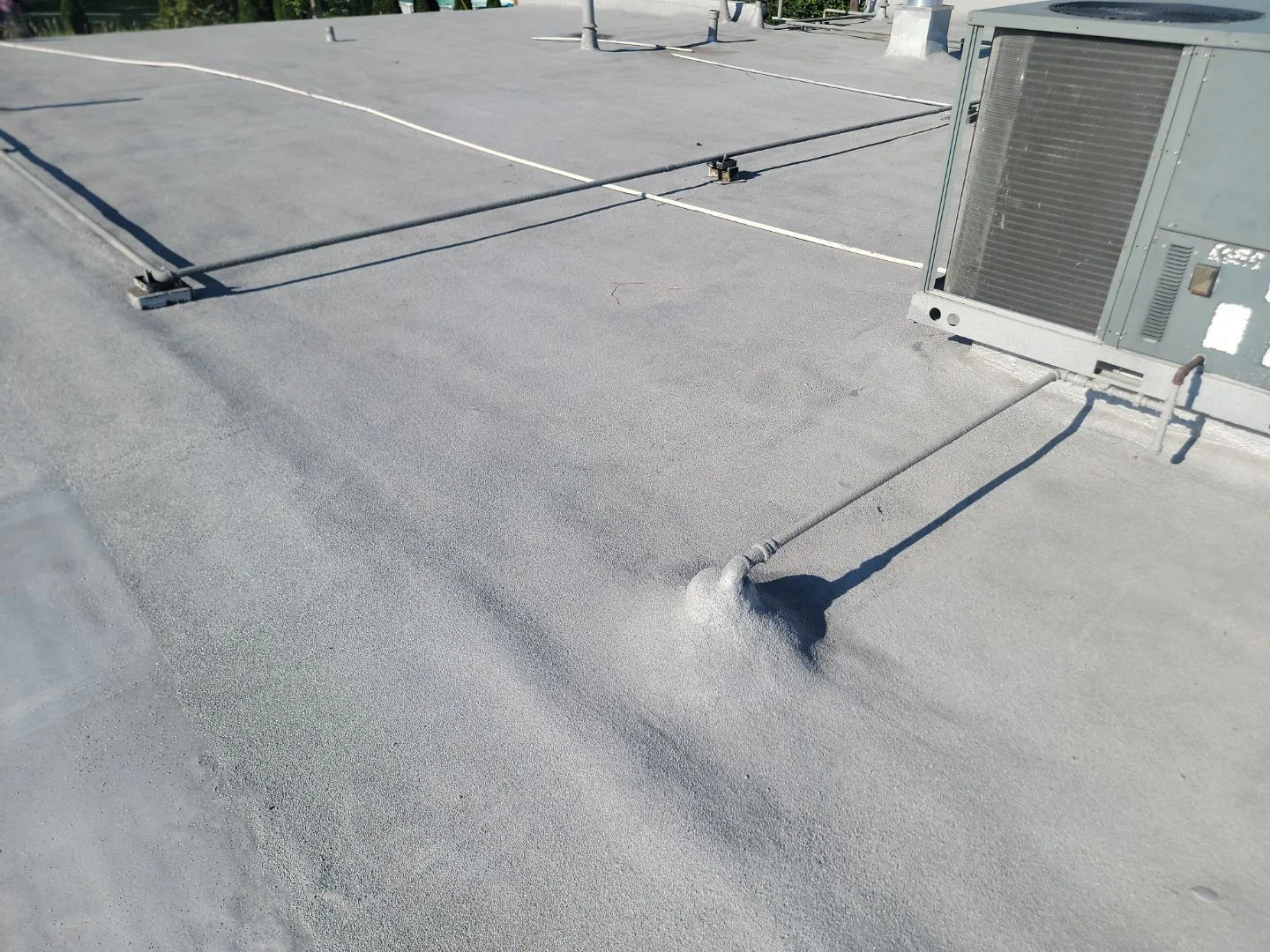
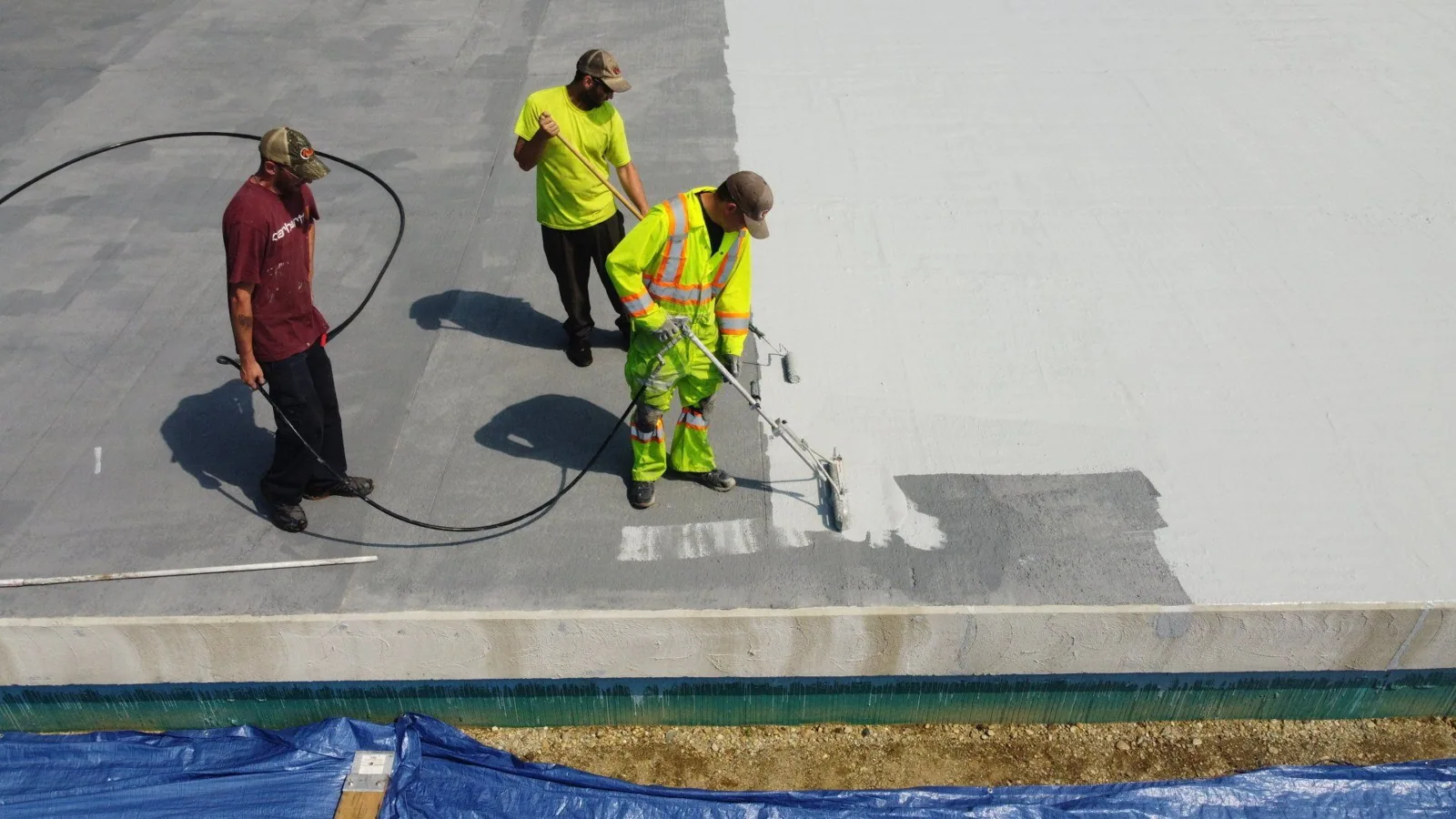
The remedies are modest. A maintenance visit in spring tightens and reseals before the first hot spell. A reflective coating over a sound, dry roof can lower temperature and add years. When the sheet is brittle and the insulation wet, replacement with a white membrane or a new metal system is the economical choice. Every option is priced with the years it returns.
Cost depends on the roof more than the town. A simple metal building with a few penetrations costs less per square foot to repair than a membrane roof with many curbs and a history of patches. We state the drivers on every estimate so the owner can see where the money goes.
Smoke weeks and open-country embers
Open country carries embers farther than a city street does. Medford had 26 smoke days in 2021, following the 2020 Almeda and Obenchain fires that left about 2,600 Jackson County homes destroyed. For a roof in a rural setting, the useful steps are simple: keep needles, leaves and grass clippings out of gutters and valleys, tighten edge metal so embers cannot lodge, and close gaps at vents and eaves.
After a smoke week, soot on a light roof raises its temperature, so we wash the surface and note the date in the register. An owner who can show an insurer a dated photograph of a cleaned, tightened roof is in a better position if a claim ever follows.
Rooftop equipment on a rural building, such as a single heat pump or a vent fan, deserves a check after smoke: filters clog quickly, and a neglected unit runs hot and leaks condensate onto the roof. Cleaning the unit, its pad and the roof beneath it takes minutes and prevents a stain that looks like a roof leak.
Older roofs and the question of repair or replace
Brownsboro had a post office from 1873 until 1954, a sign that people have lived and worked here for a long time. An older building of any kind raises the same roofing question: is the roof worth repairing? We answer with condition, not age. A sound deck, dry insulation and flexible sheet can be repaired for years. A cracked sheet over saturated insulation cannot, and each repair on it is money spent to delay an inevitable bill.

Send the building list, roof ages and leak tickets

Related Roofing Pages

Questions About Brownsboro
Is it worth getting a roof grade on a building I am about to sell or lease?
Yes. A dated grade with photographs tells a buyer or tenant what the roof has left, and it can support a price better than a general promise.
What does a creek nearby change for the roof?
Mostly drainage and wall bases. Damp ground and splash-back push moisture into low flashings, so we check them and the gutters first.
How soon can you come out for a leak on Route 140?
Emergency calls are answered around the clock. The opening is dried in, the damage is recorded and a permanent repair is dated.
Can a metal roof be coated?
A sound metal roof with tight fasteners can take a coating that seals joints and reflects heat. Corroded panels need replacement.
Do you work in the other creek communities?
Our service area follows the valley roads, including Lake Creek and Butte Falls, with travel shown as its own line in the estimate.