
Commercial Roofing in Beagle, OR
Commercial roofing in Beagle, OR off Route 234: site access, staging and hoisting plans, roof grades and heat and smoke-season upkeep for rural buildings.
Overview
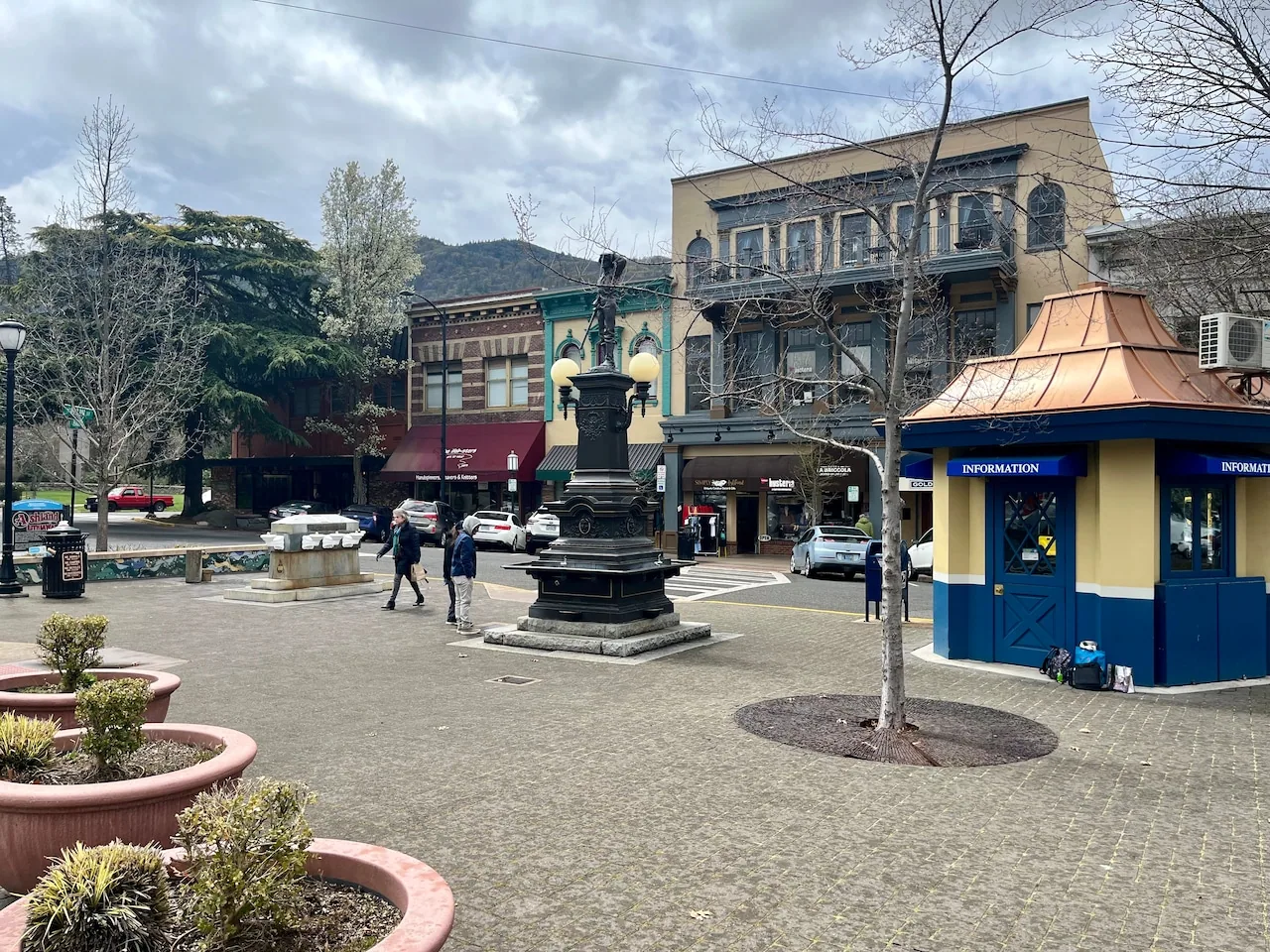
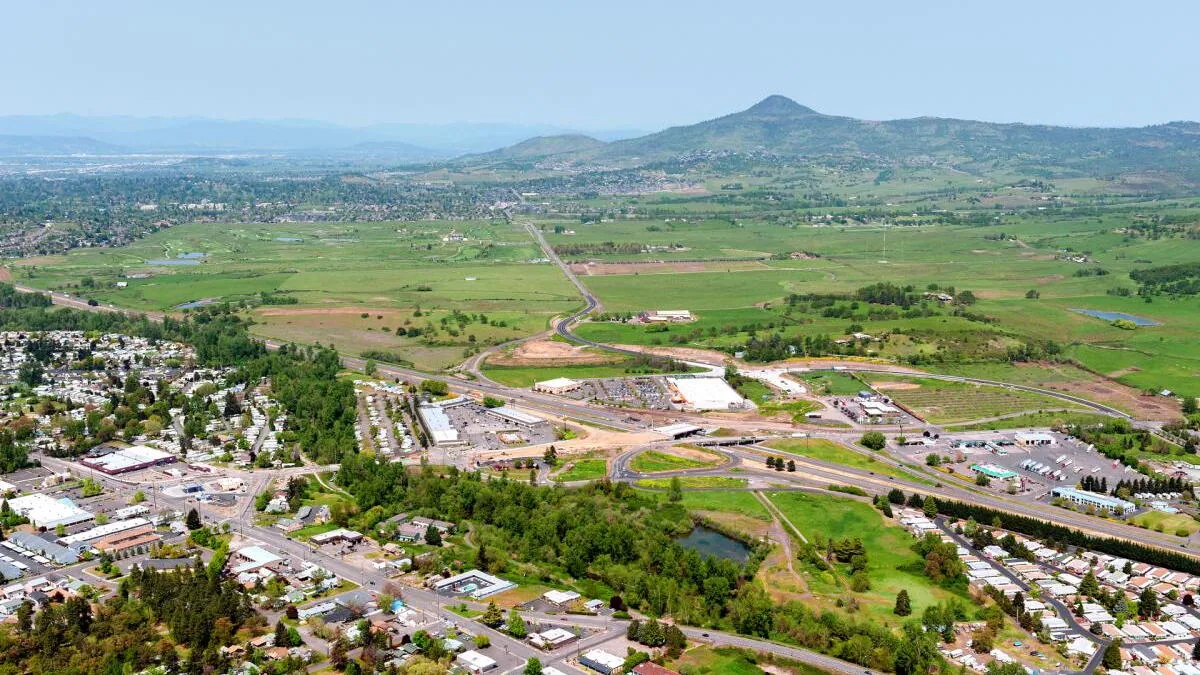
Roofing in Beagle, OR starts with the road. Beagle is an unincorporated Rogue Valley community northeast of Gold Hill and southwest of Shady Cove, along Beagle Road, which branches off Oregon Route 234, at about 1,404 feet. A commercial roof there is often reached by a rural road, not by a business strip, and the access question shapes the schedule, the crew plan and the price before the membrane comes into it. Where does the truck park, how does material reach the roof, and what happens if the weather turns during the day?
The climate over the roof is the one Medford records: 61 afternoons beyond 90 F, 11 of them beyond 100 F, a 115 F record high and 18.4 inches of precipitation in a year. We grade the roof for what that exposure has done and plan the work for the way the site actually works. The sections below describe both halves, and the owner receives a written plan that covers the roof and the logistics in one document.
Rural Access and Staging
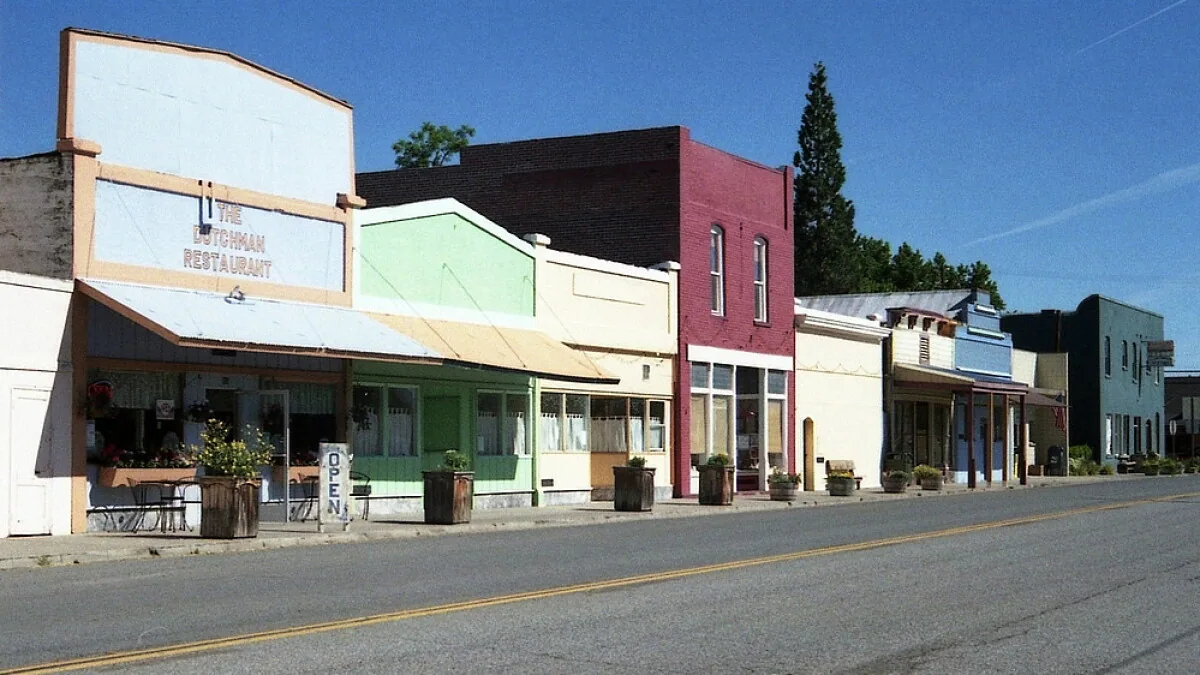
Buildings along Beagle Road differ, so the access plan comes from a site visit. We look at the approach: road width, surface, turning room, overhead lines and gate widths. We look at the yard: where a delivery truck can stop, where pallets can stage without blocking the entrance and where waste can be loaded. A site with tight access needs smaller deliveries, more trips and sometimes a different material system, and the plan says so in advance.
For owners, the cost of access is real and varies. A building on a wide gravel yard with room for a boom truck is a straightforward job. A building behind a narrow gate with no turnaround may need hand carrying, which adds labor hours and extends the schedule. We show access as its own line in the scope so the owner understands what drives the difference.
Hoisting, Tear-Off and Waste
Getting material up and old roof down is half the labor on a replacement. A boom truck or hoist lifts rolls of membrane, insulation boards and tools to the roof edge. A chute or dump container takes the tear-off. On a rural lot, a container can sit close to the building, which saves handling, but only if the ground will support it and the driver can reach the spot. We confirm those details before scheduling.
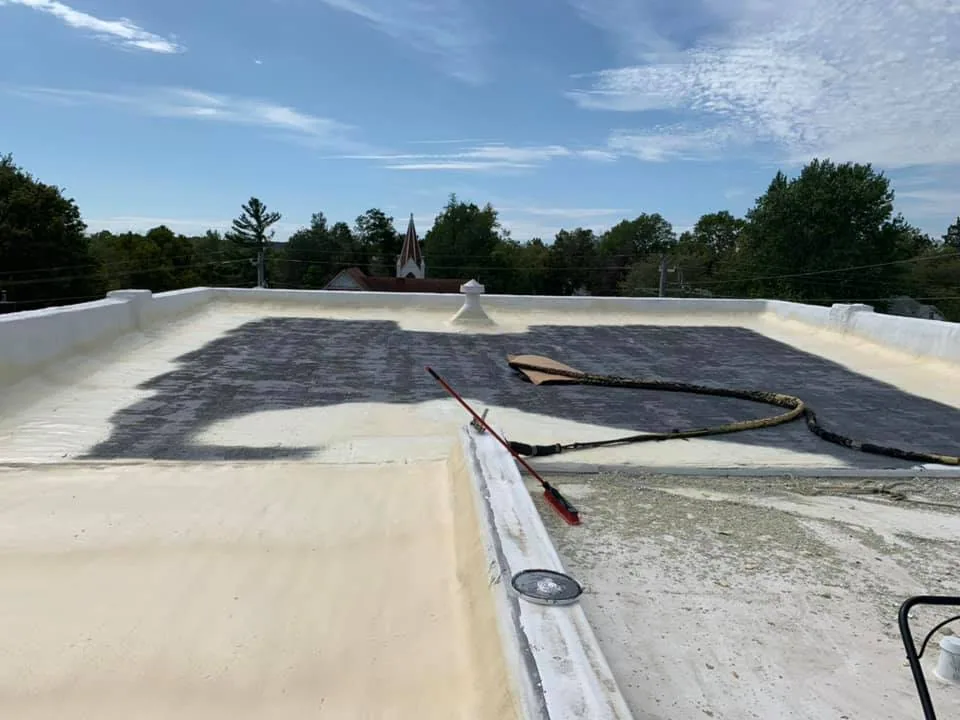
If hoisting is not practical, a spray polyurethane foam system is worth a look, since the material arrives as liquid components in a truck and is applied on the roof without lifting boards. It suits roofs with sound decks and manageable slopes, and it adds insulation in the same pass. The tradeoff is that it needs careful weather planning and a skilled applicator, and the report lays both out.
Roof Access and Fall Protection
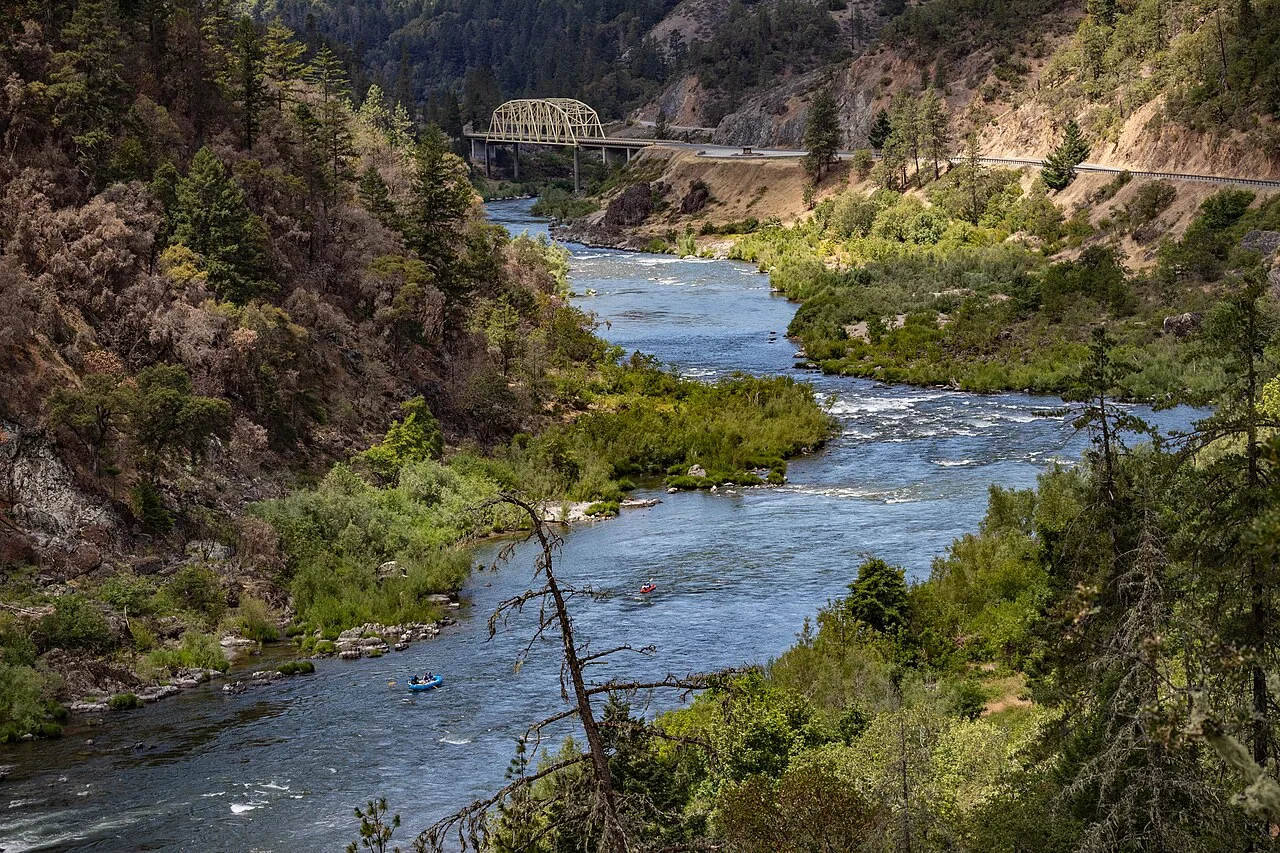
Many rural buildings were never designed for roof access. There may be no fixed ladder, no hatch and no guardrail. We plan for it: portable ladders or lifts to reach the roof, tie-off points or guardrails where the work requires them and a written safety plan that names the hazards on that roof. Skylights, deteriorated decking and wet or dusty surfaces each get a note before anyone steps out.
Safety here is not paperwork for its own sake. A roof that cannot be reached safely cannot be inspected properly, and an inspection that skips sections leaves the grade incomplete. Where access is poor, we report which sections were seen, which were viewed from a distance and which will need a lift on the next visit.
Heat, Seams and the Rural Roof's Remaining Life
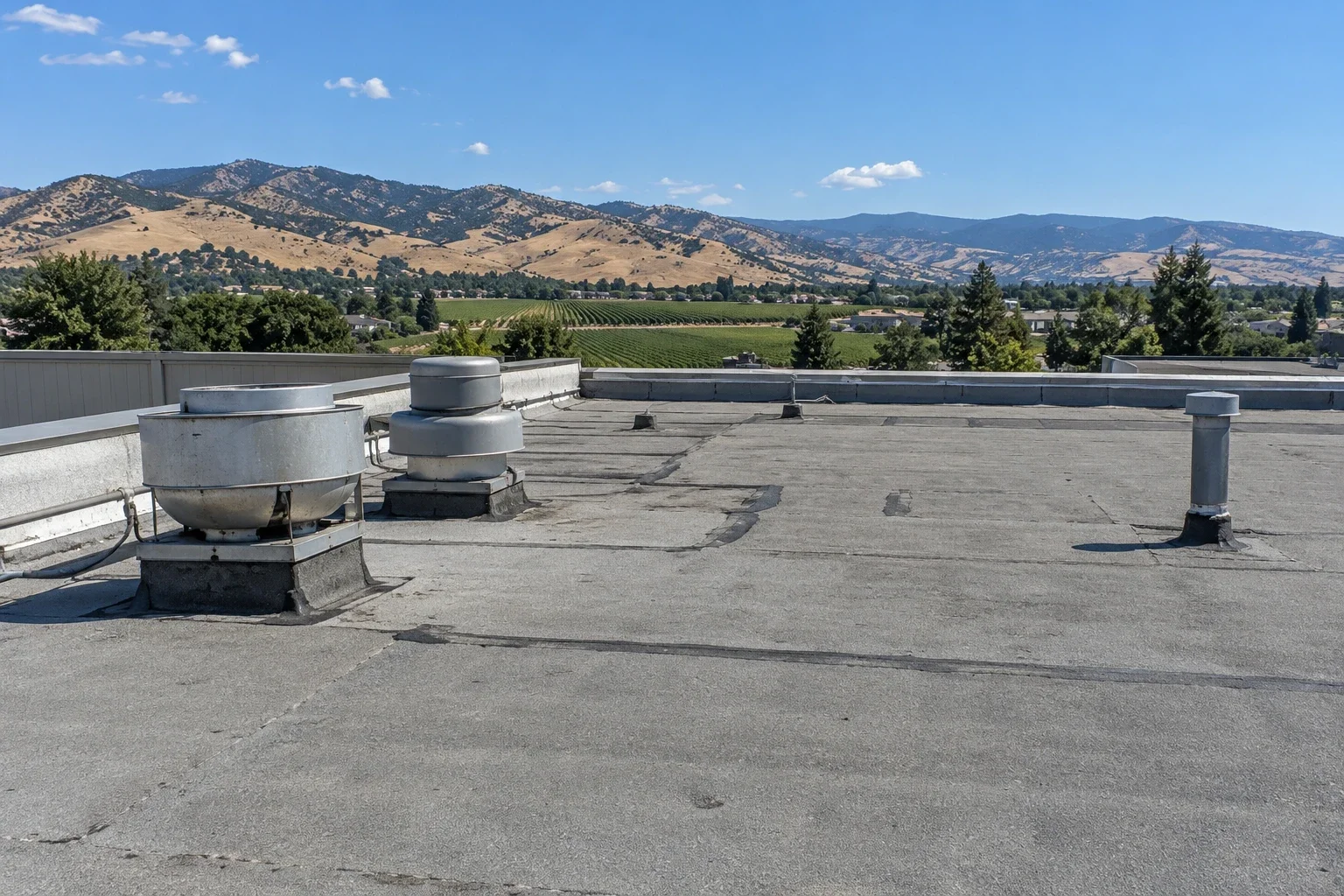
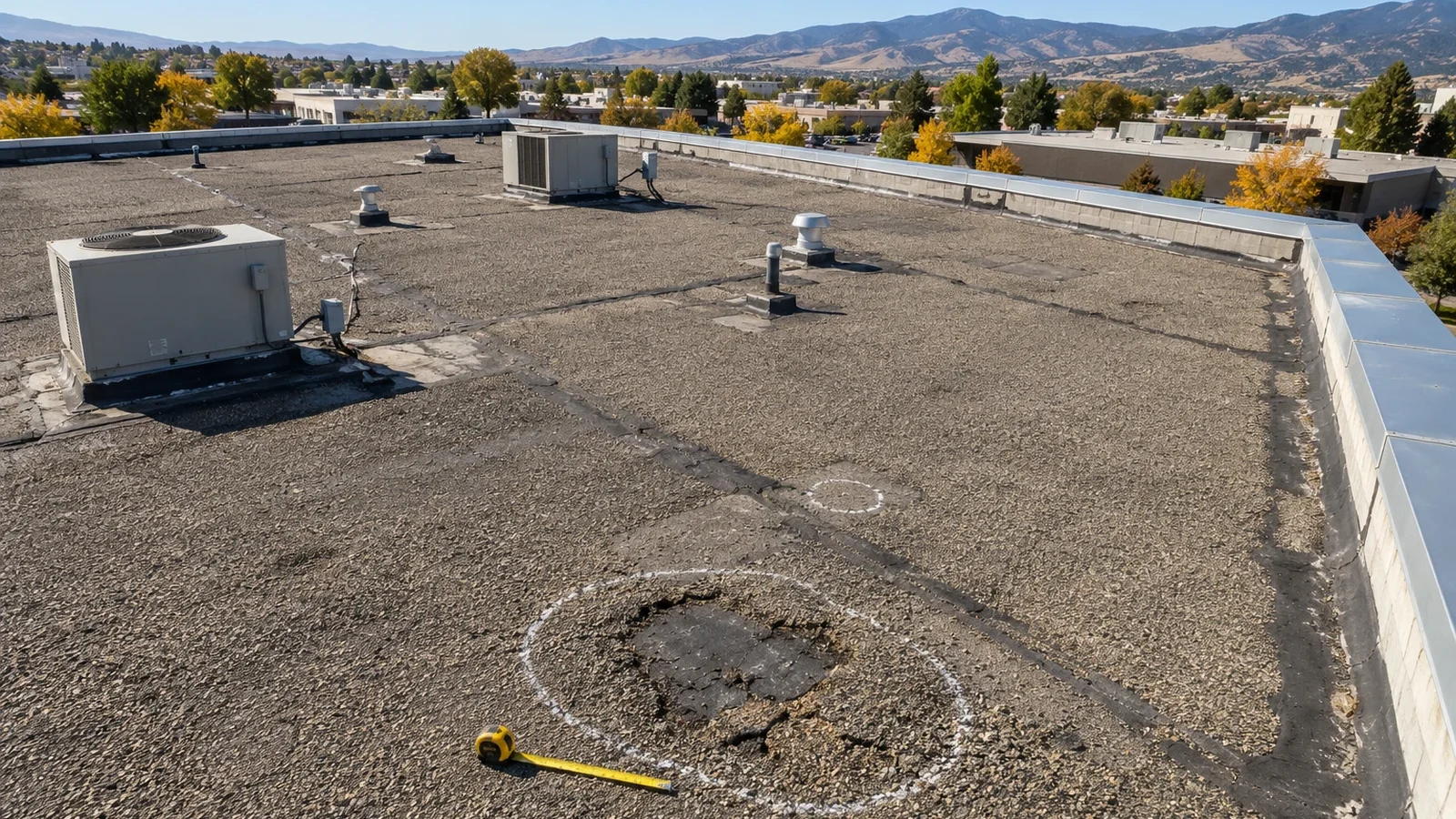
Once the roof is reachable, the grading is the same discipline we apply anywhere in the valley. The covering, seams, flashings, drains, penetrations and moisture each get a note. Heat is the dominant stress, and its signs are chalking, brittle laps, split sealant and edge metal that has worked loose. A commercial roof inspection catches those items while they are still repair-sized. Left alone, they become the leaks that show up in a storm, and storms in a dry valley are few enough that an owner may not see the first one until the damage is done.
The remaining-life estimate follows from the findings. A roof with tight seams, sound flashings and a clean surface may carry several more summers with routine maintenance. A roof with open laps and saturated patches is on a shorter clock, and the report says so with the range and the assumption behind it. Both estimates go into the register with photographs, so the next visit starts from a known baseline.
Smoke Weeks, Embers and Remote Sites
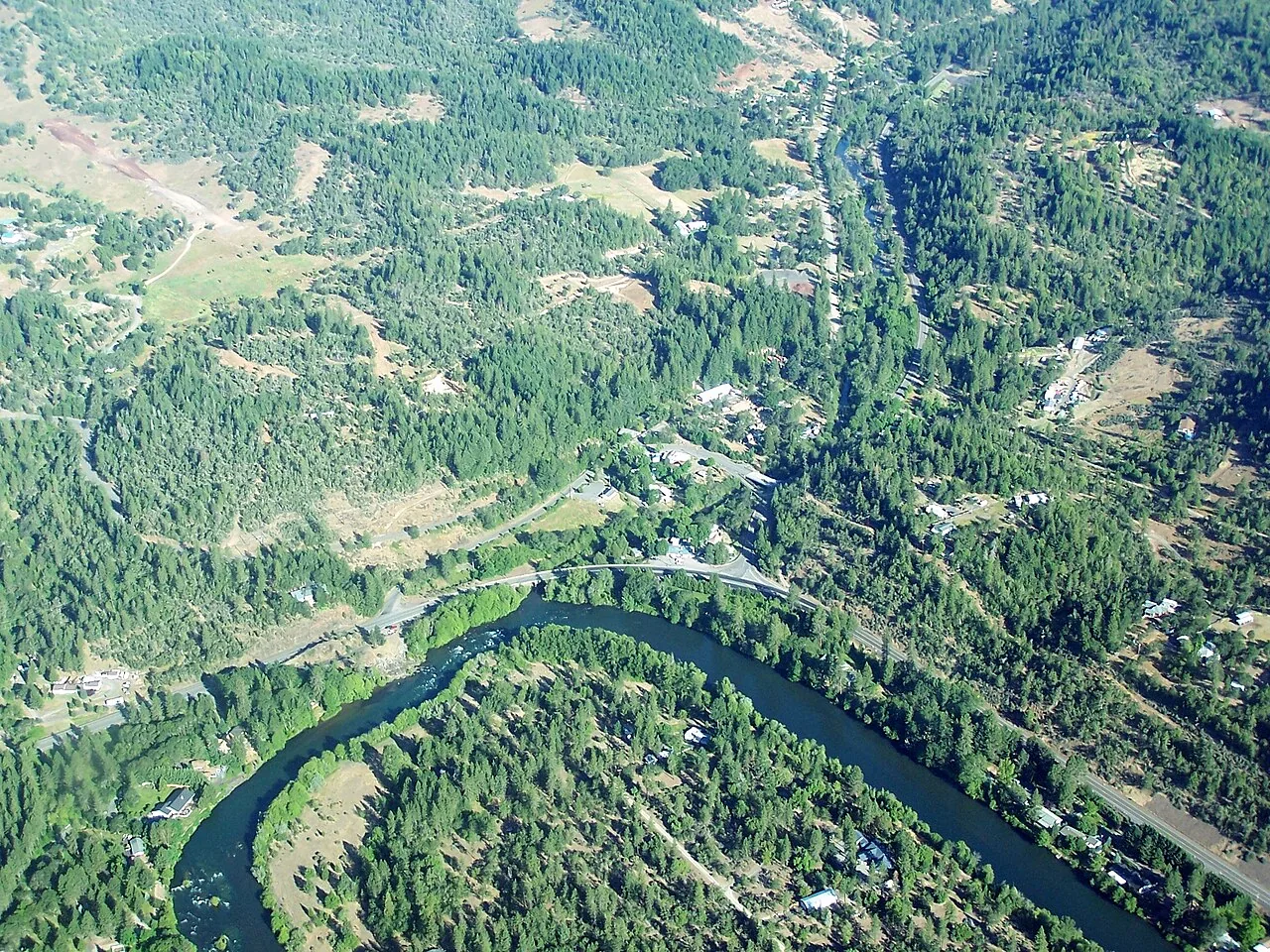
Smoke reached Medford on 26 days in 2021, and the 2020 fires that destroyed about 2,600 county homes set the context. A remote building has a particular concern, since it may be farther from help during an event. We check edges, vents, curbs and gaps where embers could lodge, clear debris from the roof and note any vegetation or stored material close to the building that could feed a flame. The roof is one part of the building's fire exposure, and the report separates it from the rest.
After the event, an owner needs documentation. A dated record of the roof's condition before smoke or fire turns a claim from an argument into a comparison, and our roof insurance claim assistance uses the register as its starting point.
Cost Drivers and Timing for a Rural Roof
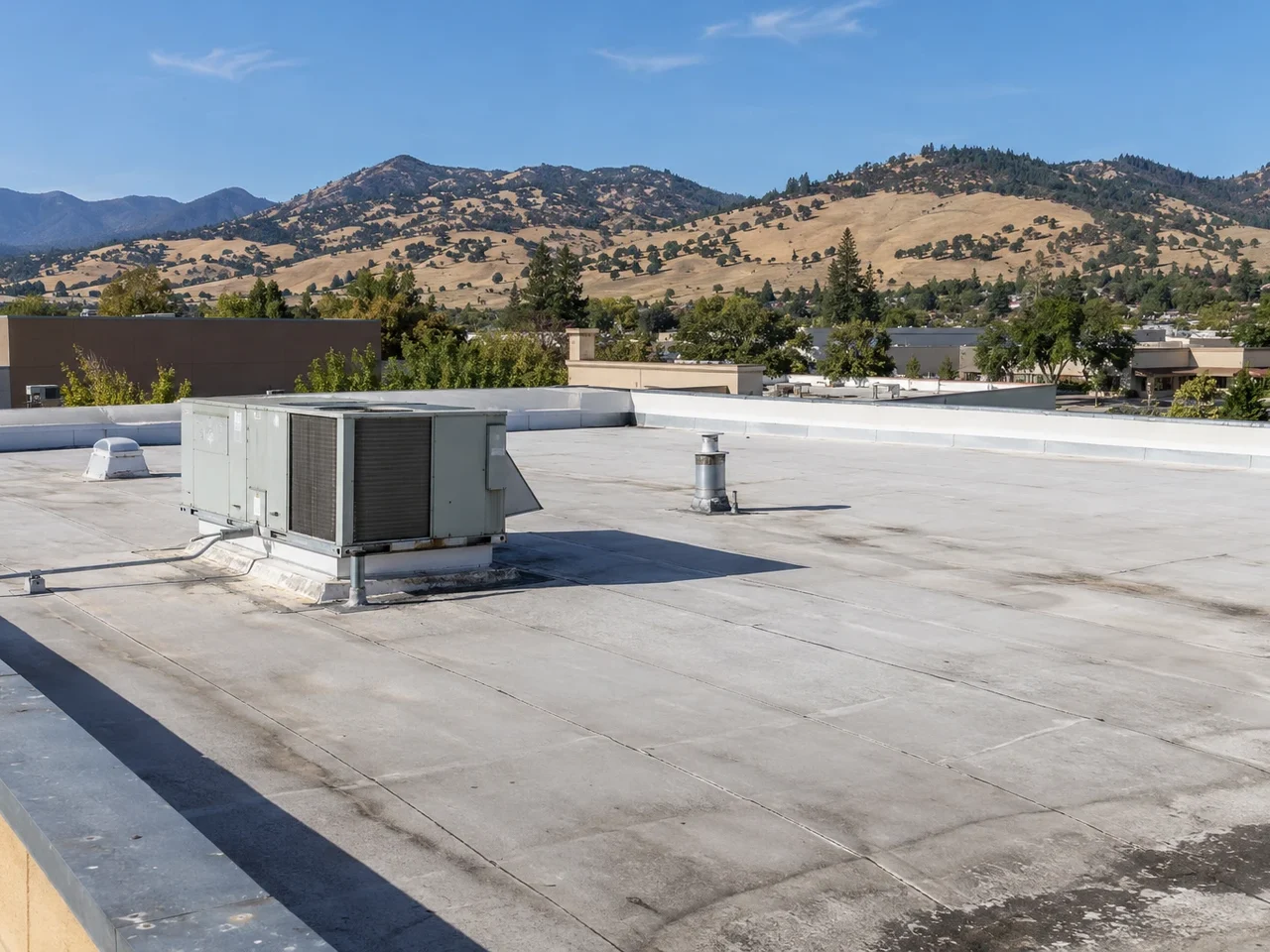
The usual drivers apply here: roof area, insulation depth, penetrations, tear-off and disposal, and phasing around any occupant. Rural sites add two more. Travel time from the yard to the site is a cost, and so is the time spent staging material where it cannot be dropped next to the building. We list both as separate lines, so that the owner can compare the real price of working on a remote parcel with the price of a roof in town.
Timing follows the valley climate. Spring and early summer offer the best conditions for membranes and sealants, before the hottest weeks stiffen material and tire crews. Approvals in winter allow material to be staged by March. Approvals in July compete with every other owner's schedule and work in the heat. Rural jobs, where deliveries take longer to arrange, make the decision month the date most likely to slip, so the report names it.
Planning With Neighboring Places
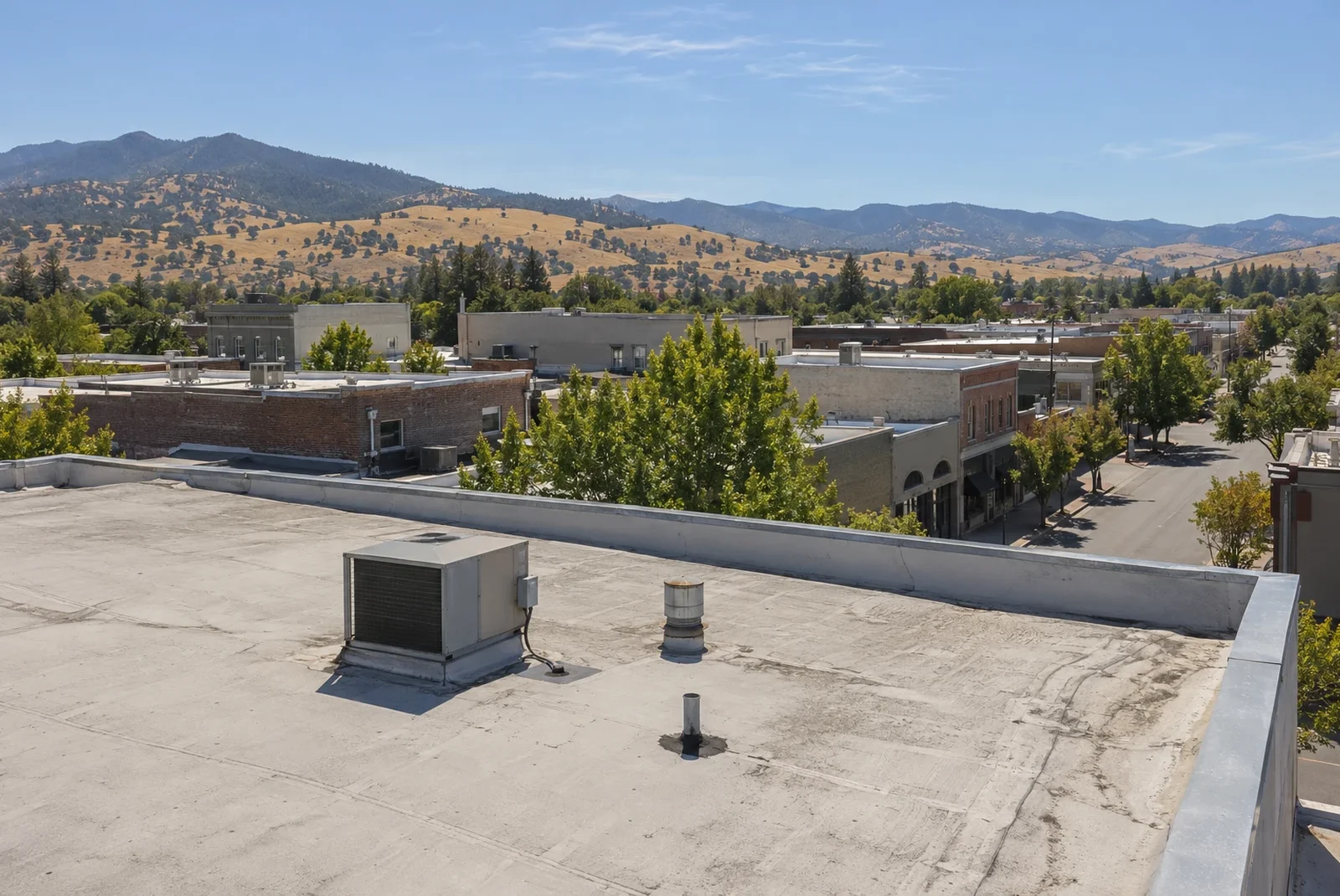
Beagle is part of the Sams Valley area and lies toward Shady Cove along the Route 234 corridor. An owner with buildings in more than one place can combine them in a multi-site roof program, with one visit calendar and one report that grades each roof on the same scale.
Send the building list, roof ages and leak tickets

Related Roofing Pages

Questions About Beagle
Can you reach a building on a narrow rural road?
Usually. We check the road, the gate and the yard first, then plan smaller deliveries or hand carrying if the truck cannot get close.
How does access change the price?
It shows up as labor hours and trips. The scope lists access as its own line so the owner sees the difference between a roomy yard and a tight one.
Is foam practical where hoisting is hard?
It can be. The material arrives as liquid and goes on in place, though it needs a sound deck, careful weather planning and a skilled applicator.
What if the roof has no safe access?
We bring ladders or a lift, set up fall protection and note in the report which sections were fully inspected.
Do you handle emergencies at remote sites?
Emergency response runs around the clock, all week, and we ask about road access and roof type first so the crew arrives with the right gear.